24/7 Emergency Restoration · Serving Metro AtlantaEmergency? (770) 404-6895
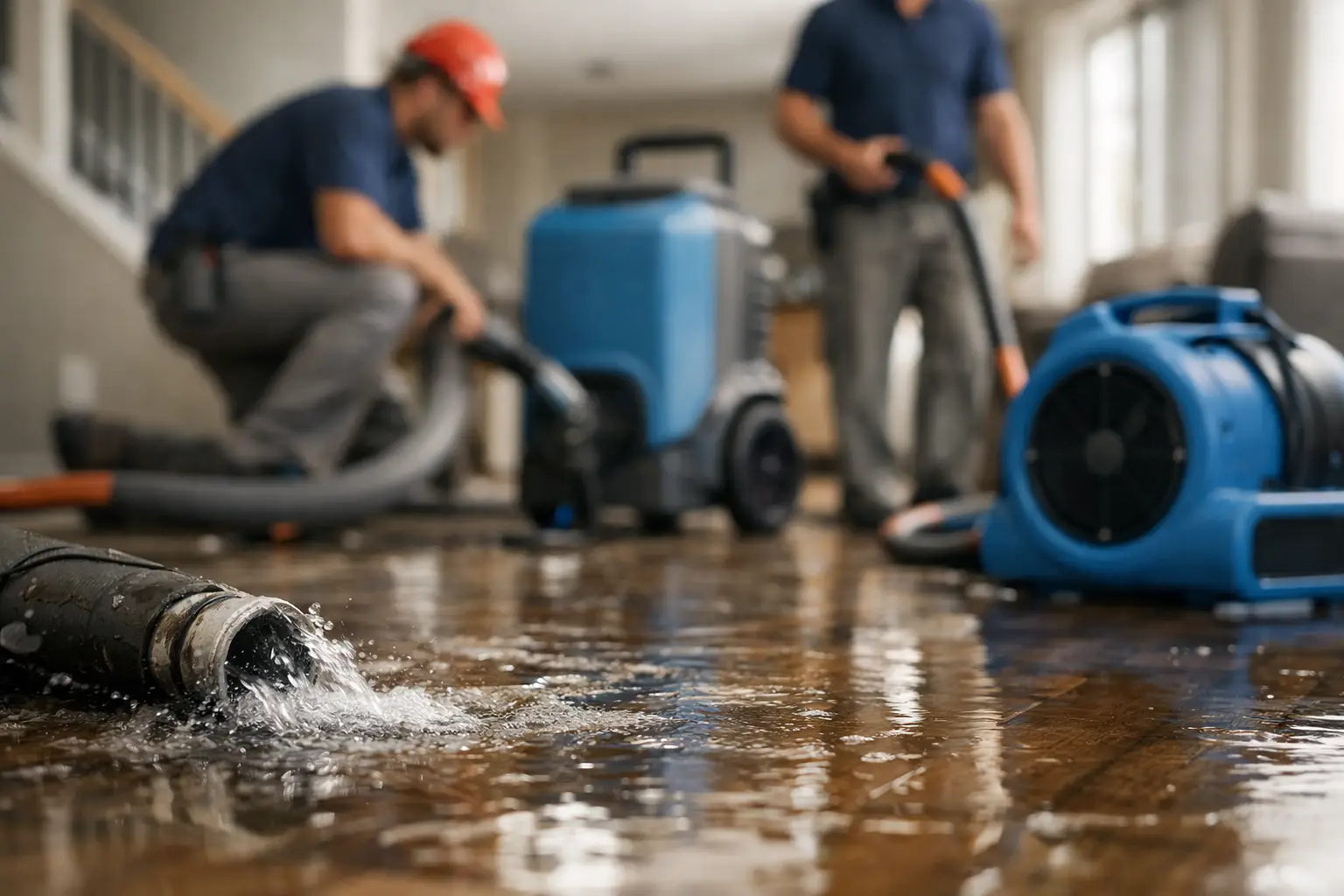
Disaster reconstruction contractor Acworth is what I do when water, fire, or storm damage turns a house near Lake Acworth or the Allatoona dock into a job site. I am Chris Kwangwari, owner of Elevated Operations, LLLP, and I bring IICRC-certified technicians, direct insurance billing, and a 12-month warranty to the rebuild.
IICRC-Certified · 5-Star Rated · 60-Minute Response · Insurance Billed Directly
Maybe. If the damage reached framing, subfloor, or insulation, one room can still need real reconstruction. I inspect the assembly, not just the stain.
Yes. Roof repair and interior reconstruction often go together after a leak, especially when drywall and flooring were exposed to water for too long.
Because moisture exposure can spread fast, especially through hidden cavities. That changes a cleanup job into structural repairs before most owners realize it.
Ask who handles insurance billing, whether they are licensed, and if they can manage the rebuild from demolition through finish work. I can.
Start with safety, stop the source if you can, and call me for 24/7 emergency response. Then document the loss, save anything dry, and avoid opening wet walls or floors near Lake Acworth or the Allatoona dock where moisture can spread fast.
First, make the area safe. If there is standing water, smoke damage, or a sagging ceiling, stay out until an IICRC-certified technician can look at it. In Acworth, older homes near downtown and newer homes around the lake both hide damage behind surfaces you cannot see.
Second, protect the claim. Take clear photos before anything is moved, then separate salvageable items from ruined ones. I handle direct insurance billing, and that matters because the paperwork should match the actual loss, not a guess from a rushed cleanup.
Third, stop the chain reaction. Wet drywall, insulation, and flooring replacement decisions should not wait until the smell gets worse. Mold can start in 24 to 48 hours, and a small leak near an Allatoona dock access point can turn into structural repairs if the framing stays wet.
I turn damaged property back into a usable structure after cleanup, from framing repair and drywall installation to roof repair, flooring replacement, and full rebuild work. That means I manage the rebuilding side, not just the tear-out, and I keep the scope tied to the actual loss.
A real disaster reconstruction contractor handles the parts that make a house a house again. That includes structural repairs, framing repair, drywall installation, roof repair, trim, and the finish work that lets you move forward instead of living in a half-fixed home.
In Acworth, that often means working on homes with mixed ages and different construction details. I have to match materials, rebuild damaged sections cleanly, and keep the repair plan practical for the property, whether the loss came from a burst pipe, storm intrusion, or fire.
And I do not confuse cleanup with recovery. Cleanup removes the mess. Property reconstruction restores the building. That difference matters when the damage reaches joists, subfloor, or ceiling cavities, because the visible stain is usually smaller than the actual problem.
You need reconstruction when the damage goes beyond surface drying and cleaning. If the roof is compromised, the framing is warped, the subfloor is soft, or the drywall and insulation are contaminated, it is time for rebuilding, not another round of drying.
I look for three things: structural movement, material failure, and contamination. If any of those are present, the project has crossed into reconstruction. A small leak can still require a full rebuild in one room if the moisture traveled through framing and flooring layers.
In Acworth, wind and storm damage around open lake areas can push water into roofs, soffits, and wall cavities. When that happens, the job is not just to dry the surface. It is to rebuild the damaged assembly so it holds up after the next storm.
You also need reconstruction when cosmetic repairs would hide a bigger issue. I have seen flooring replacement turn into subfloor work, and drywall patches reveal framing repair beneath them. If the structure is damaged, covering it up is the wrong call.
Yes, and that is usually the cleaner path. I can coordinate the restoration sequence from emergency response through reconstruction, which reduces handoff problems and keeps the insurance file, scope, and repair schedule aligned under one roof.
One contractor can absolutely handle cleanup and rebuild when the team is set up for it. I work as a licensed general contractor, so the project does not get stranded between demolition and reconstruction. That matters when there is pressure from adjusters, occupants, and weather.
The best result comes from one plan. Dry out first, remove damaged materials, verify what is salvageable, then rebuild in the right order. If someone else does the cleanup and another company does the property reconstruction, details get lost and the scope gets messy fast.
I keep the process simple for Acworth property owners. One call starts the emergency response. One team documents the damage. One contractor carries the rebuild through roof repair, drywall installation, and finish work without bouncing the homeowner between vendors.
It depends on the damage, the materials affected, and the insurance scope, so I do not guess at a calendar before I inspect the loss. What I can say is that the process moves faster when the source is stopped early and the rebuild is scoped correctly.
A small interior loss and a structural loss are not the same thing. If only one room needs flooring replacement and drywall installation, the work is far simpler than a project that needs framing repair, roof repair, and multiple trades to put the house back together.
Timing also depends on how quickly the claim is documented and approved. Direct insurance billing helps keep paperwork moving, and that can prevent the delay that comes when the owner is trying to coordinate payments, estimates, and repair approvals on their own.
Around Lake Acworth and the Allatoona dock area, moisture exposure can complicate the schedule if the damage was not caught early. The longer wet materials sit, the more likely the project becomes structural repairs instead of simple surface restoration.
Seal open areas, keep damaged sections isolated, and do not let extra foot traffic spread debris or moisture. I use containment, controlled removal, and staged reconstruction so your home stays safer while the repair progresses, even when the job spans multiple rooms.
Protection starts with containment. Damaged spaces should be separated from the rest of the home so dust, odors, and moisture do not travel. That is especially important when a loss has affected hallway access, kitchen traffic, or living spaces near the main entrance.
Then comes stabilization. If a roof leak or storm event left the home exposed, temporary protection may be needed before the rebuild moves ahead. I look at the actual opening, the weather, and the condition of the framing before moving into permanent repairs.
Finally, the work area should stay organized. That keeps the crew focused on the rebuild, whether the next step is drywall installation, flooring replacement, or a full rebuild. A sloppy job site creates a sloppy outcome, and I do not accept that standard.
If water is standing, smoke is present, or the structure looks unstable, leave the space and call for 24/7 emergency response. Safety comes before cleanup, always.
Take photos and video of every affected room, ceiling stain, wet floor, damaged cabinet, and exterior opening. Good documentation helps the claim and the rebuild scope stay accurate.
If you can safely shut off water or protect an opening, do it. Do not rip out wet materials unless you know what is load-bearing and what needs to stay for inspection.
Choose a disaster reconstruction contractor who can handle cleanup coordination, direct insurance billing, and the actual repair work, including structural repairs and finish restoration.
Ask what comes after demolition. A good plan covers framing repair, drywall installation, roof repair, flooring replacement, and final closeout with a warranty.
From emergency mitigation to full reconstruction, handled in-house so you are never managing a chain of subcontractors mid-crisis.
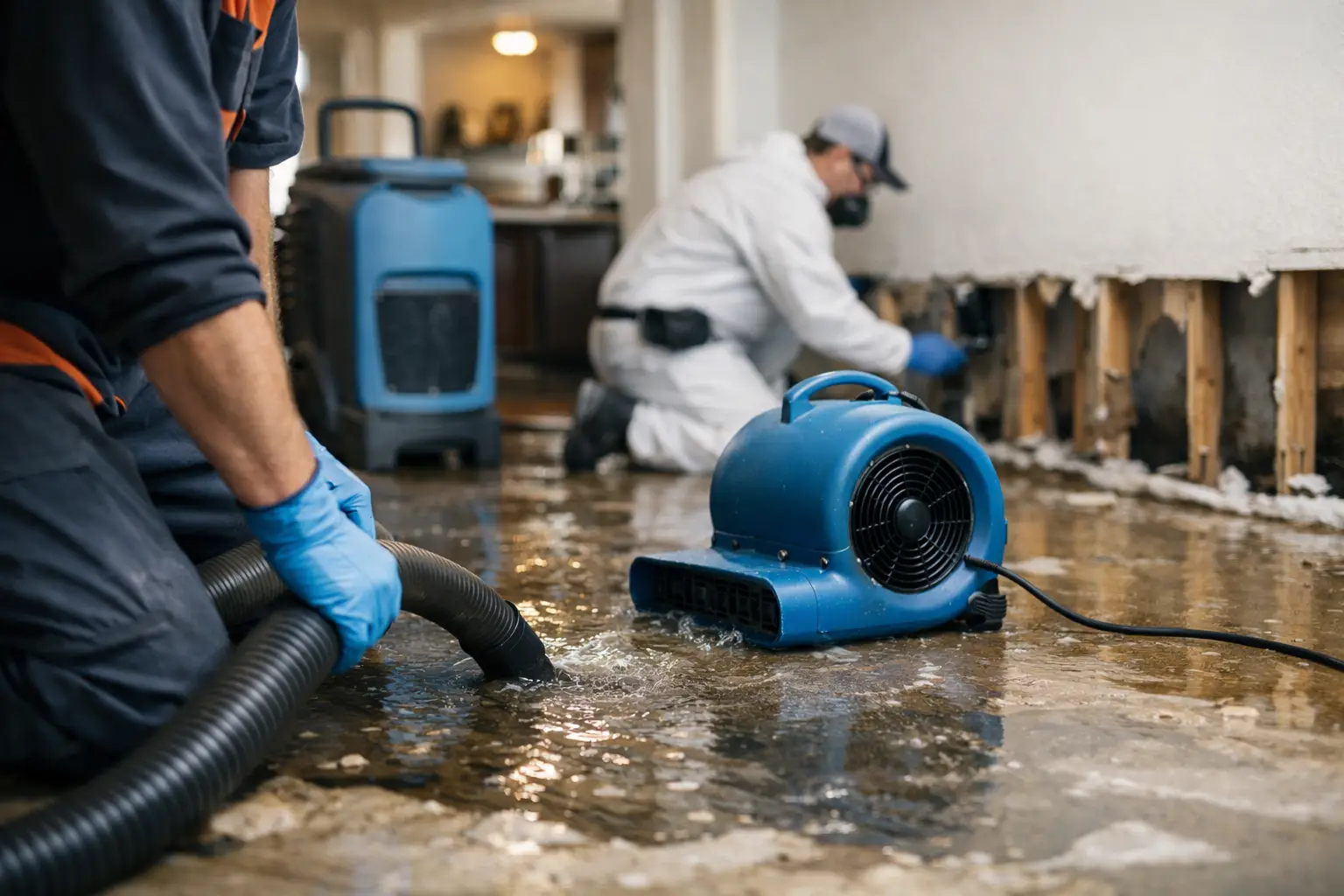 Water Damage
Extraction, structural drying, and moisture mapping after floods, leaks, and burst pipes.
Get help now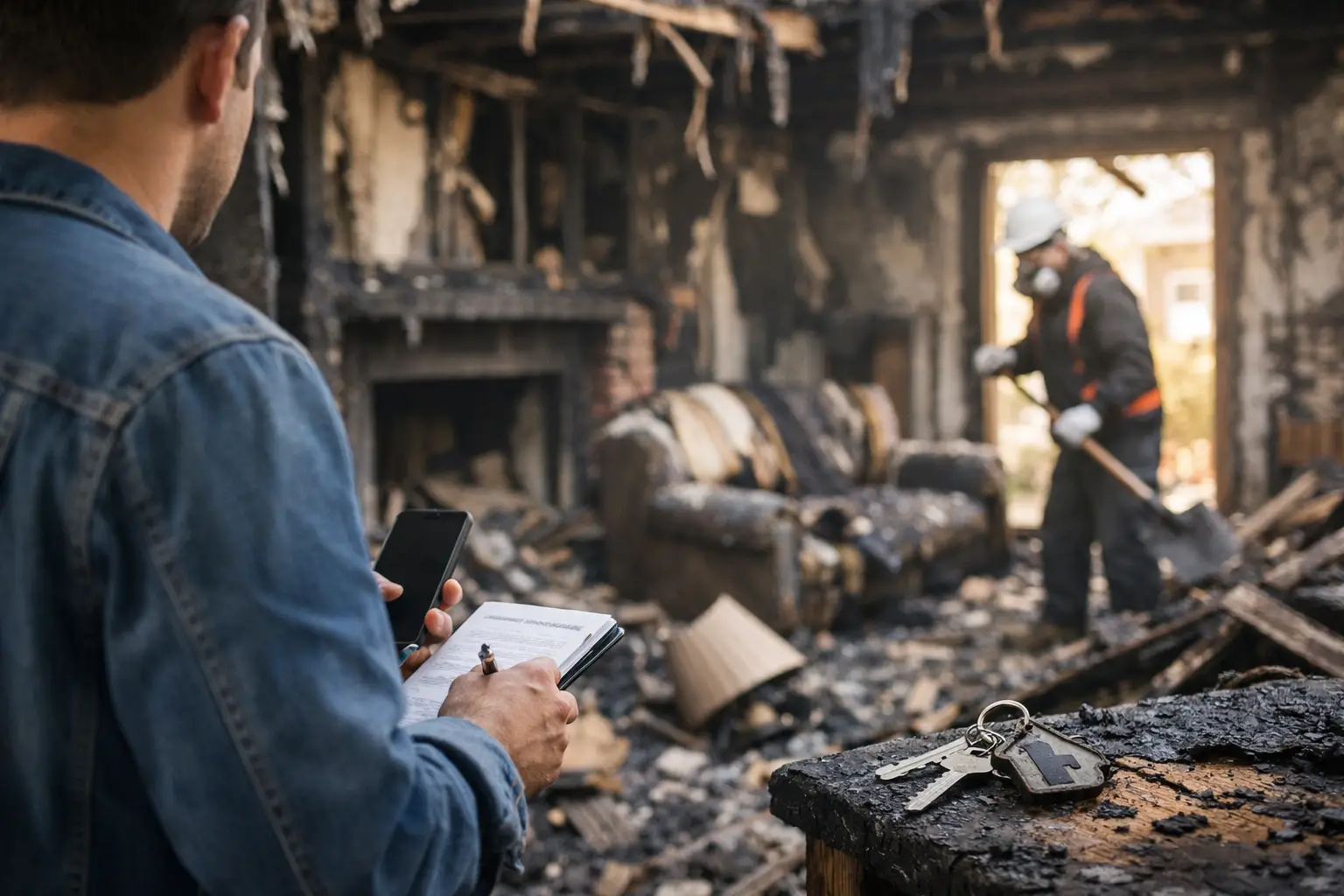 Fire & Smoke
Soot removal, odor deodorization, and content cleaning after fire and smoke damage.
Learn more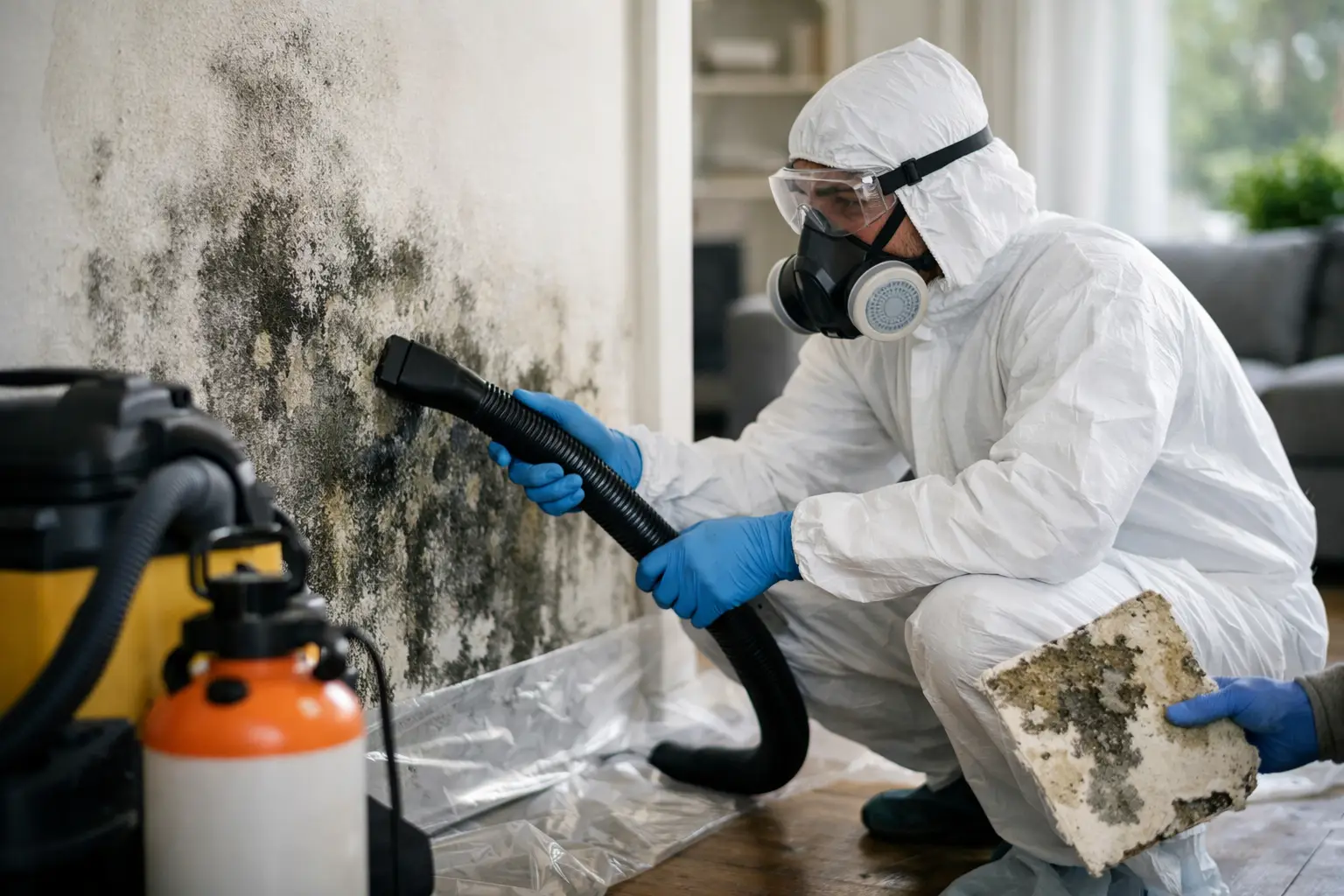 Mold
MoldContainment, removal, and moisture control that stops mold from coming back.
Learn more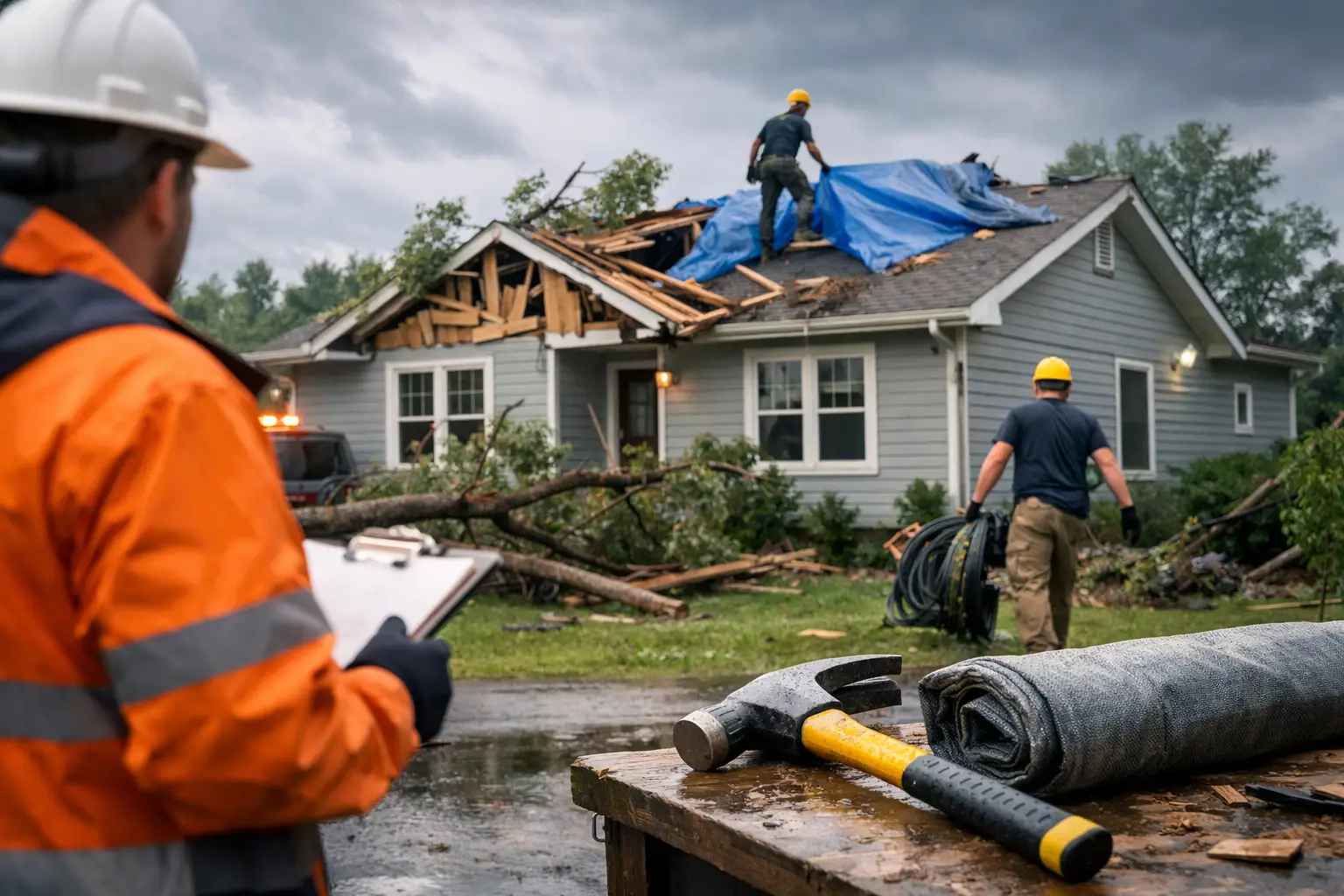 Storm
StormEmergency board-up, roof tarping, and full recovery after wind, hail, and storms.
Learn more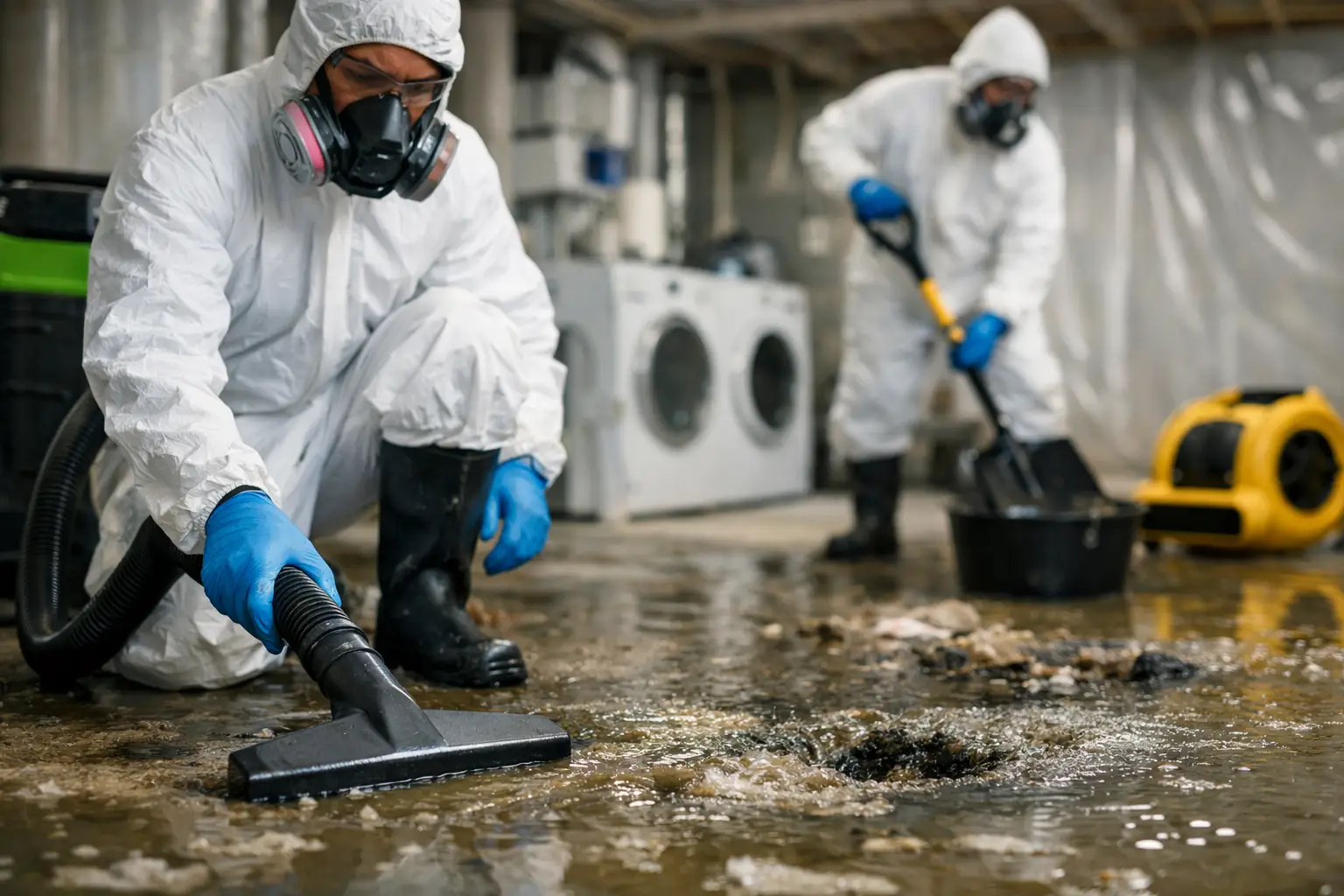 Sewage
Safe biohazard cleanup and sanitizing after sewage backups and overflows.
Learn more Reconstruction
Full rebuild by a licensed general contractor, so your property comes back whole.
Learn moreElevated Operations is an IICRC-certified, licensed general contractor based in Mableton that handles the entire recovery in-house, so after one loss you are never coordinating a cleanup crew, a mold crew, and a contractor separately. One team, one point of contact, from the first pump-out to the final coat of paint.
People call when the property feels like a disaster. They leave reviews because Chris and the crew made it right. These are real, verified Google reviews.
Yes. I handle reconstruction work in Acworth, including homes and properties near Lake Acworth and the Allatoona dock area. Those locations matter because water exposure, storm impact, and moisture intrusion can change the repair scope quickly. I inspect the damage, document what needs rebuilding, and keep the work moving through direct insurance billing.
I bring restoration experience, not just general building work. I have been in restoration since 2007, I use IICRC-certified technicians, and I am a licensed general contractor. That combination matters when the job involves cleanup coordination, structural repairs, and insurance-driven rebuild decisions instead of simple cosmetic work.
Yes. If moisture sat long enough, the repair can shift from simple drying to demolition and reconstruction. Mold can start in 24 to 48 hours, so drywall installation, flooring replacement, and framing repair may be necessary once the wet materials are removed and the area is stabilized.
Yes. I use direct insurance billing, which helps keep the paperwork aligned with the actual loss and the completed repairs. That includes the reconstruction side, not just cleanup. The goal is to reduce confusion when the scope includes roof repair, structural repairs, or a larger property reconstruction.
Then it needs a real reconstruction plan. I look at framing, subfloor, roof components, and wall assemblies to see what must be removed and rebuilt. Surface patching is not the answer when the structure itself has been affected. That is where a full rebuild may be the right call.
Yes. I back my reconstruction work with a 12-month warranty. That matters after a loss because you want the repair finished cleanly and correctly, not just patched fast. I stand behind the work I manage from the first tear-out to the final closeout.
I offer 24/7 emergency response with a 60-minute emergency response focus. When a home near Acworth is exposed to water, fire, or storm damage, speed matters because the repair choices get worse as time passes. Early response can keep a larger property reconstruction from becoming necessary.
Yes, deductible assistance up to $1,000 is available. I bring that up because the rebuild stage is when homeowners feel the pressure most, especially if the loss includes structural repairs, flooring replacement, or a full rebuild. I keep the process straightforward and documented.
Elevated Operations dispatches IICRC-certified crews across Metro Atlanta from our Mableton base, with a 60-minute emergency response day or night. Choose your city:
Call now for an immediate response, or request your free inspection and get a certified crew on-site within the hour across Atlanta and nearby areas.