24/7 Emergency Restoration · Serving Metro AtlantaEmergency? (770) 404-6895
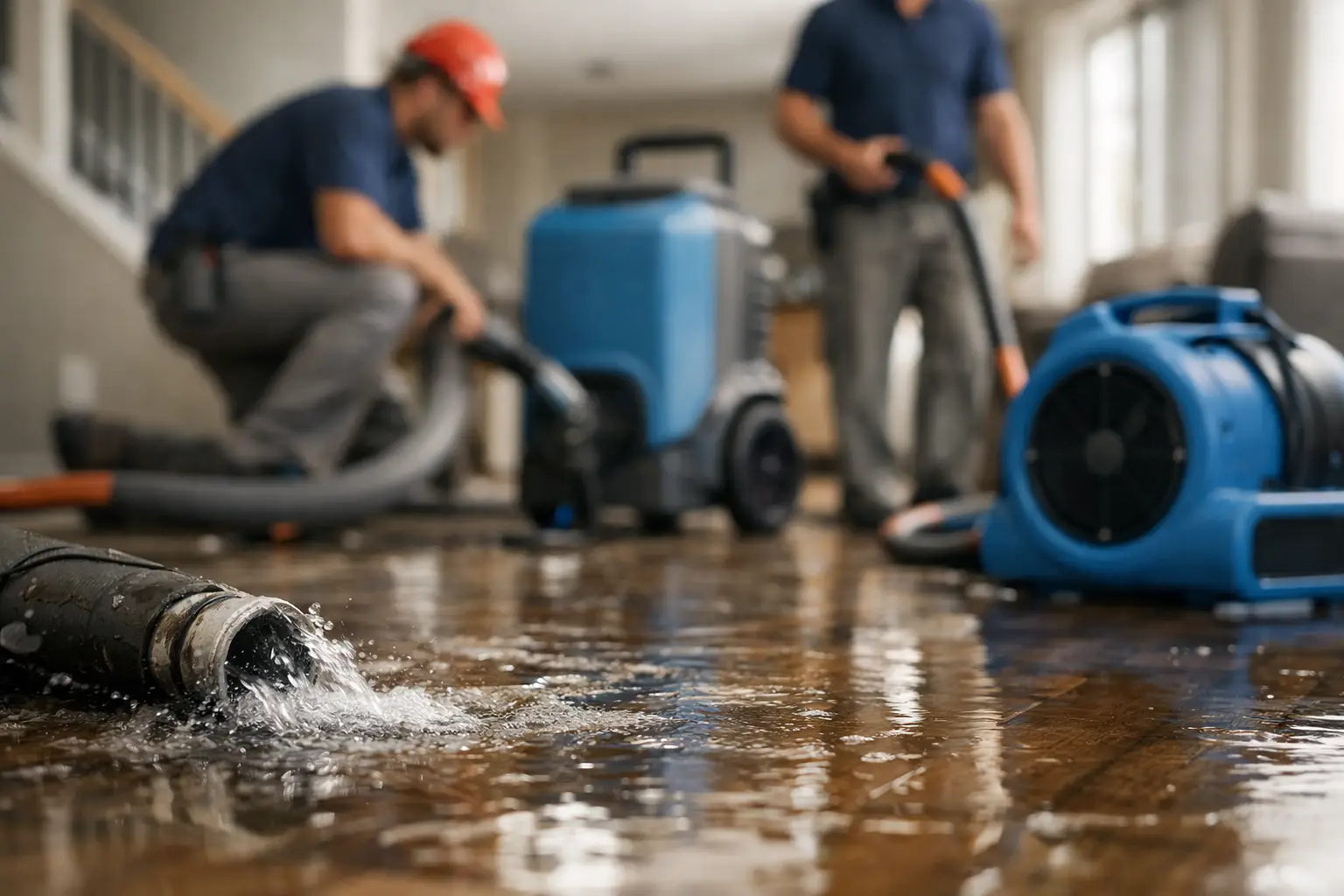
Emergency water removal Riverdale is what I do when a leak, burst pipe, or overflow leaves water where it should not be. I am Chris Kwangwari, owner of Elevated Operations, LLLP, and I send IICRC-certified technicians from our Mableton base for 24/7 response, direct insurance billing, and real cleanup decisions.
IICRC-Certified · 5-Star Rated · 60-Minute Response · Insurance Billed Directly
Call me. I run 24/7 response, and I send IICRC-certified technicians to start extraction and documentation fast.
Yes. I offer direct insurance billing and can also discuss deductible assistance up to $1,000 when eligible.
Yes. Those homes often need closer moisture checks because water moves differently through older flooring and framing.
I do. I am Chris Kwangwari, and I run the company as a licensed general contractor with restoration experience since 2007.
Emergency water removal should start immediately, because standing water keeps moving into flooring, trim, and wall cavities. In Riverdale, I treat it as a same-day problem every time, especially in older Clayton County subdivisions where water can spread fast through original framing, older fixtures, and low spots near the lot.
Riverdale homes near the airport corridor can take on water from supply lines, appliance failures, roof leaks, or heavy rain backed up around the property. I do not wait for the damage to announce itself. I send a team 24/7, because the first hours matter more than the last inch of water.
Water mitigation starts with stopping the source, then water extraction, then checking what has wicked under flooring or into drywall. If a house has older carpet, laminate, or crawlspace access, I want a fast plan. Delay turns a cleanup into a larger structural problem.
I have been in restoration since 2007, and I have seen the same pattern in older Riverdale neighborhoods. A small leak becomes stained drywall, swollen baseboards, and trapped moisture. Quick action keeps the job smaller, and it gives the homeowner cleaner choices with the insurance claim.
I use professional extraction and drying equipment built for water mitigation, not household cleanup. That means truck-mounted or portable water extraction tools, wet vac extraction for tight spaces, air movement for emergency drying, and moisture checks so I know what is still wet after the visible water is gone.
The right equipment depends on the room, the floor, and how long the water sat. In Riverdale, I often see homes where the visible water is only part of the issue, especially in older subdivisions with carpet, vinyl, or hidden subfloor damage. I look beyond the surface immediately.
For water cleanup, I do not rely on towels and guesswork. Pumping water out is only the start when a room has absorbed moisture. IICRC-certified technicians need tools that pull water from carpet, pad, and seams, then dry the structure in a controlled way.
And I keep the process simple for the homeowner. Direct insurance billing helps reduce paperwork, and a 12-month warranty backs the work. If the damage is covered, deductible assistance up to $1,000 may apply. I keep the focus on the home, the claim, and the dry-out.
Yes, standing water removal from carpet is possible in many Riverdale homes, but the outcome depends on how long the water sat and what caused it. Clean water from a supply line is different from contaminated water, and older carpet in Clayton County homes can require aggressive water extraction and drying.
I look at the carpet, pad, tack strip, and subfloor as one system. If water sat too long, the carpet may still be saved while the pad has to go. That is common in older subdivisions where flooring has been changed over time and moisture moves in odd directions.
Wet vac extraction helps in smaller rooms and edges, but it is not a cure-all. If the water reached multiple rooms, the job shifts from simple water removal to full water mitigation. I decide fast whether to pull materials, dry in place, or protect nearby rooms from spread.
Riverdale homeowners near major roads and airport traffic often ask whether they need full replacement after flood water removal. The answer is not automatic. I inspect the source, the moisture level, and the carpet condition first. Then I tell you what I would do in my own home.
After emergency water extraction, I move straight into moisture control, material inspection, and emergency drying. The visible water may be gone, but the real job is checking what stayed wet inside floors, walls, cabinets, and trim so the home does not keep deteriorating after the truck leaves.
I start by mapping the wet areas and identifying where water traveled. In Riverdale, that matters because older houses in Clayton County often have different flooring layers and earlier repairs that hide moisture. Once the extraction is complete, I check behind baseboards, under pad, and around cabinets.
Then I decide what can stay and what needs removal. Some homes only need targeted drying. Others need water cleanup that includes damaged materials, especially if water reached drywall or insulation. I do not guess. I inspect, document, and keep the process tight so the claim stays clean.
You should also expect communication. I am the owner, and I want the homeowner to know what happens next. If the job is moving from extraction into dry-out, you should understand why. That is how I keep stress down without pretending the damage is smaller than it is.
Riverdale homes near the airport and in older subdivisions often need special attention because age, layout, and prior repairs change how water moves. I see more hidden moisture, more mixed flooring, and more small failures that turn into bigger problems if the response is slow or generic.
Older Clayton County homes can have crawlspaces, aging supply lines, patchwork flooring, and walls that react differently to water. Near the airport, homeowners also ask for fast arrival because every hour of delay gives water more time to migrate. I plan for both the house and the clock.
Flood water removal in these areas is rarely just a mop-up job. If the home has original trim, older carpet, or uneven subfloors, I have to think about drying paths and material removal in a more exact way. That is why I send IICRC-certified technicians, not a random crew.
Riverdale is close enough to major traffic and storm patterns that emergencies can stack up fast. I keep the response direct. Emergency water removal is not a place for vague advice. It is a place for quick extraction, honest assessment, and a plan based on the structure in front of me.
I handle insurance by billing directly when the claim allows it, and I help with deductible assistance up to $1,000 when eligible. That keeps the homeowner from carrying the admin work alone while the water cleanup and drying get started right away.
Insurance questions come up fast after a leak or overflow, especially when the room looks worse than it did an hour earlier. I am a licensed general contractor, and I know how to document damage in a way that supports the claim without adding drama or guesswork.
Direct insurance billing is practical. It reduces back and forth while the team is still doing water mitigation. I do not make promises about claim approval, but I do make the process easier to understand, and I keep the homeowner informed about what I see on site.
Riverdale homeowners often want one person who can talk about the structure, the cleanup, and the paperwork. That is how I run Elevated Operations, LLLP. I do not separate the repair conversation from the drying conversation, because the two are linked from the first minute.
Yes. I offer 24/7 emergency response with a 60-minute emergency response goal, because water damage does not wait for business hours.
Yes. IICRC-certified technicians can begin water extraction quickly, then move into drying and damage inspection so the problem does not spread.
Yes. I offer direct insurance billing, which helps keep the process moving while the home is being dried and documented.
I see that often in Clayton County. Older subdivisions need careful inspection because water can move under carpet, into trim, and behind walls fast.
Yes. I back qualifying work with a 12-month warranty, and I explain exactly what was done before I leave the site.
From emergency mitigation to full reconstruction, handled in-house so you are never managing a chain of subcontractors mid-crisis.
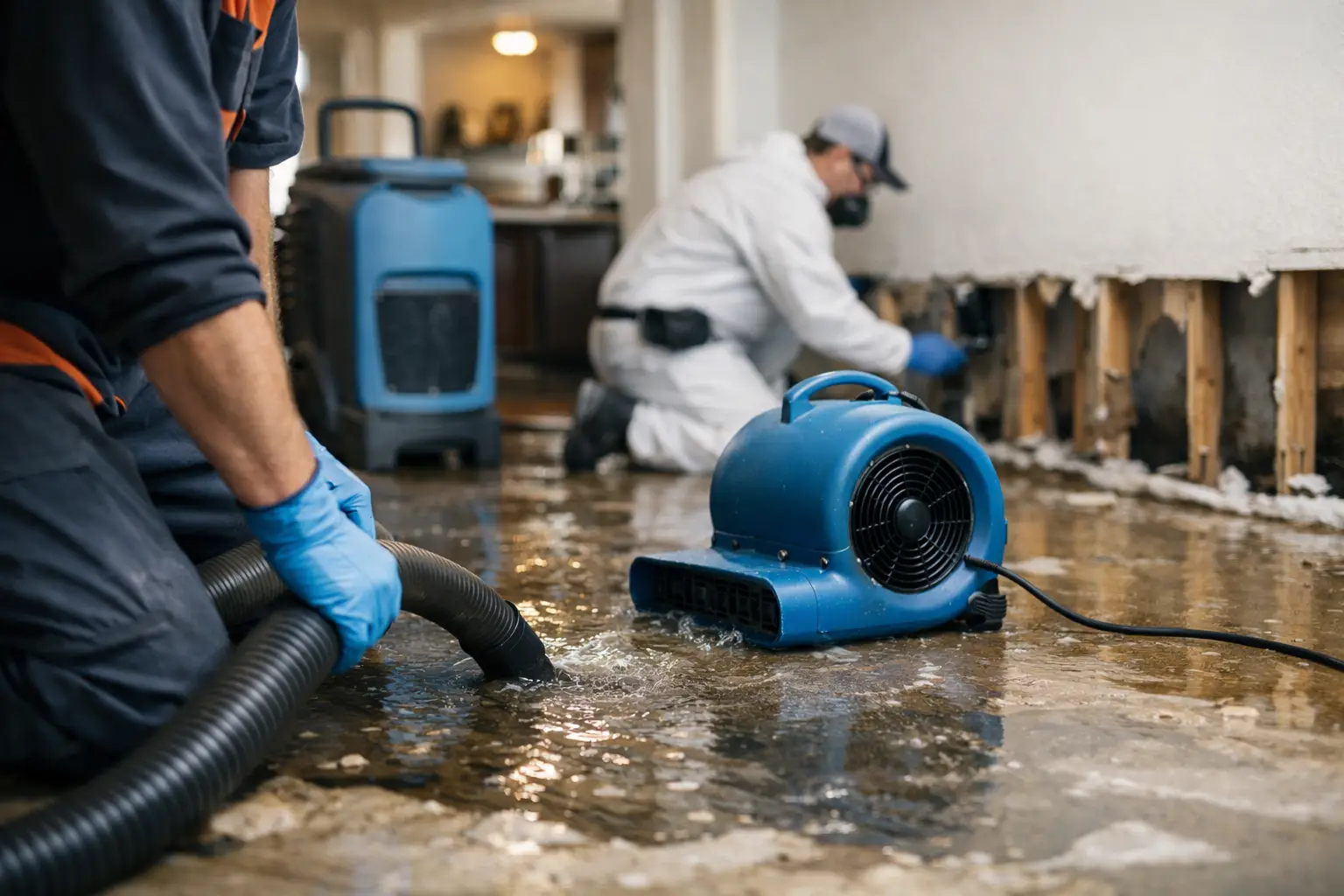 Water Damage
Extraction, structural drying, and moisture mapping after floods, leaks, and burst pipes.
Get help now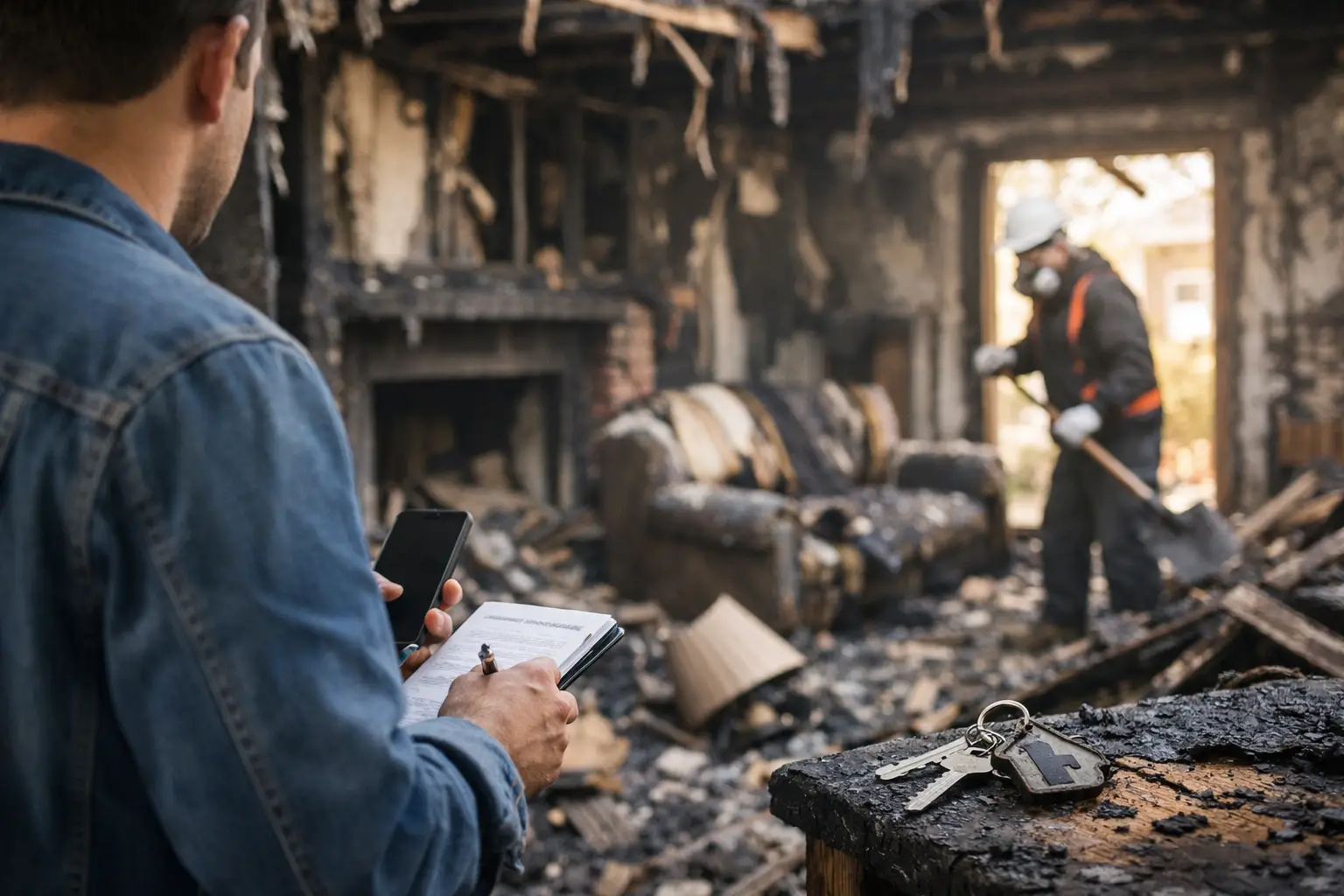 Fire & Smoke
Soot removal, odor deodorization, and content cleaning after fire and smoke damage.
Learn more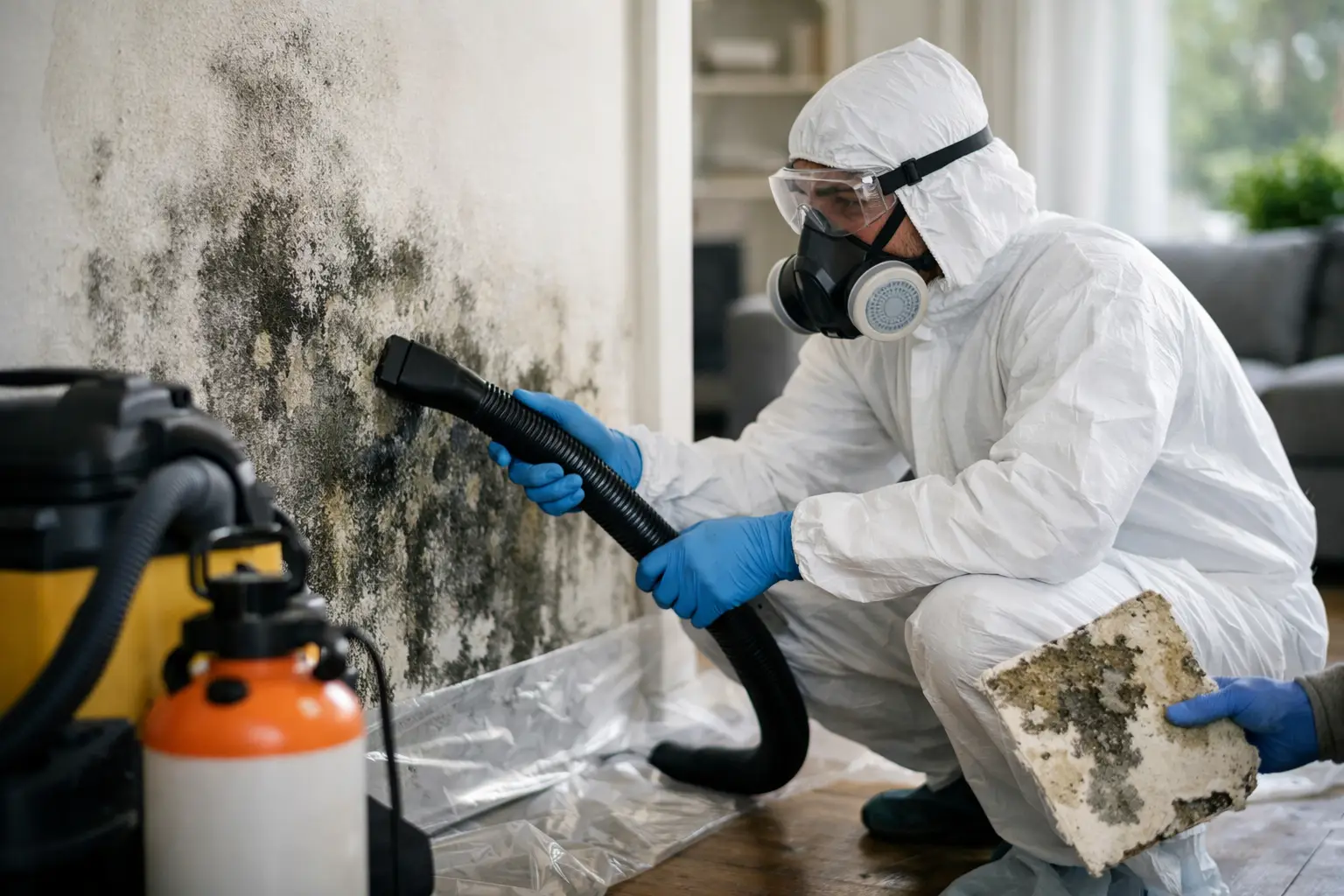 Mold
MoldContainment, removal, and moisture control that stops mold from coming back.
Learn more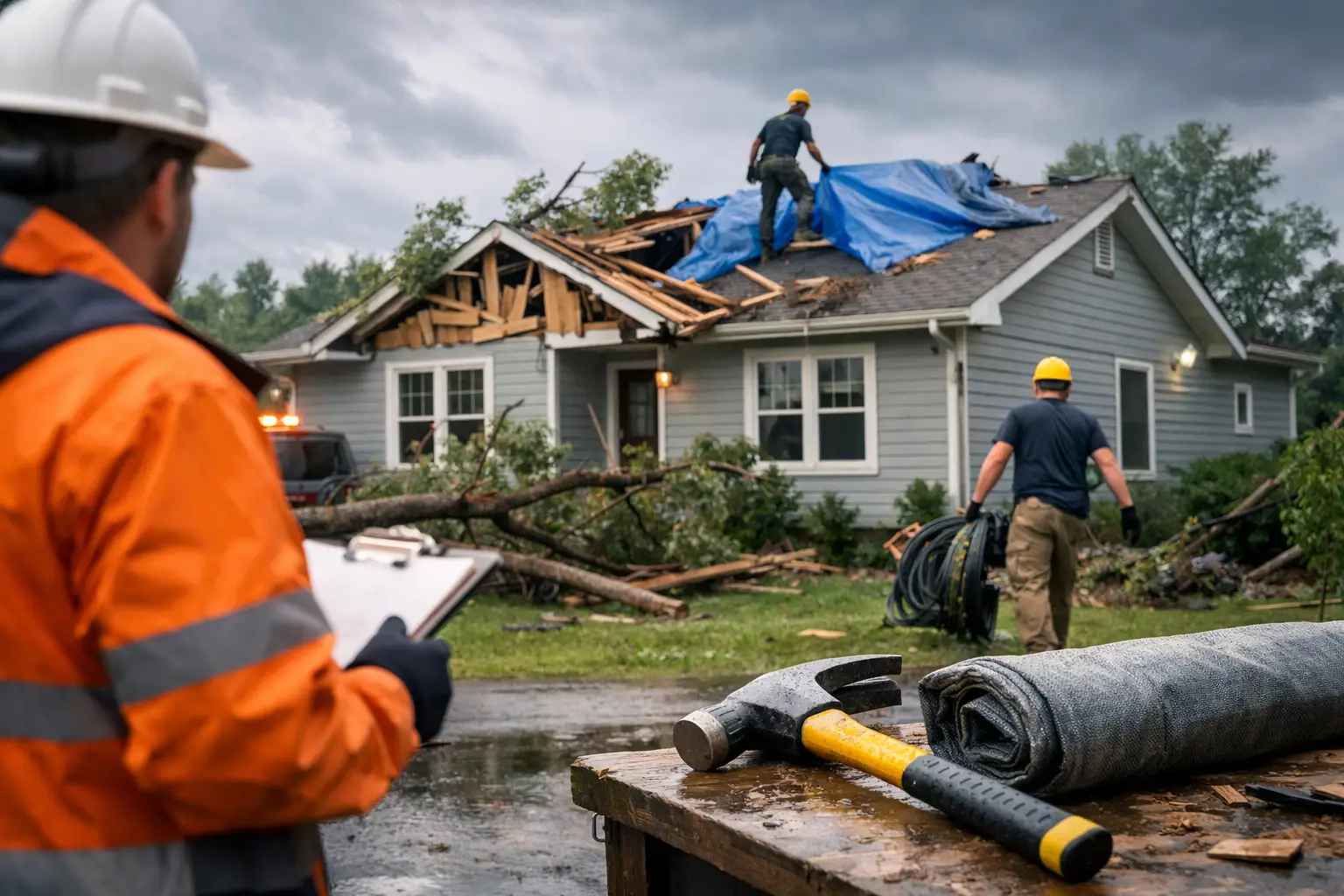 Storm
StormEmergency board-up, roof tarping, and full recovery after wind, hail, and storms.
Learn more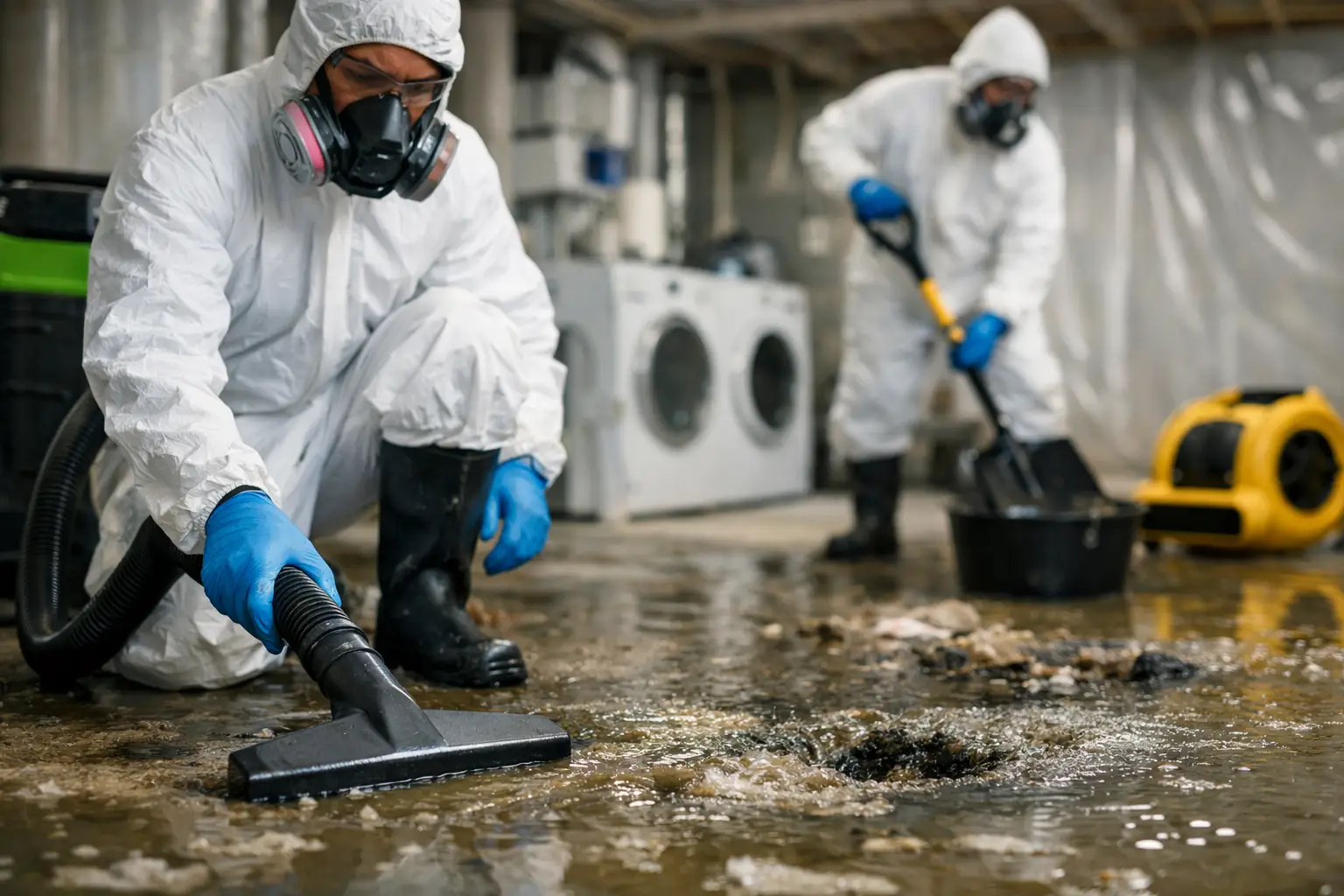 Sewage
Safe biohazard cleanup and sanitizing after sewage backups and overflows.
Learn more Reconstruction
Full rebuild by a licensed general contractor, so your property comes back whole.
Learn moreElevated Operations is an IICRC-certified, licensed general contractor based in Mableton that handles the entire recovery in-house, so after one loss you are never coordinating a cleanup crew, a mold crew, and a contractor separately. One team, one point of contact, from the first pump-out to the final coat of paint.
People call when the property feels like a disaster. They leave reviews because Chris and the crew made it right. These are real, verified Google reviews.
I treat those homes the same way I treat any urgent loss, but I pay extra attention to access, traffic timing, and how water may have spread through older materials. The goal is fast extraction, clear documentation, and immediate drying. I am based in Mableton, and I serve Clayton County with 24/7 response.
If it is safe, shut off the water source and keep people away from the affected area. Do not start tearing out flooring or pushing water around. If electricity may be involved, stay out. I send technicians for emergency water removal, and I want the site preserved until the proper assessment starts.
Yes. Older homes often need more than a quick pass because water can move under flooring, into seams, and into subfloor edges. I inspect the room, perform water extraction, and then decide whether materials can stay or need removal. The age of the house changes the approach, not the urgency.
I look at the source, how long the water sat, and what materials were affected. A clean supply leak may need extraction and emergency drying. A larger storm or sewer-related problem may require broader flood water removal and more material handling. I make that call on site, not over the phone.
That usually means moisture is still trapped under the surface. Wet vac extraction can remove visible water, but pad, subfloor, and edges may still need drying. I check with moisture tools and then move into a stronger dry-out plan if needed. That is common in homes with older carpet systems.
Yes. I offer direct insurance billing and help document the loss for the claim. That matters when the damage includes water cleanup, drying, and material decisions. I do not decide coverage, but I do keep the paperwork and site records organized so the process moves cleanly.
I operate from Mableton and serve Clayton County, so Riverdale is a regular service area for my team. I keep a 24/7 emergency response model because burst pipes, leaks, and overflow do not wait. The priority is immediate assessment and getting water out before it spreads.
I do not stop at removing visible water. I inspect where moisture traveled, identify the structure that stayed wet, and set up drying based on the actual home, not a template. In older Riverdale houses, that can mean more attention around trim, flooring transitions, and hidden cavities.
Elevated Operations dispatches IICRC-certified crews across Metro Atlanta from our Mableton base, with a 60-minute emergency response day or night. Choose your city:
Call now for an immediate response, or request your free inspection and get a certified crew on-site within the hour across Atlanta and nearby areas.