24/7 Emergency Restoration · Serving Metro AtlantaEmergency? (770) 404-6895
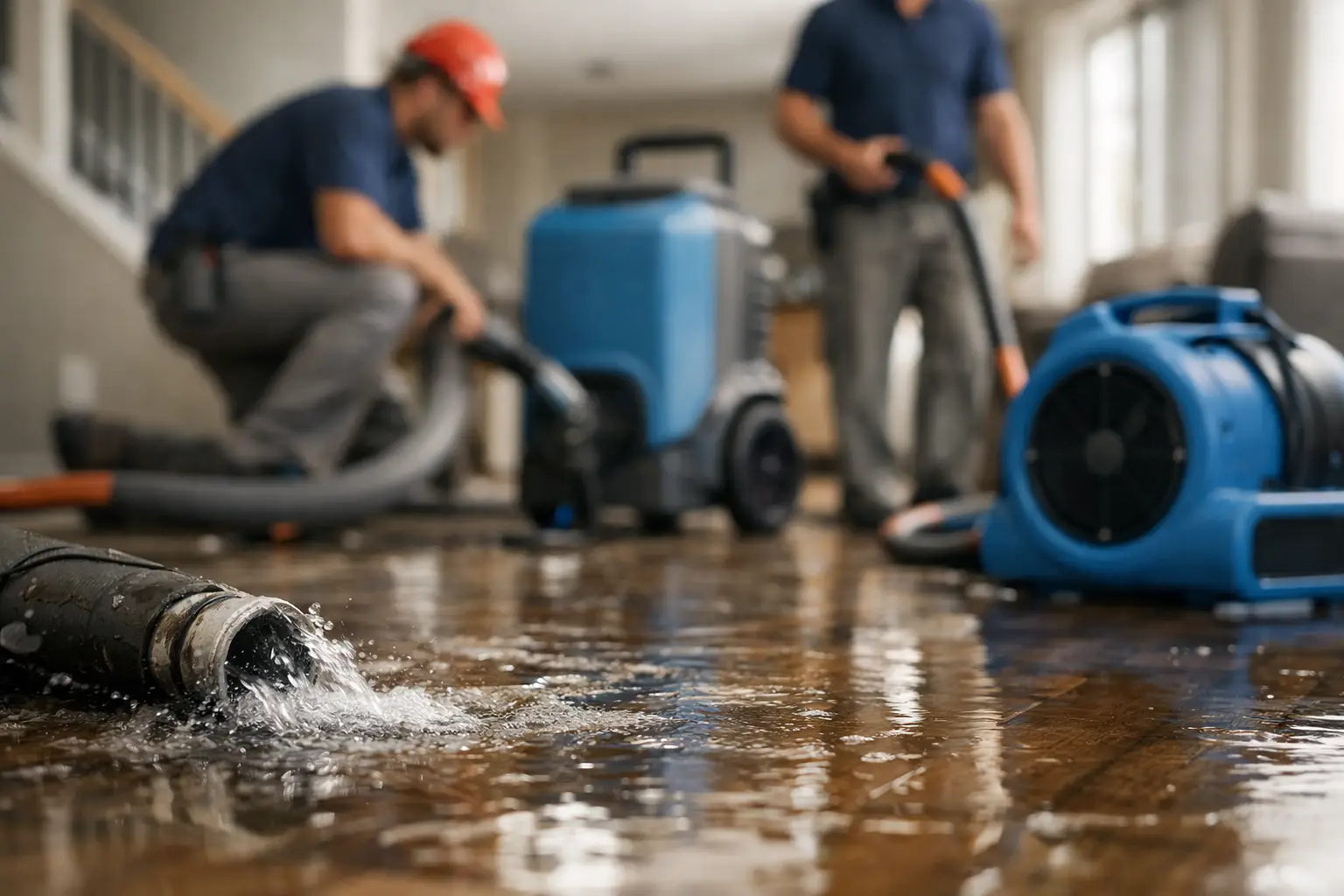
Water damage restoration Douglasville starts with facts, not guesses. I handle the wet drywall, soaked floors, and hidden moisture that hits Douglasville homes near I-20, subdivision builder-grade finishes, and the Dog River reservoir area, then I document the loss, dry the structure, and work with your insurance.
IICRC-Certified · 5-Star Rated · 60-Minute Response · Insurance Billed Directly
Yes. I provide 24/7 emergency response with a 60-minute emergency response target and handle the cleanup from the first call.
Yes. I work throughout Douglasville and across Cobb, Fulton, DeKalb, Douglas, Clayton, Henry, and Paulding counties.
IICRC-certified technicians handle the extraction, drying, and documentation, and I stay involved as the owner, Chris Kwangwari.
I bring restoration experience since 2007, a 4.9-star Google rating from 73 reviews, a 12-month warranty, and deductible assistance up to $1,000 when eligible.
Myth: A little water dries on its own, so you can wait. Fact: Standing water and hidden moisture spread fast, so the first move is to stop the source, call for water mitigation, and protect materials before drywall replacement or floor drying becomes necessary.
In Douglasville, I see the same pattern after supply line leaks, water heater failures, and storm water pushing toward lower levels near I-20 subdivisions. People think a fan and a sunny day will fix it. That guess turns into swollen trim, stained drywall, and mold risk.
The right start is water extraction, then dehumidification and structural drying. IICRC-certified technicians check how far moisture traveled under carpet, behind baseboards, and into builder-grade cabinets that are common in newer Douglasville neighborhoods. The visible wet spot is rarely the whole loss.
If you are near the Dog River reservoir side of town, humidity and runoff can make drying slower than people expect. I treat every call like time matters, because it does. Quick action helps preserve water damage repair options and avoids extra demolition.
Myth: Water damage restoration is just drying out a room. Fact: It is a step-by-step process that starts with inspection, then water extraction, dehumidification, structural drying, and documentation for direct insurance billing when needed.
I start by finding the source and mapping where the water went. That matters in Douglasville homes with open floor plans, builder-grade LVP, and drywall that can trap moisture behind the surface. A clean-looking room can still need floor drying and hidden moisture removal.
After extraction, I set the drying plan around the materials in the home. Some spaces need targeted dehumidification, some need more aggressive structural drying, and some need drywall replacement after saturation. I do not guess. I measure conditions and adjust the work to the structure.
Because I have been in restoration since 2007, I know what insurance adjusters want to see. Elevated Operations, LLLP handles direct insurance billing, and I can help with deductible assistance up to $1,000 when the claim qualifies. That keeps the process moving without confusion.
Myth: Once walls and floors get wet, they are ruined. Fact: Many materials can be saved if water damage repair starts quickly, but the answer depends on saturation level, material type, and how long the water sat.
Douglasville homes built with builder-grade materials often respond differently than people expect. Drywall can sometimes be preserved if we act fast. Hardwood, laminate, carpet padding, and subflooring each need separate evaluation, because the same leak may leave one surface salvageable and another unsafe.
Near older pockets of Douglasville and newer subdivisions off I-20, I often see flooring that looks fine on top but is holding moisture underneath. That is why floor drying and structural drying matter. If the underside stays wet, the surface can buckle, stain, or fail later.
I will tell you the truth on site. If a wall cavity is too wet or insulation is contaminated, drywall replacement is the correct move. If the finish material can be saved, I say so. The goal is not demolition. The goal is the right water damage repair.
Myth: Every water loss dries in the same timeframe. Fact: The timeline depends on the source, the amount of water, the building materials, and how quickly water extraction and dehumidification begin, so each Douglasville job needs its own drying plan.
People want a simple answer, but water moves differently through carpet, drywall, insulation, and framing. A clean surface does not mean the structure is dry. That is especially true in Douglasville, where homes near the Dog River reservoir can hold humidity longer than expected.
A small supply-line leak and a larger plumbing failure are not the same project. If water reaches under flooring or into wall cavities, structural drying becomes a serious job. I measure moisture and revisit the setup until the readings show the building is drying correctly.
The biggest mistake is stopping too soon. Homeowners see dry air and think the job is over. It is not. If moisture remains in hidden materials, the damage keeps going. I keep the process focused on the actual structure, not just the surface.
Myth: Small leaks do not need a pro. Fact: Even a small leak can damage subfloors, cabinets, and drywall, so professional water mitigation is the safest way to stop secondary damage and reduce the chance of hidden moisture problems.
A little water in a laundry room or under a sink can travel farther than people think. In Douglasville builder-grade homes, base cabinets, particleboard, and laminate edges can swell fast. I see many homeowners wait because the leak seems minor, then call after the odor starts.
Professional mitigation is not about overreacting. It is about finding what the eye misses. I use water extraction, dehumidification, and targeted drying to stop the spread. That is far cheaper than chasing repairs after trim, paint, and flooring start failing later.
And if the leak came from a supply line or appliance, insurance may still need documentation. I take photos, note affected materials, and keep the file organized for direct insurance billing. That saves time and gives the carrier a cleaner claim package.
Myth: Open rooms are the only concern. Fact: The hardest areas are often hidden spaces like wall cavities, underlayment, cabinet bases, and hallway transitions where water collects and airflow is poor.
Douglasville homes with builder-grade finishes often hide problems in plain sight. I see wet carpet edges along baseboards, soaked pad under vinyl, and moisture trapped under cabinets after a leak from above. Those are the places where floor drying and structural drying have to be precise.
Basements and lower levels near the I-20 corridor can be tricky because water spreads into corners and under walls before anyone notices. If the Dog River reservoir area adds humidity, the dry time can stretch unless the equipment and placement are correct from the start.
That is why I do not just set equipment and leave. I check the structure, map wet materials, and adjust. When a section needs drywall replacement, I say it. When a section can be saved, I keep it in the plan and keep demolition limited.
Fact: Water can sit under flooring, in pad, and inside subfloors. In Douglasville homes, I often find hidden moisture after the surface looks normal. That is why water extraction, dehumidification, and floor drying need to happen together.
Fact: Air movement helps, but it does not replace structural drying. Wet drywall, framing, and cabinets need the right setup, not just a box fan. Near I-20 and the Dog River reservoir, moisture control matters even more.
Fact: Claims move better when the loss is documented from day one. I handle direct insurance billing and record the condition of the structure, which helps keep water damage repair moving and reduces back-and-forth later.
From emergency mitigation to full reconstruction, handled in-house so you are never managing a chain of subcontractors mid-crisis.
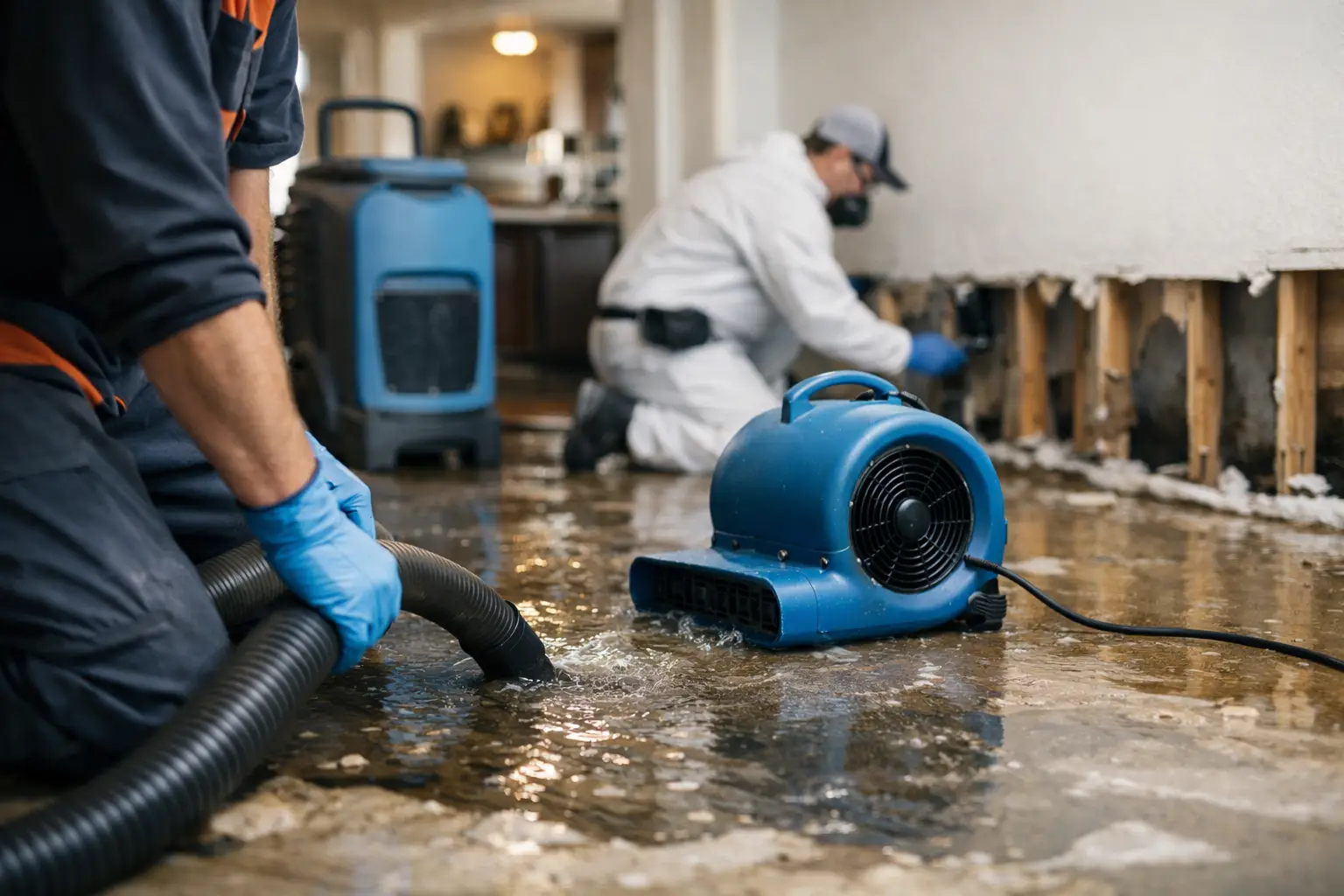 Water Damage
Extraction, structural drying, and moisture mapping after floods, leaks, and burst pipes.
Get help now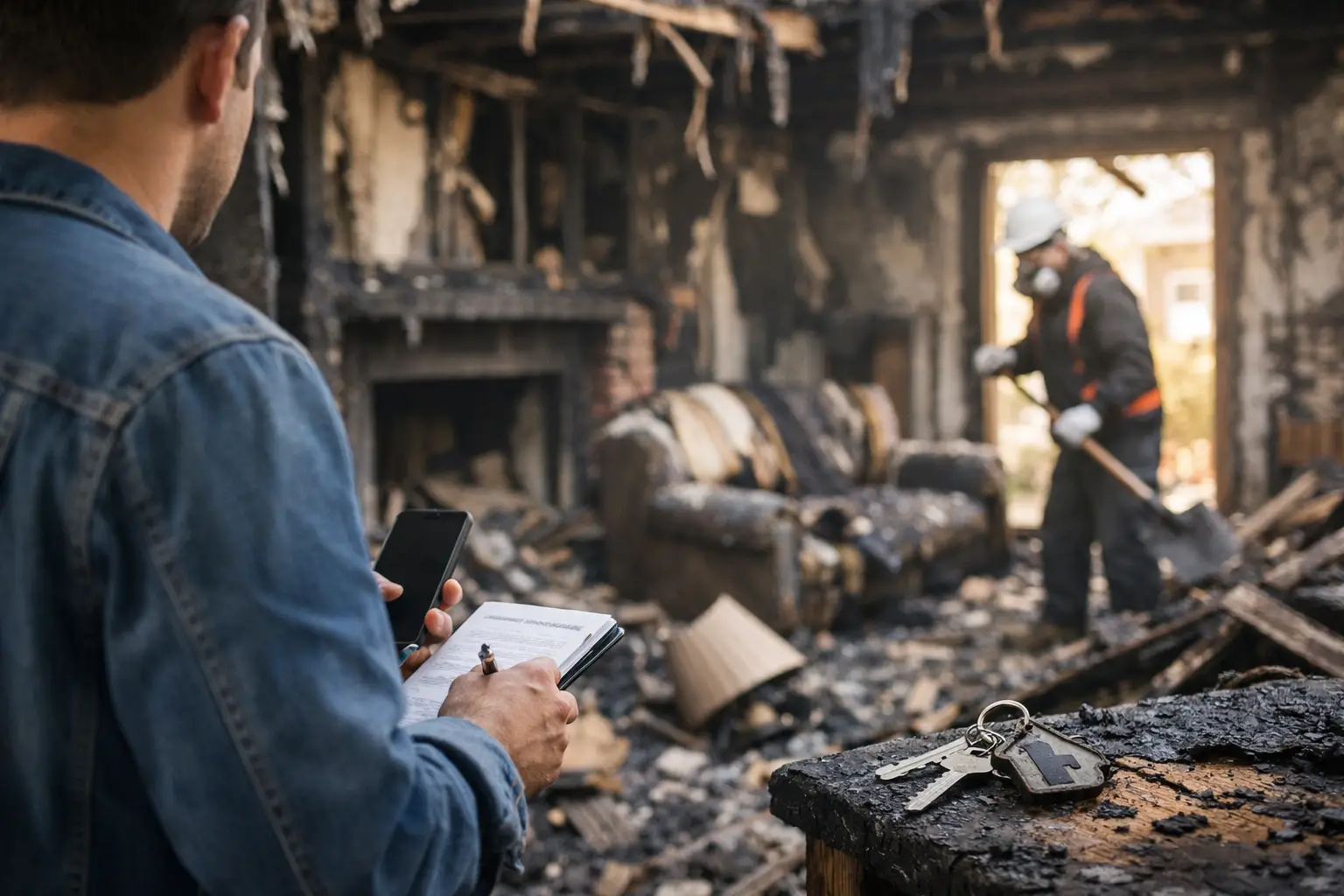 Fire & Smoke
Soot removal, odor deodorization, and content cleaning after fire and smoke damage.
Learn more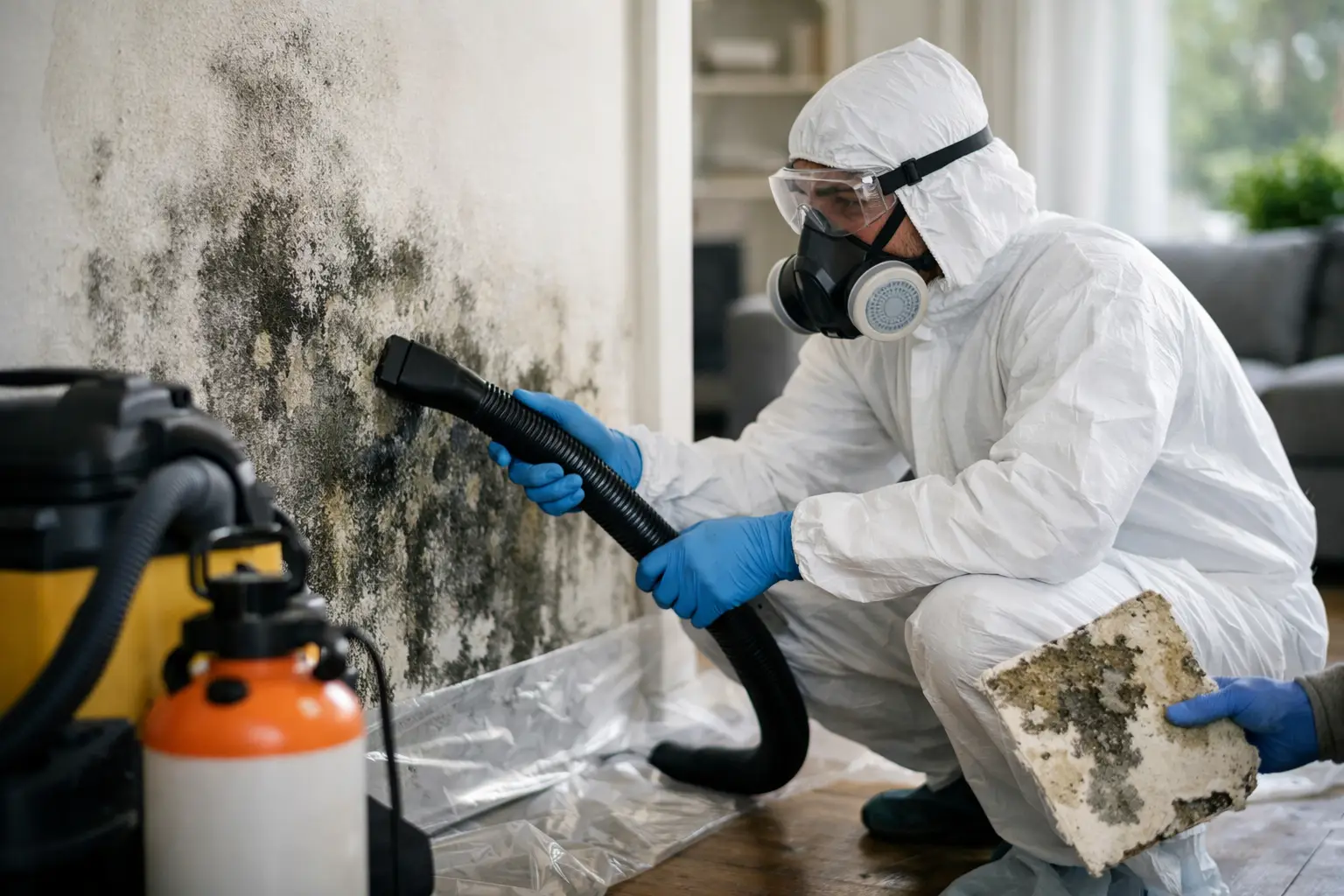 Mold
MoldContainment, removal, and moisture control that stops mold from coming back.
Learn more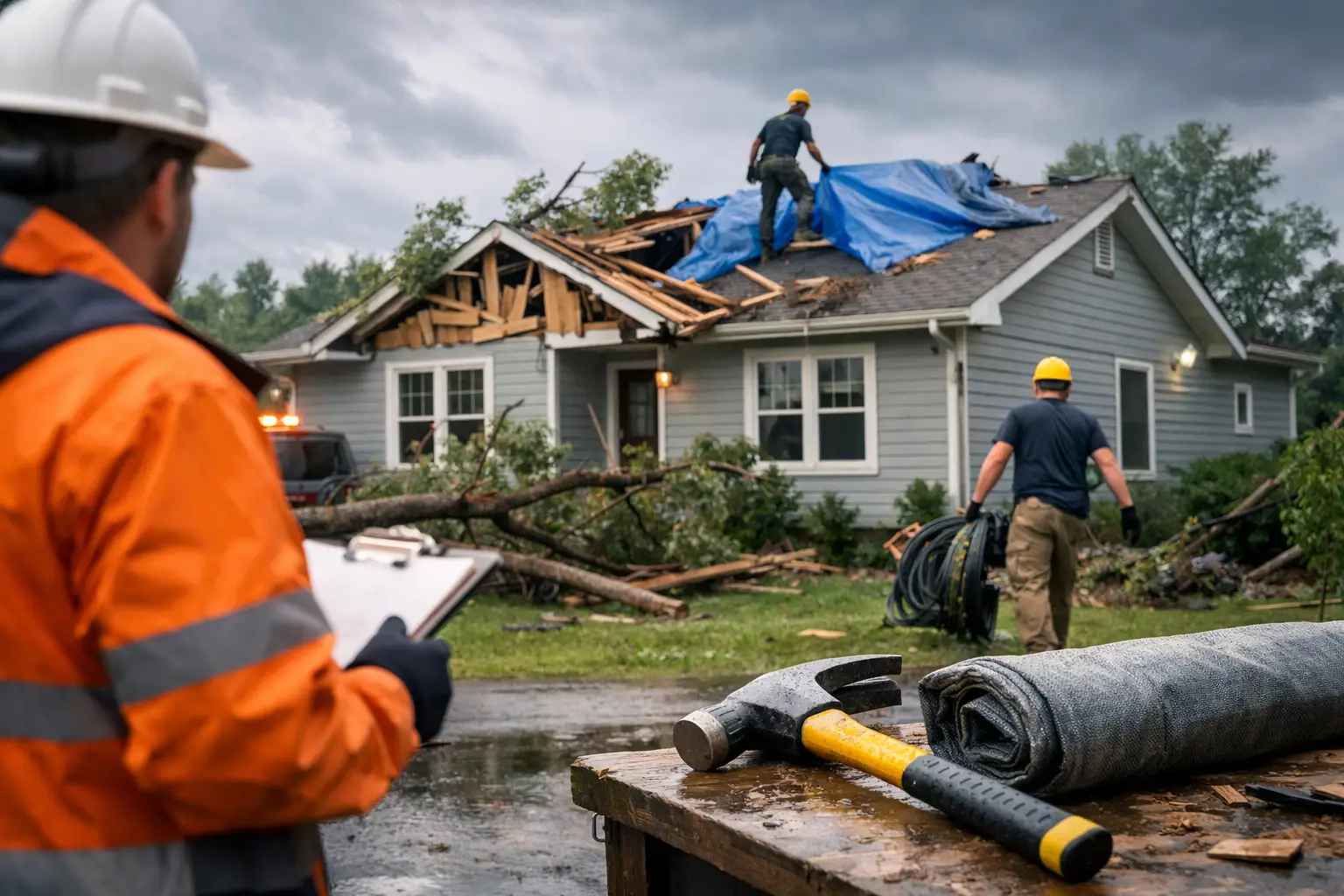 Storm
StormEmergency board-up, roof tarping, and full recovery after wind, hail, and storms.
Learn more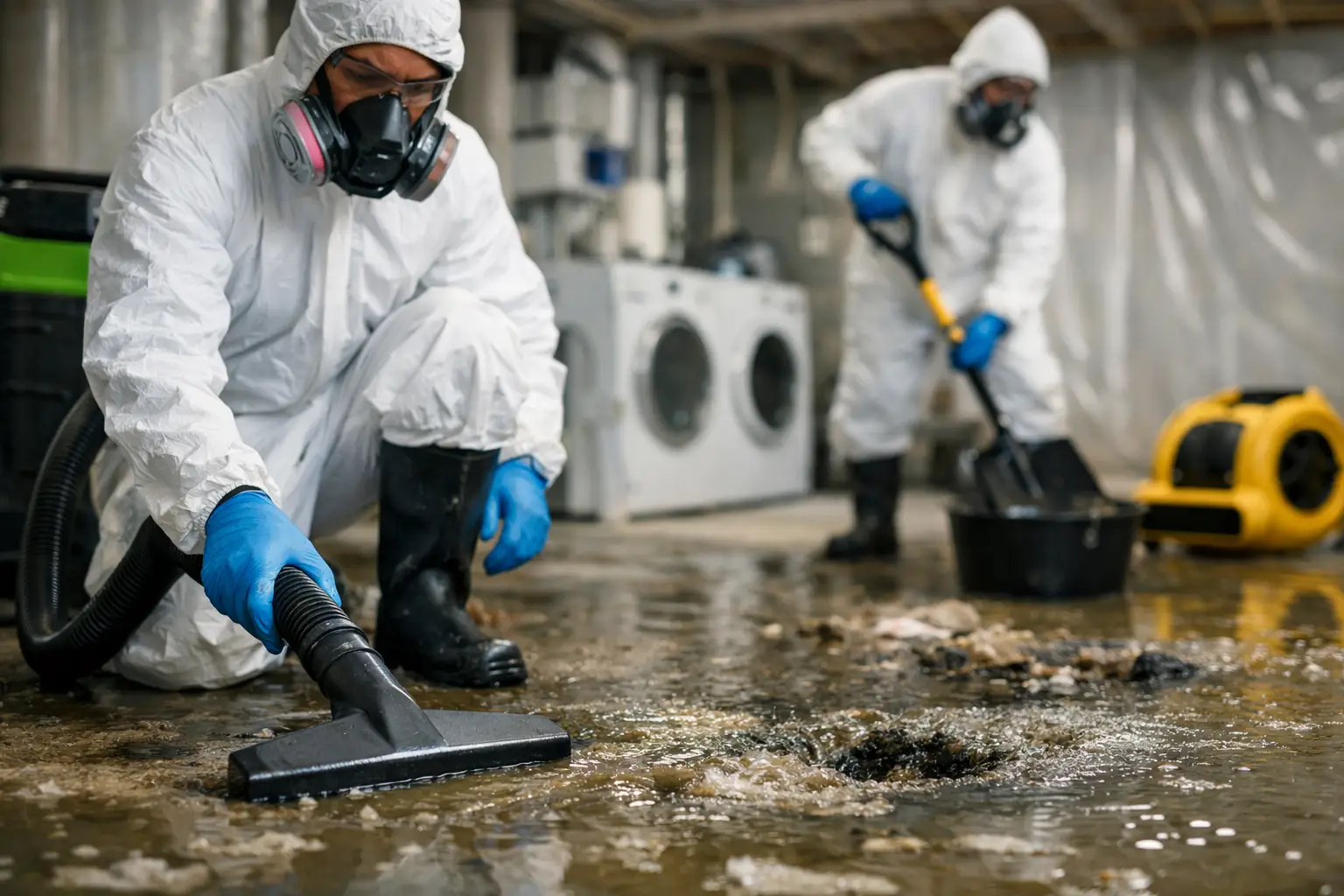 Sewage
Safe biohazard cleanup and sanitizing after sewage backups and overflows.
Learn more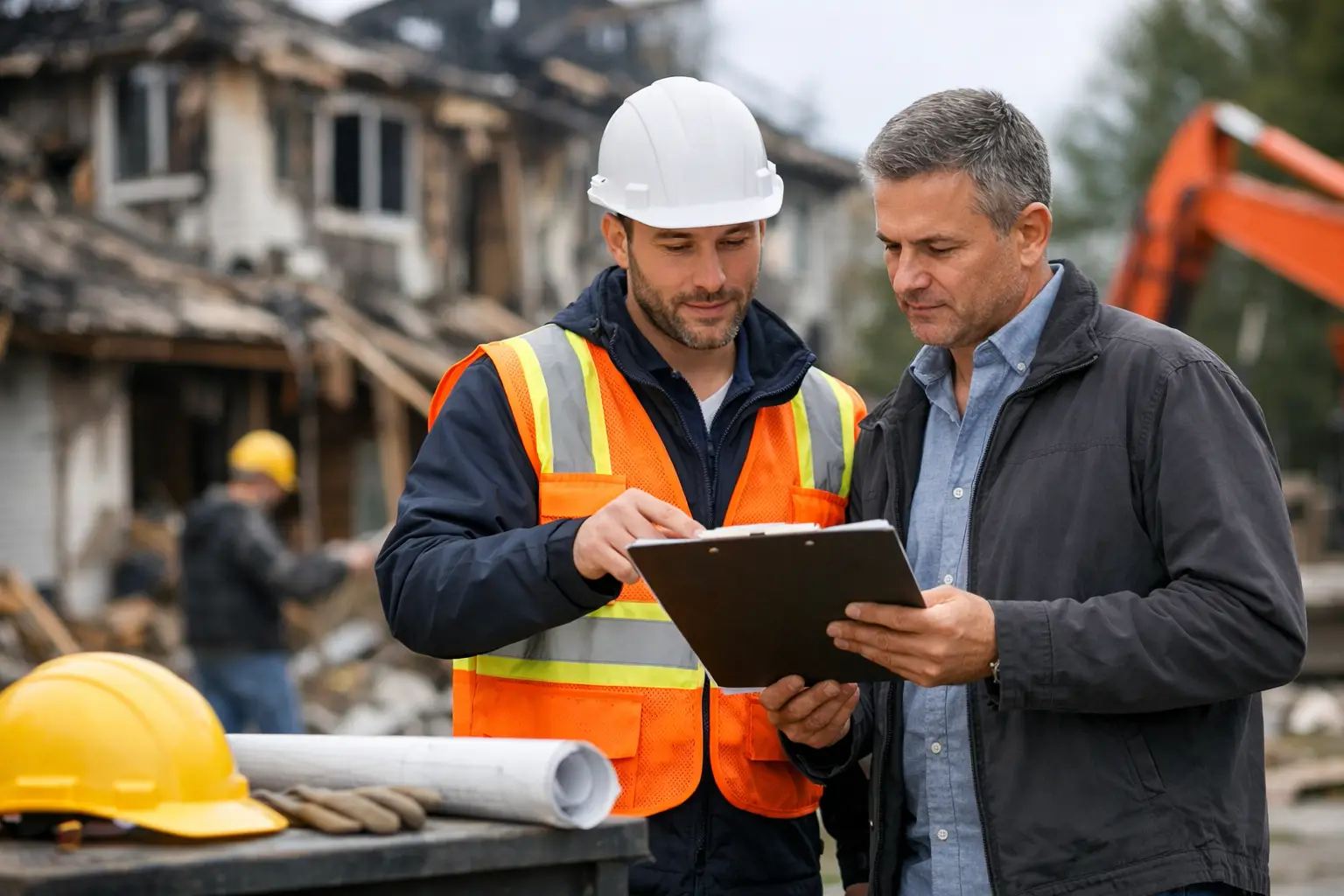 Reconstruction
Full rebuild by a licensed general contractor, so your property comes back whole.
Learn moreElevated Operations is an IICRC-certified, licensed general contractor based in Mableton that handles the entire recovery in-house, so after one loss you are never coordinating a cleanup crew, a mold crew, and a contractor separately. One team, one point of contact, from the first pump-out to the final coat of paint.
People call when the property feels like a disaster. They leave reviews because Chris and the crew made it right. These are real, verified Google reviews.
First, stop the source if you can do it safely, then keep people out of the wet area and move dry belongings away from the spread. Do not pull up flooring or cut drywall unless you know what you are doing. I handle emergency water mitigation, and a quick call helps protect the structure before hidden damage spreads.
It starts with inspection and moisture mapping, then water extraction, dehumidification, and structural drying based on the materials affected. Builder-grade finishes often hide moisture behind trim, cabinets, and flooring edges, so I check the whole assembly, not just the visible spot. If something cannot be saved, I say so and document it.
It depends on what got wet, how deep the water traveled, and how fast mitigation started. Humidity near the Dog River reservoir can slow drying, especially in lower areas and shaded spots. I do not guess a finish date. I monitor the moisture readings and keep the plan tied to the structure, not the calendar.
Often, yes, but only if the materials were dried quickly enough and the damage is not too deep. Drywall, subflooring, and trim may be salvageable in some cases, while swollen or contaminated materials need replacement. I look at each layer and choose the least destructive option that still protects the home.
Not always. If the drywall only got damp and the cavity dried properly, replacement may not be needed. If it stayed wet long enough to soften, stain, or hold moisture behind the wall, replacement is the right call. I inspect the wall from the inside out before I recommend any demolition.
Water extraction removes standing water and trapped moisture with professional equipment, while cleanup alone usually only handles the surface mess. The difference matters in homes with carpet, pad, and subflooring because leftover moisture drives more damage. I start with extraction, then move into drying and verification.
Yes. I offer direct insurance billing and I document the loss so the claim has a clear record from the start. Elevated Operations, LLLP is a licensed general contractor, and I have been in restoration since 2007. That combination helps keep the claim and the repairs lined up.
Older layouts and builder-grade materials can hide moisture in transitions, closets, and underlayment. I often see water spread farther than homeowners expect, especially in tight rooms and hallways. That is why I check for hidden wet materials, not just the surface, and use targeted structural drying when needed.
Elevated Operations dispatches IICRC-certified crews across Metro Atlanta from our Mableton base, with a 60-minute emergency response day or night. Choose your city:
Call now for an immediate response, or request your free inspection and get a certified crew on-site within the hour across Atlanta and nearby areas.