24/7 Emergency Restoration · Serving Metro AtlantaEmergency? (770) 404-6895
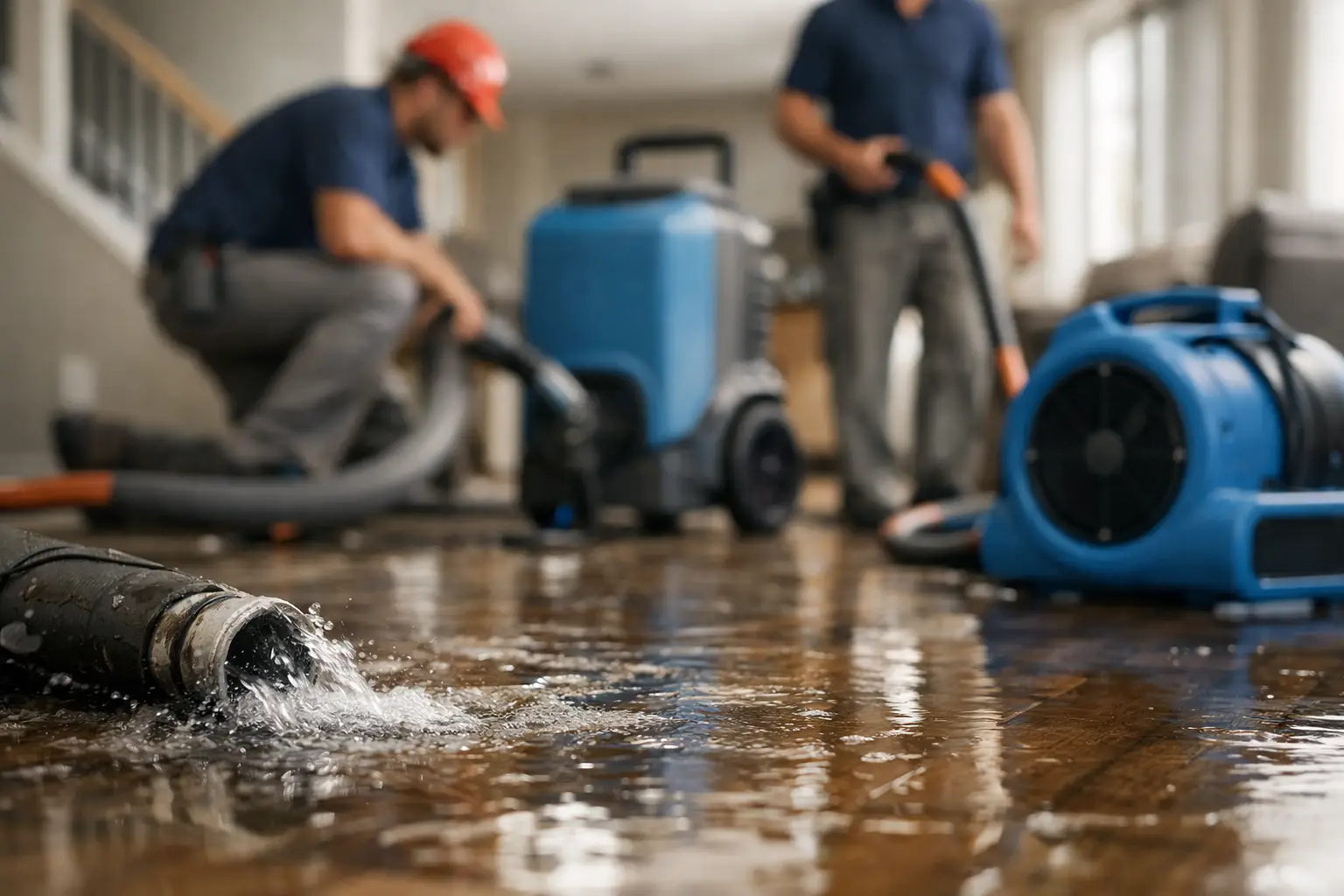
Fire and smoke restoration in Riverdale starts with fast control of the damage, then a clear plan for cleanup, drying, and repair. I own Elevated Operations, LLLP, and I handle fire losses across Clayton County, including older subdivisions near the airport where smoke, soot, and odor move fast.
IICRC-Certified · 5-Star Rated · 60-Minute Response · Insurance Billed Directly
Make sure everyone is safe, then call for fire and smoke restoration before moving belongings. I want the property documented, secured, and assessed quickly, especially in older Clayton County subdivisions.
Yes. I handle Riverdale losses near the airport area all the time, and those homes often need extra attention for smoke travel, odor, and hidden soot paths.
Yes. I handle structural drying alongside fire and smoke restoration when suppression water is part of the loss. That keeps the recovery from turning into a second emergency.
You will be dealing with me, Chris Kwangwari, owner of Elevated Operations, LLLP, along with my IICRC-certified team. I keep the process direct and accountable.
Check safety first, then call for fire and smoke restoration in Riverdale before you start moving items. I want the structure secured, utilities assessed, and the damaged areas documented so the loss is handled the right way from the start.
In Riverdale, I see a lot of older subdivisions with tight floor plans, attached garages, and fast-moving smoke patterns. If the fire touched the kitchen, laundry area, or a hallway, I look at soot spread, odor, and whether water from suppression created a second problem.
The first job is not cleanup for the sake of cleanup. It is control. That means emergency board up services when openings are exposed, debris removal where charred materials are unstable, and a clear path for fire damage cleanup without tracking soot through the house.
I am based in Mableton and respond across Clayton County with 60-minute emergency response 24/7. If you are near the airport corridor or one of Riverdale’s older neighborhoods, I move quickly because smoke does not wait, and neither should you.
Fire and smoke restoration usually includes damage assessment, board up services, debris removal, soot removal, smoke damage cleanup, odor neutralization, structural drying, and repair planning. I also coordinate direct insurance billing so the claim side does not slow the recovery.
I start with a full look at what burned, what smoked, and what absorbed odor. That matters in Riverdale, especially in older subdivisions where porous materials, aging trim, and compact rooms can trap residue in places people do not notice at first.
After that, I handle fire damage cleanup in stages. Loose debris comes out. Soot gets addressed on surfaces that can be saved. If water was used, structural drying begins so hidden moisture does not create a second restoration problem inside walls, cabinets, or flooring.
My team uses IICRC-certified technicians, and I stand behind the work with a 12-month warranty. If the loss belongs to an insurer, I can bill them directly, and I also offer deductible assistance up to $1,000 when the claim qualifies.
Smoke damage cleanup starts with containment, then soot removal, then odor neutralization on every affected surface and air path. In Riverdale, I pay close attention to HVAC routes, hallways, and closets because smoke travels farther than the burned area itself.
I do not treat smoke like a surface-only issue. In Riverdale homes near the airport and in older subdivisions, smoke often settles into ceilings, supply vents, attic access points, and soft goods. If you miss those spots, the smell comes back.
My process starts with what can be safely cleaned, what needs content restoration, and what needs to come out. Then I focus on soot removal from hard surfaces and finish with odor neutralization. That order matters. If you reverse it, the result is weak.
And I do not guess at hidden damage. If water was used to fight the fire, I also check for structural drying needs. Smoke, moisture, and residue together can turn a simple room cleanup into a much larger restoration if nobody deals with all three.
Yes, many fire damaged contents can be restored if they are addressed quickly and handled the right way. I sort items by material, soot exposure, odor, and moisture damage, then decide what belongs in content restoration and what does not.
I always start with the practical question: what can actually be saved? In Riverdale homes, that often means furniture, textiles, documents, or appliances that picked up smoke but were not destroyed by heat. Time matters, because odor and soot keep setting into materials after the fire.
Content restoration is not about saving everything. It is about saving the right things. I separate salvageable items from heavily damaged ones, and I do it with the structure in mind too. If the house still carries smoke, the contents need proper handling offsite or in place.
Older subdivisions in Clayton County can have limited storage space, so I keep the process organized and direct. IICRC-certified technicians handle the loss, and I stay focused on the items that can realistically be brought back instead of making promises the damage cannot support.
Fire restoration should begin as soon as the property is safe to enter. In Riverdale, I push for immediate action because smoke, soot, and moisture keep spreading, and mold can start in 24 to 48 hours when water is part of the loss.
If the house is on a busy road near the airport corridor, smoke can move through openings even faster than people expect. That is why I do not wait around. I get moving on board up services, fire damage cleanup, and containment as soon as access is possible.
The first 24 hours are critical for contents, walls, and structure. Soot is corrosive. Odor embeds. Moisture can hide under flooring and in insulation. The sooner I get in, the more likely I am to limit demolition and keep the job focused.
I am a licensed general contractor, and I have been in restoration since 2007. That matters because I am not only thinking about cleanup. I am thinking about what the repair phase needs after the fire and smoke restoration work is done, so the whole recovery stays organized.
Riverdale needs a local fire and smoke restoration team because older subdivisions, dense housing patterns, and proximity to the airport create fast-moving smoke problems that spread across rooms and contents. Local response helps control the loss before it gets larger.
I work Clayton County losses with a Mableton base, and Riverdale is the kind of place where speed and local familiarity matter. Older subdivisions often have different construction details than newer builds, and those details change how soot, odor, and moisture behave after a fire.
If the home sits near airport traffic or along a busy connector, openings can pull smoke and ash through the structure in ways that are easy to miss. I look for those pathways early, then build the cleanup around them instead of using a one-size-fits-all approach.
My office line is simple: respond fast, document clearly, and get the work moving. I use direct insurance billing, and my Google rating is 4.9 stars from 73 reviews. That record comes from doing the basics well, not from talking around the problem.
If black residue shows up on supply vents, door casings, or ceiling corners, smoke moved farther than the fire area and needs professional soot removal.
Persistent smell often means smoke remains inside porous materials, cavities, or duct routes, so odor neutralization has to go beyond surface wiping.
Firefighting water can hide under finishes. Structural drying matters when hardwood, laminate, or drywall starts reacting after the flames are out.
Check closets, attic access points, and behind appliances. Riverdale’s older subdivisions can hide damage in tight areas that look fine from the hallway.
Furniture, clothing, and papers often need content restoration even when they never caught fire, because smoke can stain and contaminate quickly.
From emergency mitigation to full reconstruction, handled in-house so you are never managing a chain of subcontractors mid-crisis.
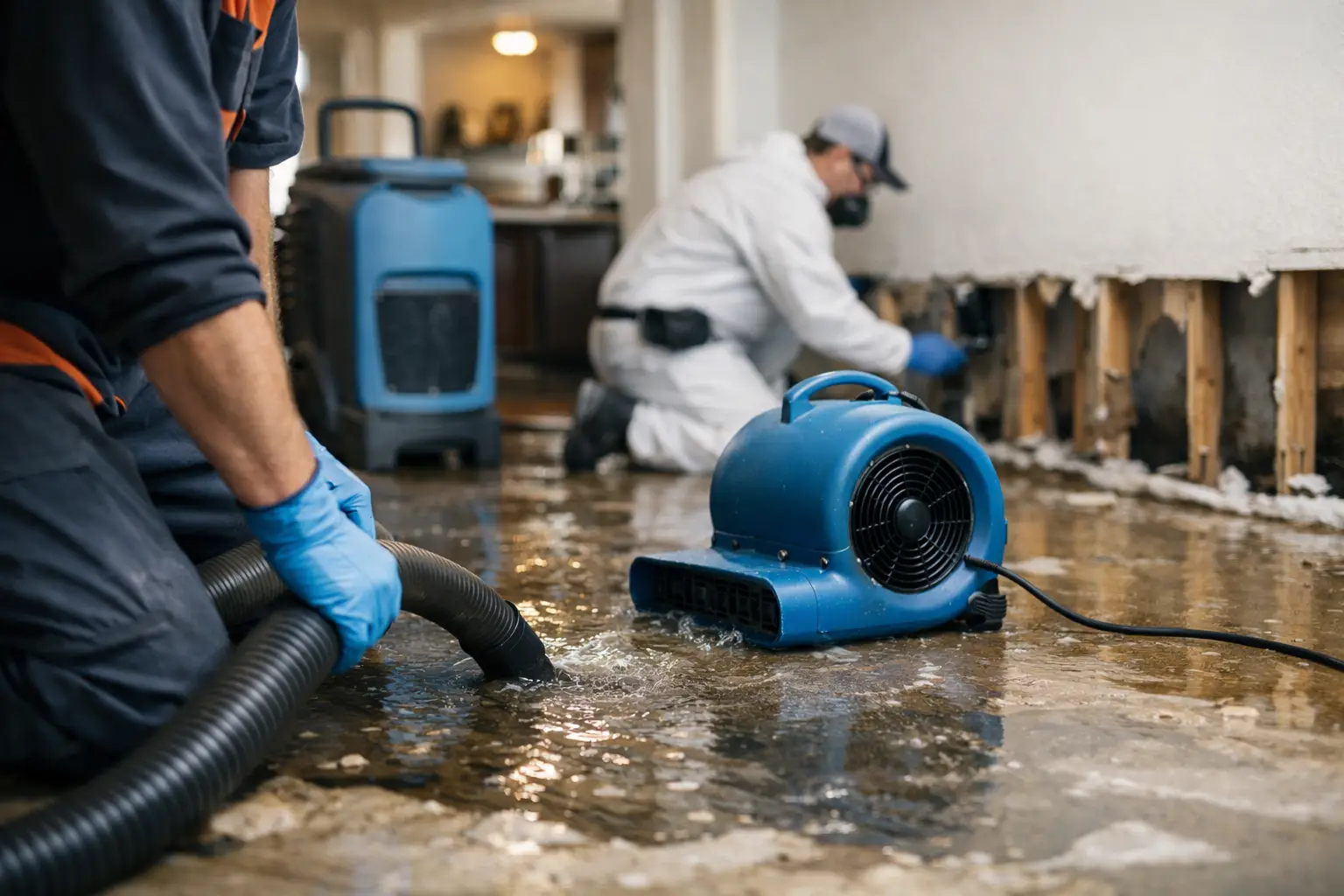 Water Damage
Extraction, structural drying, and moisture mapping after floods, leaks, and burst pipes.
Get help now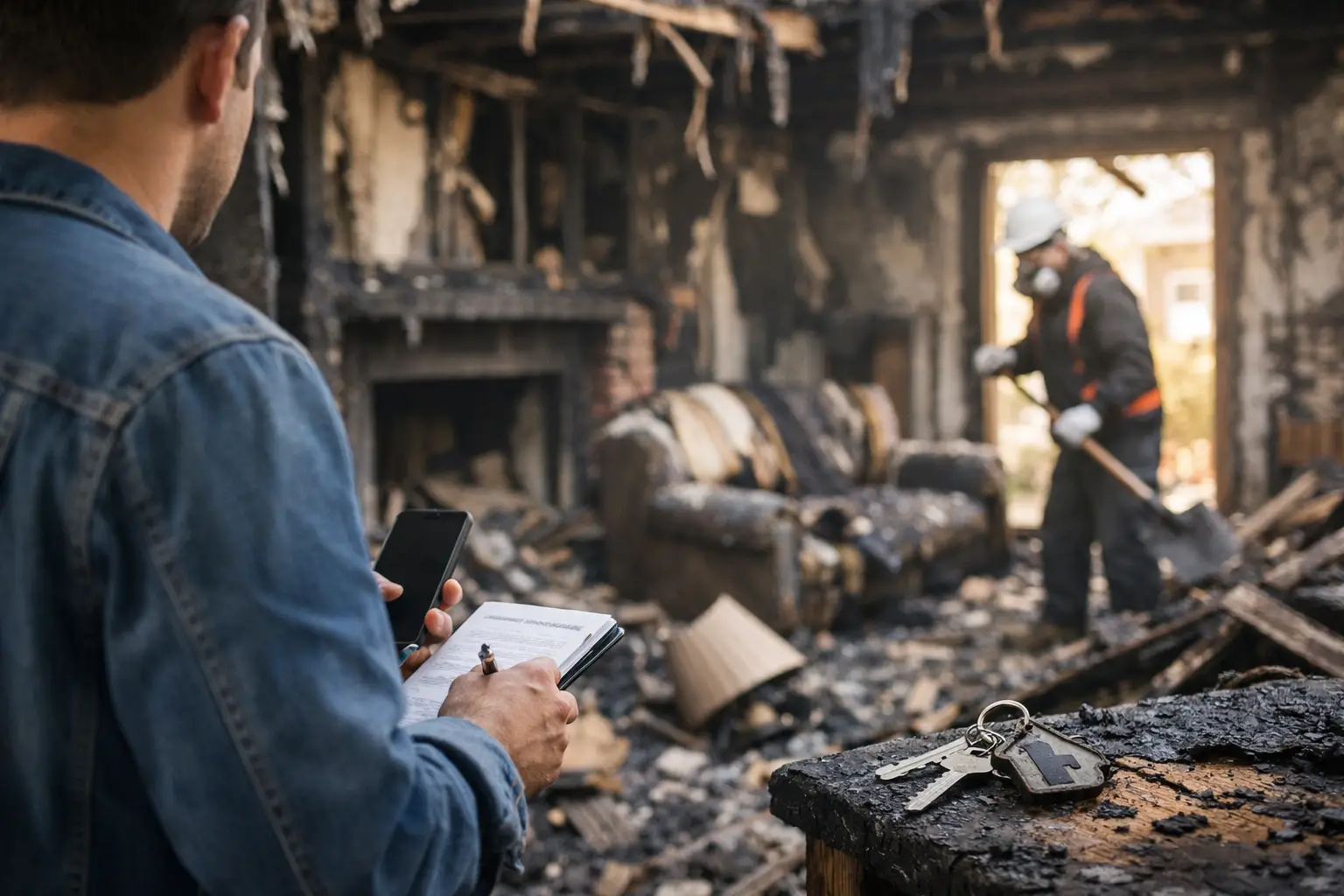 Fire & Smoke
Soot removal, odor deodorization, and content cleaning after fire and smoke damage.
Learn more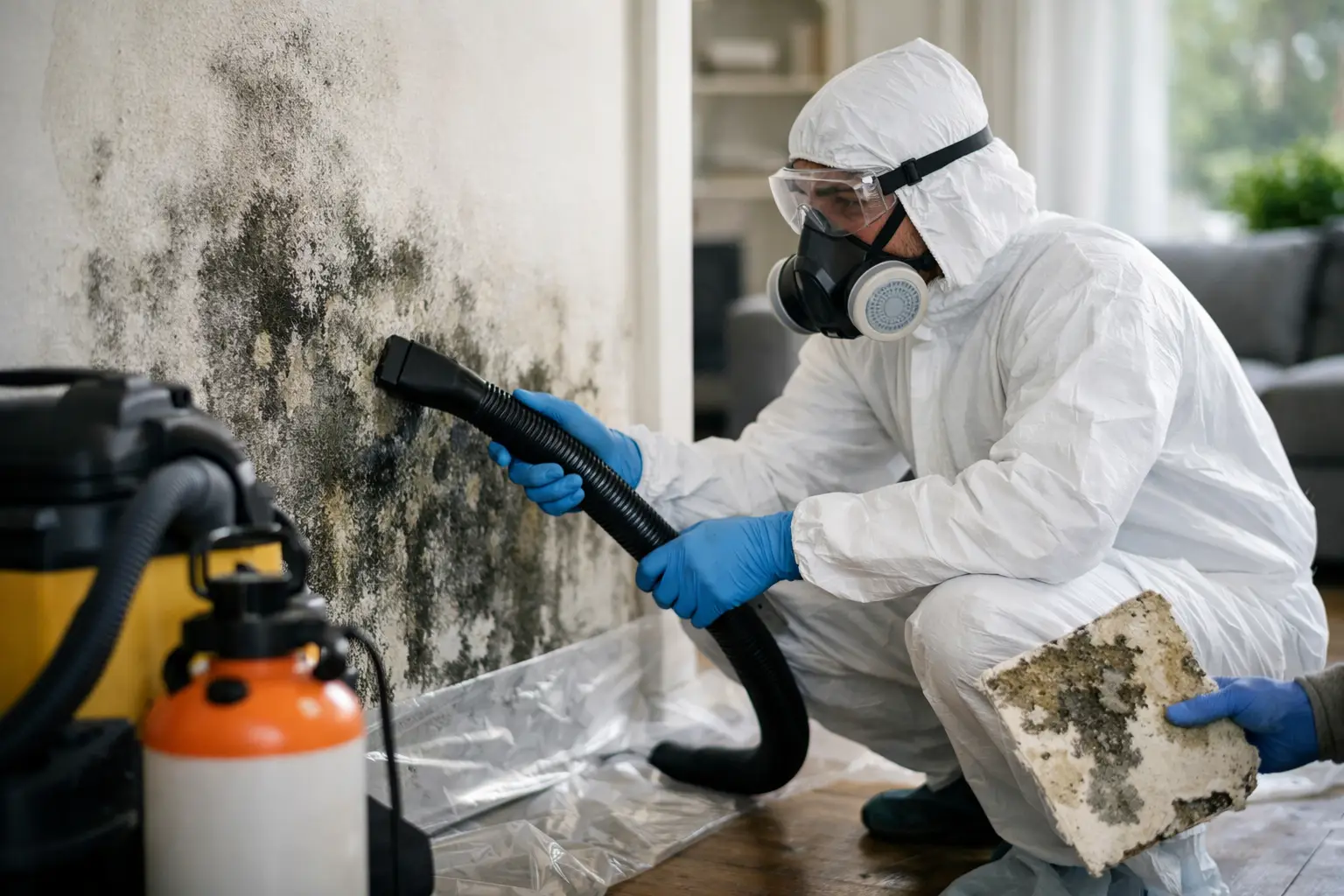 Mold
MoldContainment, removal, and moisture control that stops mold from coming back.
Learn more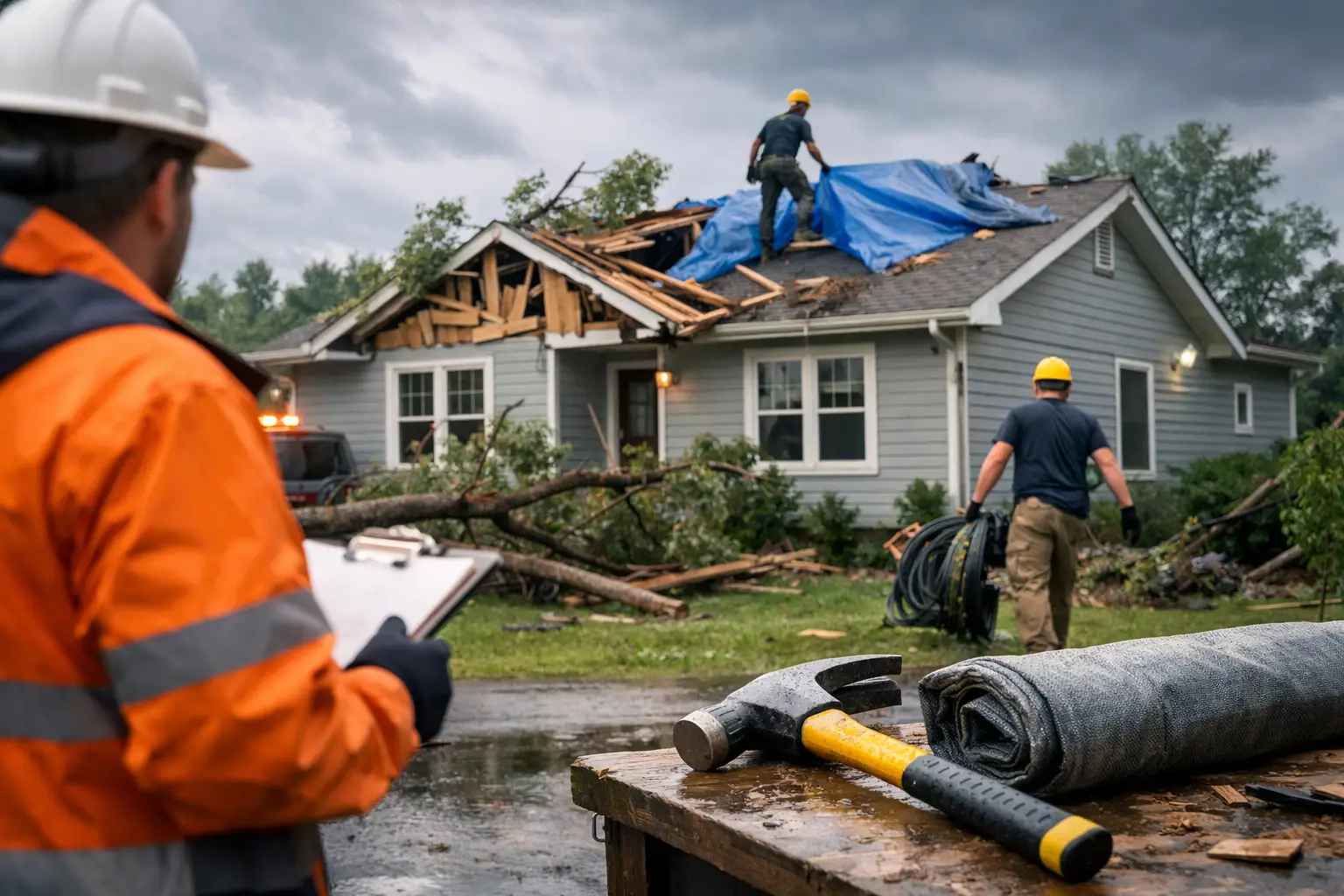 Storm
StormEmergency board-up, roof tarping, and full recovery after wind, hail, and storms.
Learn more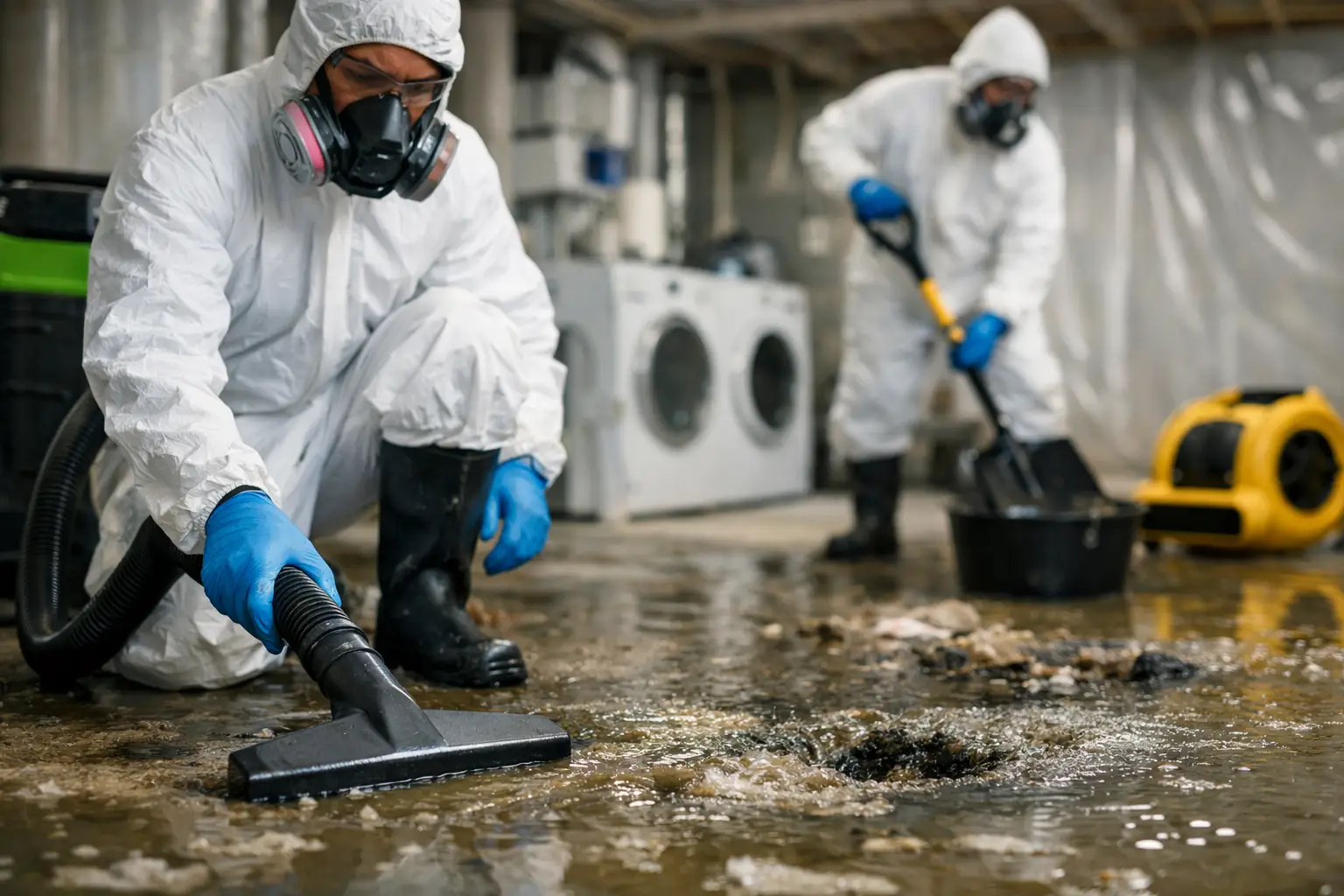 Sewage
Safe biohazard cleanup and sanitizing after sewage backups and overflows.
Learn more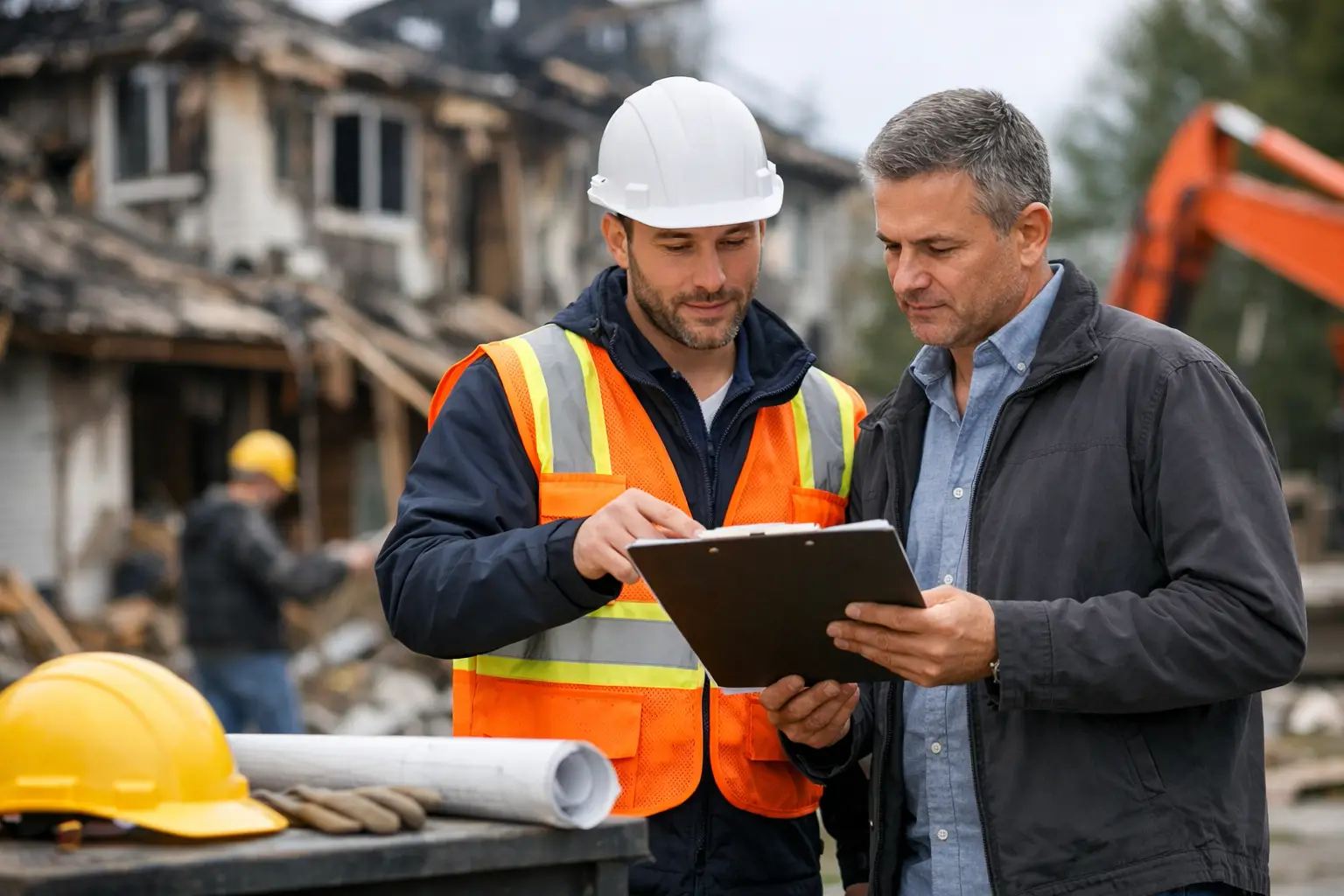 Reconstruction
Full rebuild by a licensed general contractor, so your property comes back whole.
Learn moreElevated Operations is an IICRC-certified, licensed general contractor based in Mableton that handles the entire recovery in-house, so after one loss you are never coordinating a cleanup crew, a mold crew, and a contractor separately. One team, one point of contact, from the first pump-out to the final coat of paint.
People call when the property feels like a disaster. They leave reviews because Chris and the crew made it right. These are real, verified Google reviews.
I start with safety, then document the loss, secure openings, and separate cleanup from repair. In Riverdale, homes near the airport corridor often show smoke travel in vents, attics, and hallways, so I pay close attention to hidden pathways before I choose the cleanup method.
That is common, and I treat it as one connected loss. Fire and smoke restoration has to include structural drying when suppression water entered the home. If I only clean soot and ignore moisture, the project can turn into a mold problem and a repair delay.
Yes. I offer direct insurance billing, which keeps the claim process cleaner for you. I document the fire damage cleanup, communicate with the carrier as needed, and keep the restoration moving without forcing you to front the conversation with the insurer.
I look at material type, soot load, odor absorption, and structural condition. Some items can go through smoke damage cleanup and odor neutralization. Others are too compromised and need removal. I do not force salvage when replacement is the smarter call.
Yes. Even a small kitchen fire can leave openings, broken glass, or unstable entries that need board up services. In Riverdale, I take those situations seriously because older homes can let smoke spread quickly through connected rooms and attic spaces.
I am a licensed general contractor, and my technicians are IICRC-certified. That means I look at the fire loss as cleanup, drying, odor control, and repair planning, not just surface washing. I have been in restoration since 2007, so I know where losses get missed.
I offer 60-minute emergency response 24/7 across Clayton County when conditions allow access. I move quickly because smoke damage gets worse fast, especially in homes near the airport or in older subdivisions where the structure can hold odor and residue.
No, not always. I review fire damaged contents for salvage potential before deciding what goes into content restoration. Many items with smoke exposure can be treated, while heat-damaged or heavily contaminated pieces may need to be removed instead.
Elevated Operations dispatches IICRC-certified crews across Metro Atlanta from our Mableton base, with a 60-minute emergency response day or night. Choose your city:
Call now for an immediate response, or request your free inspection and get a certified crew on-site within the hour across Atlanta and nearby areas.