24/7 Emergency Restoration · Serving Metro AtlantaEmergency? (770) 404-6895
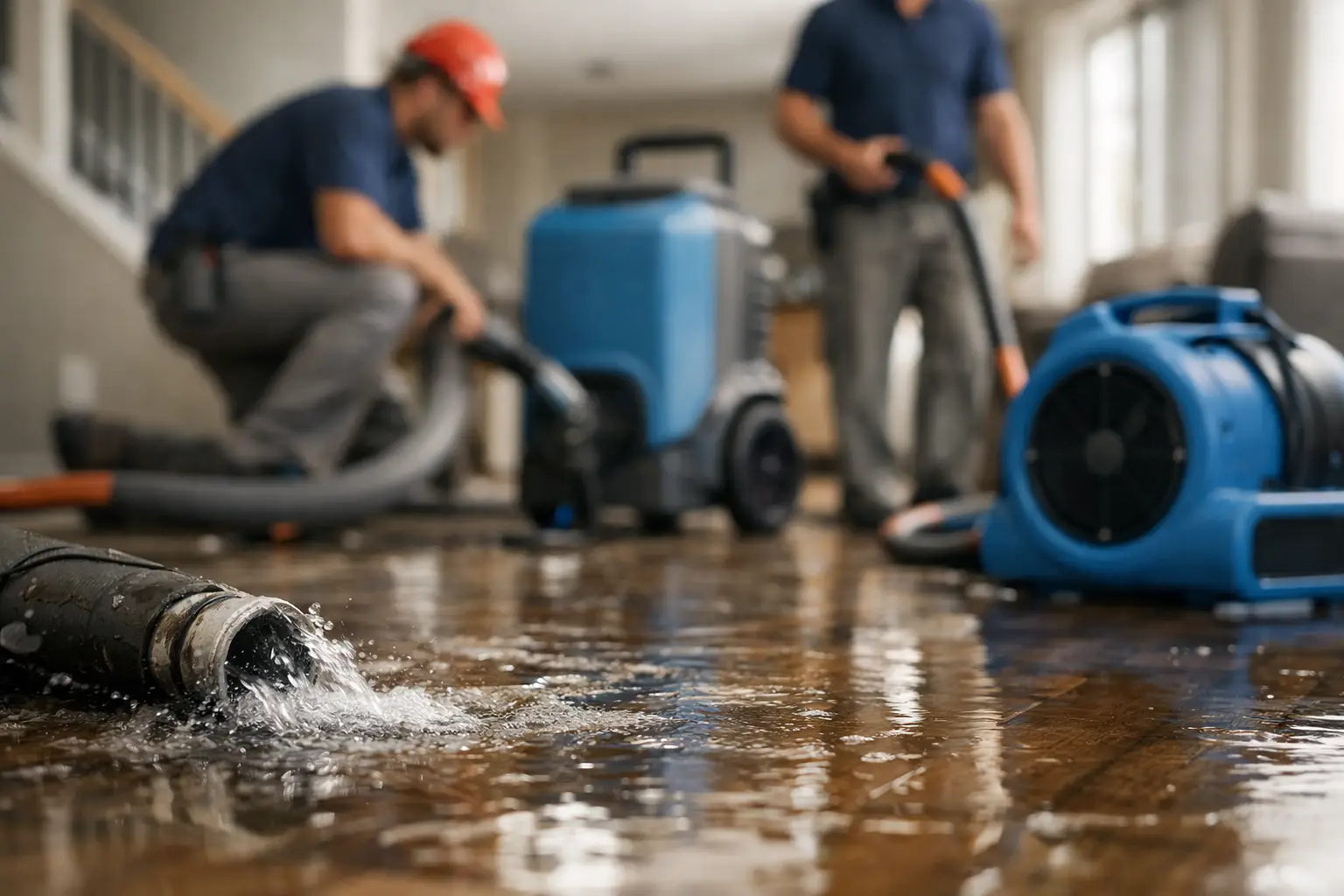
Contents cleaning and restoration Sandy Springs is the right call when furniture, electronics, documents, and personal property need sorting after water, smoke, or mold exposure. I compare restoration versus replacement, DIY versus a pro, and water damage versus mold so you can choose the right move for your Sandy Springs property.
IICRC-Certified · 5-Star Rated · 60-Minute Response · Insurance Billed Directly
Yes. I do not use a blanket rule. I compare each item based on material, contamination, and salvage value.
Often yes, if the loss is contained. If not, I use pack out services and bring the contents into a cleaner process.
Water is the event. Mold is what can follow if drying is delayed. That changes the entire contents plan.
Yes. We offer direct insurance billing, and I also provide deductible assistance up to $1,000 when eligible.
Contents cleaning and restoration in Sandy Springs means I clean, stabilize, dry, and document salvageable personal property after water, smoke, or mold damage, instead of treating everything as trash. On the Chattahoochee riverside, that often includes furniture cleaning, electronics cleaning, odor removal, and content restoration decisions tied to the room and the source of damage.
I treat contents as a separate job from structural repairs. That matters in Sandy Springs, where homes near the Chattahoochee can take on basement moisture, wind-driven rain, or overflow issues that hit furniture, documents, and stored items before the walls are even opened up.
The process can include pack out services when the item mix is too dense to clean safely on site. It can also mean content cleaning inside the property when the loss is contained, with careful sorting of what can be dried, wiped, deodorized, or set aside for personal property restoration.
And I do not guess. IICRC-certified technicians evaluate each category of contents, then decide what belongs in cleaning, what needs odor removal, and what is too damaged to save. That is the difference between a bill full of replacements and a recovery plan that actually respects the property.
I choose restoration when the item has salvage value, cleanable surfaces, or sentimental importance, and I choose replacement when contamination, heat, or distortion makes the item unsafe or uneconomical to keep. In Sandy Springs, that decision often comes down to furniture finish, electronics exposure, and how fast the response started.
Restoration usually wins on hardwood furniture, sealed décor, framed artwork, and certain appliances with limited exposure. Replacement usually wins on swollen particleboard, severely rusted electronics, or items soaked long enough for mold to start growing in 24 to 48 hours.
Near the Chattahoochee riverside, humidity can tilt the decision faster than people expect. A couch that looks dry may still hold odor, and a stack of books may be fine on the outside but ruined inside. I look at material, exposure, and drying condition, not wishful thinking.
When I say replace, I mean it. But when a dresser, photo album, or lamp can be cleaned and stabilized, I push content restoration hard. That is where direct insurance billing and clear documentation matter, because salvage should be proven, not assumed.
DIY works for light surface dust, a small spill, or a single item you can clean safely right away, but a pro is the better choice once water, smoke, or mold touches multiple contents, electronics, or porous materials. In Sandy Springs, speed, containment, and documentation usually decide it.
DIY often fails because people clean the wrong way. Wiping soot into upholstery, setting damp books in a closed room, or powering up electronics too early can turn a salvageable item into a loss. I see that mistake a lot after attic leaks and basement backups.
A pro brings structure. My team uses IICRC-certified methods, tracks items, and separates what needs cleaning from what needs drying or disposal. That matters for content cleaning after a kitchen fire, for document drying after a leak, and for odor removal when smoke has settled into fabrics.
And there is another issue, insurance. If you want reimbursement, you need records, not just effort. We offer direct insurance billing and deductible assistance up to $1,000, which makes the professional route easier to defend when an adjuster wants proof of what was saved.
Smoke damaged contents are cleaned by removing soot, controlling odor, and separating porous items from nonporous ones so the right method is used on each piece. For Sandy Springs properties near the Chattahoochee, that usually means fast sorting, careful furniture cleaning, and targeted odor removal before residue sets in.
Smoke is not one problem. It is residue, odor, and corrosion all at once. I start by identifying what kind of contents are affected, then I clean hard surfaces, handle fabrics differently, and move electronics cleaning to methods that protect sensitive components instead of forcing a one-size approach.
Some items can be saved with content restoration if the soot is light and the finish is intact. Others, especially soft goods with deep odor load, need honest calls. If smoke has reached books, curtains, or personal property stored in closets, the cleaning plan changes quickly.
Homes along the Chattahoochee riverside can trap smoke odor in areas that already have humidity or poor airflow. That combination makes timing critical. The longer soot sits, the more likely I am to recommend pack out services, because cleaning is easier when the items are moved before residue becomes permanent.
The best candidates are solid wood furniture, sealed décor, dishes, many metal items, some electronics, and documents caught early. In Sandy Springs, I also look hard at heirlooms, family photos, and items with cleanable surfaces before I recommend replacement. Early response changes everything.
Furniture cleaning often saves dressers, tables, and chairs with intact frames, especially when the damage is from surface water or light smoke. Books and papers may be saved through document drying if they are handled quickly, sorted carefully, and kept from sticking together.
Electronics cleaning is possible in some cases, but only when the unit was not heavily submerged or heat-damaged. I do not promise miracles. I inspect for corrosion, water intrusion, and smell, then decide whether the item has a realistic path back to service or belongs in replacement.
Personal property restoration is strongest when the item is valuable, the finish is stable, and the contamination source is controlled. That is why I compare items one by one instead of making a blanket call. You want evidence-based decisions, not sentimental guesses that inflate the loss.
Water damage is the wet event, while mold damage is the biological follow-through when moisture sits long enough for growth to begin. For contents in Sandy Springs, water usually calls for drying and cleaning first, while mold demands faster containment, disposal of some porous items, and stricter content restoration decisions.
If a leak is recent, I focus on drying, separation, and salvage. If the contents stayed wet long enough, mold changes the whole job. That is where soft goods, books, and hidden storage items become risky, because the visible surface may not show how far the contamination has spread.
On the Chattahoochee riverside, ambient humidity can shorten the window. A box of papers in a closet or a sofa in a lower level can move from wet to mold-affected faster than people expect. That is why I tell homeowners not to wait for smell as the first warning.
My rule is simple. Water damage favors immediate cleaning and drying. Mold damage favors containment, stricter sorting, and honest loss decisions. The right answer depends on time, material, and exposure, not on whether the item looks passable from across the room.
| Typical Trigger | Water Damage Restoration | Mold Remediation |
|---|---|---|
| Fresh water leak in a Sandy Springs basement | Dry and save furniture, documents, and décor before mold starts, with sorting and content cleaning on site or through pack out services. | Remove damp porous items quickly, isolate affected contents, and avoid spreading growth to clean rooms near the Chattahoochee. |
| Smoke smell in a Chattahoochee-area townhome | Clean soot from hard goods, handle upholstery carefully, and use odor removal before residue sets into stored contents. | Mold is not the first issue here, so the mold response is usually not the right model unless smoke damage also includes hidden moisture. |
| Wet papers and electronics after a roof leak | Prioritize document drying, evaluate electronics cleaning, and separate items that can be stabilized from those that need replacement. | If the items sat long enough for growth, the mold path means faster disposal of some paper goods and stricter personal property restoration decisions. |
From emergency mitigation to full reconstruction, handled in-house so you are never managing a chain of subcontractors mid-crisis.
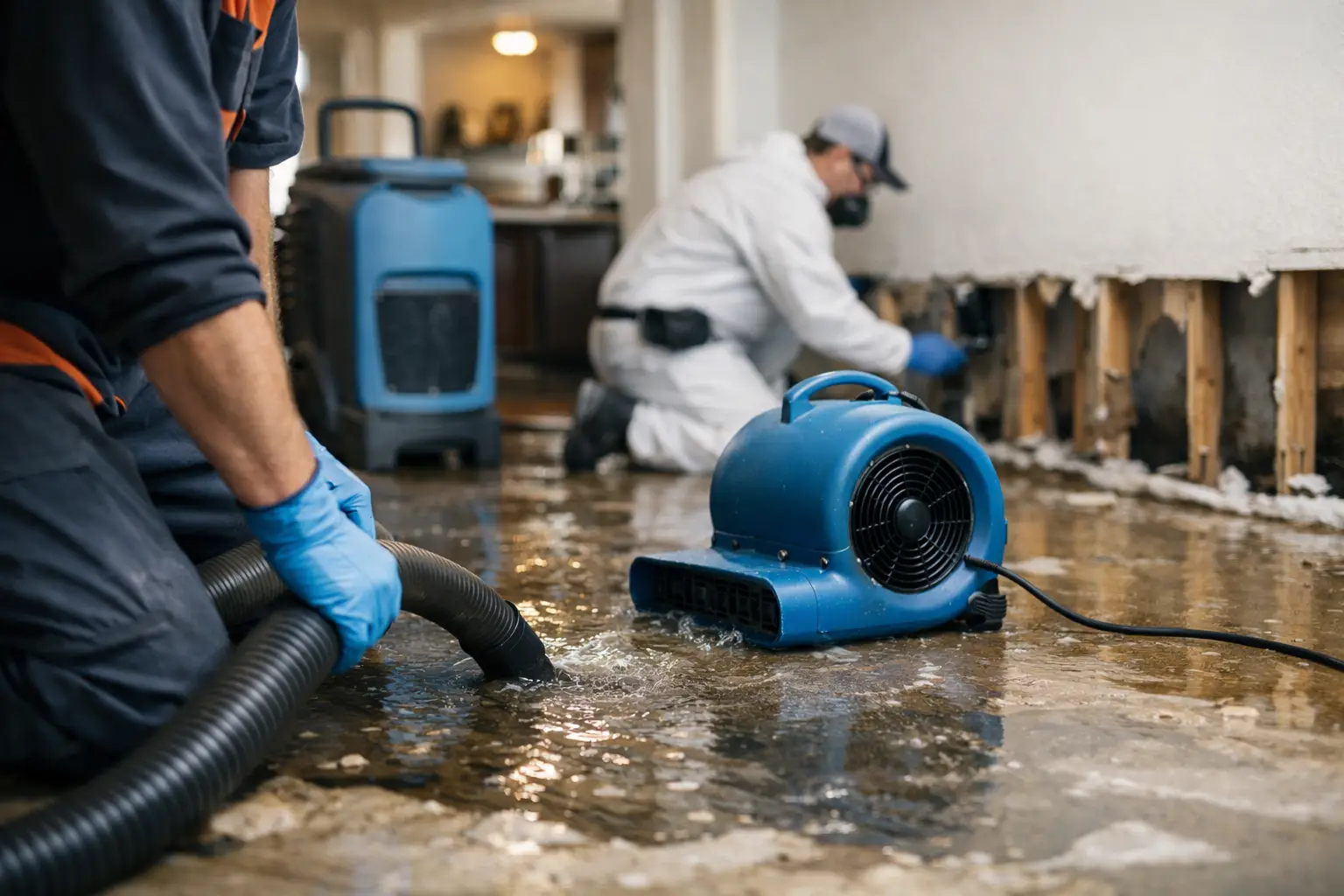 Water Damage
Extraction, structural drying, and moisture mapping after floods, leaks, and burst pipes.
Get help now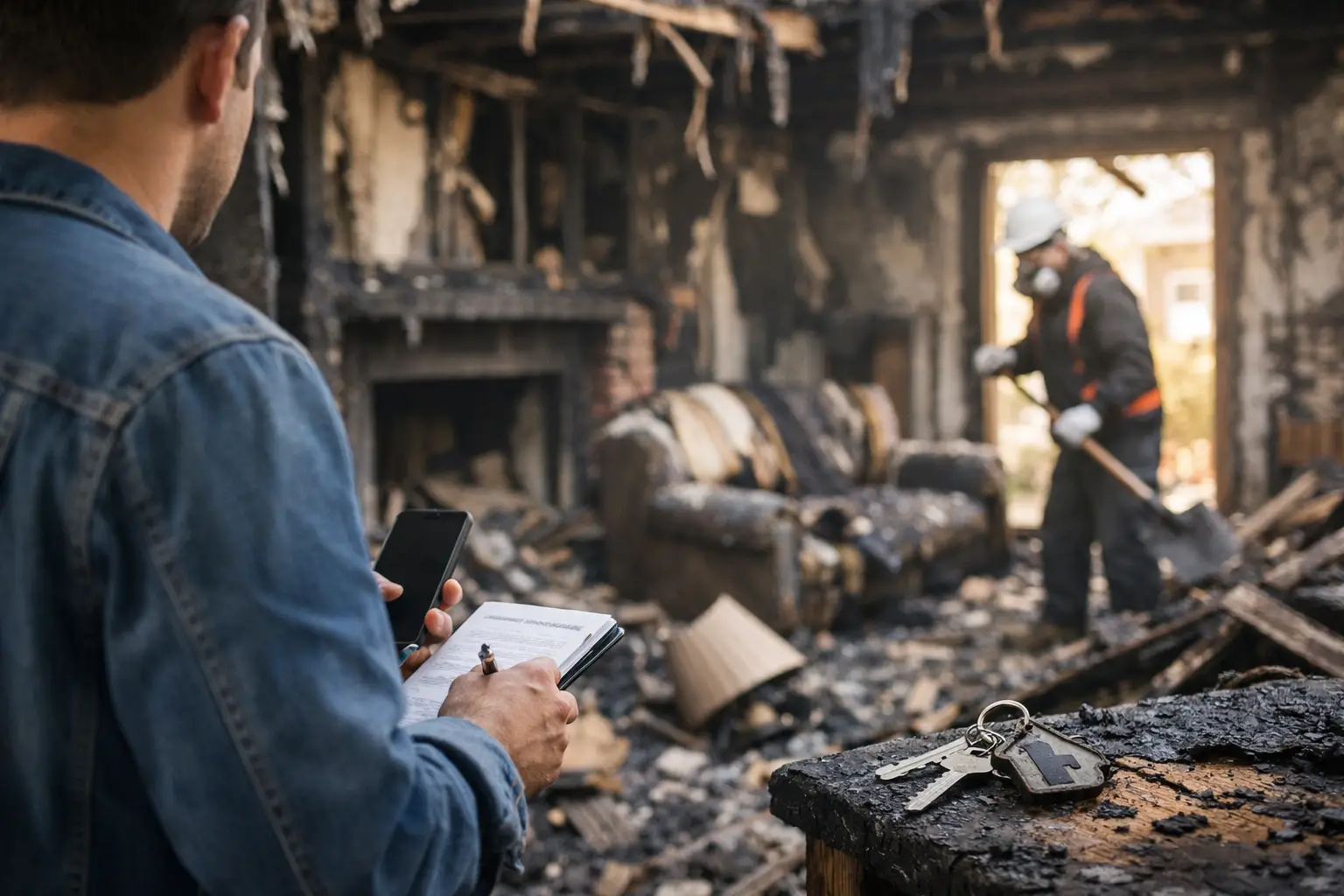 Fire & Smoke
Soot removal, odor deodorization, and content cleaning after fire and smoke damage.
Learn more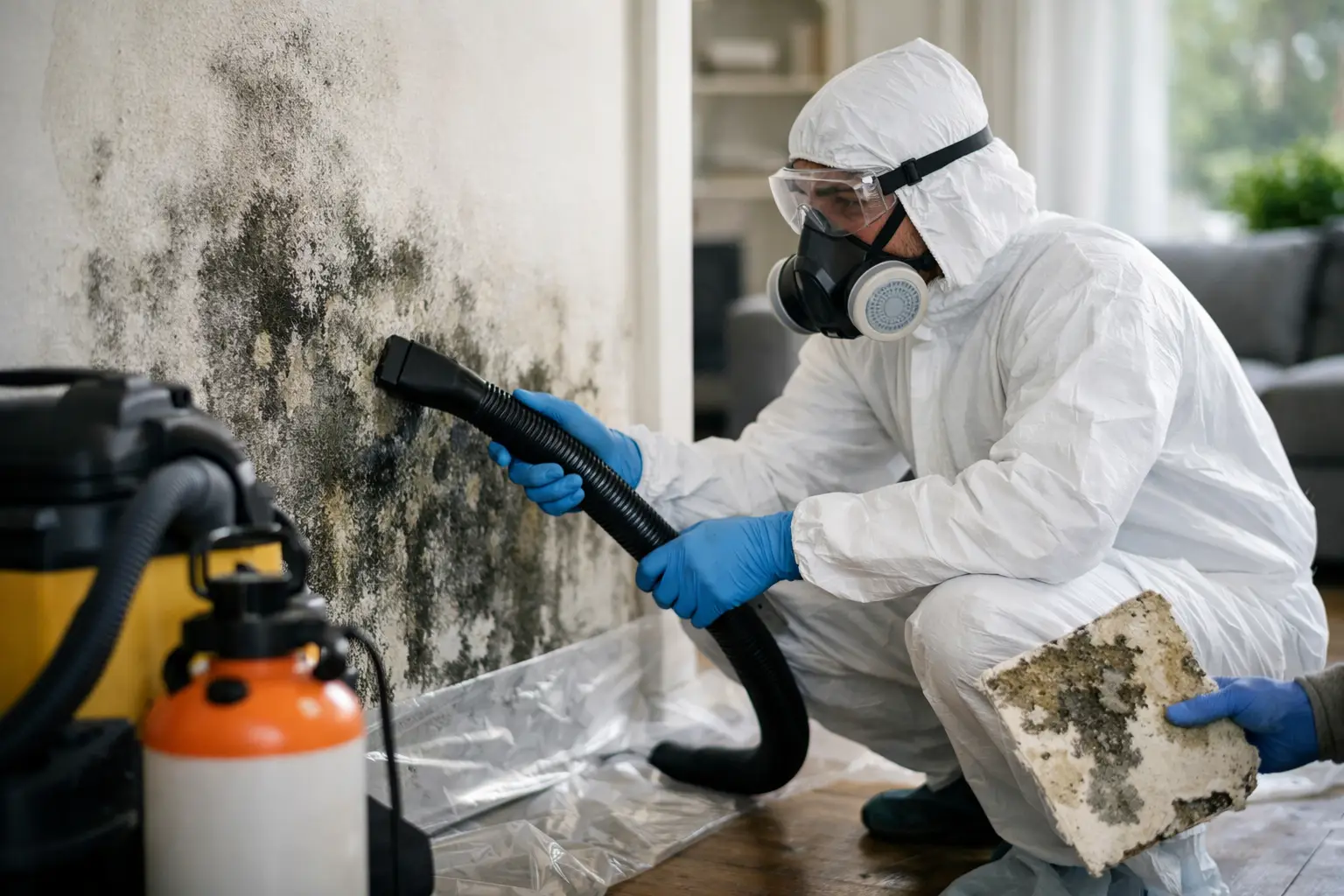 Mold
MoldContainment, removal, and moisture control that stops mold from coming back.
Learn more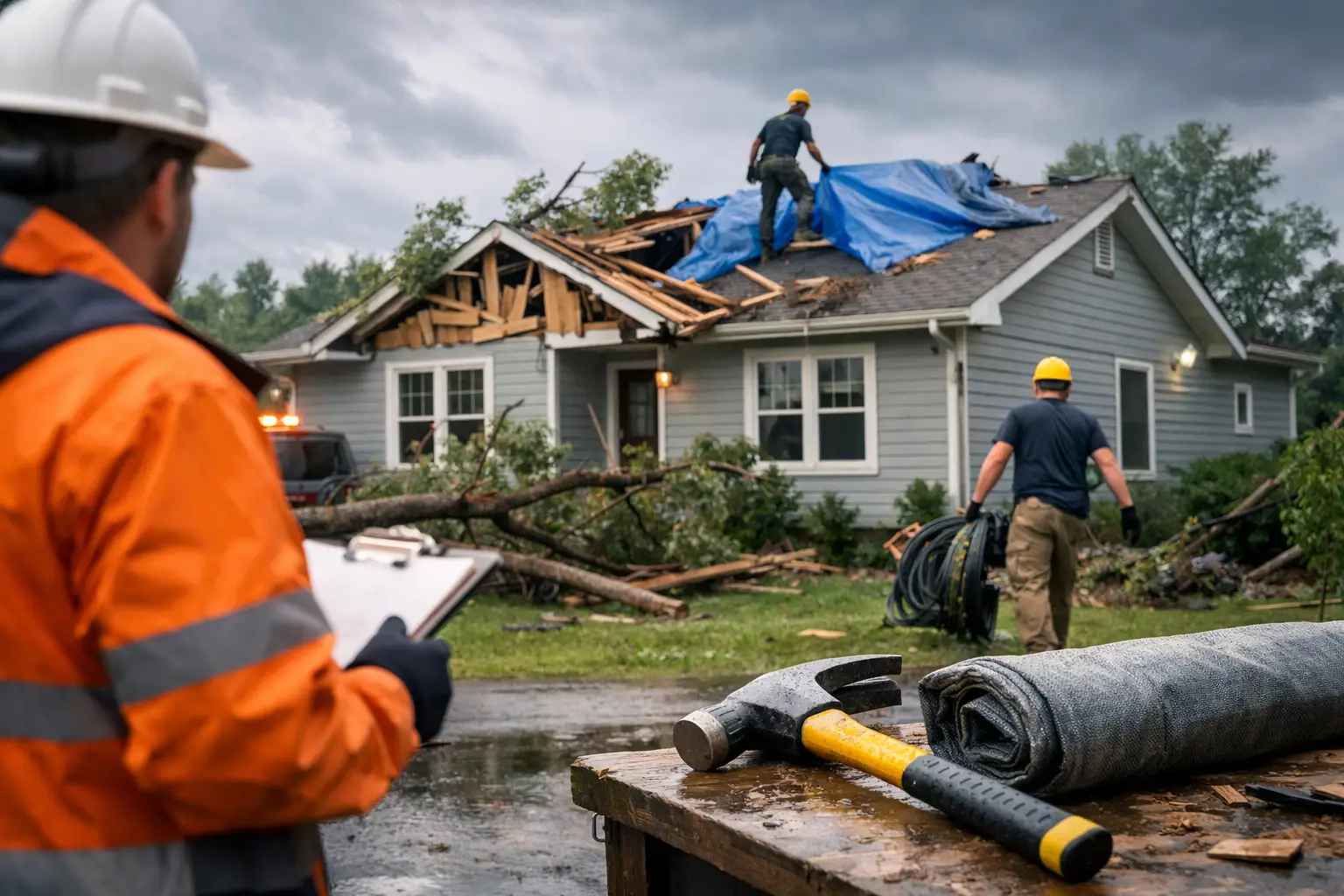 Storm
StormEmergency board-up, roof tarping, and full recovery after wind, hail, and storms.
Learn more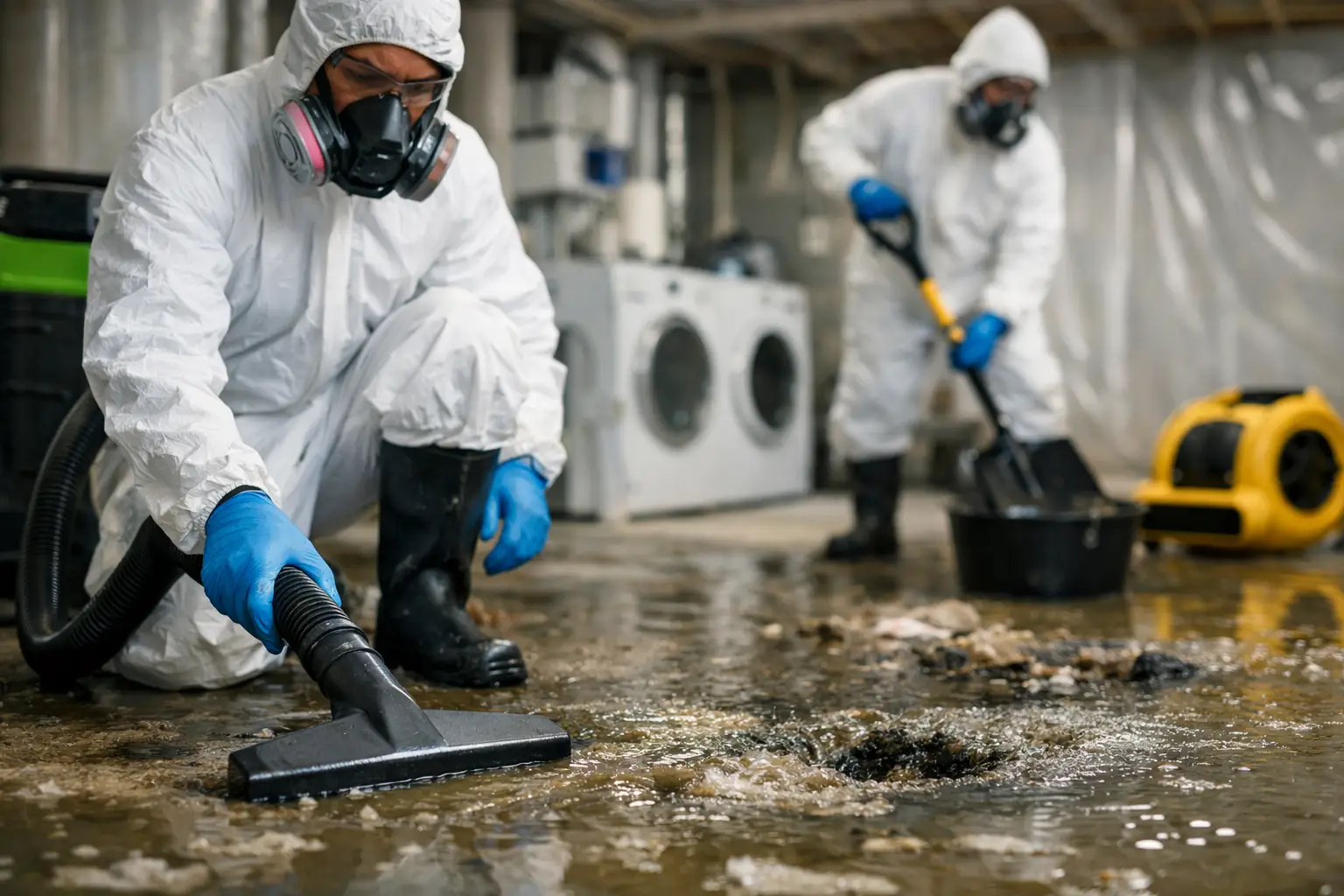 Sewage
Safe biohazard cleanup and sanitizing after sewage backups and overflows.
Learn more Reconstruction
Full rebuild by a licensed general contractor, so your property comes back whole.
Learn moreElevated Operations is an IICRC-certified, licensed general contractor based in Mableton that handles the entire recovery in-house, so after one loss you are never coordinating a cleanup crew, a mold crew, and a contractor separately. One team, one point of contact, from the first pump-out to the final coat of paint.
People call when the property feels like a disaster. They leave reviews because Chris and the crew made it right. These are real, verified Google reviews.
I look at material, exposure, and timing. Solid furniture, sealed items, photos, and many documents can be worth saving, while swollen particleboard or heavily contaminated soft goods usually are not. In Sandy Springs, humidity and river proximity make timing more important, so I push for quick inspection before odor or mold changes the equation.
Yes, many can, but not all. After a flood, I focus on drying, cleaning, and stopping mold from starting. After a fire, I focus on soot removal and odor removal. In both cases, electronics, books, furniture, and personal property can sometimes be restored if the damage is limited and the response is fast.
Usually the best candidates are hard furniture, framed décor, metal items, some electronics, and papers caught early. I also evaluate heirlooms and family photos carefully. If the item has surface water, light smoke, or manageable odor, content restoration may be the better call than replacement. If mold has started, the list gets shorter fast.
I do not scrub smoke residue deeper into fabrics or leave it sitting. I separate hard goods from porous items, clean soot carefully, and treat odor removal as part of the process, not an afterthought. For Sandy Springs homes, especially near the Chattahoochee, airflow and humidity can trap smell if the work is delayed.
Sometimes, yes, if the spill is small, the furniture is nonporous, and the item can dry immediately. But once padding, joints, or hidden seams are involved, DIY often misses trapped moisture. I see that in condos and townhomes where the surface looks fine, then mold shows up later in the same item.
Yes, when the contents need to leave the property for safer cleaning or drying, pack out services are the right move. I use them when there are too many items, when smoke odor is heavy, or when the structure is still being repaired. That keeps the content work organized and easier to document for insurance.
Do not power them on. I inspect for water intrusion, corrosion, and odor, then decide whether electronics cleaning makes sense or replacement is the safer choice. Some devices can be salvaged, especially if they were exposed briefly. Others are too far gone once moisture reaches internal components or batteries.
Immediately. Mold can start in 24 to 48 hours, and that clock matters for books, fabrics, boxes, and stored household goods. Water gets more expensive the longer it sits, and mold turns salvageable contents into disposal decisions. I recommend calling as soon as you see the damage, not after the smell shows up.
Elevated Operations dispatches IICRC-certified crews across Metro Atlanta from our Mableton base, with a 60-minute emergency response day or night. Choose your city:
Call now for an immediate response, or request your free inspection and get a certified crew on-site within the hour across Atlanta and nearby areas.