24/7 Emergency Restoration · Serving Metro AtlantaEmergency? (770) 404-6895
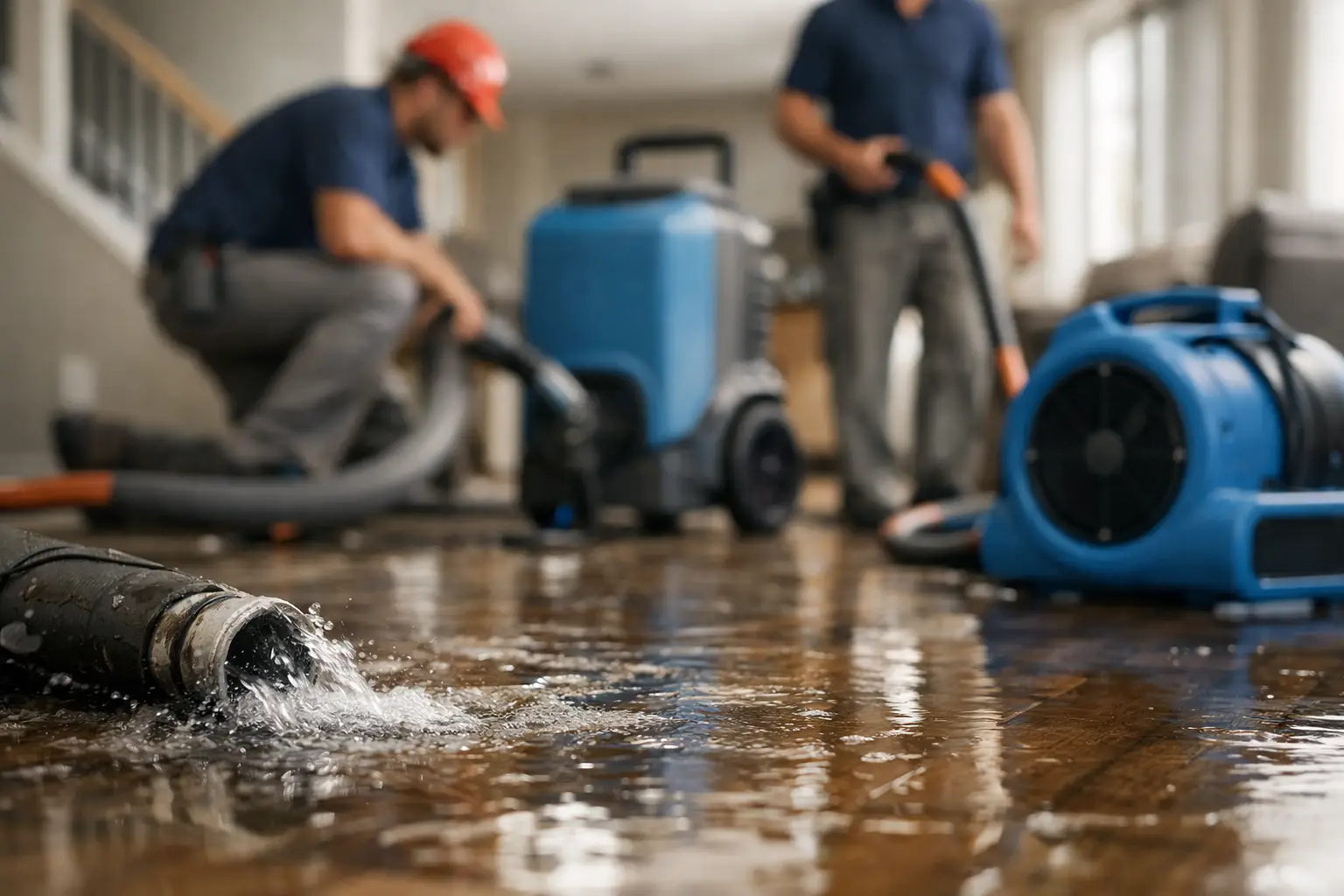
Sewage cleanup company Riverdale jobs are priced by damage type, contamination level, access, and whether insurance is involved. I handle sewage cleanup, black water cleanup, and insurance paperwork for Riverdale homes near the airport and older subdivisions, with 24/7 emergency response, direct insurance billing, and deductible assistance up to $1,000.
IICRC-Certified · 5-Star Rated · 60-Minute Response · Insurance Billed Directly
Often yes, but only when the policy and cause of loss support it. I document the damage and bill directly when allowed.
Hidden saturation, porous materials, and the need for removal and disinfection. Older subdivisions near Clayton County airport routes often have more of that.
Yes. I am a licensed general contractor, so I can manage the cleanup and the rebuild path after the sewage spill cleanup is done.
I offer 24/7 emergency response with a 60-minute emergency response target, because sewage damage and odor move fast.
I price sewage cleanup by what the water touched, how far it spread, and what has to be removed or disinfected. A sanitary sewer backup in an older Riverdale subdivision can cost more than a small toilet overflow cleanup because porous materials, access, and drying needs change the scope.
I do not quote sewage work by guesswork. I look at the source, the affected rooms, and whether this is contaminated water removal only or a larger biohazard cleanup with demolition, disinfection services, and odor removal. In Riverdale, older homes often hide damage under flooring and baseboards, so scope matters.
If the backup came through a bathroom on the main level, the job may stay contained. If it reached hallways, closets, or lower walls, the price changes because more materials need removal, cleaning, and final clearance. That is true whether the call is near the airport corridor or deeper in a subdivision built decades ago.
I also factor in access and timing. A fast emergency call at night is different from scheduled work after the standing water is already managed. My team is IICRC-certified, and that matters because proper sewage spill cleanup is about controlling contamination, not just mopping the floor and hoping the smell disappears.
I stop the spread, remove contaminated materials, clean and disinfect the affected area, and document what was done for the claim. A real sewage cleanup company does not stop at surface wiping. It handles biohazard cleanup, odor removal, and the steps needed to make a black water cleanup job complete.
First, I inspect the damage and identify the source. If the issue is a sanitary sewer backup, toilet overflow cleanup, or contaminated water removal from a failed drain line, I map out what is salvageable and what has to come out. In Riverdale, that often means working in compact homes with tight access.
Then my crew removes soaked porous materials when they cannot be safely cleaned. We disinfect hard surfaces, manage odors, and prepare the space for drying or reconstruction. That is the part many homeowners miss. Cleaning sewage is not just a visual job. It is a health and contamination job.
Because I am a licensed general contractor as well as restoration contractor, I can manage the cleanup and the rebuild path without sending the owner in circles. That helps when older Riverdale properties need both disinfection services and repair work after the initial sewage spill cleanup is done.
Yes, sewage backup is treated as a biohazard because it can contain harmful contaminants and expose people to unsafe conditions. In Riverdale, I treat black water cleanup and sewage spill cleanup as hazardous work from the start, especially in older homes where absorption into building materials happens fast.
The term matters because it changes the response. Biohazard cleanup means PPE, containment, proper disposal, and controlled disinfection services. It is not the same as cleaning a sink spill. Sewage can spread bacteria and contamination into flooring, drywall, and hidden cavities, especially in older subdivisions around Riverdale.
Mold can start in 24 to 48 hours after a water event, so speed matters after sewage exposure too. Even when the visible water looks small, the hidden contamination can travel. I do not treat a sewer backup lightly just because the room appears dry after a quick wipe-down.
Insurance adjusters understand the hazard classification better when the work is documented clearly. I keep the claim file organized, note the affected materials, and explain what was cleaned, removed, and disinfected. That helps when a homeowner is dealing with a sanitary sewer backup and wants the carrier to see the full picture.
I clean sewage in a house by removing contamination at the source, disinfecting affected areas, and confirming what cannot be saved. The job has to be methodical. In Riverdale, where older homes may have aging plumbing and absorbed moisture, shortcuts leave odor, residue, and future problems behind.
I start with containment and safety. Then I identify all affected surfaces, including hidden edges near baseboards, under cabinets, and behind fixtures. If a toilet overflow cleanup has spread beyond a small area, I treat it as black water cleanup and move quickly to protect the rest of the house.
The actual process includes sewage spill cleanup, contamination removal, disinfection services, and odor removal. If flooring or drywall is too saturated, it comes out. If hard surfaces can be cleaned safely, they are scrubbed and disinfected. That is how I avoid leaving behind smells and residue that return later.
Riverdale homeowners near the airport often want the house usable again fast because the property may already be under stress from older systems and busy family schedules. I get that. But speed only works when the cleanup is complete. Half-finished sewage cleanup creates repeat damage and bigger claims.
Insurance may cover the covered water damage, sewage cleanup, and related repairs if the policy and cause of loss qualify. I help with direct insurance billing and documentation so the carrier can review the claim. Coverage depends on cause, timing, and the policy language, not just the damage itself.
Most homeowners want a simple answer, but insurance is based on the facts of the loss. If the sewage backup is tied to a covered event, the carrier may pay for cleanup, disinfection services, and some repair work. If the policy excludes the cause, the response can be different.
My job is not to promise coverage. My job is to document the sewage cleanup company work correctly, communicate clearly, and bill the carrier directly when the claim is approved. That reduces back-and-forth for homeowners in Riverdale who are already dealing with a bad day and a messy house.
I also explain the scope in plain language. The adjuster needs to know what was removed, what was cleaned, and why certain materials could not be salvaged. That matters in older Riverdale subdivisions, where damage can move behind walls and under floors before anyone notices the smell.
I help homeowners understand the deductible, gather claim documents, and bill insurance directly when allowed. I also offer deductible assistance up to $1,000. That can matter when a Riverdale family faces sewage cleanup, odor removal, and repairs all at once after a backup in an older home.
The deductible is the homeowner’s share under the policy. It is not a surprise fee from me, and it is not the same thing as the total cost of the loss. When I talk through a claim, I keep that distinction clear so the homeowner knows what belongs to the carrier and what does not.
For sewage spill cleanup, I document the source, the affected rooms, the materials removed, and the disinfection services completed. That paperwork helps when the adjuster reviews the loss. It also supports direct insurance billing, which saves the homeowner from paying everything upfront and then chasing reimbursement.
Riverdale properties near the airport or in older subdivisions often need quick action because standing contamination does not wait for claims approval. I handle the emergency response first, then the paperwork. That is how I keep the process moving without losing track of the actual cleanup work.
I offer 24/7 emergency response with a 60-minute emergency response target, because sewage damage gets worse fast and insurance documentation is cleaner when the scene is handled immediately.
Pricing changes with contamination level, affected materials, room count, access, and whether the job needs demolition, disinfection services, odor removal, or rebuild coordination.
I use direct insurance billing when the claim allows it, so homeowners are not forced to manage every invoice while they are dealing with a sanitary sewer backup.
I offer deductible assistance up to $1,000, which can help when the out-of-pocket share is a barrier to getting sewage spill cleanup started quickly.
I back completed restoration work with a 12-month warranty, and I am a licensed general contractor, so cleanup and rebuild can stay aligned.
From emergency mitigation to full reconstruction, handled in-house so you are never managing a chain of subcontractors mid-crisis.
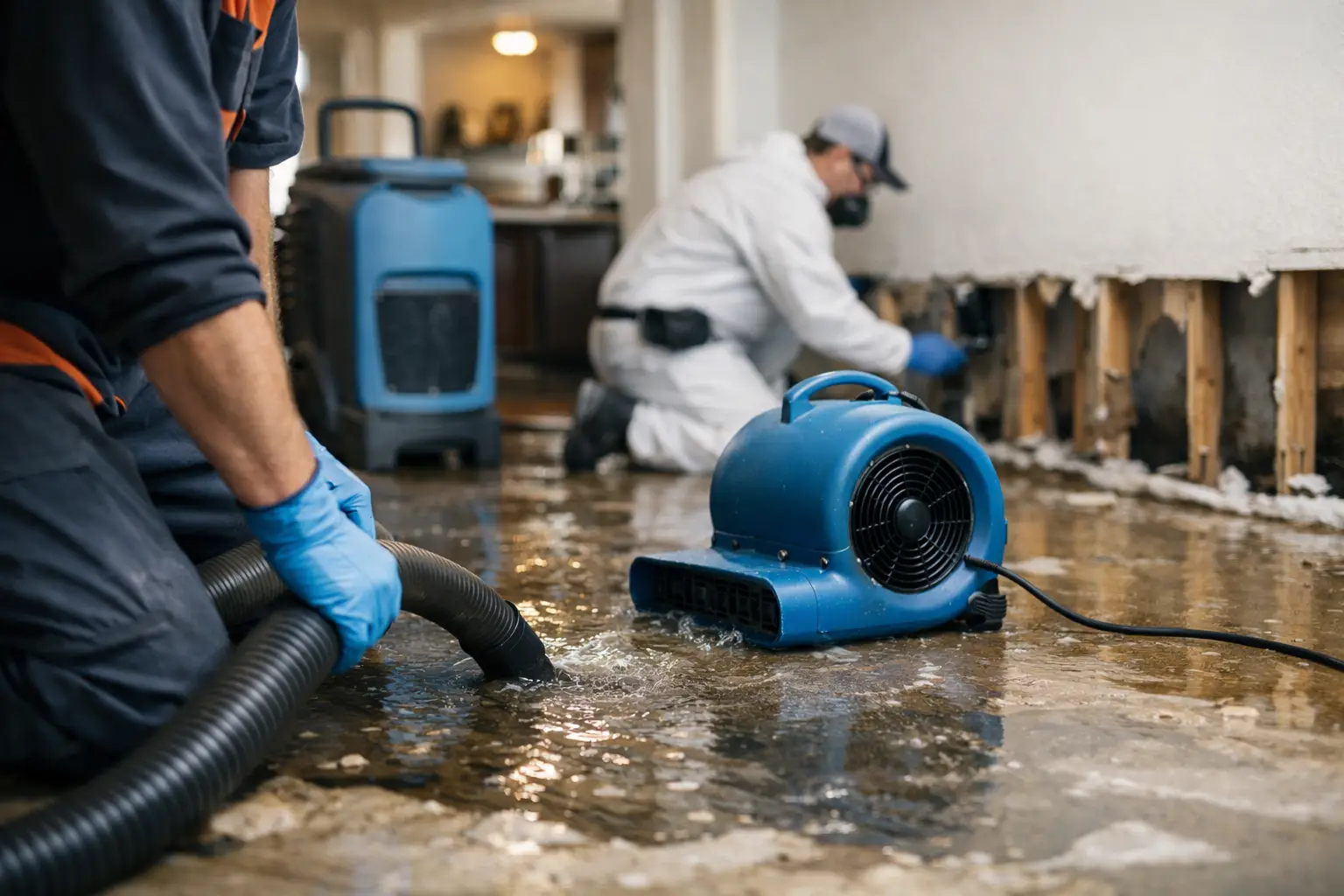 Water Damage
Extraction, structural drying, and moisture mapping after floods, leaks, and burst pipes.
Get help now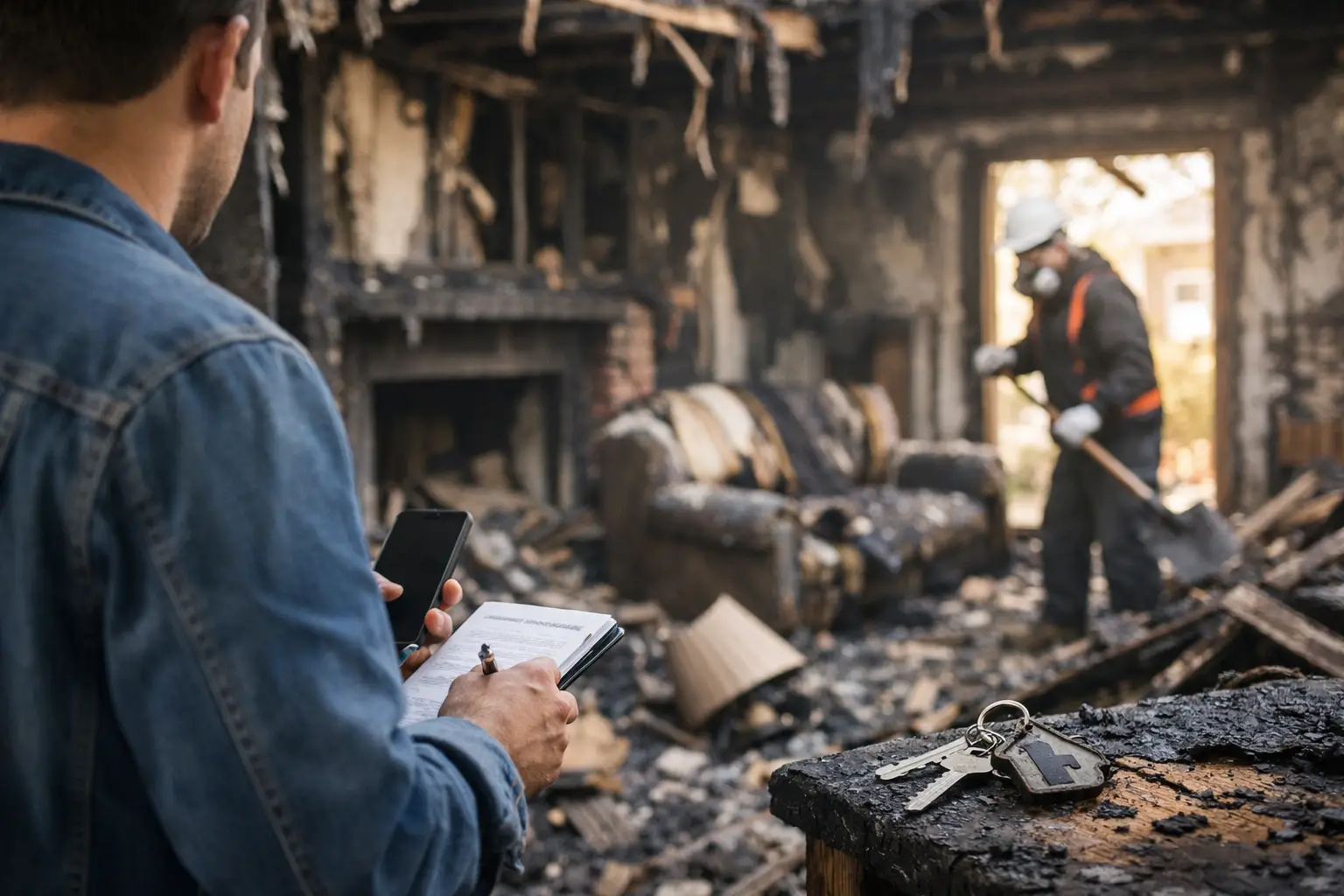 Fire & Smoke
Soot removal, odor deodorization, and content cleaning after fire and smoke damage.
Learn more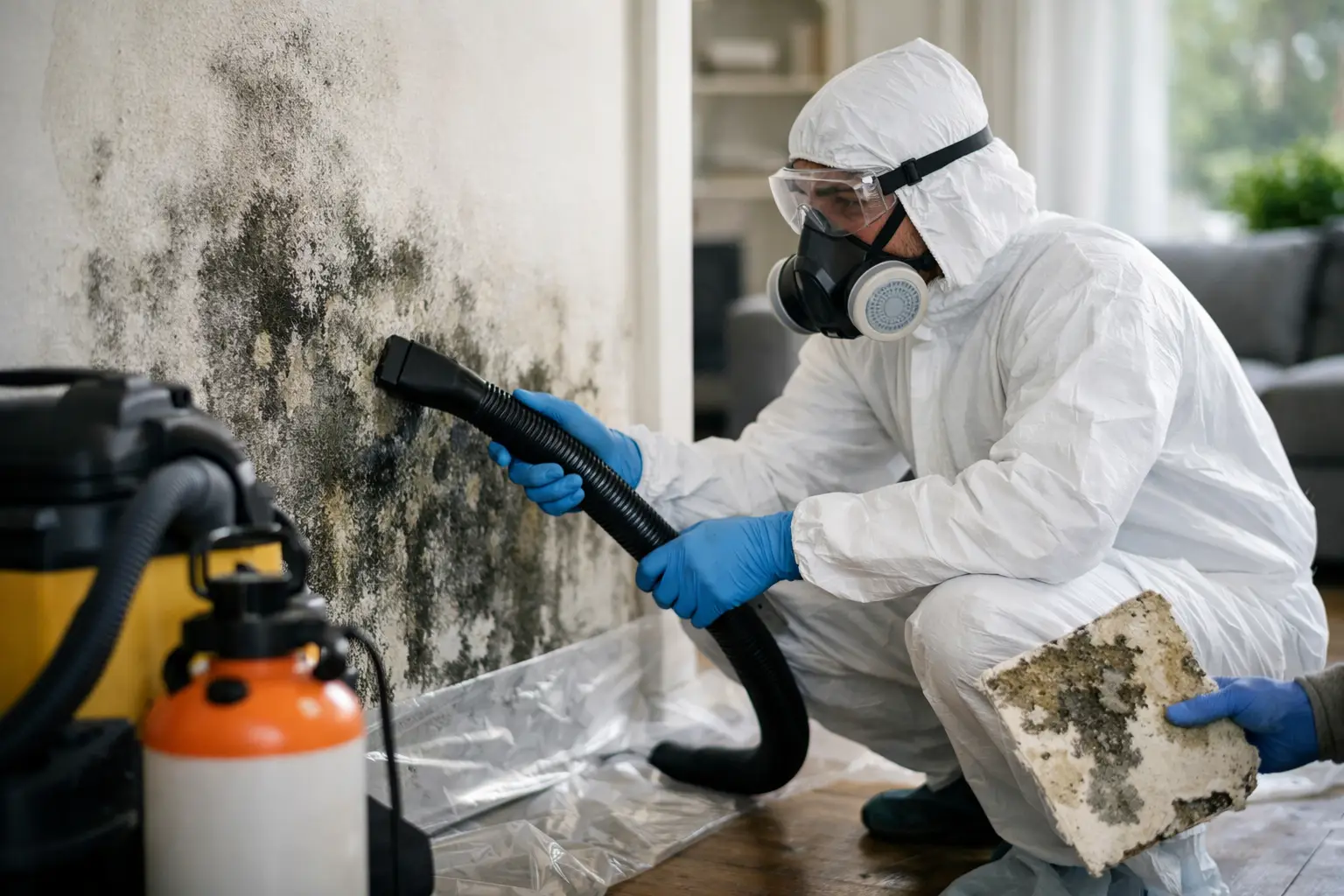 Mold
MoldContainment, removal, and moisture control that stops mold from coming back.
Learn more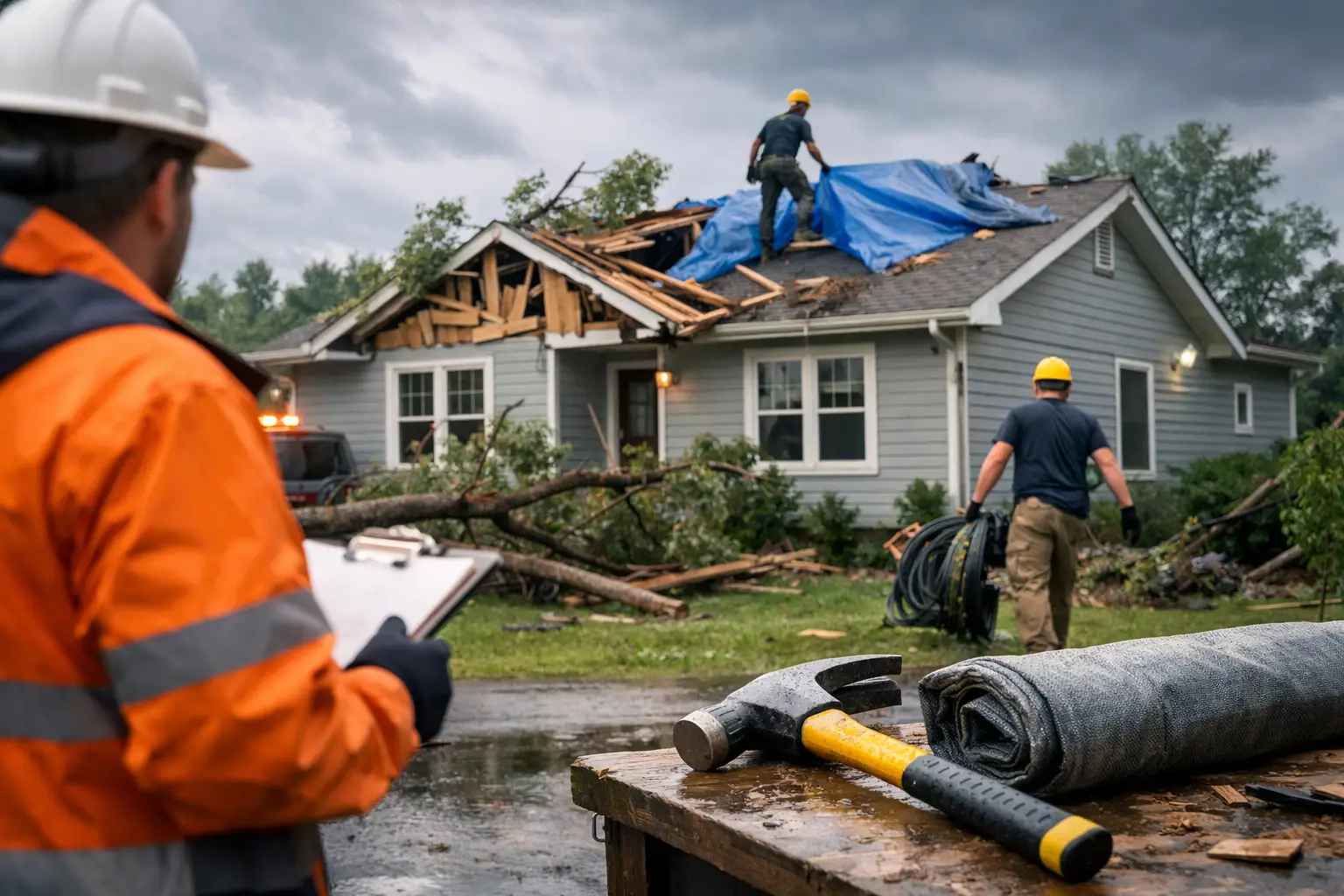 Storm
StormEmergency board-up, roof tarping, and full recovery after wind, hail, and storms.
Learn more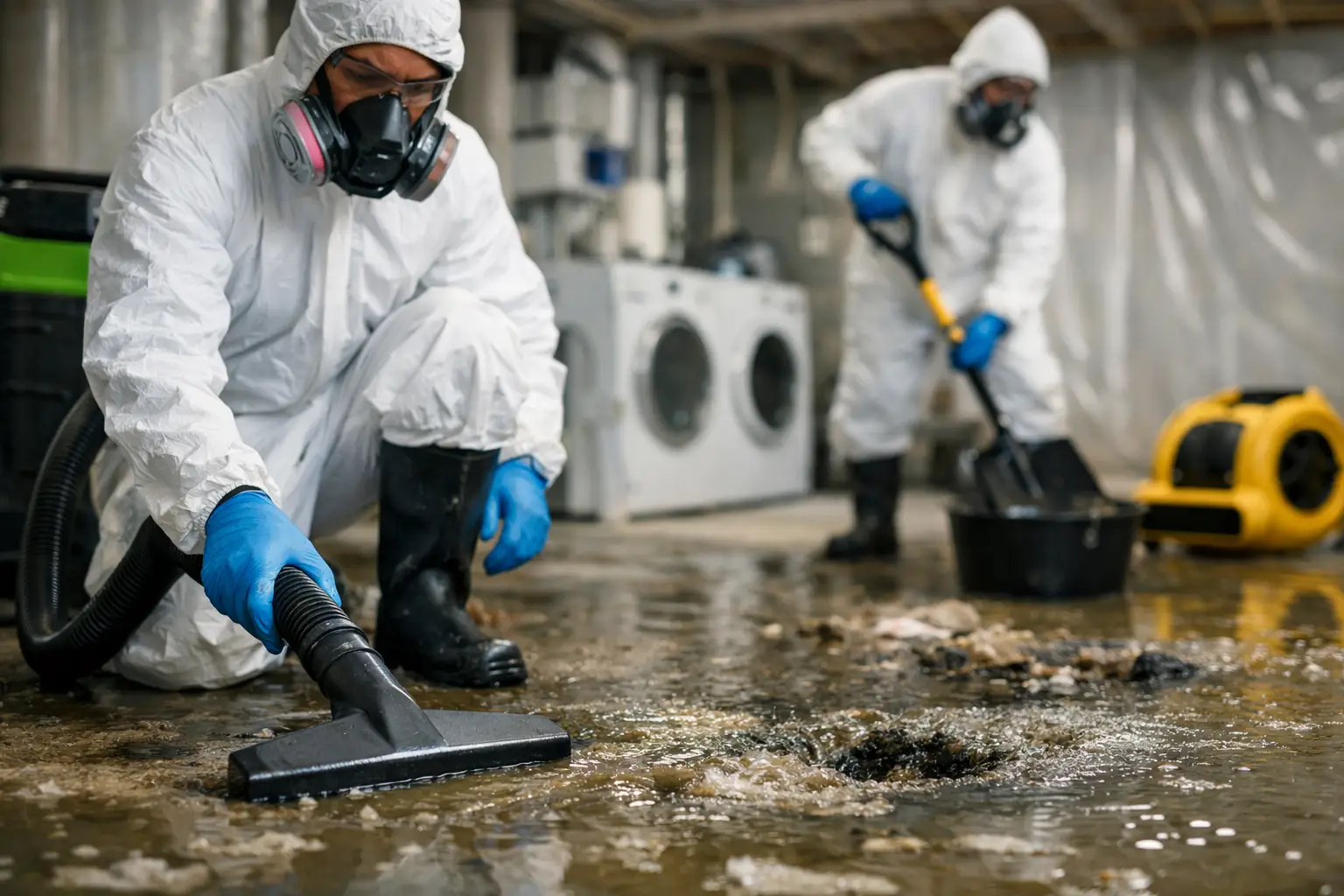 Sewage
Safe biohazard cleanup and sanitizing after sewage backups and overflows.
Learn more Reconstruction
Full rebuild by a licensed general contractor, so your property comes back whole.
Learn moreElevated Operations is an IICRC-certified, licensed general contractor based in Mableton that handles the entire recovery in-house, so after one loss you are never coordinating a cleanup crew, a mold crew, and a contractor separately. One team, one point of contact, from the first pump-out to the final coat of paint.
People call when the property feels like a disaster. They leave reviews because Chris and the crew made it right. These are real, verified Google reviews.
I do not give made-up price figures, because sewage cleanup depends on the actual damage. Older subdivision homes in Riverdale often have more hidden absorption, tighter access, and more materials to remove. That means the final cost can change based on containment, disinfection services, demolition, odor removal, and whether insurance is involved.
It may, if the policy and cause of loss qualify. I see a lot of claims hinge on documentation, timing, and whether the loss is covered under the homeowner’s policy. I handle direct insurance billing and give the adjuster the details they need, but I never promise coverage before the claim is reviewed.
Stay out of the affected area and do not keep tracking contamination through the house. If it is safe, shut off the source and avoid touching soaked materials. In Riverdale, where older homes can spread contamination under flooring quickly, the best move is to call immediately and let a sewage cleanup company handle the biohazard cleanup.
Sometimes, but it depends on the policy and what caused the overflow. A simple toilet overflow cleanup is not automatically covered just because it is messy. I document the source, the affected rooms, and the work performed so the carrier can make a proper decision. Coverage is about policy language and cause, not appearance.
I inspect the damage, record what was affected, and begin the cleanup if the owner wants the work started. Then I bill insurance directly when allowed and support the claim with documentation. In Riverdale, contaminated water removal often involves older homes, so the carrier needs a clear record of what was cleaned and what had to be removed.
Yes. I offer deductible assistance up to $1,000, which can help when a family is trying to get a sewage spill cleanup started without waiting. I still recommend reading the policy and talking through the claim details, because the deductible is only one part of the total insurance process.
Right away. I treat sewage as a biohazard from the start because it can contaminate surfaces, air, and materials fast. In Riverdale’s older housing stock, that matters even more because moisture can move into hidden spaces. Biohazard cleanup, disinfection services, and odor removal should start as soon as possible.
Older homes often have more porous materials, aging plumbing, and hidden pathways for contamination. That means black water cleanup may also require demolition, disinfection services, and odor removal. I look for everything the water touched, not just what is obvious. That is how I prevent repeat damage and claim disputes.
Elevated Operations dispatches IICRC-certified crews across Metro Atlanta from our Mableton base, with a 60-minute emergency response day or night. Choose your city:
Call now for an immediate response, or request your free inspection and get a certified crew on-site within the hour across Atlanta and nearby areas.