24/7 Emergency Restoration · Serving Metro AtlantaEmergency? (770) 404-6895
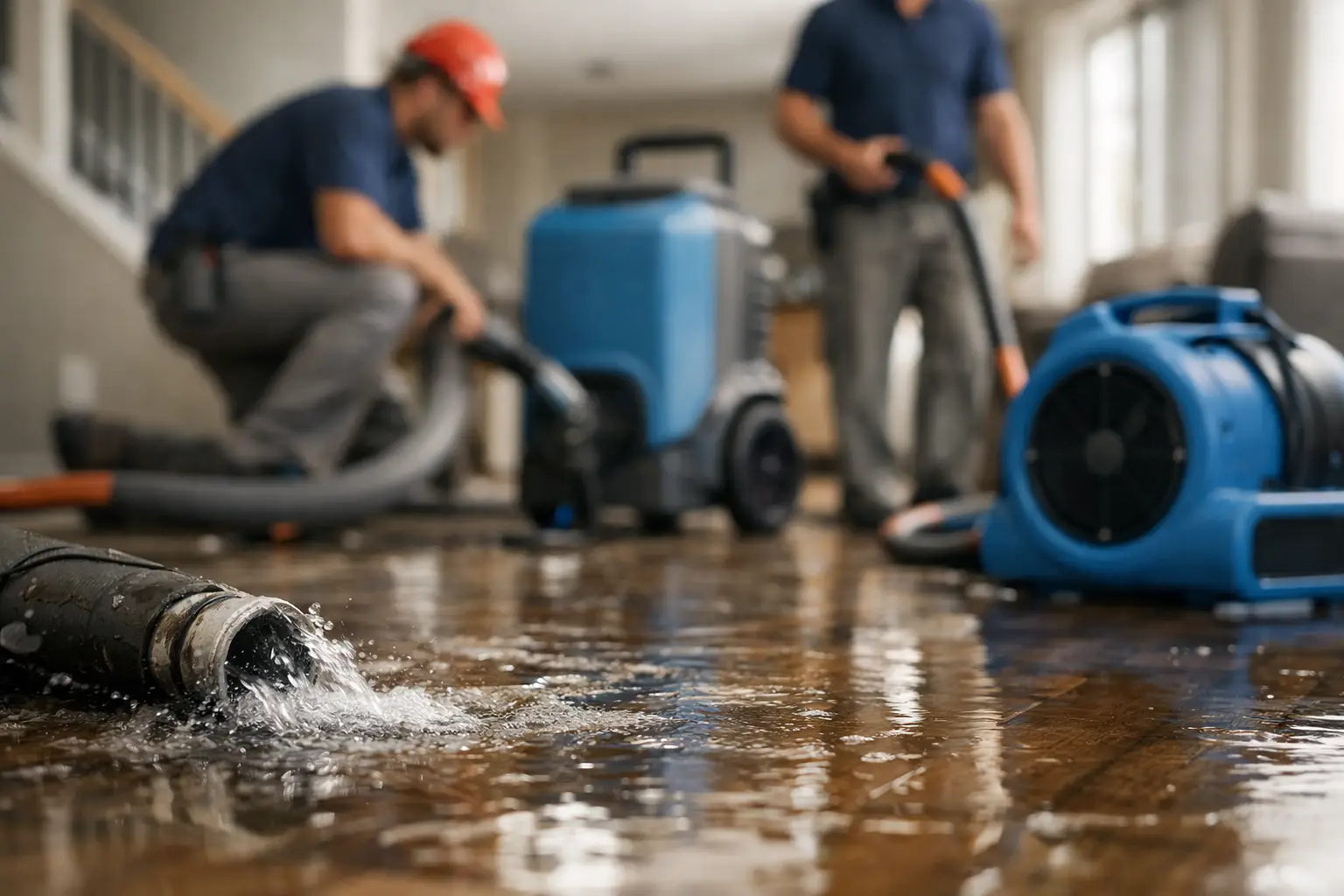
If you need a sewage cleanup company in College Park, I handle black water cleanup, odor removal, and disinfection services with IICRC-certified technicians, direct insurance billing, and a 12-month warranty. I am Chris Kwangwari, and Elevated Operations, LLLP responds 24/7 with a 60-minute emergency response from our Mableton base.
IICRC-Certified · 5-Star Rated · 60-Minute Response · Insurance Billed Directly
I handle black water cleanup and disinfection services in College Park homes with older finishes and tighter layouts.
That often means contamination is still trapped in porous materials or hidden cavities, so I track the source and remove it.
Coverage depends on the policy, but I offer direct insurance billing and can help with the claim process.
Call me at (770) 404-6895. I respond 24/7 with a 60-minute emergency response from Mableton.
I remove contaminated water, clean affected areas, disinfect surfaces, and manage sewage spill cleanup so the home is safe to use again. In College Park, that often means working fast around older homes near the National Register historic district and tighter properties closer to the convention hotels.
A sewage cleanup company does more than mop up visible mess. I treat the job as black water cleanup, because sewage can carry contaminants into flooring, drywall, trim, and insulation. My team handles contaminated water removal, then follows with disinfection services and odor removal where needed.
College Park properties vary. Some homes have older layouts near the historic district, while others sit closer to busy hotel and airport corridors. That mix matters, because access, air movement, and material type all affect how sewage spill cleanup should be done. I do not guess. I inspect and decide.
IICRC-certified technicians matter here. We know how to document damage, isolate the source, and coordinate direct insurance billing if the loss is covered. And because I have been in restoration since 2007, I know what can be saved and what needs removal before the odor spreads deeper.
Yes, I treat sewage backup as a biohazard because it can expose people to harmful contaminants. That is why I use biohazard cleanup methods, controlled removal, and disinfection services instead of ordinary house cleaning, especially when the backup affects bathrooms, laundry areas, or finished living space.
A sanitary sewer backup is not just dirty water. It can spread bacteria and other contaminants into porous materials, and that is why I treat it as biohazard cleanup from the first visit. In a College Park home, one slow response can turn a small event into a larger interior loss.
The historic district has homes with older finishes, tighter framing, and more materials that soak up moisture quickly. Near the convention hotels, traffic and infrastructure can complicate access and timing. I keep the work focused, because the goal is to limit spread, not just clean the surface.
Once we confirm the source, we isolate affected areas and start contaminated water removal. Then I move to disinfection services and odor removal where the source has reached hidden cavities. If the sewage reached a wall base or subfloor, I do not pretend that surface wiping is enough.
I clean up sewage in a house by finding the source, removing contaminated material, drying the structure, and disinfecting every affected surface. The important part is hidden damage, because sewage can wick under floors and behind trim, especially in College Park homes with older construction details.
The first step is stopping the source. Then I inspect the visible damage and the likely travel path. Sewage cleanup company work has to follow the moisture, not just the stain. If a toilet overflow cleanup reached under a vanity or behind a baseboard, I check that area too.
In College Park, homes near the National Register historic district may have older transitions, small closets, or original materials that trap moisture. That changes the cleanup plan. I use controlled demolition only when needed, because unnecessary removal creates more cost, more disruption, and more places for odor to linger.
After contaminated water removal, I use disinfection services on salvageable surfaces and then verify that odors are not returning from hidden pockets. That is how I approach sewage spill cleanup in a real home, with a practical eye on what water can reach and what it can ruin quietly.
Often, yes, especially when sewage has soaked porous materials like carpet, pad, insulation, or damaged drywall. I decide based on contamination level and saturation, because some items can be cleaned, but others need replacement after black water cleanup to avoid lingering odor and health risk.
This is where bad advice causes repeat problems. If sewage sat in carpet or padding, I usually do not try to save it. The same caution applies to insulation and some drywall. Sewage cleanup company work has to respect how fast contamination moves through soft materials.
In College Park homes near the historic district, some finishes are older and may be worth evaluating carefully, while nearby convention-hotel corridors can bring more foot traffic and more urgency to get the space reopened safely. I balance both, the building and the practical use of the room.
When materials can stay, I clean and disinfect them. When they cannot, I remove them cleanly so the rest of the structure can dry. That is how I reduce odor removal problems later and keep a small sewage spill cleanup from becoming a full interior rebuild.
Odor lingers because sewage gases and residue can get into porous materials, wall cavities, and subfloors. Toilet overflow cleanup is not finished when the visible water is gone, and that is why I combine source removal, disinfection services, and odor removal in one plan.
A clean-looking room can still smell bad if residue remains. Sewage odor can come back through floor seams, cracks, or a saturated base. In a College Park bathroom or laundry room, I look for the path moisture took, then address the source instead of masking it with fragrance.
Near the convention hotels, many properties are used heavily and cleaned quickly, but a sewage smell is not a housekeeping issue. It is a contamination issue. I treat it like black water cleanup, because that is the only way to stop the smell from returning after the room dries.
I have seen people scrub and scrub, then call me when the odor gets worse. Usually, the contaminated material was never removed. If that happens, I go back to the structure, remove what the sewage reached, and then finish with disinfection services that support real odor removal.
I respond 24/7 with a 60-minute emergency response from our Mableton base, and I move quickly on sewage cleanup because delays make damage spread. College Park homeowners call me when they need a direct answer, not a long wait, especially during a sanitary sewer backup.
Fast matters because sewage does not stay put. It moves under walls, into seams, and across floors while people are still trying to figure out what to do. I keep the response focused, and my crew is prepared for sewage spill cleanup any hour of the day.
College Park’s location near major hotel traffic and the airport means people expect prompt service, but speed has to be paired with correct work. I am licensed as a general contractor, so I can handle the restoration side with the same attention I bring to the emergency cleanup itself.
I also provide direct insurance billing and deductible assistance up to $1,000 when applicable. That helps owners get moving without turning the first hours into a paperwork problem. And because I offer a 12-month warranty, the work does not end when the truck leaves.
Yes. I treat sewage backup as biohazard cleanup because contaminated water can spread bacteria into porous materials and air paths.
Yes. I work across College Park, including homes near the historic district and properties influenced by the convention hotel corridor.
Yes. I offer direct insurance billing and deductible assistance up to $1,000 when applicable.
That usually means hidden contamination remains. I return to the affected structure, remove what sewage reached, and finish with odor removal and disinfection services.
Yes. My technicians are IICRC-certified, and I have been in restoration since 2007.
From emergency mitigation to full reconstruction, handled in-house so you are never managing a chain of subcontractors mid-crisis.
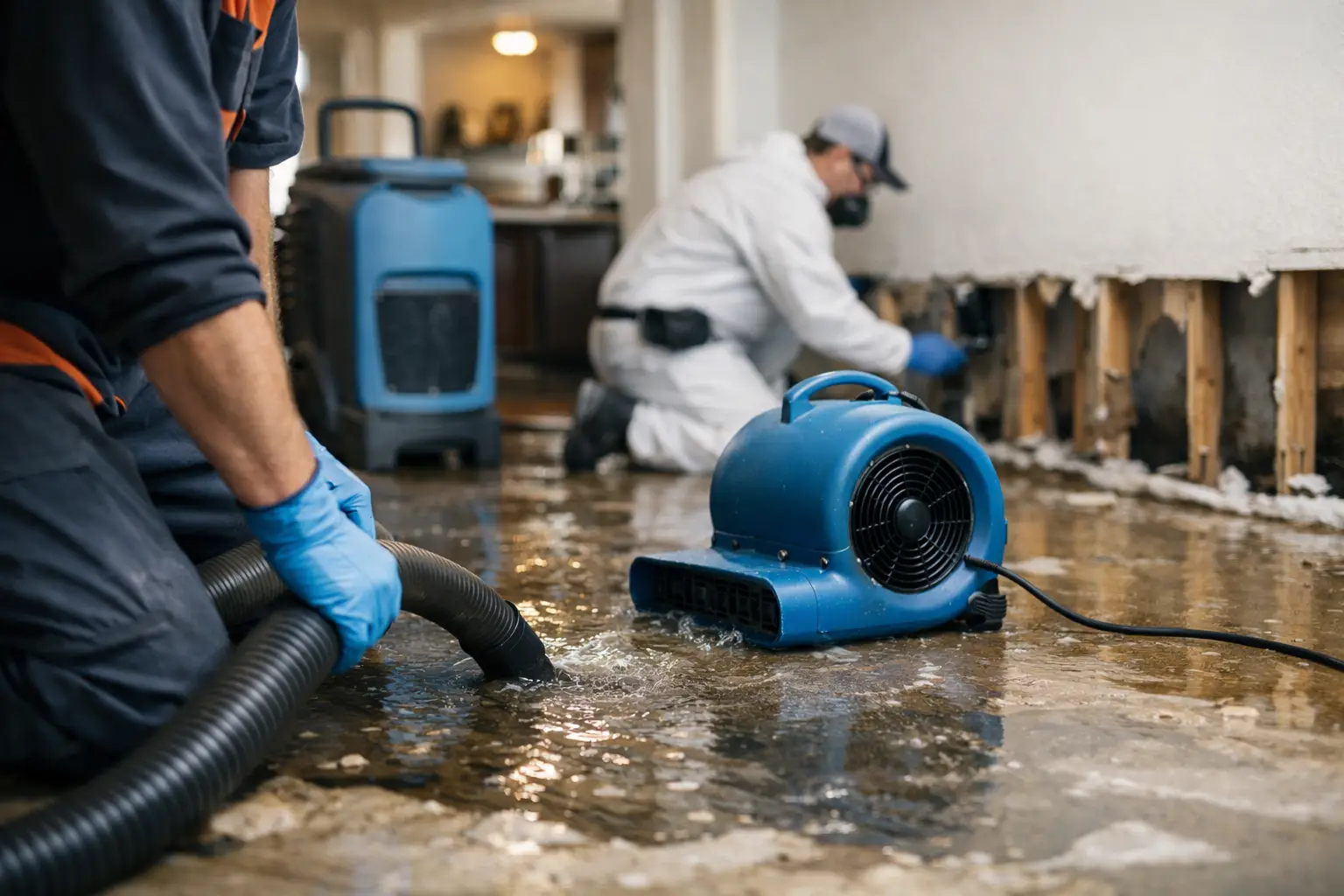 Water Damage
Extraction, structural drying, and moisture mapping after floods, leaks, and burst pipes.
Get help now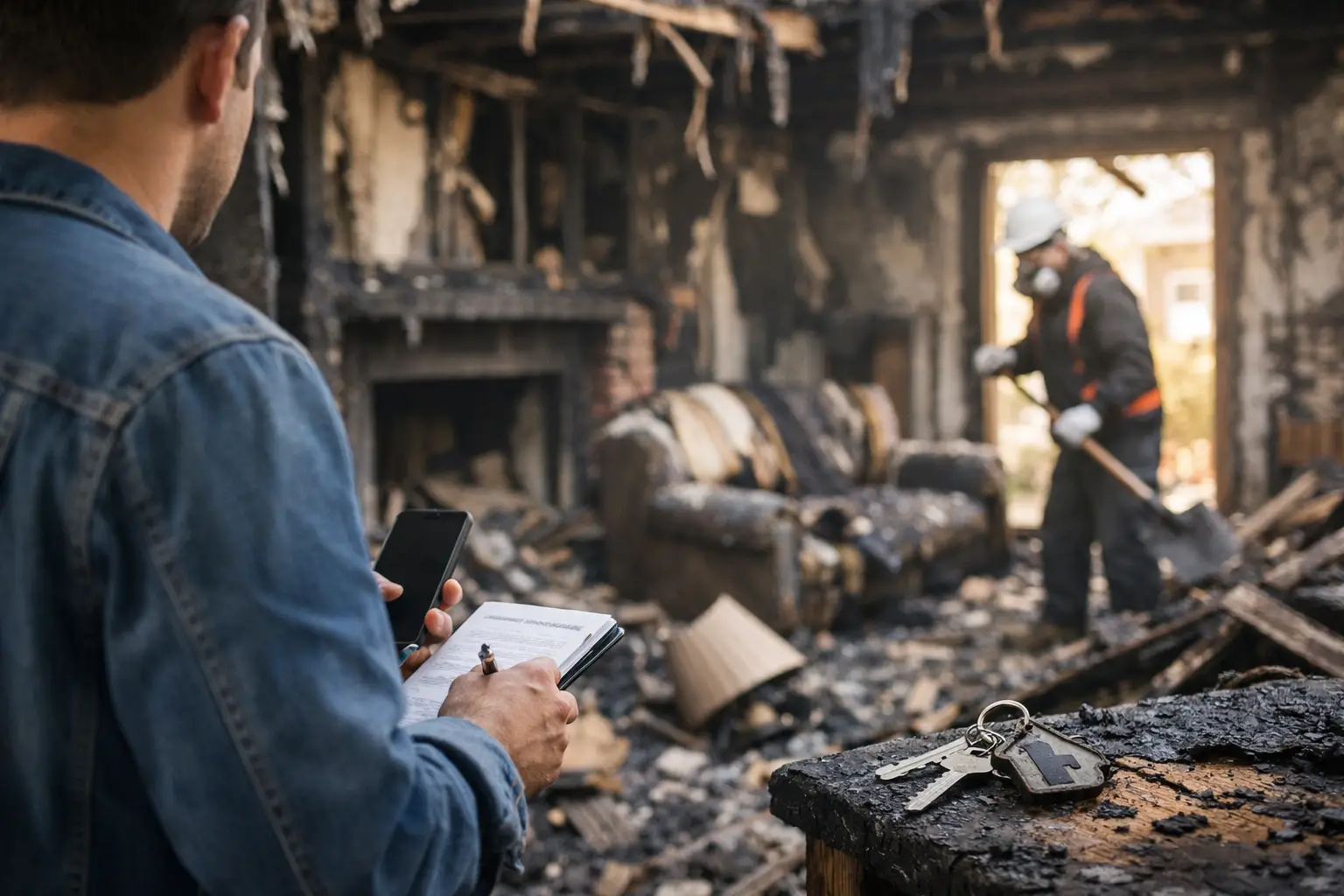 Fire & Smoke
Soot removal, odor deodorization, and content cleaning after fire and smoke damage.
Learn more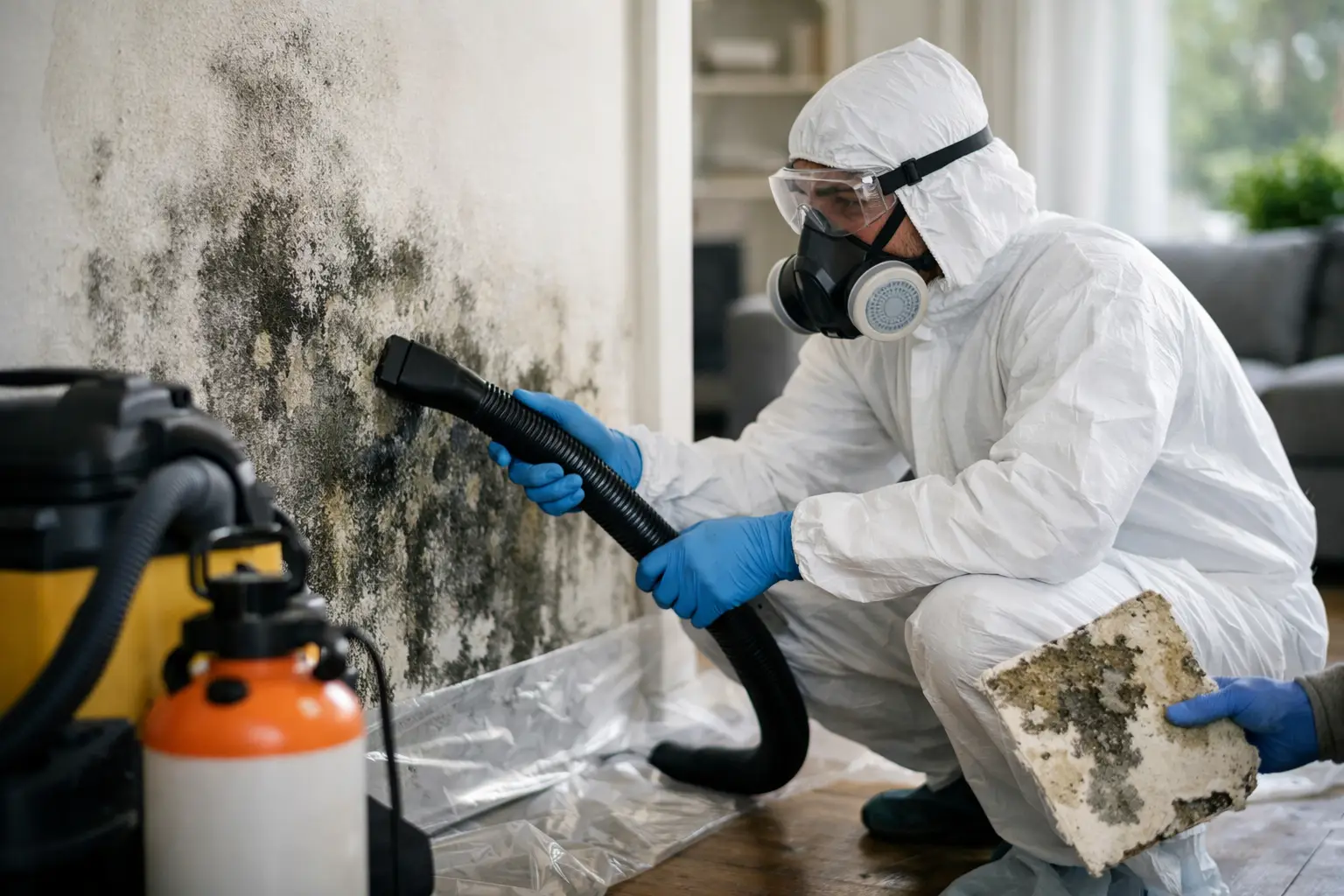 Mold
MoldContainment, removal, and moisture control that stops mold from coming back.
Learn more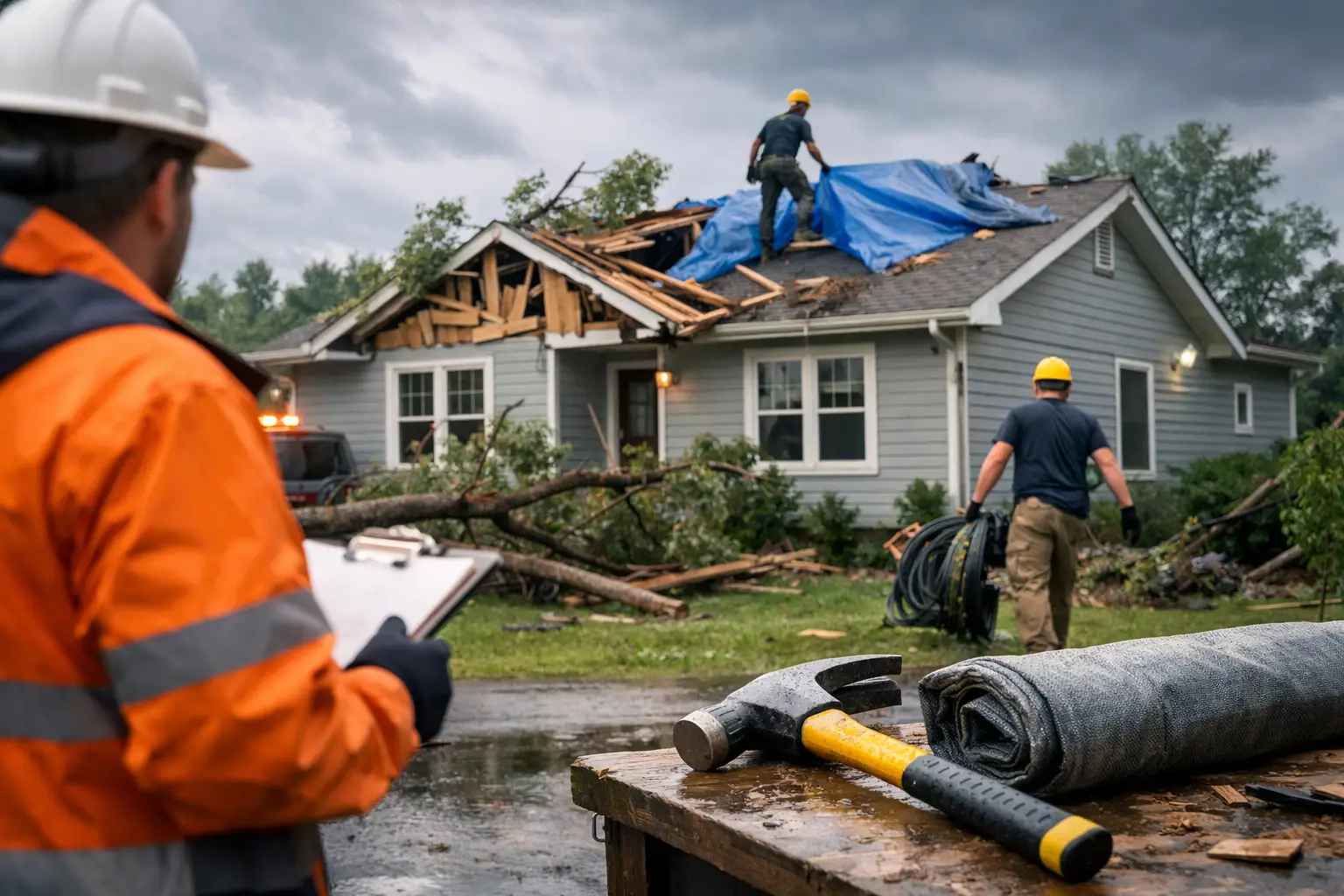 Storm
StormEmergency board-up, roof tarping, and full recovery after wind, hail, and storms.
Learn more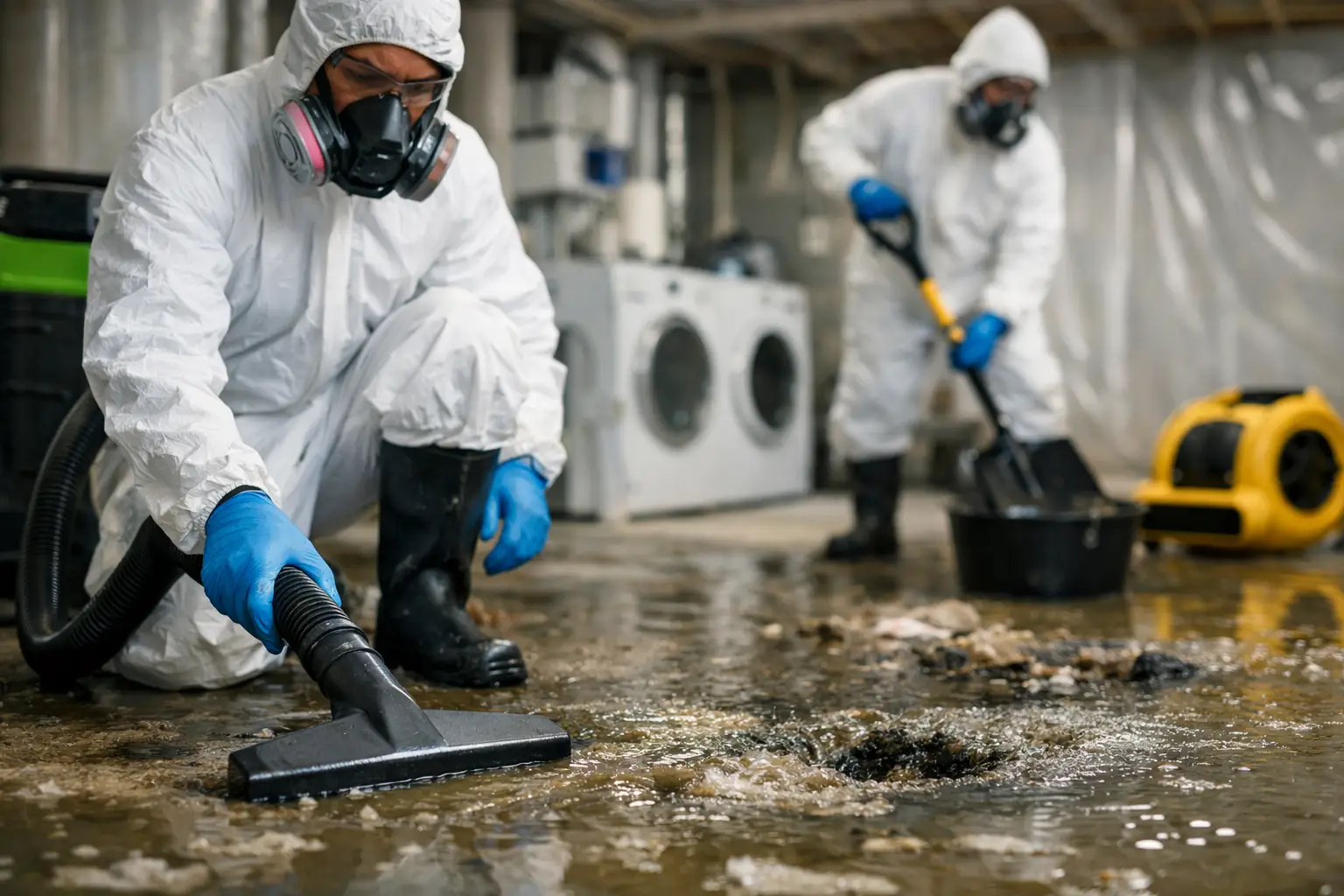 Sewage
Safe biohazard cleanup and sanitizing after sewage backups and overflows.
Learn more Reconstruction
Full rebuild by a licensed general contractor, so your property comes back whole.
Learn moreElevated Operations is an IICRC-certified, licensed general contractor based in Mableton that handles the entire recovery in-house, so after one loss you are never coordinating a cleanup crew, a mold crew, and a contractor separately. One team, one point of contact, from the first pump-out to the final coat of paint.
People call when the property feels like a disaster. They leave reviews because Chris and the crew made it right. These are real, verified Google reviews.
Stop using the affected plumbing, keep people out of the contaminated area, and call me right away. A sanitary sewer backup can spread quickly into flooring and walls, especially in older College Park homes near the historic district. I handle black water cleanup, contaminated water removal, and the disinfection services that follow.
Sometimes, yes, but I only keep materials that can be safely cleaned and fully dried. Older homes can have trim, flooring, or wall assemblies that react differently to sewage. I inspect the damage first, then decide what can stay and what needs removal to prevent odor and hidden contamination later.
I keep the response tight and practical, because properties near the convention hotels often need quick access, clear communication, and minimal disruption. I focus on source control, sewage spill cleanup, and odor removal, then use direct insurance billing when the claim allows it.
Yes. Toilet overflow cleanup is one of the most common calls I take, and I treat it carefully because the water may contain contamination even when the spill looks small. I clean, disinfect, and check nearby materials like baseboards, flooring edges, and the lower drywall line.
I work in restoration, not housekeeping. That means I handle biohazard cleanup, contaminated water removal, and the structural side of damage, not just surface cleaning. I am licensed as a general contractor, and my technicians are IICRC-certified, so the work is built around the actual loss.
I do not cover it up. I trace the source, remove any contaminated material, and then use disinfection services and odor removal methods where the sewage reached. If the smell is still there, something is still contaminated, and I keep working until I find it.
In many cases, yes, because carpet and pad absorb contamination too deeply to rely on cleaning alone. I make that call based on what the sewage touched and how far it spread. If a material can be safely cleaned and dried, I will say so. If not, I remove it.
Yes. I offer direct insurance billing, and I can assist with the claim process so the cleanup starts quickly. That matters when the home is dealing with a sewage backup and the owner needs the right documentation, the right scope, and a contractor who has been doing this since 2007.
Elevated Operations dispatches IICRC-certified crews across Metro Atlanta from our Mableton base, with a 60-minute emergency response day or night. Choose your city:
Call now for an immediate response, or request your free inspection and get a certified crew on-site within the hour across Atlanta and nearby areas.