24/7 Emergency Restoration · Serving Metro AtlantaEmergency? (770) 404-6895
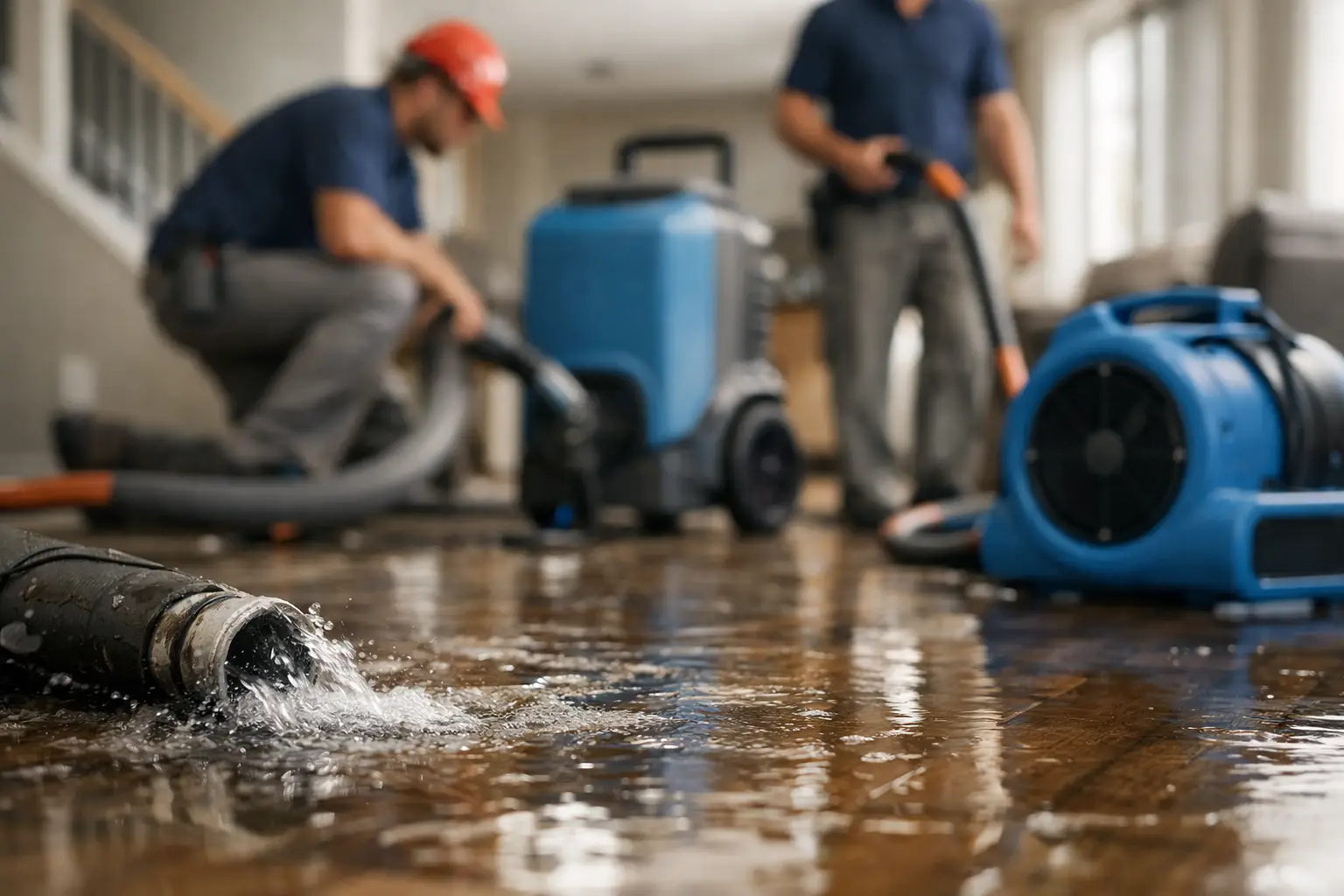
Water mitigation services Powder Springs homeowners need are about speed, clear decisions, and drying the right structure the first time. I handle west Cobb losses with 24/7 emergency response, water extraction, dehumidification, and structural drying, especially where fewer storm drains make runoff and basement entry worse.
IICRC-Certified · 5-Star Rated · 60-Minute Response · Insurance Billed Directly
I offer 24/7 emergency response with a 60-minute emergency response target. When the water is active, I want to get there fast and start extraction, drying, and documentation right away.
Because fewer storm drains can leave water sitting longer around the home. That gives moisture more time to enter slabs, crawlspaces, and basements, which raises the risk of larger damage.
Yes. I am a licensed general contractor, and my team uses IICRC-certified technicians. That matters when a water loss moves beyond cleanup and into structural drying and repair decisions.
Call Elevated Operations, LLLP at (770) 404-6895. I answer water losses across Powder Springs and the surrounding counties from our Mableton base.
Water mitigation services start with stopping spread, removing standing water, and setting up drying equipment before hidden moisture turns into bigger damage. In Powder Springs, that means I look at the house layout, the entry path, and how west Cobb drainage can push water into crawlspaces, basements, and lower rooms.
I usually start in homes near Sweetwater Creek side streets and older ranches where slab edges and low points trap water. The first hour matters. I use water extraction to get bulk water out, then I map where moisture moved through baseboards, carpet, and framing.
Containment comes next when the water has touched multiple rooms or started to migrate. I do not like guessing. I want a clean drying zone, direct airflow, and a measured plan for moisture control so the damage does not keep traveling behind walls or under flooring.
Some Powder Springs houses have additions, garages converted to living space, or finished basements that never dry on their own. That is where loss mitigation and structural drying become the difference between saving materials and tearing out more than needed. IICRC-certified work is not a label to me, it is the standard.
Water mitigation should start immediately, because water keeps moving into materials, and mold can start in 24 to 48 hours. In west Cobb, where fewer storm drains can leave yards and driveways saturated longer, I push fast response so the structure does not keep absorbing moisture.
I have seen Powder Springs storm calls where driveway runoff backed toward the house after heavy rain and then found its way into a garage or threshold. The damage looked small at first. By the next day, trim swollen, padding wet, and the air felt heavy. That is not the time to wait.
My 24/7 emergency response matters in those moments because evenings and weekends are when a lot of losses happen. If the source is a supply line, failed appliance, or roof intrusion, I want to get water off the floor and drying equipment running while the material is still salvageable.
And I do not treat every loss the same. A kitchen leak in a newer subdivision home on the east side is different from a crawlspace seepage issue in a more rural west Cobb setting. Same county, different drying plan. The clock starts when water enters, not when the owner has time to call.
During water mitigation, I inspect the damage, stop further spread, remove standing water, document the loss, and set up dehumidification and structural drying. In Powder Springs, I also check for crawlspace moisture, underfloor saturation, and drainage problems that are common in less dense west Cobb neighborhoods.
The first walk-through tells me a lot. Is the home on a slope? Did water come through a side door? Is it a split-level with a lower den? In Powder Springs, those details decide whether I can dry in place or need containment and more aggressive equipment.
After that, I document the loss and work directly with insurance when the claim is moving forward. I am a licensed general contractor, so I look beyond the surface and think about what needs to be dried, what needs to be removed, and what can still be saved.
Then I monitor the dryout. I do not set equipment and disappear. Moisture readings guide the work. If a room is drying unevenly, I adjust airflow, dehumidification, or containment. That is how I keep the process honest and avoid leaving wet pockets hidden in the structure.
No, water mitigation and water restoration are not the same. Mitigation limits ongoing damage right away, while restoration comes after, when repairs and rebuilding begin. In Powder Springs, I focus first on stopping loss in homes affected by west Cobb runoff, crawlspace moisture, or appliance leaks.
I think homeowners mix those terms because both happen after a water event. But the order matters. Water mitigation is the emergency phase, water extraction, drying equipment, and moisture control. Water restoration is what follows when floors, drywall, trim, and finishes need repair or replacement.
In a Powder Springs ranch with a wet hallway and soaked carpet, mitigation might save the subfloor and framing. In a finished basement near one of the creek corridors, restoration may involve more repair if water sat too long. The early choices drive the final bill and the final result.
That is why I take a direct stance on speed. If you wait for the room to dry naturally, you are already in the wrong phase. I want the mitigation done first, done right, and documented clearly so the restoration side has a clean start.
I handle basement and crawlspace water by finding the entry point, removing trapped water, and using drying equipment that reaches hidden spaces. West Cobb has fewer storm drains, so water often lingers longer around foundations, and that makes moisture control in lower areas especially important.
Powder Springs has plenty of homes where the problem starts below grade. A crawlspace can take on runoff from a hard rain, or a basement can wick moisture through framing after a slow leak. Once that happens, the air inside the house changes, and the damage keeps moving.
I inspect the foundation, the sill plate area, insulation, and any signs that water came in through vents or unsealed penetrations. Then I set structural drying in a way that matches the space, because a crawlspace is not a bonus room and a basement is not a slab house.
If the home sits near more rural west Cobb ground with limited drainage infrastructure, I pay close attention to saturation around the exterior as well. That tells me whether the problem is a one-time event or an ongoing moisture issue that needs a firmer plan.
Yes, I help with direct insurance billing and deductible assistance up to $1,000 when the job qualifies. I document the loss, explain the mitigation work, and keep the claim process organized so Powder Springs homeowners are not left guessing while the structure is being dried.
Insurance work can frustrate people because they want the house dry, but the paperwork slows them down. I keep my side clean. Photos, readings, equipment notes, and a direct line on what I found. That matters when the claim is tied to a burst pipe, appliance failure, or storm intrusion.
Powder Springs owners also need practical guidance when the house sits in a spot where water keeps returning. If drainage outside is poor, the adjuster needs to understand the source and the scope. I do not overstate damage, and I do not minimize it either. I tell it straight.
I have been in restoration since 2007, and I know the difference between a good claim file and a messy one. The goal is simple: dry the structure, document the work, and keep the homeowner from carrying the whole burden alone.
A low leak under the kitchen sink spread into the hallway before the owner noticed it. I got there, pulled the standing water, set dehumidification, and checked the subfloor because ranch homes in Powder Springs often hide moisture along long, flat runs.
A family in a basement rec room had runoff push in after a storm, and the few storm drains nearby could not move water fast enough. I used containment, water extraction, and structural drying so the space could be tracked room by room instead of drying blindly.
A crawlspace held damp air long after the rain ended, and the house still smelled wet upstairs. I treated it as a moisture control problem, not just a visible puddle, and dried the structure before rot or mold had time to take hold.
From emergency mitigation to full reconstruction, handled in-house so you are never managing a chain of subcontractors mid-crisis.
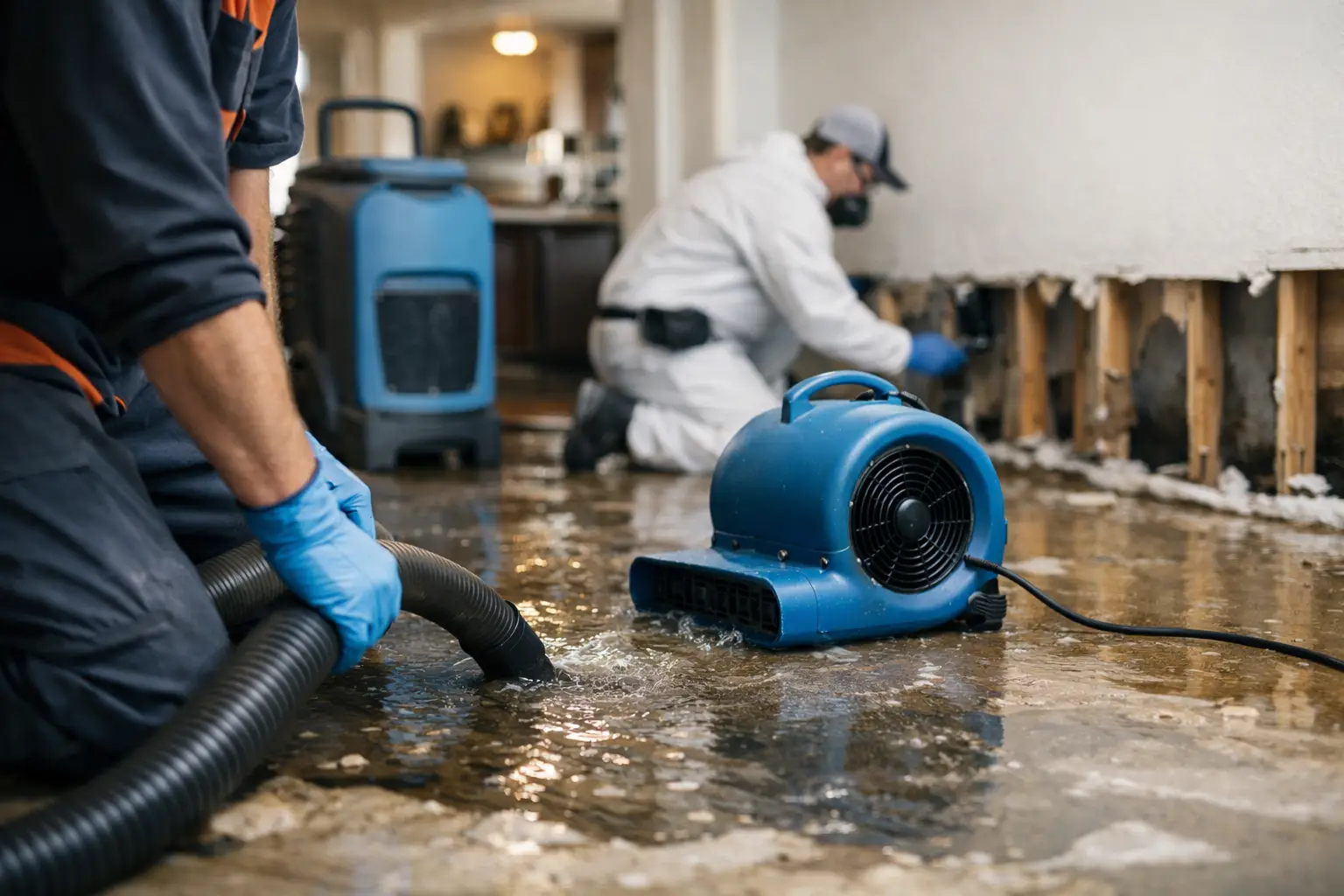 Water Damage
Extraction, structural drying, and moisture mapping after floods, leaks, and burst pipes.
Get help now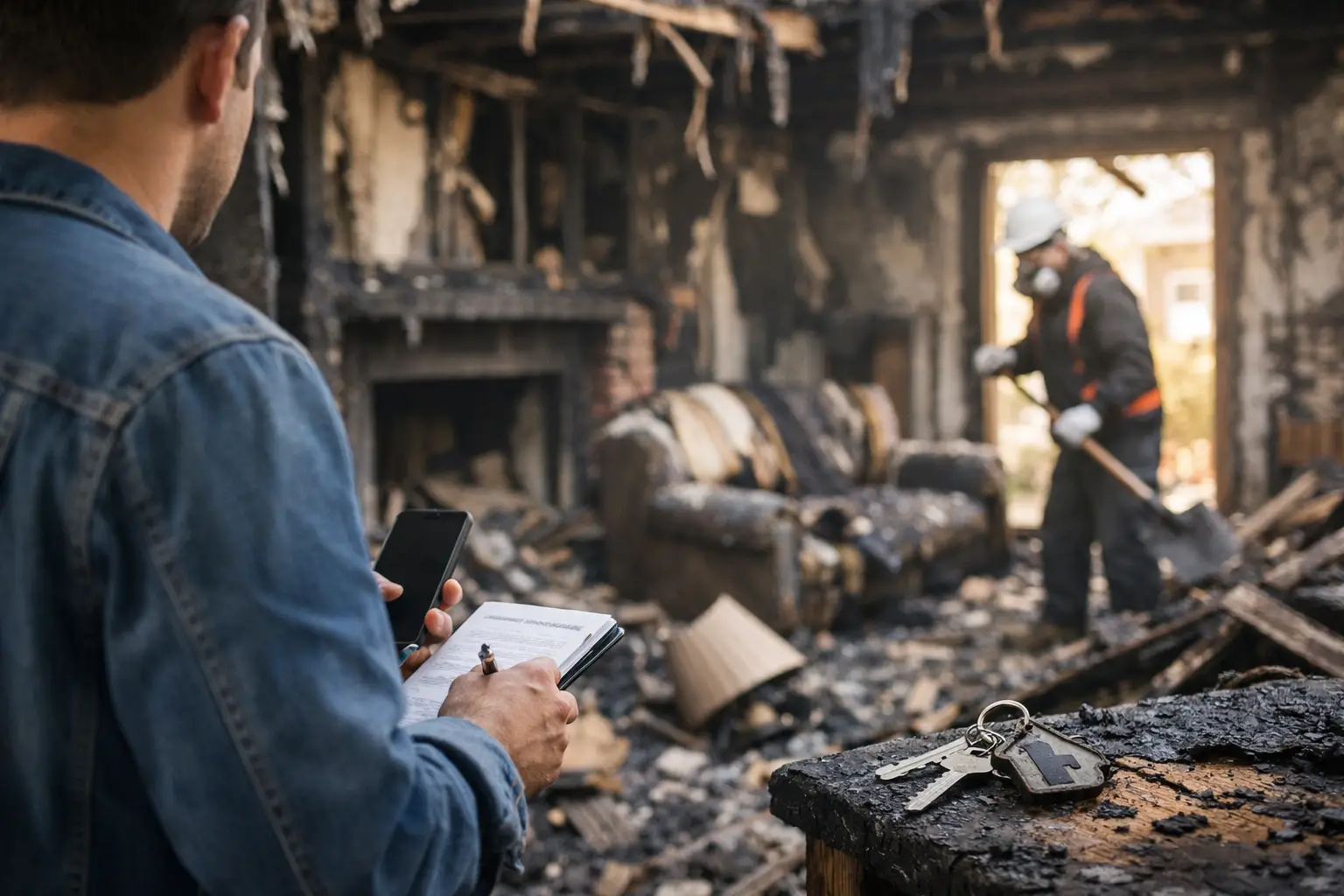 Fire & Smoke
Soot removal, odor deodorization, and content cleaning after fire and smoke damage.
Learn more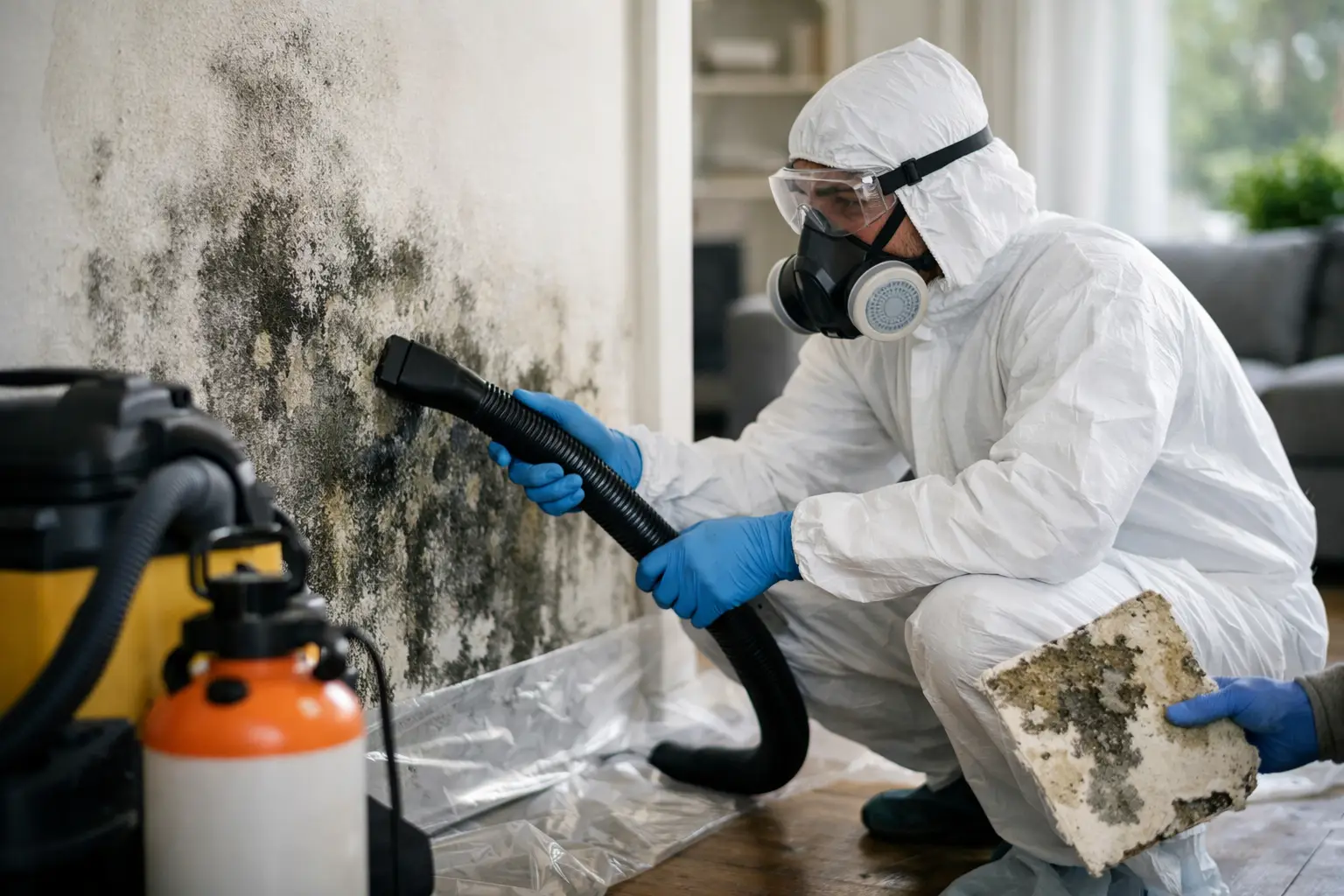 Mold
MoldContainment, removal, and moisture control that stops mold from coming back.
Learn more Storm
StormEmergency board-up, roof tarping, and full recovery after wind, hail, and storms.
Learn more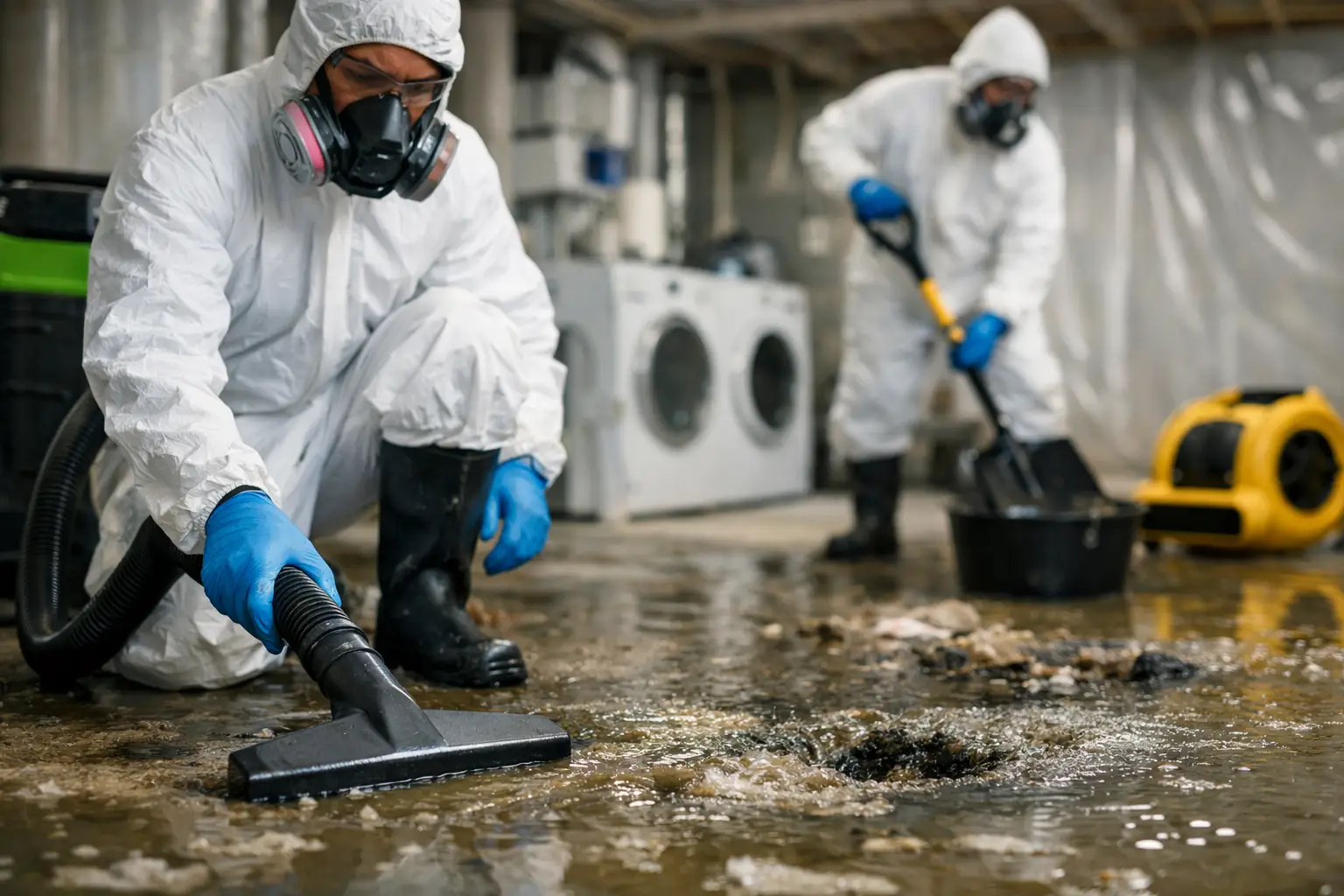 Sewage
Safe biohazard cleanup and sanitizing after sewage backups and overflows.
Learn more Reconstruction
Full rebuild by a licensed general contractor, so your property comes back whole.
Learn moreElevated Operations is an IICRC-certified, licensed general contractor based in Mableton that handles the entire recovery in-house, so after one loss you are never coordinating a cleanup crew, a mold crew, and a contractor separately. One team, one point of contact, from the first pump-out to the final coat of paint.
People call when the property feels like a disaster. They leave reviews because Chris and the crew made it right. These are real, verified Google reviews.
Sometimes they do, because low spots and creek-adjacent runoff can keep water around the foundation longer. In Powder Springs, I pay close attention to crawlspaces, basement walls, and side entries after rain. The faster the water comes out, the less likely it is to spread into framing, insulation, and finishes.
That changes the approach. Fewer storm drains means water may sit longer in the yard, driveway, or along the slab edge. I look for where runoff entered, then I use water extraction, drying equipment, and moisture control to stop the interior from holding that exterior water problem.
Often, yes, if I get there quickly and the materials are still salvageable. I inspect the crawlspace, remove standing water if present, and set structural drying around the affected areas. If insulation, wood, or vapor barrier has failed, I say so plainly and recommend the next step.
I choose based on spread, materials, and where the moisture traveled. If water stayed in one room, open-area drying may work. If it moved into several rooms or touched a basement, containment keeps the loss controlled and helps me focus on one dryout zone at a time.
Yes. I offer direct insurance billing and document the mitigation work carefully. I want the claim tied to actual conditions, not guesswork. In Powder Springs, that matters when water comes through a basement, a crawlspace, or a drainage issue that is easy to misread from the outside.
A musty smell, soft trim, uneven floors, cool damp walls, or carpet backing that still feels wet are all warning signs. In west Cobb homes, hidden moisture often sits in lower walls, under flooring, or in crawlspaces after the surface water is already gone.
Yes, I back my work with a 12-month warranty. That does not replace proper maintenance or fix a new water source, but it does show how seriously I stand behind the mitigation process and the drying work I perform in Powder Springs homes.
I would not wait if water is still active, spreading, or entering finished space. My 24/7 emergency response exists for that reason. In Powder Springs, fast action can make the difference between drying a room and tearing apart a much bigger section of the house.
Elevated Operations dispatches IICRC-certified crews across Metro Atlanta from our Mableton base, with a 60-minute emergency response day or night. Choose your city:
Call now for an immediate response, or request your free inspection and get a certified crew on-site within the hour across Atlanta and nearby areas.




