24/7 Emergency Restoration · Serving Metro AtlantaEmergency? (770) 404-6895
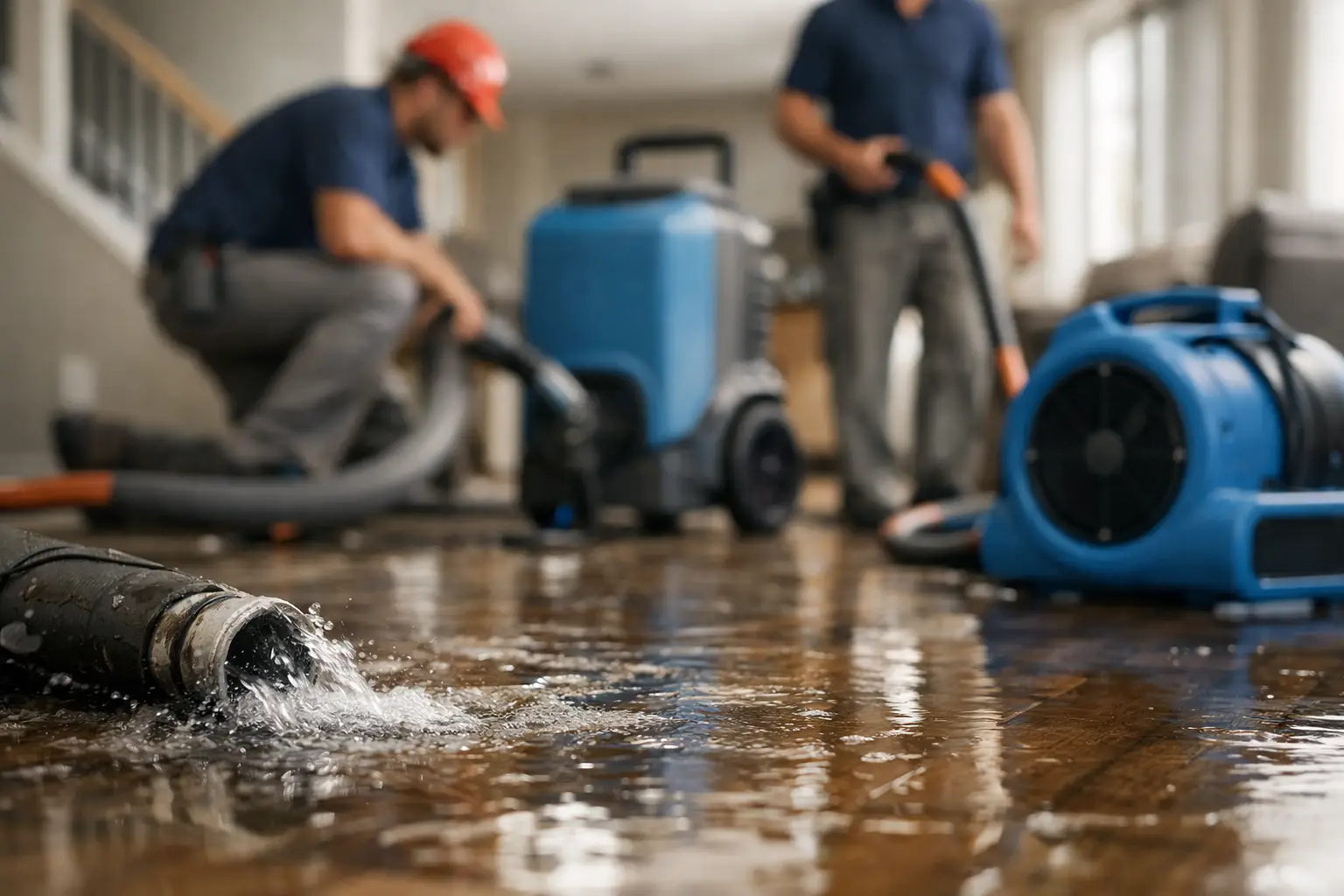
Flooded basement cleanup Hapeville starts with the right call, not the fastest guess. I compare restoration vs replacement, DIY vs a pro, and water damage vs mold so you can choose the fix that fits airport-edge bungalows, Delta HQ-area properties, and the actual damage in front of you.
IICRC-Certified · 5-Star Rated · 60-Minute Response · Insurance Billed Directly
I respond in 60 minutes, 24/7, and I start with the highest-risk water first.
Yes, I offer direct insurance billing and handle the repair paperwork with the claim.
Yes, I focus on fast extraction, drying, and material decisions that reduce mold risk.
IICRC-certified technicians from Elevated Operations, LLLP, led by owner Chris Kwangwari.
Restoration wins when the structure, framing, and surfaces can be dried, cleaned, and saved. Replacement makes sense when materials stayed soaked too long, sewage touched them, or mold already started. In Hapeville, older airport-edge bungalows often reward restoration because the framing is worth saving.
I look at what the water touched, how long it sat, and what type of material got hit. Clean water on concrete and some flooring may be a restoration job. Wet drywall, soaked insulation, and damaged trim often push the decision toward replacement.
Replacement sounds simple. It is not always the smartest move. Around Delta HQ and the nearby bungalow streets, I see homes where targeted removal keeps the project smaller and preserves the character of the property, especially when basement water removal starts quickly.
My rule is plain, if the damage is limited and the materials can dry fully, restore. If the water carried contamination, or the basement stayed wet enough for mold prevention to become urgent, replace the compromised pieces and rebuild clean.
Get people out of the wet area, cut power to the affected space if you can do it safely, and call for flood water extraction right away. Then document the damage for insurance and keep pets, boxes, and finished furniture out of the basement until the source is controlled.
Do not wait to see if it drains on its own. In Hapeville, basement flooding can spread fast through older bungalows, especially when the intrusion starts near utility rooms or low points. The first hour matters because basement drying gets harder as materials absorb more water.
If the source is a backup or foul water, treat it like sewage backup cleanup, not a simple mop-up. That means less foot traffic, more containment, and faster removal of porous items. Wet carpet removal usually needs to happen early, not after the smell gets worse.
Once the area is safe, call me. I am a licensed general contractor, and my crew is IICRC-certified. We respond in 60 minutes, 24/7, and I can handle direct insurance billing so you are not stuck juggling the worst parts alone.
A small clean-water spill on tile or sealed concrete may be manageable for a homeowner. But a pro is the better choice when the water reached drywall, carpet, insulation, electrical, or anything that may already smell musty. That is especially true for sewage backup cleanup.
DIY works only when the damage is shallow and the materials are non-porous. A shop vac and fans are not enough once water gets into wall cavities or under flooring. In Hapeville’s older airport-edge homes, hidden moisture is common, and hidden moisture causes bigger bills later.
I see people lose time trying to dry a basement with household fans while the framing keeps soaking. That delays basement drying, ruins more materials, and turns a manageable repair into a larger restoration. A pro brings extraction, drying, containment, and a plan.
And there is another issue, insurance. If you want direct insurance billing, deductible assistance up to $1,000, and a 12-month warranty on the work, a pro makes the process cleaner. I have been in restoration since 2007, and I know what carriers ask for.
We start with flood water extraction, remove unsalvageable materials, clean affected surfaces, and set up basement drying equipment. Then we check for odor, contamination, and hidden moisture behind finishes. In Hapeville bungalows near the airport, that usually means a careful look at trim, subfloor, and lower walls.
The method changes with the water type. Clean water gets a different response than sewage backup cleanup, and a wet finished basement is not the same as a bare concrete space. I do not use one script for every house because that is how problems get missed.
Around Delta HQ and the surrounding Hapeville streets, basements can be small, finished, or partly finished, which changes the cleanup sequence. Wet carpet removal may come first if the padding holds water. If the walls are impacted, we open them where needed to verify drying.
Iicrc-certified technicians do the work, not guesswork. I like hard facts, dry materials, and clear decisions. If something can be cleaned and saved, I save it. If it is beyond saving, I say so and move fast on the parts that matter.
Drying time depends on the amount of water, the materials involved, and whether the space was caught early. A concrete basement may dry much faster than a finished room with carpet and insulation. The real test is moisture readings, not how the room feels to you.
People want a clock. I get that. But basement drying is measured by what the materials are doing, not by hope. If the water got into walls or flooring, drying can extend beyond the obvious surface wetness because the hidden layers hold moisture longer.
Hapeville homes near the airport edge often have mixed construction, some older framing, some newer finishes. That mix matters. Wet carpet removal and dehumidification may solve one side quickly, while the wall assembly behind it keeps asking for more time and more inspection.
I do not promise a magic number because that would be fiction. I do promise a 60-minute emergency response 24/7, a direct line to the insurance paperwork, and a crew that keeps checking until the readings say the space is actually dry.
Water damage comes first, mold comes next if moisture lingers. In most flooded basement cleanup jobs, the priority is extraction and drying because mold starts in 24 to 48 hours. If you wait, the job shifts from cleanup to remediation and replacement decisions get tougher.
That is the whole comparison in one line. Water damage is the immediate problem, mold is the follow-on problem. If the basement stayed wet, mold prevention becomes the priority because a damp Hapeville basement near Delta HQ can turn musty quickly.
I look for absorbent materials, trapped humidity, and places the air cannot reach. If those conditions exist, the risk rises fast. That is why I push basement water removal and basement drying early, before the smell tells the story for you.
Some people ask whether a stain means mold. Sometimes yes, sometimes no. I do not guess. I inspect, remove the wet materials if needed, and dry the structure properly. That keeps the repair focused and avoids doing replacement work twice.
| Typical Trigger | Water Damage Restoration | Mold Remediation |
|---|---|---|
| Clean water on concrete after a supply line break in an airport-edge bungalow | Restore the concrete, dry the room, and keep usable finishes if moisture stayed contained | Low risk if basement drying starts quickly and humidity stays controlled |
| Toilet or drain backup in a finished basement near Delta HQ | Treat as sewage backup cleanup, remove porous materials, and sanitize the affected areas | Higher risk because wet carpet and wall materials can hold contamination and moisture |
| Standing water in a partially finished Hapeville basement | Use flood water extraction first, then decide whether restoration or replacement makes more sense | Watch closely, because hidden moisture behind drywall can turn into mold fast |
From emergency mitigation to full reconstruction, handled in-house so you are never managing a chain of subcontractors mid-crisis.
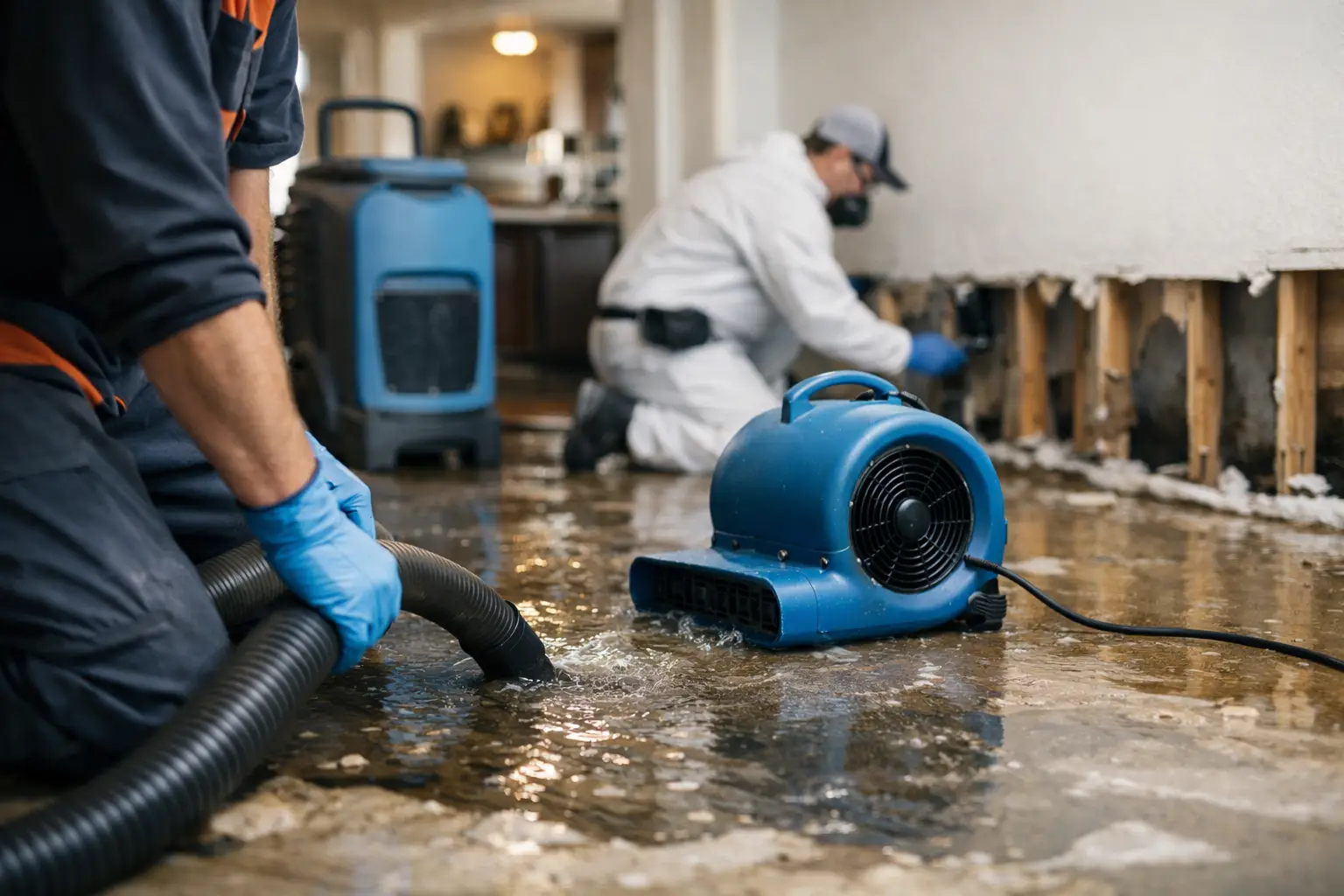 Water Damage
Extraction, structural drying, and moisture mapping after floods, leaks, and burst pipes.
Get help now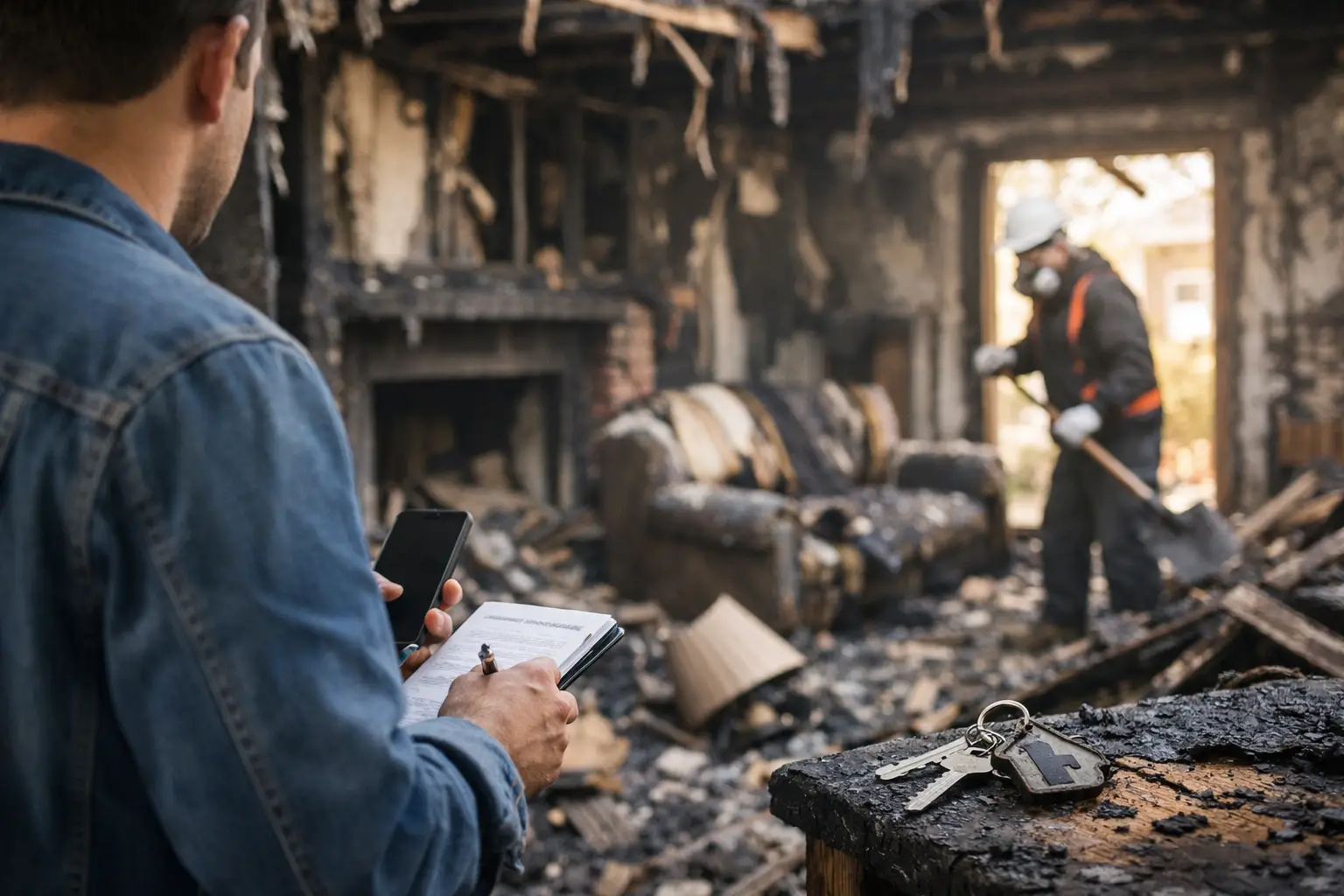 Fire & Smoke
Soot removal, odor deodorization, and content cleaning after fire and smoke damage.
Learn more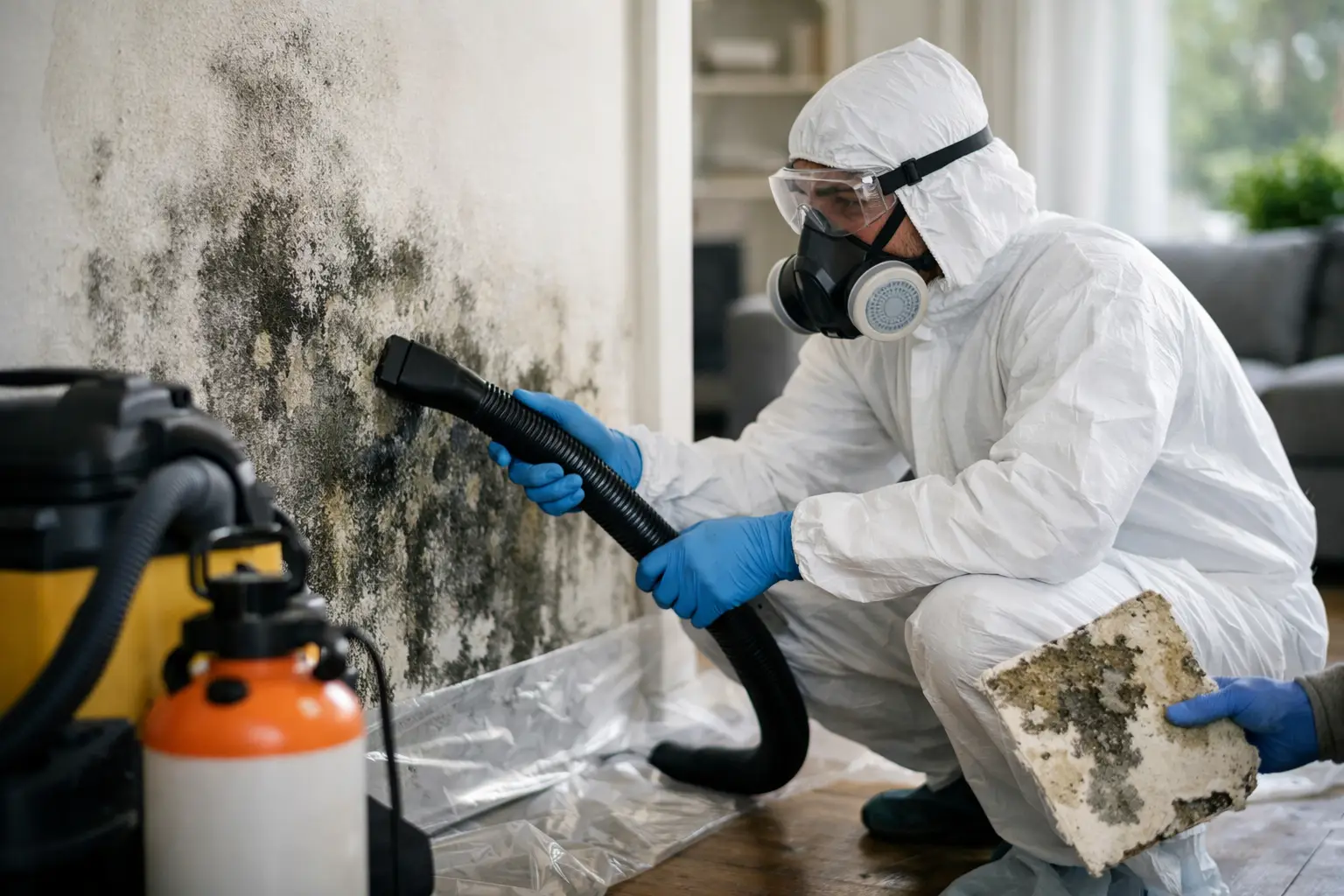 Mold
MoldContainment, removal, and moisture control that stops mold from coming back.
Learn more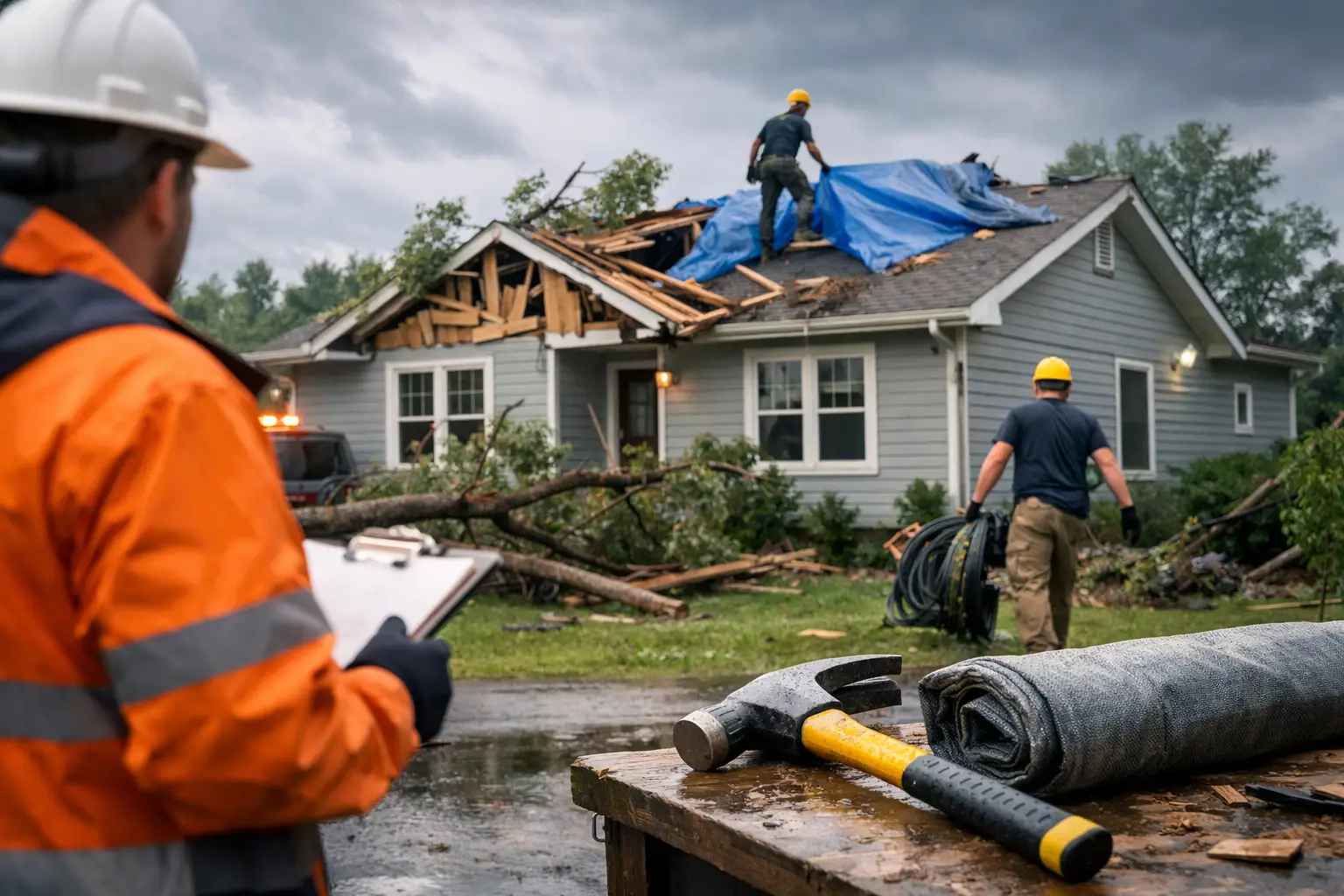 Storm
StormEmergency board-up, roof tarping, and full recovery after wind, hail, and storms.
Learn more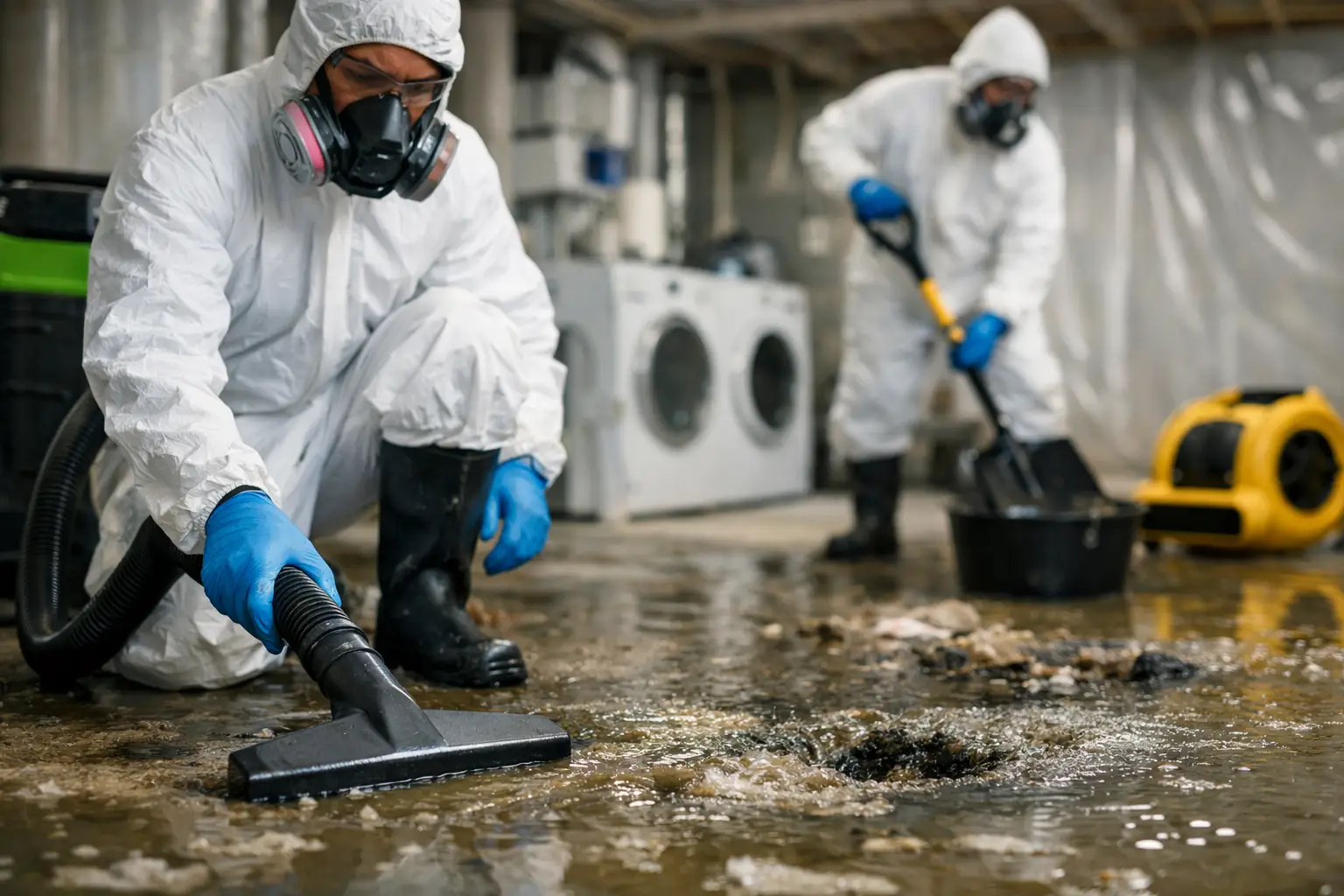 Sewage
Safe biohazard cleanup and sanitizing after sewage backups and overflows.
Learn more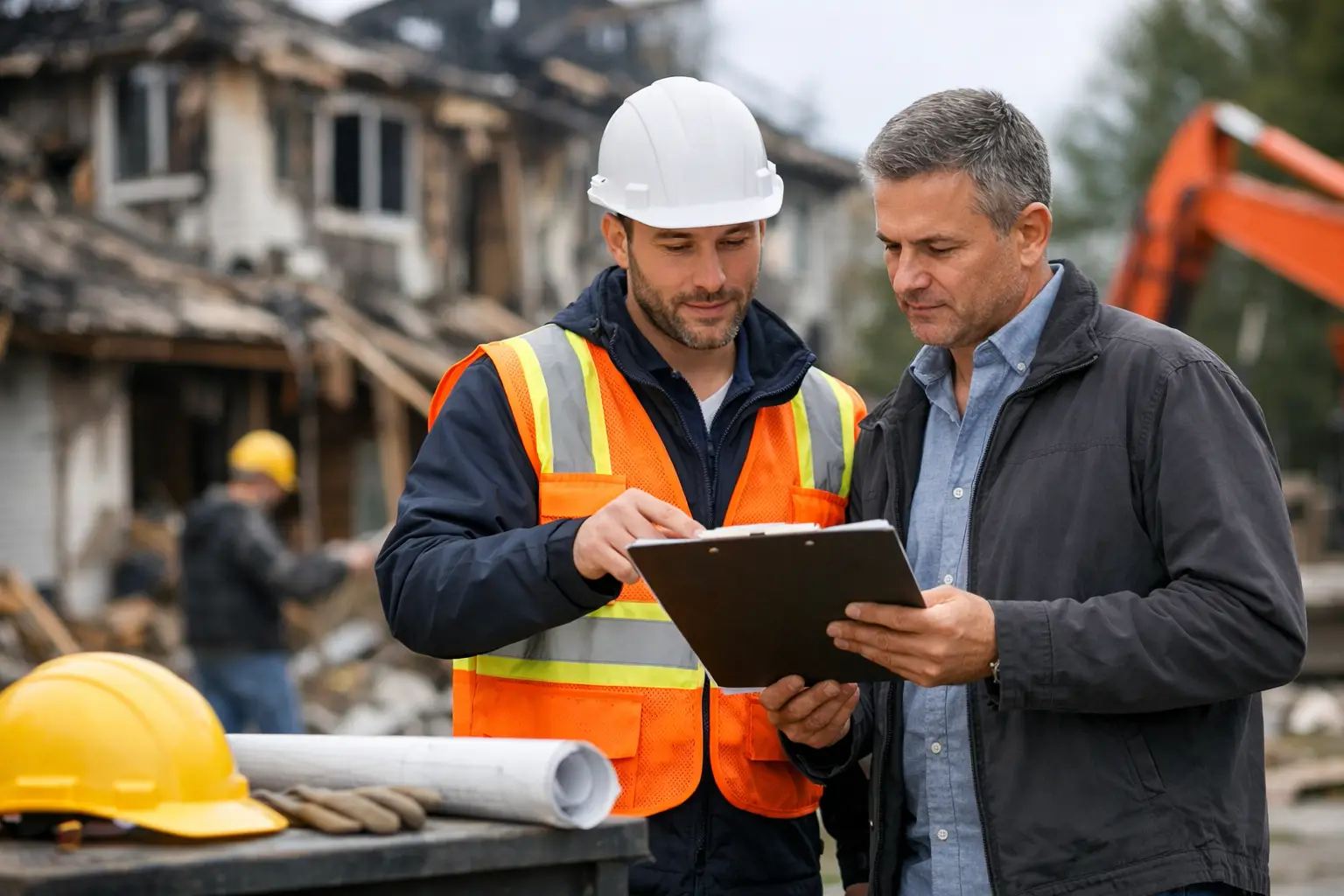 Reconstruction
Full rebuild by a licensed general contractor, so your property comes back whole.
Learn moreElevated Operations is an IICRC-certified, licensed general contractor based in Mableton that handles the entire recovery in-house, so after one loss you are never coordinating a cleanup crew, a mold crew, and a contractor separately. One team, one point of contact, from the first pump-out to the final coat of paint.
People call when the property feels like a disaster. They leave reviews because Chris and the crew made it right. These are real, verified Google reviews.
If the carpet only got damp from clean water and the pad stayed dry, drying may be enough. If the carpet, pad, or tack strip stayed soaked, wet carpet removal is usually the smarter move. In older Hapeville homes near the airport edge, I check what is under the carpet too, because hidden moisture can stay trapped and cause mold prevention problems later.
Yes, if wet materials sit long enough. Mold starts in 24 to 48 hours, so the risk rises fast when basement water removal gets delayed. In Hapeville, I see this most often when homeowners try to air out finished basements instead of starting extraction and basement drying right away.
It means I bill the carrier directly for covered work instead of making you pay everything upfront and chase paperwork later. That matters when the basement needs flood water extraction, cleanup, and repairs at the same time. It keeps the claim process cleaner for Hapeville homeowners dealing with a stressful mess.
Yes. Low water does not make contamination harmless. If the source is sewage, the job needs sewage backup cleanup, not a regular mop and fan. In Hapeville basements, especially in older bungalow layouts, contaminated water can spread into trim, walls, and flooring quickly.
Older bungalows often have tighter spaces, mixed materials, and lower basement openings, which makes access and drying more complicated. That does not change the basics, but it changes the order of work. I often start with basement water removal, then check what can be restored before I recommend replacement.
A damp smell usually means moisture is still trapped somewhere. That is a basement drying problem, not just an odor problem. I check behind finishes, under carpet, and around lower walls because lingering moisture can keep feeding the smell and eventually create mold or cause the repair to fail.
Yes. I respond 24/7, and I keep the process moving when the water does not wait for business hours. If the basement needs extraction, drying, or damage control near Delta HQ, I can get a crew out fast and start documenting the issue for insurance.
Restoration beats replacement when the structure is sound, the water source is clean enough, and the materials can be dried fully. That is common in parts of Hapeville where the basement damage is limited. I save what can be saved, but I do not force it if the material is already compromised.
Elevated Operations dispatches IICRC-certified crews across Metro Atlanta from our Mableton base, with a 60-minute emergency response day or night. Choose your city:
Call now for an immediate response, or request your free inspection and get a certified crew on-site within the hour across Atlanta and nearby areas.