24/7 Emergency Restoration · Serving Metro AtlantaEmergency? (770) 404-6895
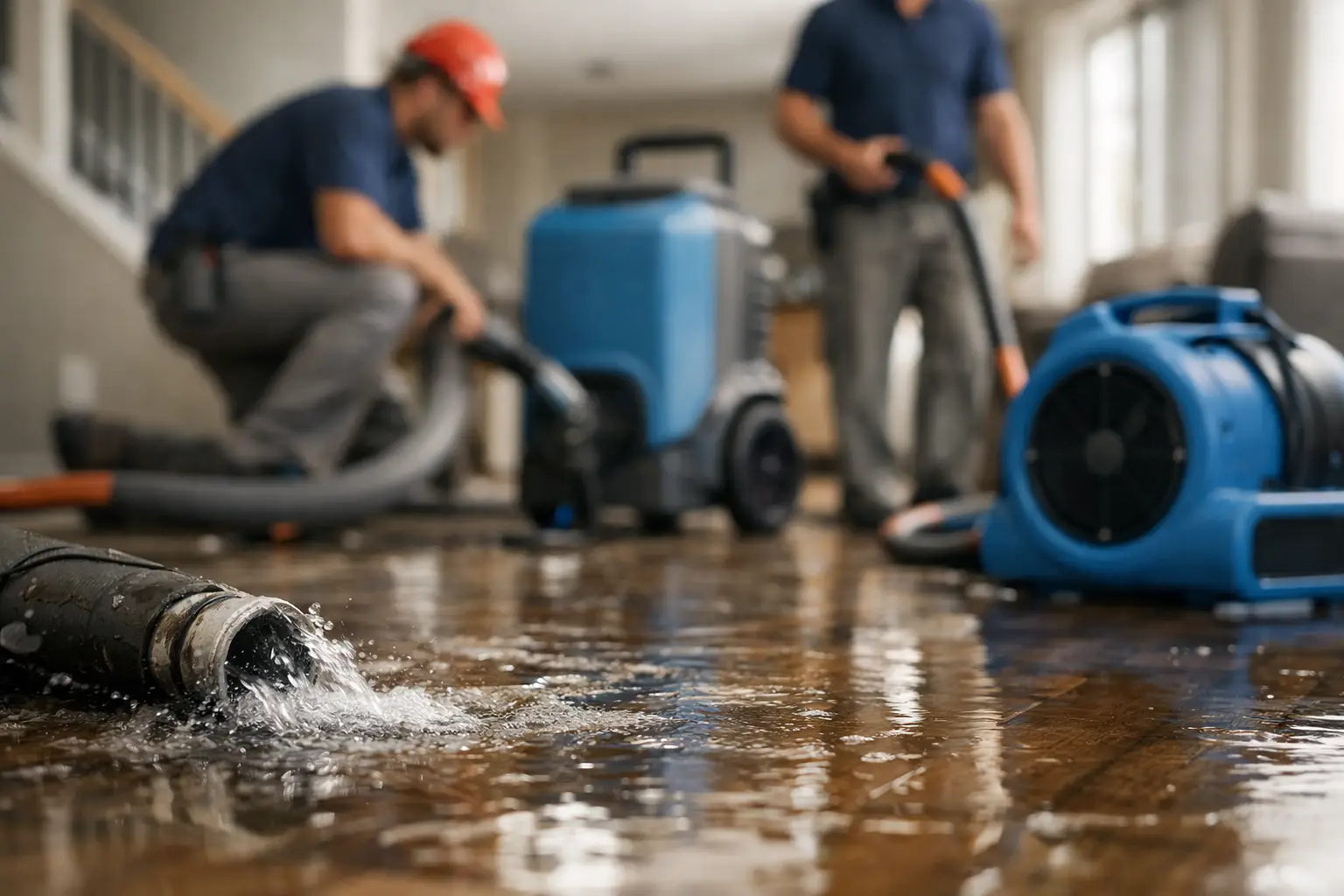
Water mitigation services Union City means choosing the right response fast, not guessing at it. In south Fulton I-85 subdivisions, I compare restoration versus replacement, DIY versus a pro, and water damage versus mold so you can see when each option fits. I’m Chris Kwangwari, and I handle loss mitigation the right way.
IICRC-Certified · 5-Star Rated · 60-Minute Response · Insurance Billed Directly
Call me at Elevated Operations, LLLP. I’m based in Mableton, I respond 24/7, and I handle Union City losses with owner oversight, direct insurance billing, and IICRC-certified technicians.
Yes. That local layout matters because water can travel through connected rooms fast. I inspect the whole path, not just the visible wet spot.
Yes. I offer direct insurance billing and deductible assistance up to $1,000 when eligible. I keep the paperwork moving while the structure is being dried.
I back the work with a 12-month warranty. If the drying plan or repair path is wrong, I want it caught before it becomes a bigger problem.
Water mitigation services in Union City usually start with water extraction, then move into moisture control, structural drying, and dehumidification. I separate salvageable materials from the pieces that need removal, because the right call in south Fulton I-85 subdivisions depends on what got wet and how far the water traveled.
In a Union City home, I look at the source first. A supply line under a sink is different from storm water crossing a slab or first-floor crawlspace. That matters in the subdivisions off I-85, where floor plans, carpet runs, and hallway layouts can spread water damage fast.
Then I set drying equipment where it will actually work, not where it looks convenient. Air movement, dehumidification, and containment are part of the same job when water has reached multiple rooms. If you skip one piece, moisture control gets sloppy and hidden damage keeps growing.
My goal is simple: stop the damage from spreading and decide what can be restored. I’m not in the business of tearing out everything by default. I’m in restoration since 2007, I’m IICRC-certified, and I use direct insurance billing when the claim is moving through the process.
Water mitigation should start immediately, because delay changes the job from extraction to damage control. In Union City, especially in south Fulton I-85 subdivisions, fast action limits how deep water moves into drywall, trim, flooring, and subfloors. Waiting is how a small leak turns into a bigger claim.
I tell owners to act the same day whenever possible. Water does not sit still. It migrates into baseboards, pad, insulation, and framing, and then the cleanup gets more invasive. That is why I offer 60-minute emergency response 24/7, because timing matters more than speeches.
If the leak is clean and caught early, structural drying may be enough. If water has been sitting, the odds shift toward removal. That is the practical line, not an emotional one. In the I-85 subdivisions, many homes have enough connected space that one wet area can affect several rooms.
The verdict is plain: start mitigation now, then make the repair decision after the structure is assessed. I do not guess from a photo. I inspect, document, and then advise whether restoration or replacement makes more sense for the actual damage on site.
No, water mitigation and water restoration are related but not the same. Mitigation is the first response, meaning water extraction, drying, and limiting further loss. Restoration comes after that, when the home is put back together. In Union City, that distinction decides whether you save material or replace it.
I see this confusion all the time in south Fulton I-85 subdivisions. A family hears “restoration” and expects everything to be fixed in one step. But the first job is loss mitigation, stopping the spread and drying the structure before anyone talks about finishes or final repairs.
Water restoration can include rebuilding drywall, flooring, or trim after the wet materials are addressed. Water mitigation is the emergency side of the work. If you mix them up, you may overpay for demolition or underdo the drying. Neither one helps.
My position is simple. If the materials are still structurally sound, restoration is the better answer. If they are swollen, contaminated, or too far gone, replacement is the honest answer. I don’t push one path for every house, because Union City homes do not all fail the same way.
Restore when the material is still sound, dryable, and safe. Replace when it is warped, delaminated, contaminated, or cannot dry completely. In Union City homes near the I-85 corridor, that choice often comes down to how quickly the water was handled and what the affected room is built from.
Carpet pad often tells the truth. If it stayed wet too long, replacement is usually the sensible call. Hardwood, drywall, and trim can sometimes be saved, but only when the moisture is controlled early and the structure can be dried without leaving hidden problems behind.
In some Union City homes, especially where rooms connect in long runs, the water can spread farther than people expect. A small visible stain may hide damaged underlayment or trapped moisture in cavities. That is why I inspect the whole path, not just the obvious spot.
I favor restoration when the material still has a real chance. I favor replacement when pretending otherwise would waste money and time. That is not harsh, it is honest. My job is to keep the fix proportional to the damage, not dramatic.
During water mitigation, I inspect the source, remove standing water, set containment where needed, and start drying equipment and dehumidification. Then I monitor moisture control until the structure is drying the way it should. In Union City, the right sequence matters because connected spaces can hide spread.
The first hours are about control. I identify the wet areas, move the water out, and decide what needs immediate protection. In south Fulton I-85 subdivisions, open layouts and hallway connections can make one leak feel bigger than it looked at first glance.
Containment comes in when wet rooms could affect clean areas or when demolition dust and debris need to stay where they belong. I do not throw that word around lightly. It is part of keeping the work organized, especially in occupied homes where people are still living around the damage.
After that, I monitor drying. I use the actual structure as the guide, not a guess. If the moisture readings are not moving in the right direction, I adjust. That is how I handle water damage mitigation without dragging the process out or missing hidden wet spots.
DIY can work for a very small, fresh spill, but a pro is the better choice once water reaches flooring, drywall, insulation, or more than one room. In Union City, the difference shows up fast in south Fulton I-85 subdivisions, where hidden moisture can keep spreading after the surface looks dry.
A homeowner can mop, run a fan, and feel productive. That is not the same as structural drying. If water has moved below the surface, you need equipment and experience to get it out. Otherwise, the problem comes back later as odor, swelling, or worse.
The pro advantage is not just tools. It is judgment. I know when water extraction is enough and when materials should come out. I know how to use drying equipment in a way that matches the building, not just the calendar. That is where homeowners usually get stuck.
DIY makes sense for a cup of spilled water or a minor overflow caught right away. Once you have wet padding, visible wall damage, or a smell that lingers, call me. I handle the hard calls, and I back the work with a 12-month warranty.
Water damage is the cause, mold is often the consequence. If moisture stays in place, mold can start in 24 to 48 hours. In Union City, especially in south Fulton I-85 subdivisions, the comparison is simple: remove the water now, or deal with a much larger cleanup later.
People often think the visible puddle is the whole problem. It is not. Water damage can be handled with extraction and drying when it is addressed early. Mold changes the job because now you may need containment and a more careful removal plan.
If the wet materials were left alone, the timeline gets ugly fast. That is why I push fast response, not because I like urgency for its own sake, but because the building does not care about convenience. It keeps absorbing moisture until someone stops it.
My verdict: treat water as an emergency and mold as a warning that the emergency was missed. In Union City, that difference often decides whether the job stays contained to a room or spreads into a larger, more expensive cleanup.
| Typical Trigger | Water Damage Restoration | Mold Remediation |
|---|---|---|
| A supply line leaks under a sink in a townhome off I-85 | Dry it, restore cabinetry if the structure is still sound, and keep the loss mitigation tight | If it sat long enough for odor or growth, use containment and remove affected materials |
| A basement or lower level takes on storm water | Extraction, dehumidification, and structural drying may save framing and finishes if started quickly | If materials stayed wet for days, replacement is usually safer than trying to salvage everything |
| A bathroom overflow spreads into hallway flooring | DIY may handle a tiny fresh spill, but a pro is right when pad, drywall, or subfloor is wet | If the overflow was ignored, hidden growth can turn a simple repair into a bigger remediation job |
From emergency mitigation to full reconstruction, handled in-house so you are never managing a chain of subcontractors mid-crisis.
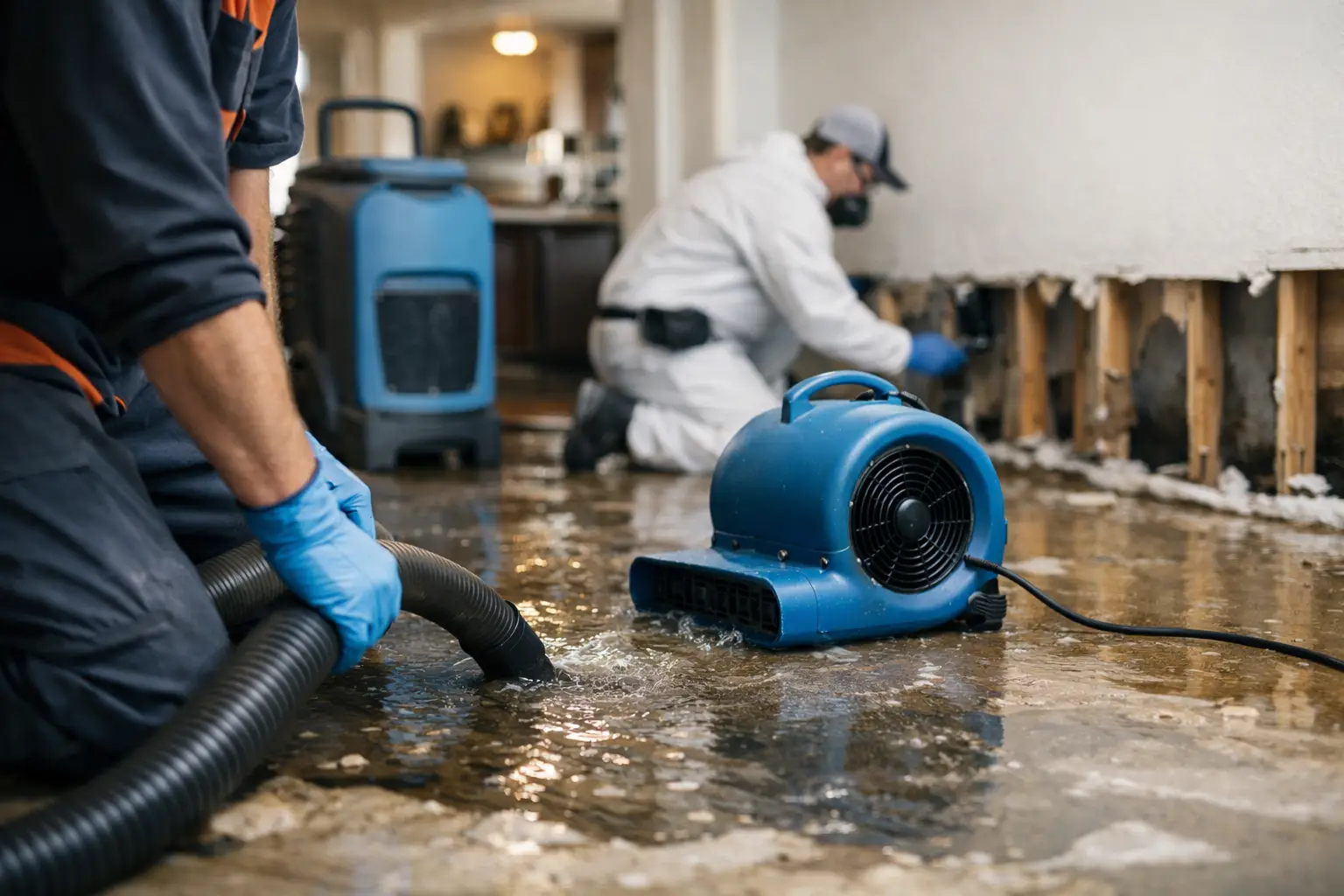 Water Damage
Extraction, structural drying, and moisture mapping after floods, leaks, and burst pipes.
Get help now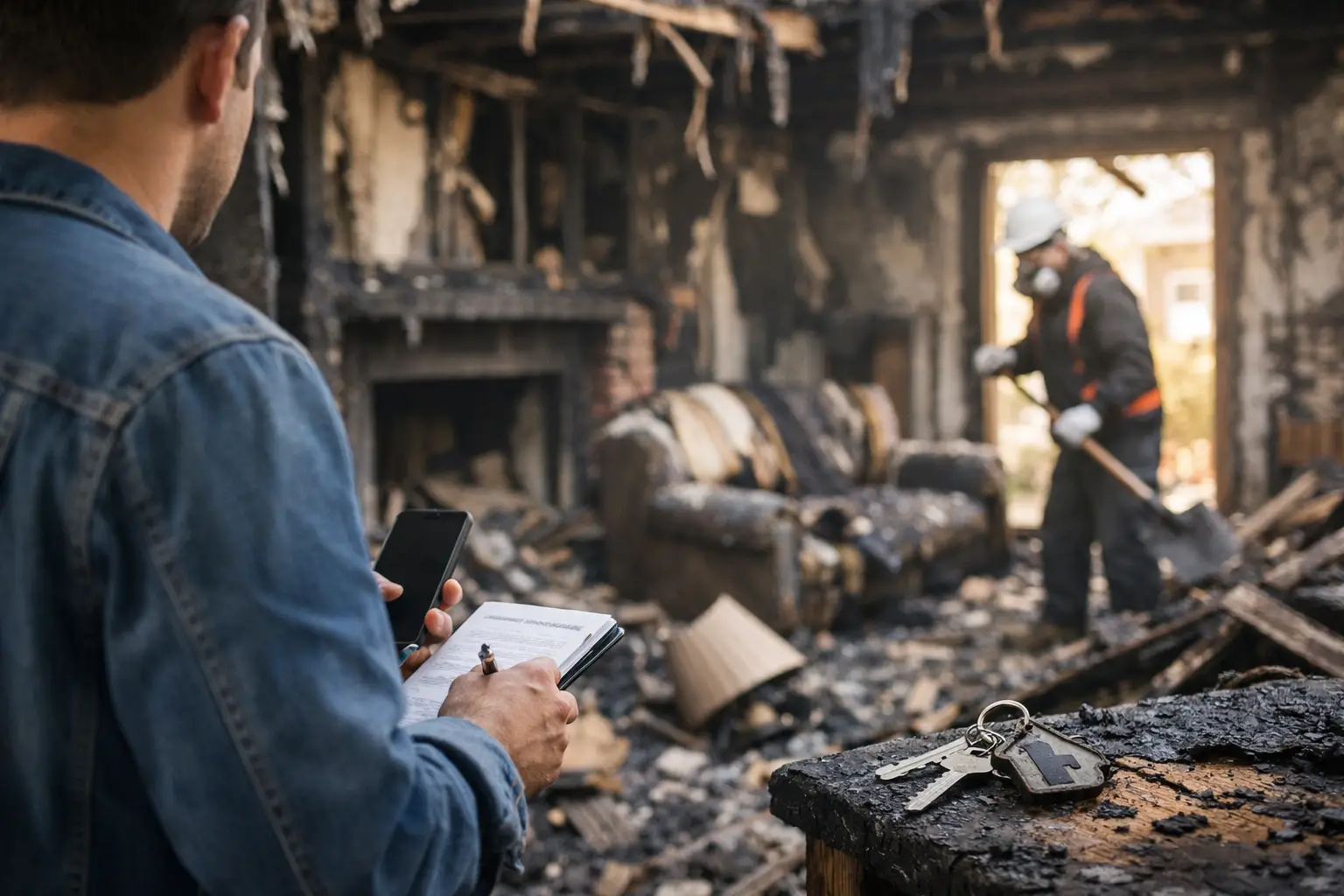 Fire & Smoke
Soot removal, odor deodorization, and content cleaning after fire and smoke damage.
Learn more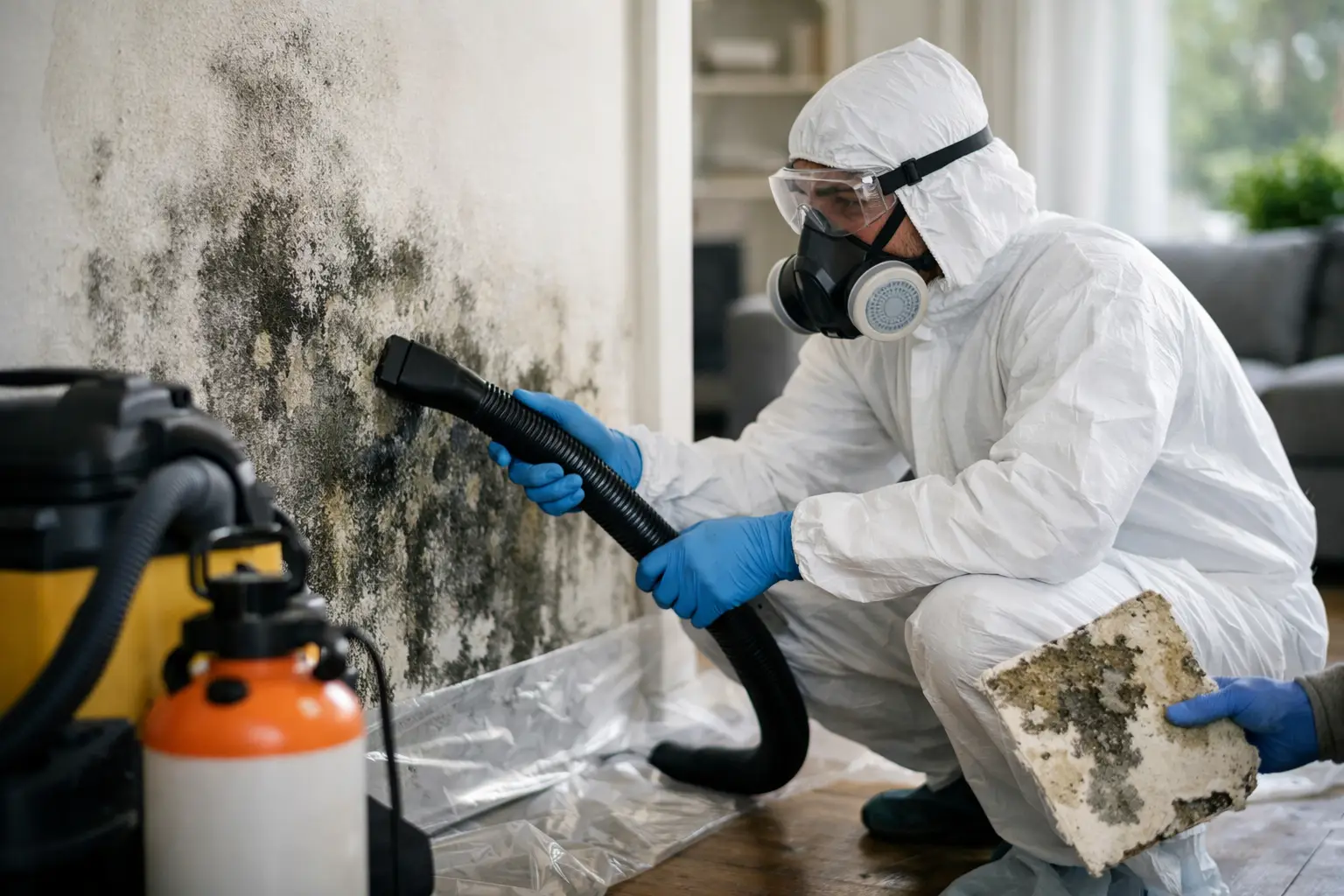 Mold
MoldContainment, removal, and moisture control that stops mold from coming back.
Learn more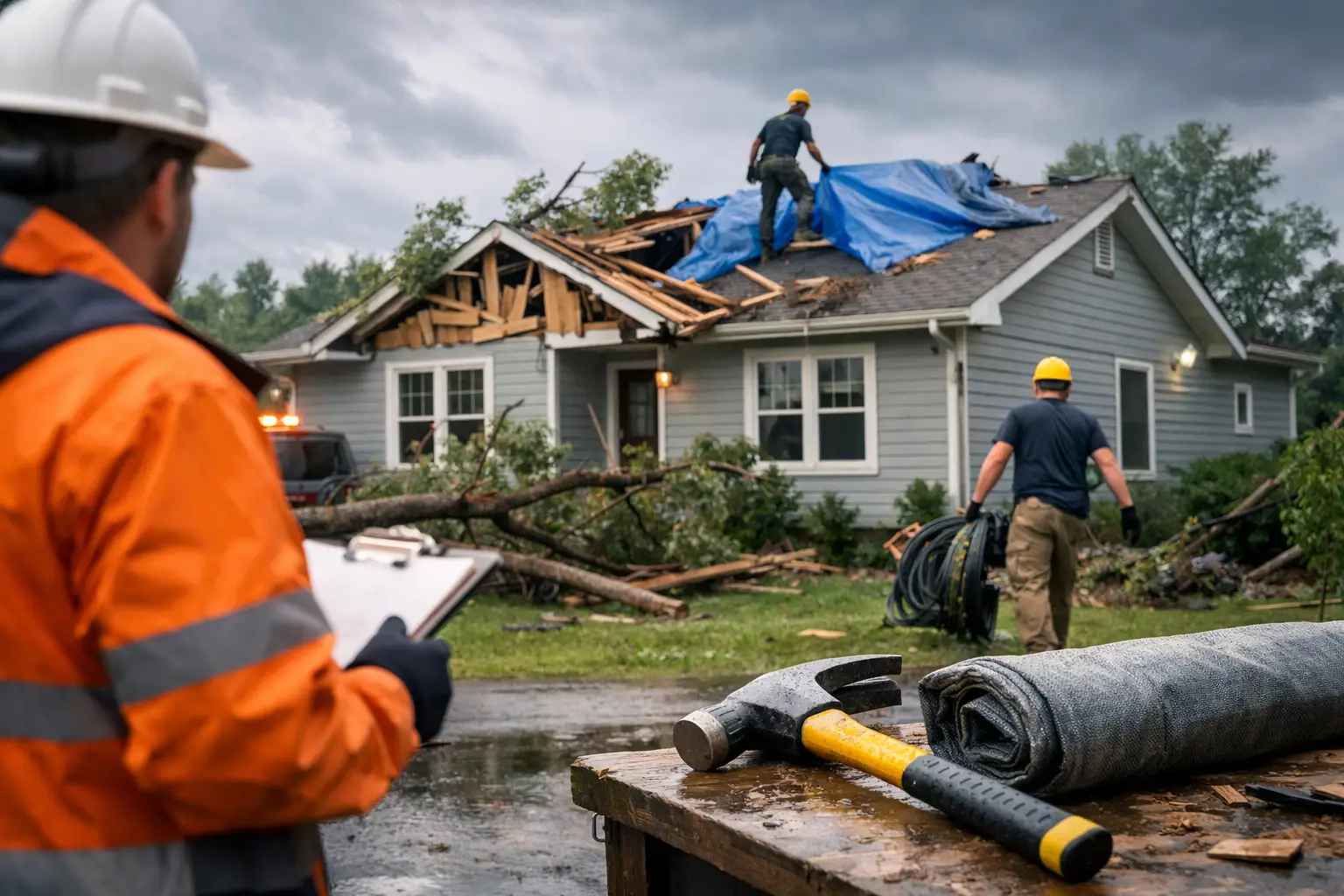 Storm
StormEmergency board-up, roof tarping, and full recovery after wind, hail, and storms.
Learn more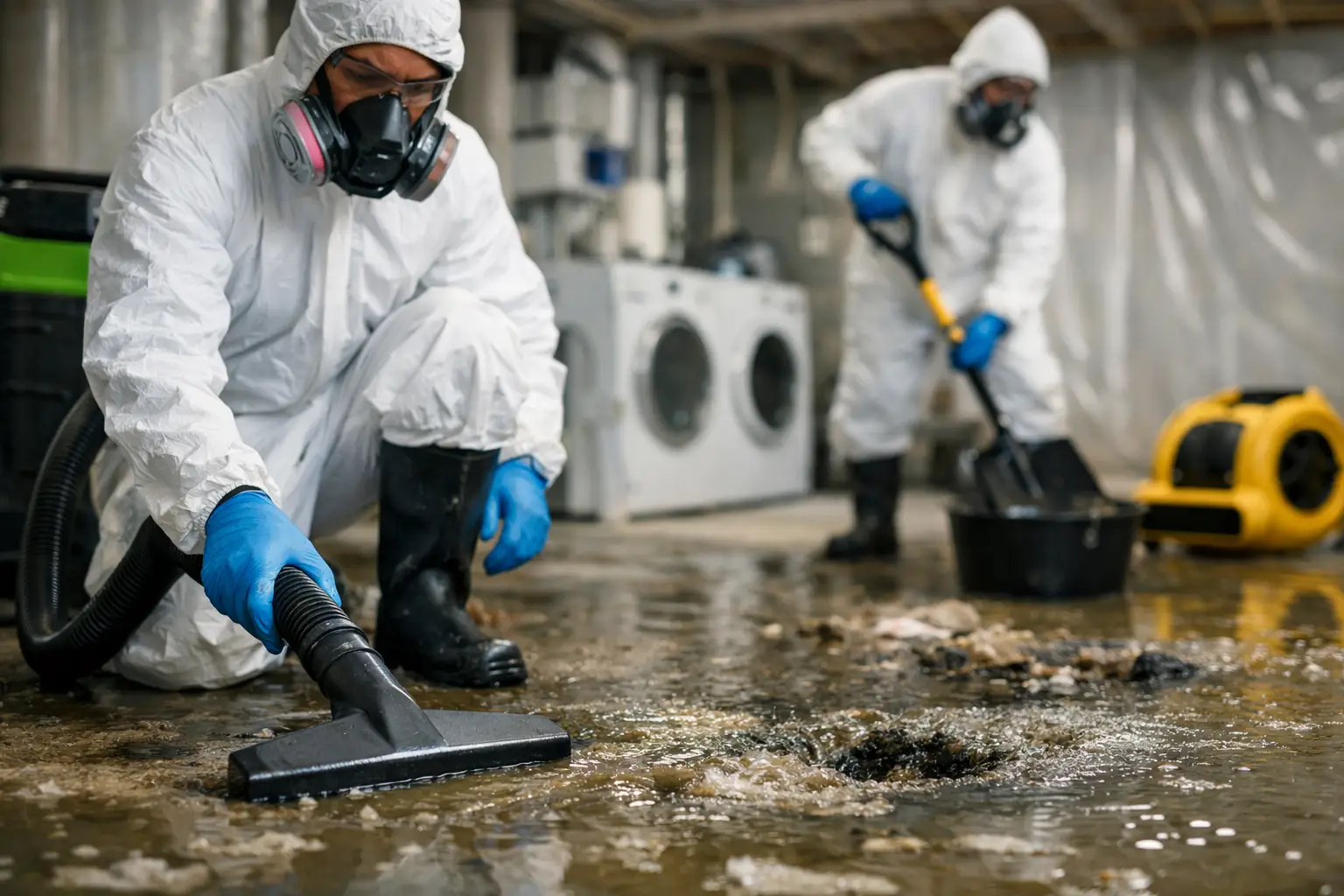 Sewage
Safe biohazard cleanup and sanitizing after sewage backups and overflows.
Learn more Reconstruction
Full rebuild by a licensed general contractor, so your property comes back whole.
Learn moreElevated Operations is an IICRC-certified, licensed general contractor based in Mableton that handles the entire recovery in-house, so after one loss you are never coordinating a cleanup crew, a mold crew, and a contractor separately. One team, one point of contact, from the first pump-out to the final coat of paint.
People call when the property feels like a disaster. They leave reviews because Chris and the crew made it right. These are real, verified Google reviews.
Yes. I handle water mitigation services in Union City for homes in the south Fulton I-85 subdivisions, and I start with the source, the spread, and the materials that are still worth saving. I am licensed, I use direct insurance billing, and I focus on the right level of drying instead of overdoing the tear-out.
That still needs a real inspection. Wet carpet can hide pad saturation, and pad can wick into tack strip, baseboards, and drywall. In Union City homes, especially in the subdivisions near I-85, I check for hidden spread before I decide whether restoration is enough or replacement is the honest call.
Yes. Drying equipment and dehumidification are part of proper water mitigation when moisture has moved beyond a surface wipe-up. In Union City, I use them to support structural drying and moisture control after extraction. The goal is to dry the building, not just make it look dry for a day.
I look at how long the materials stayed wet, whether they can dry completely, and whether they are still structurally sound. In south Fulton I-85 subdivisions, connected floor plans can hide damage in trim, flooring, and walls. If the material is compromised, I say replace it and move on.
Yes, because smell is often a sign that moisture is already sitting in hidden materials. By the time an odor shows up, the job may need more than surface cleanup. In Union City, I’d rather inspect early and keep the work in the restoration phase instead of letting it drift toward mold removal.
I answer as the owner, and I do not treat every loss the same. I’m Chris Kwangwari, I’ve been in restoration since 2007, and I bring IICRC-certified technicians plus direct insurance billing. For Union City calls, I focus on the actual damage in the home, not a script.
For a tiny, fresh spill, yes, you can remove water and dry the area. But once water reaches drywall, flooring, insulation, or a second room, I want a pro involved. In south Fulton I-85 subdivisions, hidden moisture moves fast and small mistakes become bigger repairs.
If mold is found, the work shifts from simple drying to a more controlled cleanup, often with containment. Mold means the moisture problem was not stopped fast enough. In Union City homes, I treat that as a sign to remove affected materials carefully and correct the source before rebuilding.
Elevated Operations dispatches IICRC-certified crews across Metro Atlanta from our Mableton base, with a 60-minute emergency response day or night. Choose your city:
Call now for an immediate response, or request your free inspection and get a certified crew on-site within the hour across Atlanta and nearby areas.




