24/7 Emergency Restoration · Serving Metro AtlantaEmergency? (770) 404-6895
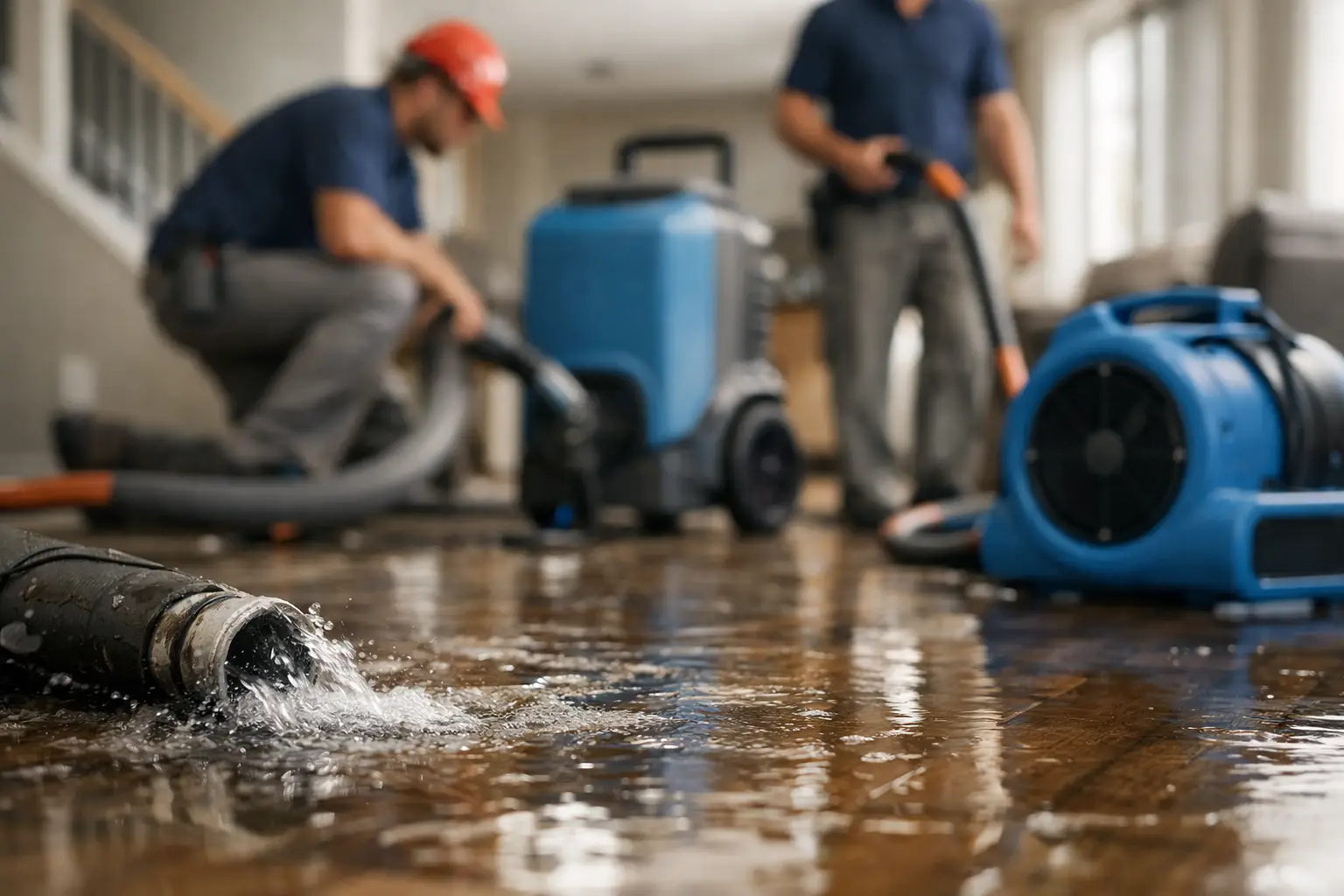
Flooded basement cleanup in Riverdale starts with facts, not guesses. In Clayton County, especially near the airport and in older subdivisions, water spreads fast, hides in walls, and can turn into mold risk before homeowners realize what happened. I handle basement water removal, flood water extraction, and basement drying with a direct, insurance-friendly process.
IICRC-Certified · 5-Star Rated · 60-Minute Response · Insurance Billed Directly
No. Fans help air move, but basement drying needs moisture control, not just circulation. Hidden water in drywall, carpet pad, and concrete can stay long after the surface looks dry.
Older homes often trap moisture in more places. I look harder at trim, framing, carpet, and utility areas because those houses can hide damage after flood water extraction is finished.
Yes. If I do the cleanup right, mold prevention is built into it from the first hour. Fast extraction and complete drying matter more than cosmetic cleanup.
Yes. I separate contaminated materials, document the damage, and use the right process for the hazard. Sewer water is not the same as clean storm seepage, and I treat it that way.
Myth: You should wait for the water to settle or the weather to clear. Fact: Move fast, shut off the source if you can do it safely, and call for flooded basement cleanup right away. In Riverdale, older homes and low spots near the airport area can hold water in places you cannot see.
I start with the same priority every time, stop the damage from spreading. If the basement has standing water, broken plumbing, or storm runoff, the first move is to protect people and cut off unsafe power if access is safe. That matters in older Riverdale subdivisions where finished basements and utility rooms are often packed tight.
Do not assume a thin layer of water is harmless. Basements in Clayton County can trap moisture behind trim, under carpet, and inside wall cavities. I have seen homeowners in older neighborhoods try to “let it air out,” and that delay turns simple basement water removal into a bigger restoration job.
And if the water smells bad, treat it seriously. Sewage backup cleanup needs a different response than clean water from a supply line or storm seepage. I am IICRC-certified, licensed as a general contractor, and I use direct insurance billing when the claim applies, so the process stays organized from the first call.
Myth: Pulling out the wet stuff is enough. Fact: Real flooded basement cleanup means flood water extraction, moisture checks, basement drying, and finding what water got behind. In Riverdale, older subdivisions often have porous framing and tighter mechanical rooms, so hidden damage is common even when the floor looks clean.
I do not stop at the surface. First comes flood water extraction, then inspection for trapped moisture in carpet pad, baseboards, drywall, and stored items. Wet carpet removal is often necessary when the padding has soaked through, because carpet that feels only damp on top can still hold a lot underneath.
The myth I hear most is that fans alone fix it. They do not. Basement drying needs the right equipment and the right sequence, especially in Riverdale homes where cool concrete, older finishes, and limited airflow can keep moisture locked in. That is how small incidents become mold prevention problems.
I also look for cause, not just cleanup. A failed sump, storm intrusion, or plumbing issue changes the path. When sewage backup cleanup is involved, I separate contaminated materials from clean ones and document the loss for the insurance carrier. Direct insurance billing helps keep that step from becoming a second headache.
Myth: Mold only happens if water sits for days. Fact: Mold can start in 24 to 48 hours, so flooded basement cleanup has to begin immediately. In Riverdale, older subdivisions near the airport often have materials and layouts that hold moisture long enough to create mold prevention problems fast.
Yes, a flooded basement can absolutely cause mold. That is not fear talk, that is moisture science. When water soaks drywall, wood, insulation, or carpet pad, the clock starts quickly. I see this risk in Riverdale basements where slab edges, utility closets, and storage rooms trap humidity after a flood.
The myth is that a bleach wipe solves it. It does not. Real mold prevention starts with removing wet materials, extracting water, and drying the space fully. If the moisture source remains in hidden cavities, the problem returns. That is why I check for dampness behind finished walls, around door jambs, and under base trim.
Older homes in Clayton County often have more joints, more transitions, and more places for moisture to linger. I treat those basements differently than a new open-plan lower level. My job is to stop the water from turning into a longer repair cycle, and my 12-month warranty backs that approach.
Myth: All basement flooding is the same. Fact: Clean water, storm runoff, and sewage backup cleanup each require a different response. Riverdale basements near the airport and in older subdivisions can flood from different sources, and the source decides what can be saved, what gets removed, and how fast drying starts.
This is where mistakes get expensive. A clean supply-line leak is not the same as stormwater or sewer water. Flooded basement cleanup changes based on contamination level, access, and what materials absorbed the water. I do not use the same playbook for every job because that is how hidden contamination survives.
If sewage backup cleanup is on the table, the rules change fast. Porous items may need removal, and every affected area has to be treated as a health issue, not just a wet-floor issue. Homeowners in Riverdale sometimes think odor means the problem is “just bad smell,” but odor is often a sign of contamination.
Stormwater can also carry dirt and debris from around the foundation, especially in lower spots and older subdivisions where grading may not help much. I focus on basement water removal first, then move to cleaning and basement drying based on what type of water came in and how far it spread.
Myth: A basement is dry once the visible water is gone. Fact: Basement drying takes longer because moisture hides in materials and concrete. In Riverdale, older homes near the airport and in established subdivisions often need careful drying after flood water extraction, not just quick cleanup and a few fans.
Visible water is only step one. After flood water extraction, I check the structure, finishes, and contents for remaining moisture. Concrete can hold dampness, framing can wick water, and carpet pad can stay wet even after the surface feels dry. That is why basement drying is a process, not a guess.
I do not promise a one-size-fits-all timeline, because that would be fiction. I do use a 60-minute emergency response 24/7, and that speed matters when the goal is to reduce how much water gets absorbed. In Riverdale, especially in older subdivisions, starting early often saves more material.
Homeowners sometimes think opening windows is enough. In Clayton County humidity and basement layout can work against that idea. I use a controlled drying approach, document the moisture conditions, and keep an eye on the spaces most likely to hold water, including under stairs, behind finished walls, and around mechanical equipment.
Myth: If carpet still looks decent, keep it. Fact: Wet carpet removal is often necessary because padding and backing can stay contaminated or wet long after the top layer looks normal. In Riverdale basements, especially older ones, carpet can hide damage that slows drying and raises mold prevention concerns.
I have seen homeowners try to salvage carpet because it “does not smell that bad yet.” That is the wrong test. Once floodwater reaches padding, the carpet system can trap moisture and contamination below the surface. In a flooded basement cleanup, I evaluate whether the material can truly be dried or should come out.
This matters more in older subdivisions where basement finishes may not have been built for rapid drying. If the carpet sits over concrete, the pad can cling to moisture and create a long drying cycle. Wet carpet removal may be the practical choice, not because I want to remove material, but because I want to stop the problem.
And if the water was from a sewer line or drain backup, the decision is even clearer. Sewage backup cleanup requires a stricter line, and I do not treat that kind of loss lightly. I am a licensed general contractor, and I handle the job with direct insurance billing when applicable, so the paperwork keeps pace with the cleanup.
Fact: Small floods can hide in carpet pad, trim, and wall cavities. In Riverdale, older homes near the airport often trap moisture where you cannot see it, which is why I treat every call like it can spread.
Fact: Odor is not the only warning sign. Mold prevention starts before the smell shows up, and mold can begin in 24 to 48 hours if basement drying does not start quickly after water exposure.
Fact: Flood water extraction, basement water removal, and sewage backup cleanup are different jobs. The source, contamination, and building materials in Riverdale decide what I remove, what I dry, and what gets documented for insurance.
From emergency mitigation to full reconstruction, handled in-house so you are never managing a chain of subcontractors mid-crisis.
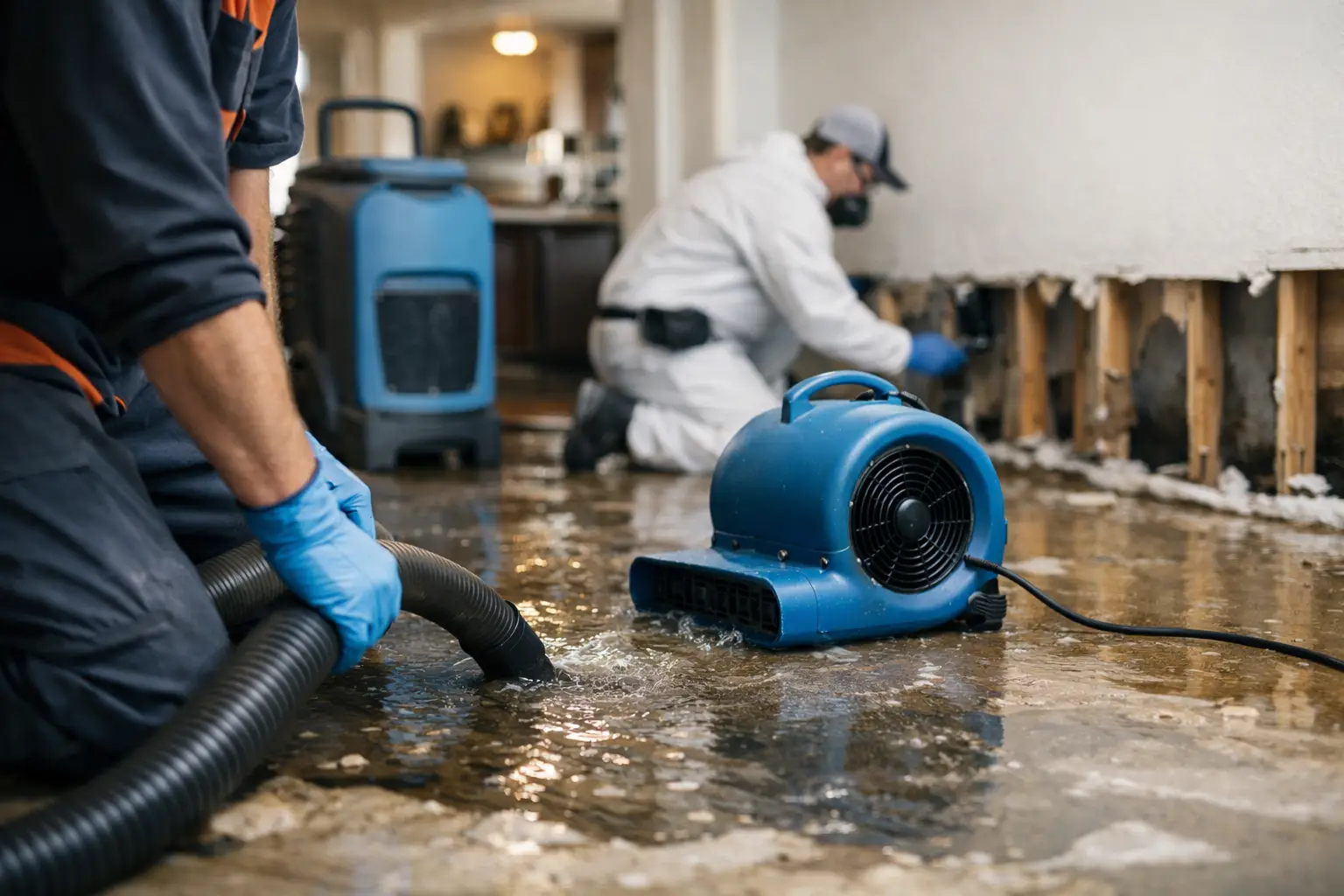 Water Damage
Extraction, structural drying, and moisture mapping after floods, leaks, and burst pipes.
Get help now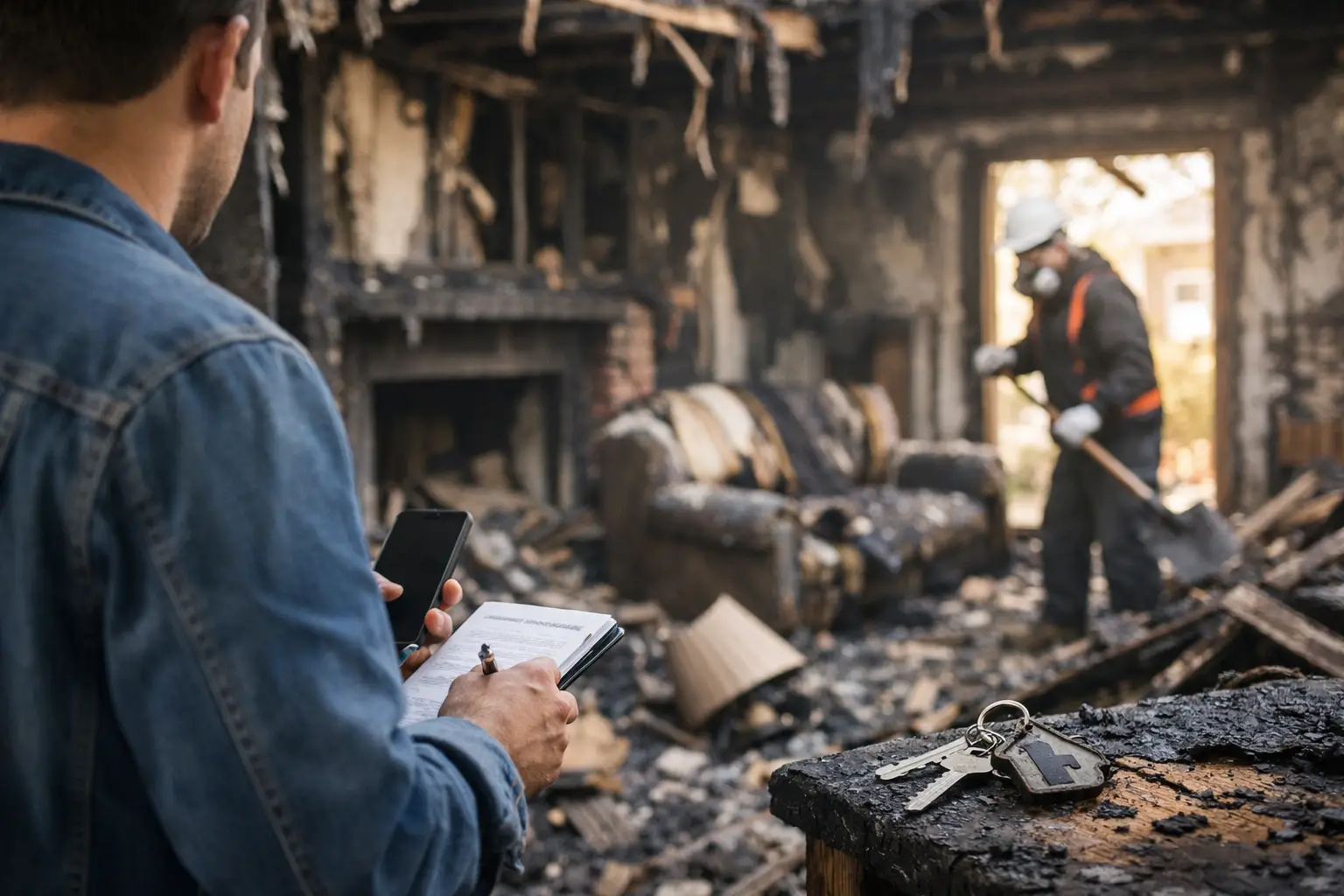 Fire & Smoke
Soot removal, odor deodorization, and content cleaning after fire and smoke damage.
Learn more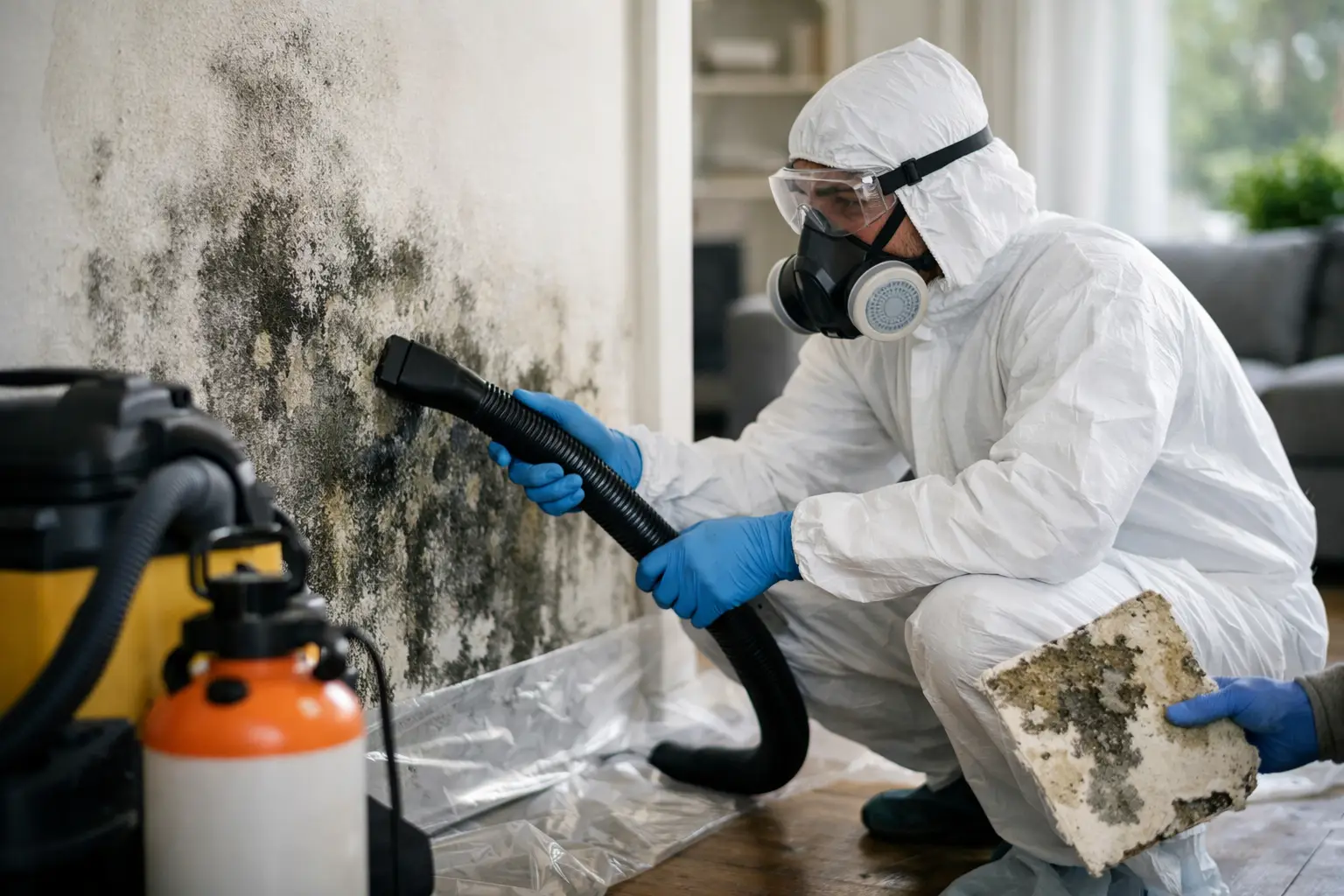 Mold
MoldContainment, removal, and moisture control that stops mold from coming back.
Learn more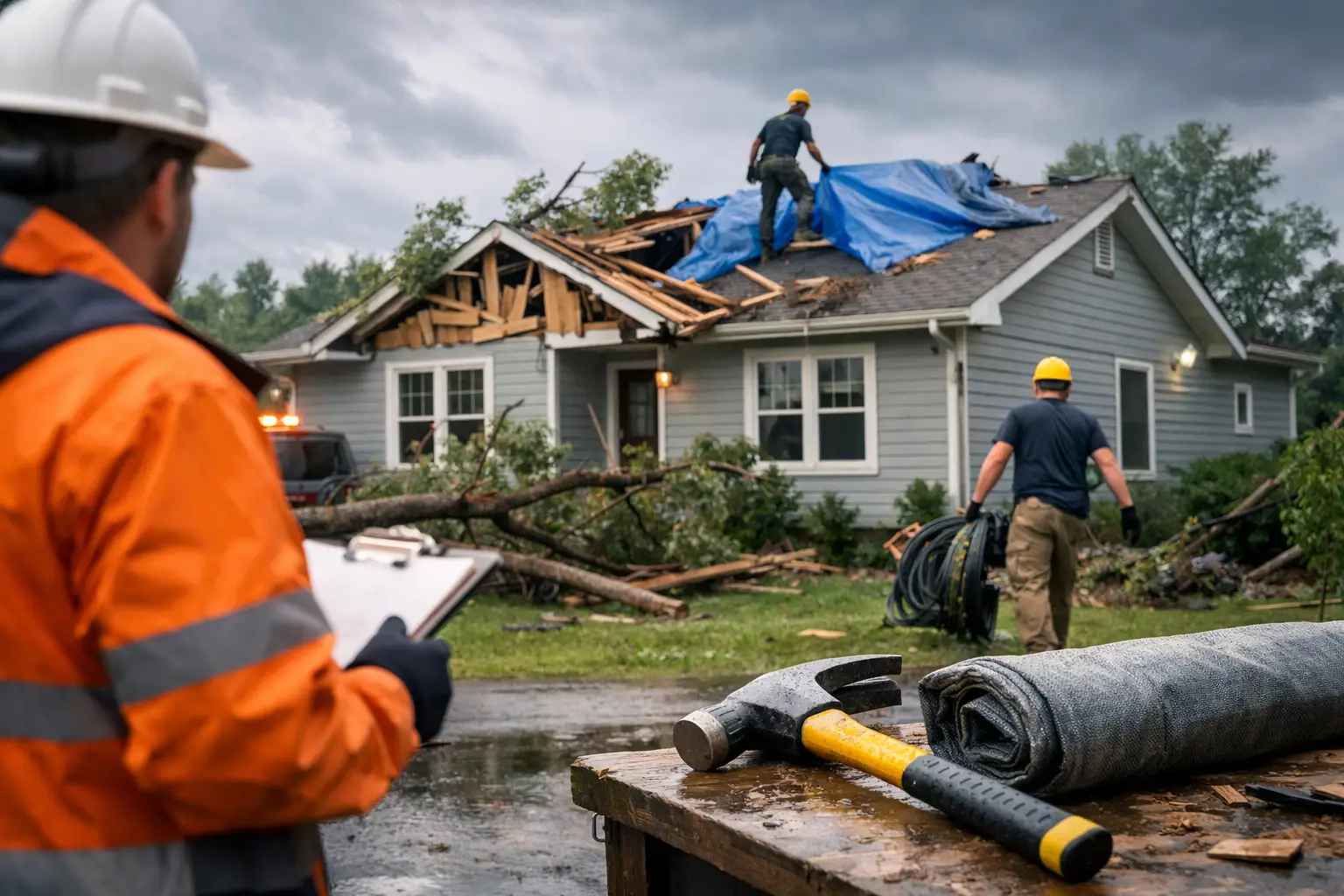 Storm
StormEmergency board-up, roof tarping, and full recovery after wind, hail, and storms.
Learn more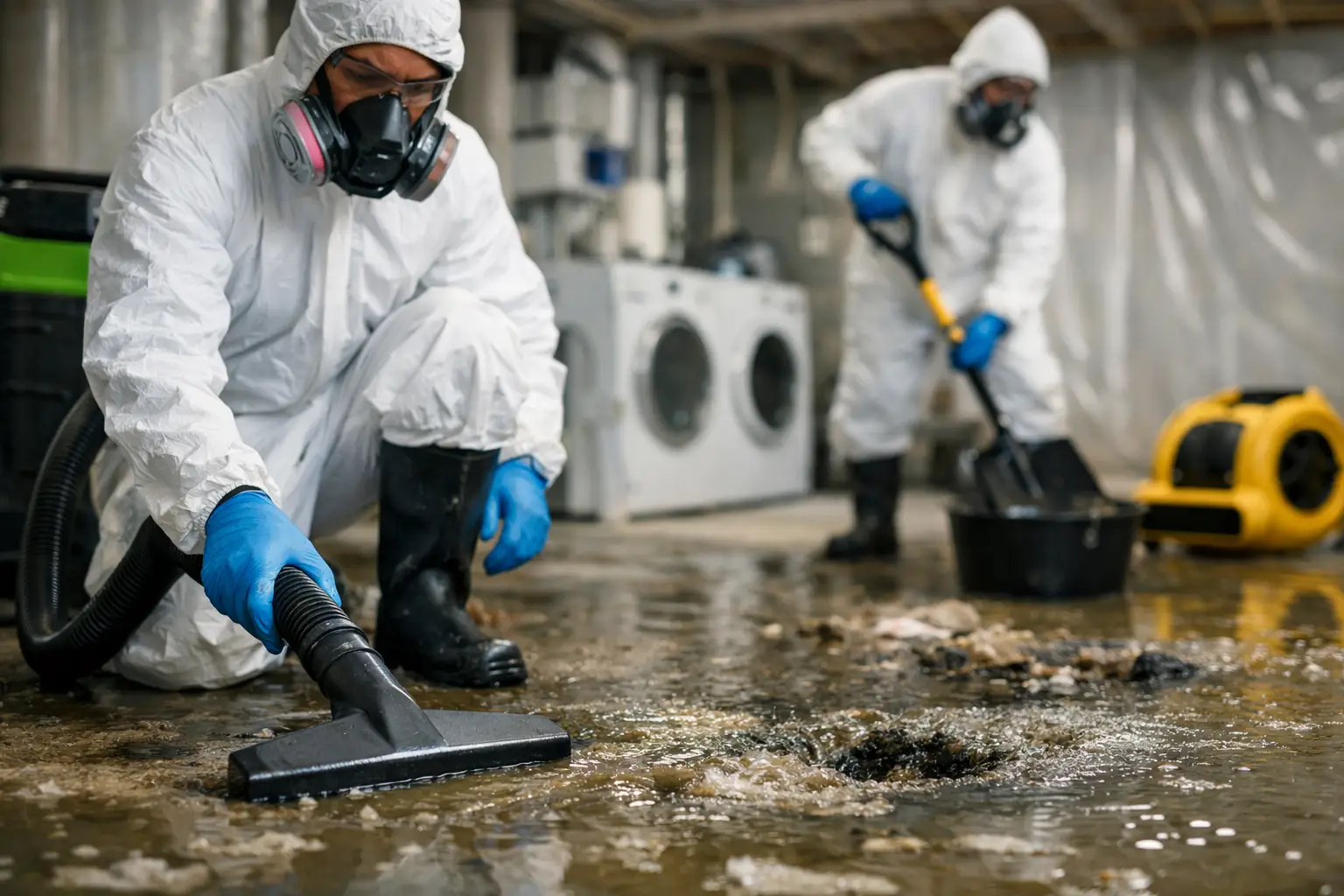 Sewage
Safe biohazard cleanup and sanitizing after sewage backups and overflows.
Learn more Reconstruction
Full rebuild by a licensed general contractor, so your property comes back whole.
Learn moreElevated Operations is an IICRC-certified, licensed general contractor based in Mableton that handles the entire recovery in-house, so after one loss you are never coordinating a cleanup crew, a mold crew, and a contractor separately. One team, one point of contact, from the first pump-out to the final coat of paint.
People call when the property feels like a disaster. They leave reviews because Chris and the crew made it right. These are real, verified Google reviews.
Start by keeping people out of standing water, then stop the source if that can be done safely. Call for flooded basement cleanup right away. In Riverdale, where older subdivisions can hold moisture in hidden areas, waiting even a little can turn a manageable water issue into a much larger drying and repair job.
I start with flood water extraction, then check for trapped moisture in carpet, drywall, trim, and storage areas. Older Riverdale basements often need wet carpet removal, moisture mapping, and controlled basement drying because the building materials and layout can hold water after the floor looks clear.
Yes. Mold can start in 24 to 48 hours if wet materials stay damp. In Riverdale and nearby Clayton County areas, older basements can trap moisture behind walls and under flooring, so mold prevention means fast cleanup, full drying, and removing materials that cannot be dried safely.
It depends on what got wet, how much water entered, and what materials are affected. I never guess. After basement water removal, I check hidden areas and continue basement drying until moisture is under control. That is especially important in older homes near the airport, where airflow is often limited.
Possibly. Bad odor is a warning sign, but it is not the only one. If sewage backup cleanup is involved, the cleanup changes because contaminated water affects materials differently. I inspect the source, document the damage, and separate salvageable items from porous materials that should come out.
Not always. Wet carpet removal is often the right call if the pad soaked through or if the water was contaminated. In Riverdale, carpet can look fine on top while staying wet underneath, which slows drying and raises mold prevention concerns if it is left in place.
Often, yes, depending on the cause and policy terms. I offer direct insurance billing, and I help with deductible assistance up to $1,000 when applicable. That way, homeowners are not stuck managing cleanup, documentation, and carrier communication all at once after a basement flood.
I do, with IICRC-certified technicians, a licensed general contractor on the job, and a 12-month warranty behind the work. Elevated Operations, LLLP is based in Mableton, and I bring the same direct process to Riverdale homes in older subdivisions and near the airport corridor.
Elevated Operations dispatches IICRC-certified crews across Metro Atlanta from our Mableton base, with a 60-minute emergency response day or night. Choose your city:
Call now for an immediate response, or request your free inspection and get a certified crew on-site within the hour across Atlanta and nearby areas.