24/7 Emergency Restoration · Serving Metro AtlantaEmergency? (770) 404-6895
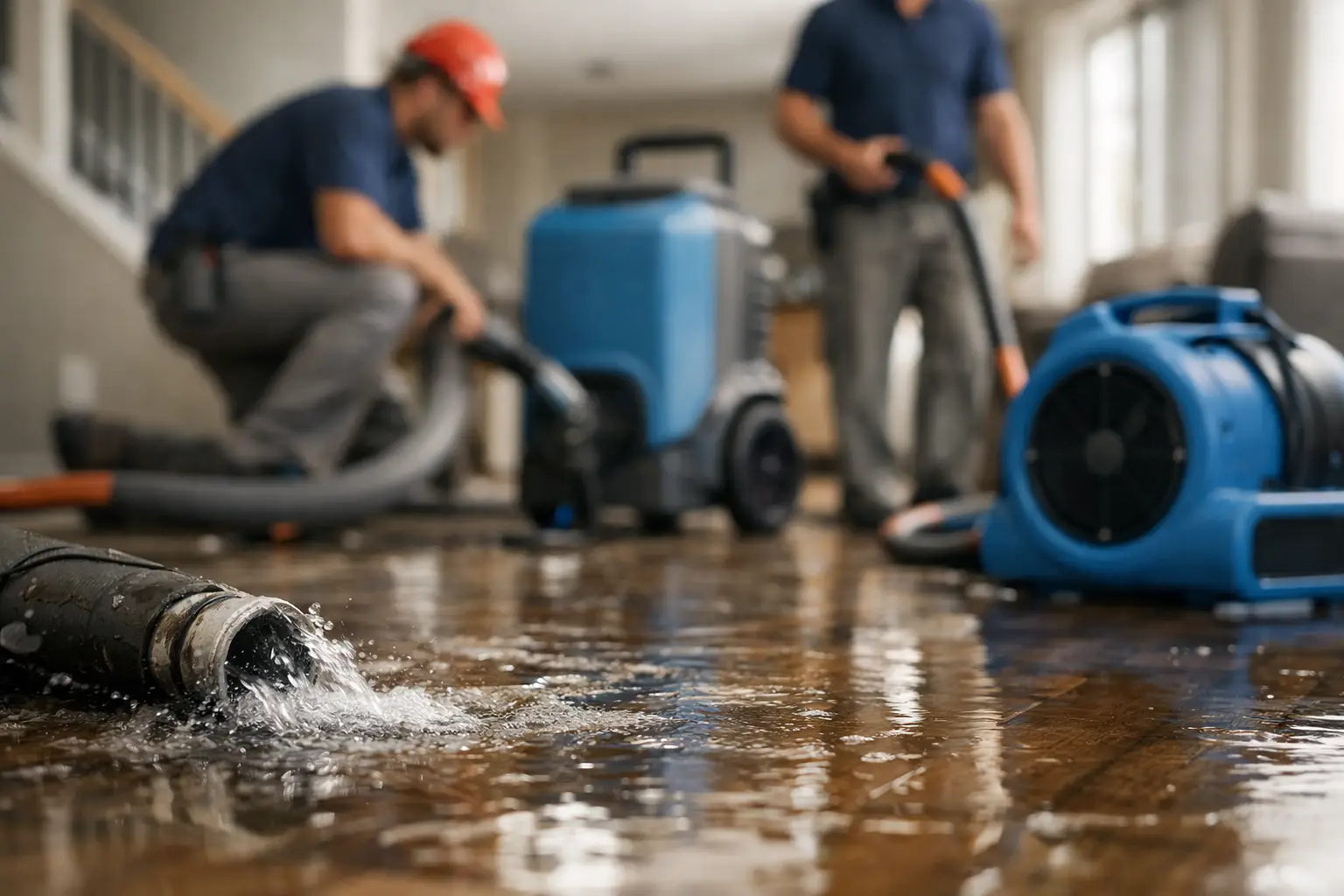
Water mitigation services Jonesboro starts with stopping the water, then drying the structure the right way. I am Chris Kwangwari, and my team at Elevated Operations, LLLP handles water extraction, dehumidification, containment, and structural drying across Jonesboro, from older heart-pine homes near the historic core to properties influenced by the Flint River corridor.
IICRC-Certified · 5-Star Rated · 60-Minute Response · Insurance Billed Directly
I do, Chris Kwangwari. I am the owner, and I run the company with a contractor’s eye on the structure and a restoration mindset on the loss.
We hold a 4.9-star Google rating from 73 reviews. I care about that number because it reflects the way we handle real losses, not marketing talk.
I serve Cobb, Fulton, DeKalb, Douglas, Clayton, Henry, and Paulding counties. Jonesboro falls within that service area, and I respond from our Mableton base.
Yes. I provide 60-minute emergency response 24/7. Water damage does not wait for business hours, and neither do I.
First, shut off the water if you can do it safely, then call me for water mitigation services. I move quickly with 24/7 emergency response, because standing water keeps spreading into flooring, subfloors, and wall cavities. If the source is near electrical equipment, stay out of the area and wait.
Jonesboro has a lot of older character, and that means water can move fast into heart-pine floors, trim, and hidden framing. I start with a clear look at the source, the affected rooms, and the materials that can still be saved before the damage spreads farther.
If the loss is near the Flint River side of town, humidity can make the drying process trickier. That is why I do not rush to tear things out first. I look for the path the water took, then choose the right water damage mitigation steps for the structure.
You do not need to guess. Call us, and I will send IICRC-certified technicians who know how to stabilize the loss, document what happened, and start the right containment and water extraction work without wasting time.
Water mitigation services include stopping the spread, removing standing water, setting containment where needed, and starting structural drying. My crew also checks hidden moisture, stages drying equipment, and documents the loss for direct insurance billing. The goal is simple, reduce damage now so restoration later is smaller and cleaner.
I do not treat mitigation like a guessing game. I inspect the affected materials, decide what can stay, and build a plan around water extraction, dehumidification, and moisture control. That is how I protect floors, baseboards, drywall, and the framing behind them.
In Jonesboro, homes near the historic center may have older finishes that react differently than newer construction. Heart-pine can hold moisture in place, so I pay close attention to hidden cavities and monitor drying equipment until the readings make sense.
And when the loss involves insurance, I keep the paperwork clean. Elevated Operations, LLLP offers direct insurance billing, and I work from the first visit through the final report so the claim does not stall because of sloppy documentation.
Water mitigation should start immediately, because delay increases the area affected and gives moisture more time to soak into materials. I offer 60-minute emergency response 24/7, and I do not wait for small leaks to become major structural problems. Fast loss mitigation is the point.
Water does not sit still. It wicks into wood, runs under floors, and hides in wall cavities long before a homeowner sees the full problem. In Jonesboro, especially in older homes, that delay can turn a manageable cleanup into a bigger structural drying job.
I have been in restoration since 2007, and the pattern is always the same. The quicker we start, the more control we have over containment, water extraction, and the amount of material that needs to be removed later.
If you are near the Flint River or dealing with a property that already holds humidity, do not wait until the room smells wet. Call right away, and I will get the process moving before the damage has time to harden.
During water mitigation, I inspect, document, extract water, set containment if needed, and begin drying the structure with professional equipment. I check affected areas with moisture meters, track progress, and adjust the setup until the materials are drying correctly. You get a step-by-step process, not a rushed cleanup.
Step one is inspection and scope. I want to know where the water started, where it traveled, and what it touched. Then I decide on the right containment boundaries, especially if the job affects multiple rooms or areas with old framing and hardwood.
Step two is removal. Standing water gets pulled out, wet contents are separated from salvageable items, and drying equipment goes in where it will do the most good. I do not overcomplicate it. I remove the water, control the airflow, and get to work.
Step three is verification. I keep checking moisture levels until the structure is where it should be. That is the part many people skip, and it is exactly why hidden water damage keeps coming back later in Jonesboro homes.
No, water mitigation is the urgent first phase, and water restoration is the repair phase that follows. I handle mitigation to stop ongoing damage, dry the structure, and prepare the property for reconstruction. Restoration may include finishing work later, but mitigation is what protects the building first.
People use the terms interchangeably, but they are not the same job. Mitigation means reducing the damage now with water extraction, dehumidification, containment, and structural drying. Restoration means repairing what cannot be saved after the space is stable and dry.
In an older Jonesboro property, that difference matters. If heart-pine trim or flooring is still holding moisture, you do not want to jump ahead to repairs. First I stabilize the loss, then I decide what the next phase should look like.
I am a licensed general contractor, so I understand both sides of the job. But I never confuse the steps. Good loss mitigation sets up better restoration, and skipping it usually costs more trouble later.
I dry older Jonesboro buildings by matching the equipment and airflow to the materials, then watching the moisture readings closely. Heart-pine, plaster, and older framing need a careful approach. I use drying equipment, moisture control, and containment when needed so the structure dries without unnecessary demolition.
Older construction deserves respect. Too much heat, too much air, or the wrong drying setup can push moisture deeper into wood and hide the problem behind a fresh-looking surface. I take the measured route because that is the one that actually works.
Jonesboro has historic areas where materials behave differently than newer tract homes. Heart-pine can be dense and stubborn, and moisture may linger in wall cavities or under flooring longer than people expect. That is where experience matters.
I choose structural drying based on the building, not a template. My crew is IICRC-certified, so we know how to balance airflow, dehumidification, and containment while keeping the job focused on the structure itself.
You call (770) 404-6895, and I get the details on the water source, affected rooms, and whether the property is safe to enter.
My team arrives with a plan, checks the visible damage, and maps where moisture has spread through floors, walls, and hidden spaces.
We remove standing water quickly, separate salvageable materials, and start containment if the loss could spread to other parts of the structure.
We place drying equipment, set dehumidification, and begin moisture control so the structure can dry in a controlled, measurable way.
We keep monitoring readings, adjust airflow and equipment as needed, and verify that structural drying is actually happening in the affected materials.
We document the loss, offer direct insurance billing, and keep the file organized so the claim and next repair phase do not get stuck.
From emergency mitigation to full reconstruction, handled in-house so you are never managing a chain of subcontractors mid-crisis.
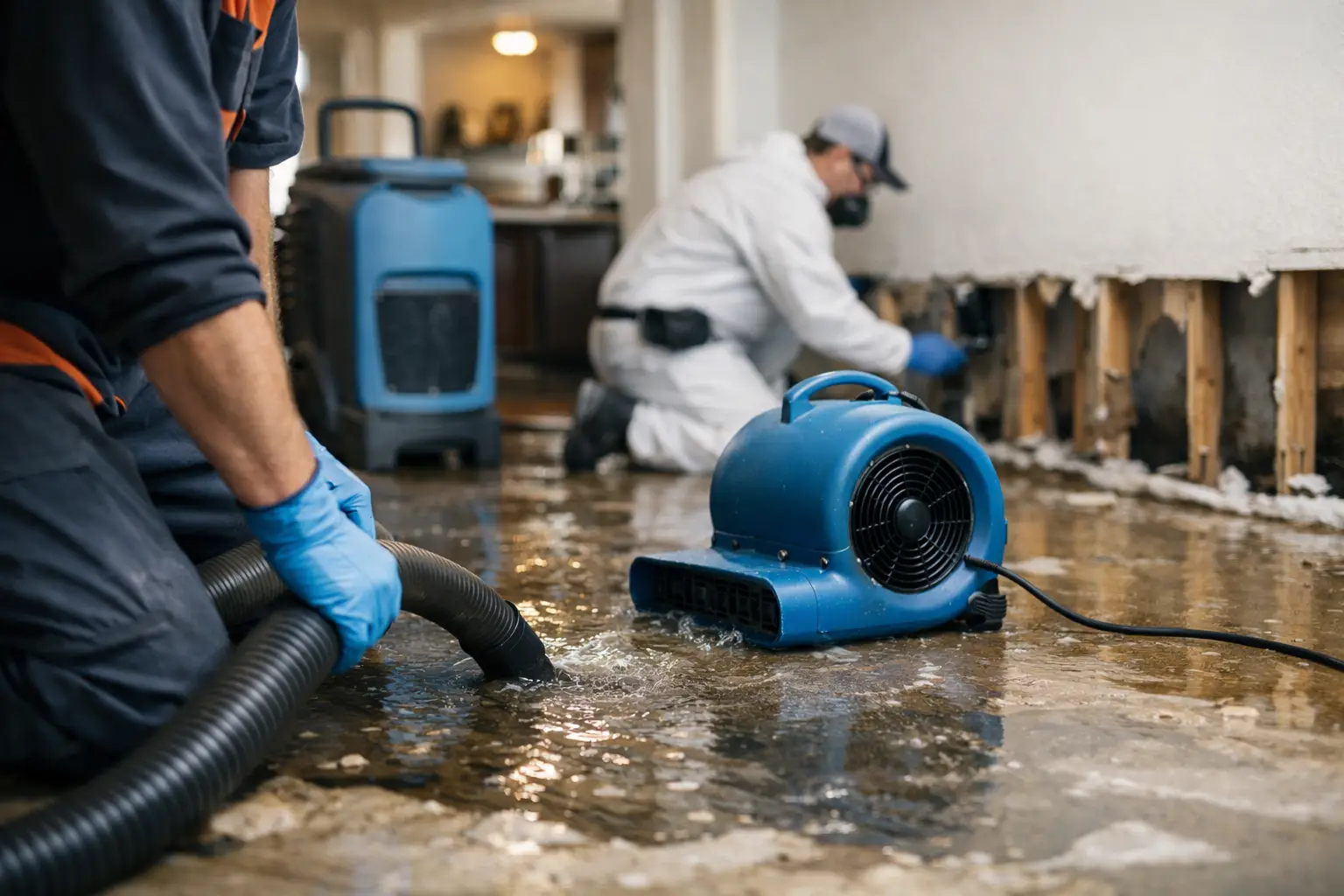 Water Damage
Extraction, structural drying, and moisture mapping after floods, leaks, and burst pipes.
Get help now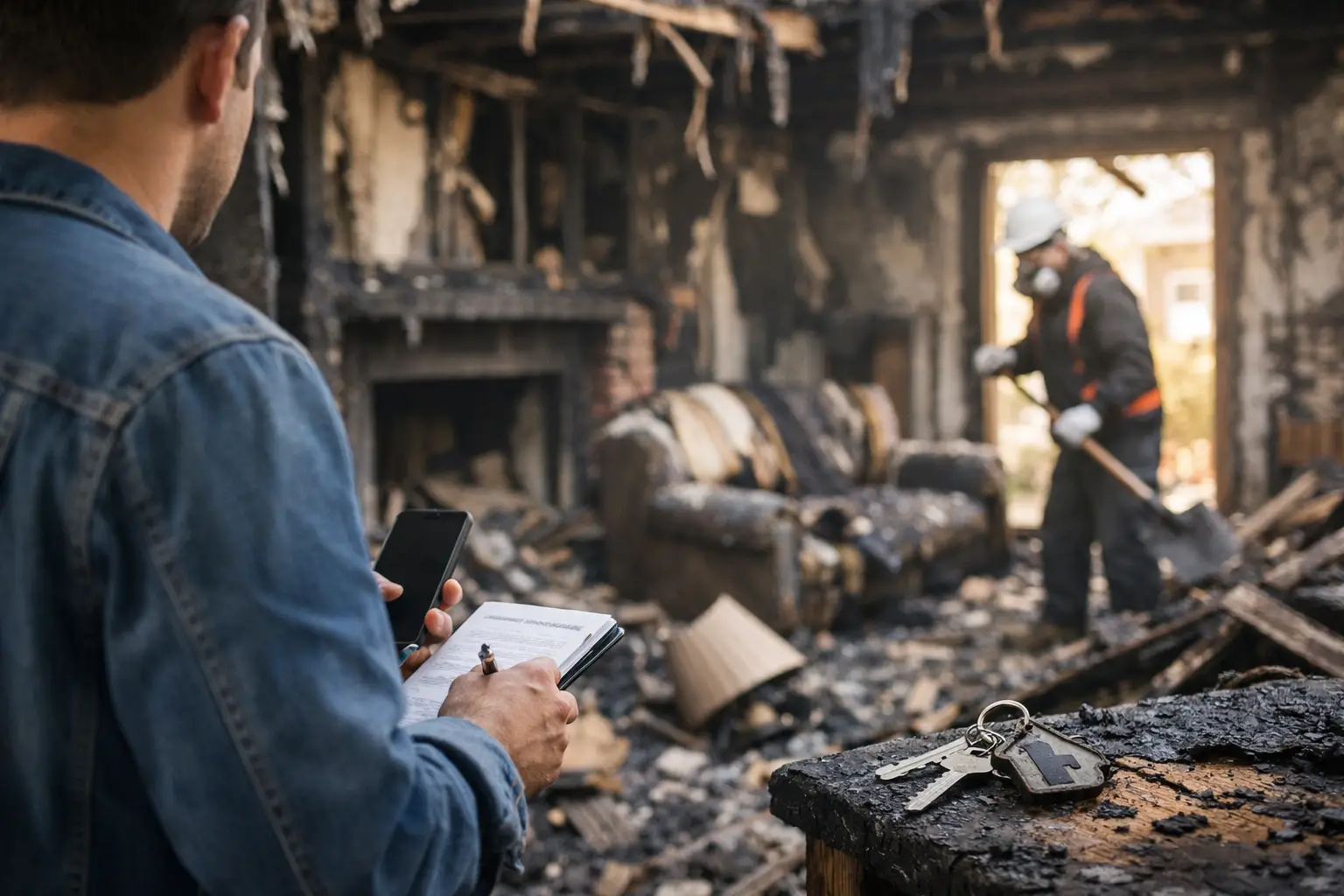 Fire & Smoke
Soot removal, odor deodorization, and content cleaning after fire and smoke damage.
Learn more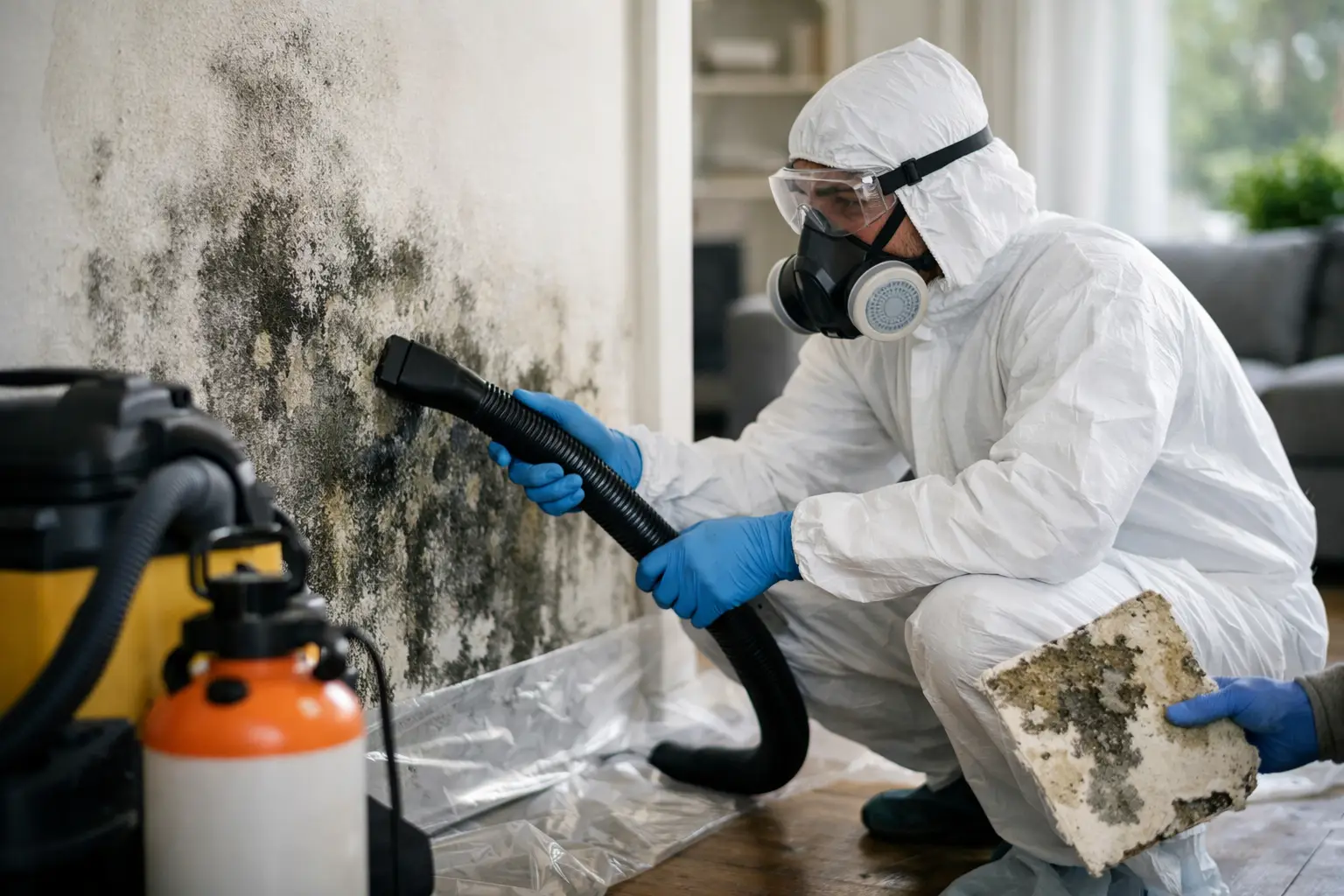 Mold
MoldContainment, removal, and moisture control that stops mold from coming back.
Learn more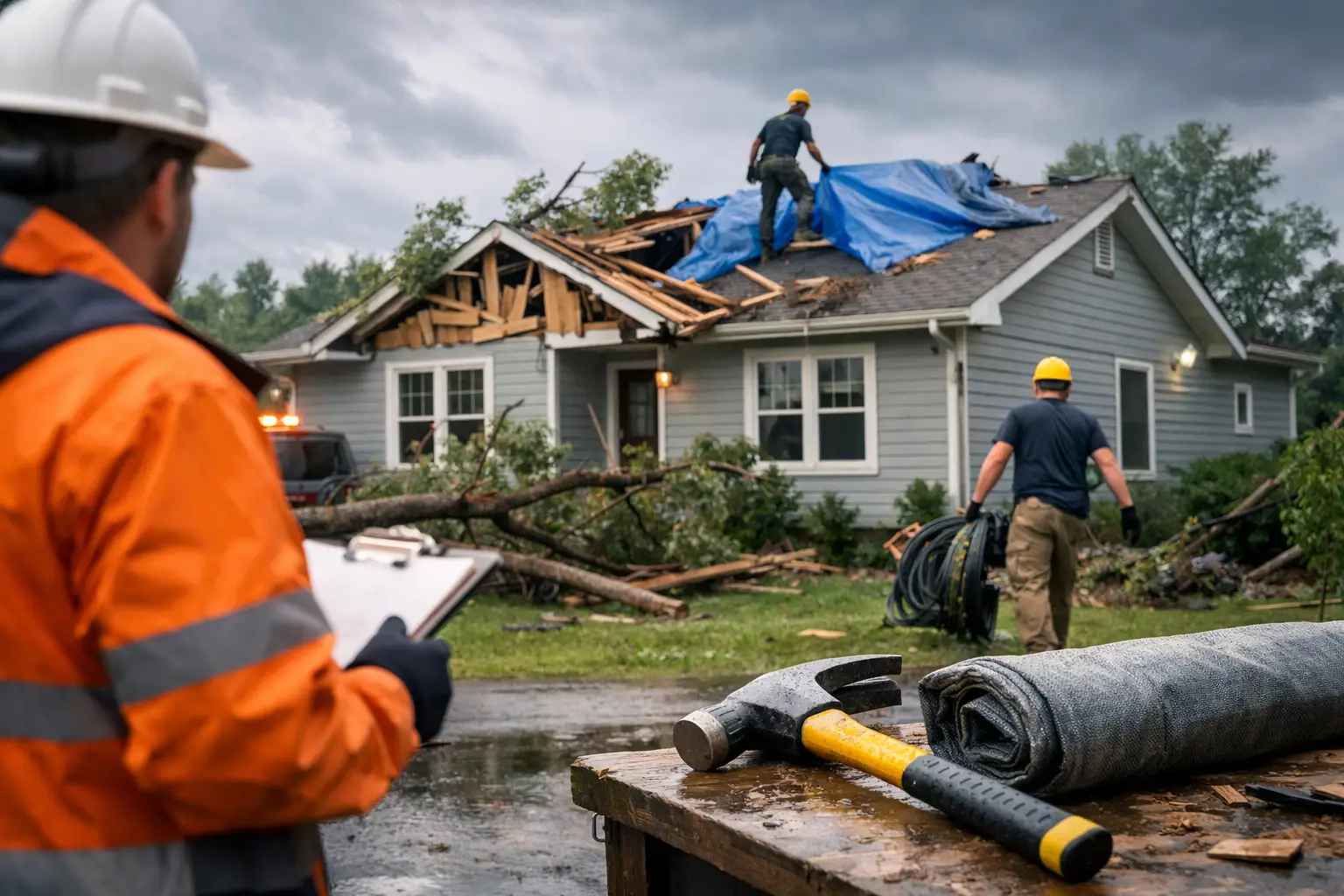 Storm
StormEmergency board-up, roof tarping, and full recovery after wind, hail, and storms.
Learn more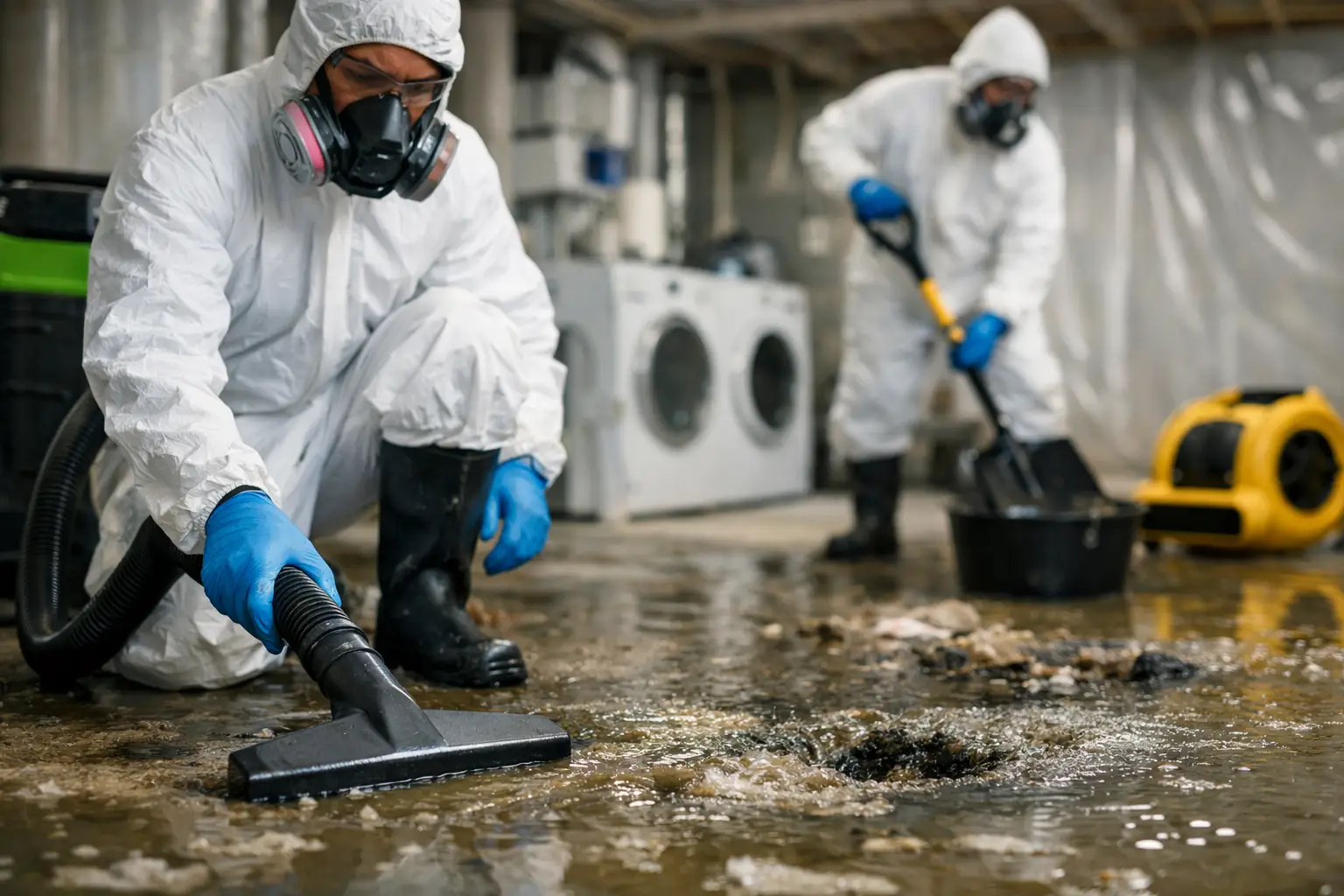 Sewage
Safe biohazard cleanup and sanitizing after sewage backups and overflows.
Learn more Reconstruction
Full rebuild by a licensed general contractor, so your property comes back whole.
Learn moreElevated Operations is an IICRC-certified, licensed general contractor based in Mableton that handles the entire recovery in-house, so after one loss you are never coordinating a cleanup crew, a mold crew, and a contractor separately. One team, one point of contact, from the first pump-out to the final coat of paint.
People call when the property feels like a disaster. They leave reviews because Chris and the crew made it right. These are real, verified Google reviews.
Yes, I do. Jonesboro’s older homes often have heart-pine flooring, older framing, and finishes that need a careful response, not a blunt one. I inspect the structure, start water extraction, and use drying equipment that fits the building instead of forcing a one-size-fits-all approach.
Yes. Properties near the Flint River can hold moisture longer, and that makes dehumidification and moisture control especially important. I respond 24/7, document the loss, and start the mitigation steps that keep the water from settling deeper into the structure.
I would treat that as urgent. Heart-pine can take on moisture in ways that are not obvious at first glance, especially in older homes. I inspect the floors, check adjacent walls and subfloors, and decide whether containment or structural drying is needed to keep the damage from spreading.
I handle it directly with the carrier once the mitigation work is underway and documented. That means I keep the claim file organized, note the affected areas, and avoid leaving you to sort out the paperwork alone while the property still needs drying and stabilization.
Yes. My technicians are IICRC-certified, and that matters because water mitigation is not just pulling up wet material. It is inspecting, measuring, drying, and documenting the job properly so the building can move from emergency response into the next phase with fewer surprises.
I back my work with a 12-month warranty. That does not replace proper drying or good monitoring, but it does show that I stand behind the mitigation process and the work my crew performs on the property.
Yes, deductible assistance up to $1,000 is available. I keep that conversation straightforward and tied to the actual job, because the main goal is still proper loss mitigation, thorough drying, and a clean handoff to the next phase if repairs are needed.
Jonesboro is within my service area. Elevated Operations, LLLP is based in Mableton and serves Clayton County along with Cobb, Fulton, DeKalb, Douglas, Henry, and Paulding counties. If you call, I can get the process started and move the job into motion.
Elevated Operations dispatches IICRC-certified crews across Metro Atlanta from our Mableton base, with a 60-minute emergency response day or night. Choose your city:
Call now for an immediate response, or request your free inspection and get a certified crew on-site within the hour across Atlanta and nearby areas.