24/7 Emergency Restoration · Serving Metro AtlantaEmergency? (770) 404-6895
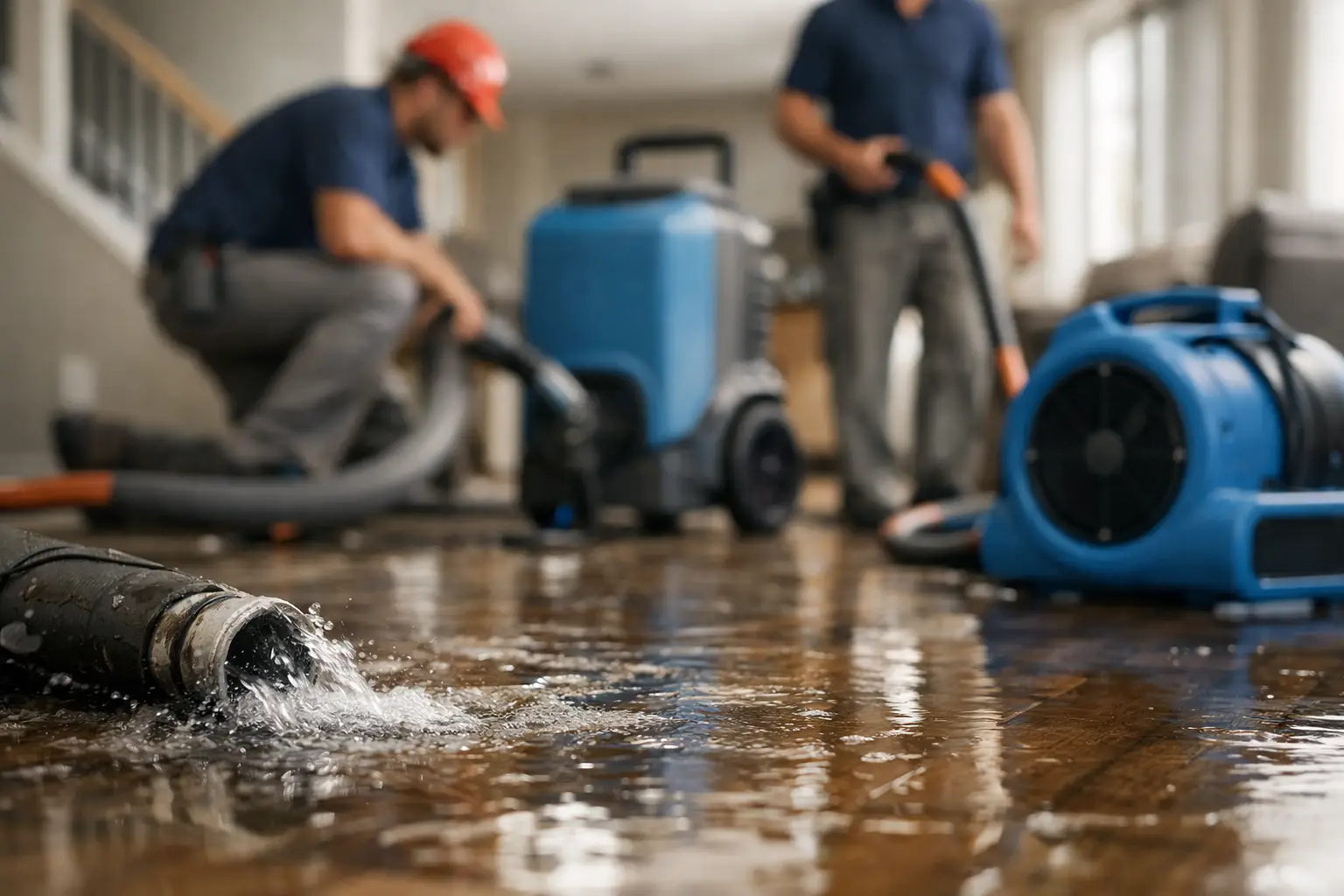
A disaster reconstruction contractor in Atlanta handles the rebuild after damage is stabilized, from structural repairs and framing repair to drywall installation, flooring replacement, and full rebuild work. In intown bungalows and creek basements, that often means correcting hidden damage before the house can safely go back together.
IICRC-Certified · 5-Star Rated · 60-Minute Response · Insurance Billed Directly
Yes, when the damage is severe enough, we manage property reconstruction from structural repairs through finish work. I keep the sequence tight so the rebuilt area is sound, not just cosmetically fixed.
Creek basements need careful inspection because moisture can linger in framing and flooring. I look for hidden damage, then plan the reconstruction around what actually failed.
Yes. We offer direct insurance billing, and that helps keep cleanup and rebuild documentation aligned with the claim.
We back our work with a 12-month warranty. If something was repaired, I want it to hold up.
A disaster reconstruction contractor in Atlanta rebuilds the parts of a property damaged by water, fire, storms, or collapse after the site is safe to work. I coordinate property reconstruction, structural repairs, and finish work so the home is put back in the right order, not just patched fast.
Atlanta homes need that sequence because damage often hides behind plaster, old siding, and crawlspace access. In intown bungalows, a roof leak may show up as stained ceilings, but the real issue can be framing repair in the attic or saturated insulation around a chimney chase.
In creek basements, water can travel under the slab edge and into wall cavities before anyone notices. That is why reconstruction is different from cleanup. Cleanup removes water and debris. Reconstruction returns the building envelope, rooms, and finishes to a usable condition.
A good rebuild plan may include roof repair, drywall installation, flooring replacement, and a full rebuild where the structure is too compromised to simply patch. The goal is not cosmetic cover-up. The goal is to restore the home so the damage does not keep coming back.
Atlanta homes need reconstruction because local housing types and weather create damage that spreads beyond the obvious wet spot or burn mark. Intown bungalows, older framing, and creek basements can all hide structural or moisture problems that require rebuilding, not surface repairs.
Heavy rain, wind, and plumbing failures can all push water into places that are hard to dry completely. A ceiling stain may look minor, but in an older bungalow it can mean a failed roof deck, damaged insulation, and compromised drywall that needs replacement.
Creek basements are especially vulnerable when stormwater backs up or pressure builds around foundation walls. Once water enters those spaces, flooring, baseboards, and framing can hold moisture long after the visible water is gone. That is where property reconstruction becomes necessary.
Fire and smoke can create another kind of rebuild problem. Soot, heat, and water from suppression efforts can affect framing, cabinets, and subflooring at the same time. In those cases, structural repairs and finish work often have to happen together so the house can be made sound again.
Storms, water, and fire can damage framing, insulation, subfloors, drywall, electrical pathways, and exterior finishes. In Atlanta, that often shows up first in roofs, attic spaces, basements, and lower walls, but the hidden damage is usually what drives the reconstruction scope.
Storm damage can tear shingles, lift flashing, and open the roof system to water intrusion. Once water gets in, it can migrate along beams and wall plates before showing up inside. That is why roof repair and reconstruction often overlap after a major event.
Water damage is especially hard on older intown bungalows with original framing and layered repairs from past decades. The house may look stable on the outside, but moisture can loosen subfloors, damage drywall, and soften wood members that now need framing repair.
Fire damage is more aggressive. Heat can warp materials, smoke can penetrate porous finishes, and suppression water can add a second layer of damage. A rebuild after fire may involve structural repairs, drywall installation, and flooring replacement in multiple rooms, not just the burned area.
You need reconstruction when the damaged area cannot be safely put back without rebuilding key materials or structure. If framing is weakened, drywall is saturated, floors are warped, or the roof system is open, cleanup alone is not enough and reconstruction should begin.
A simple sign is repeated failure. If a wall keeps showing moisture, a floor keeps cupping, or a ceiling keeps cracking after drying, something behind the finish is still wrong. That usually means hidden damage in the structure or assembly that must be rebuilt correctly.
Another sign is loss of integrity. If a storm, leak, or fire has affected multiple layers, like sheathing, insulation, and trim, the repair is no longer a patch. It becomes property reconstruction, and the work has to be sequenced carefully to avoid trapping new problems.
Atlanta homeowners should pay close attention to basements that stay damp and to older bungalows with multiple additions. Those homes can hide older repairs, mixed materials, and previous leaks. Once damage spreads through several layers, a full rebuild may be the honest answer.
Yes, one contractor can handle cleanup and rebuild when the company is set up for both scopes and knows how to coordinate them. That matters because reconstruction has to follow drying, demolition, and inspection, or the finished work may cover over active problems.
I like one coordinated plan because it reduces gaps between teams. Cleanup crews remove damaged materials, but reconstruction crews need to know what was removed, what was saved, and where hidden damage remains. Without that handoff, the rebuild can miss structural issues.
A licensed general contractor with restoration experience can bridge that gap. At Elevated Operations, I use IICRC-certified technicians for the restoration side and direct insurance billing to keep the paperwork moving. That combination matters when the job includes both mitigation and rebuilding.
The repair sequence often includes demo, framing repair, drywall installation, flooring replacement, then finish work and final inspection. If the home needs a full rebuild, the same contractor should understand how each layer affects the next, especially in crawlspace homes and older intown bungalows.
Professional restoration starts with assessing the damage, securing the property, and removing unsalvageable material before rebuild work begins. Then the contractor documents the scope, coordinates insurance, completes reconstruction, and finishes with a final walkthrough and warranty-backed closeout.
The first step is stabilization. That means stopping the source, protecting the home, and figuring out what can be dried or cleaned versus what must come out. In Atlanta, where sudden storms and plumbing issues are common, speed matters because secondary damage can spread quickly.
Next comes the rebuild plan. That can include structural repairs, roof repair, drywall installation, and flooring replacement. For older homes, it may also require matching details so the repaired areas do not stand out from the rest of the house.
Then the contractor completes the property reconstruction in the right order and checks the work at the end. I back our work with a 12-month warranty, and my team has been in restoration since 2007. Good restoration is disciplined. It is not guesswork.
Paint, trim, and drywall can cover wet framing, softened subfloors, or fire-damaged cavities. The surface may look minor while the structure needs real reconstruction.
Intown bungalows, crawlspace houses, and creek basements all fail differently. Older construction can hold moisture in hidden pockets and need more than cosmetic repair.
Drying and debris removal solve one problem. Property reconstruction solves the next one by replacing what cannot be saved and restoring the structure in the right sequence.
Direct insurance billing can keep the process organized when the loss includes both mitigation and reconstruction. It helps document what was damaged and what was repaired.
Rebuild work affects structure, safety, and code compliance. A licensed general contractor and IICRC-certified technicians bring the right mix for restoration and reconstruction.
From emergency mitigation to full reconstruction, handled in-house so you are never managing a chain of subcontractors mid-crisis.
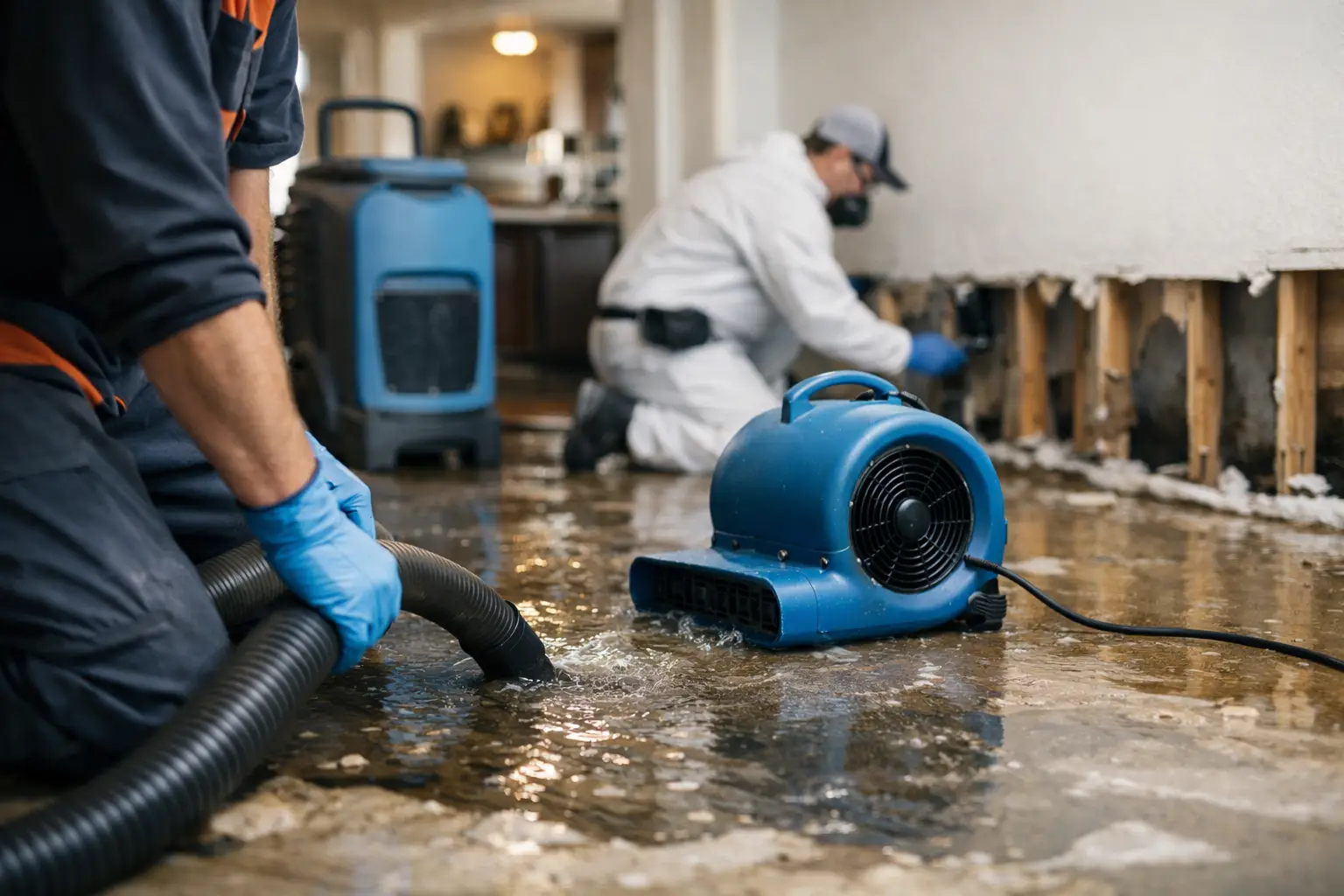 Water Damage
Extraction, structural drying, and moisture mapping after floods, leaks, and burst pipes.
Get help now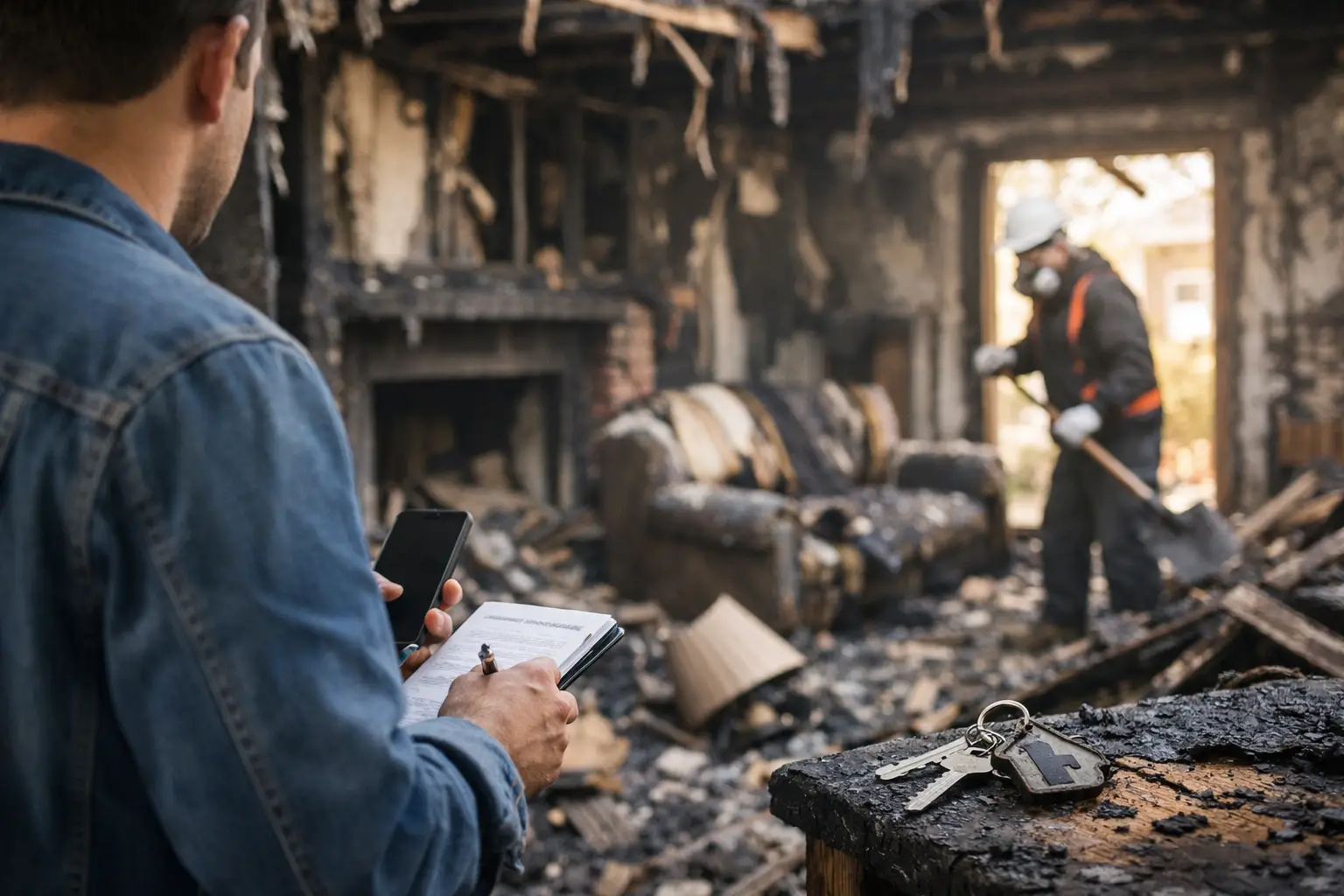 Fire & Smoke
Soot removal, odor deodorization, and content cleaning after fire and smoke damage.
Learn more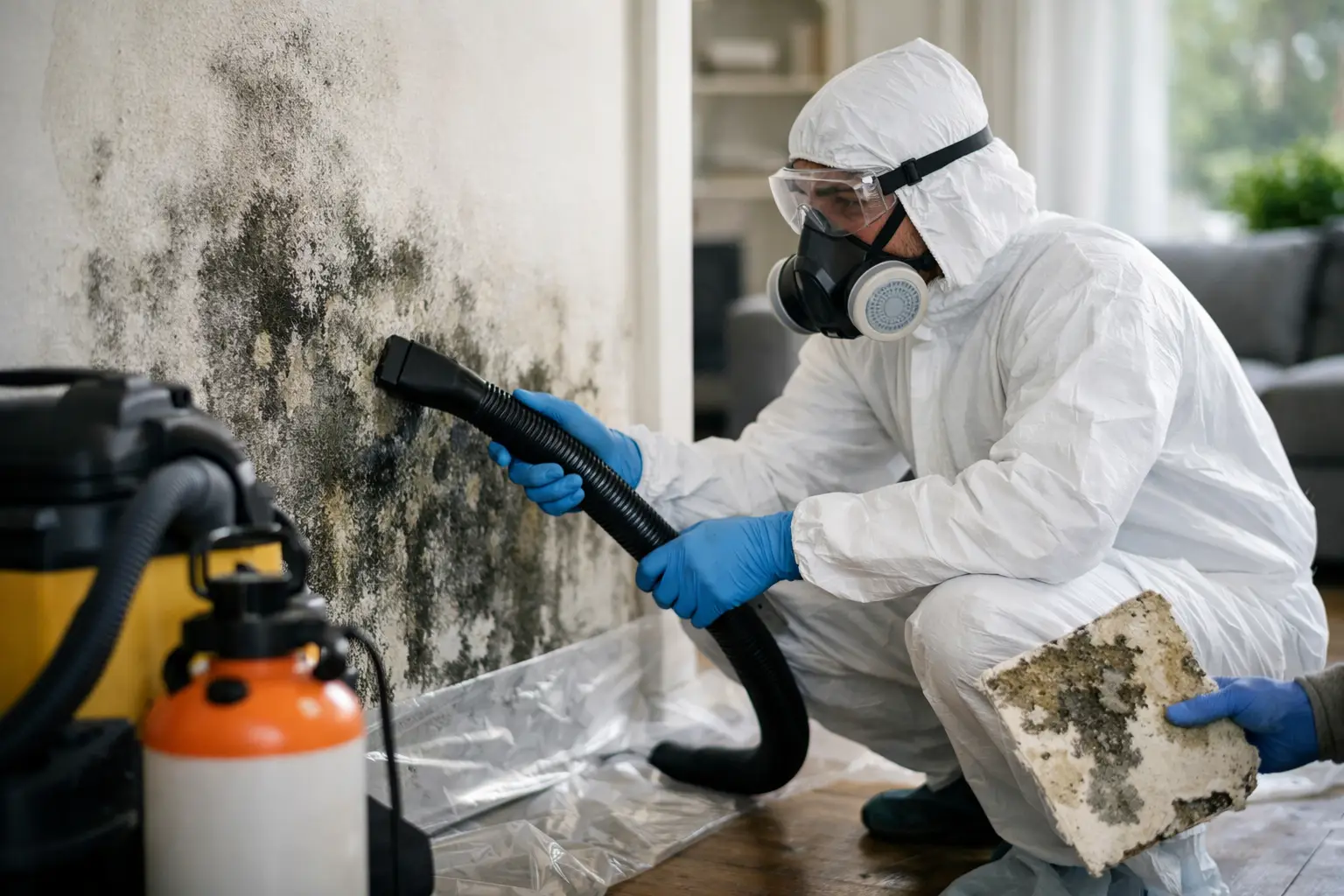 Mold
MoldContainment, removal, and moisture control that stops mold from coming back.
Learn more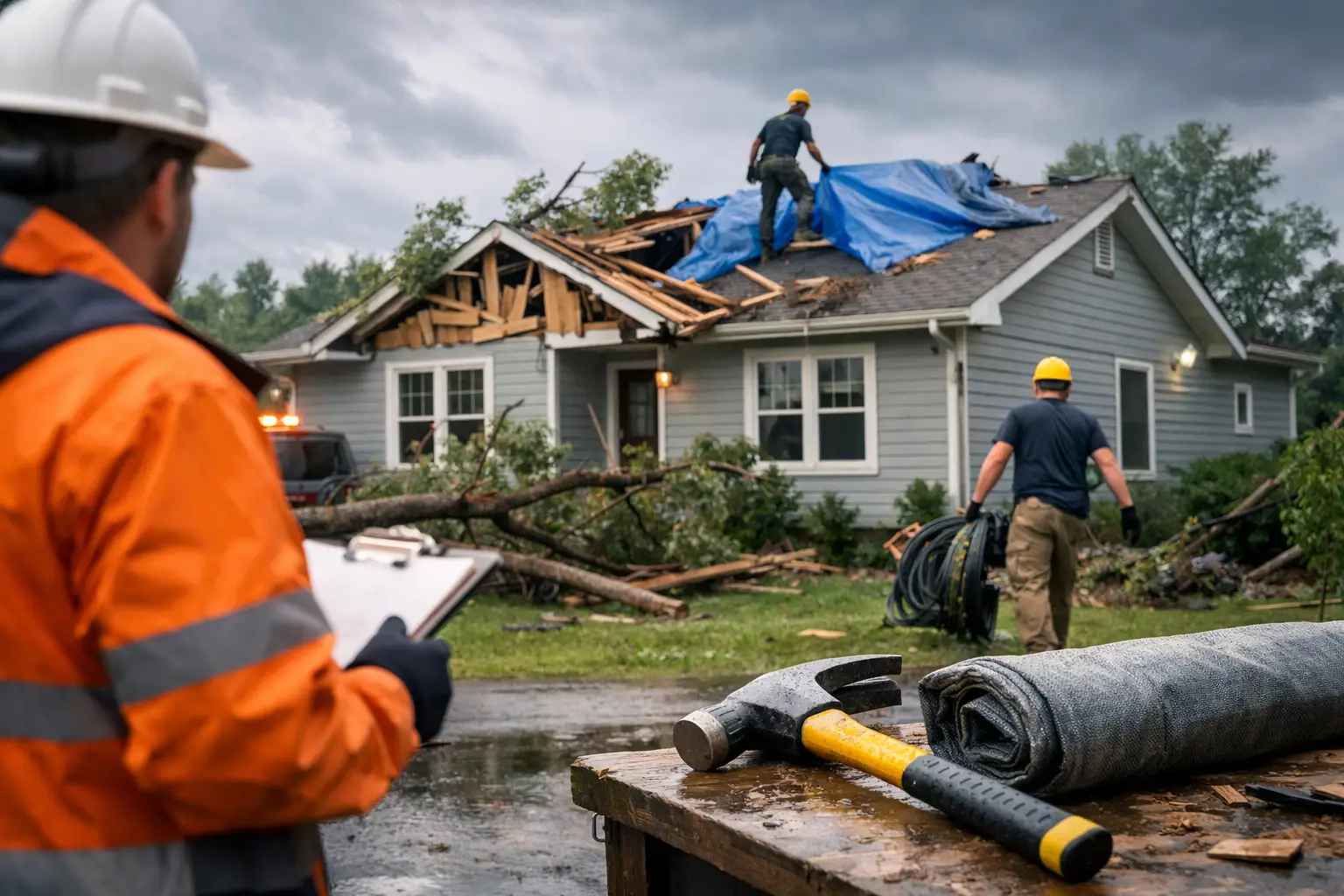 Storm
StormEmergency board-up, roof tarping, and full recovery after wind, hail, and storms.
Learn more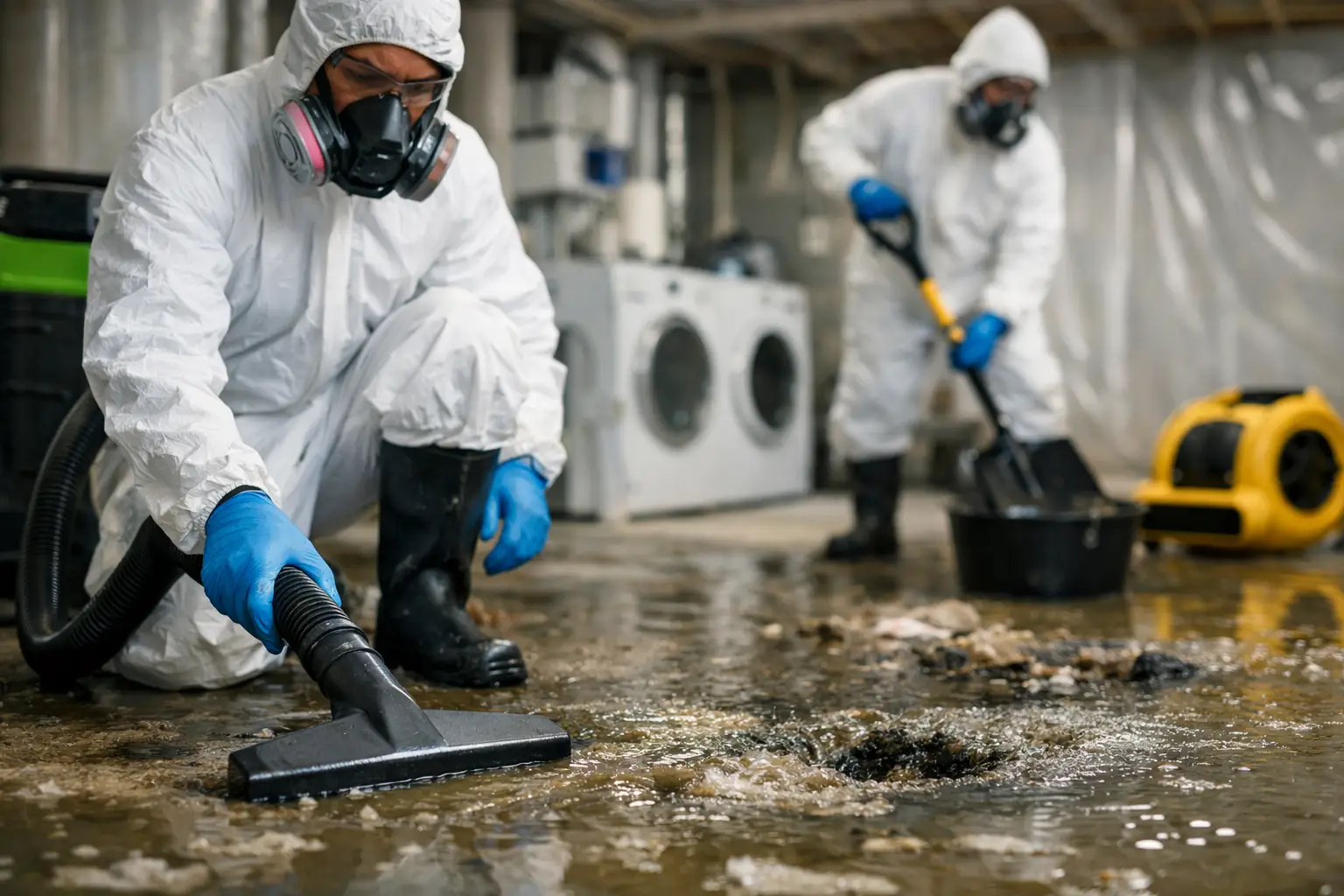 Sewage
Safe biohazard cleanup and sanitizing after sewage backups and overflows.
Learn more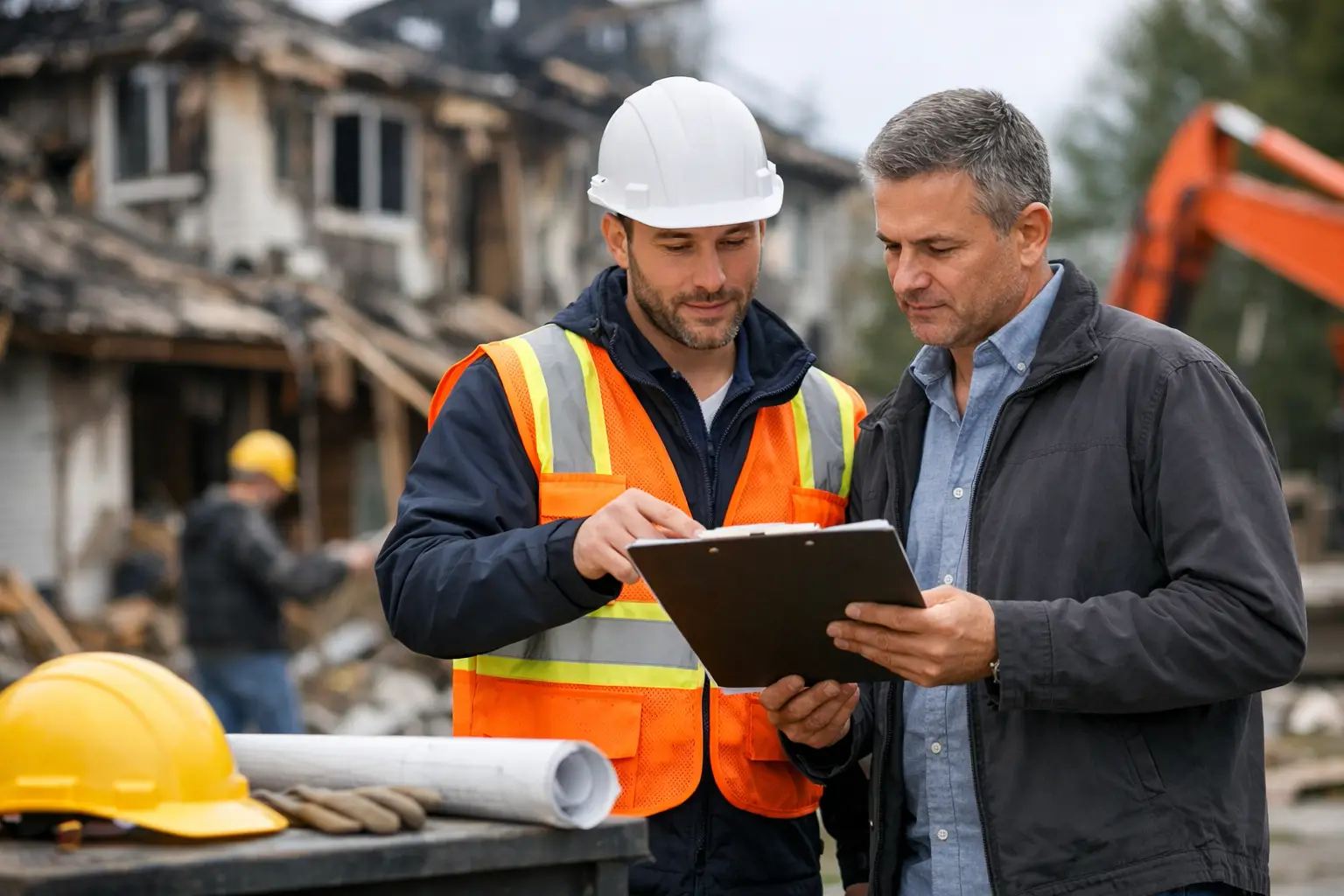 Reconstruction
Full rebuild by a licensed general contractor, so your property comes back whole.
Learn moreElevated Operations is an IICRC-certified, licensed general contractor based in Mableton that handles the entire recovery in-house, so after one loss you are never coordinating a cleanup crew, a mold crew, and a contractor separately. One team, one point of contact, from the first pump-out to the final coat of paint.
People call when the property feels like a disaster. They leave reviews because Chris and the crew made it right. These are real, verified Google reviews.
Intown bungalows often have older framing, layered repairs, and tighter crawlspace or attic access, so the reconstruction plan has to account for hidden damage and matching existing materials. What looks like a small ceiling leak may actually involve roof repair, framing repair, and drywall installation. I look at the whole assembly, not just the visible stain.
Creek basements can collect water from runoff, foundation pressure, or drainage failures, and that moisture lingers in walls, flooring, and framing. The visible water may be gone fast, but the damage underneath is not. That is why a rebuild sometimes follows drying, especially when flooring replacement or structural repairs are needed.
A roof leak can become a larger reconstruction job when water has reached insulation, ceiling framing, and interior finishes. Roof repair may stop the source, but the house still needs drywall installation, possible framing repair, and finish work. The key is to inspect beyond the drip line and check for spread.
Yes. Direct insurance billing is part of how I keep the process moving when the loss is covered. The contractor should document damage clearly, explain the rebuild scope, and coordinate the paperwork so the claim matches the actual property reconstruction. That is especially useful when multiple rooms are involved.
The timeline depends on how much of the building must be removed and rebuilt. A small repair and a full rebuild are not the same thing. What matters is the scope, the drying, the inspections, and any structural repairs. I do not guess at a finish date until I know what is behind the walls.
Professional reconstruction addresses structure, sequencing, and documentation. Handyman patching usually focuses on the visible damage only. If a storm, fire, or leak has affected framing, subflooring, or multiple finishes, the repair needs a licensed general contractor who can manage property reconstruction correctly and stand behind the work.
Not always, but flooring replacement is common when water reaches the underlayment, warps the material, or leaves moisture trapped underneath. In Atlanta homes, especially older ones, the decision depends on the floor type, the subfloor condition, and whether hidden damage spread into the walls or trim.
Call a restoration company that can stabilize the property, document damage, and explain whether cleanup or reconstruction comes next. If the home has structural issues, you want a disaster reconstruction contractor who can manage the rebuild side too. Elevated Operations, LLLP is based in Mableton and responds 24/7 with a 60-minute emergency response.
Elevated Operations dispatches IICRC-certified crews across Metro Atlanta from our Mableton base, with a 60-minute emergency response day or night. Choose your city:
Call now for an immediate response, or request your free inspection and get a certified crew on-site within the hour across Atlanta and nearby areas.




