24/7 Emergency Restoration · Serving Metro AtlantaEmergency? (770) 404-6895
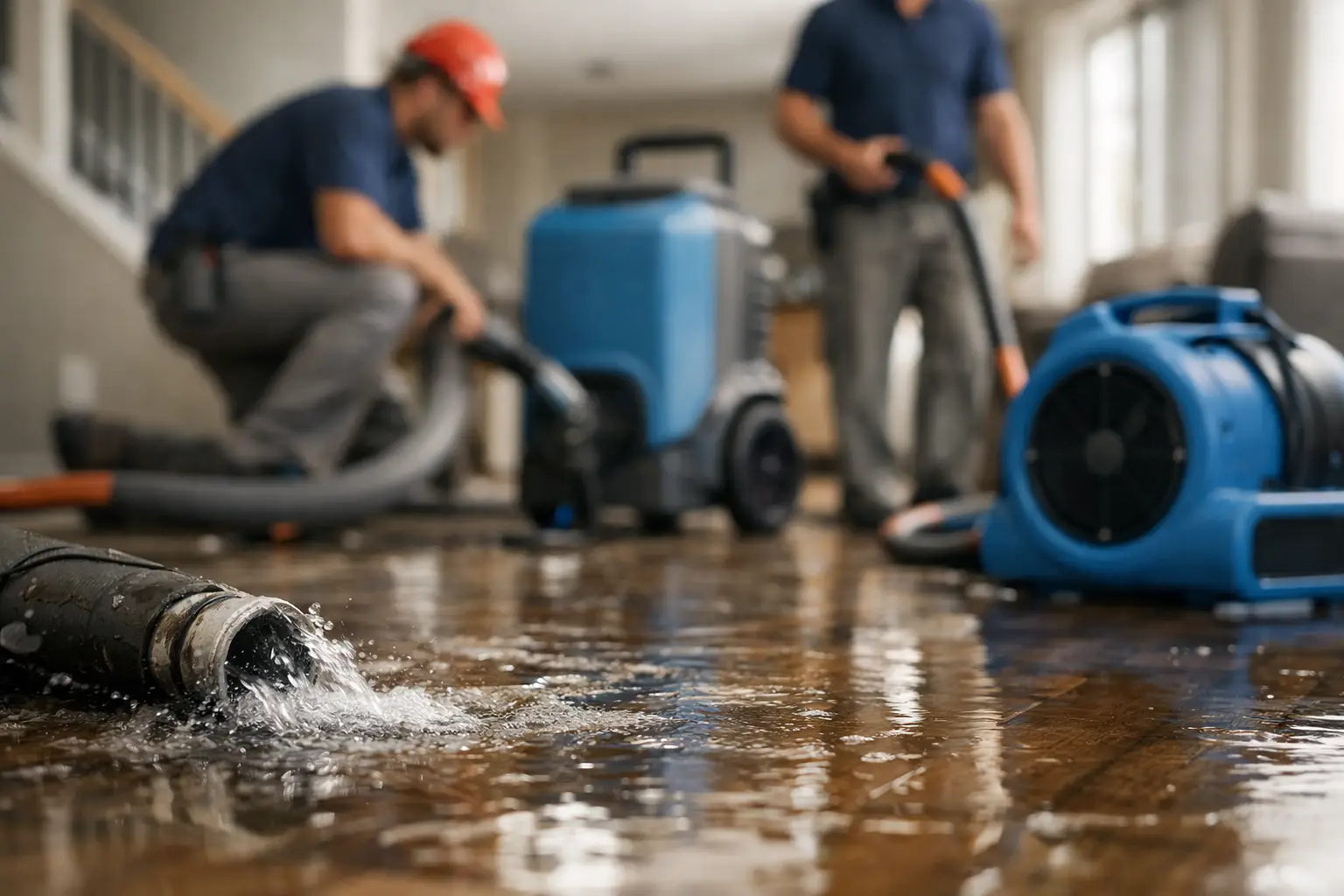
Water extraction and drying Jonesboro means I get the water out, dry the structure, and stop the damage from spreading in your home. I am Chris Kwangwari, owner of Elevated Operations, LLLP, and I handle flooded floors, wet carpet extraction, and structural drying with IICRC-certified technicians.
IICRC-Certified · 5-Star Rated · 60-Minute Response · Insurance Billed Directly
Yes. I offer 24/7 emergency response and a 60-minute emergency response commitment, so I can get water removal started before more damage spreads.
Yes. I use structural drying and moisture monitoring to protect heart-pine materials and other older finishes while still moving the job forward.
Yes. I provide direct insurance billing and keep the claim side organized while the drying work is underway.
I do. I am Chris Kwangwari, owner of Elevated Operations, LLLP, and I bring licensed general contractor oversight to the job.
Water extraction and drying starts with finding what got wet, removing standing water, and setting the right drying plan for your home. In Jonesboro, that matters in older heart-pine houses and newer builds alike, because hidden moisture can move fast through floors, walls, and trim.
I begin with a direct inspection, then I use water removal equipment to pull out visible water before it spreads deeper. After that, I place air movers and dehumidification equipment to push moisture out of materials instead of letting it sit in the structure.
Jonesboro homes near the Flint River can deal with heavy runoff and stormwater, while older houses with heart-pine framing can hold moisture in ways that are not obvious at first glance. That is why I do not guess. I measure, dry, and verify.
The drying process is not just about the surface. I watch the structure, the cavities, and the materials around the loss so the fix is complete. If I see wet carpet extraction needs, I take care of that early, because wet padding keeps feeding the problem.
I use extraction equipment, air movers, dehumidification equipment, and moisture monitoring tools to dry the home correctly. That combination is what gets water out, moves moisture through the air, and confirms the structure is actually drying instead of only looking dry.
For standing water, I use the right extraction setup first. Then I place air movers to keep air moving across wet flooring, baseboards, and framing. Without that airflow, trapped moisture lingers in corners, under carpet, and behind cabinets.
Dehumidification matters in Jonesboro because humid air slows the drying process. I want the indoor air pulling moisture out of materials, not holding it there. That is especially important in older homes where wood can absorb water and stay swollen longer.
I also use moisture monitoring during the job, because a dry-looking room is not proof. Homes near historic districts, older street grids, and the Flint River corridor can hide moisture in places you do not expect. I verify what the tools are telling me.
Drying time depends on what got wet, how much water entered the home, and how fast the loss was addressed. I do not promise a fixed timeline, because every Jonesboro job is different, especially when water reaches subfloors, walls, or older heart-pine materials.
What I can say is that the drying process should start quickly. Water starts causing more problems as it sits, and mold can start in 24 to 48 hours. That is why I push for fast water extraction and immediate drying setup.
A small supply line leak may dry differently than a flooded room after a storm. If water got under carpet, into trim, or down wall cavities, the job takes more than a surface dry-out. Moisture monitoring tells me when the structure is actually ready.
Homes in Jonesboro can present different drying challenges because of age, construction, and exposure to local weather patterns near the Flint River area. I focus on structural drying, not shortcuts, because cutting corners leaves hidden moisture behind.
Structural drying matters because water does not stop at the floor. It travels into wood, drywall, insulation, and framing, and those materials can stay wet long after the surface looks fine. If I do not dry the structure, the damage keeps spreading.
In Jonesboro, I see a mix of older homes and newer construction, and both can hide moisture differently. Heart-pine floors, trim, and framing can hold water in a way that looks minor at first, then turns into warped materials and secondary damage.
Structural drying uses airflow, dehumidification, and moisture monitoring to dry the actual building materials. That is why I treat it as a controlled process, not a guess. The goal is to return the home to a stable condition and stop hidden decay.
This matters near the Flint River and in lower-lying parts of the area where stormwater or a plumbing failure can create deeper saturation. If the structure stays wet, the repair bill grows. I do the drying right the first time.
Turn off the water source if you can do so safely, stay out of wet areas with electrical risk, and move small dry items away from the loss. Then call me right away. Fast action helps limit how far water spreads into the structure.
If the leak is still active, stopping the source matters more than anything else. After that, I want the area protected and accessible. Do not start ripping up floors or drilling holes yourself, because that can make the drying process harder to control.
Jonesboro homes with older finishes and heart-pine features need careful handling. A rushed response can damage original materials that might have been saved. I know how to work around those details and still get the water removal and drying done correctly.
If the water came from a roof issue, appliance failure, or storm intrusion, tell me what happened when you call. That context helps me plan for wet carpet extraction, hidden cavities, and any moisture monitoring that the home will need.
A licensed general contractor can handle more than water removal. I can assess structural concerns, coordinate the drying work, and deal with repairs if the loss affects framing, drywall, or finishes. That matters when water gets into an older Jonesboro home.
I am Chris Kwangwari, and I have been in restoration since 2007. Elevated Operations, LLLP is based in Mableton, and I bring that experience to Jonesboro with IICRC-certified technicians, direct insurance billing, and a 12-month warranty on the work we complete.
When a home near the Flint River or in an older part of town takes on water, I look at the building as a whole. Extraction is one step. Drying is another. If repairs are needed, I know how to manage the transition without losing time.
Homeowners also ask about insurance. I handle direct insurance billing and provide deductible assistance up to $1,000 when eligible. I keep the process moving, but I do not overstate it. I give you the facts and get to work.
Yes. I offer 24/7 emergency response with a 60-minute response commitment for urgent calls, because water keeps moving until someone stops it.
Yes. I provide direct insurance billing, and I can assist with the deductible up to $1,000 when eligible, so the paperwork does not slow the dry-out.
Yes. I use moisture monitoring to check wall cavities, floors, and framing, which matters in homes with heart-pine materials and older construction.
Yes. I remove water from carpeted areas and then set the drying equipment correctly, because wet carpet and padding can keep feeding moisture back into the room.
I back completed restoration work with a 12-month warranty, because I stand behind the drying and the repair work I put my name on.
From emergency mitigation to full reconstruction, handled in-house so you are never managing a chain of subcontractors mid-crisis.
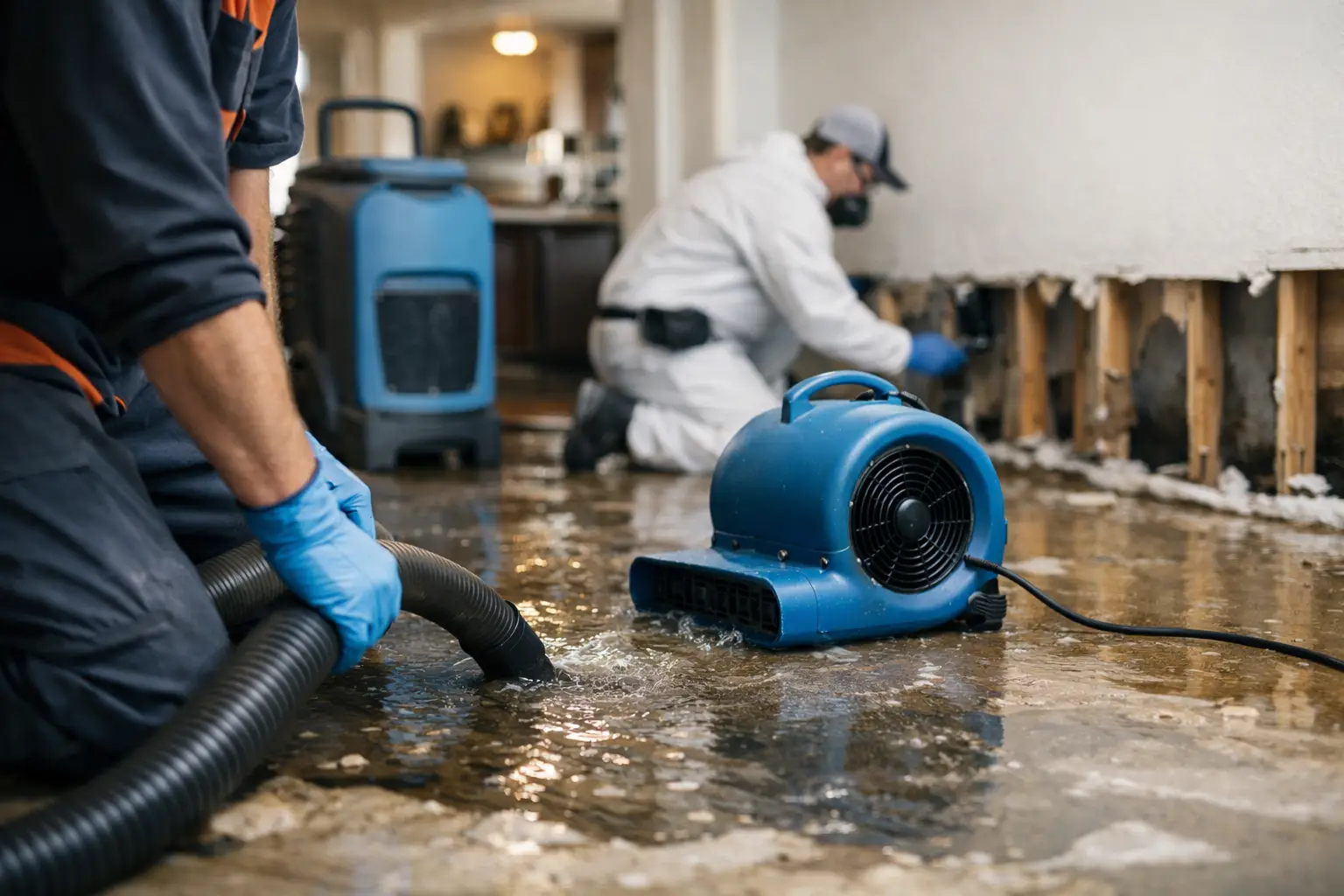 Water Damage
Extraction, structural drying, and moisture mapping after floods, leaks, and burst pipes.
Get help now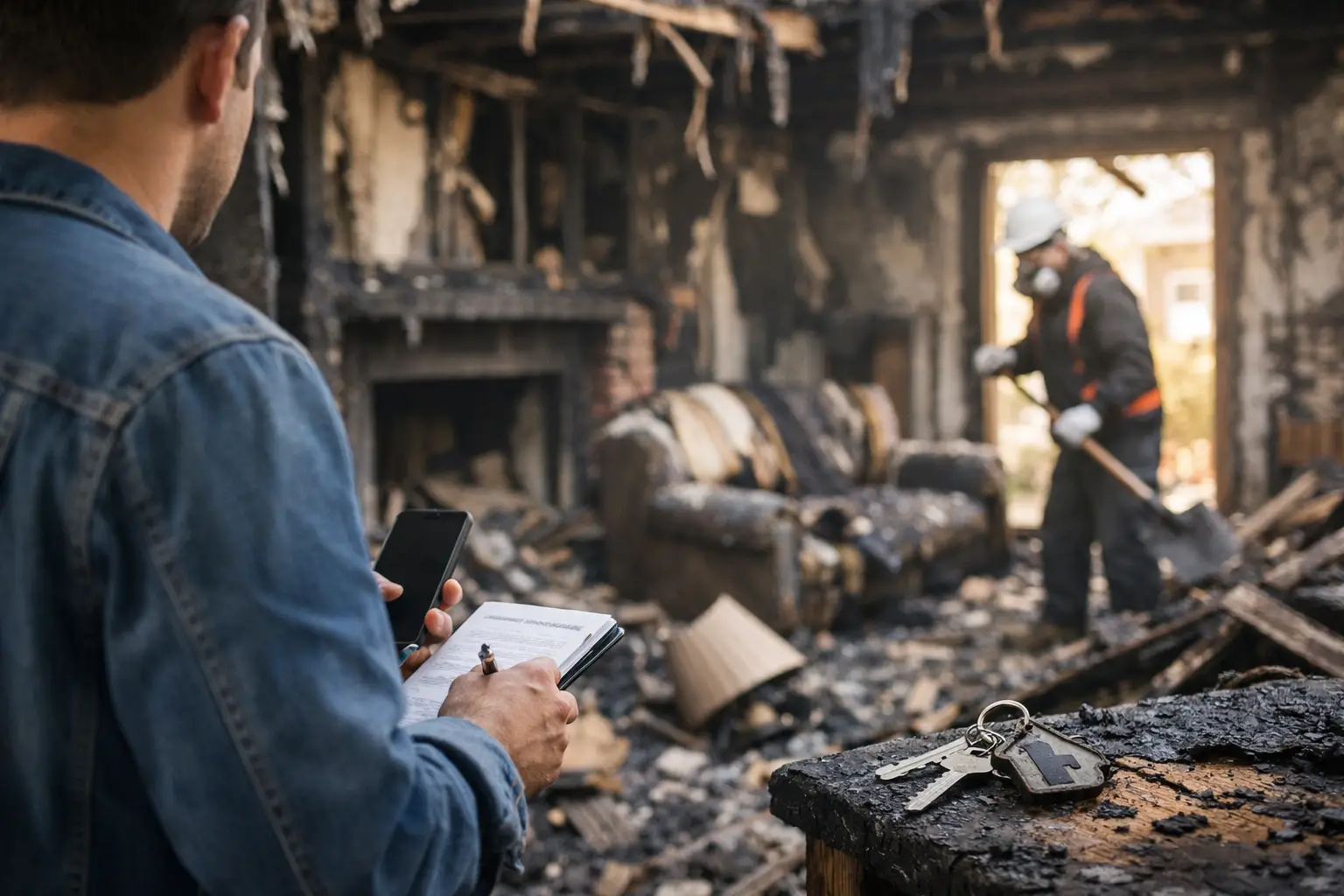 Fire & Smoke
Soot removal, odor deodorization, and content cleaning after fire and smoke damage.
Learn more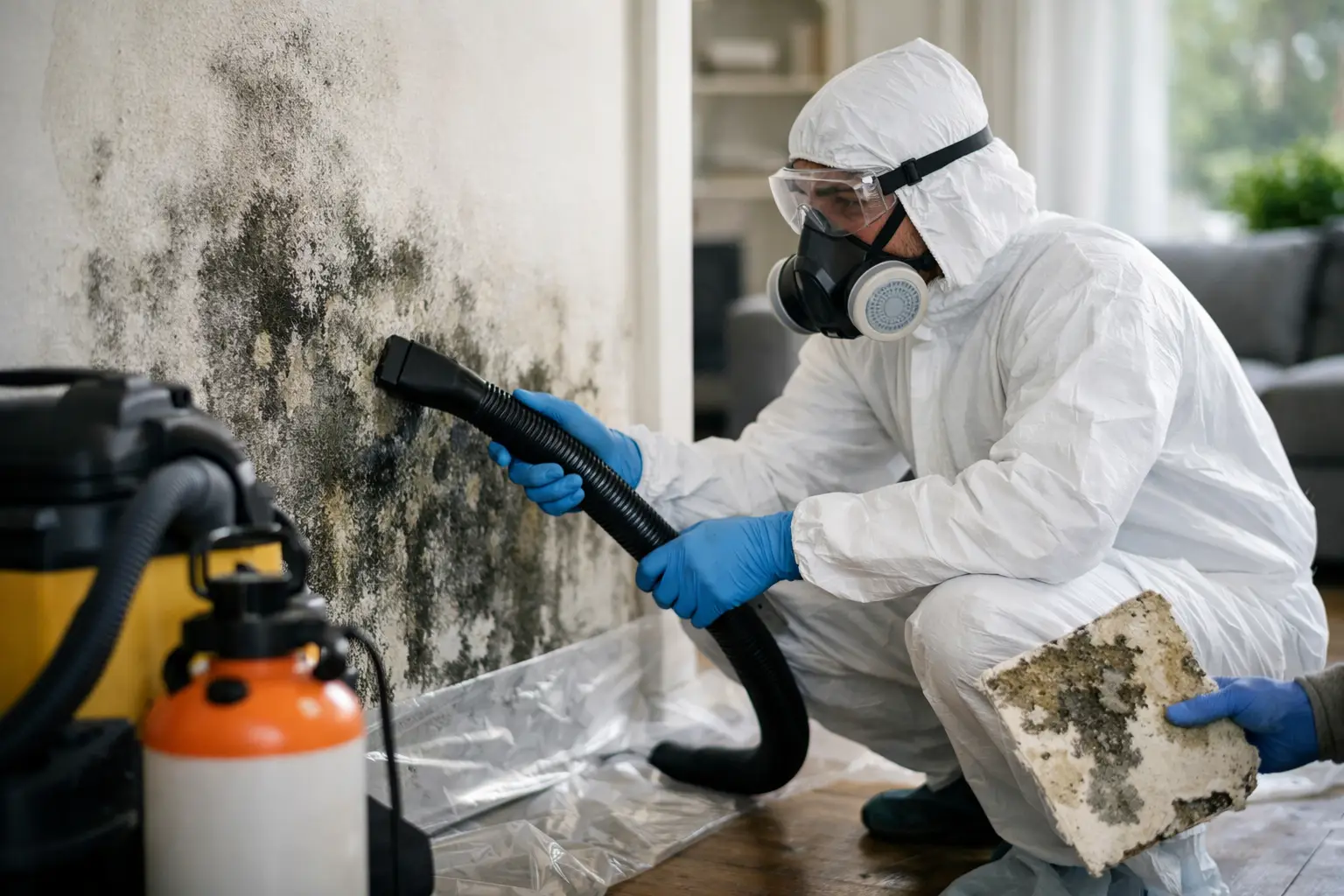 Mold
MoldContainment, removal, and moisture control that stops mold from coming back.
Learn more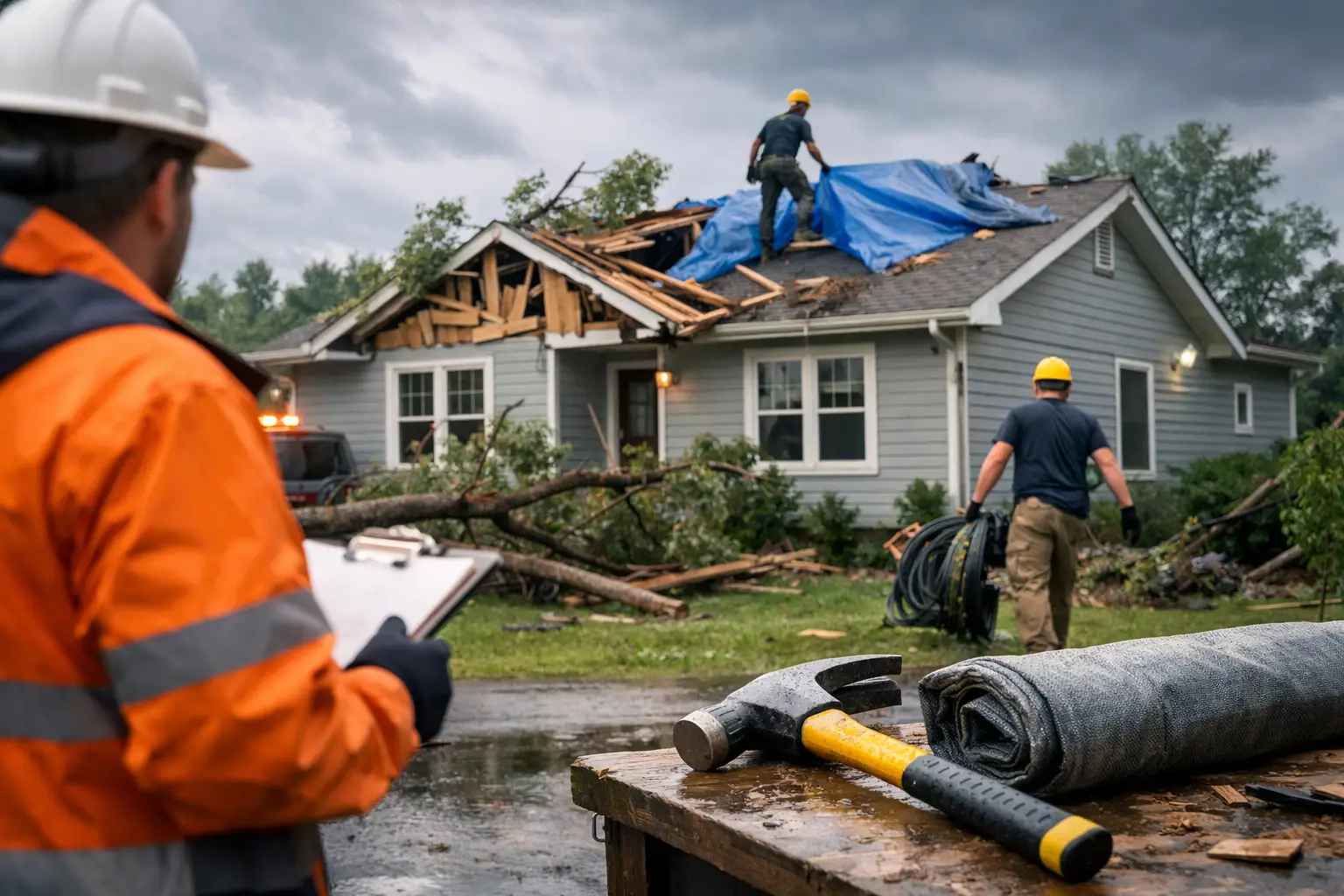 Storm
StormEmergency board-up, roof tarping, and full recovery after wind, hail, and storms.
Learn more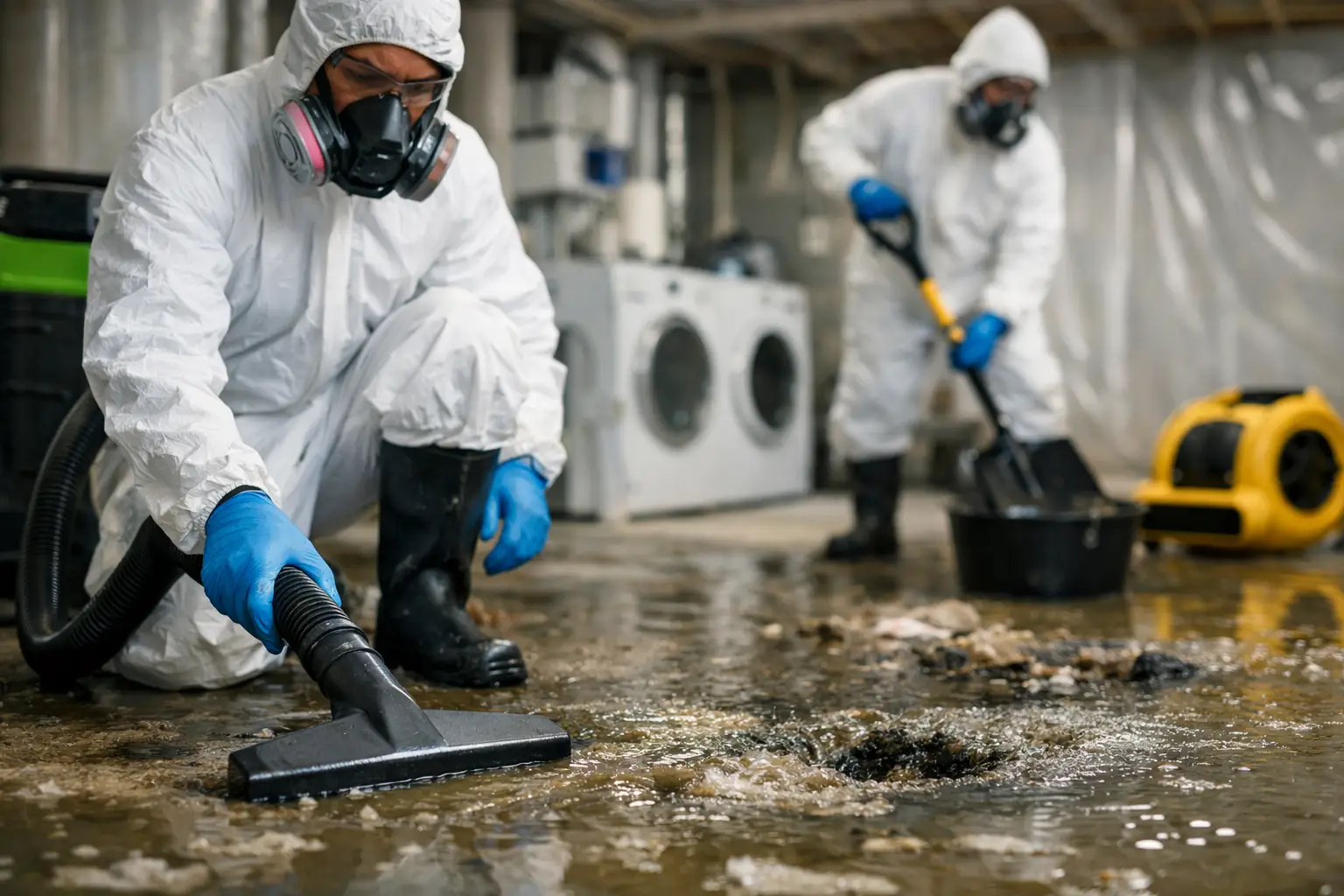 Sewage
Safe biohazard cleanup and sanitizing after sewage backups and overflows.
Learn more Reconstruction
Full rebuild by a licensed general contractor, so your property comes back whole.
Learn moreElevated Operations is an IICRC-certified, licensed general contractor based in Mableton that handles the entire recovery in-house, so after one loss you are never coordinating a cleanup crew, a mold crew, and a contractor separately. One team, one point of contact, from the first pump-out to the final coat of paint.
People call when the property feels like a disaster. They leave reviews because Chris and the crew made it right. These are real, verified Google reviews.
I start with water removal, then I dry the structure with air movers and dehumidification so the moisture does not linger in flooring, walls, or trim. In Jonesboro, especially near the Flint River, I pay close attention to hidden saturation because stormwater and humidity can extend the drying process beyond what you see on the surface.
Heart-pine can behave differently than newer materials, so I treat it carefully. I focus on moisture monitoring, controlled structural drying, and the right airflow so the wood can dry without being rushed. In older Jonesboro homes, that method helps protect original materials and reduces the chance of unnecessary tear-out.
Yes. Wet carpet extraction is one of the first things I handle when carpet is salvageable. I remove water fast, check the padding and subfloor, and then set the drying equipment. If the carpet has held contaminated water too long, I will be direct about that too.
I do not rely on appearance alone. I use moisture monitoring to confirm that the structure is dry, including the surfaces you cannot see. Once the materials are back in range and the area is stable, the job moves to repair or wrap-up. That is how I avoid false finishes.
Yes. I provide direct insurance billing and deal with the claim side so you are not stuck translating restoration work for the adjuster. I still keep you informed, but I handle the technical pieces, the documentation, and the billing path as part of the service.
Structural drying is controlled, measured work. I use air movers, dehumidification, and moisture monitoring to dry the building materials themselves, not just the air. Running fans alone can leave moisture trapped in walls, floors, or framing, which is a problem in older Jonesboro homes and around river-influenced weather.
Yes. I handle water removal for flooded lower levels and then build the drying plan around what got wet. Basements and lower areas often need stronger dehumidification and closer monitoring because moisture can stay trapped in the structure longer than homeowners expect.
Because water does not wait. I offer 24/7 emergency response, and I have been in restoration since 2007, so I know what happens when a home sits wet too long. The sooner I get there, the better chance I have to limit structural damage and reduce secondary problems.
Elevated Operations dispatches IICRC-certified crews across Metro Atlanta from our Mableton base, with a 60-minute emergency response day or night. Choose your city:
Call now for an immediate response, or request your free inspection and get a certified crew on-site within the hour across Atlanta and nearby areas.