24/7 Emergency Restoration · Serving Metro AtlantaEmergency? (770) 404-6895
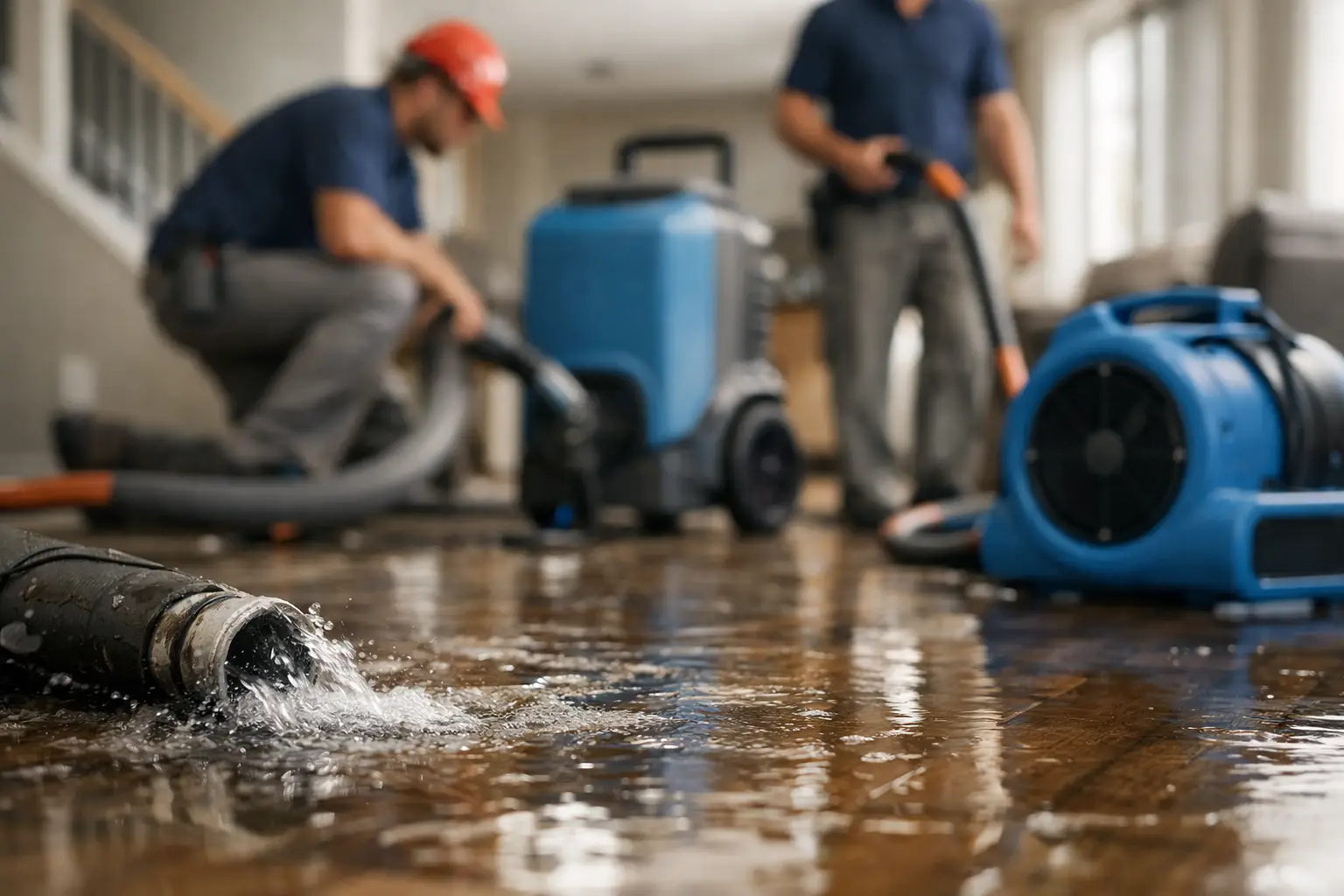
Contents cleaning and restoration in Austell is not just box moving, and it is not a last-resort service. I am Chris Kwangwari, and I handle personal property restoration after fire, smoke, and flood damage with IICRC-certified technicians, direct insurance billing, and a 12-month warranty.
IICRC-Certified · 5-Star Rated · 60-Minute Response · Insurance Billed Directly
Yes. Basement losses are common in this area, and I use fast pack out services, cleaning, and drying to keep contents from sitting in moisture while the structure is addressed.
I do. Smoke and soot need proper content cleaning, and I separate furniture, fabrics, electronics, and documents so each item gets the right treatment.
Often, yes. Older homes around Austell can hold valuable furniture and family property, and restoration can save items that look worse than they are after fire or water damage.
Call me at (770) 404-6895. I handle direct insurance billing, inventory, and the contents work so the claim stays organized from the first walkthrough.
Contents cleaning and restoration in Austell means sorting, packing out, cleaning, drying, deodorizing, and returning salvageable belongings after damage. It is not random washing. My crew handles furniture cleaning, electronics cleaning, odor removal, and document drying with a chain-of-custody mindset, especially after water events tied to the Sweetwater Creek 2009 flood.
Myth: contents work is just taking stuff out of a house. Fact: real content restoration protects what can be saved and documents what cannot. In Austell, that matters when water reaches a basement, when smoke settles in a ranch home, or when a storm backs up near Sweetwater Creek and the crawlspace gets hit first.
And I do not treat contents like debris. I separate porous items from hard surfaces, set aside wet textiles quickly, and coordinate pack out services when the structure needs drying before anything comes back. That process helps preserve furniture, keeps boxes organized, and reduces the chance that secondary damage spreads through the home.
Homeowners often think the structure gets all the attention and the belongings can wait. Not true. Personal property restoration is part of the loss, and delay hurts salvage rates. Mold can start in 24 to 48 hours, so the clock matters after flooding, especially in lower-lying Austell areas that remember the Sweetwater Creek 2009 flood.
Yes, many damaged contents can be restored after a fire or flood in Austell when they are handled fast and correctly. Smoke residue, water, and odor do not automatically mean replacement. IICRC-certified technicians can clean, dry, deodorize, and evaluate items for salvage, including furniture, electronics, and important paperwork.
Myth: if it got wet or smoky, it is gone. Fact: plenty of items survive if the response is disciplined. After the Sweetwater Creek 2009 flood, the lesson for homeowners was simple, standing water and contaminated moisture punish delay, but a quick, organized content restoration plan can save more than most people expect.
We see salvageable items all the time, but only when they are handled by category. Hard furniture can often be cleaned. Electronics need careful electronics cleaning, not guesswork. Paper records need document drying as soon as possible. And odor removal must happen before smells settle deep into fabrics, padding, and stored boxes.
I also keep insurance communication direct. That matters in Austell because the loss is never just the room itself, it is the family pictures, the paperwork, the couch, the bedroom set, and the small things that people assume are replaceable until they are missing. Salvage starts with a real inventory, not a pile on the driveway.
Smoke damaged contents in Austell are cleaned by isolating soot, stabilizing materials, and using the right method for each item. That is not a single wipe-down. My team uses content cleaning methods that address residue, odor removal, and material sensitivity so the damage does not get driven deeper into the item.
Myth: a strong cleaner fixes smoke damage. Fact: smoke is chemistry, not dirt. Soot from a kitchen fire or furnace puff-back can smear if handled wrong, and that makes the item worse. On Austell jobs near the older housing stock off Veterans Memorial Highway, I often see people try to scrub before sorting, and that burns time.
We start with the item type, not the smell. Upholstered furniture gets different handling than wood tables. Electronics cleaning is a separate track because moisture and residue can ruin boards fast. And fabrics with odor removal needs are packed, cleaned, and controlled so smoky contamination does not travel through the rest of the house.
The Sweetwater Creek 2009 flood is a good reminder that multiple losses can happen together. Smoke plus water is a bad mix. If water hits stored contents during cleanup, soot can lock in and mold can follow. That is why I push fast pack out services when the structure is not ready for contents to come back.
During content restoration in Austell, saveable items often include furniture, clothing, electronics, documents, decor, and boxed personal property, but each item must be evaluated. Hard surfaces, sealed materials, and items cleaned quickly usually have the best odds. The deciding factor is not the category alone, it is the condition and exposure.
Myth: you can tell by looking if something is ruined. Fact: some items look terrible and clean up well, while others look fine and fail later because residue stayed inside. After water events linked to Sweetwater Creek, I have seen family keepsakes survive while cheaper items fell apart because nobody dried them correctly.
Austell homeowners also overlook practical salvage. A dining set, framed photos, certain electronics, and paperwork can often be evaluated before disposal. Document drying is especially important when records matter for insurance, taxes, or family history. And when mold is a concern, the faster the sorting, the fewer items need to be written off.
I do not promise miracles, and I do not tell people to keep junk. I tell them to make decisions based on reality. My crew is licensed, IICRC-certified, and used to working with homeowners who need direct answers. That is the difference between content restoration and emotional guessing.
Pack out services matter in Austell because some contents need to leave the damaged structure before they can be cleaned, dried, and inventoried properly. That protects salvageable items from ongoing moisture, soot, and construction dust. It also keeps the job organized when the home cannot safely hold contents during recovery.
Myth: leaving everything in the house is simpler. Fact: it usually slows the job and raises the risk of cross-contamination. In older Austell homes and in crawlspace-heavy properties near low ground, moisture can keep moving after the initial loss. That means contents sitting in place may keep absorbing damage while nobody notices.
Pack out services are not about hauling and hoping. They are about controlled movement, labeling, and staged return. I use that process when a structure still needs drying or when the contents need special treatment first. It is especially useful when content cleaning and restoration has to happen around repairs, demo dust, or lingering smoke residue.
And if there is an insurance claim, organization matters. A clear inventory supports direct insurance billing and keeps the conversation about salvage grounded in facts. People remember the flood after the Sweetwater Creek 2009 event because the homes were not the only thing hit. Contents lost in a chaotic cleanup are losses that should have been managed, not made worse.
No, flood damage does not always mean replacement in Austell. Many items can be cleaned, dried, and deodorized if they are handled quickly and the water exposure is understood. The goal is to save what is salvageable and discard only what cannot be safely restored after inspection.
Myth: if floodwater touched it, toss it. Fact: the source, duration, and material all matter. Clean water on sealed surfaces is different from contaminated water in porous items. Austell residents who saw the effects of the Sweetwater Creek 2009 flood know how fast bad water changes the equation, but fast response still gives belongings a fighting chance.
We focus on what can reasonably come back. Furniture cleaning may make a table or dresser worth keeping. Personal property restoration can preserve keepsakes that were packed in time. Odor removal helps with soft goods that picked up that wet, stale smell. And content cleaning works best when the item is stabilized before mold or warping takes hold.
I am blunt with homeowners because guessing is expensive. Some items should be released immediately. Others should go to drying and cleaning first. That distinction is where experience matters. In Austell, especially after basement leaks or creek-related flooding, a fast triage plan saves time and reduces replacement pressure.
Fact: Not everything soaked in a flood is a loss. With contents cleaning and restoration in Austell, I often see furniture, decor, and documents survive when they are packed out and treated quickly after a water event.
Fact: Smoke leaves soot and acids that keep working on surfaces. Proper content cleaning in Austell means cleaning residue first, then handling odor removal, not the other way around.
Fact: Electronics cleaning is delicate, and DIY heat or power can make the damage permanent. IICRC-certified technicians know when an item can be stabilized and when it needs to be written off.
From emergency mitigation to full reconstruction, handled in-house so you are never managing a chain of subcontractors mid-crisis.
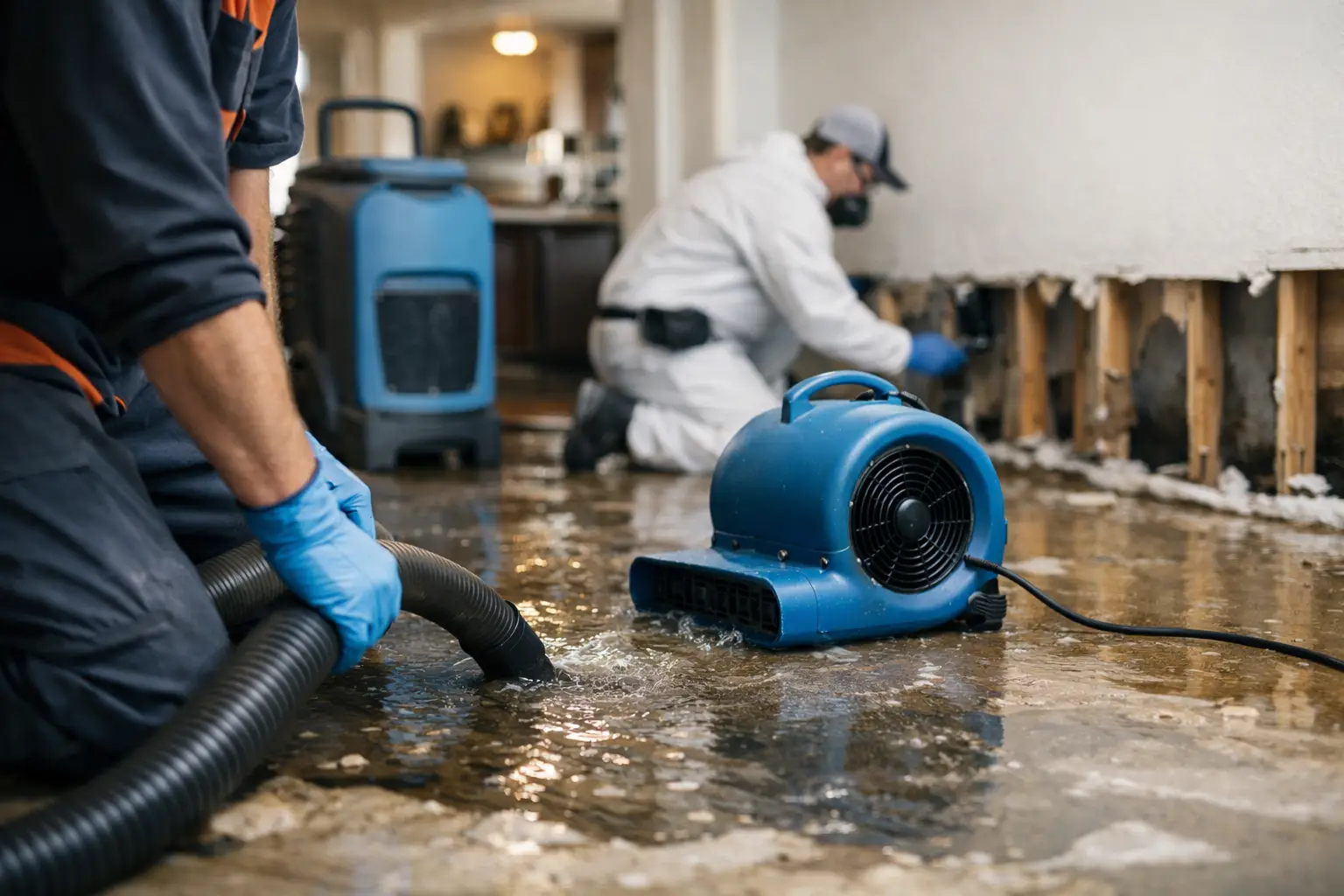 Water Damage
Extraction, structural drying, and moisture mapping after floods, leaks, and burst pipes.
Get help now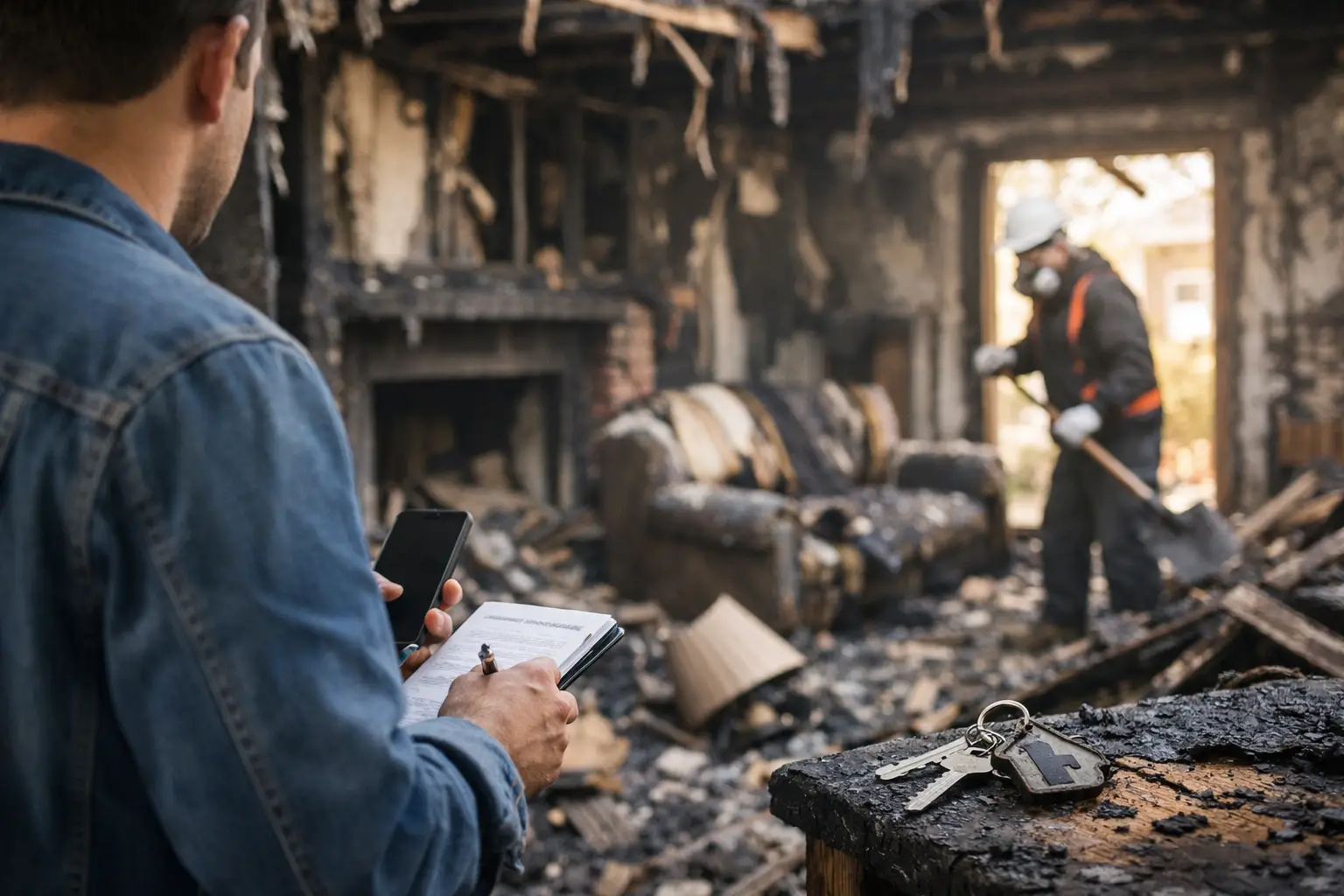 Fire & Smoke
Soot removal, odor deodorization, and content cleaning after fire and smoke damage.
Learn more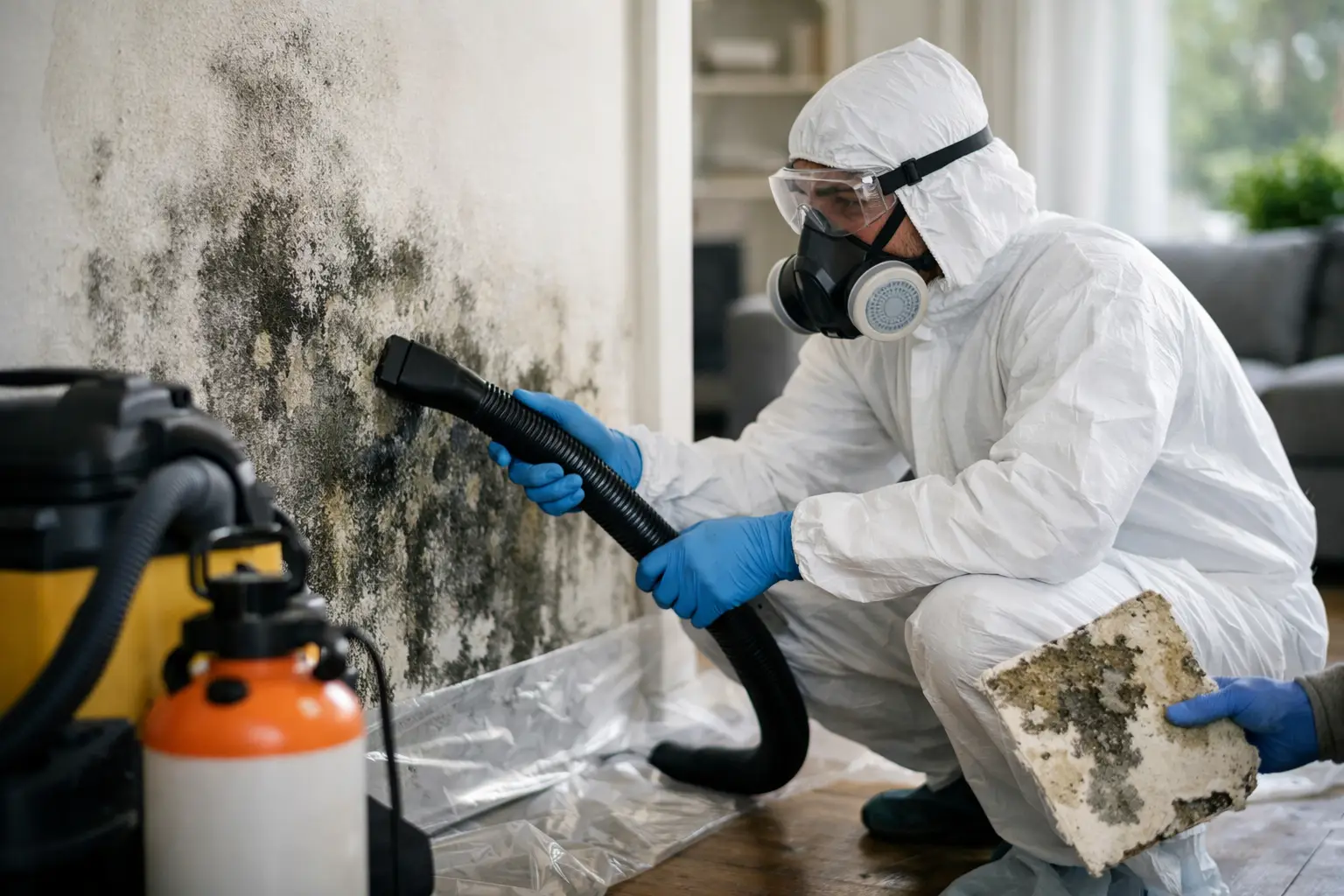 Mold
MoldContainment, removal, and moisture control that stops mold from coming back.
Learn more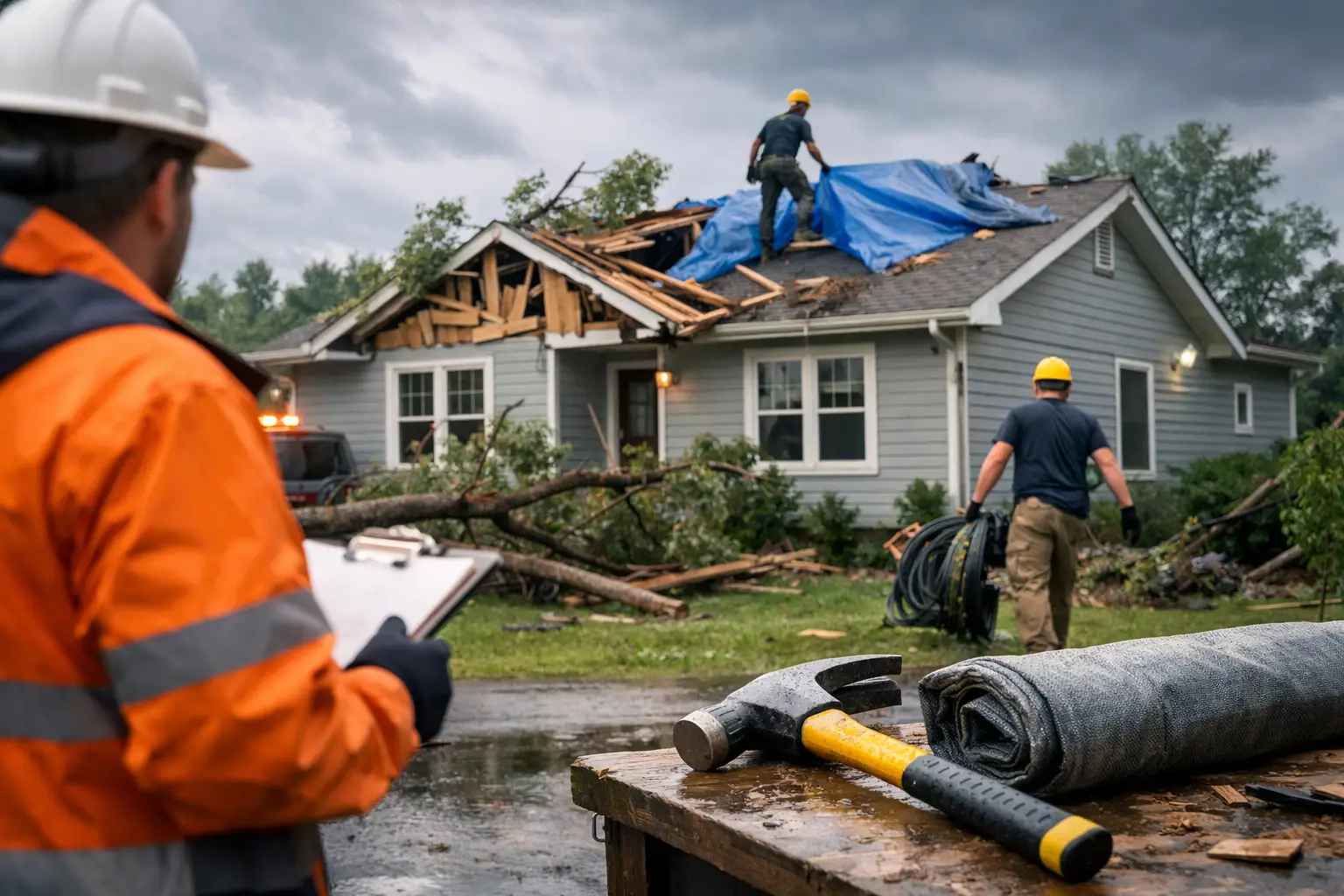 Storm
StormEmergency board-up, roof tarping, and full recovery after wind, hail, and storms.
Learn more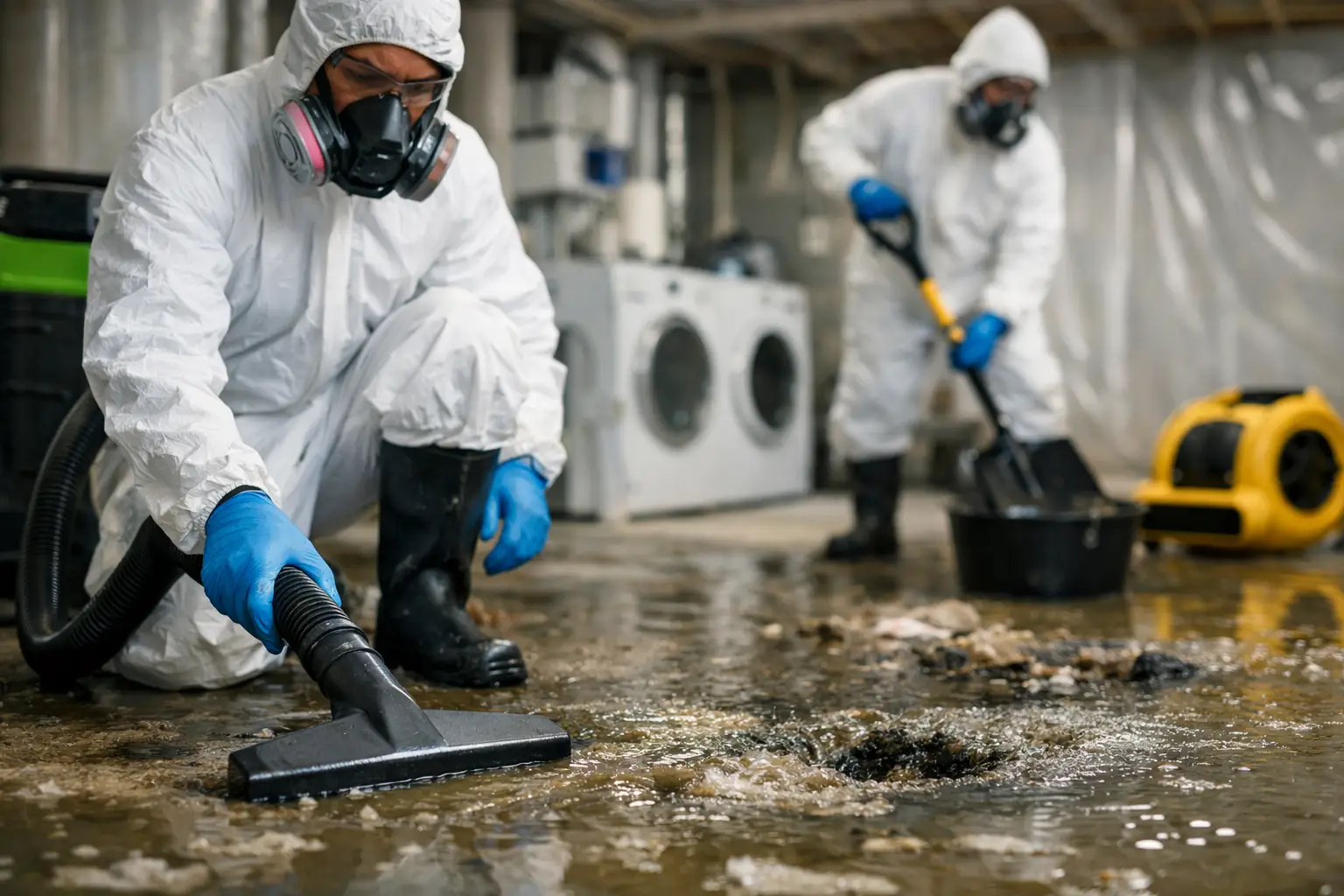 Sewage
Safe biohazard cleanup and sanitizing after sewage backups and overflows.
Learn more Reconstruction
Full rebuild by a licensed general contractor, so your property comes back whole.
Learn moreElevated Operations is an IICRC-certified, licensed general contractor based in Mableton that handles the entire recovery in-house, so after one loss you are never coordinating a cleanup crew, a mold crew, and a contractor separately. One team, one point of contact, from the first pump-out to the final coat of paint.
People call when the property feels like a disaster. They leave reviews because Chris and the crew made it right. These are real, verified Google reviews.
The most worth saving items are the ones with structure and sentimental value, like wood furniture, framed photos, paperwork, and some electronics if they were not heavily submerged. After the Sweetwater Creek 2009 flood, the key lesson was speed. The faster items were sorted, dried, and cleaned, the better the salvage odds.
It should start immediately. Mold can begin in 24 to 48 hours, and wet contents can degrade fast in Austell homes, especially if the structure stayed closed up. I push rapid triage, pack out services, and inventory work first, because waiting turns salvageable belongings into avoidable losses.
Yes, furniture cleaning is often part of content restoration when the piece has a cleanable surface and stable structure. I evaluate the material, the type of contamination, and whether odor removal or drying is needed first. If the item can be saved, I clean it with the right process, not a one-size approach.
Yes, and I treat electronics cleaning as a separate job from ordinary contents work. Water, soot, and residue can cause hidden failure if the item is powered up too soon. I look at exposure, contamination, and stability before deciding whether restoration makes sense or whether the item should be released.
Do not stack them in a plastic bag and forget them. If documents are wet, keep them together, keep them cool, and move quickly into document drying. Paper can distort and mold fast, especially in the humid conditions that can follow flooding near Sweetwater Creek or in closed-up rooms after a leak.
Odor removal starts with removing the source, then cleaning the contents that absorbed the smell. I do not mask smoke with fragrance. In Austell homes, especially when smoke moved through closets, sofas, and boxed belongings, the goal is to clean residue so the odor is not trapped again when items come back.
Direct insurance billing reduces chaos during a stressful loss. It keeps the contents cleaning and restoration process organized and helps the adjuster see what was salvaged, cleaned, or replaced. That matters after fire or flood damage in Austell because the claim is about both the structure and the personal property inside it.
I am not a general cleaner guessing at damage. Elevated Operations, LLLP is a restoration contractor, I am licensed as a general contractor, and my team is IICRC-certified. That means I handle content restoration, packing, cleaning, drying, and claim documentation with the recovery process in mind, not just surface appearance.
Elevated Operations dispatches IICRC-certified crews across Metro Atlanta from our Mableton base, with a 60-minute emergency response day or night. Choose your city:
Call now for an immediate response, or request your free inspection and get a certified crew on-site within the hour across Atlanta and nearby areas.