24/7 Emergency Restoration · Serving Metro AtlantaEmergency? (770) 404-6895
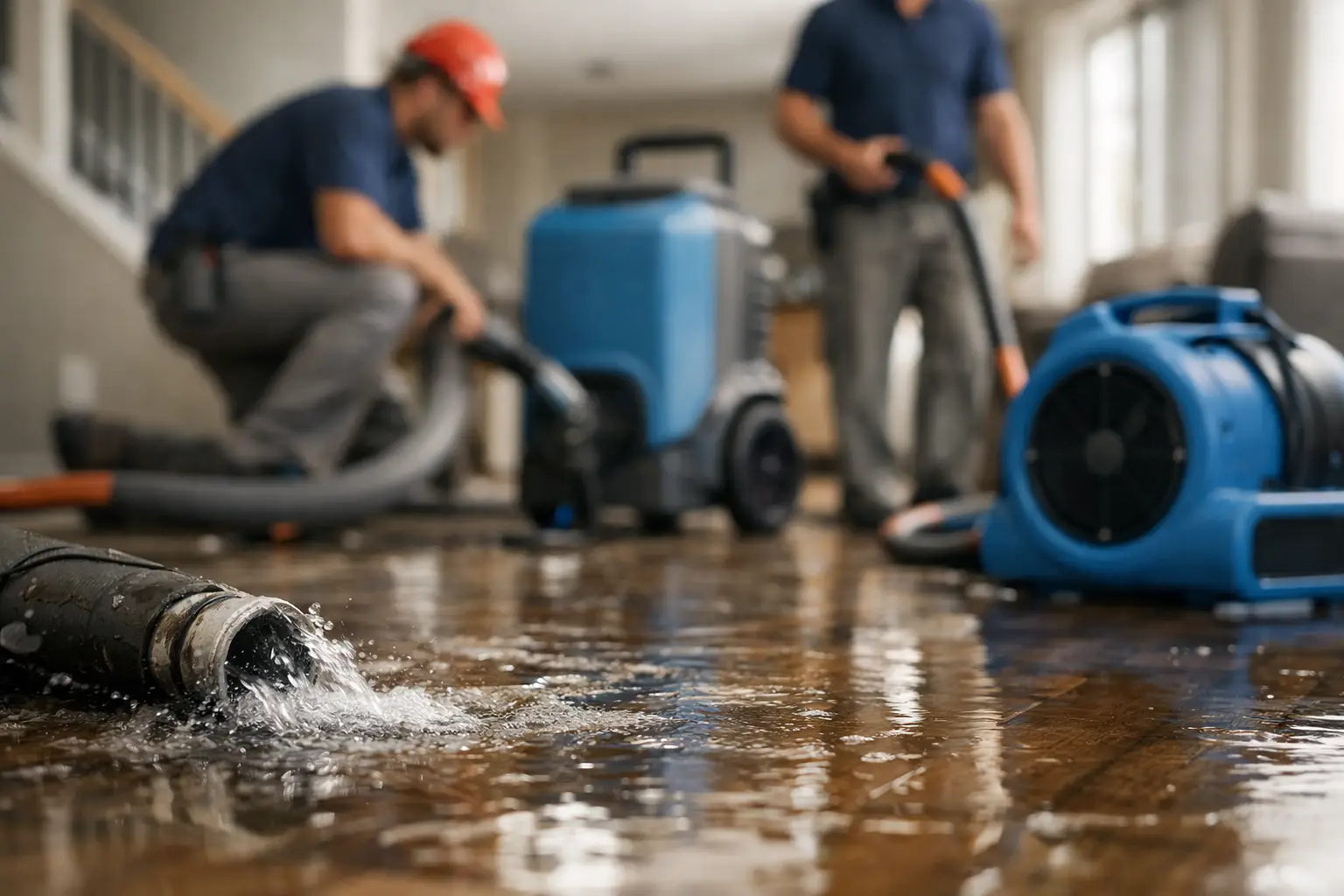
Flooded basement cleanup Union City starts with the right first move, and I handle that every day from our Mableton base. In south Fulton I-85 subdivisions, I stop water, document damage, push basement water removal, and keep the job moving with direct insurance billing, IICRC-certified technicians, and a 12-month warranty.
IICRC-Certified · 5-Star Rated · 60-Minute Response · Insurance Billed Directly
Yes. Elevated Operations, LLLP is based in Mableton and serves Union City across the south Fulton I-85 area with 24/7 emergency response.
We back completed restoration work with a 12-month warranty, so the job is not done until it holds up.
Yes. I offer direct insurance billing and handle the documentation so the claim does not stall while the basement is still wet.
Call Elevated Operations, LLLP at (770) 404-6895 for 24/7 help from an owner-led restoration contractor.
Stop the water, stay out of standing water, and call me right away. In Union City, that first hour matters because finished basements, utility rooms, and carpeted lower levels in south Fulton I-85 subdivisions can turn fast from wet to damaged.
I tell homeowners to shut off power to the basement if they can do it safely, then keep everyone out until we see what the water touched. That matters near homes off Jonesboro Road and the subdivisions closer to I-85, where basements often hold HVAC, water heaters, and storage.
If the water came from a supply line, a burst appliance, or a drain issue, I move into basement water removal right away. If it smells foul or came back through a floor drain, I treat it as sewage backup cleanup and handle it differently from clean water.
I have been in restoration since 2007, and I do not waste the first visit. IICRC-certified technicians, direct insurance billing, and deductible assistance up to $1,000 keep the process moving while I document the loss and start flood water extraction.
I clean it by removing the water, sorting salvage from loss, drying the structure, and stopping hidden moisture before mold starts in 24 to 48 hours. The method changes with carpet, drywall, tile, and stored items, but the sequence stays tight.
First, I inspect the whole basement and find the source. In Union City, that might be a finished basement under a split-level home, a laundry room in an older ranch, or a rec room in a newer south Fulton subdivision near the interstate corridor.
Then I move into flood water extraction and basement drying. If there is wet carpet removal, I pull it before the pad turns into a soaked sponge. If the water reached trim or drywall, I cut back only what is necessary and get air moving fast.
I do not guess on contaminated water. Sewage backup cleanup gets separate containment and cleaning, because that water behaves differently and brings different risks. And if the basement held boxes, furniture, or seasonal items, I help separate what can be cleaned from what needs to go.
Drying time depends on how much water got in, what the basement is built from, and whether we are drying carpet, framing, or concrete. I start the process quickly, then keep checking moisture until the structure is actually dry, not just surface dry.
Basement drying is never just a fan in the corner. In Union City homes, especially in south Fulton I-85 subdivisions, basements can have closed-off rooms, storage closets, and utility alcoves that trap moisture behind walls and under flooring.
I use the right drying approach for the space, because a finished basement with insulation and drywall needs more attention than an unfinished slab with open joists. That is why I check moisture readings, not just the feel of the room.
The goal is simple: get the structure dry before mold prevention becomes mold remediation. That is where experience matters. I have seen basements look fine on day one and then show hidden moisture later, usually behind baseboards, under laminate, or around the sill plate.
Yes, and it can happen fast if moisture stays trapped in carpet, drywall, insulation, or stored contents. Mold prevention starts with fast water removal and honest drying, especially in Union City basements that stay closed up in warm weather.
Mold starts in 24 to 48 hours, so I treat every flooded basement like a clock is already running. In the south Fulton I-85 area, many homes have basements that are used for storage, playrooms, or extra living space, which means hidden moisture can sit unnoticed.
That is why I go beyond the visible puddle. Wet carpet removal, baseboard inspection, and cavity drying matter when water wicks upward or slips under flooring. If I find damp drywall or soaked insulation, I address it before the smell becomes the first warning sign.
I have cleaned basements where the owner thought the dehumidifier alone would handle it. It will not, not when water has moved into porous materials. The right response is flood water extraction, proper drying, and a full look at the affected materials before damage spreads.
The housing stock matters. South Fulton I-85 subdivisions often mix finished basements, split-level layouts, and utility-heavy lower floors, so one leak can affect carpet, drywall, storage, and mechanical systems all at once.
Union City is not a one-size-fits-all call. Some streets have newer subdivision basements with media rooms and carpeted stairs, while older homes may have concrete block walls, low ceilings, and laundry areas that make water travel in odd directions.
That mix changes the cleanup. A little water under carpet can mean wet carpet removal, pad removal, and fast drying. A backup near a floor drain can mean sewage backup cleanup, disinfection, and a tighter containment setup before anyone starts moving contents.
Because I am a licensed general contractor, I can see the structure as well as the stain. That helps when a basement in south Fulton needs more than drying, especially where water has reached trim, framing, or finished wall systems.
If the water is from a clean supply line or rain entry, basement water removal is usually the first step. If it came from a toilet, drain, or floor drain, I treat it as sewage backup cleanup and handle it with stricter cleanup procedures.
The source tells the story. A ruptured water heater or supply line in a Union City basement is one type of job. A backup from a lower-level bath, laundry drain, or floor drain is another, and I do not blur the line between them.
That matters for safety and for the rest of the property. Sewage backup cleanup changes the way I protect the work area, what gets removed, and what can be saved. Clean water can still damage materials, but contaminated water demands a harder response.
I explain the difference on site so nobody is left guessing. Then I get to work. Flood water extraction first, then basement drying, then a clear conversation about what can stay and what has to go.
A Union City family in a south Fulton subdivision called after water spread under a basement playroom rug and into the carpet. I pulled the wet carpet removal first, then started basement drying before the padding held moisture long enough to feed mold.
Near the I-85 corridor, a split-level home had a drain backup that pushed water into the laundry area and storage closet. I treated it like sewage backup cleanup, isolated the area, removed damaged materials, and documented everything for direct insurance billing.
A homeowner in a storage-heavy basement had standing water after heavy rain moved through a low entry point. I handled flood water extraction, checked the wall base, and focused on mold prevention because boxes, shelving, and closed rooms can trap moisture quickly.
From emergency mitigation to full reconstruction, handled in-house so you are never managing a chain of subcontractors mid-crisis.
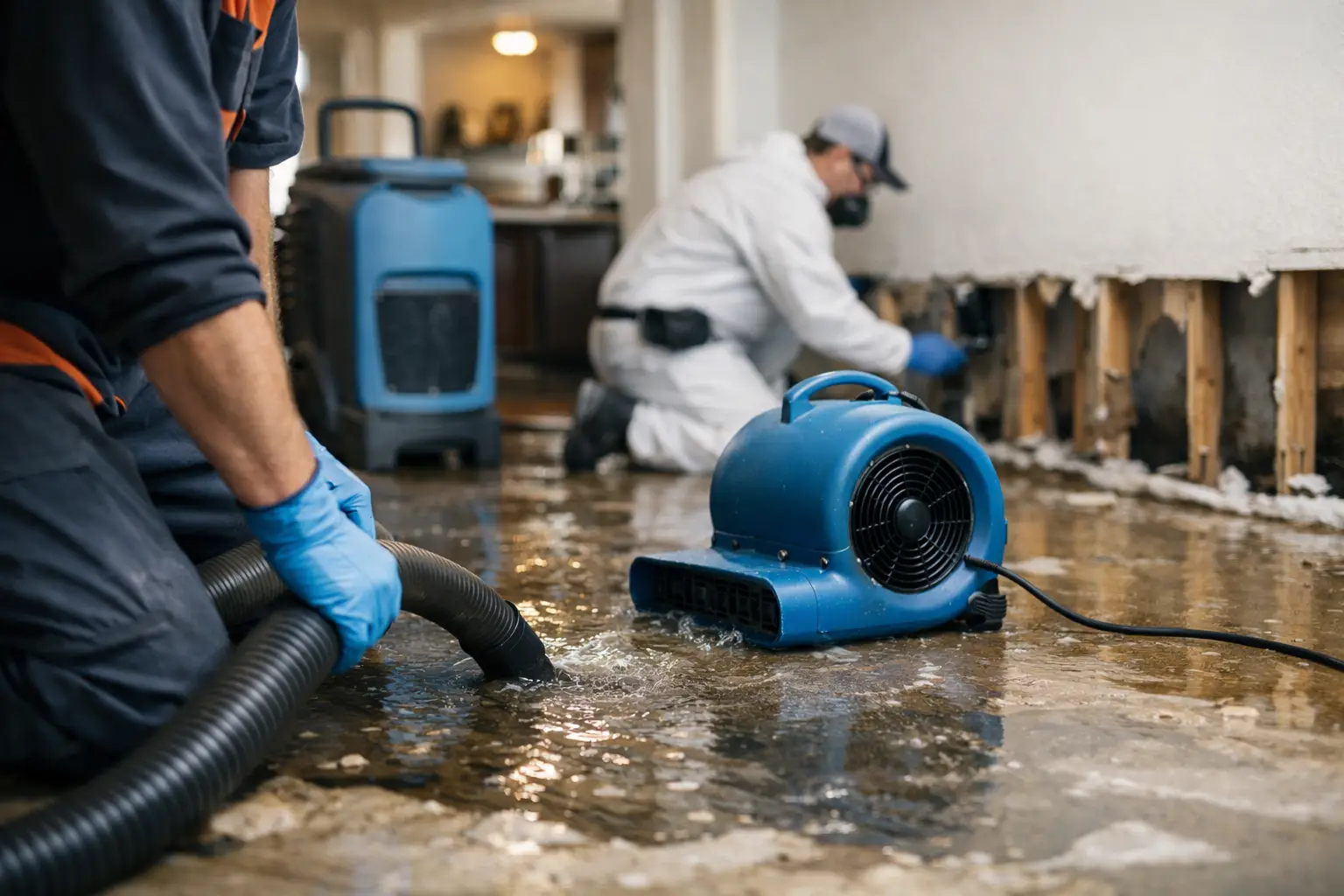 Water Damage
Extraction, structural drying, and moisture mapping after floods, leaks, and burst pipes.
Get help now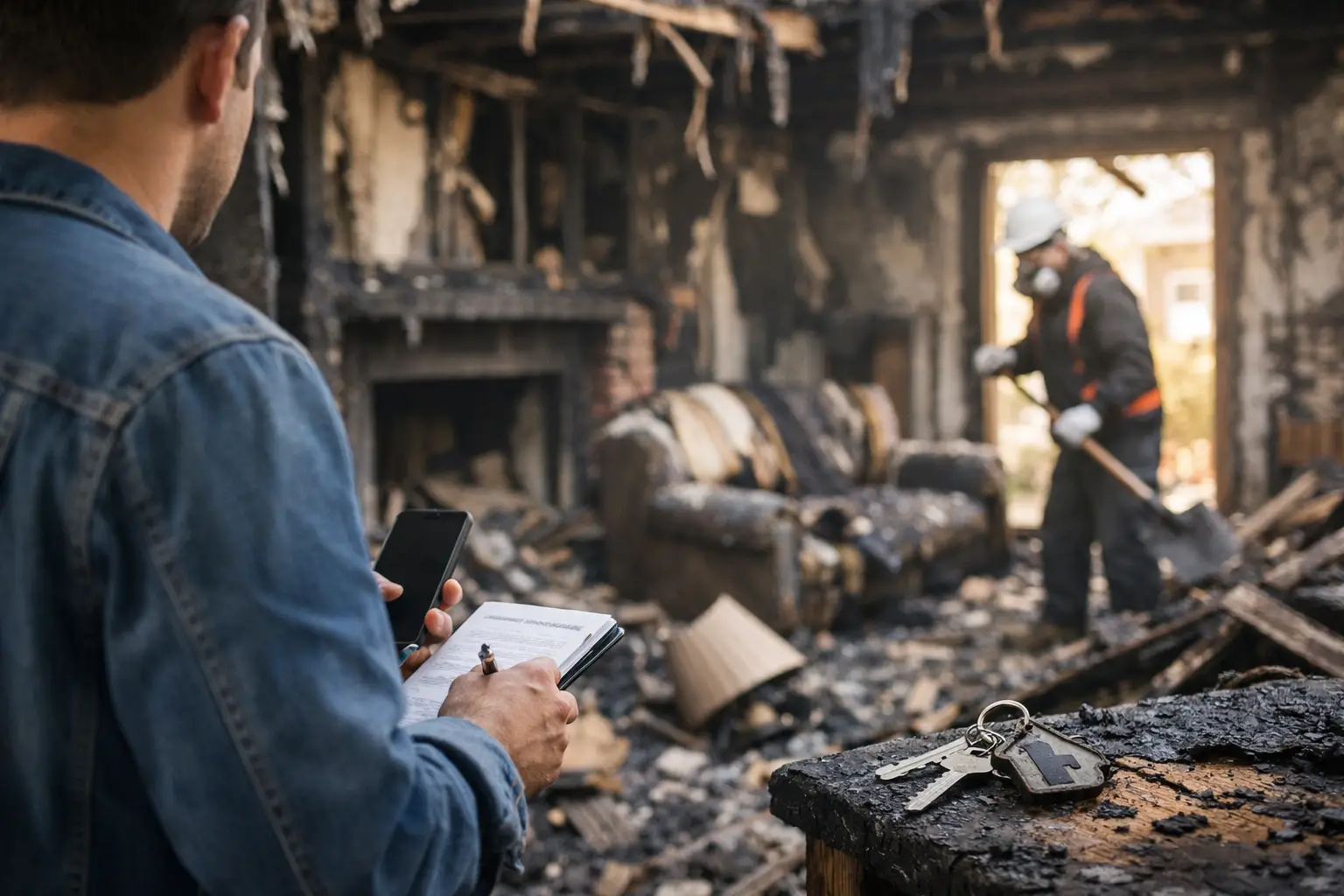 Fire & Smoke
Soot removal, odor deodorization, and content cleaning after fire and smoke damage.
Learn more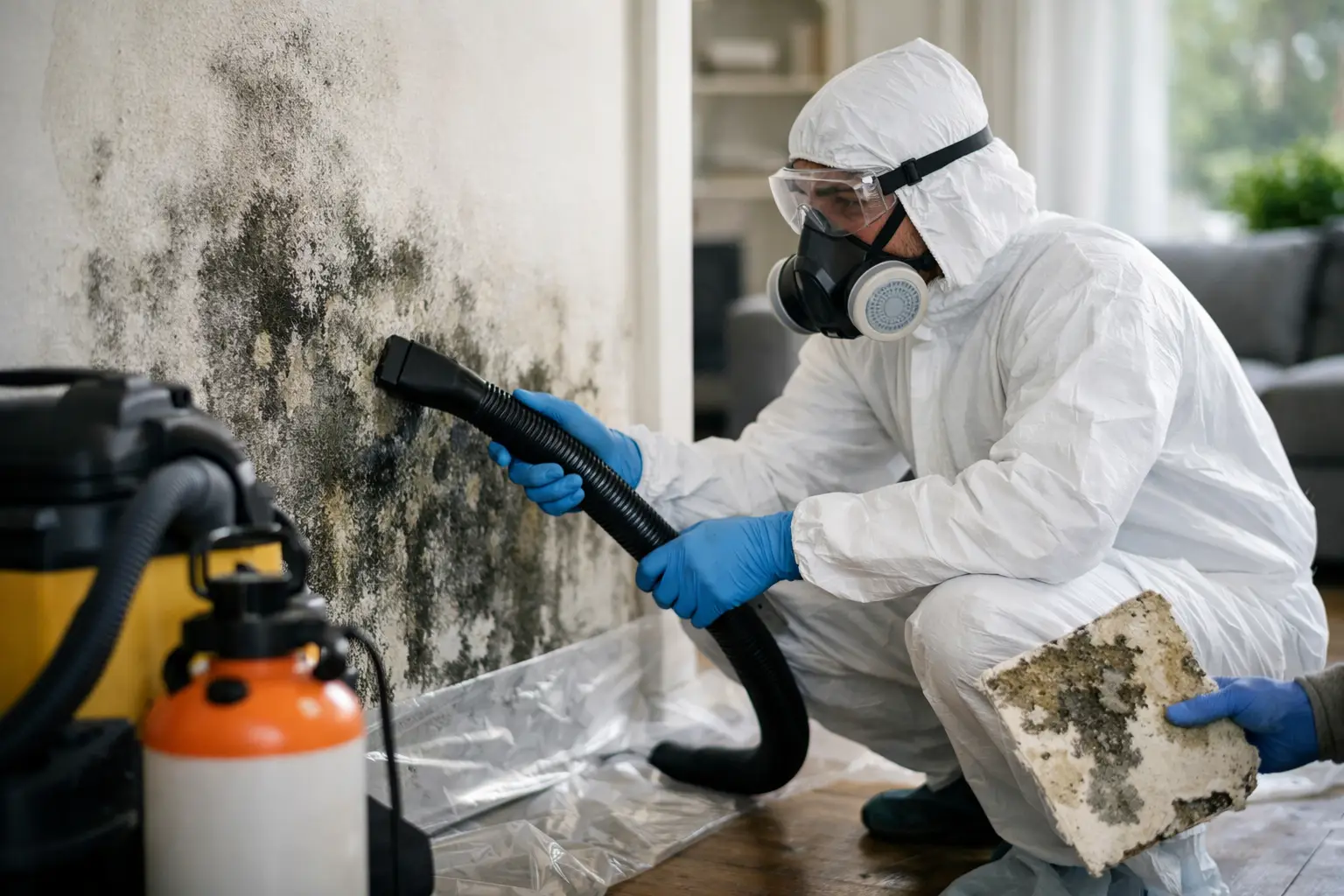 Mold
MoldContainment, removal, and moisture control that stops mold from coming back.
Learn more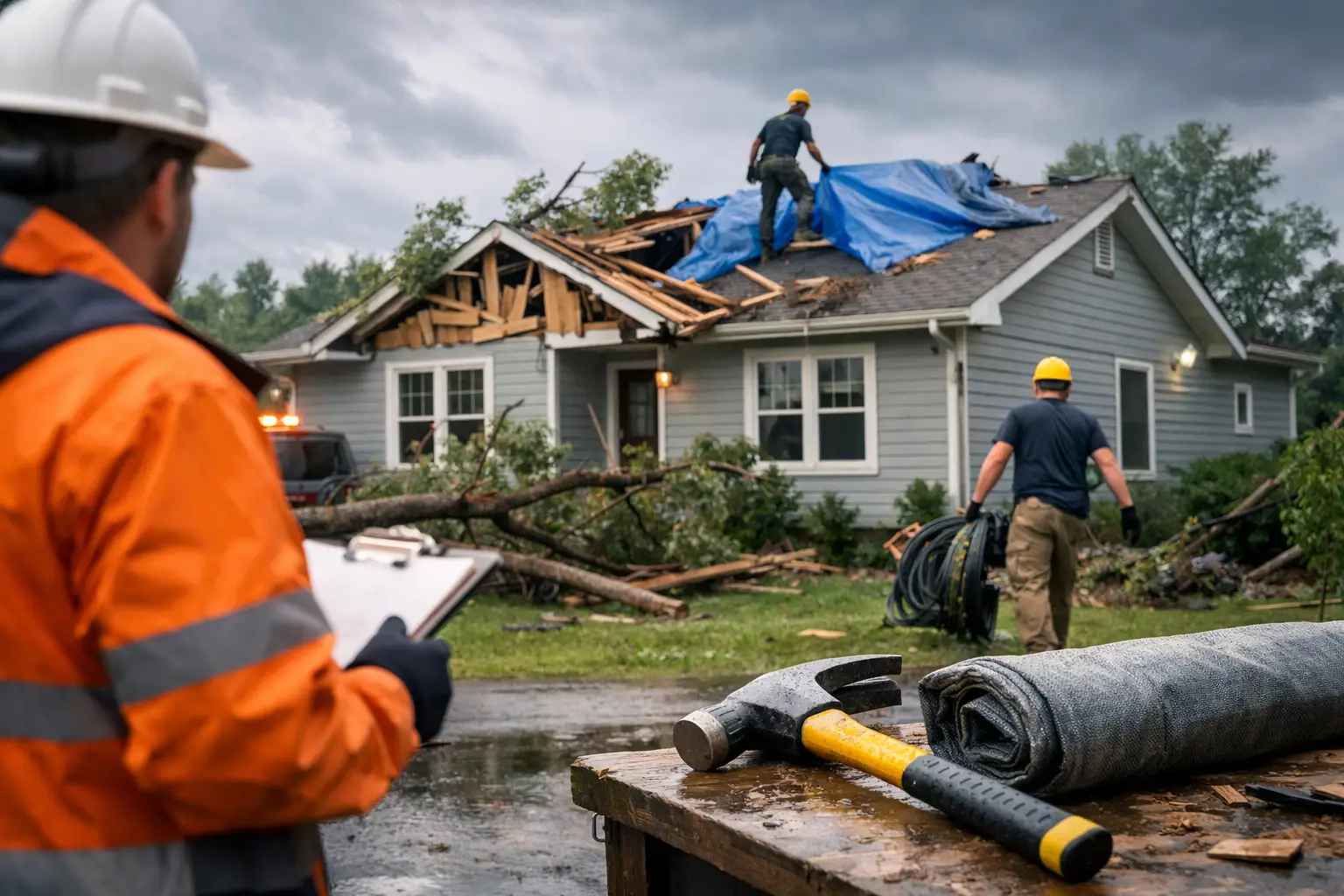 Storm
StormEmergency board-up, roof tarping, and full recovery after wind, hail, and storms.
Learn more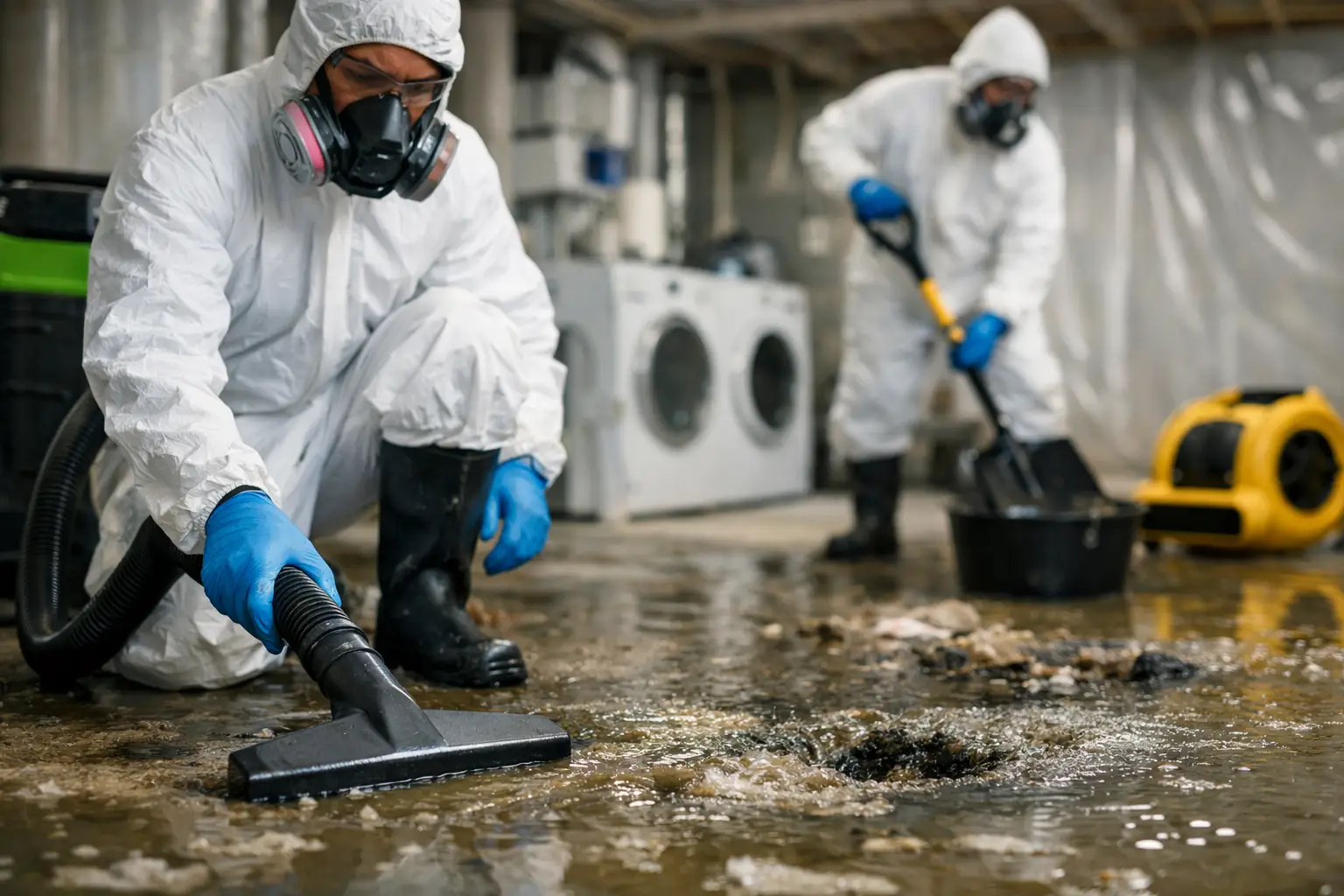 Sewage
Safe biohazard cleanup and sanitizing after sewage backups and overflows.
Learn more Reconstruction
Full rebuild by a licensed general contractor, so your property comes back whole.
Learn moreElevated Operations is an IICRC-certified, licensed general contractor based in Mableton that handles the entire recovery in-house, so after one loss you are never coordinating a cleanup crew, a mold crew, and a contractor separately. One team, one point of contact, from the first pump-out to the final coat of paint.
People call when the property feels like a disaster. They leave reviews because Chris and the crew made it right. These are real, verified Google reviews.
I start with flood water extraction, then I assess what materials can be dried and what has to come out. In Union City homes with finished lower levels, that usually means pulling wet carpet, checking the pad, cutting back damaged drywall if needed, and getting air movement into the hidden spaces before mold starts in 24 to 48 hours.
Shut off the water if you can do it safely, keep people out of the basement, and call me. Then I document the loss, start basement water removal, and decide whether the water is clean or contaminated. That first call keeps the damage from spreading into the framing, insulation, and storage areas.
Yes. A flooded basement can create mold very quickly when moisture gets trapped under carpet, behind baseboards, or inside drywall. That is why I focus on mold prevention from the first visit. In Union City, especially in closed-up basements, a surface that feels dry can still hide enough moisture to create a problem.
It depends on the materials and how far water moved. A slab with limited spread dries differently than a finished basement with rooms and closets. I keep checking moisture readings until the structure is dry, because basement drying is about the hidden dampness, not just the visible puddle.
Yes. If the water came from a drain, toilet, or floor drain, I treat it as sewage backup cleanup and contain it differently from clean water. That means stricter removal, cleaning, and protection of the work area, especially in lower-level spaces where the backup can spread into carpet and storage.
I sort the contents room by room and decide what can be cleaned and what needs to go. In south Fulton I-85 subdivisions, basements often carry a lot of storage, so I keep the process organized while I finish basement water removal and drying. The goal is to save what can be saved without dragging moisture deeper into the house.
Yes, I use direct insurance billing and document the job from the start. That helps when the basement has carpet, drywall, or mechanical equipment affected by water. I also offer deductible assistance up to $1,000, which can help with the out-of-pocket side while the claim moves forward.
They call me because I bring an owner’s eye to the job, not a handoff. I am Chris Kwangwari, a licensed general contractor, and my team has been in restoration since 2007. We are IICRC-certified, based in Mableton, and we respond 24/7 with a 60-minute emergency response.
Elevated Operations dispatches IICRC-certified crews across Metro Atlanta from our Mableton base, with a 60-minute emergency response day or night. Choose your city:
Call now for an immediate response, or request your free inspection and get a certified crew on-site within the hour across Atlanta and nearby areas.