24/7 Emergency Restoration · Serving Metro AtlantaEmergency? (770) 404-6895
Smoke and soot cleanup Rex needs a fast, careful response, especially in unincorporated Clayton where older homes hold odor and residue in trim, vents, and porous finishes. I’m Chris Kwangwari with Elevated Operations, LLLP, and I handle smoke damage cleanup with IICRC-certified technicians, direct insurance billing, and a 12-month warranty.
IICRC-Certified · 5-Star Rated · 60-Minute Response · Insurance Billed Directly
They usually have more wood, seams, and porous finishes that trap residue. In unincorporated Clayton, I see that a lot, and it means cleanup has to go deeper than a surface wipe.
Yes. I answer 24/7 and provide a 60-minute emergency response. That speed helps limit smoke damage cleanup problems before odor and soot settle further.
Yes, I offer deductible assistance up to $1,000. I also do direct insurance billing, so the claim process stays organized while the cleanup moves forward.
I do. I’m Chris Kwangwari, owner of Elevated Operations, LLLP, based in Mableton and working across Clayton and the rest of our service counties.
Check safety first, then look at soot on hard surfaces, vents, cabinets, and textiles. In older Rex homes, smoke often settles into room corners and HVAC returns fast, so a quick inspection tells me whether surface cleaning, contents cleaning, or full smoke damage cleanup is the right start.
In unincorporated Clayton, I see a lot of older homes with tight hallways, original trim, and rooms that trap residue. That layout makes soot removal slower if you wait. I start with the obvious hot spots, ceilings, walls, window sills, and the path smoke used through the house.
Then I check the odor. If the smell changes when the heat or air comes on, I pay close attention to the system. HVAC cleaning matters because smoke can move through ducts, registers, and returns, then keep pushing odor back into clean rooms.
This is where speed counts. Smoke starts setting into surfaces fast, and porous materials hold it longer. I’ve been in restoration since 2007, and I do not guess. I look at what can be saved, what needs deodorization, and what needs a deeper plan.
I clean smoke and soot damage by matching the method to the surface, then moving room by room with controlled surface cleaning, soot removal, and deodorization. In Rex, older homes need a careful hand because rough paint, woodwork, and dated finishes can stain or smear if cleaned the wrong way.
The wrong wipe can make soot worse. I’ve seen that in Rex kitchens, hallways, and living rooms with older paint and wood trim. We start dry when needed, then move to wet cleaning only when the surface can take it. That keeps the residue from spreading into a bigger problem.
Air scrubber use helps when the smoke is still in the air or the job needs help controlling fine particles. It is not a shortcut. It is part of a larger smoke damage cleanup process that includes cleaning contact surfaces, handling contents, and removing odor at the source.
IICRC-certified technicians know how to separate soot from smoke film, and that difference matters. Soot can be oily, dry, or sticky depending on the fire. We work carefully, document what we find, and use direct insurance billing so the homeowner is not buried in paperwork while the cleanup is underway.
The right dry and wet surface cleaning methods remove soot from walls and ceilings without smearing it deeper into the finish. In Rex, I pay close attention to older homes with textured surfaces, painted ceilings, and wood trim because one bad pass can leave permanent shadowing.
Soot on walls and ceilings is not just dust. It is contamination, and older Clayton County homes often have finishes that show every mistake. I test the surface first, then choose a cleaning method that protects the paint, plaster, or wood instead of grinding residue into it.
Ceilings are tricky because heat and smoke rise, then leave a band of residue where people often miss it. I clean top down, and I do not rush the edges, crown molding, vents, or corners. Those are the places that keep showing up long after the fire is out.
If the smoke got into insulation gaps, attic access points, or HVAC returns, the visible ceiling may only be half the problem. That is why odor removal and deodorization matter alongside soot removal. A clean-looking room can still smell wrong if the source is still active.
Smoke cleanup should start as soon as the fire scene is safe to enter, because residue and odor set quickly. In older Rex homes, delay makes odor removal harder, stains deeper, and contents cleaning more limited, especially when smoke reaches woodwork, fabric, or HVAC systems.
I respond 24/7, and my emergency response is 60 minutes. That matters because smoke does not sit still. It keeps moving into drawers, closets, vents, and unfinished spaces, which is exactly what happens in many older homes across unincorporated Clayton.
The EPA says mold starts in 24 to 48 hours, and that timing matters after smoke damage too when moisture from firefighting is involved. If water is sitting inside walls or on flooring, you are not just dealing with smoke damage cleanup anymore. You are racing a second problem.
I’ve handled restoration since 2007, and I do not tell owners to wait for the smell to fade on its own. That almost never works. Fast cleanup protects more of the structure, preserves contents, and gives insurance documentation that actually supports the claim.
Yes, smoke odor can often be removed completely when the source is cleaned, porous materials are handled correctly, and deodorization is done in the right order. In older Rex homes, that usually means attacking hidden residue in trim, textiles, vents, and stored contents, not masking the smell.
Odor removal is not air freshener. I say that because homeowners in Rex often smell smoke in one room, then notice it again when the air kicks on or the weather changes. That means the residue is still there, usually in materials that hold scent longer than people expect.
I use deodorization as part of the full smoke damage cleanup plan. That can include air scrubber support, contents cleaning, and cleaning places people do not think about, like closet interiors, returns, and the tops of cabinets. If you skip those, the odor comes back.
Older homes in unincorporated Clayton often have more wood, more seams, and more lived-in materials than newer builds. That is good for character, bad for smoke. My job is to remove the source, not hide it, and that is how you get a real result.
Older Rex homes are harder to clean after smoke because they hold residue in woodwork, gaps, vents, and older finishes that can stain quickly. In unincorporated Clayton, I see smoke and soot cleanup take more care when the house has original details, textured walls, and mixed-age repairs.
The age of the house changes the job. Older homes often have more trim, more transitions, and more places for soot to hide. That means surface cleaning has to be precise, and contents cleaning has to be organized so we are not moving contamination from room to room.
I also look at how the home breathes. Dated HVAC systems, leaky returns, and attic or crawlspace openings can spread odor long after the fire is out. HVAC cleaning can make a major difference when smoke traveled through the system during the event.
I’m licensed as a general contractor, so I know when a cleanup issue is really a repair issue. That matters in Rex, where older materials may need more than a wipe-down. Sometimes the right move is removal, repair, then odor removal, in that order.
If residue shows up high on walls, door casings, or ceiling lines, smoke likely moved through the room quickly and needs careful soot removal.
If the smell comes back when the HVAC starts, the system may need hvac cleaning along with the rest of the smoke damage cleanup.
If a dry cloth leaves streaks or dark marks, stop. That usually means the surface needs the right cleaning method, not more pressure.
Curtains, bedding, and upholstered items can trap odor fast, so contents cleaning and deodorization need to happen early.
Those hidden spots often prove the smoke went farther than the main room, which is common in older homes across unincorporated Clayton.
From emergency mitigation to full reconstruction, handled in-house so you are never managing a chain of subcontractors mid-crisis.
 Water Damage
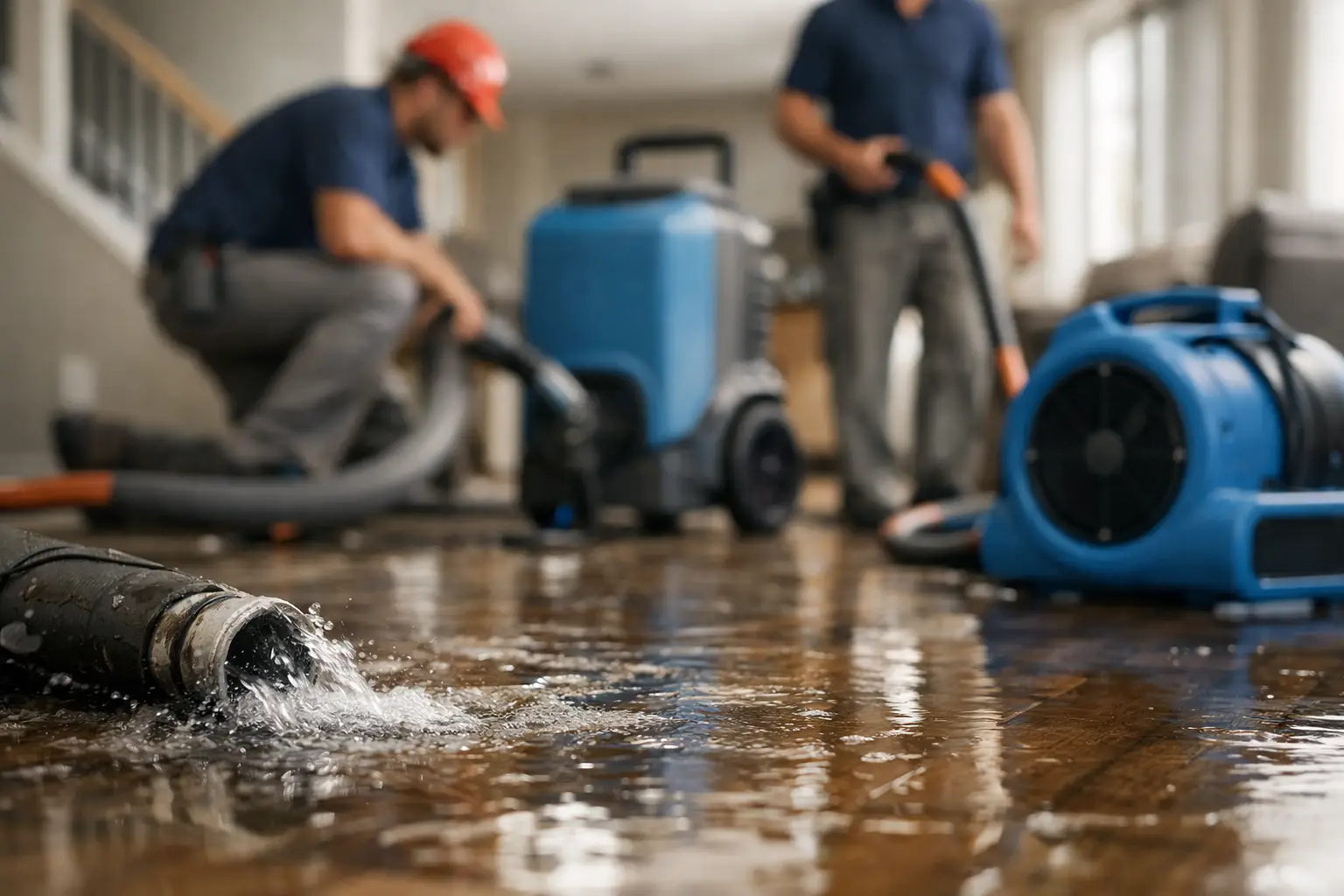
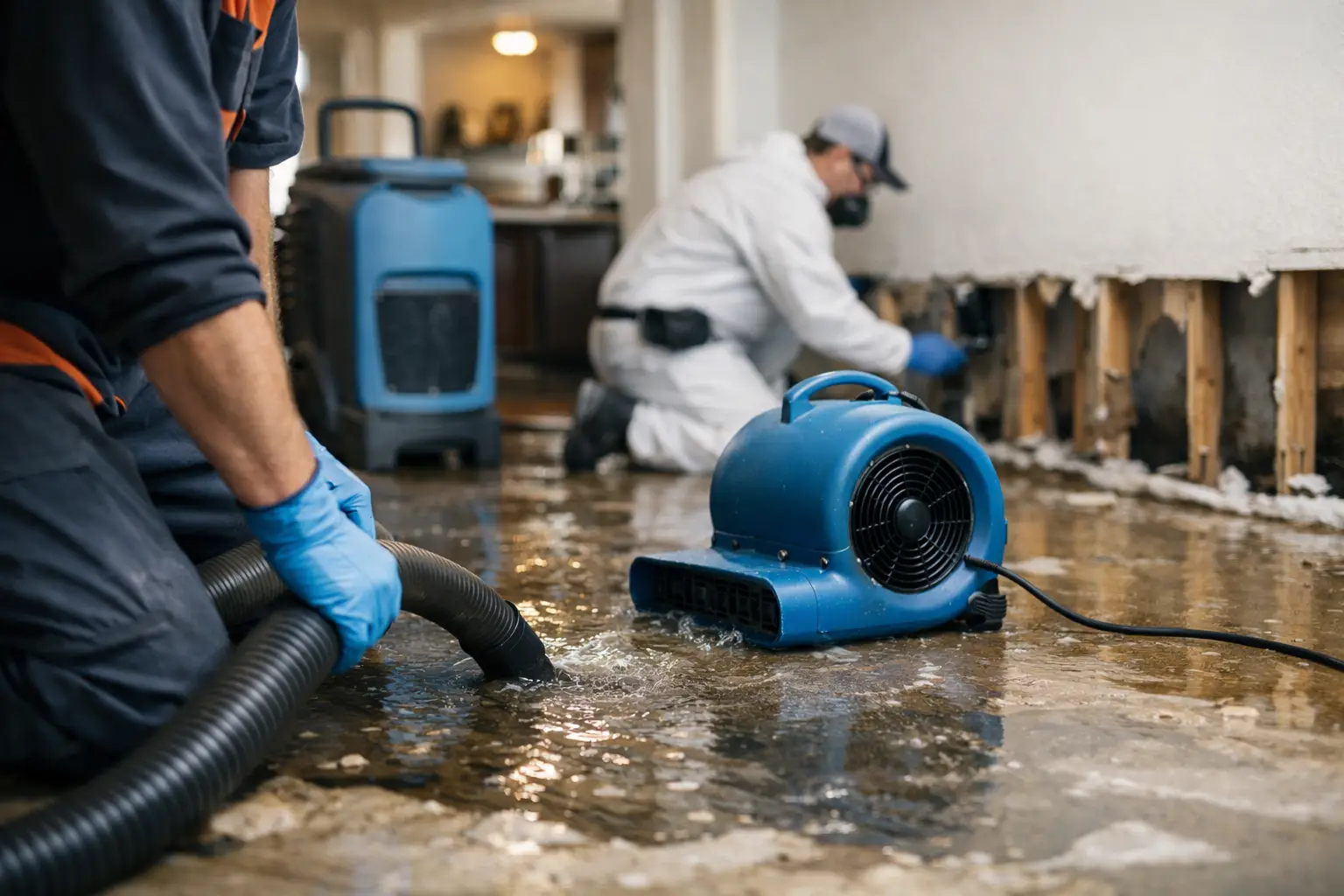
Extraction, structural drying, and moisture mapping after floods, leaks, and burst pipes.
Get help now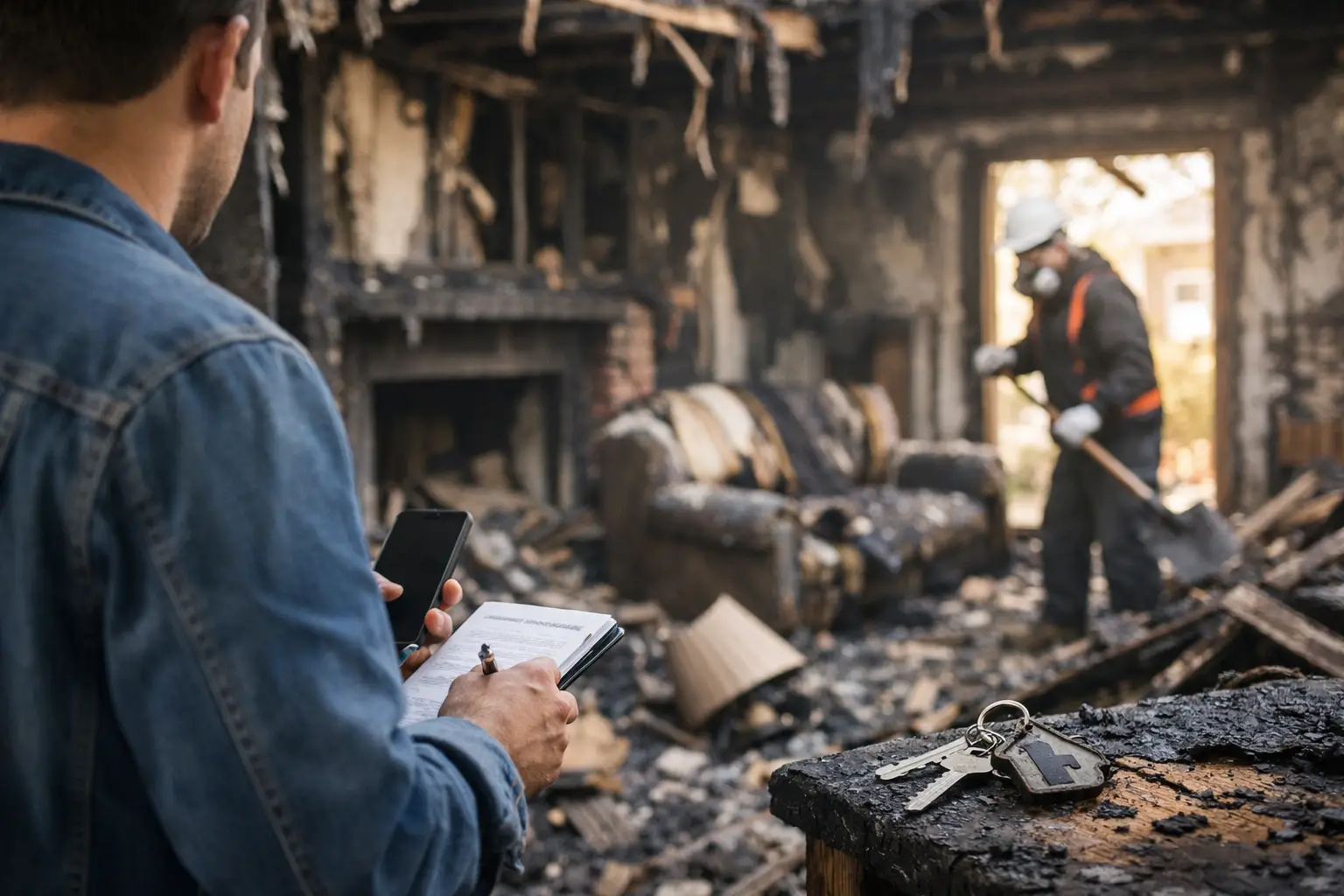 Fire & Smoke
Soot removal, odor deodorization, and content cleaning after fire and smoke damage.
Learn more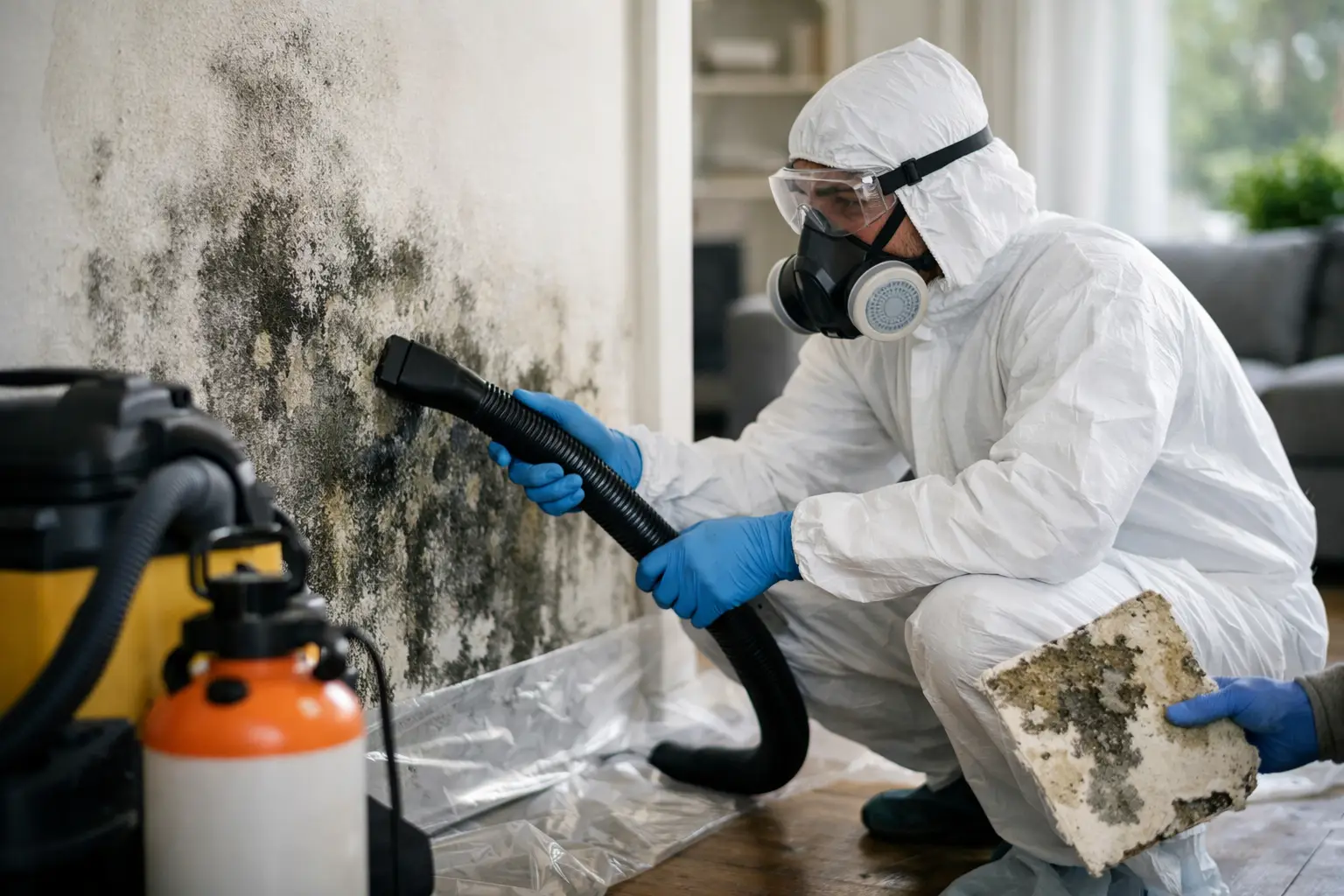 Mold
MoldContainment, removal, and moisture control that stops mold from coming back.
Learn more Storm
StormEmergency board-up, roof tarping, and full recovery after wind, hail, and storms.
Learn more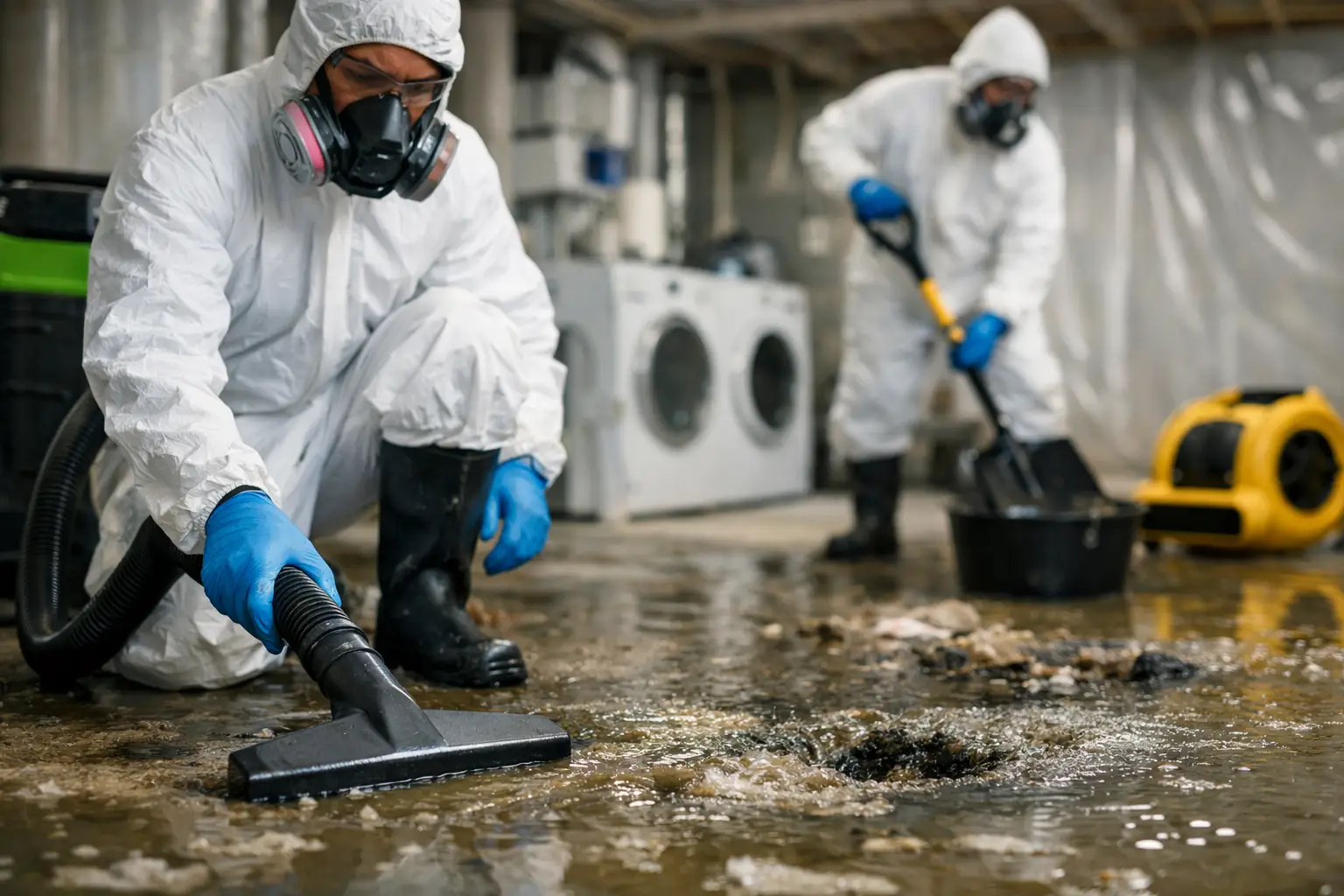 Sewage
Safe biohazard cleanup and sanitizing after sewage backups and overflows.
Learn more Reconstruction
Full rebuild by a licensed general contractor, so your property comes back whole.
Learn moreElevated Operations is an IICRC-certified, licensed general contractor based in Mableton that handles the entire recovery in-house, so after one loss you are never coordinating a cleanup crew, a mold crew, and a contractor separately. One team, one point of contact, from the first pump-out to the final coat of paint.
People call when the property feels like a disaster. They leave reviews because Chris and the crew made it right. These are real, verified Google reviews.
Yes. That is exactly the kind of job I take seriously in Rex. Older trim and woodwork can stain, smear, or hold odor if cleaned wrong, so I use the right surface cleaning method for the finish. IICRC-certified technicians handle the job, and I back the work with a 12-month warranty.
Often, yes, if the cleanup goes beyond the visible mess. In Rex, smoke odor usually hides in porous materials, HVAC components, contents, and wood details. I focus on odor removal at the source, not masking. That includes deodorization, contents cleaning, and, when needed, HVAC cleaning.
The right method depends on the surface and the soot type. Some walls need dry soot removal first, others can take a damp cleaning pass. In older Clayton County homes, I test carefully to avoid smearing residue into painted walls, ceilings, and trim. One wrong wipe can make the stain set.
As soon as the scene is safe. Smoke residue keeps traveling, and older Rex homes often hold it in more places than people expect. I respond 24/7 with a 60-minute emergency response, so I can start the smoke damage cleanup before odor and staining get deeper.
Yes. I offer direct insurance billing, which helps keep the claim moving while I handle the cleanup work. That is useful after smoke damage because the homeowner is usually dealing with a stressful mix of odor, soot, and damaged contents at the same time.
Yes, contents cleaning is often part of the job. Smoke can cling to furniture, clothing, decor, and stored items, especially in older homes where rooms are smaller and the odor settles faster. I sort what can be cleaned, deodorized, or protected during the restoration process.
Yes, an air scrubber can help control airborne particles during cleanup, especially when smoke residue is still active in the house. I use it as part of a larger smoke and soot cleanup plan, not as a fix by itself. The real answer is source removal, cleaning, and deodorization.
That usually means the system spread the odor. In a Rex house, I would look closely at the returns, supply registers, and nearby surfaces, then decide whether HVAC cleaning is needed. If smoke moved through the ducts, cleaning the room alone will not solve the problem.
Elevated Operations dispatches IICRC-certified crews across Metro Atlanta from our Mableton base, with a 60-minute emergency response day or night. Choose your city:
Call now for an immediate response, or request your free inspection and get a certified crew on-site within the hour across Atlanta and nearby areas.