24/7 Emergency Restoration · Serving Metro AtlantaEmergency? (770) 404-6895
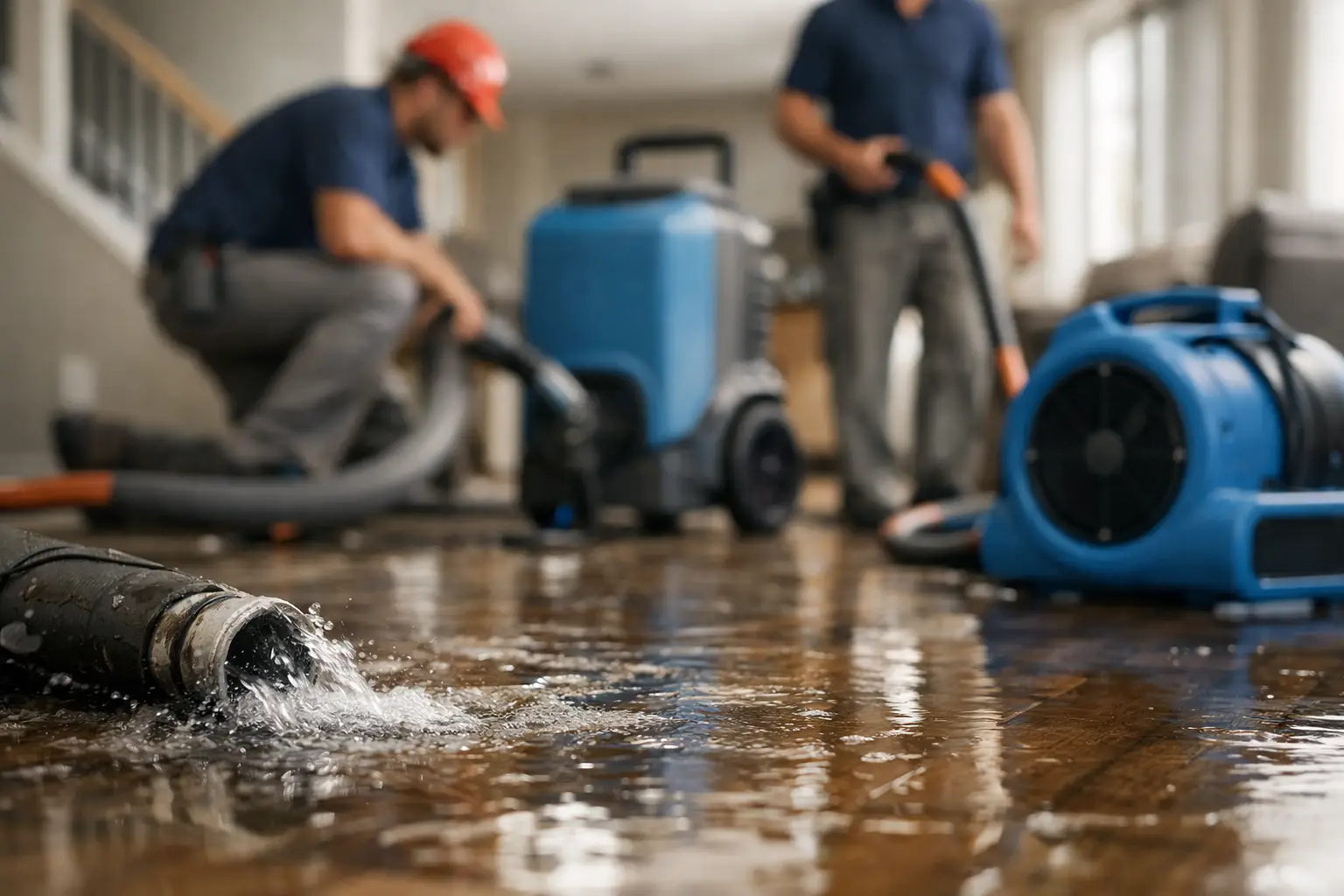
Storm damage restoration Alpharetta homes need is the process of stopping active leaks, documenting damage, and repairing the building after wind, hail, or falling debris hit the property. In Alpharetta, I see it often around Avalon, GA-400, and new-build townhomes with HOA rules that make fast, organized response critical.
IICRC-Certified · 5-Star Rated · 60-Minute Response · Insurance Billed Directly
Yes. Avalon-area homes and townhomes are part of the Alpharetta work I take seriously, especially where HOA rules and visible exterior damage need careful handling.
Yes. Tarping is the first step when the roof is open. After that, I inspect, dry, and repair the actual storm damage so the home gets back to stable.
Yes. Direct insurance billing is part of how I keep the process moving while the homeowner deals with the claim.
Call (770) 404-6895. I answer 24/7, and storm emergencies get immediate attention.
Storm damage restoration includes emergency protection, damage inspection, debris removal, roof tarping, drying, structural repair, and final repairs. The goal is simple, stop the storm from causing more damage, then return the house to a safe, stable condition.
I start with the building itself, not the paperwork. If the roof is open, roof tarping comes first. If a window failed, temporary boarding matters immediately. That is how I think about storm damage restoration in Alpharetta, especially in Avalon-area townhomes where HOA timelines and exterior rules can complicate access.
After protection, I inspect for hidden water paths, lifted shingles, cracked siding, damaged flashing, and ceiling stains. Wind damage repair is often less obvious than hail damage repair, which is why IICRC-certified technicians use a methodical approach instead of guessing from the curb.
Then comes the work that actually stabilizes the property, drying wet materials, handling structural repair where framing or sheathing was hit, and coordinating direct insurance billing so the claim process does not stall while the home sits exposed.
Alpharetta gets storm damage because strong thunderstorms, hail, and wind move across North Fulton with enough force to lift shingles, drive rain sideways, and break tree limbs. New-build townhomes near Avalon and GA-400 are not immune, because storms hit roofs, siding, and openings the same way.
The geography matters. Around GA-400, wind can push hard across open streets and newer subdivisions where homes have tight construction layouts and shared exterior details. That does not make them weak, but it does mean a single failure can spread water fast through walls, ceilings, and attic spaces.
In mixed housing stock, I see different failure points. Older homes may have worn flashing or tired roofing systems. New-build townhomes may have less age, but still take hail damage, punctured vents, lifted shingles, and HOA-sensitive exterior issues that demand documented repairs and clean communication.
Storm damage restoration in Alpharetta is also shaped by tree cover and debris. Limbs, pine needles, and blown material can clog gutters, shove water behind trim, and hide punctures. I treat the roofline and drainage path as one system, because that is how storm water behaves.
Yes. Storm damage can lead to water intrusion whenever wind, hail, or impact opens a path through the roof, siding, windows, or flashing. Once water gets in, it can move behind finishes, soak insulation, stain drywall, and create mold conditions within 24 to 48 hours.
Water intrusion is the part homeowners underestimate. One missing shingle or a cracked seal around a window can send rain into attic insulation, wall cavities, and ceiling assemblies. In a townhome near Avalon, that can affect more than one surface before anyone sees a stain.
I look for indirect signs, bubbling paint, sagging drywall, damp insulation, and musty odors. Those clues matter because the visible spot is usually smaller than the wet area behind it. A small exterior failure can turn into a bigger interior repair if drying does not start quickly.
That is why professional storm damage restoration is not just cleanup. It is water control. It is moisture inspection. It is deciding whether the building needs structural repair, partial removal, or temporary boarding before the next band of weather rolls through.
Yes, if the roof is exposed or leaking, roof tarping should happen right after storm damage to limit additional rain intrusion. Tarping is a temporary protection step, not a repair, but it protects the structure until permanent work and insurance decisions are made.
I do not treat tarping as optional when the roof opening is active. If shingles are missing, flashing is torn, or a limb has punctured the assembly, the clock is already running. A tarp buys time, and time matters when weather keeps moving through Alpharetta.
In HOA communities and new-build townhomes near Avalon, roof access and exterior appearance can make the process more delicate. That is another reason I prefer clear communication and direct insurance billing, because people need fast protection without turning a temporary fix into a paperwork mess.
Roof tarping also protects more than the ceiling. It helps keep insulation dry, reduces the chance of deeper water intrusion, and gives the restoration plan a stable starting point. Without it, even a small roof failure can snowball into drywall replacement and structural repair.
You fix storm damage to a house by securing the structure, documenting the loss, drying any wet materials, repairing the damaged building components, and then restoring finishes. The order matters, because hidden moisture and active openings must be handled before cosmetic work starts.
I begin with emergency response. Elevated Operations answers 24/7 and responds in about 60 minutes for emergencies, then we stabilize the site. That can mean roof tarping, temporary boarding, or debris removal if fallen limbs or broken materials are threatening more damage.
Next comes inspection and moisture tracing. I want to know whether the damage is wind-related, hail-related, or caused by water intrusion after the storm. That distinction affects everything from structural repair to wind damage repair and whether interior demolition is needed to dry the assembly properly.
Then I move into the actual repair sequence. Some homes need roofing work. Some need siding, gutters, or window protection. Some need interior restoration after leaks. A storm-damaged house is fixed by following the damage path, not by guessing at the finish layer.
Wind, hail, and debris can damage shingles, flashing, siding, gutters, windows, framing, and interior finishes. The outer damage is often only part of the problem, because the impact can let water in and create hidden issues behind walls or in the attic.
Wind damage repair often starts on the roof edge, where shingles lift and flashing loosens. Hail can bruise shingles, crack vents, and dent softer exterior components. Debris can cut siding or break windows. In Alpharetta, I see all three after the same storm system moves through.
The interior damage follows the exterior failure. A roof hit can stain drywall, soak insulation, and weaken ceiling materials. If water sits too long, mold risk climbs fast. That is why I take storm damage restoration seriously as both a building science problem and a timing problem.
For homeowners in Avalon or nearby townhomes, HOA requirements add another layer. Exterior changes, visible temporary protection, and repair sequencing often need to be handled cleanly and documented well. Good restoration respects the building, the claim, and the neighborhood rules at the same time.
A clean-looking roof can still have lifted shingles, torn flashing, or small punctures that let water in. I check the building system, not just the surface.
Roof tarping and temporary boarding are not the final fix, but they are often the difference between controlled damage and a much bigger interior loss.
A ceiling spot may be the last place water shows up. Moisture can travel through insulation, framing, and wall cavities before it becomes visible.
Direct insurance billing helps keep the restoration moving while the claim is being handled, which matters when the home is still exposed.
Around Avalon and other Alpharetta communities, visible repairs and temporary measures often need cleaner communication because exterior standards and access rules can affect the process.
From emergency mitigation to full reconstruction, handled in-house so you are never managing a chain of subcontractors mid-crisis.
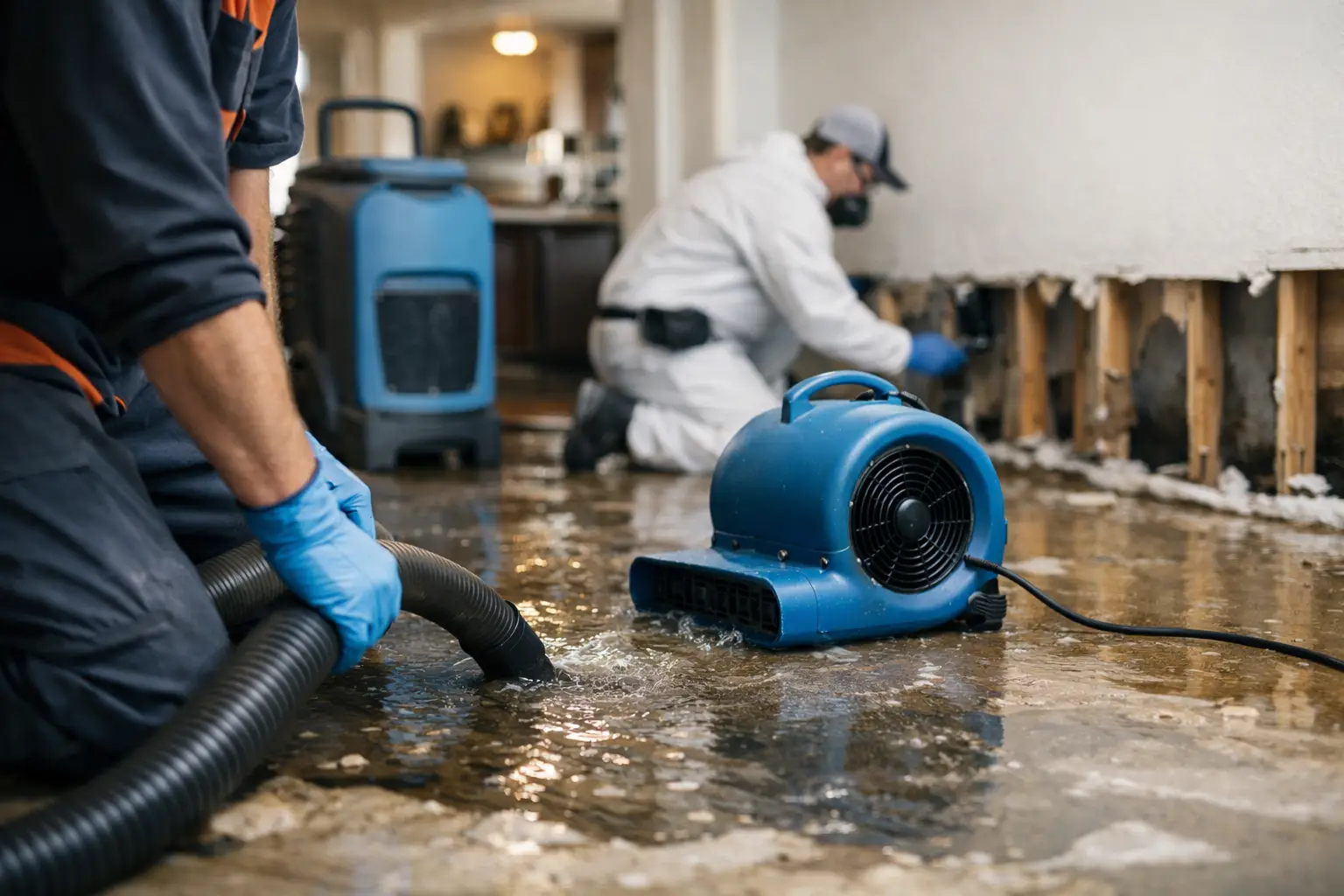 Water Damage
Extraction, structural drying, and moisture mapping after floods, leaks, and burst pipes.
Get help now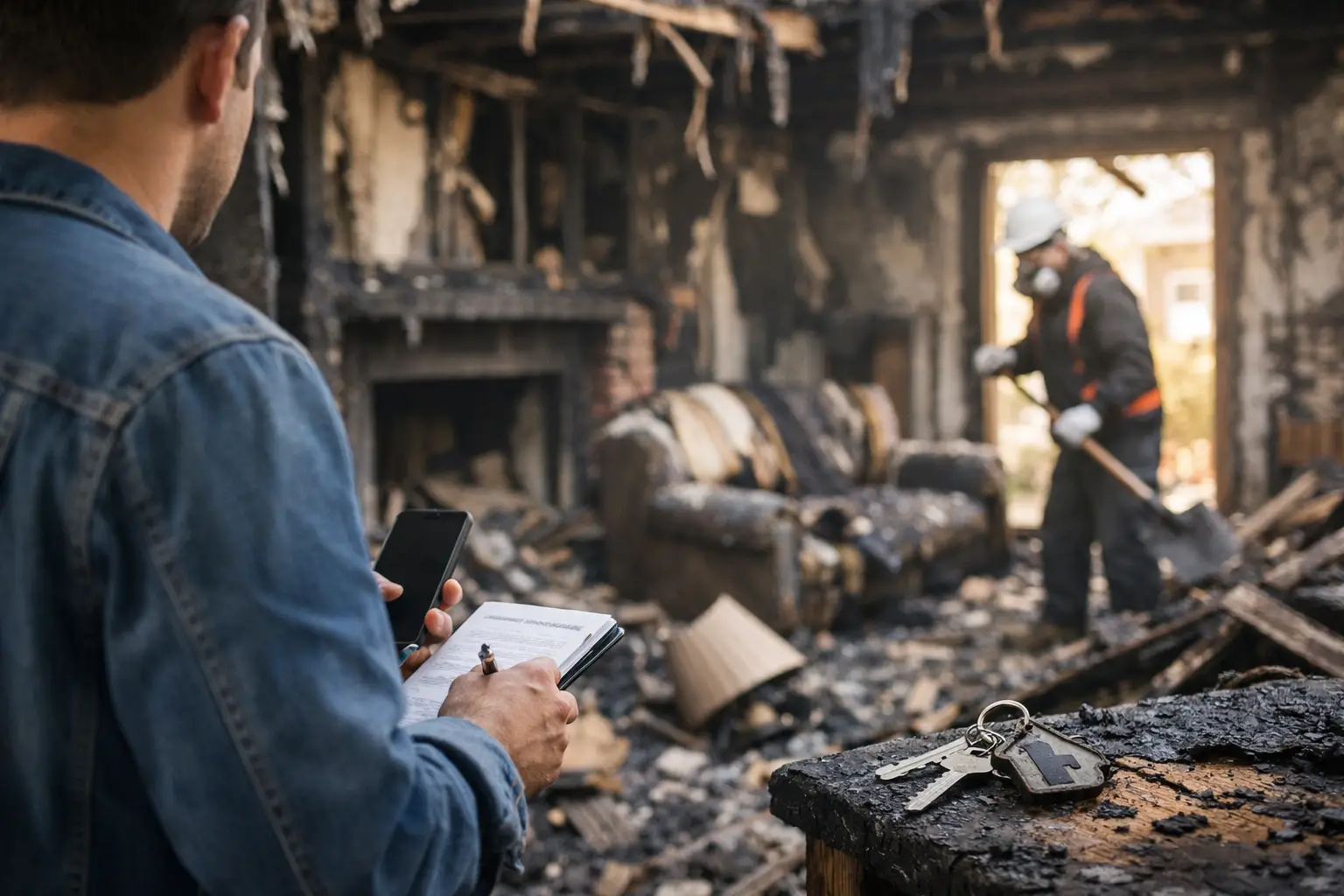 Fire & Smoke
Soot removal, odor deodorization, and content cleaning after fire and smoke damage.
Learn more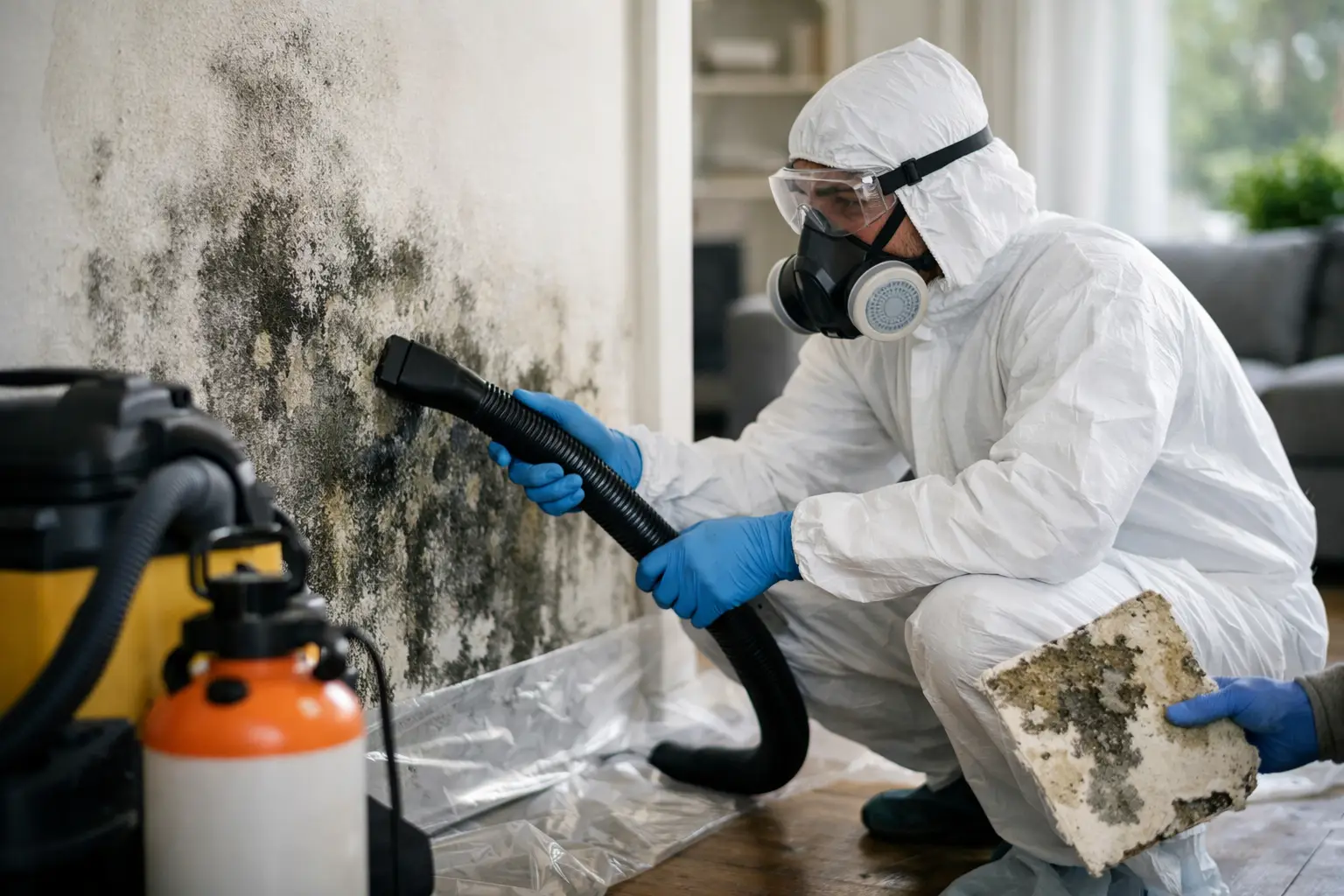 Mold
MoldContainment, removal, and moisture control that stops mold from coming back.
Learn more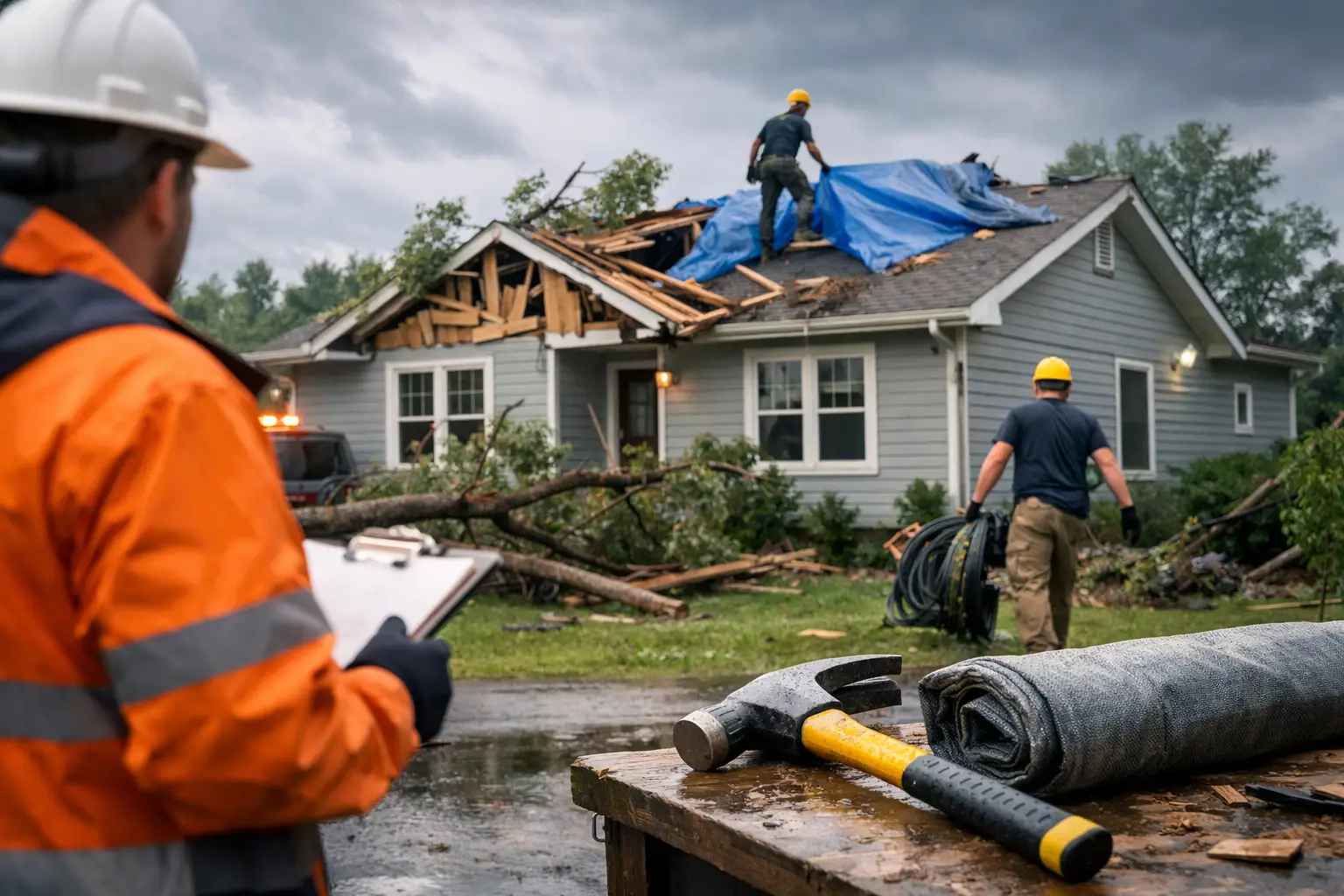 Storm
StormEmergency board-up, roof tarping, and full recovery after wind, hail, and storms.
Learn more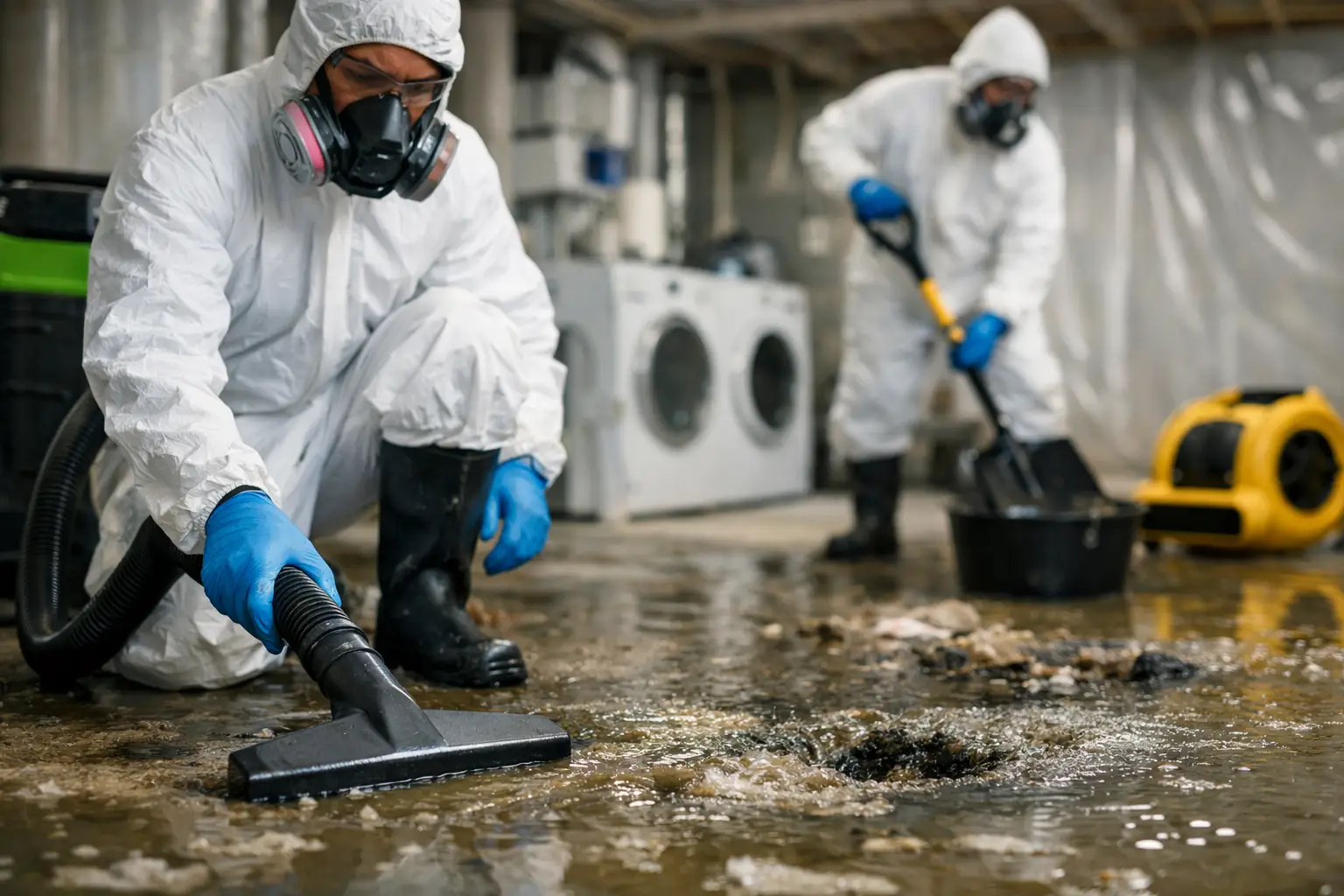 Sewage
Safe biohazard cleanup and sanitizing after sewage backups and overflows.
Learn more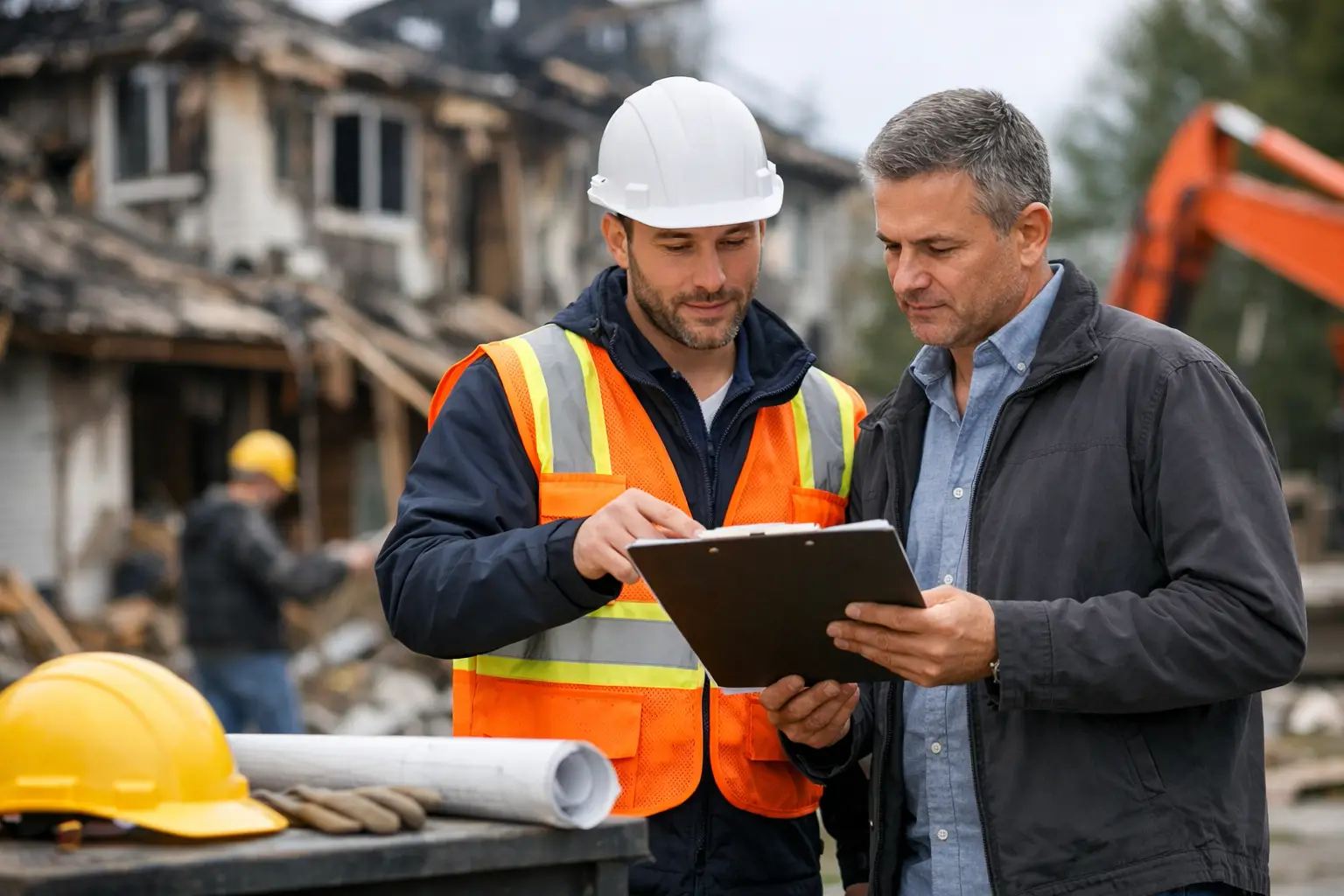 Reconstruction
Full rebuild by a licensed general contractor, so your property comes back whole.
Learn moreElevated Operations is an IICRC-certified, licensed general contractor based in Mableton that handles the entire recovery in-house, so after one loss you are never coordinating a cleanup crew, a mold crew, and a contractor separately. One team, one point of contact, from the first pump-out to the final coat of paint.
People call when the property feels like a disaster. They leave reviews because Chris and the crew made it right. These are real, verified Google reviews.
Check for active leaks, fallen limbs, missing shingles, broken windows, and any sign of water inside ceilings or walls. Then protect the opening right away. In HOA townhomes near Avalon and GA-400, I also look at how exterior access, shared walls, and visible temporary protection may affect the response.
Roof tarping should happen as soon as possible after storm damage if the roof is open or leaking. The purpose is to stop more water from entering while the permanent repair is planned. In Alpharetta, where storms can come back quickly, waiting turns a roof issue into a moisture problem.
Hail damage repair focuses on impact marks, bruised shingles, dented vents, and cracked exterior components. Wind damage repair focuses on lifted materials, torn flashing, and missing sections. I separate the two because the repair path and the insurance documentation can look very different.
Yes. Debris removal is often the first cleanup step after branches, broken materials, or scattered roof pieces land on the property. In neighborhoods near Avalon, it also helps make the site safe for roof tarping, temporary boarding, inspection, and later structural repair.
A licensed general contractor can manage the repair sequence, coordinate trades, and make sure the building work matches the damage. That matters when storm damage affects multiple parts of the home, because roof, siding, framing, and interior repairs often need to be handled in order.
New-build townhomes still take wind, hail, and water intrusion like any other structure. Around Avalon and GA-400, they can also have HOA oversight, shared exterior elements, and roof or siding details that make fast documentation and organized repairs especially important.
If storm damage is left open overnight, rain can enter through the roof, walls, or windows and spread into hidden spaces. That can lead to insulation damage, drywall failure, and mold conditions within 24 to 48 hours. The building usually gets harder and more expensive to stabilize.
I answer 24/7, respond in about 60 minutes for emergencies, and send IICRC-certified technicians to assess the damage. We are based in Mableton, handle direct insurance billing, and back our work with a 12-month warranty. Owner Chris Kwangwari leads the company.
Elevated Operations dispatches IICRC-certified crews across Metro Atlanta from our Mableton base, with a 60-minute emergency response day or night. Choose your city:
Call now for an immediate response, or request your free inspection and get a certified crew on-site within the hour across Atlanta and nearby areas.