24/7 Emergency Restoration · Serving Metro AtlantaEmergency? (770) 404-6895
Fire and smoke restoration College Park starts with stopping further damage, then removing soot, moisture, and odor from the structure and contents. I explain the process plainly because College Park properties near the National Register historic district and convention hotels often need careful cleaning, board up services, and fast fire damage cleanup.
IICRC-Certified · 5-Star Rated · 60-Minute Response · Insurance Billed Directly
Yes. I provide 24/7 emergency response with a 60-minute arrival target for fire losses.
My IICRC-certified technicians handle the restoration work under Elevated Operations, LLLP.
I back qualifying restoration work with a 12-month warranty.
We are based in Mableton and serve College Park across Fulton County and the surrounding metro area.
Fire and smoke restoration in College Park includes safety stabilization, debris removal, fire damage cleanup, soot removal, odor neutralization, and, when needed, structural drying after firefighting water. The job is part cleaning, part damage control, and part documentation so repairs can move forward without missing hidden problems.
I start with the simple truth: a fire leaves more than burn marks. Soot migrates, smoke gets into wall cavities, and water from suppression soaks flooring, framing, and insulation. In College Park, that matters in older homes near the historic district and in commercial properties serving convention traffic.
The first phase is stabilization. That can mean board up services, debris removal, and protecting openings so weather and trespass do not create a second loss. Then IICRC-certified technicians assess what can be cleaned, what needs removal, and what needs to be documented for the insurance file.
After that comes the detailed work. Fire damage cleanup often includes soot removal from surfaces, content restoration for salvageable items, and odor neutralization so smoke does not keep traveling through the building. If water is present, structural drying follows because moisture left behind can create another set of repairs.
College Park properties need fire restoration quickly because smoke and moisture keep damaging materials after the flames are out. In a city with a National Register historic district and busy convention hotels, delayed action can mean deeper staining, lingering odor, corrosion, and more complicated repairs.
Time matters after any fire. Smoke residue is acidic, which means it can stain metals, etch finishes, and travel through HVAC systems before you notice the full spread. In historic College Park buildings, that can be especially frustrating because original trim, plaster, and wood details are harder to replace than standard finishes.
There is also the water issue. Fire suppression often leaves soaked drywall, subflooring, and insulation behind the burn area. If that moisture sits, structural drying becomes more difficult and secondary damage grows. That is why I push fast assessment, not waiting for the odor to settle in and become part of the building.
College Park has a mix of older housing stock and hospitality spaces around convention hotels, so the building types vary widely. But the rule does not change. The earlier fire damage cleanup starts, the more likely it is that I can save materials, reduce demolition, and keep the loss from spreading room to room.
Smoke damage is removed by matching the cleaning method to the surface, then sealing in the odor issue only after the source residue is gone. That usually means dry soot removal first, then controlled washing, HEPA filtration, and odor neutralization on fabrics, hard finishes, and hidden cavities.
I do not believe in guessing with smoke. Dry soot is handled differently than oily soot, and porous surfaces behave differently than glazed tile or sealed wood. In practice, smoke damage cleanup starts with inspection, then careful cleaning so residue is lifted instead of smeared deeper into the material.
One bad move can make the problem worse. If you wipe smoke residue the wrong way, you can drive soot into paint, grout, upholstery, or cabinetry. That is why IICRC-certified technicians follow material-specific methods and use the right extraction, detergent, and filtration approach for the condition they find.
Odor neutralization is not a shortcut. It works after soot is removed and the hidden spaces are addressed. In a College Park property near the historic district, I pay attention to attics, crawlspaces, and wall cavities because smoke can settle where daily cleaning will never reach.
Yes, many fire damaged contents can be restored if the damage is mostly soot, odor, or light heat exposure. Content restoration is evaluated item by item, because some belongings can be cleaned and recovered while others are too damaged or unsafe to keep.
Content restoration is where experience matters. Furniture, electronics, documents, clothing, and decorative items all respond differently to heat, smoke, and moisture. In a College Park home, that may mean family items and heirlooms. In a hotel setting, it may mean linens, fixtures, or guest-area contents.
The goal is to separate salvageable items from the ones that need disposal. Some materials hold smoke odor deeply, and some finishes are permanently marked by soot or warping. I document everything because insurance claims are clearer when the contents story is organized, not scattered across rooms and boxes.
Not every item belongs on the keep list. I say that plainly. If fire damage has made an item unsafe, unstable, or impossible to clean properly, replacing it is better than spending money on a failed recovery. That judgment call protects both the structure and the claim.
Fire restoration should begin as soon as the property is safe to enter and the fire department has cleared it. The first 24 to 48 hours matter because soot keeps moving, odors keep setting, and water damage can grow if structural drying does not start promptly.
I do not wait around after a fire. The job starts with a 24/7 emergency response, because the building keeps changing after the flames stop. Even one night can allow staining, odor, and moisture damage to set into finishes, framing, and personal property.
In College Park, that urgency is especially important for older structures and properties near high-traffic corridors that serve convention hotels. Doors, windows, and roof openings need to be stabilized fast, and board up services are often part of the first visit before weather or entry causes more damage.
Once the site is secure, the next steps are assessment, documentation, and targeted cleanup. Direct insurance billing helps move the process forward without adding another administrative burden. The point is simple: start early, protect what can be saved, and reduce the amount of tearing out later.
Smoke travels far because it follows air pathways, gaps, ductwork, and pressure changes throughout the building. That is why a fire in one room can leave odor in hallways, closets, attic spaces, and soft goods far from the original burn area.
Smoke is not just a smell. It is a mix of tiny particles and gases that attach to surfaces and move with airflow. That is why a small kitchen fire in a College Park rental or condo can still leave residue in rooms that never burned at all.
Older houses in the historic district can be more vulnerable because they may have leaky framing, older ducts, and voids that let smoke move freely. Convention hotels and mixed-use properties face the same issue, especially where HVAC systems distribute contamination beyond the initial fire area.
That spread changes the restoration plan. It means smoke damage cleanup is not limited to the obvious blackened surfaces. It also includes hidden pathways, ceiling plenums, soft furnishings, and areas where odor settles long after the visible soot is gone.
It keeps damaging finishes after the fire is out, which is why soot removal should start early and be matched to the surface.
Suppression water can soak framing and flooring, so structural drying is part of many fire jobs, not a separate surprise.
Content restoration works best when each item is evaluated for cleanability, odor retention, and safety instead of treated as a pile.
Odor neutralization works after residue is removed and hidden spaces are addressed, especially in attics, ducts, and wall cavities.
Direct insurance billing and clear documentation can keep the claim moving when the property has visible loss and hidden smoke spread.
From emergency mitigation to full reconstruction, handled in-house so you are never managing a chain of subcontractors mid-crisis.
 Water Damage
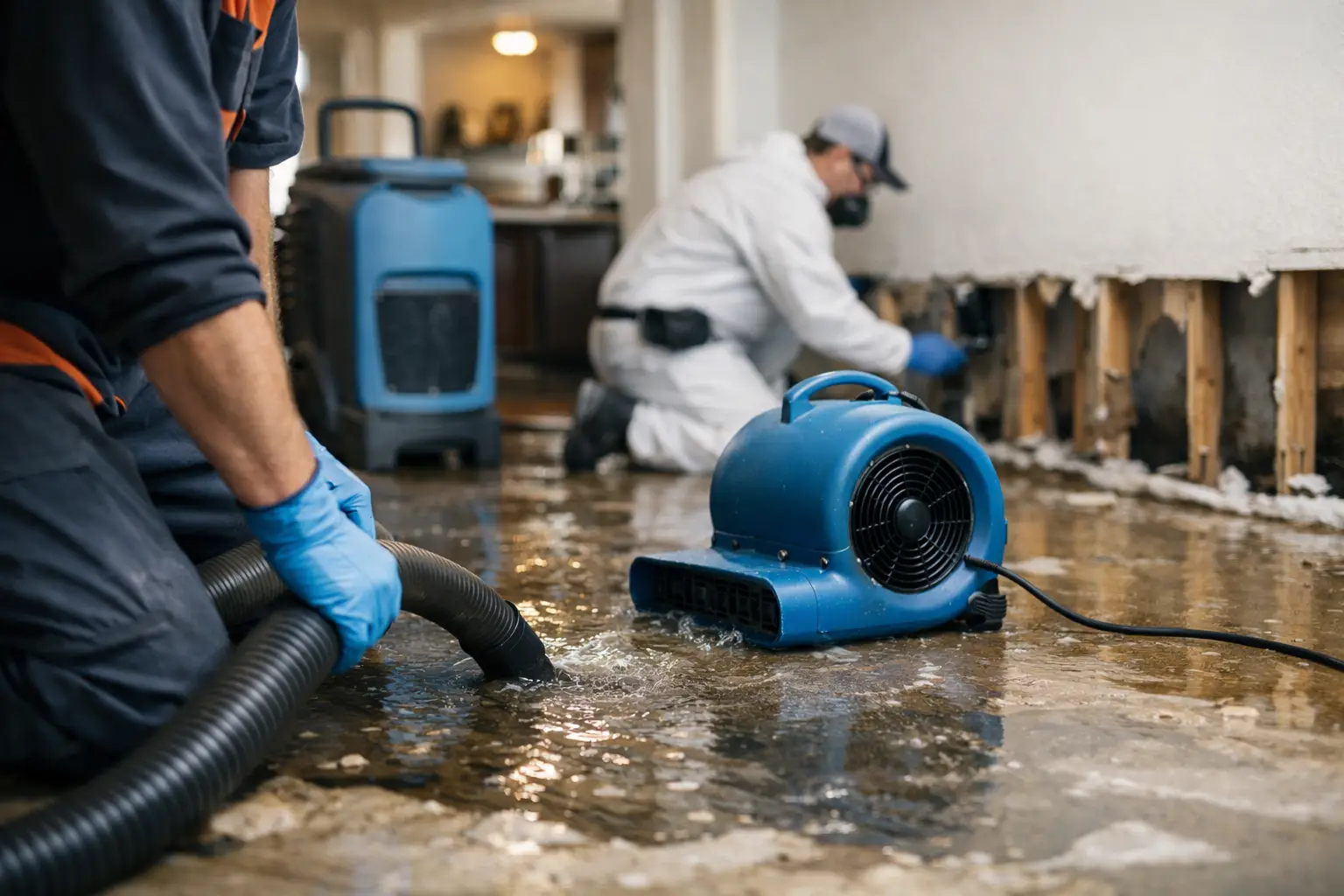
Extraction, structural drying, and moisture mapping after floods, leaks, and burst pipes.
Get help now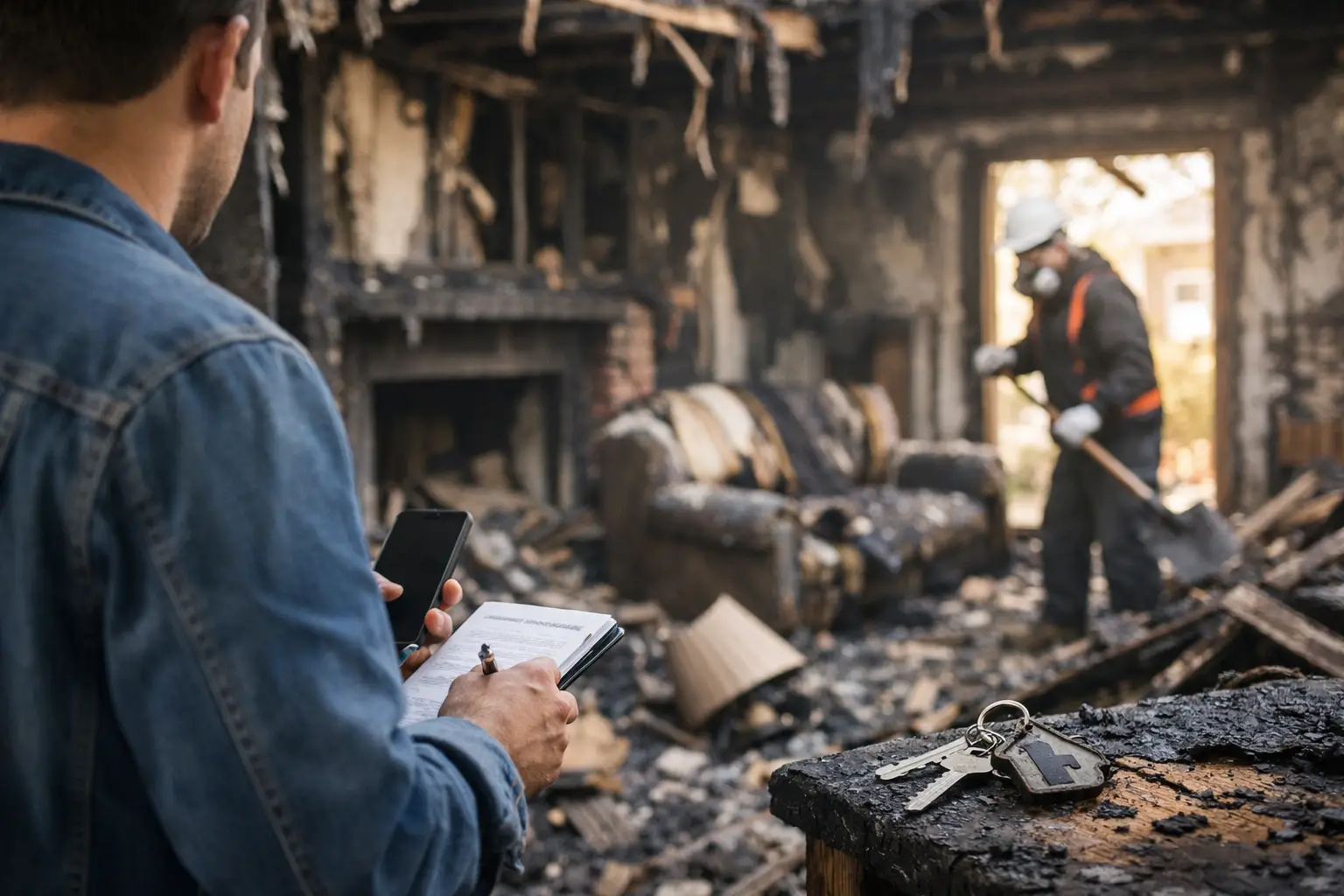 Fire & Smoke
Soot removal, odor deodorization, and content cleaning after fire and smoke damage.
Learn more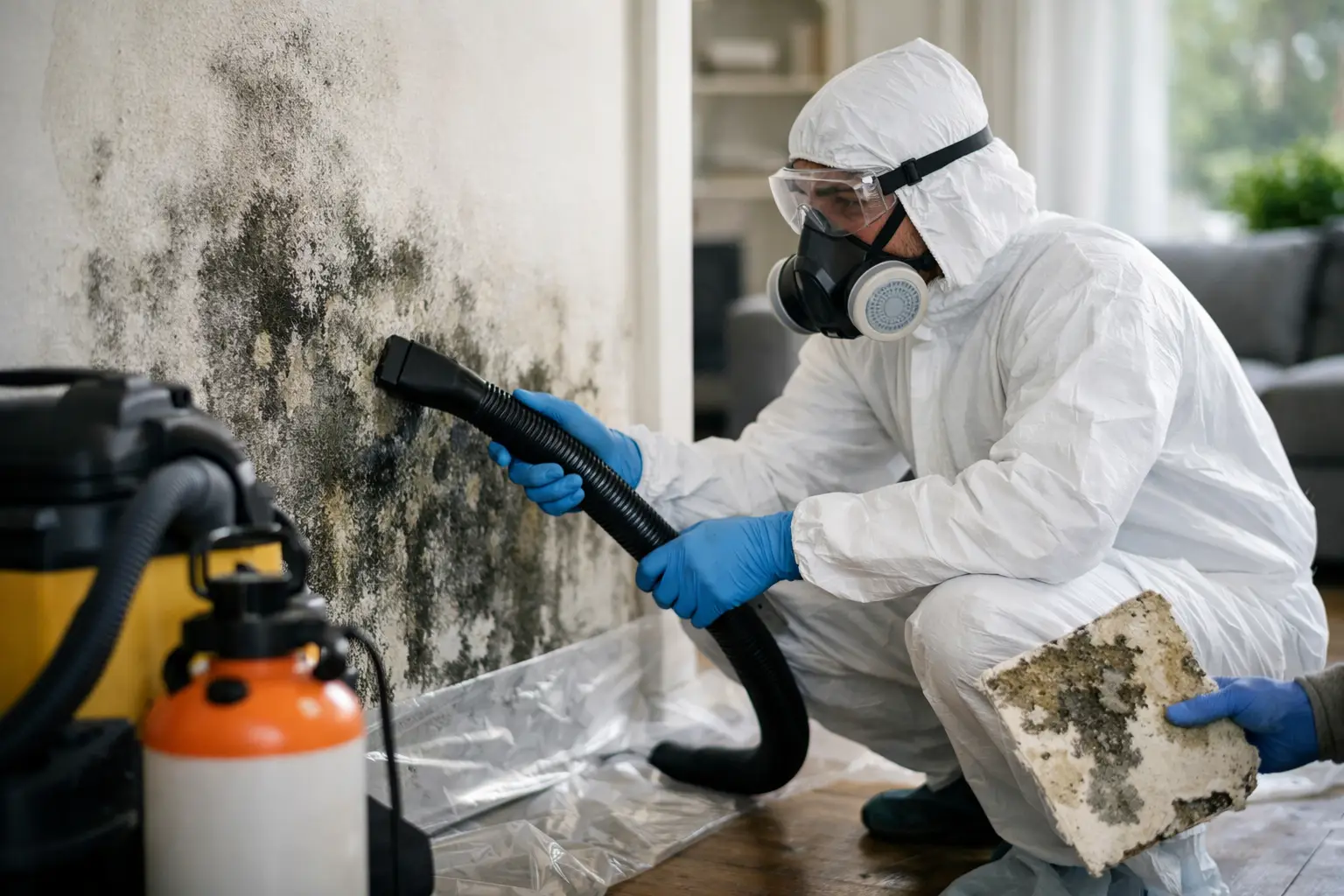 Mold
MoldContainment, removal, and moisture control that stops mold from coming back.
Learn more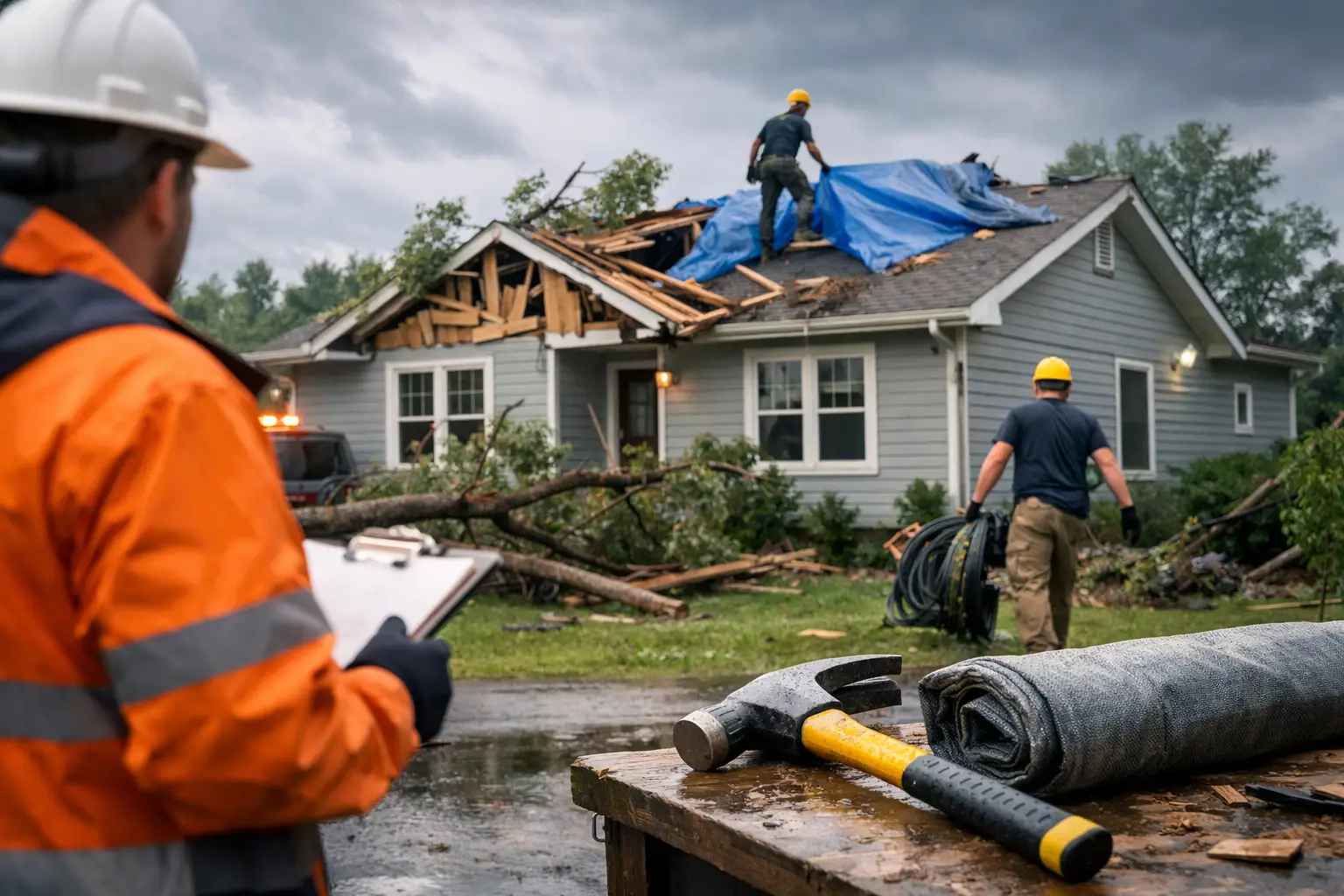 Storm
StormEmergency board-up, roof tarping, and full recovery after wind, hail, and storms.
Learn more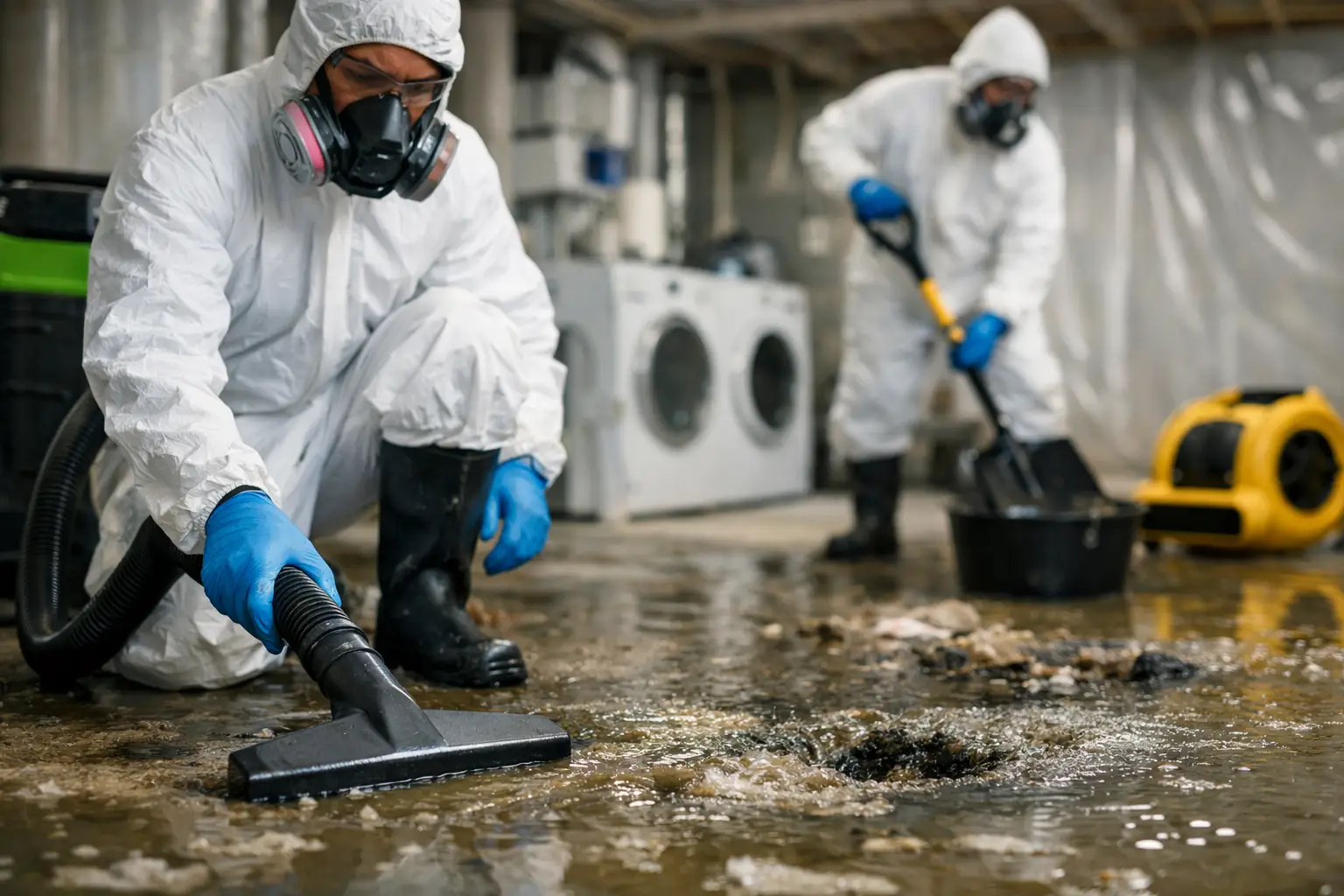 Sewage
Safe biohazard cleanup and sanitizing after sewage backups and overflows.
Learn more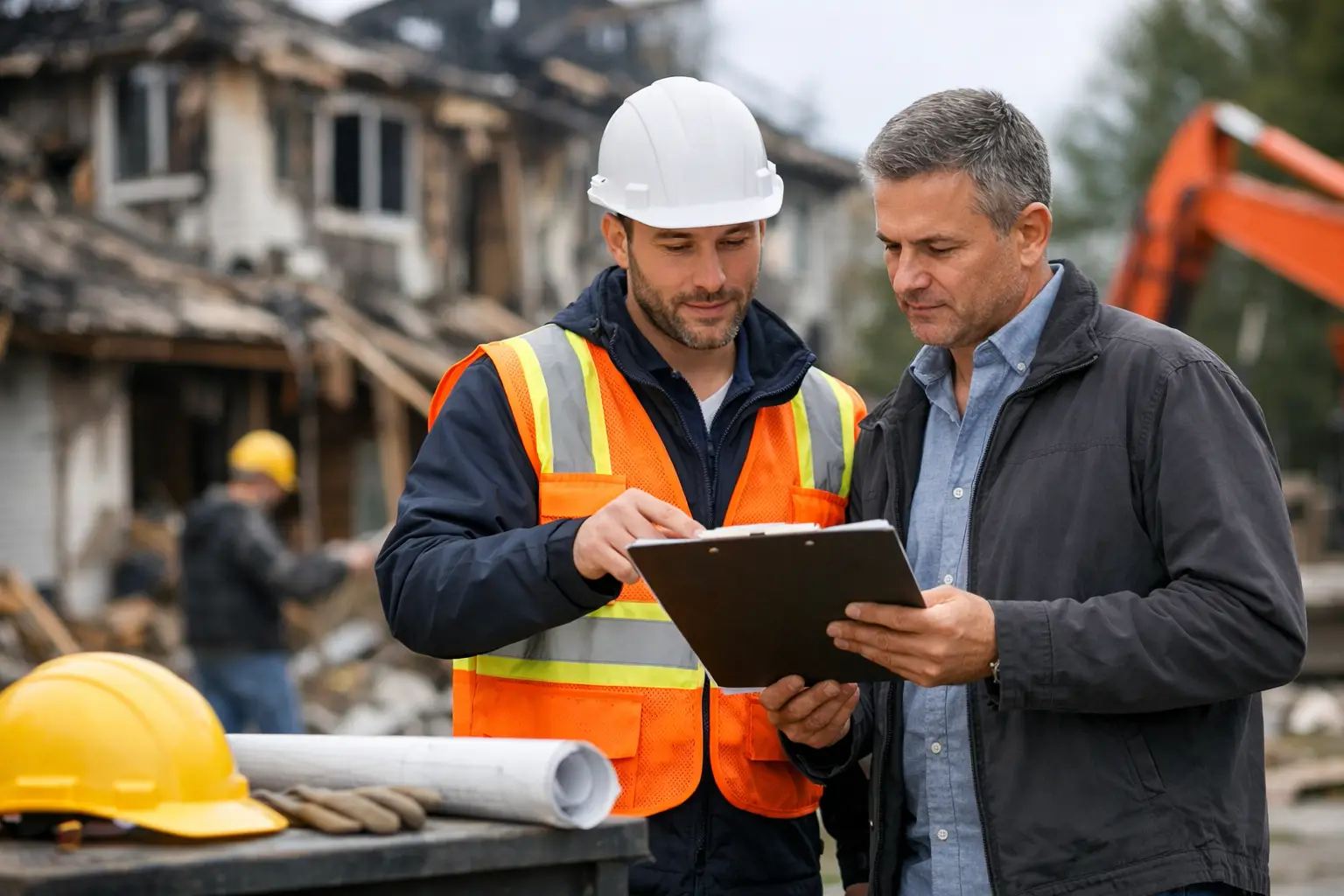 Reconstruction
Full rebuild by a licensed general contractor, so your property comes back whole.
Learn moreElevated Operations is an IICRC-certified, licensed general contractor based in Mableton that handles the entire recovery in-house, so after one loss you are never coordinating a cleanup crew, a mold crew, and a contractor separately. One team, one point of contact, from the first pump-out to the final coat of paint.
People call when the property feels like a disaster. They leave reviews because Chris and the crew made it right. These are real, verified Google reviews.
Yes. Older homes in College Park often need more careful fire and smoke restoration because original woodwork, plaster, and trim can be more sensitive than modern finishes. I pay close attention to soot removal, hidden voids, and whether cleaning can preserve the historic material before anything gets removed.
The first step is stabilization. That usually means safety assessment, board up services if openings are exposed, debris removal where needed, and a plan for fire damage cleanup. After that, I document the loss and decide what can be cleaned, dried, or taken to content restoration.
You remove smoke damage by using the right method for the material. Dry soot is lifted before washing, porous items are tested carefully, and odor neutralization comes after residue is gone. If you scrub too early or too hard, you can drive smoke deeper into surfaces.
Often, yes. Many items can be recovered through content restoration if they have soot, odor, or light heat exposure instead of total burn damage. I look at fabric, finish, electronics, and structure before deciding. Some items clean up well, and some are better replaced.
As soon as the site is safe and released. The first 24 to 48 hours matter because smoke damage cleanup gets harder as residue sets and moisture remains in the structure. Fast action also helps with structural drying and reduces the chance of secondary damage.
Smoke moves through airflow, ductwork, and wall gaps, so even a small fire can affect much more than the room where it started. In a College Park building, that means odor neutralization may be needed in closets, attics, HVAC paths, and soft furnishings.
Yes. I use direct insurance billing to keep the paperwork from slowing down the recovery. That matters when the property needs fire damage cleanup, smoke damage cleanup, and possibly structural drying all at once. I also offer deductible assistance up to $1,000 when eligible.
A licensed general contractor can coordinate the restoration sequence, identify what needs repair versus cleaning, and keep the work aligned with the building's actual condition. That is useful in College Park when a fire affects historic materials, mixed-use spaces, or properties with both smoke and water damage.
Elevated Operations dispatches IICRC-certified crews across Metro Atlanta from our Mableton base, with a 60-minute emergency response day or night. Choose your city:
Call now for an immediate response, or request your free inspection and get a certified crew on-site within the hour across Atlanta and nearby areas.