24/7 Emergency Restoration · Serving Metro AtlantaEmergency? (770) 404-6895
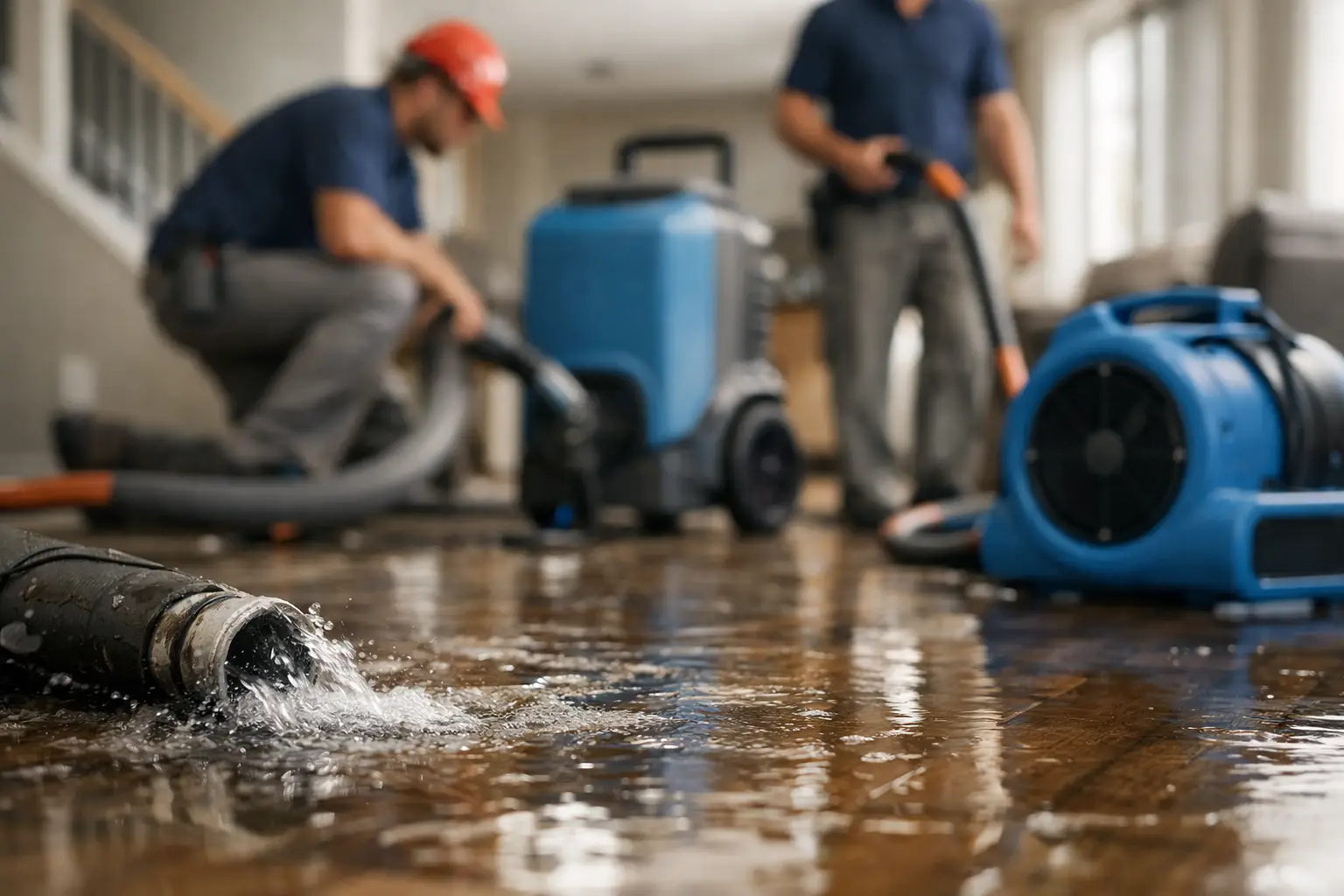
Contents cleaning and restoration Atlanta starts with speed, and I treat the first hour like it matters, because it does. In intown bungalows and creek basements, smoke, soot, moisture, and odor keep spreading until I stop them with pack out services, content cleaning, and personal property restoration.
IICRC-Certified · 5-Star Rated · 60-Minute Response · Insurance Billed Directly
Because smoke, water, and odor keep moving after the event. The first hour is about stopping that spread, especially in intown bungalows and creek basements.
Often yes, if I start document drying quickly. Paper is one of the first things to fail in a damp basement, so timing is everything.
Yes, when the item is a candidate for electronics cleaning. I inspect it first, because some units are worth restoring and some are not.
I am owner Chris Kwangwari, in restoration since 2007, and I run a licensed, IICRC-certified team that bills insurance directly and stands behind the work with a 12-month warranty.
Contents cleaning and restoration in Atlanta is the process I use to recover salvageable belongings after fire, water, smoke, or mold exposure, then clean, dry, deodorize, and document them for return. It is fast-moving work, especially in intown bungalows and creek basements where hidden moisture and smoke residue spread quickly.
I start with the contents, not the structure. Furniture cleaning, electronics cleaning, document drying, and odor removal all happen in a controlled order so the loss does not keep growing while the house is being stabilized.
Atlanta homes need that speed. Older intown bungalows often have tight rooms, original trim, and mixed finishes, while creek basements can trap damp air and crawlspace odor that moves into stored items, fabric, and boxes overnight.
I am owner Chris Kwangwari, and I run Elevated Operations, LLLP from Mableton with IICRC-certified technicians, a licensed general contractor, direct insurance billing, and a 12-month warranty on the work we perform.
In the first hour, I get control of the contents, separate what can be saved, and stop avoidable damage from heat, water, soot, and odor. That usually means emergency inspection, photos, priority sorting, and, when needed, pack out services so the most vulnerable items leave the danger zone first.
Time matters immediately. Smoke residue keeps bonding to surfaces, wet paper starts breaking down fast, and damp fabrics can turn into a bigger problem before dinner if they sit in an Atlanta bungalow or a basement storage room.
I look for the items that lose value fastest, like photographs, paperwork, soft goods, electronics, and porous furniture. Then I document conditions for insurance and decide what gets cleaned on site and what needs controlled off-site content restoration.
My team responds 24/7, and I keep the process simple on purpose. One call brings a 60-minute emergency response, direct insurance billing, and deductible assistance up to $1,000 when the claim qualifies.
During the first day, I build the salvage plan, move contents out of harm’s way if needed, and start cleaning or drying the items that can be saved. That first day is where good inventory work, careful packing, and fast stabilization usually decide whether belongings are recoverable or lost.
First day work often includes photographing, listing, bagging, wrapping, and separating contents by material and condition. I do not guess. I sort by what can be cleaned, what must be dried, and what is too damaged to keep contaminating the rest of the load.
If the home has creek basement water or smoke from a kitchen fire, I move quickly on fabric furniture, area rugs, books, and loose electronics because those items deteriorate differently and need different handling. That is why content cleaning is not one-size-fits-all.
Atlanta houses vary a lot by block. A 1920s intown bungalow near tight lot lines and a split-level with a wet basement do not need the same sequence, but both need the same thing first, control the contents before the damage keeps spreading.
Yes, many damaged contents can be restored after a fire or flood if I get to them quickly enough and the material still has salvage value. Paper, textiles, hard goods, and some electronics can often be recovered, but the longer soot, water, and odor sit, the less can be saved.
Fire damage is usually a combination problem. Soot, heat, and odor all hit at once, so I treat the contents as a system. That means prioritizing smoke damaged contents first, then moving into detailed cleaning, deodorizing, and drying as the inventory is stabilized.
Flood damage is different. Water spreads through seams, drawers, padding, and hidden cavities, then mold starts in 24 to 48 hours if conditions stay wet. In a creek basement, that timeline can move faster than people expect because airflow and humidity stay trapped.
I have been in restoration since 2007, and I have seen good belongings lost because nobody acted in the first day. I also have seen ugly-looking items saved because the right process started fast and stayed organized.
I clean smoke damaged contents by matching the method to the material, then removing soot, residue, and odor without driving contamination deeper. That usually means dry cleaning first, careful surface cleaning next, controlled deodorization, and separate handling for electronics, papers, and soft goods.
Smoke damage is tricky because wiping too early can smear soot into wood grain, fabric, plastic, and seams. I slow that part down just enough to do it right, then move fast on the items that keep absorbing odor in an Atlanta home.
Furniture cleaning and odor removal often go together, but they are not the same step. A chair can look clean and still carry smoke odor, especially after a kitchen fire or HVAC spread in an older bungalow with closed rooms and short air paths.
Some items need document drying, others need electronics cleaning, and some need full content restoration in a controlled space. I sort those categories early so one damaged item does not contaminate a whole room of salvageable belongings.
The items I can often save during content restoration include furniture, textiles, documents, books, kitchen goods, décor, and some electronics, depending on the damage and how fast I arrive. The deciding factors are contamination level, material type, and whether the item was stored in a basement, attic, or main living area.
Soft goods can surprise people. Rugs, curtains, and upholstered furniture may look rough on day one, but if they are handled correctly early, they can sometimes be cleaned and returned instead of replaced. That is where careful inventory and fast action matter most.
Family papers and photos need special handling because they absorb moisture fast and tear easily. If I can get document drying started quickly, I can often reduce the loss dramatically, especially when the issue started in a creek basement or a closet below grade.
Some electronics are not worth saving, and I say that plainly. Others can be candidates for electronics cleaning if the exposure was limited and the unit is stabilized quickly. I never pretend everything can be restored just to sound optimistic.
I inspect, document, and separate salvageable contents from items that are still actively being damaged. If needed, I start pack out services right away so smoke, moisture, and odor stop spreading through the Atlanta home.
I build the inventory, tag items, and begin content cleaning on the highest-value and most fragile belongings. In intown bungalows and creek basements, that usually means fast action on fabrics, papers, furniture, and electronics.
I continue cleaning, drying, and deodorizing, and I keep the claim moving with direct insurance billing. This is when content restoration gets organized, and when items that looked impossible on day one often show real progress.
Once the contents are stabilized and returned, I coordinate the next phase of the property work as a licensed general contractor. The goal is simple, get the home back in order without losing more belongings than necessary.
From emergency mitigation to full reconstruction, handled in-house so you are never managing a chain of subcontractors mid-crisis.
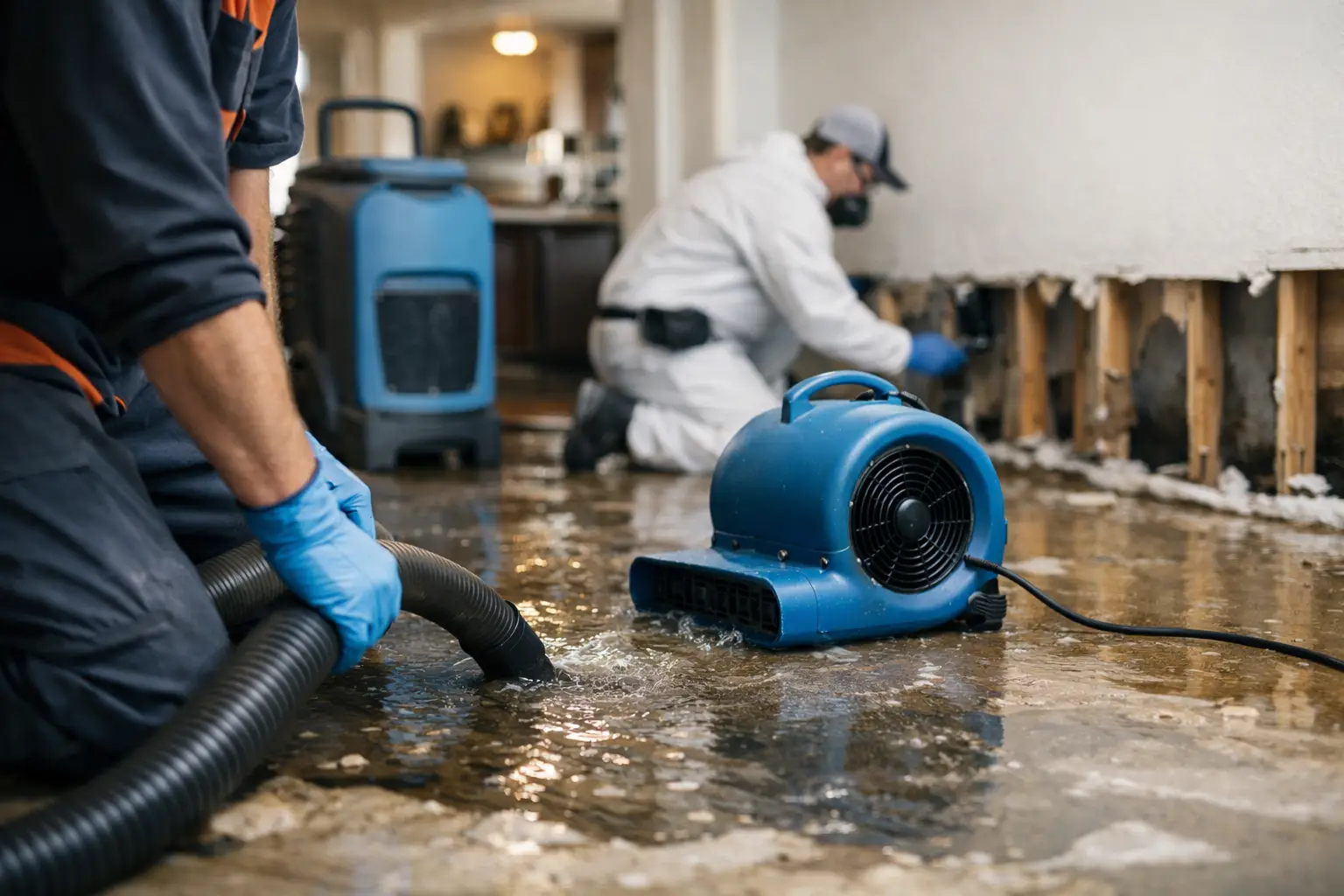 Water Damage
Extraction, structural drying, and moisture mapping after floods, leaks, and burst pipes.
Get help now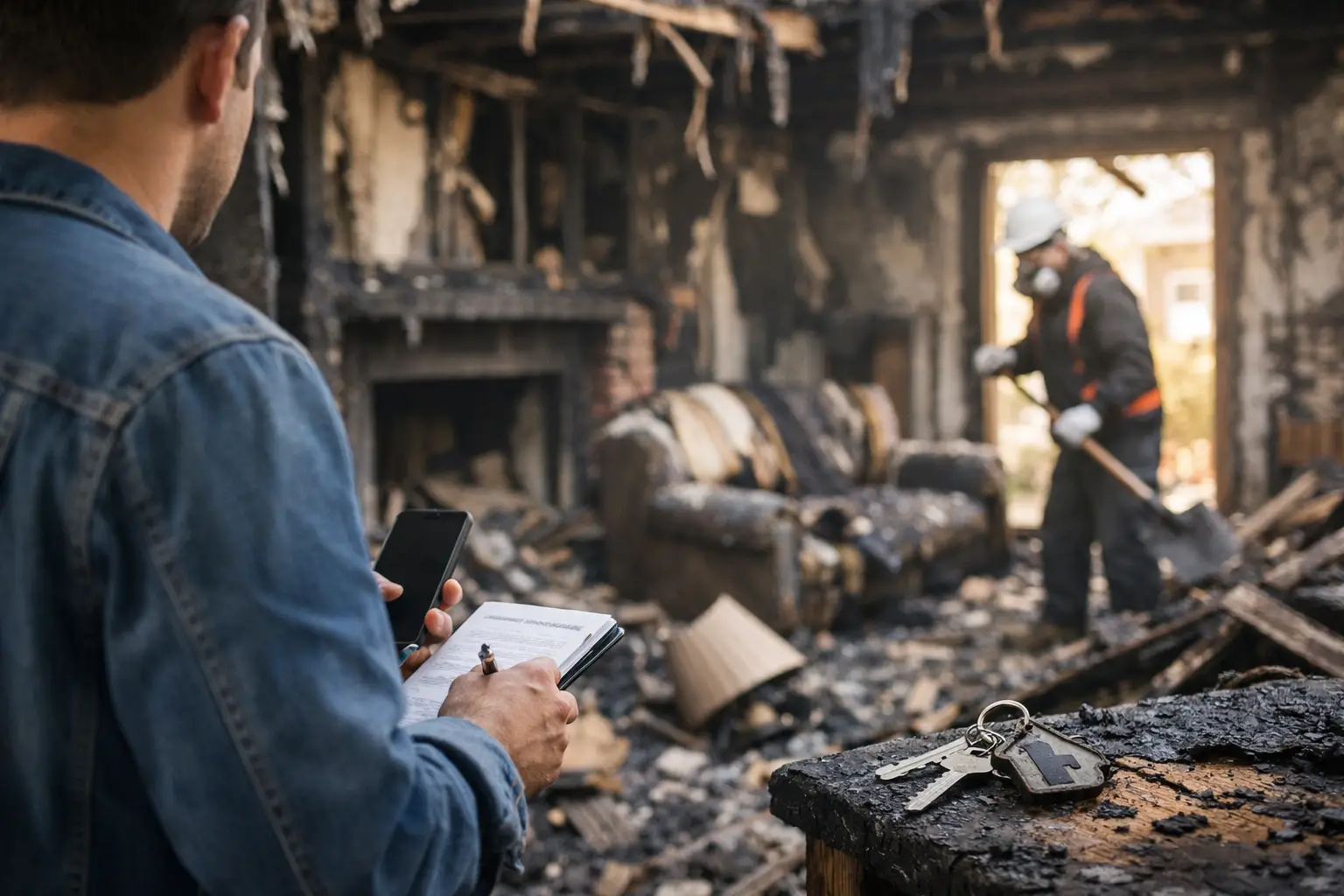 Fire & Smoke
Soot removal, odor deodorization, and content cleaning after fire and smoke damage.
Learn more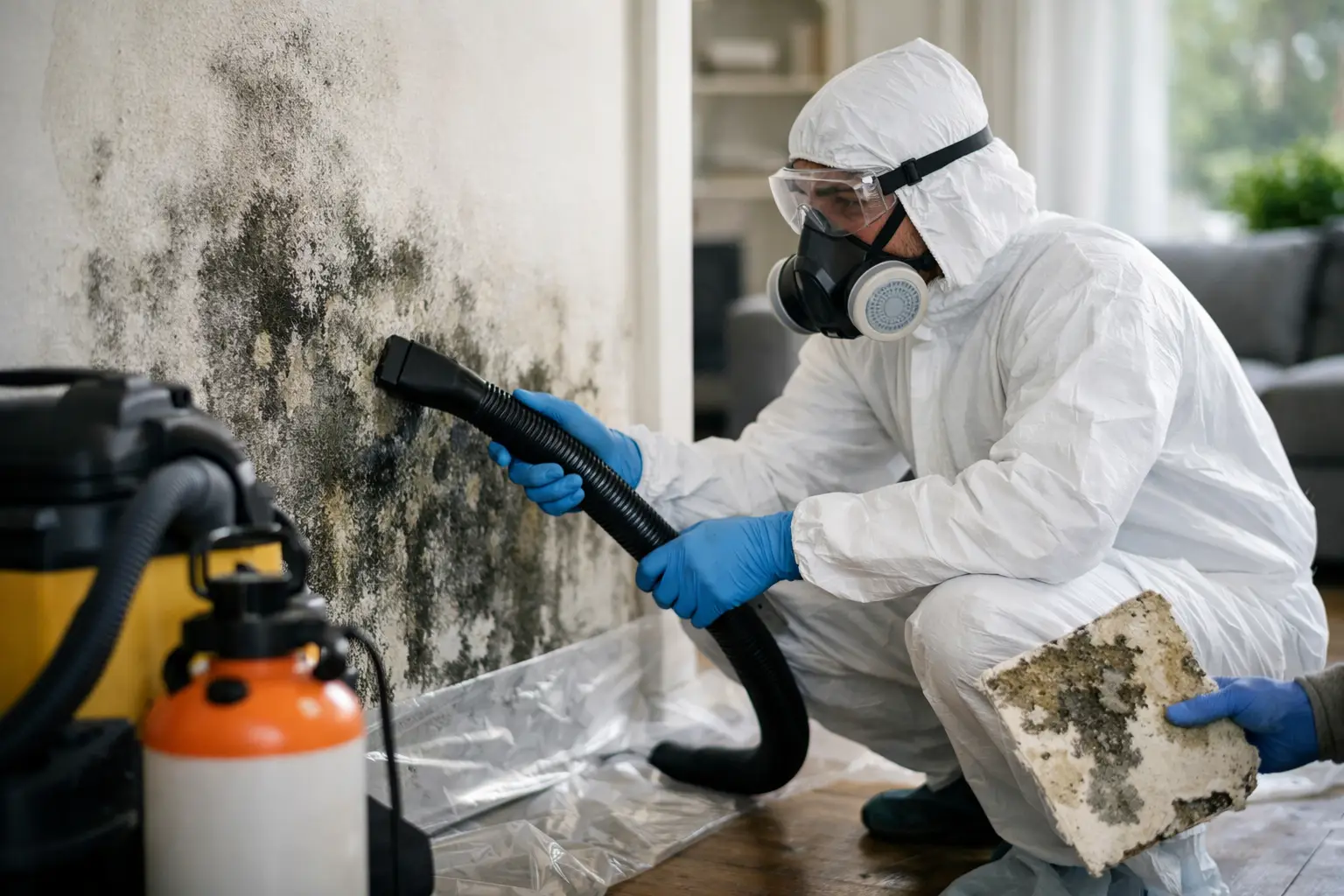 Mold
MoldContainment, removal, and moisture control that stops mold from coming back.
Learn more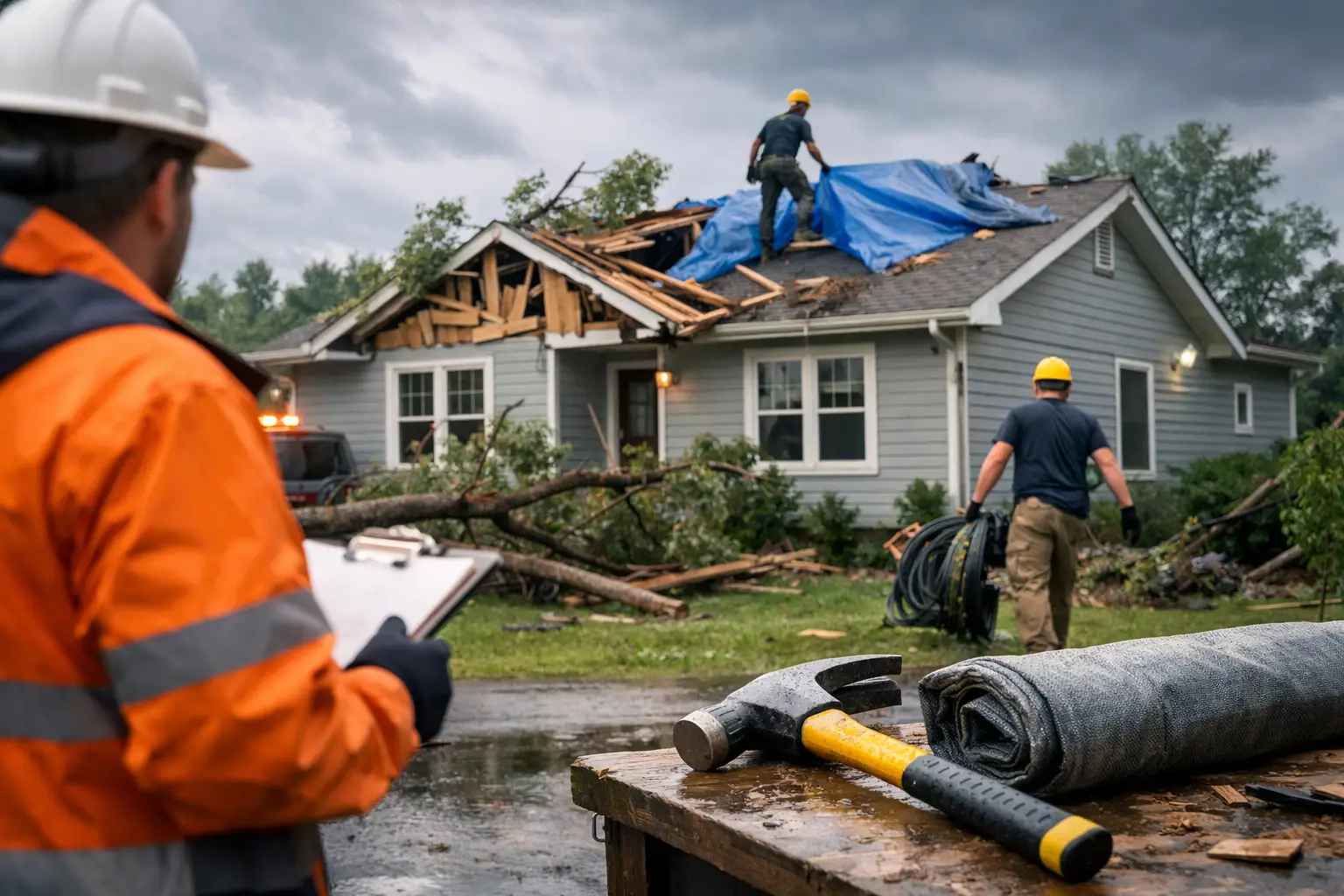 Storm
StormEmergency board-up, roof tarping, and full recovery after wind, hail, and storms.
Learn more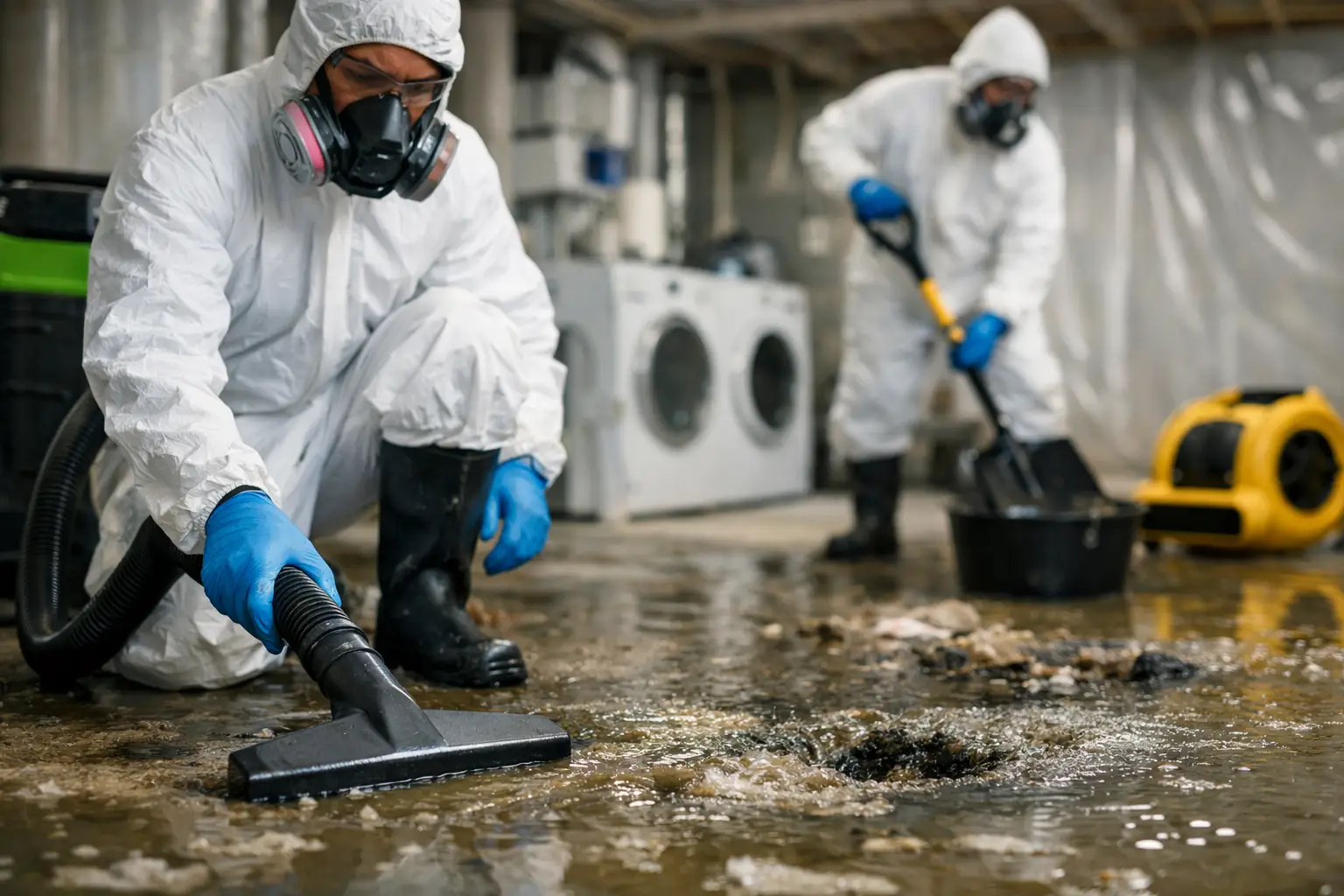 Sewage
Safe biohazard cleanup and sanitizing after sewage backups and overflows.
Learn more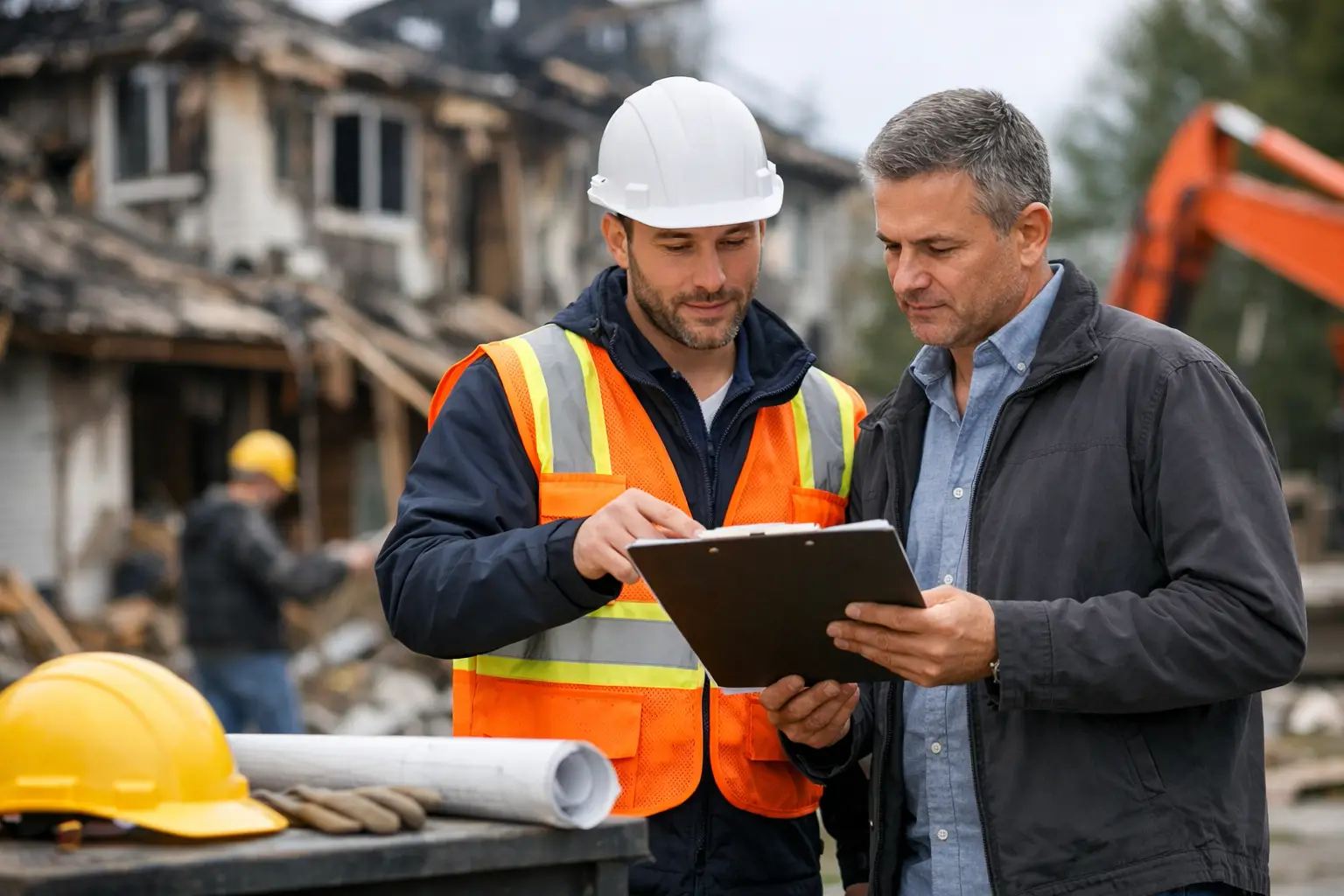 Reconstruction
Full rebuild by a licensed general contractor, so your property comes back whole.
Learn moreElevated Operations is an IICRC-certified, licensed general contractor based in Mableton that handles the entire recovery in-house, so after one loss you are never coordinating a cleanup crew, a mold crew, and a contractor separately. One team, one point of contact, from the first pump-out to the final coat of paint.
People call when the property feels like a disaster. They leave reviews because Chris and the crew made it right. These are real, verified Google reviews.
I can start with a 60-minute emergency response, 24/7. That matters in Atlanta because soot and odor keep working after the fire is out, and the first hour often decides what can be saved. I document the loss, separate priority items, and begin the contents plan before the damage spreads further.
Yes. Intown bungalows create tight access, narrow hallways, and delicate finishes that need careful handling. I plan the work around the home, not against it. That means controlled removal, better inventory, and the kind of content restoration that protects both the belongings and the house itself.
It can. Creek basements hold humidity, slow drying, and hidden saturation, so wet items keep breaking down after the standing water is gone. Mold starts in 24 to 48 hours, and that clock matters for paper, upholstery, and anything stored in boxes or on basement shelving.
I start by separating soot-covered items from clean ones, then I clean by material instead of using one method across the board. Smoke damaged contents may need dry cleaning, surface cleaning, deodorization, or electronics cleaning depending on what was exposed and how long it sat.
Hard goods, many furniture pieces, some décor, and selected electronics can survive if I get there quickly and the items are not heavily contaminated. Paper and fabrics are more time-sensitive. In a flooded Atlanta basement, I triage fast because the right order saves more belongings than any guesswork does.
Yes. Pack out services help me move salvageable contents into a controlled environment where I can clean, dry, and inventory them properly. That is often the smarter move for smoky houses, wet basements, and intown bungalows where there is not enough safe space to process everything onsite.
Yes, I offer direct insurance billing. I also help with deductible assistance up to $1,000 when the claim qualifies. I keep the paperwork moving because content losses are stressful enough without adding a second job for the homeowner.
I serve Cobb, Fulton, DeKalb, Douglas, Clayton, Henry, and Paulding counties from my Mableton base. Atlanta calls come in fast, and I keep the response focused on getting there, getting the contents stabilized, and getting the claim process moving without delay.
Elevated Operations dispatches IICRC-certified crews across Metro Atlanta from our Mableton base, with a 60-minute emergency response day or night. Choose your city:
Call now for an immediate response, or request your free inspection and get a certified crew on-site within the hour across Atlanta and nearby areas.