24/7 Emergency Restoration · Serving Metro AtlantaEmergency? (770) 404-6895
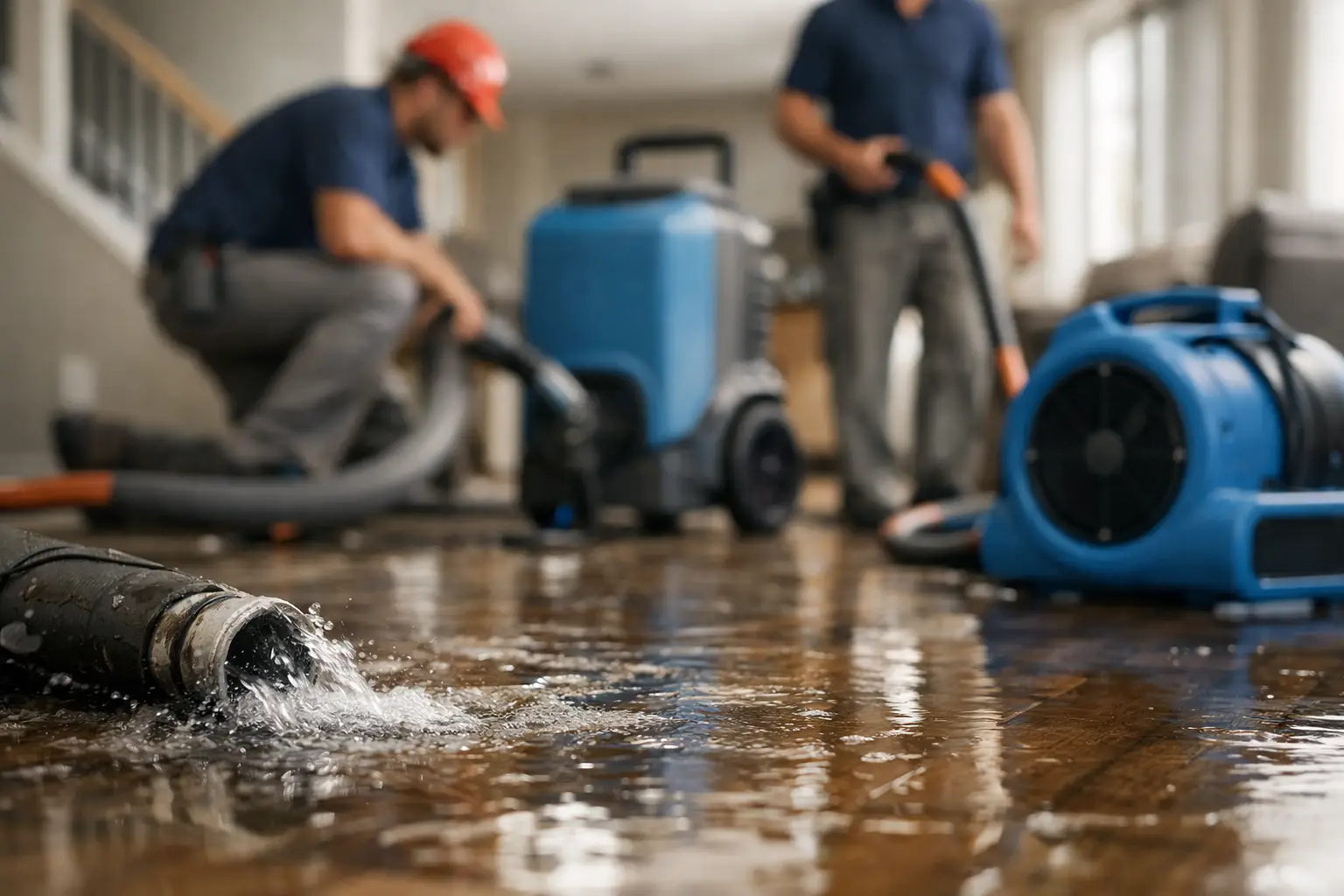
Contents cleaning and restoration College Park is about saving what can be saved, documenting what cannot, and keeping the insurance paper trail clean from the first call. I am Chris Kwangwari, owner of Elevated Operations, and I handle contents jobs for homes and businesses near the historic district and the convention hotel corridor in College Park.
IICRC-Certified · 5-Star Rated · 60-Minute Response · Insurance Billed Directly
Because older homes in the historic district and fast-moving convention hotel spaces both need careful contents handling. The structure and the schedule change the plan, but the goal stays the same, save what can be saved.
Smoke odor is still damage. I treat odor removal as part of contents cleaning and restoration, because the residue may be invisible but still attached to fabric, furniture, and papers.
Yes, if the device is a candidate for restoration. I inspect first and never guess. Electronics cleaning is careful work, and I only pursue it when the item has a realistic path back.
Yes. I use direct insurance billing when the claim allows it, and I help document salvageable items, unsalvageable items, and the cleaning scope so the adjuster has a cleaner file to review.
Contents cleaning and restoration covers the personal property inside a damaged structure, not the structure itself. That includes furniture cleaning, electronics cleaning, odor removal, document drying, and broader content restoration, plus pack out services when items need to leave the property for safer handling.
In College Park, I see contents work in older homes near the National Register historic district and in properties serving the convention hotels. Different buildings, same problem, smoke, water, soot, and odor move fast through furniture, clothing, papers, and electronics. Content cleaning is how we stop that damage from spreading.
The first question is always what can be cleaned, what needs controlled drying, and what is too far gone for practical personal property restoration. That answer is not guessed. It comes from inspection, item by item handling, and the contamination source, fire, clean water, gray water, or sewage exposure.
IICRC-certified technicians on my team document the contents, separate salvageable items, and coordinate direct insurance billing when the claim allows it. I have been in restoration since 2007, and I do not treat contents like a side note. In a tight historic home, careful handling matters.
Pricing is driven by scope, not a flat menu. The main factors are how many items need content cleaning, how contaminated they are, whether pack out services are needed, and how much specialty handling is required for furniture, electronics, or documents. Severe smoke or water damage raises labor and cleaning complexity.
I do not quote fake shortcuts. Contents pricing starts with the inventory, then the condition of the items, then the method. A few rooms of furniture cleaning is one scope. A whole-house pack out after a fire is another. Document drying and electronics cleaning demand more care than basic surface cleaning.
College Park properties near the convention hotels often move on a clock because guests, tenants, or owners need rooms back in circulation. That urgency affects scheduling and labor coordination, but I still price the work based on actual contents handling, not pressure. The invoice should match the work that was done.
Direct insurance billing helps reduce the back-and-forth, and deductible assistance up to $1,000 can help with out-of-pocket strain when the claim qualifies. I am a licensed general contractor, but contents work still needs honest scoping. If an item is cleanable, I say so. If it is not, I say that too.
Insurance usually covers contents cleaning and restoration when the loss is sudden and covered by the policy, such as fire or certain water events. The carrier may review the inventory, the cause of loss, and the cleaning method. The deductible is the policyholder’s responsibility before coverage applies.
The claim starts with documentation. I photograph the contents, note the source of loss, and separate salvageable personal property from unsalvageable items. That record supports the adjuster review and gives the carrier a cleaner file. And when the policy allows it, I send the bill directly to insurance.
Not every item is treated the same under a claim. Some carriers pay for cleaning, some pay for replacement if an item cannot be restored, and some want proof that the item was actually exposed. That is why contents jobs need inventory and chain of custody, especially with pack out services.
Deductibles work the same way in College Park as anywhere else in Georgia, but I stay focused on what the policyholder pays and what the carrier may cover. My deductible assistance up to $1,000 is there to help with qualifying jobs. I do not promise coverage. I help people document the loss properly.
Yes, many damaged contents can be restored after a fire or flood if the item is structurally sound and contamination has not destroyed it. Furniture, hard goods, and some electronics often have a path back. Paper items may need document drying fast because mold can start in 24 to 48 hours.
Fire leaves soot, odor, and acidic residue. Floods leave moisture, bacteria risk, and staining. In both cases, speed matters, but so does the type of item. A solid wood chair may be a good candidate for content restoration. Wet particleboard furniture, not always. I call that honestly.
In College Park, I often think about how quickly smoke odor can move in tightly occupied spaces around the convention hotel area, then settle into soft goods and upholstery. Odor removal is possible on many items, but it is not magic. The cleaning method has to fit the material and contamination level.
I use IICRC-certified technicians because contents recovery is technical. Pack out services help when items need staged cleaning offsite. After that, the question is simple, did the item survive the event with enough structure left to save? If yes, we work it. If not, I document it for the claim.
Smoke damaged contents are cleaned by matching the residue to the right process, then controlling handling so the soot does not spread. That usually means inspection, dry soil removal where safe, specialty cleaning for furniture and electronics, odor removal, and careful drying for anything moisture sensitive.
Smoke is sneaky. It gets into drawers, seams, vents, and fabric weave. A fast wipe can smear soot deeper, which is why content cleaning has to start with dry removal and sorting. Some items respond to hand cleaning. Others need staged treatment and offsite processing.
Electronics cleaning is its own category. You do not assume a device is ruined, and you do not assume it is safe to power on either. I inspect, document, and treat electronic contents with the same caution I use in a historic College Park home where replacement parts and original finishes may matter.
Odor removal matters because smoke smell is often what clients notice last and insurers overlook first. But odor is still damage. If the item is salvageable, we clean for residue and odor. If the item cannot be restored safely, I say so in plain language and record that for the claim file.
The best candidates are usually hard-surface items, structurally sound furniture, some electronics, and documents that were dried quickly. Soft goods, porous items, and heavily contaminated pieces are harder to save. The item’s material, age, and exposure all drive the decision, not just the room it came from.
In a College Park historic district home, I pay close attention to what has original value versus what has practical replacement value. Older furniture may be worth cleaning because of craftsmanship. Family papers may be worth document drying because they cannot be replaced. That changes the whole contents plan.
Convention hotel properties bring another angle, bulk turnover and operational pressure. There, speed and accuracy matter because the contents list may include linens, office equipment, lobby furniture, and guest items. I sort by function, contamination, and salvage potential, then decide what gets cleaned, packed out, or documented for disposal.
Personal property restoration is not about rescuing everything. It is about rescuing the right things. If an item absorbed smoke deep into foam or took on flood contamination that cannot be removed, I do not pretend otherwise. That honesty saves claim time and helps the carrier understand the scope.
I document each item before cleaning starts, because contents pricing and claim approval both depend on what was actually exposed.
Furniture cleaning, electronics cleaning, odor removal, and document drying are priced by handling needs, not by a one-size quote.
When items need pack out services, the work includes controlled transport, staged cleaning, and return handling, which affects the overall claim file.
Covered fire and certain water losses are often eligible, but the carrier still reviews cause, condition, and salvageability before payment.
I offer deductible assistance up to $1,000 on qualifying jobs, and I use direct insurance billing when the claim allows it.
From emergency mitigation to full reconstruction, handled in-house so you are never managing a chain of subcontractors mid-crisis.
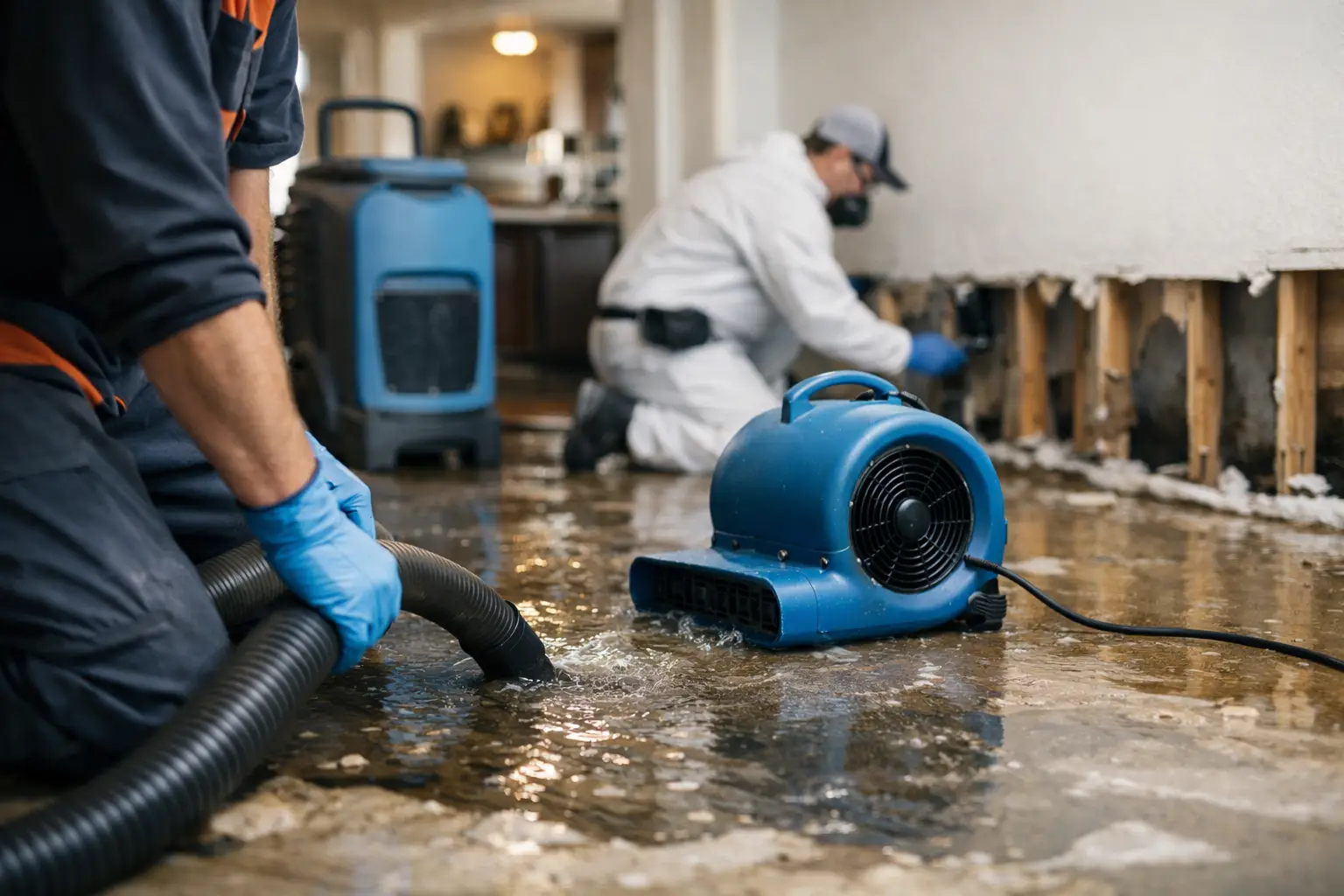 Water Damage
Extraction, structural drying, and moisture mapping after floods, leaks, and burst pipes.
Get help now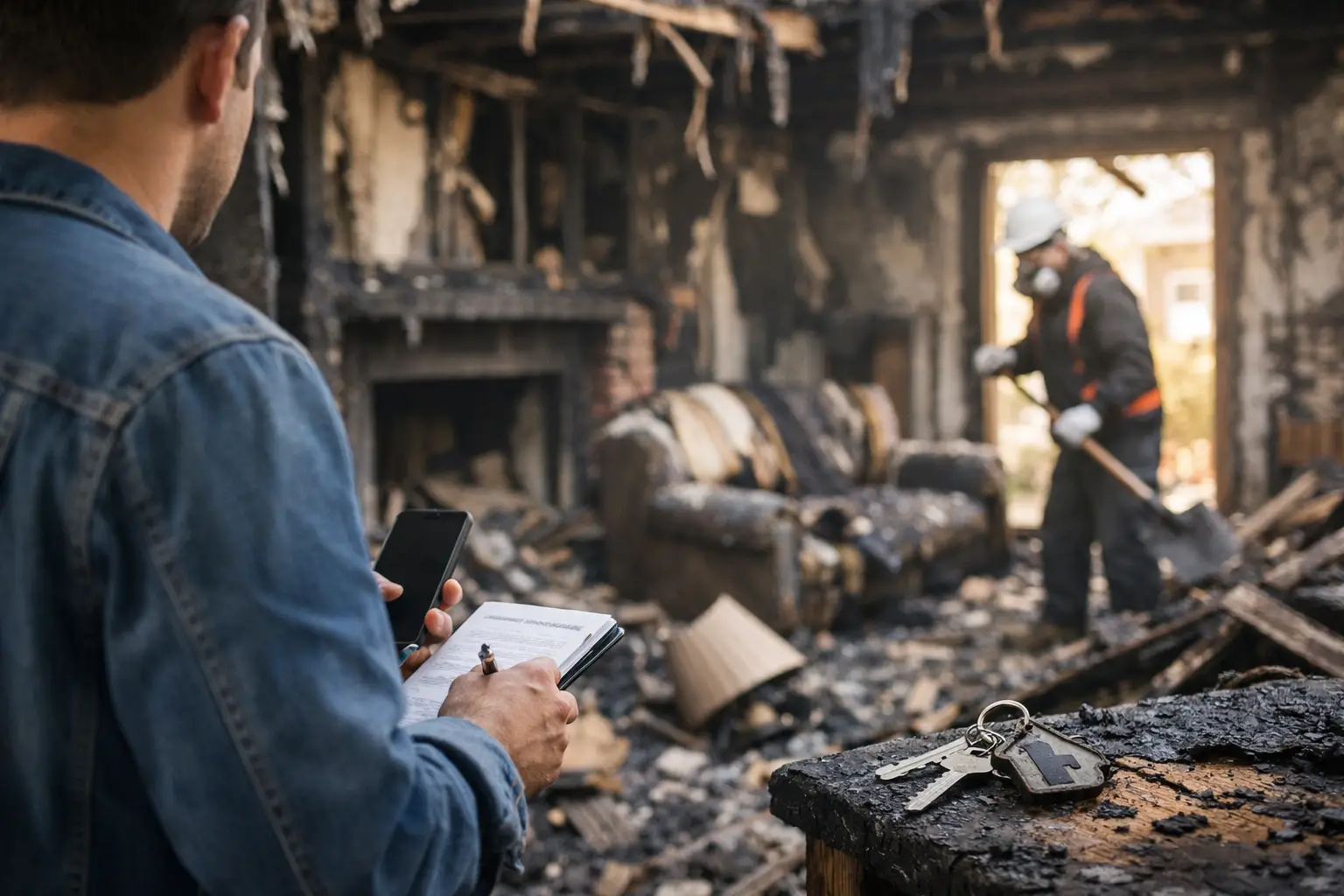 Fire & Smoke
Soot removal, odor deodorization, and content cleaning after fire and smoke damage.
Learn more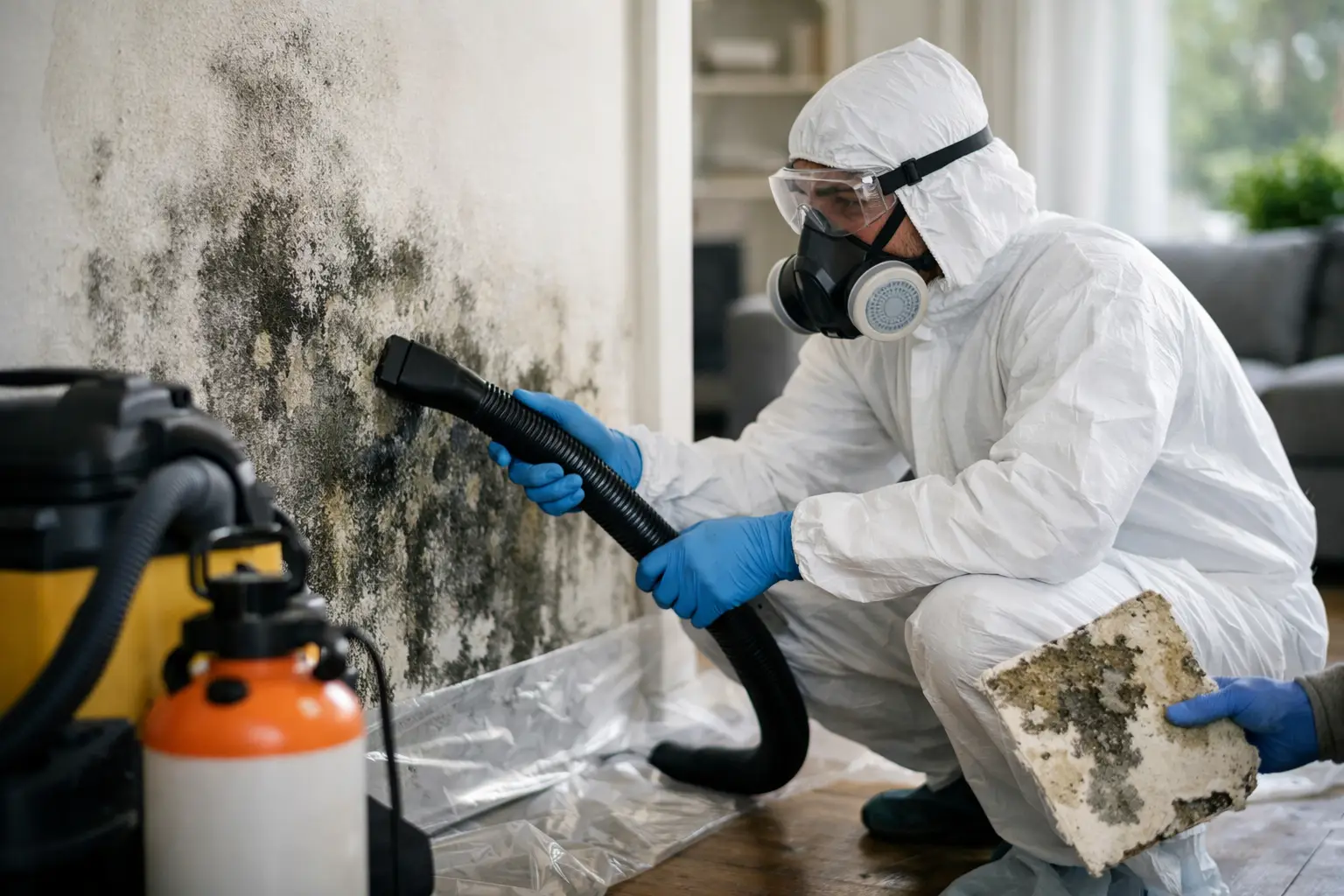 Mold
MoldContainment, removal, and moisture control that stops mold from coming back.
Learn more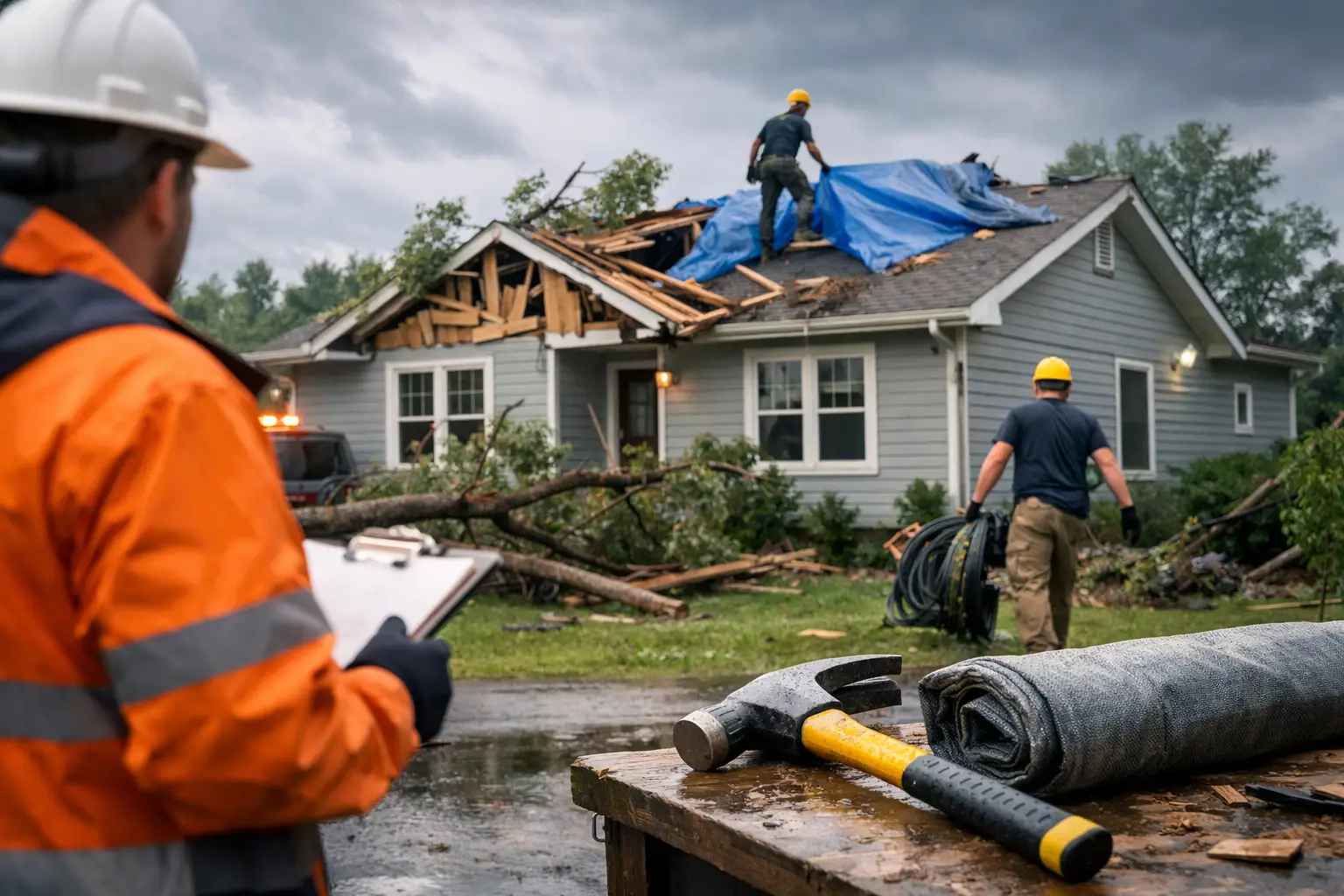 Storm
StormEmergency board-up, roof tarping, and full recovery after wind, hail, and storms.
Learn more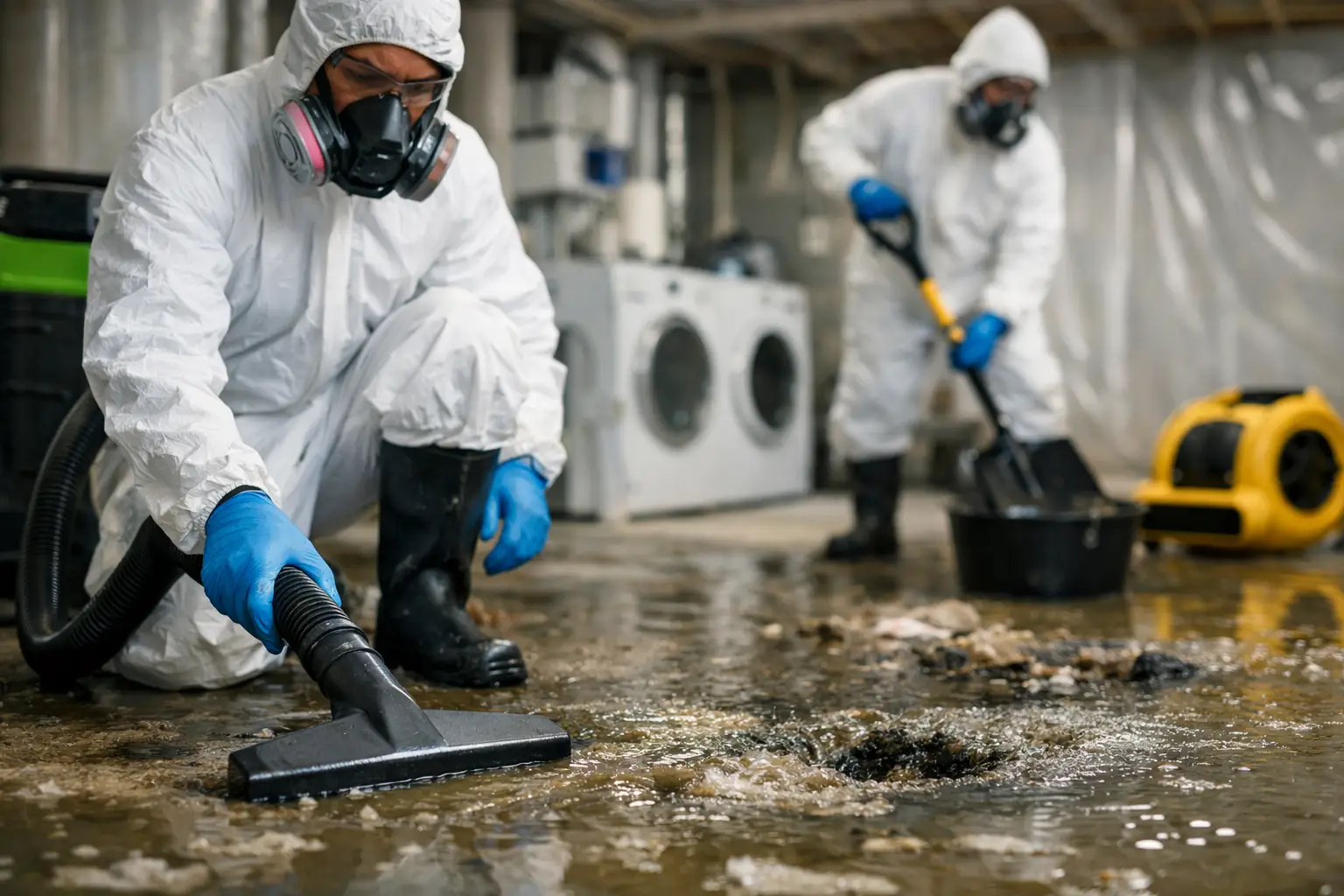 Sewage
Safe biohazard cleanup and sanitizing after sewage backups and overflows.
Learn more Reconstruction
Full rebuild by a licensed general contractor, so your property comes back whole.
Learn moreElevated Operations is an IICRC-certified, licensed general contractor based in Mableton that handles the entire recovery in-house, so after one loss you are never coordinating a cleanup crew, a mold crew, and a contractor separately. One team, one point of contact, from the first pump-out to the final coat of paint.
People call when the property feels like a disaster. They leave reviews because Chris and the crew made it right. These are real, verified Google reviews.
It is the process of cleaning, stabilizing, and sometimes drying the personal property inside the home after fire, smoke, or water damage. In College Park, that often includes furniture cleaning, odor removal, and document drying for family items that matter. I separate what can be restored from what needs to be documented for insurance.
Pricing depends on the number of items, the contamination source, and whether the contents need pack out services or specialty cleaning. In hotel-facing work, speed and coordination matter, but I still price by actual scope. A smoke-damaged lobby chair, a wet office printer, and guest linens are different jobs.
Often, yes. Many hard goods, furniture pieces, and some electronics can be restored if they are still structurally sound. Flood losses add moisture and contamination issues, while fire adds soot and odor. The earlier the contents are inspected and processed, the better the odds for content restoration and salvage documentation.
I start with sorting and dry soil removal, then use the right process for each material. Soot can smear into fabric and seams if it is wiped the wrong way. That is why smoke damage needs controlled content cleaning, not improvised cleaning. Electronics and soft goods get special handling.
The best candidates are usually structurally sound furniture, hard-surface items, some electronics, and papers that can be dried quickly. Items with deep smoke penetration or heavy water contamination may not be practical to save. I evaluate each item by material, exposure, and whether the cleaning result will actually be worthwhile.
Insurance often covers contents losses from a covered event, but the carrier still reviews the cause, the inventory, and the restoration method. I help with direct insurance billing when it applies and document the loss carefully. That is the part many homeowners and property managers need most after the shock settles.
The deductible is the amount the policyholder pays before coverage applies, based on the policy terms. I cannot change the policy, but I can help reduce friction by documenting the contents correctly and using deductible assistance up to $1,000 on qualifying jobs. That makes the claim easier to move forward.
Yes, when contents need to leave the site for safer handling or specialized cleaning, pack out services are part of the process. That helps with furniture cleaning, electronics cleaning, odor removal, and staging items for insurance review. It is especially useful when access is tight or the property needs to stay operational.
Elevated Operations dispatches IICRC-certified crews across Metro Atlanta from our Mableton base, with a 60-minute emergency response day or night. Choose your city:
Call now for an immediate response, or request your free inspection and get a certified crew on-site within the hour across Atlanta and nearby areas.