24/7 Emergency Restoration · Serving Metro AtlantaEmergency? (770) 404-6895
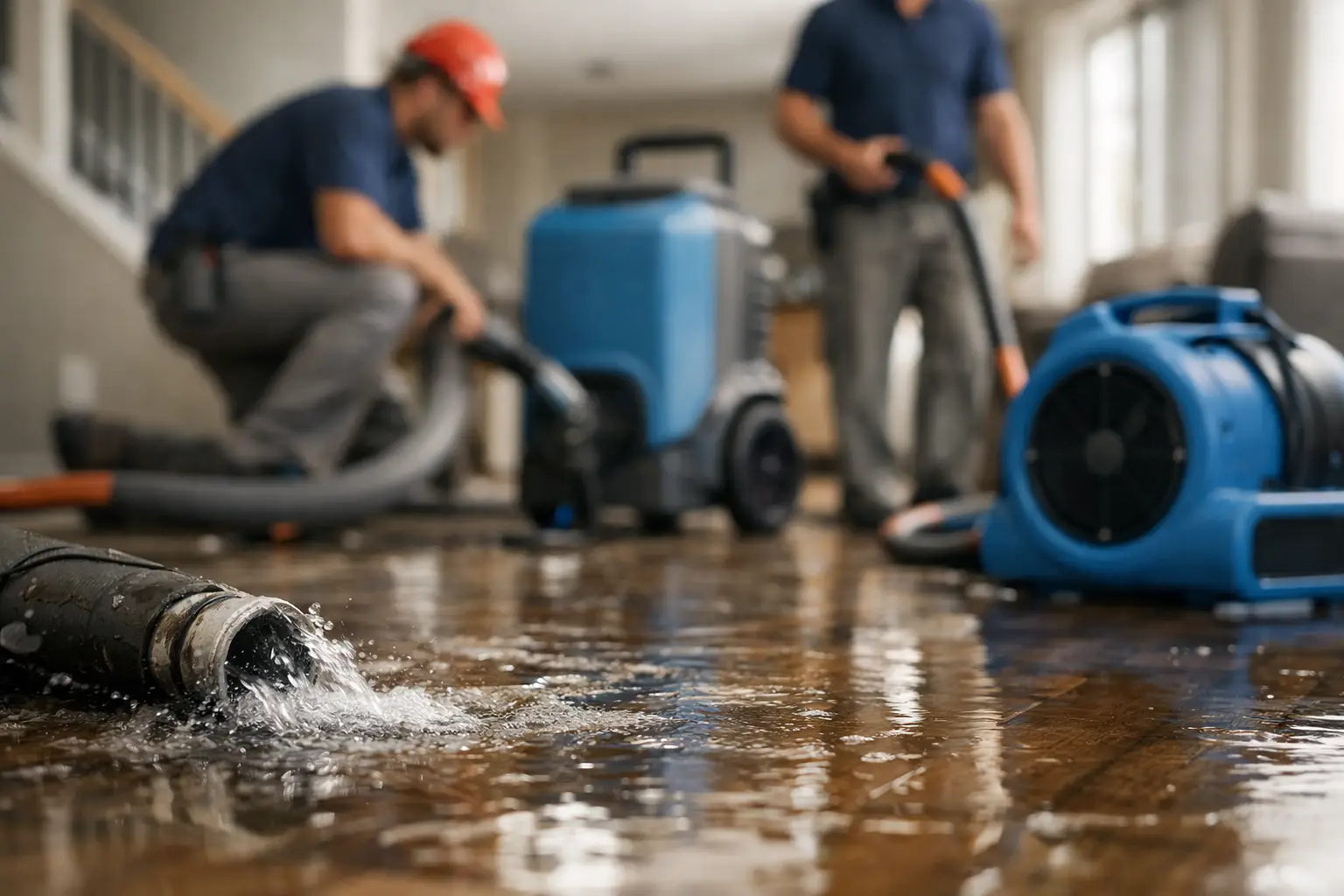
Sewage remediation services in Acworth mean removing contaminated water, cleaning affected materials, and stopping the health risks that follow a backup or overflow. I’m Chris Kwangwari, owner of Elevated Operations, and I handle sewage cleanup with direct insurance billing, 24/7 emergency response, and a 12-month warranty.
IICRC-Certified · 5-Star Rated · 60-Minute Response · Insurance Billed Directly
Sometimes, if the affected materials are nonporous and the contamination did not travel far. But if drywall, insulation, or hidden cavities were exposed, removal is often the safer call.
Crawlspaces trap moisture and odors fast. I’d treat it as a contamination and drying problem, not just a plumbing issue, especially if sewage reached insulation or framing.
Yes. I handle sewage remediation services across Cobb County, including Acworth homes near Lake Acworth and the Allatoona dock area, with 24/7 emergency response.
No. If the smell is still there, contamination may still be there too. Sewage cleanup should be assessed quickly so odor control, disinfection, and material removal happen before damage spreads.
Sewage remediation services include stopping the source, removing contaminated water, cleaning exposed surfaces, and verifying the area is safe to use again. In Acworth, that can mean a toilet backup cleanup in a lakefront home, a basement near Allatoona, or a crawlspace issue after heavy rain.
The work is bigger than wiping up water. I start with containment, then contamination removal, then sanitation steps that address what sewage leaves behind. That matters because sewage is not clean water, and it spreads into flooring, trim, drywall, and hidden cavities fast.
IICRC-certified technicians handle the process because sewage cleanup is a biohazard cleanup job, not a handyman job. You need the right gear, the right sequence, and the discipline to keep bad material from moving into cleaner parts of the home.
Near Lake Acworth and the Allatoona dock areas, humidity and traffic into basements or lower levels can make the problem linger. Odor control matters too, because the smell is often the first sign that contaminated material was not fully addressed.
Sewage backup happens when pipes clog, drains fail, or stormwater overwhelms plumbing and drainage systems. In Acworth, older housing stock, low-lying lots near creeks, and heavy rain around Lake Acworth can all contribute to conditions that push wastewater the wrong way.
I see a lot of toilet backup cleanup tied to simple blockages, but the cause is not always simple. Roots, grease, worn lines, and line damage can all force sewage back into tubs, toilets, or basement drains. That is why I check the source before any cleanup starts.
Acworth has neighborhoods where homes sit close to slopes, tree cover, or drainage paths that respond quickly to rain. When the ground is saturated near the lake or around the Allatoona dock corridor, water can expose weak spots in plumbing and make backups more likely.
The key lesson is this, sewage cleanup is not random. It follows a failure point. If you only dry the mess and never identify why it happened, the same contamination can come back after the next rain, flush, or pressure change in the line.
Yes, sewage remediation is necessary after a backup because sewage can carry bacteria, viruses, and other contaminants into materials you cannot safely clean with household methods. Even a small overflow can soak porous surfaces and leave hidden contamination behind walls, under flooring, or inside cabinetry.
A quick mop is not enough. Sewage can start damaging materials right away, and mold can start in 24 to 48 hours if moisture stays trapped. That is why I treat the situation as urgent, not as a simple cleaning project that can wait until the weekend.
Homeowners around Acworth sometimes assume a bathroom backup is isolated to the floor surface. It usually is not. Water can move under tile, into baseboards, or into subfloor seams, especially in older homes or finished basements near Lake Acworth drainage paths.
Professional black water remediation addresses the health risk and the structural risk at the same time. That means drying, sanitization, disinfection, and controlled removal of damaged material so the home does not keep holding onto contamination long after the visible mess is gone.
Sewage contamination can stain surfaces, swell drywall, ruin flooring, and leave odors that do not clear on their own. More important, it can spread contamination into hidden spaces, which turns a surface spill into a larger structural and health problem if it is not handled correctly.
I do not downplay the smell. Odor control matters because odor often tracks where sewage traveled. If the air still carries that smell after a cleanup, the job likely missed contaminated material or the source remains active somewhere in the system.
Wood, laminate, carpet, padding, insulation, and porous drywall can all absorb wastewater. That is why what should be removed after sewage contamination depends on what got wet, how long it sat, and whether the material can be fully cleaned or should be taken out.
Homes near the lake or near drainage features around Allatoona can also face repeat moisture problems. Once sewage and water get into hidden cavities, the damage can spread slowly, especially when seasonal humidity keeps the area damp after the visible spill is gone.
Professionals clean and sanitize sewage damage by containing the affected area, removing contaminated materials, cleaning surfaces, and applying disinfection steps that address the biohazard. The goal is not just to make the room look better, but to remove the contamination and verify the space is safe.
My process starts with inspection, source control, and a clear plan for what stays and what goes. Then comes extraction, removal of damaged materials, and sanitization of salvageable surfaces. That sequence matters, because cleaning before removal can push contamination deeper into the structure.
After sewage cleanup, I look at moisture conditions and drying needs, because water trapped in a wall cavity can keep feeding the problem. Direct insurance billing helps homeowners focus on the repair while we document the work and keep the claim moving.
In Acworth, especially where homes sit closer to Lake Acworth or the Allatoona dock area, I pay attention to airflow and hidden moisture pockets. The work has to be thorough, because a surface that looks fine can still hold contamination below the finish layer.
Anything porous that soaked up sewage often needs removal, especially carpet, padding, insulation, and some drywall or base trim. The decision depends on saturation level, material type, and how long the contamination stayed in place before cleanup began.
There is no one-size answer. Contamination removal should be based on what the material is and how deeply it was affected. Hard nonporous surfaces may be cleanable with proper disinfection, while soft or layered materials often trap waste and odors too deeply to keep.
That is where a licensed general contractor mindset helps. I look at structure, finishes, and rebuild needs together, so the cleanup does not create a second problem during repairs. The goal is to remove what cannot be safely saved and preserve what can.
After sewage contamination, some homeowners want everything sealed up fast. I push back on that when it hides a problem. If material is still compromised, it should come out. Shortcuts can trap contamination and make future odor control and repairs much harder.
Sewage cleanup requires biohazard cleanup protocols, not basic mopping. The contamination can spread beyond what you see.
Carpet, padding, drywall, and insulation can hold waste and moisture, which is why removal is often necessary.
The longer sewage sits, the deeper it moves into building materials, and the harder odor control and disinfection become.
A backup near Lake Acworth or an overflow near Allatoona needs source control first, or the same problem can repeat.
Direct insurance billing and clean documentation can make the repair process easier for homeowners and adjusters.
From emergency mitigation to full reconstruction, handled in-house so you are never managing a chain of subcontractors mid-crisis.
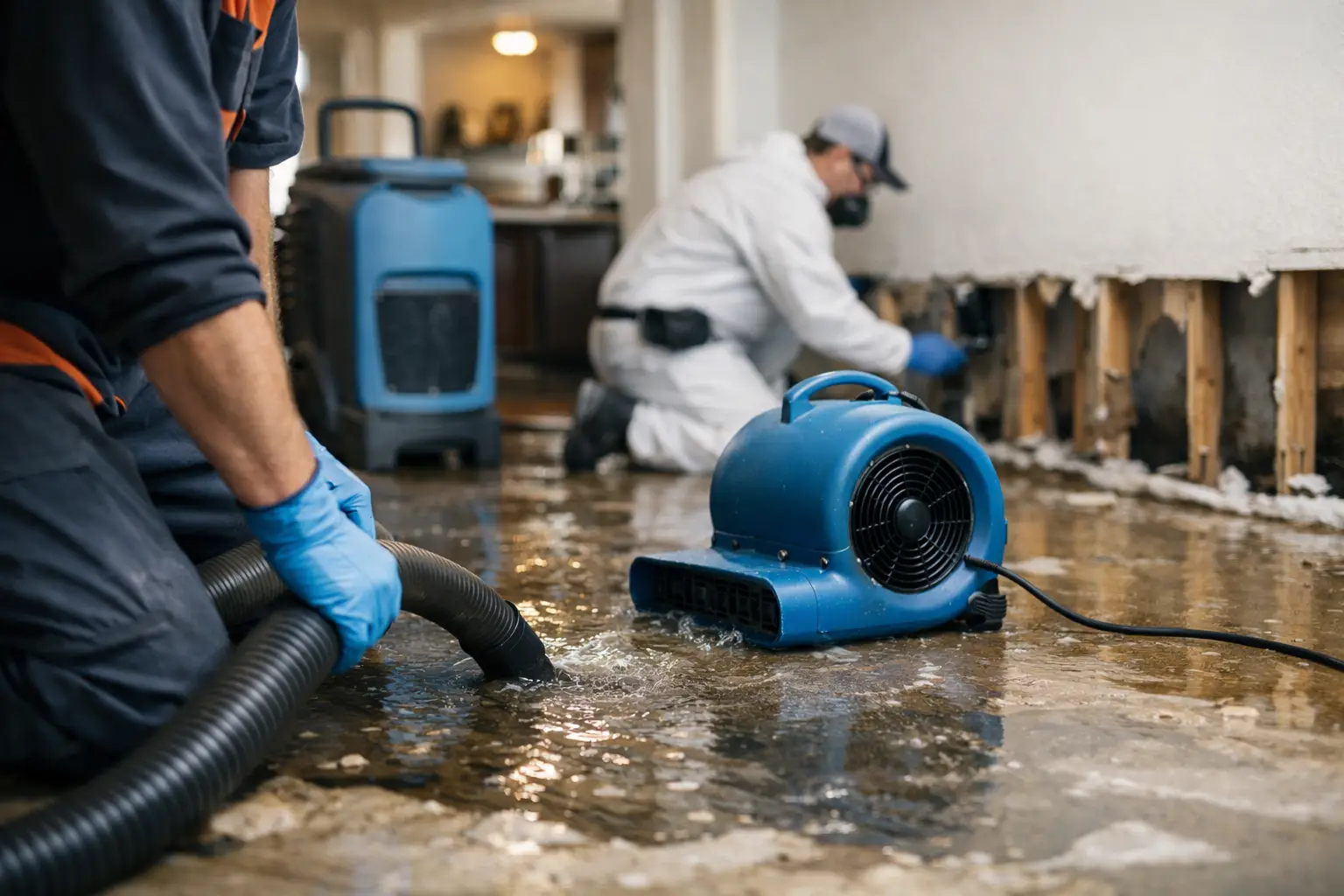 Water Damage
Extraction, structural drying, and moisture mapping after floods, leaks, and burst pipes.
Get help now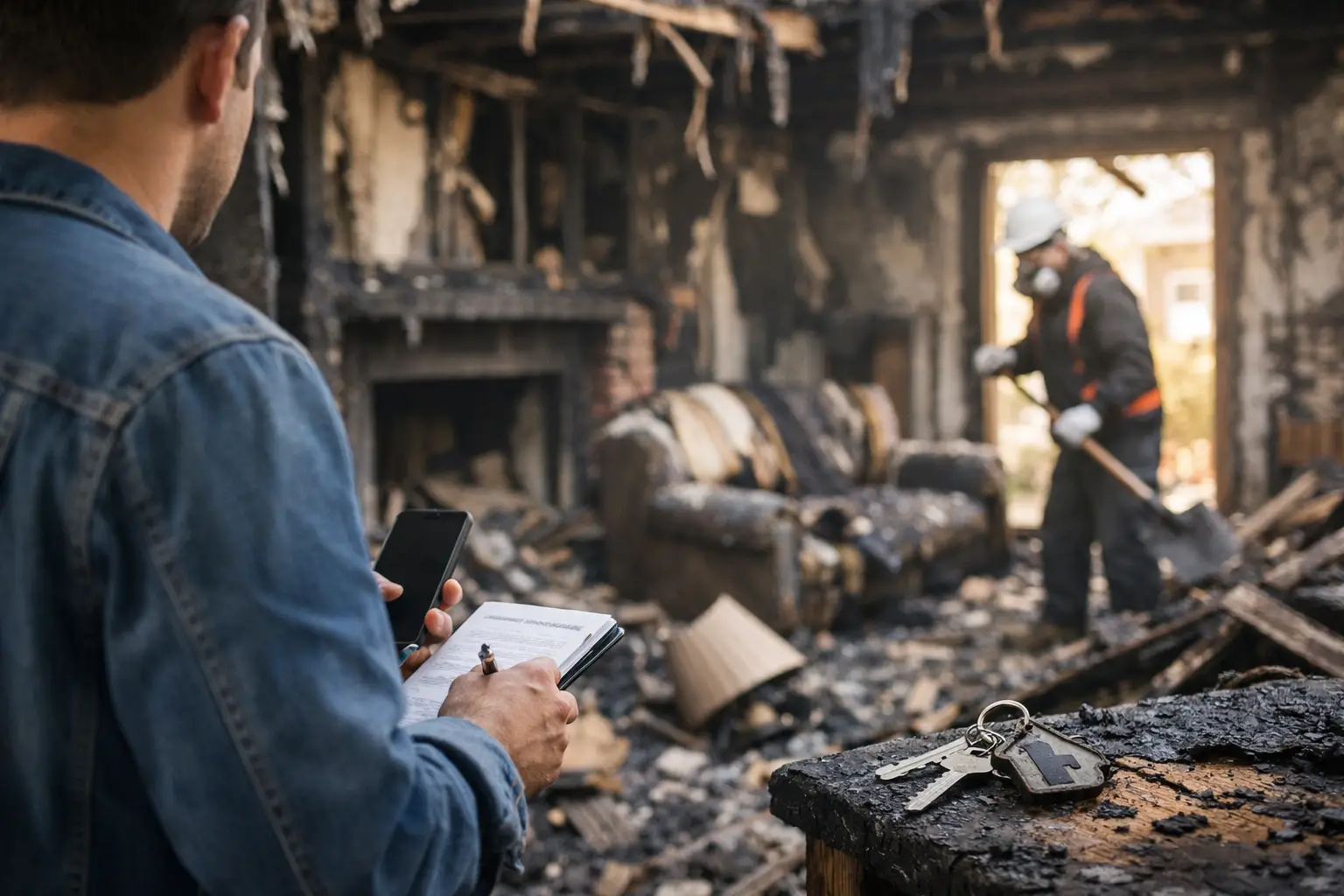 Fire & Smoke
Soot removal, odor deodorization, and content cleaning after fire and smoke damage.
Learn more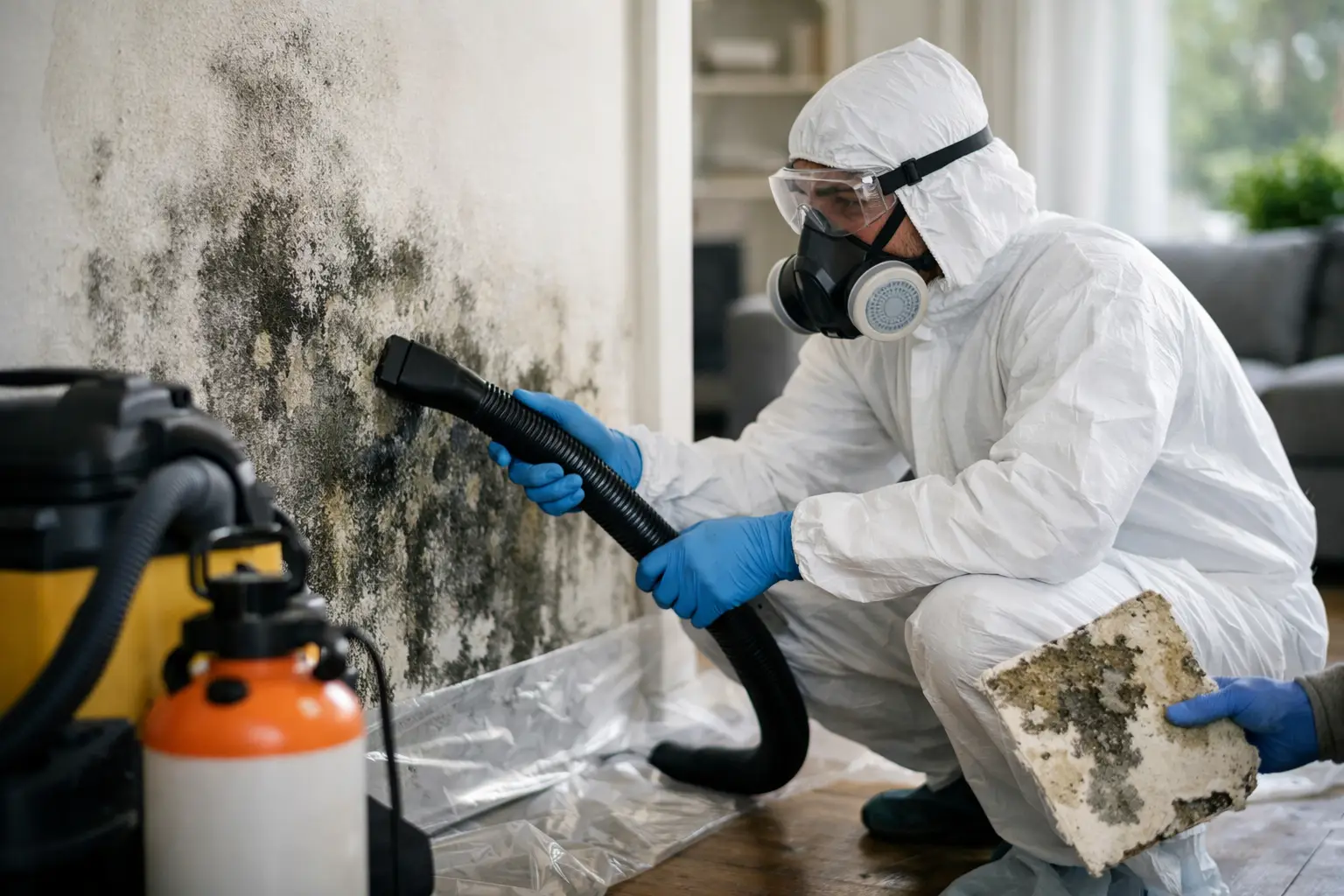 Mold
MoldContainment, removal, and moisture control that stops mold from coming back.
Learn more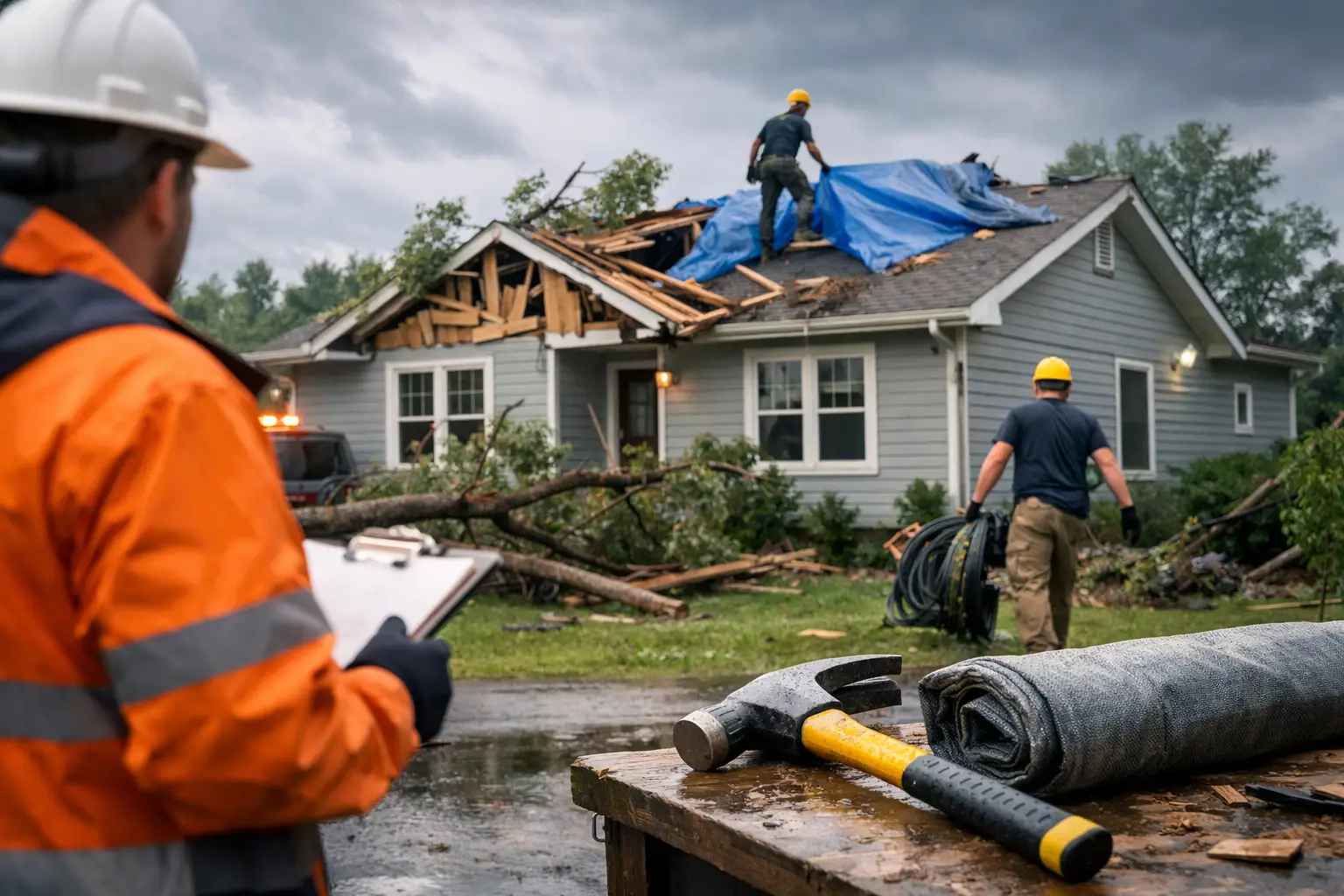 Storm
StormEmergency board-up, roof tarping, and full recovery after wind, hail, and storms.
Learn more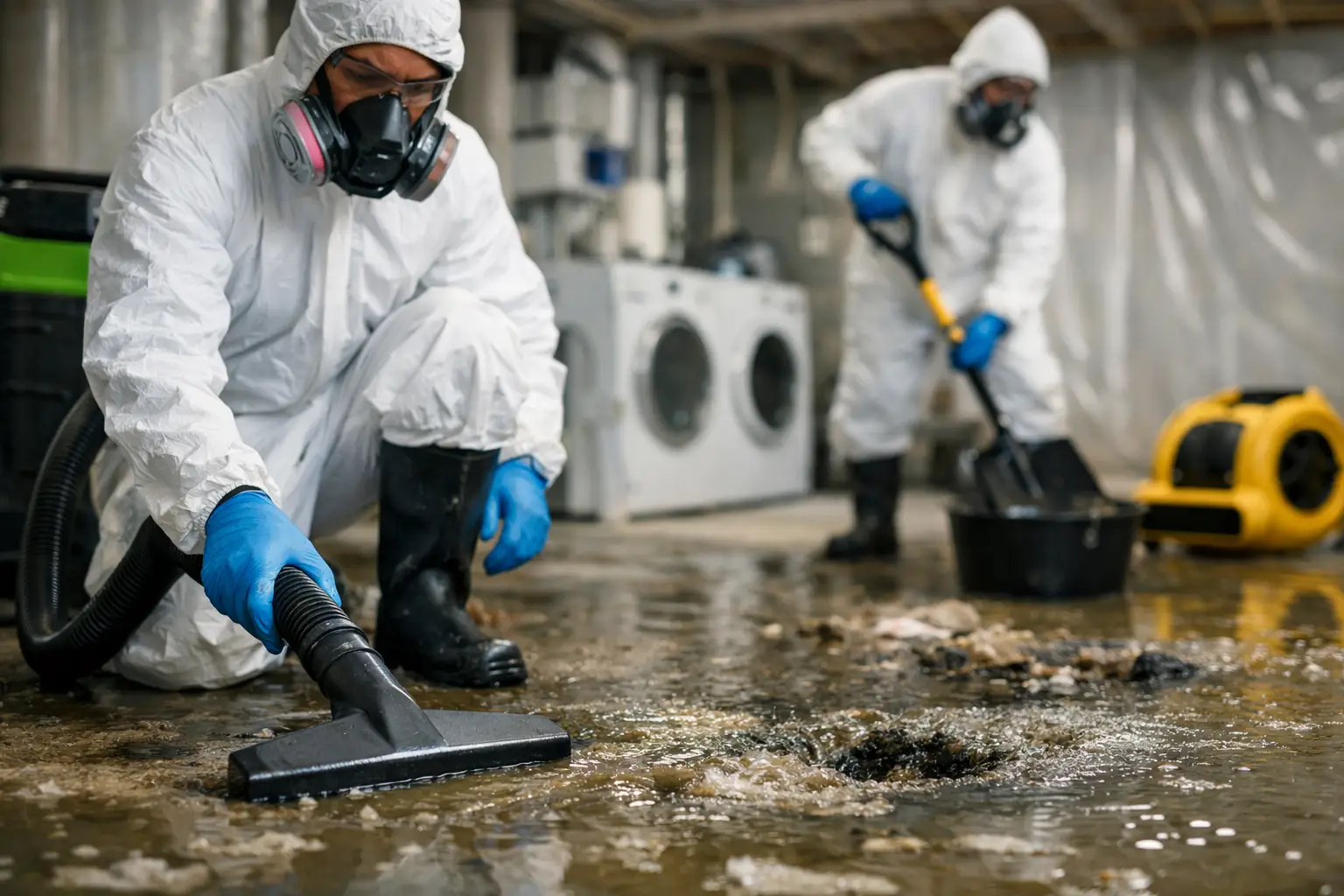 Sewage
Safe biohazard cleanup and sanitizing after sewage backups and overflows.
Learn more Reconstruction
Full rebuild by a licensed general contractor, so your property comes back whole.
Learn moreElevated Operations is an IICRC-certified, licensed general contractor based in Mableton that handles the entire recovery in-house, so after one loss you are never coordinating a cleanup crew, a mold crew, and a contractor separately. One team, one point of contact, from the first pump-out to the final coat of paint.
People call when the property feels like a disaster. They leave reviews because Chris and the crew made it right. These are real, verified Google reviews.
Sewage remediation services in Acworth are built around contamination, not surface appearance. A standard cleaning service can wipe and sanitize visible mess, but sewage cleanup also has to address biohazard cleanup, hidden moisture, odor control, and removal of materials that cannot be safely saved. That is a different job with different risks.
Yes. Water near Lake Acworth does not make sewage less risky. Once wastewater enters a home, disinfection is part of the work because contamination can spread into floors, walls, and base materials. Professional sewage remediation services are designed to clean the affected area and reduce the health risk left behind.
Some surfaces can be sanitized, but not every material can be saved. Hard, nonporous surfaces are often candidates for disinfection, while carpet, padding, insulation, and some drywall may need removal after sewage contamination. The decision depends on saturation, exposure time, and how far the black water remediation area spread.
In a basement setting, I usually look hardest at carpet, pad, insulation, base trim, and any drywall that got wet from the sewer water. Materials that trap contamination or odor often need removal. The exact call should come from an on-site inspection, not guesswork from a list.
The smell lingers when wastewater reached porous materials or when cleanup missed a hidden pocket. Odor control is part of proper sewage remediation services because the source of the smell can sit under flooring, inside wall cavities, or in insulation. If the odor stays, something likely stayed contaminated too.
Call immediately. Sewage starts causing more damage the longer it sits, and mold can start in 24 to 48 hours if moisture remains. A quick response matters in Acworth homes because basements, crawlspaces, and lower levels can hold moisture longer than you expect after a backup.
Yes, I can help with deductible assistance up to $1,000, and I also offer direct insurance billing. That can reduce the stress of getting sewage cleanup moving after an emergency. The main priority is still fast contamination removal, proper documentation, and a thorough repair path.
I’m a licensed general contractor, and I’ve been in restoration since 2007, so I look at cleanup and rebuild together. That matters when sewage affects structure, finishes, and hidden cavities. My crew uses IICRC-certified technicians, and we back the work with a 12-month warranty.
Elevated Operations dispatches IICRC-certified crews across Metro Atlanta from our Mableton base, with a 60-minute emergency response day or night. Choose your city:
Call now for an immediate response, or request your free inspection and get a certified crew on-site within the hour across Atlanta and nearby areas.