24/7 Emergency Restoration · Serving Metro AtlantaEmergency? (770) 404-6895
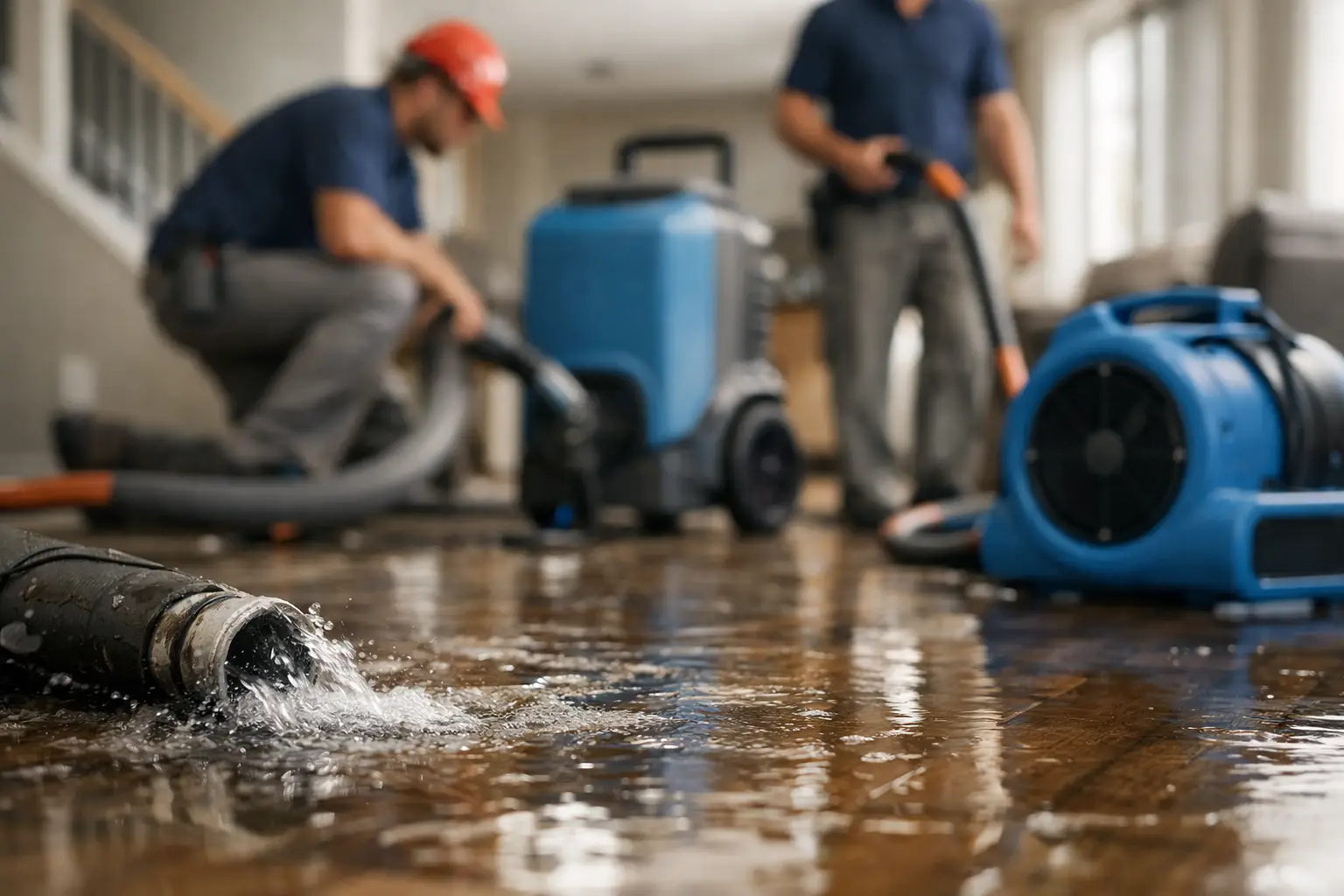
Disaster reconstruction contractor Forest Park is what I do when storm, fire, water, or impact damage stops a building cold. I show you the next steps, stabilize the structure, handle insurance paperwork, and rebuild damaged areas with IICRC-certified technicians, direct insurance billing, and a 12-month warranty.
IICRC-Certified · 5-Star Rated · 60-Minute Response · Insurance Billed Directly
Yes. I offer 24/7 emergency response with a 60-minute emergency response target, because disaster damage does not wait for business hours.
Yes. My team uses IICRC-certified technicians for the response and reconstruction process, so the work follows recognized restoration standards.
Yes. I use direct insurance billing and can assist with deductible support up to $1,000 when the job qualifies.
I back completed reconstruction work with a 12-month warranty, and I stand behind the rebuild as a licensed general contractor.
A disaster reconstruction contractor handles the rebuild after damage, not just the cleanup. I assess what can be saved, remove damaged materials, coordinate structural repairs, and restore the building so it can function again, whether that means drywall installation, framing repair, roofing, flooring replacement, or a full rebuild.
In Forest Park, that matters because the city has a hard-working mix of airport-adjacent properties, industrial buildings, and older post-war housing. Damage in those settings does not stay simple. Water gets behind walls, fire weakens framing, and impact damage can move from one room into the structure fast.
I start by separating the rebuild into phases. First comes safety and stabilization. Then I map what has to come out, what can stay, and what needs structural repairs. I do not guess. I look at the building, the damage path, and the materials that actually failed.
And I keep the process tied to insurance from the start. Elevated Operations, LLLP bills directly to insurance, and I am the owner, Chris Kwangwari, a licensed general contractor. That matters when you need the work documented clearly and finished the right way, not pieced together with shortcuts.
You need reconstruction when the damage reaches the building materials themselves. If drywall is swollen, framing is compromised, flooring has lifted, or a roof area is open, cleanup alone will not fix it. In Forest Park, post-war homes and industrial structures often need rebuild work after water, fire, or impact damage.
The first sign is usually obvious. Surfaces do not dry back to normal. A wall stays soft. Floors buckle. Smell lingers after cleanup. That is when I tell people to stop thinking in terms of drying and start thinking in terms of property reconstruction.
Forest Park properties near the airport and Fort Gillem often see a mix of aging materials and heavy-use spaces. Older homes can hide damage in plaster, subfloors, and framing. Industrial spaces can have larger roof sections, utility penetrations, and more exposed pathways for water or fire to travel.
Mold starts in 24 to 48 hours, so time matters. If water intrusion has already moved into walls, insulation, or structural cavities, I move fast with 60-minute emergency response 24/7. The goal is simple, stop the spread, document the loss, and rebuild the damaged areas correctly.
Start by making the area safe, limiting further damage, and calling a contractor who can handle both the response and the rebuild. I recommend documenting visible damage, avoiding repairs that hide the cause, and getting a professional assessment before you tear anything out beyond surface-level cleanup.
Step one is basic but important, keep people out of unstable areas. If a roof section is open, if ceilings are sagging, or if you see cracked framing, do not keep using the space as if nothing happened. Forest Park buildings, especially older post-war homes, can fail in layers after an initial hit.
Step two is documentation. Take clear photos of the affected rooms, exterior openings, damaged flooring, and any obvious structural issues. That helps with the insurance process and gives me a clean starting point when I inspect the property and explain what has to happen next.
Step three is call us. Elevated Operations responds 24/7, and I send IICRC-certified technicians for the emergency work first. Then I build the plan for the recovery. That may include roof repair, framing repair, or drywall installation, depending on how far the damage traveled.
Yes. One contractor can handle both cleanup and rebuild, and that is usually the better path when the damage is active and the scope is moving. I manage the transition from emergency response to reconstruction so the work stays consistent, documented, and tied to the actual damage.
That matters in Forest Park because many losses do not happen in neat layers. A leak in an industrial roof can soak insulation, damage drywall, and weaken framing in one event. A fire in a post-war home can leave smoke damage on top of material damage. Cleanup and rebuild cannot be treated like separate worlds.
When I handle both, I can see what was removed, what was exposed, and what has to be restored next. That makes structural repairs and flooring replacement easier to plan. It also reduces the risk of missing hidden damage behind a wall that got opened during cleanup.
Some jobs only need targeted repair. Others need a full rebuild. I tell you which one it is after the inspection, not before. And because Elevated Operations offers direct insurance billing and deductible assistance up to $1,000, the paperwork side does not get shoved onto the property owner.
Disaster reconstruction takes as long as the scope requires, because every building and every loss is different. I do not give fake timelines. What I can say is that the process moves faster when emergency response, assessment, insurance approval, demolition, and rebuild are coordinated from day one.
The schedule depends on what was damaged. A small drywall installation after a localized leak is a different job than a full rebuild after fire or major water intrusion. In Forest Park, older construction and industrial layouts can also add hidden conditions that only show up after demolition begins.
I keep the work moving by sequencing it properly. First stabilization. Then removal of unsalvageable materials. Then structural repairs, drying, and reconstruction. That order matters. Skip a step and you invite callbacks, delays, and failed finishes, especially on buildings with older framing or mixed-use construction.
You get a 12-month warranty from us, so I am not interested in rushing past the parts that matter. I would rather explain the actual scope, show the damage path, and rebuild it once than promise a number and leave you with problems later.
Forest Park buildings often combine post-war residential construction with airport and industrial influence, so the rebuild has to respect older materials, heavier use, and exposure patterns that are different from newer suburbs. That changes how I approach roof repair, framing repair, and property reconstruction.
The city’s location near the airport means some properties see more truck traffic, service activity, and wear around loading areas. Fort Gillem also shaped the area’s development, so there are buildings with practical layouts, older additions, and materials that were installed long before today’s standards.
In post-war homes, the structure can hide damage inside walls and floors. In industrial spaces, roof systems and utility runs can be more complex. I look at the whole building, not just the visible problem, because a damaged ceiling is often only the symptom.
That is why I keep my work local and specific. I am based in Mableton, but I work across Cobb, Fulton, DeKalb, Douglas, Clayton, Henry, and Paulding counties. Forest Park fits the kind of jobs I like, buildings with history, damage with layers, and no room for sloppy reconstruction.
Call us any time, day or night. I send a 60-minute emergency response team to stabilize the property, reduce further damage, and get eyes on the structure fast.
We inspect the affected rooms, roof lines, framing, drywall, flooring, and hidden cavities. IICRC-certified technicians document what failed and what must be rebuilt.
We handle direct insurance billing and help organize the claim details. If the loss qualifies, I can assist with deductible support up to $1,000.
We remove damaged materials that cannot be saved, then protect the structure around them. This keeps the rebuild clean and prevents extra loss.
We complete structural repairs, framing repair, drywall installation, flooring replacement, roof repair, or a full rebuild, depending on what the property actually needs.
I review the finished work, close out the job, and back it with a 12-month warranty so the repair is documented and accountable.
From emergency mitigation to full reconstruction, handled in-house so you are never managing a chain of subcontractors mid-crisis.
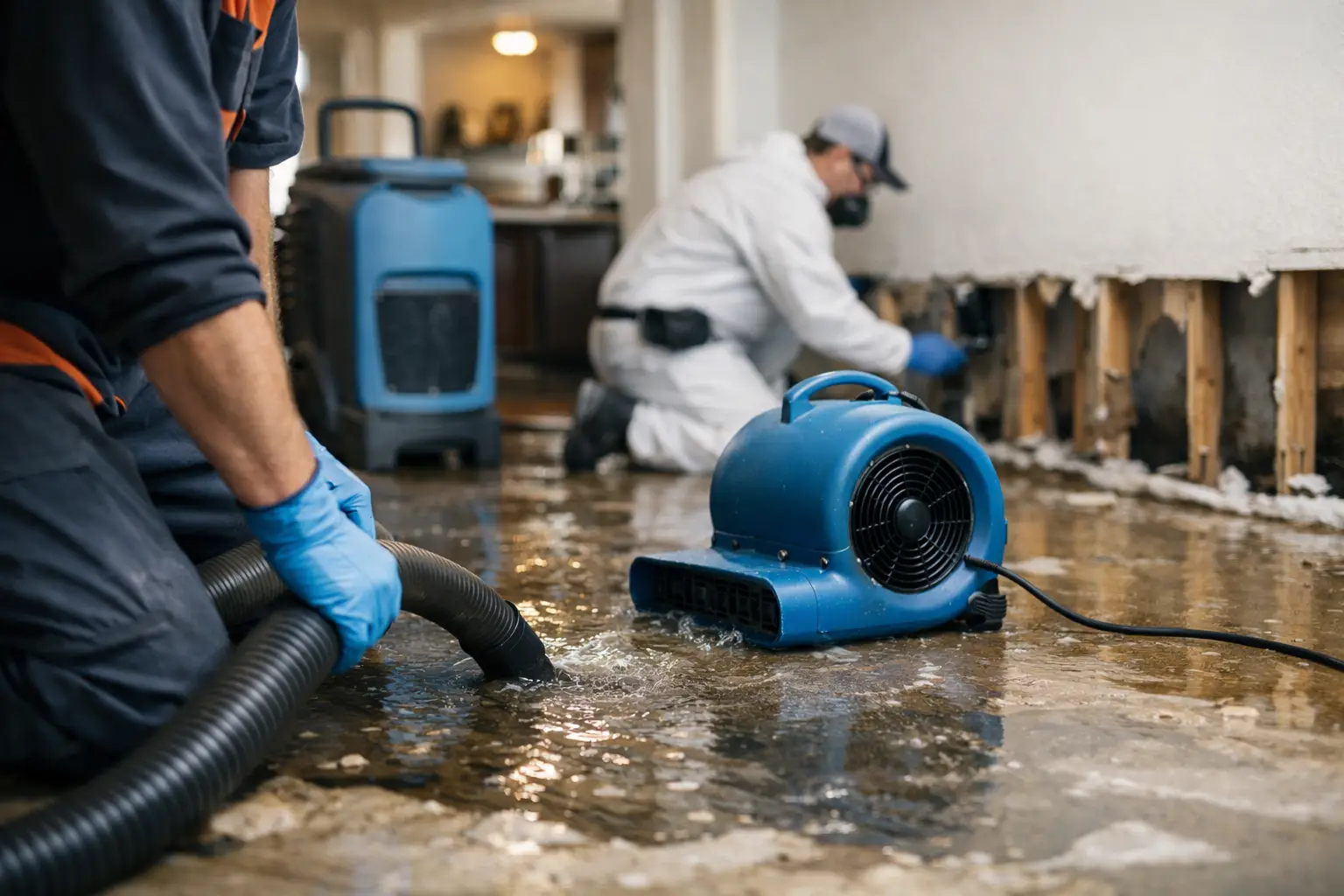 Water Damage
Extraction, structural drying, and moisture mapping after floods, leaks, and burst pipes.
Get help now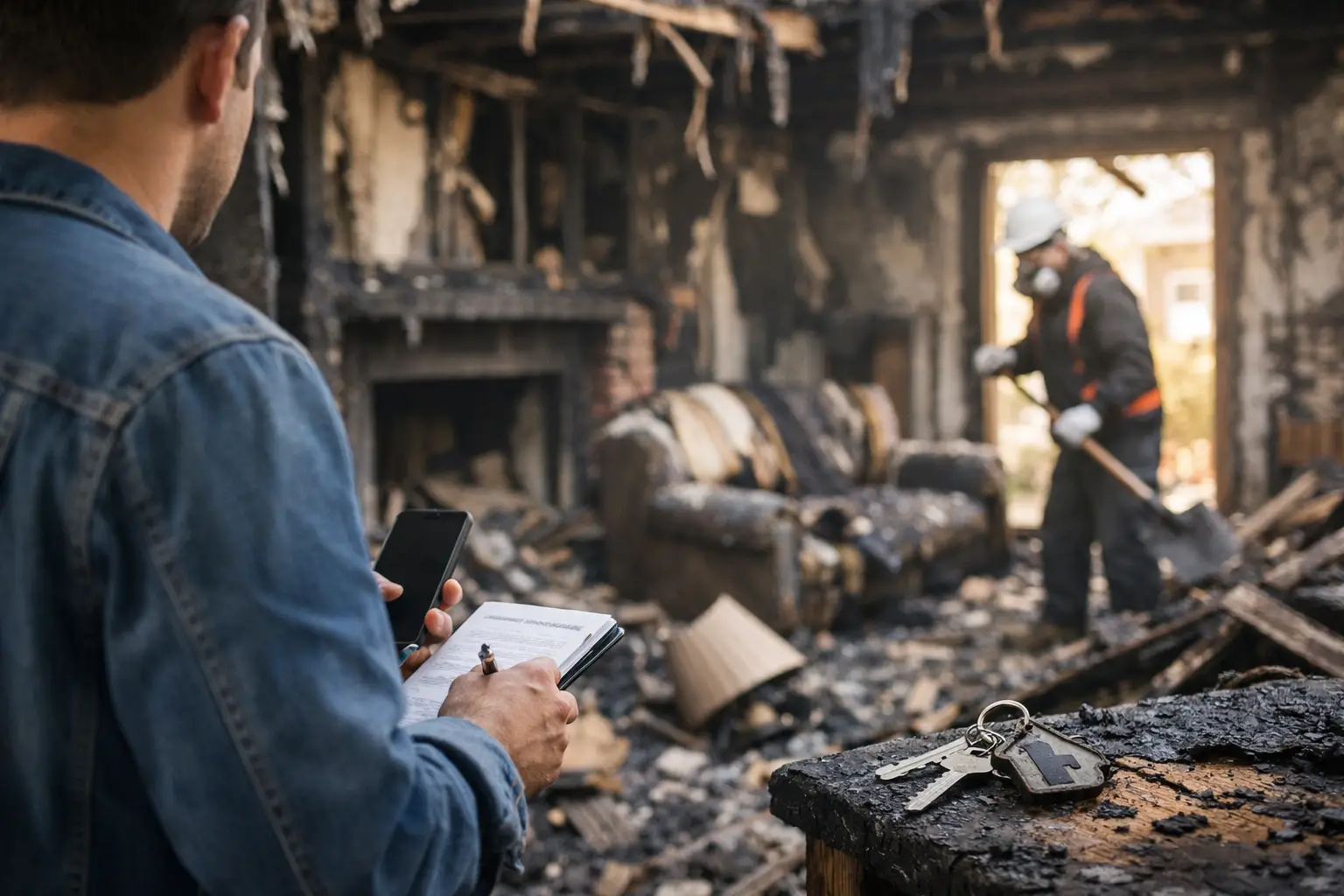 Fire & Smoke
Soot removal, odor deodorization, and content cleaning after fire and smoke damage.
Learn more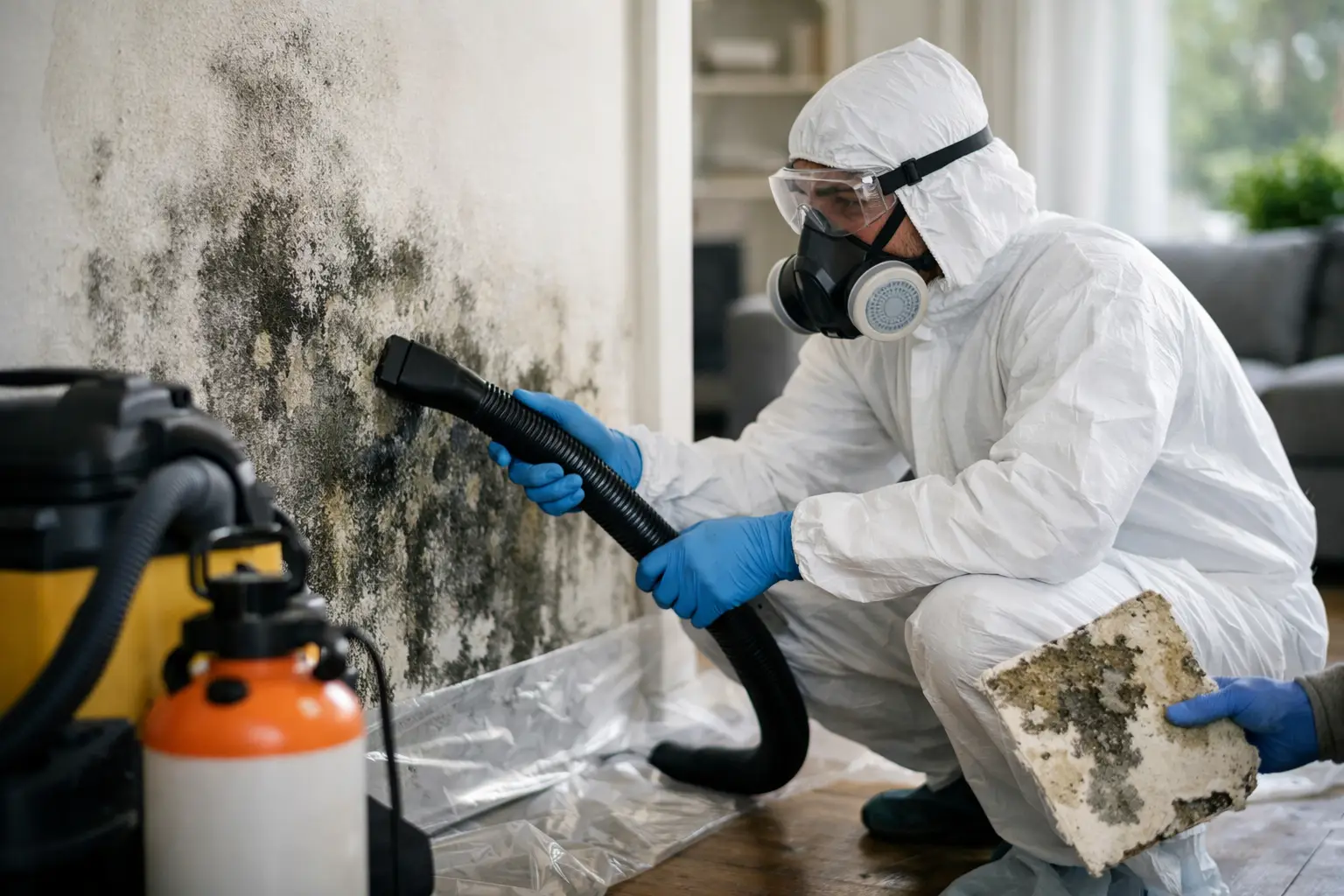 Mold
MoldContainment, removal, and moisture control that stops mold from coming back.
Learn more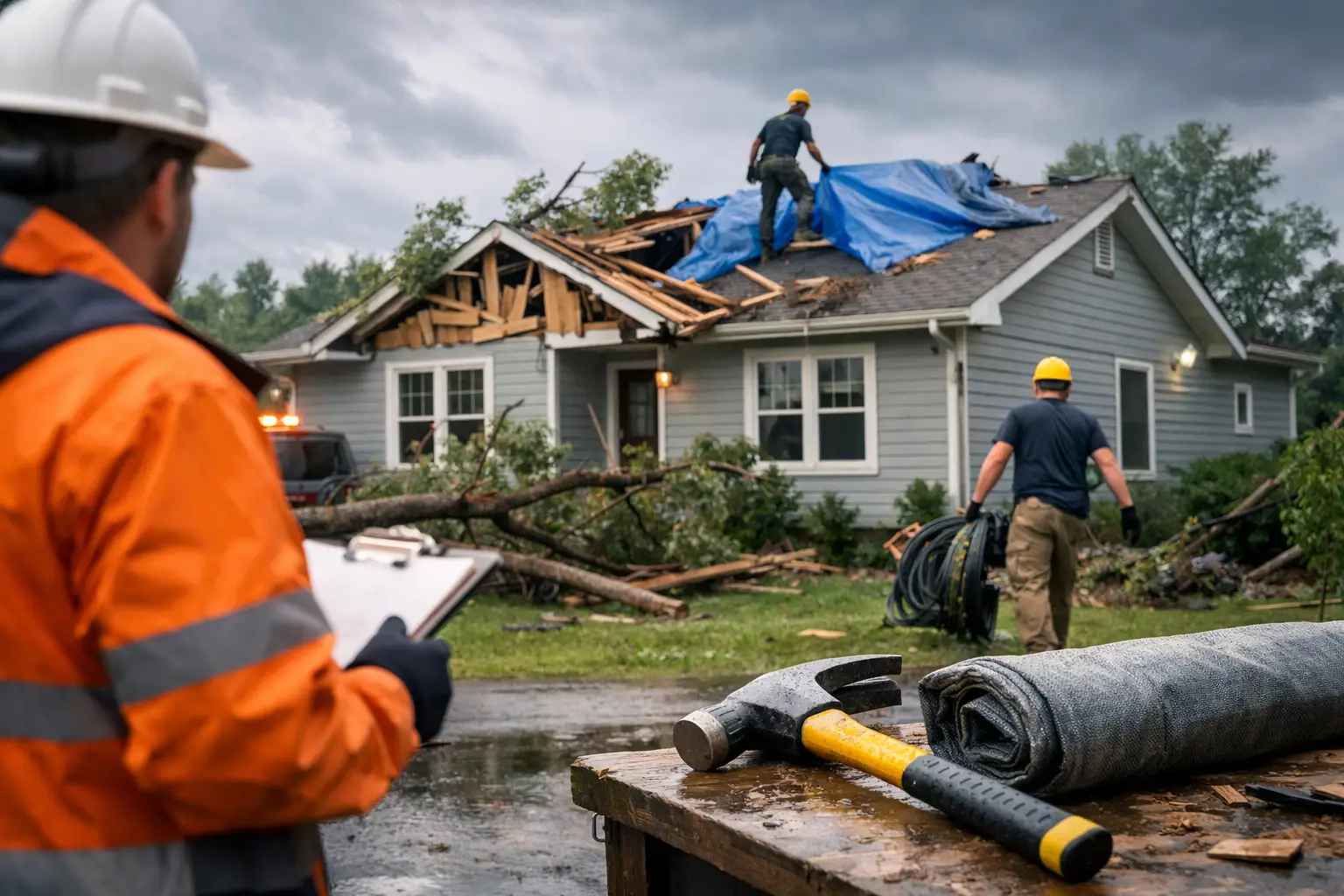 Storm
StormEmergency board-up, roof tarping, and full recovery after wind, hail, and storms.
Learn more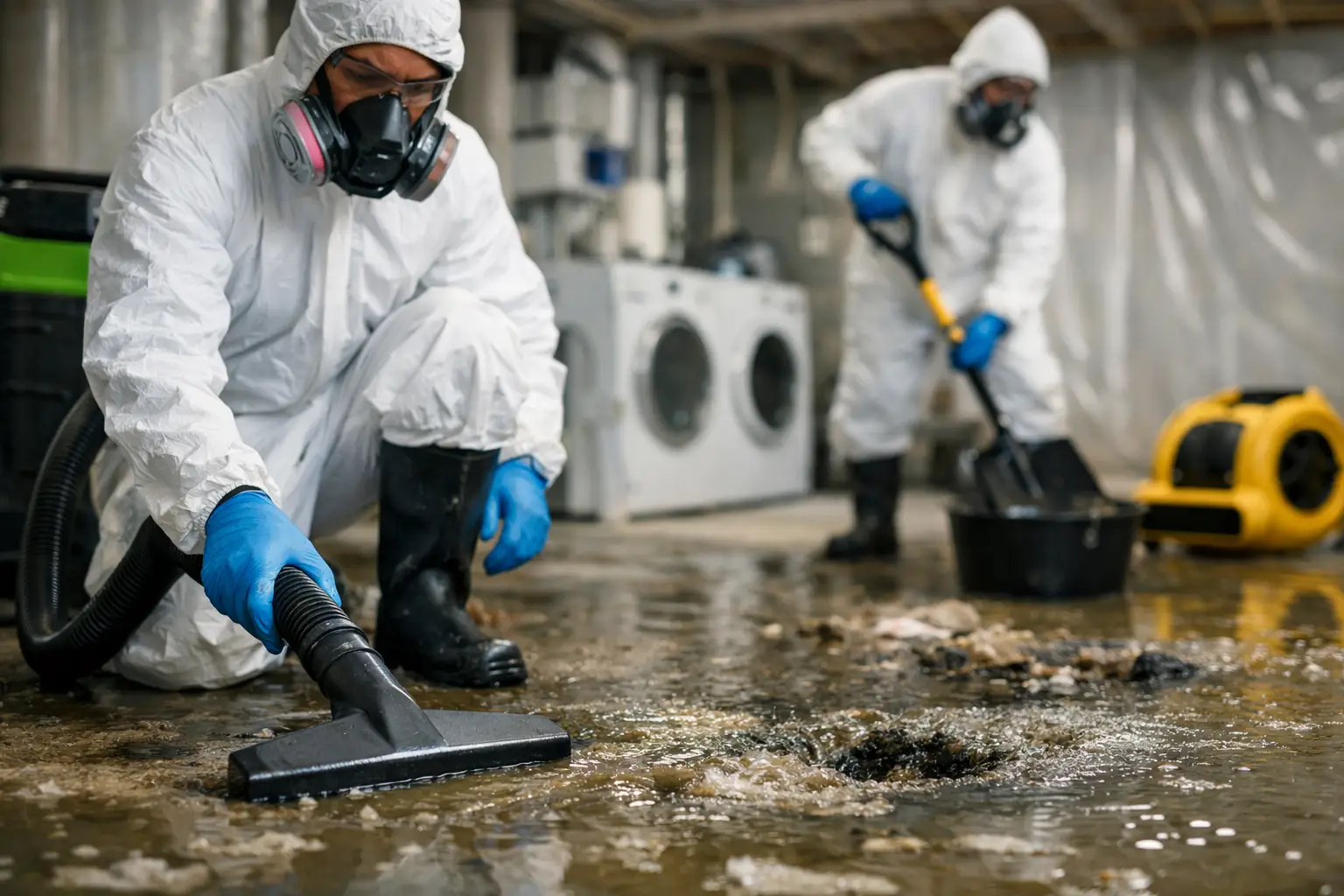 Sewage
Safe biohazard cleanup and sanitizing after sewage backups and overflows.
Learn more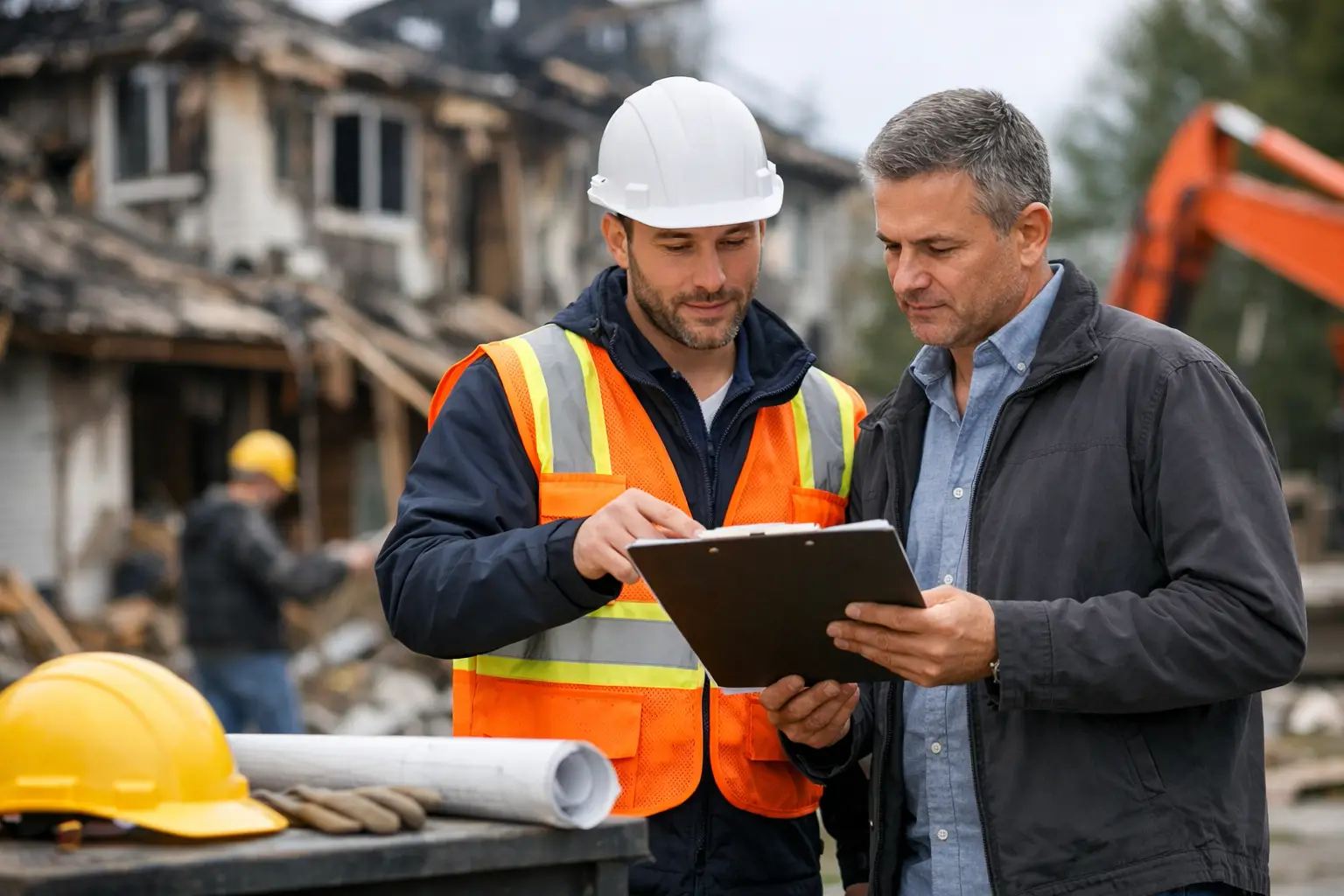 Reconstruction
Full rebuild by a licensed general contractor, so your property comes back whole.
Learn moreElevated Operations is an IICRC-certified, licensed general contractor based in Mableton that handles the entire recovery in-house, so after one loss you are never coordinating a cleanup crew, a mold crew, and a contractor separately. One team, one point of contact, from the first pump-out to the final coat of paint.
People call when the property feels like a disaster. They leave reviews because Chris and the crew made it right. These are real, verified Google reviews.
Yes. I handle disaster reconstruction for airport-area properties in Forest Park, including buildings with heavier use, older additions, and damage that spreads through roof, wall, and floor systems. Those jobs often need careful structural repairs and clear insurance documentation. I approach them as rebuilds, not patch jobs.
Yes. Post-war homes often hide water damage in plaster, framing, subfloors, and wall cavities, so I inspect beyond the visible stain. Then I plan the rebuild in the right order, from removal to drywall installation and flooring replacement. The point is to restore the structure, not just the surface.
If the loss happened near Fort Gillem or in an industrial part of Forest Park, I look closely at roof sections, utility openings, and interior finishes that get hit by fast-moving damage. Industrial layouts can conceal problems well, so I treat the rebuild as a system, not a single room fix.
Yes. Roof repair is often the first reconstruction step after storm or impact damage, especially on older Forest Park buildings where water can travel into framing and ceilings fast. I stabilize the opening, assess the surrounding structure, and then rebuild the affected area so the damage does not keep spreading.
I use direct insurance billing, which keeps the process organized and reduces back-and-forth for the property owner. I document the damage, explain what needs structural repairs or property reconstruction, and keep the claim tied to the actual scope. That is how I keep jobs moving cleanly.
That is still reconstruction if the damage reached the materials. I can replace damaged drywall and flooring after the cause is resolved and the structure is sound. But I will not skip the inspection, because soft walls or uneven floors can mean there is framing damage behind the surface.
Yes, and that is usually the smartest route. I can handle the emergency response, the cleanup phase, and the full rebuild through one coordinated process. That reduces confusion, keeps the work consistent, and helps when the property needs framing repair, structural repairs, or a larger full rebuild.
Because I know the type of buildings Forest Park has and I do the work myself through a licensed general contractor operation. Elevated Operations, LLLP has been in restoration since 2007, holds a 4.9-star Google rating from 73 reviews, and backs the work with a 12-month warranty.
Elevated Operations dispatches IICRC-certified crews across Metro Atlanta from our Mableton base, with a 60-minute emergency response day or night. Choose your city:
Call now for an immediate response, or request your free inspection and get a certified crew on-site within the hour across Atlanta and nearby areas.




