24/7 Emergency Restoration · Serving Metro AtlantaEmergency? (770) 404-6895
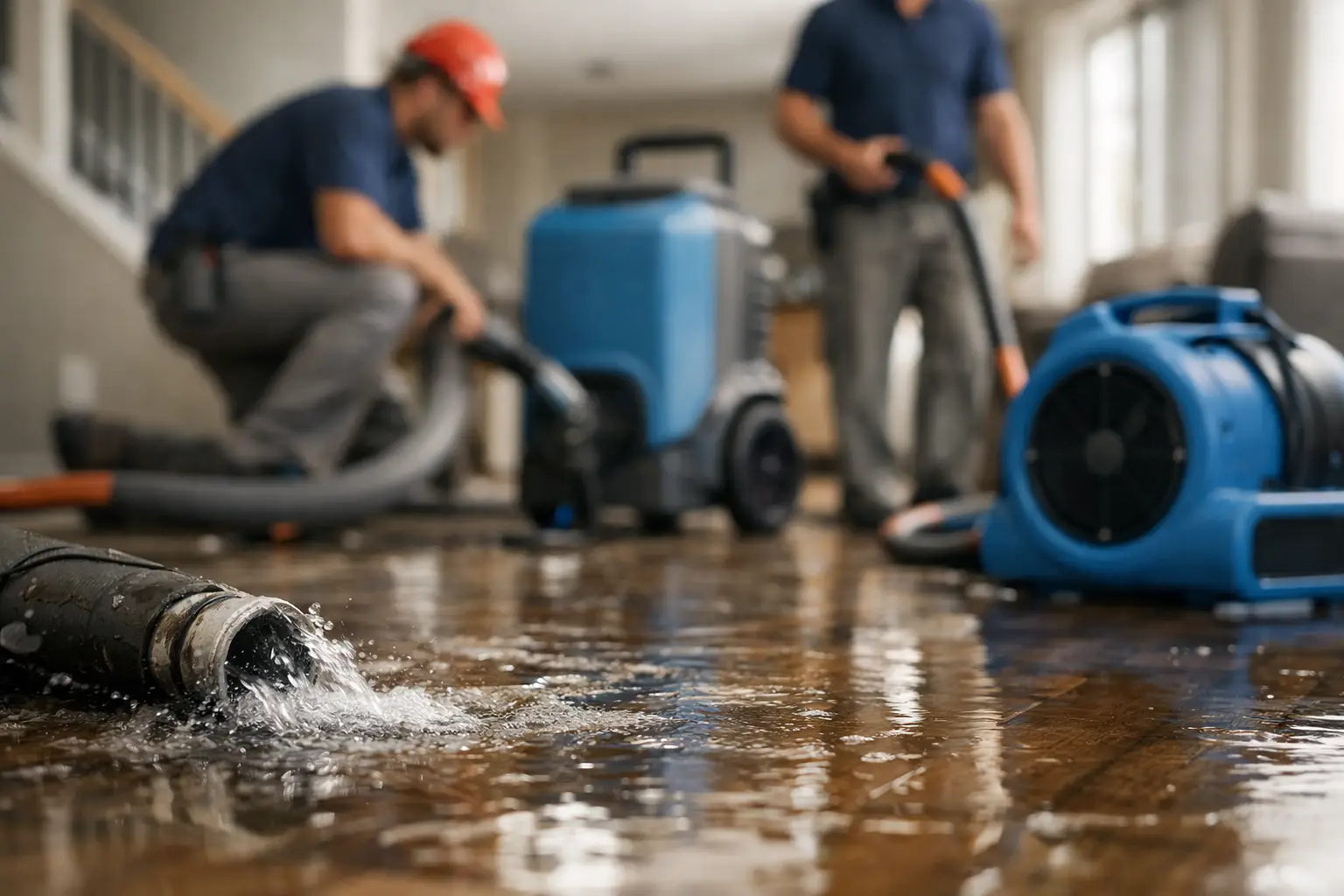
Water damage restoration Austell starts with fast water extraction, then I move straight into drying, cleanup, and the repairs that stop the damage from spreading. In Austell, I see creekside flooding, failed supply lines, and soaked drywall in older homes, and I handle each one with a direct plan, 24/7 response, and insurance billing.
IICRC-Certified · 5-Star Rated · 60-Minute Response · Insurance Billed Directly
No. A wet room can look normal while the wall base, subfloor, or crawlspace is still holding water.
Yes. I handle water cleanup, drying, and the repairs that follow, including drywall replacement when needed.
Yes. I handle both storm-related water and indoor plumbing losses across Austell and nearby Cobb County areas.
I am the owner, I am licensed, and I keep the restoration process direct from emergency response through final repair.
Water damage restoration in Austell starts with inspection, water extraction, drying, and repairs, in that order. I do not guess, and I do not skip the drying stage. My job is to stop hidden moisture before it turns into structural damage, mold growth, or a second round of repairs.
I start by finding where the water came from and how far it moved. In Austell, that may mean a split line in a ranch home, a crawlspace issue, or storm water pushed in during heavy weather near Sweetwater Creek.
Then I move into water mitigation, which means removing standing water, setting drying equipment, and checking materials that hold moisture longer than they should. That is where floor drying and structural drying matter, because surface dry is not the same as actually dry.
After that, I handle the repair side, which can include drywall replacement, trim work, and other water damage repair needed to make the space usable again. I am licensed as a general contractor, so I keep the process under one roof instead of handing you off.
After water damage in Austell, stop the source if you can, stay out of unsafe areas, and call me right away. Do not pull up wet materials or run fans blindly before you know what was affected. Fast action helps limit damage, but the wrong move can spread it.
If a pipe burst in a house near Austell Village or an appliance leaked in a split-level off the main roads, I want you to keep people safe first. Shut off the water if possible, then call for water cleanup before the moisture sinks deeper into flooring and framing.
If the water came from outside, like runoff after a hard rain, do not assume the problem stopped when the puddle disappeared. Saturated underlayment and base plates can stay wet long after the room looks fine, and that is where mold starts in 24 to 48 hours.
I respond 24/7 and can usually be on-site within 60 minutes for emergencies. Once I arrive, I document the damage, start water extraction, and talk through direct insurance billing so the claim does not become a second emergency.
Yes, sometimes they can, but only when the materials dry within the right window and have not started breaking down. I look at the type of wall, the flooring, and how long the water sat. Saving a room is possible, but I will not promise it if the material is already failing.
In many Austell homes, especially older ones with drywall and wood trim, the real question is whether the wall got wet on the surface or soaked through to insulation and framing. That changes everything, because drywall replacement is often the honest answer when the paper face swells or crumbles.
For floors, I look at what is under the finish layer. Tile may survive if the subfloor stayed dry enough. LVP or laminate can look fine while the pad underneath stays trapped with moisture. That is why I use moisture checks, dehumidification, and floor drying before I call anything saved.
Near creek-adjacent areas and lower-lying streets that saw trouble during the Sweetwater Creek 2009 flood, I have seen homes where the right drying setup saved structural members and others where it was smarter to remove and rebuild. I tell you which one it is, straight.
Water damage restoration in Austell depends on what got wet, how much water moved, and whether the structure needs repairs after drying. Drying can begin quickly, but I do not end the job until moisture readings are where they should be and repairs are complete where needed.
A small supply-line leak in a bedroom can move fast if I catch it early. A crawlspace issue after a storm near Sweetwater Creek is different, because the water may reach framing, insulation, and lower wall sections before anyone notices what happened.
The drying phase is its own job. Dehumidification and structural drying need time to pull moisture out of wood, drywall, and hidden cavities. If I rush that part, the room may look finished while the damage is still active inside the structure.
Then comes repair work. Sometimes it is limited to water damage repair at the base of a wall. Sometimes it means more involved drywall replacement and cleanup. I keep the sequence clear, and I do not close a file until the space is actually ready.
Sweetwater Creek flooding changed the way I think about Austell because it showed how fast water can move through low areas and into homes that seemed safe. I still think about that 2009 flood when I inspect homes near drainage paths, basements, and crawlspaces in this part of Cobb County.
Austell is not just one kind of neighborhood. You have older homes, homes with crawlspaces, and properties where runoff can collect after heavy rain. That mix means a single storm can create very different damage patterns from one street to the next.
When I inspect after storm water, I pay attention to where the water traveled, not just where it stopped. Water cleanup has to account for the path it took under flooring, behind trim, and into lower wall cavities. That is what prevents repeat damage.
The Sweetwater Creek 2009 flood is a reminder that local geography matters. If a home sits near a drainage route or a low spot, I treat the job like hidden water may be present even after the visible water is gone. That caution saves money later.
My Austell response is different because I handle the restoration as owner, contractor, and estimator in one process. I am not sending you to a chain of handoffs. I answer the phone, inspect the damage, document it for insurance, and make the repair plan myself.
I am Chris Kwangwari, owner of Elevated Operations, LLLP, and I have been in restoration since 2007. That matters when your kitchen floor is lifted, your laundry room is soaked, or your basement smells wrong after a storm. I have seen the fast fix, and I have seen the expensive mistake.
My technicians are IICRC-certified, and I keep the work tight and practical. That means water extraction first, then drying, then the repair decisions. It also means direct insurance billing and deductible assistance up to $1,000 when the claim qualifies, so the paperwork does not pile onto the damage.
Austell homeowners deserve more than a mop and a fan. They need a licensed general contractor who can tell the truth about what can be saved, what needs replacement, and what should never be left half-dry. That is how I work.
The kitchen floor looked stained, but the real problem was moisture moving under the cabinets and into the wall base. I handled water extraction, set dehumidification, and checked the drywall before any repair call was made.
After heavy rain, the crawlspace held water long enough to put the lower structure at risk. I treated it as water mitigation, not just cleanup, then moved into structural drying so the home would not keep holding damp air.
The carpet could not be saved, but parts of the room could. I pulled the water, documented the loss for insurance, dried the subfloor, and handled the water damage repair with drywall replacement only where the wall actually failed.
From emergency mitigation to full reconstruction, handled in-house so you are never managing a chain of subcontractors mid-crisis.
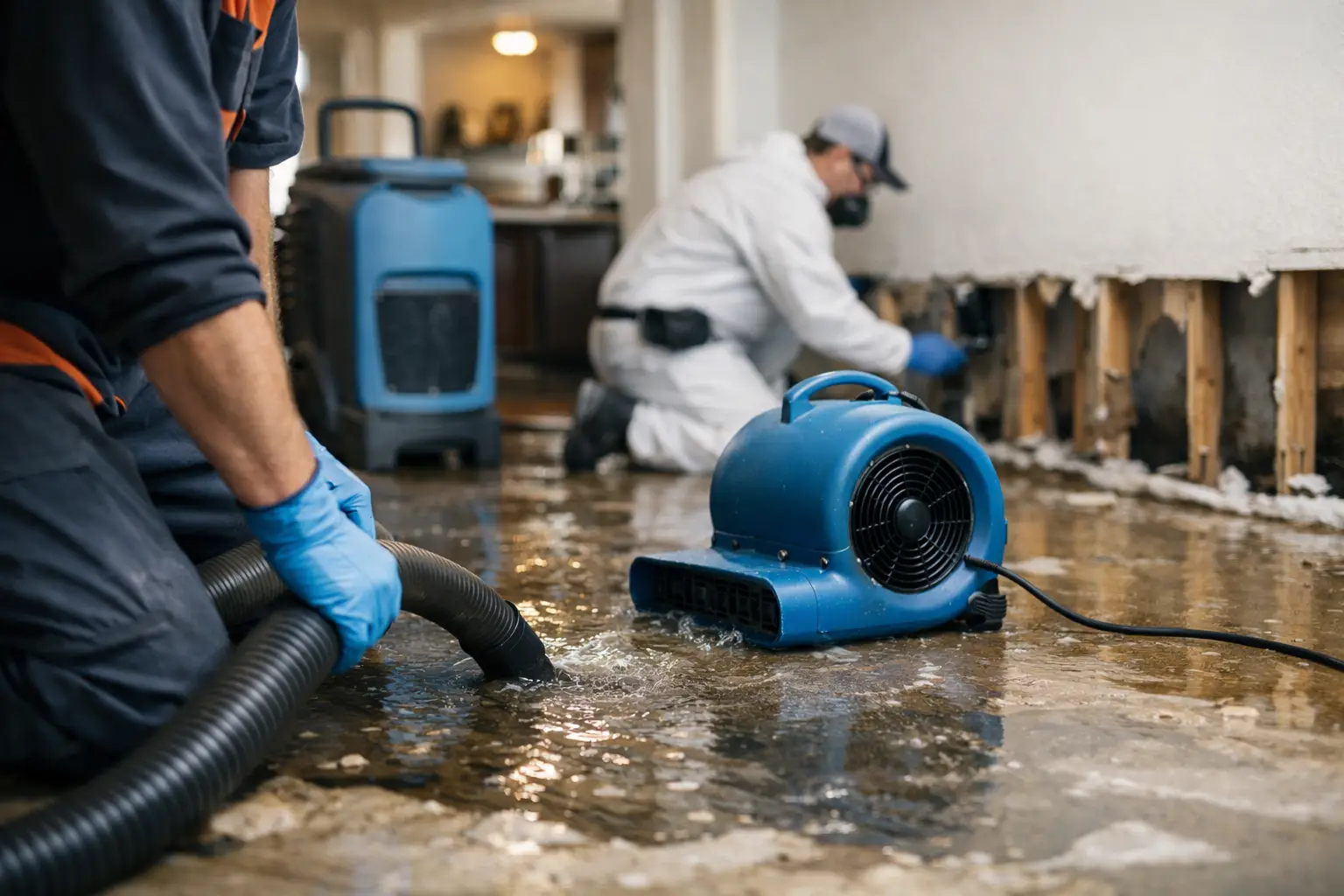 Water Damage
Extraction, structural drying, and moisture mapping after floods, leaks, and burst pipes.
Get help now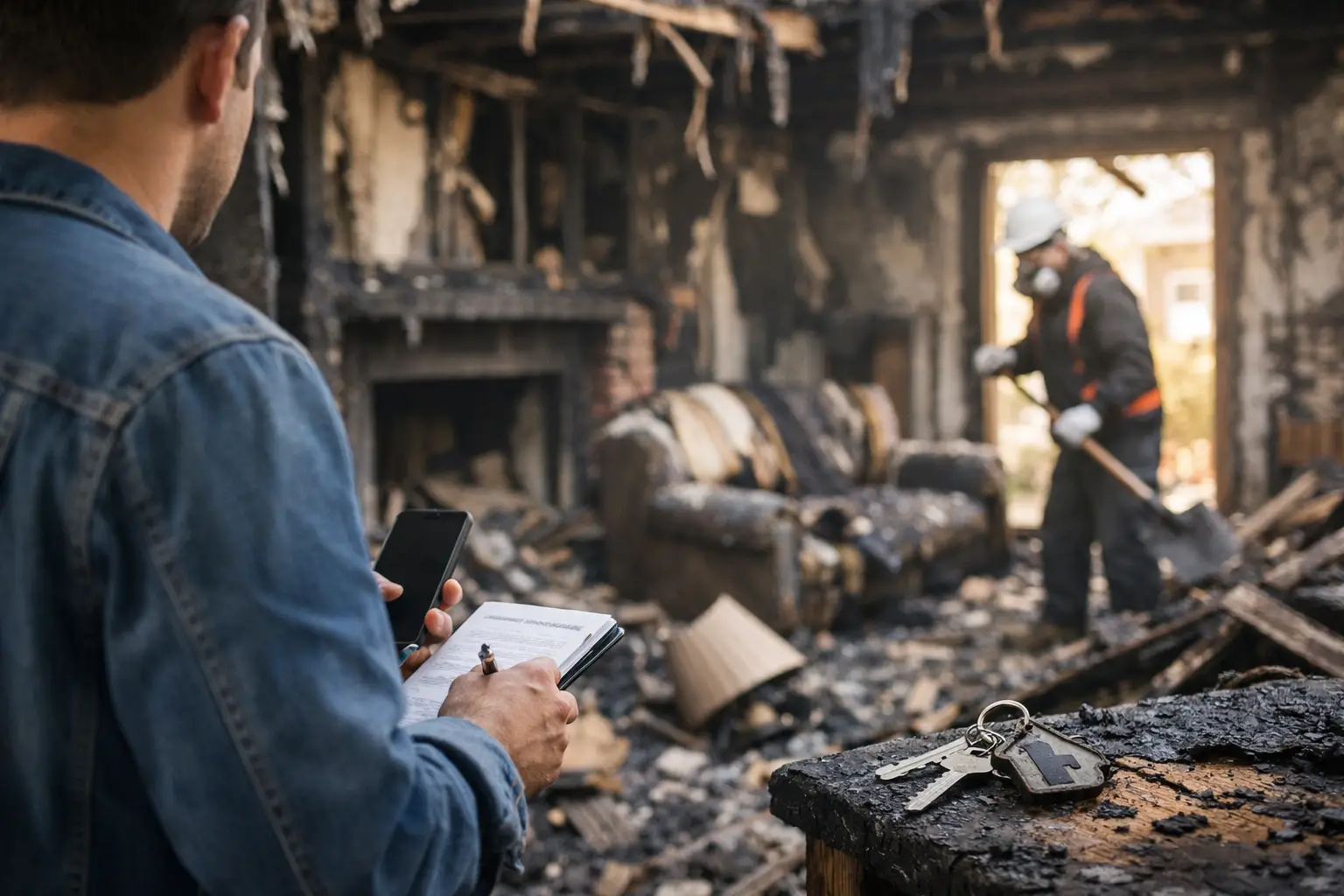 Fire & Smoke
Soot removal, odor deodorization, and content cleaning after fire and smoke damage.
Learn more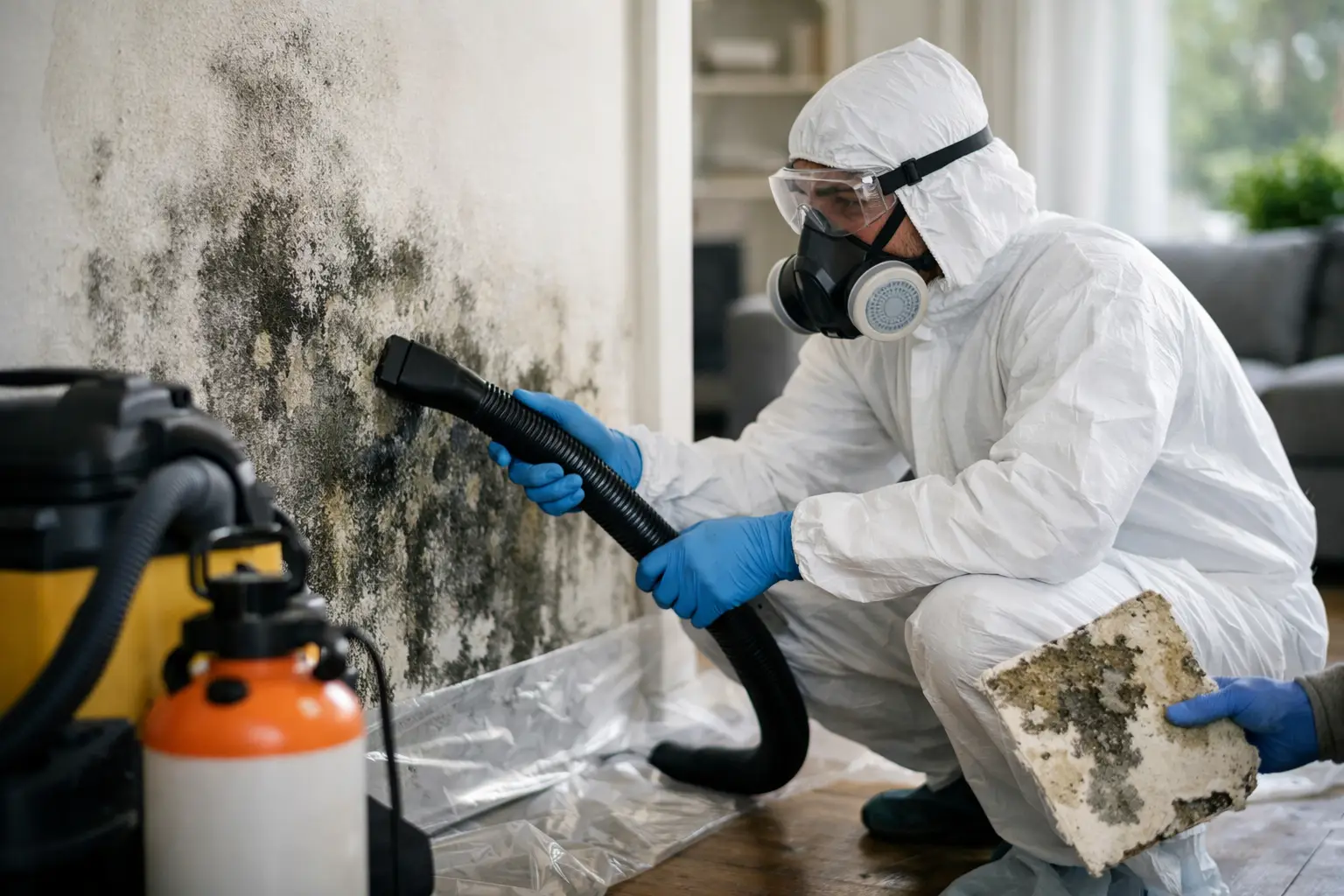 Mold
MoldContainment, removal, and moisture control that stops mold from coming back.
Learn more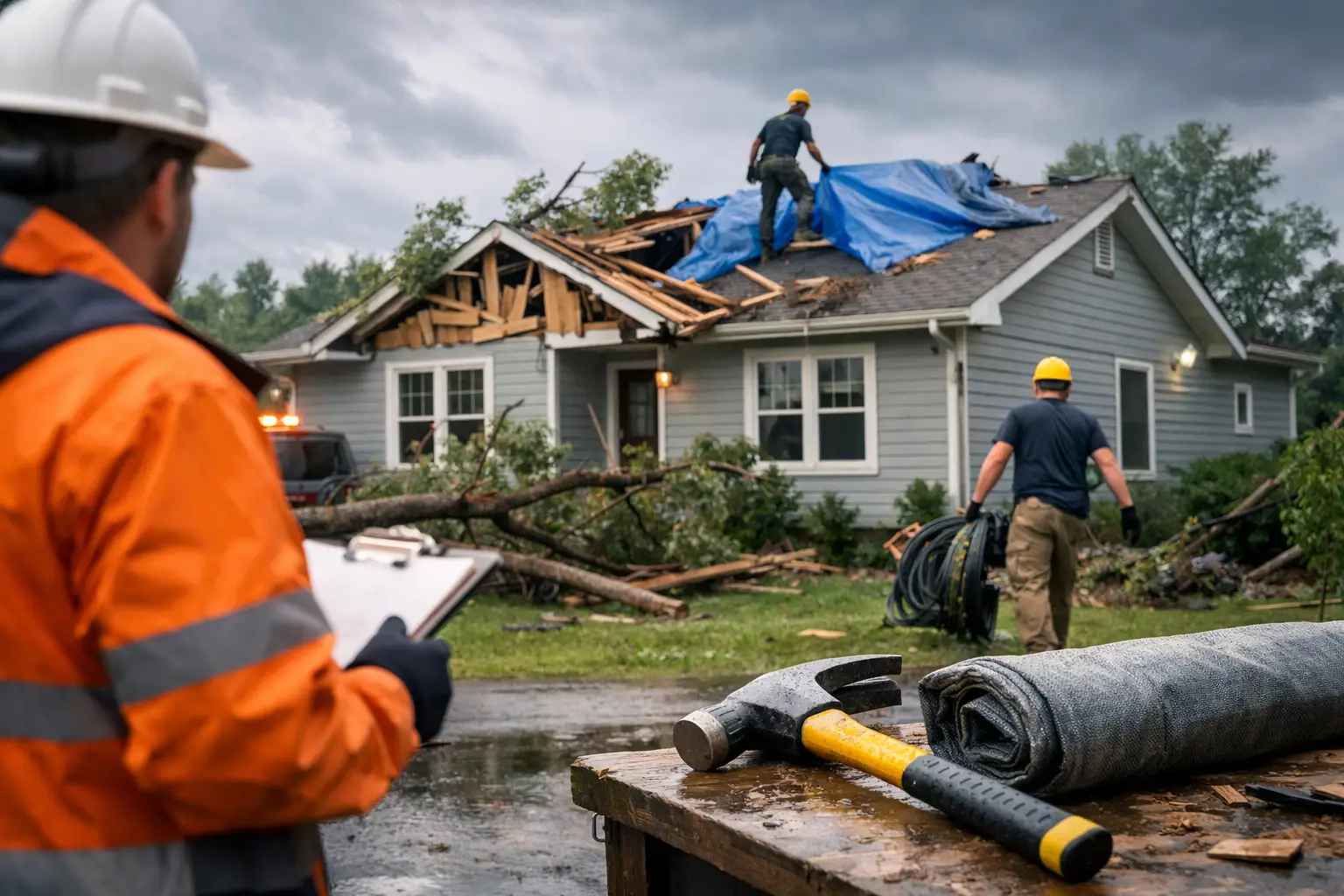 Storm
StormEmergency board-up, roof tarping, and full recovery after wind, hail, and storms.
Learn more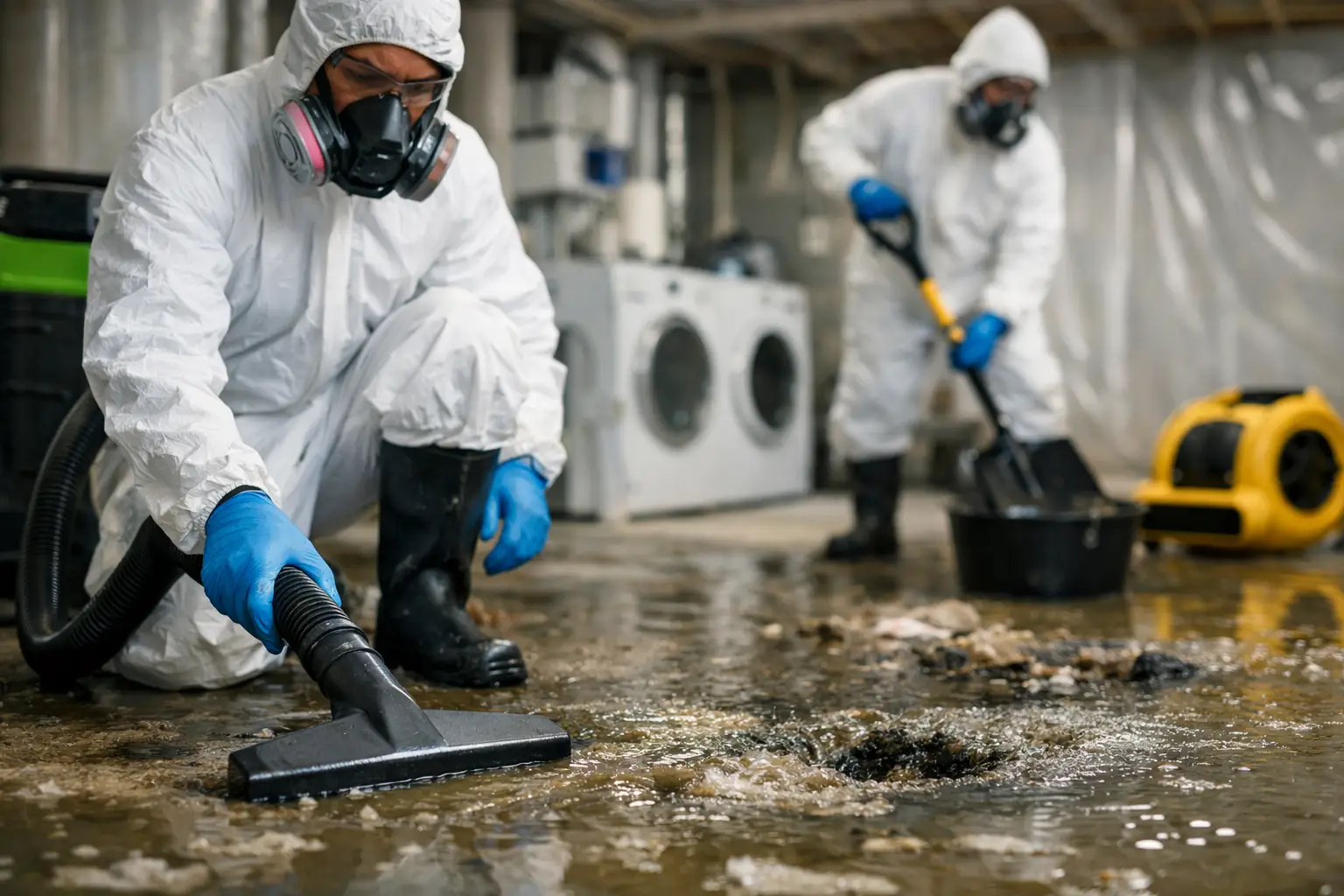 Sewage
Safe biohazard cleanup and sanitizing after sewage backups and overflows.
Learn more Reconstruction
Full rebuild by a licensed general contractor, so your property comes back whole.
Learn moreElevated Operations is an IICRC-certified, licensed general contractor based in Mableton that handles the entire recovery in-house, so after one loss you are never coordinating a cleanup crew, a mold crew, and a contractor separately. One team, one point of contact, from the first pump-out to the final coat of paint.
People call when the property feels like a disaster. They leave reviews because Chris and the crew made it right. These are real, verified Google reviews.
Yes. When water pushes in after heavy rain or creek-related flooding, I treat it as a full restoration job, not a surface cleanup. I look for moisture in crawlspaces, lower walls, flooring, and hidden cavities, then start extraction and drying before damage spreads. Sweetwater Creek history matters here, because low areas can hold water longer than homeowners expect.
Yes, and older homes are often where hidden moisture causes the most trouble. Crawlspaces can trap wet air, and lower framing can stay damp after the room above looks dry. I inspect the structure, set drying equipment, and decide whether repair or replacement makes more sense. I do not guess on crawlspace damage, because guessing gets expensive fast.
I offer 24/7 emergency response and can respond within 60 minutes for urgent losses. That matters when water is still moving through a home, because every minute can mean more drywall replacement, deeper floor drying needs, and more cleanup. I move fast, document the damage, and start the mitigation before the situation grows.
Yes. I offer direct insurance billing, and I help make the claim process easier by documenting the loss clearly. That is especially useful after storm water, appliance leaks, or burst lines where the damage is obvious but the full scope is not. I stay involved, so you are not stuck translating the mess for the adjuster alone.
That is a common problem, especially in lower spaces and crawlspace-adjacent homes. Hidden moisture can linger in walls, baseboards, and subfloors even when the water itself is gone. I use moisture checks and drying equipment to find the source, then move into dehumidification and structural drying before mold has a chance to start.
Yes. I do the restoration and the repair side, which keeps the job consistent from start to finish. If the damage requires drywall replacement, trim work, or other rebuilding, I handle that as a licensed general contractor. That is the cleaner way to restore a room after water loss, especially when hidden damage shows up late.
I check the material, the subfloor, and how long the water sat. Some floors can be saved with the right floor drying and dehumidification. Others, especially if the underlayment is saturated or warped, need replacement. I will tell you the truth either way, because a wrong save can fail later and cost more.
Yes. Mold can start in 24 to 48 hours if moisture is left in place. That is why I treat every active loss like a time-sensitive restoration, not a cleanup job that can wait until the weekend. Fast water extraction, proper drying, and careful inspection are what keep a small problem from becoming a bigger one.
Elevated Operations dispatches IICRC-certified crews across Metro Atlanta from our Mableton base, with a 60-minute emergency response day or night. Choose your city:
Call now for an immediate response, or request your free inspection and get a certified crew on-site within the hour across Atlanta and nearby areas.




