24/7 Emergency Restoration · Serving Metro AtlantaEmergency? (770) 404-6895
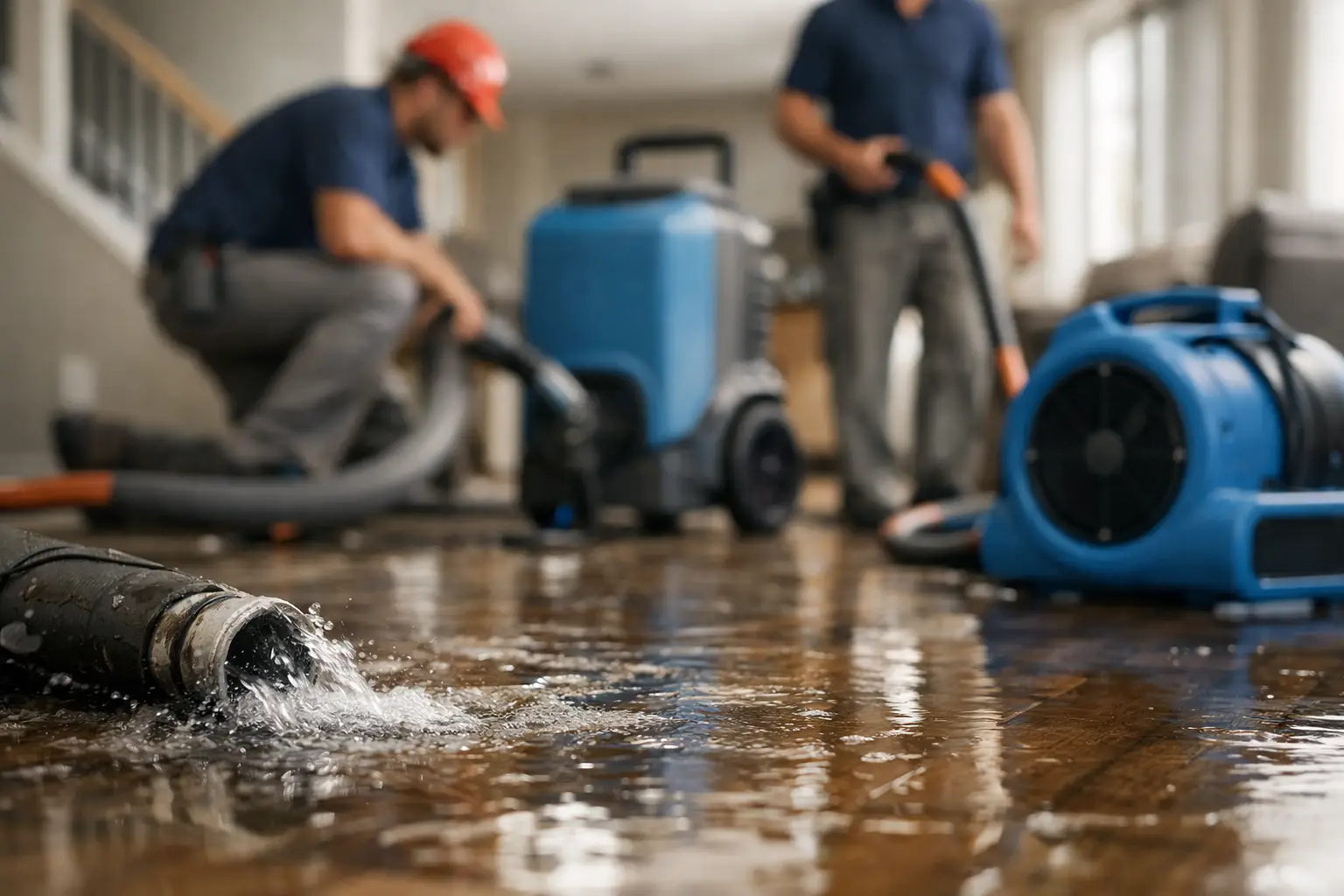
A sewage cleanup company Union City homeowners can rely on does more than remove dirty water. We handle black water cleanup, disinfection services, odor removal, and contaminated water removal after a sanitary sewer backup, so the home is cleaned, dried, and made safe to enter again.
IICRC-Certified · 5-Star Rated · 60-Minute Response · Insurance Billed Directly
No. Sewage cleanup means removing contamination, not just washing surfaces. It includes containment, disinfection services, drying, and deciding what has to be removed.
Because odor can remain in porous materials, wall bases, and hidden cavities. If those areas are not cleaned or removed, the smell keeps coming back.
Yes. Repeated overflow or backup can signal a sanitary sewer backup, not just a one-time toilet issue. That is why the source has to be checked.
The contamination. Black water cleanup has stricter removal, safety, and disposal steps than clean-water damage, especially in compact south Fulton homes.
A sewage cleanup company removes contaminated water, cleans affected materials, disinfects surfaces, and reduces odor after a sewer or toilet failure. In Union City, that often means dealing with sewage spill cleanup in homes near south Fulton I-85 subdivisions, where fast cleanup matters because wastewater spreads into floors, walls, and hidden cavities.
I treat sewage work as a health job first, a cleaning job second. The point is not just to mop up visible mess. It is to remove contamination, identify what got wet, and decide what can be cleaned and what cannot be safely kept.
In practice, that means black water cleanup, disinfection services, and careful containment so the problem does not spread through hallways, closets, or shared HVAC spaces. That is why a serious sewage cleanup company uses protective gear, controlled removal, and a structured process instead of guesswork.
Union City homes in the south Fulton I-85 corridor can be affected quickly because many properties sit close together and share drainage patterns, utility lines, and slab foundations. Once sewage enters a living space, the job is no longer simple cleanup. It is contamination control.
Sewage backup happens when wastewater cannot move through the plumbing or sewer system the way it should. In Union City, common triggers include line blockages, heavy rain that stresses the sanitary sewer backup system, and older piping that has trouble handling repeated use in dense south Fulton neighborhoods.
Union City has a lot of practical plumbing realities that people do not think about until the drain stops working. Homes near busy roads and subdivisions connected to the same sewer network can feel the effects at once, especially when a clog or system failure shows up downstream.
A toilet overflow cleanup call may start with something simple, but it can point to a deeper line issue. Grease, wipes, foreign objects, tree root intrusion, and broken pipe sections all create the conditions for contaminated water to come back into tubs, floor drains, or low fixtures.
Weather matters too. When stormwater and sewer systems get stressed at the same time, wastewater can back up into homes. That is why Union City property owners should not assume a small overflow is harmless. The source may be larger than the visible mess.
Yes, sewage backup is considered a biohazard because it can contain bacteria, viruses, parasites, and other contaminants that should not touch skin, porous materials, or food-contact surfaces. That is why biohazard cleanup rules apply, along with containment, disinfection, and proper disposal of affected debris.
I do not talk about sewage as if it were dirty water. It is contaminated water that can expose people to serious health risks, especially children, older adults, and anyone with breathing or immune issues. The danger is not always visible, which is what makes it tricky.
In a Union City home, a small backup in a bathroom can still contaminate the hallway, baseboards, and subfloor. If a homeowner walks through it or tries to dry it with fans alone, the problem can spread. That is why professional biohazard cleanup protocols matter.
This is also why odor removal is not just about making the house smell better. Smell is a sign that contamination may remain in materials, grout lines, insulation, or trapped air spaces. If those areas are not addressed, the problem can linger long after the floor looks dry.
The right way to clean sewage in a house starts with safety, source control, and removal of contaminated materials. Then comes cleaning, disinfection services, moisture drying, and final verification so the home is not left with hidden contamination or odor in walls, flooring, and trim.
The first move is to stop the source if possible and keep people out of the affected area. After that, the cleanup crew documents the damage, removes sewage, and separates salvageable surfaces from materials that need disposal. That step is where experience really matters.
Next comes contaminated water removal, targeted cleaning, and disinfecting hard surfaces that can be restored. Porous materials like carpet pad, some insulation, and heavily soaked drywall often need removal because sewage does not behave like clean water. It soaks deep and leaves residue behind.
Then the home has to dry correctly. Drying equipment, airflow, and dehumidification all matter, but only after the contamination has been removed. If you dry sewage into place, you can trap odor and residue. That is how a small problem turns into a bigger one.
Often, yes. Materials that are porous, deeply soaked, or impossible to fully disinfect may need replacement after sewage damage. That is especially true for carpet pad, insulation, and some drywall, because sewage spill cleanup has to remove contamination, not just dry the visible surface.
This is one of the hardest parts for homeowners to hear, but I would rather tell the truth than pretend everything can be saved. Sewage can enter the fibers, seams, and backing of materials in ways that ordinary cleaning cannot fully correct.
In Union City homes, especially slab-on-grade properties common in south Fulton I-85 subdivisions, water can migrate into edges, transitions, and wall bottoms before anyone notices. Once that happens, replacement is often safer than trying to clean material that has absorbed waste.
Hard surfaces may be cleaned and disinfected, but that is not the same as restoring every material in place. A good restoration plan decides what can be saved, what must go, and what needs odor removal or additional treatment before reoccupancy.
Sewage can stain finishes, weaken structural materials, spread bacteria, and create persistent odor if it sits too long. The longer black water cleanup is delayed, the more likely contamination moves into flooring, drywall, cabinetry, and concealed cavities where it becomes harder to remove.
Sewage damage is not only about what you see on the surface. Wastewater can wick into wood, soak under flooring, and enter wall bases. If that happens, the home may look cleaner than it is, which creates a false sense of safety.
Odor is another warning sign. When organic contamination remains, smell can travel through the house and even into adjacent rooms. That is why odor removal must be tied to source removal and disinfection services, not just scented sprays or surface wipes.
The hidden damage matters too. If moisture and contamination stay in place, you can end up with warped trim, ruined padding, and contaminated cavities that continue to release odors. In restoration, time is the enemy. Delay increases the amount of material that needs removal.
Professional restoration after a sanitary sewer backup follows a sequence: assess, contain, remove, clean, disinfect, dry, and verify. That process keeps contamination from spreading and helps determine what can be restored safely after a sewage cleanup company responds to the property.
At Elevated Operations, I use a straightforward process because sewage jobs punish indecision. We assess the loss, explain what is contaminated, and start controlled removal. If direct insurance billing applies, that can simplify the paperwork while the cleanup work moves forward.
IICRC-certified technicians know the difference between wet and contaminated. That matters. A floor can be damp, but if sewage touched it, the cleanup standard changes. The response has to address the health side, the building-material side, and the odor side at the same time.
We are based in Mableton, and we work throughout Cobb, Fulton, DeKalb, Douglas, Clayton, Henry, and Paulding counties. In Union City, that means south Fulton homeowners get a local team that knows how quickly a backup can affect a whole first floor.
Black water cleanup is different from clean-water drying because sewage can carry contamination into porous materials and hidden spaces.
Persistent odor often points to residue or trapped contamination, which is why odor removal has to follow removal and disinfection.
Some materials can be cleaned, but others need replacement after sewage damage because disinfection services cannot fully restore them.
A sanitary sewer backup may come from the main line, a branch line, or a toilet overflow cleanup situation that reveals a larger plumbing problem.
Biohazard cleanup uses containment, protective equipment, contaminated water removal, and disposal steps that protect the rest of the house.
From emergency mitigation to full reconstruction, handled in-house so you are never managing a chain of subcontractors mid-crisis.
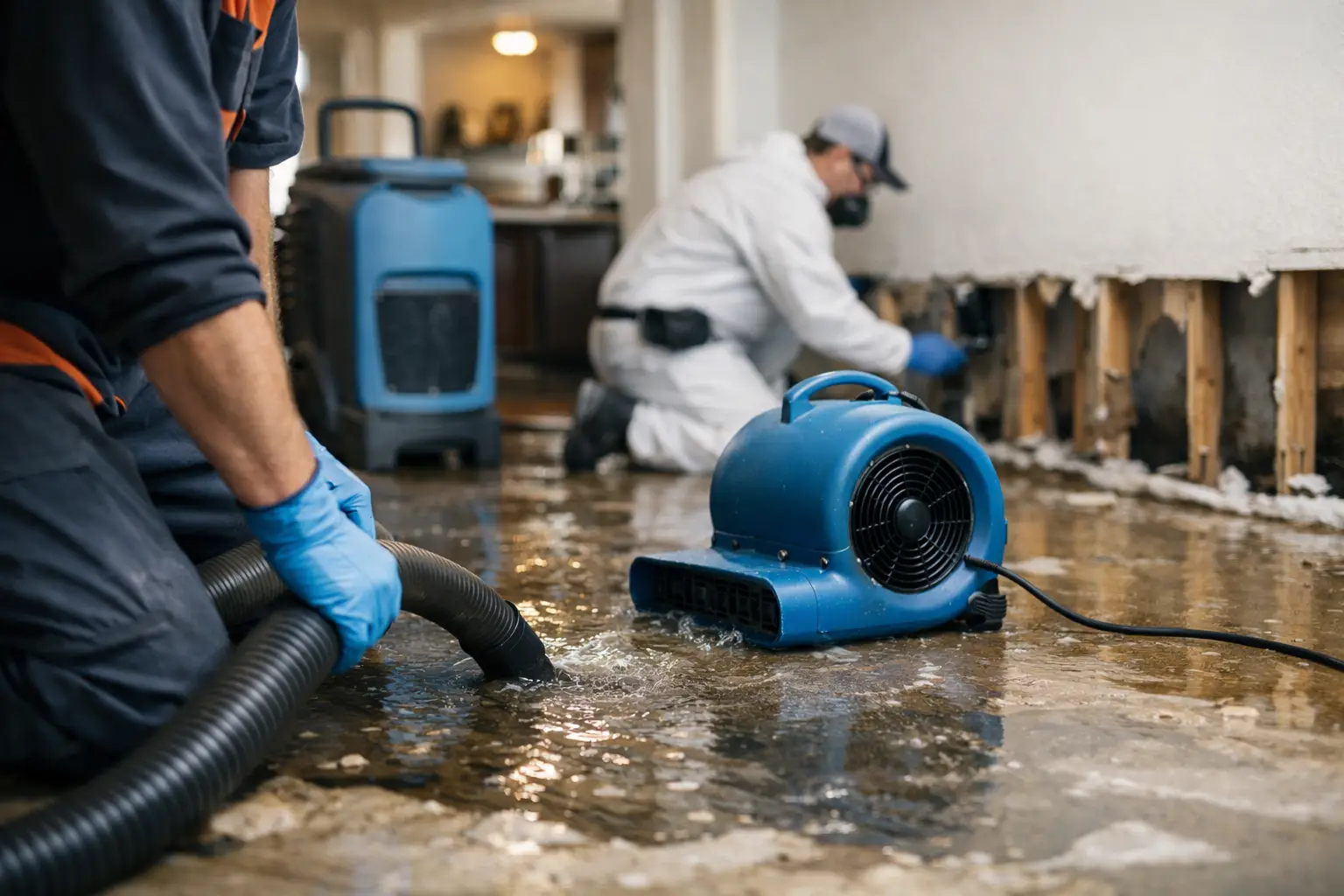 Water Damage
Extraction, structural drying, and moisture mapping after floods, leaks, and burst pipes.
Get help now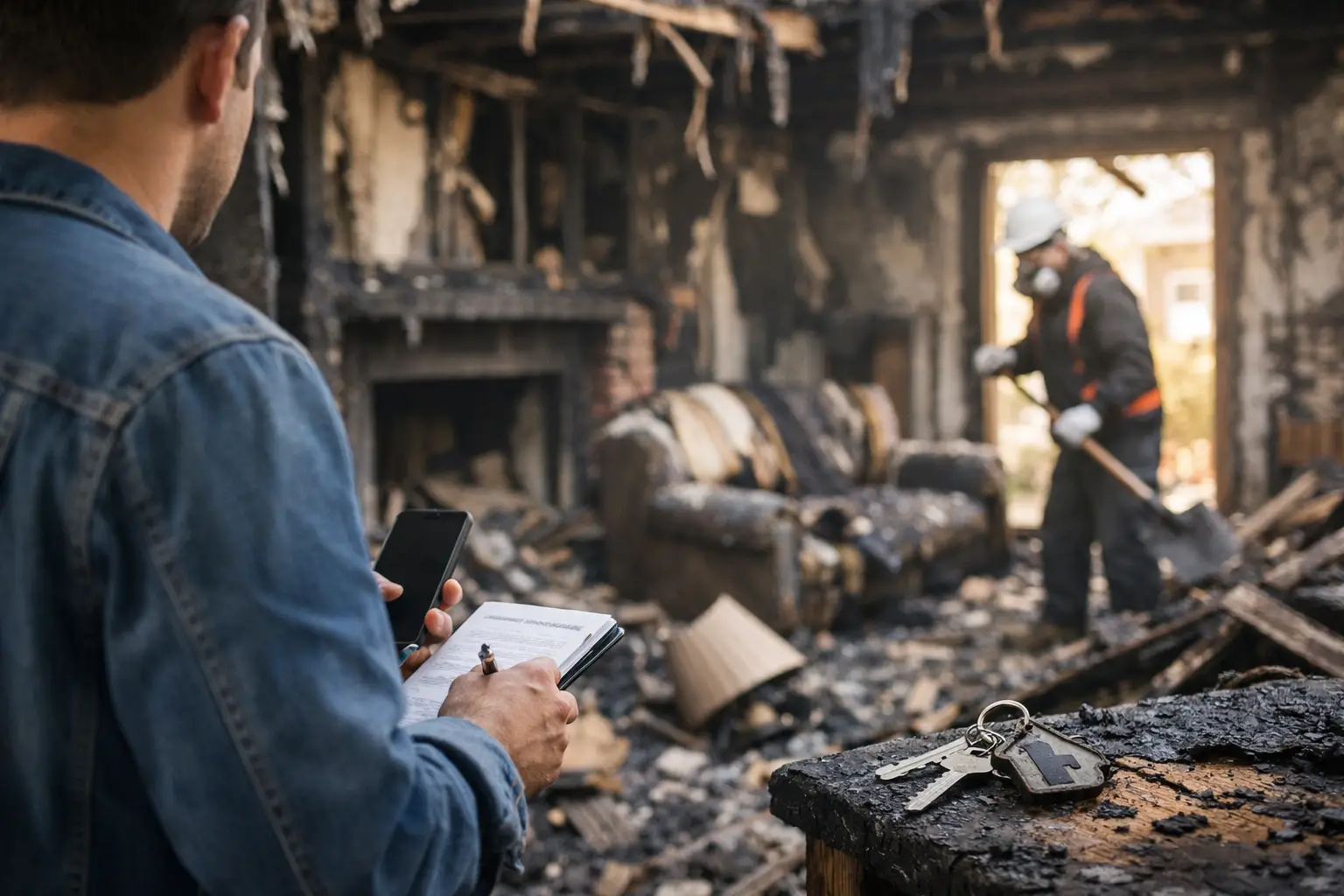 Fire & Smoke
Soot removal, odor deodorization, and content cleaning after fire and smoke damage.
Learn more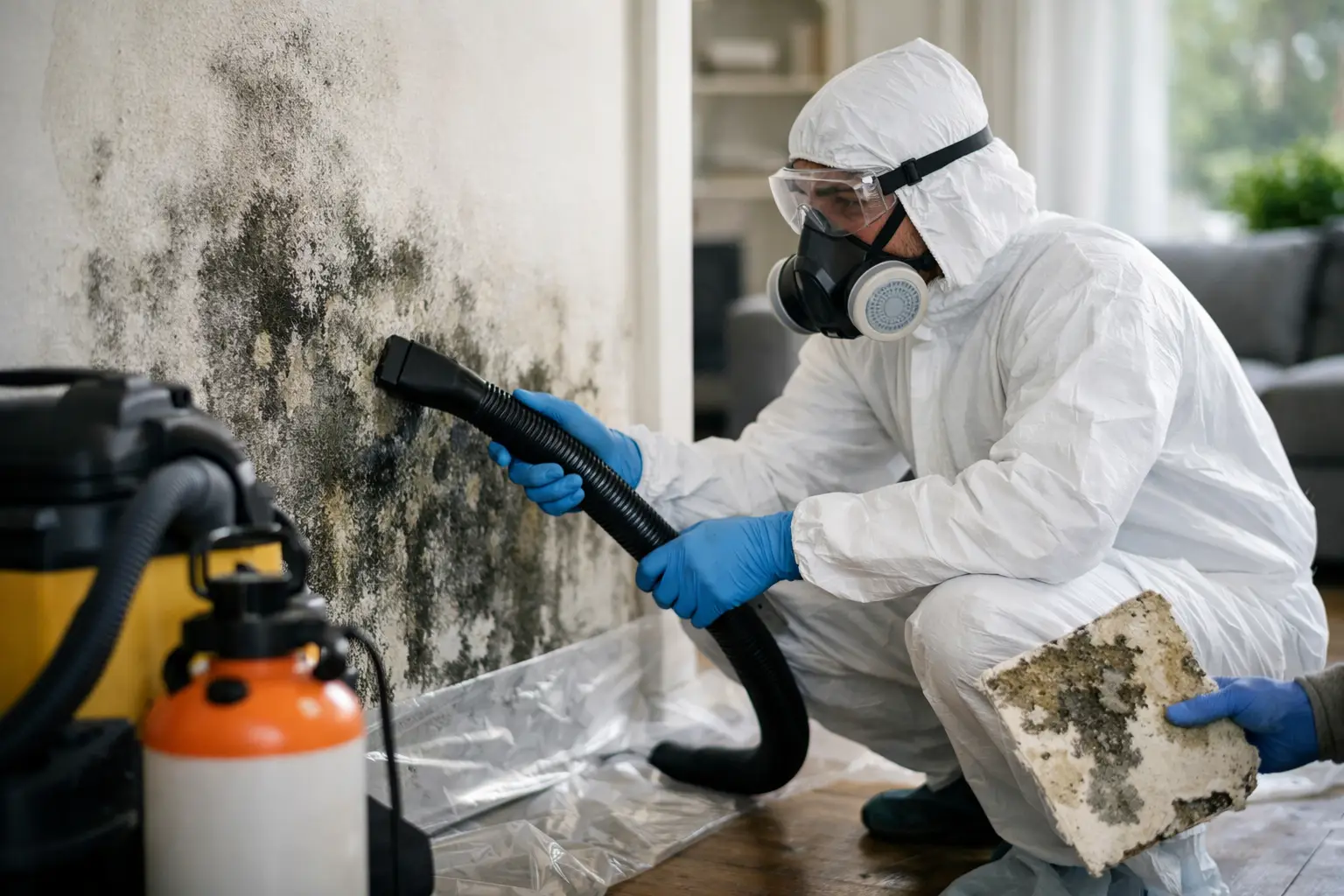 Mold
MoldContainment, removal, and moisture control that stops mold from coming back.
Learn more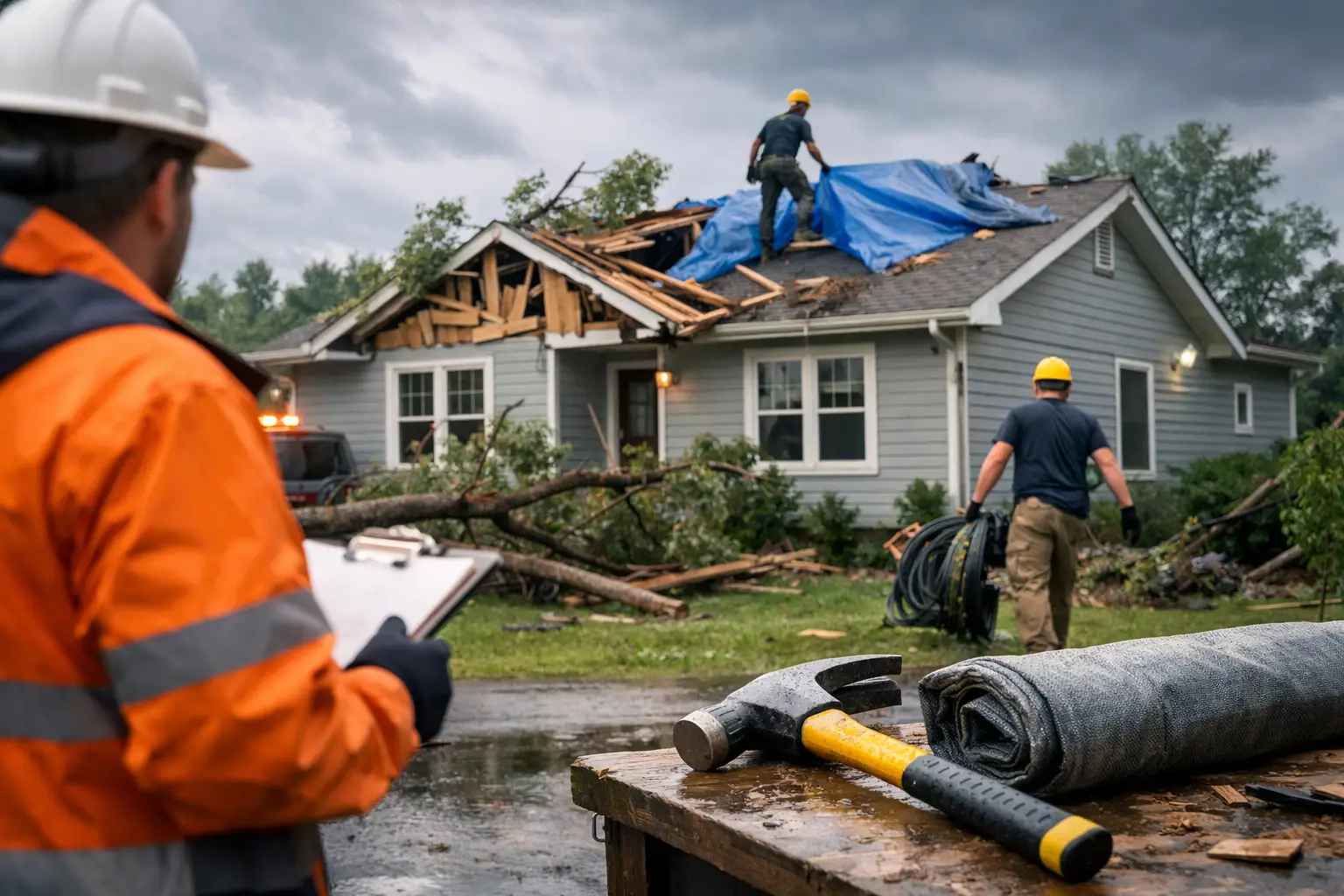 Storm
StormEmergency board-up, roof tarping, and full recovery after wind, hail, and storms.
Learn more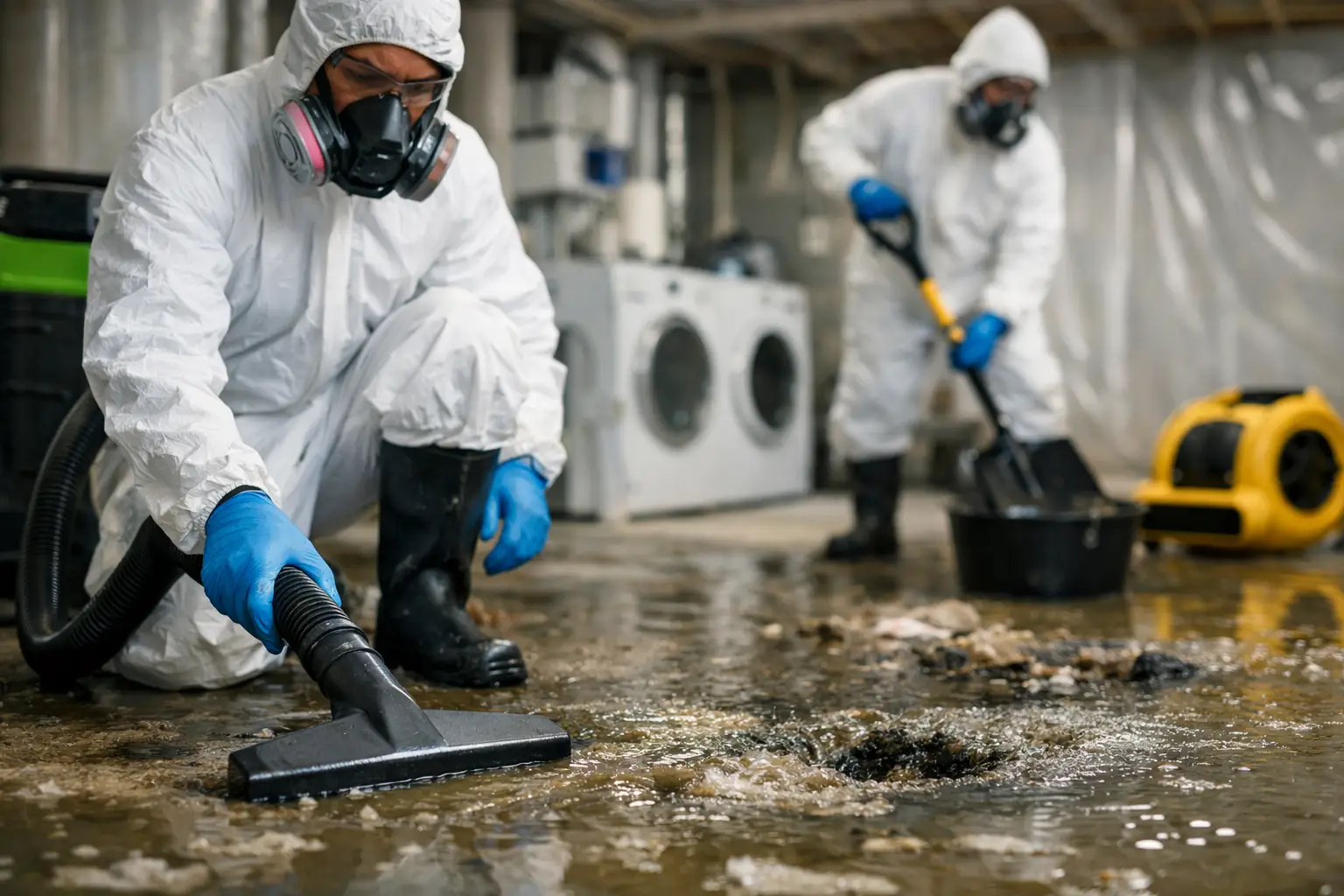 Sewage
Safe biohazard cleanup and sanitizing after sewage backups and overflows.
Learn more Reconstruction
Full rebuild by a licensed general contractor, so your property comes back whole.
Learn moreElevated Operations is an IICRC-certified, licensed general contractor based in Mableton that handles the entire recovery in-house, so after one loss you are never coordinating a cleanup crew, a mold crew, and a contractor separately. One team, one point of contact, from the first pump-out to the final coat of paint.
People call when the property feels like a disaster. They leave reviews because Chris and the crew made it right. These are real, verified Google reviews.
Stop using water in the home if possible, keep people away from the affected area, and avoid touching contaminated surfaces. Then call a sewage cleanup company that understands black water cleanup and can start containment fast. In south Fulton I-85 subdivisions, early action helps keep sewage from spreading into adjacent rooms and hidden wall spaces.
Yes. A toilet overflow cleanup can expose a deeper sanitary sewer backup, especially if water comes back repeatedly or starts appearing in more than one fixture. What looks like a single bathroom problem can involve subfloor contamination, trim damage, or odor removal needs in nearby rooms. That is why a full inspection matters.
Because sewage can carry harmful organisms and spread them onto flooring, grout, drywall, and personal items. Biohazard cleanup procedures limit exposure, contain the loss, and support safe disposal of contaminated materials. In Union City homes, especially near shared sewer infrastructure, the visible mess is often only part of the problem.
We offer 60-minute emergency response 24/7, so contaminated water removal can start fast once the call comes in. Speed matters with sewage because the longer it sits, the more materials become affected. Quick response also helps with disinfection services and reduces the chance of long-term odor problems.
Porous materials are the usual concern, including carpet pad, some drywall, insulation, and anything that cannot be fully cleaned and disinfected. After sewage spill cleanup, the decision depends on contamination depth and material type. A good restoration plan does not guess, it separates restorable surfaces from materials that should come out.
Disinfection services remove the contamination that causes health risk, while odor removal targets the smell left behind in air spaces and materials. If either step is skipped, the job is incomplete. In Union City, we see this a lot when sewage gets under flooring or behind trim in first-floor rooms.
Yes. Elevated Operations, LLLP is based in Mableton and serves Fulton County, including Union City, along with Cobb, DeKalb, Douglas, Clayton, Henry, and Paulding counties. We have been in restoration since 2007, and owner Chris Kwangwari is a licensed general contractor, which helps when sewage damage affects building materials too.
We offer direct insurance billing, which can make the claim process simpler after black water cleanup. That matters when homeowners are dealing with photos, documentation, and cleanup decisions at the same time. We also provide deductible assistance up to $1,000, and every job includes a 12-month warranty on the work performed.
Elevated Operations dispatches IICRC-certified crews across Metro Atlanta from our Mableton base, with a 60-minute emergency response day or night. Choose your city:
Call now for an immediate response, or request your free inspection and get a certified crew on-site within the hour across Atlanta and nearby areas.