24/7 Emergency Restoration · Serving Metro AtlantaEmergency? (770) 404-6895
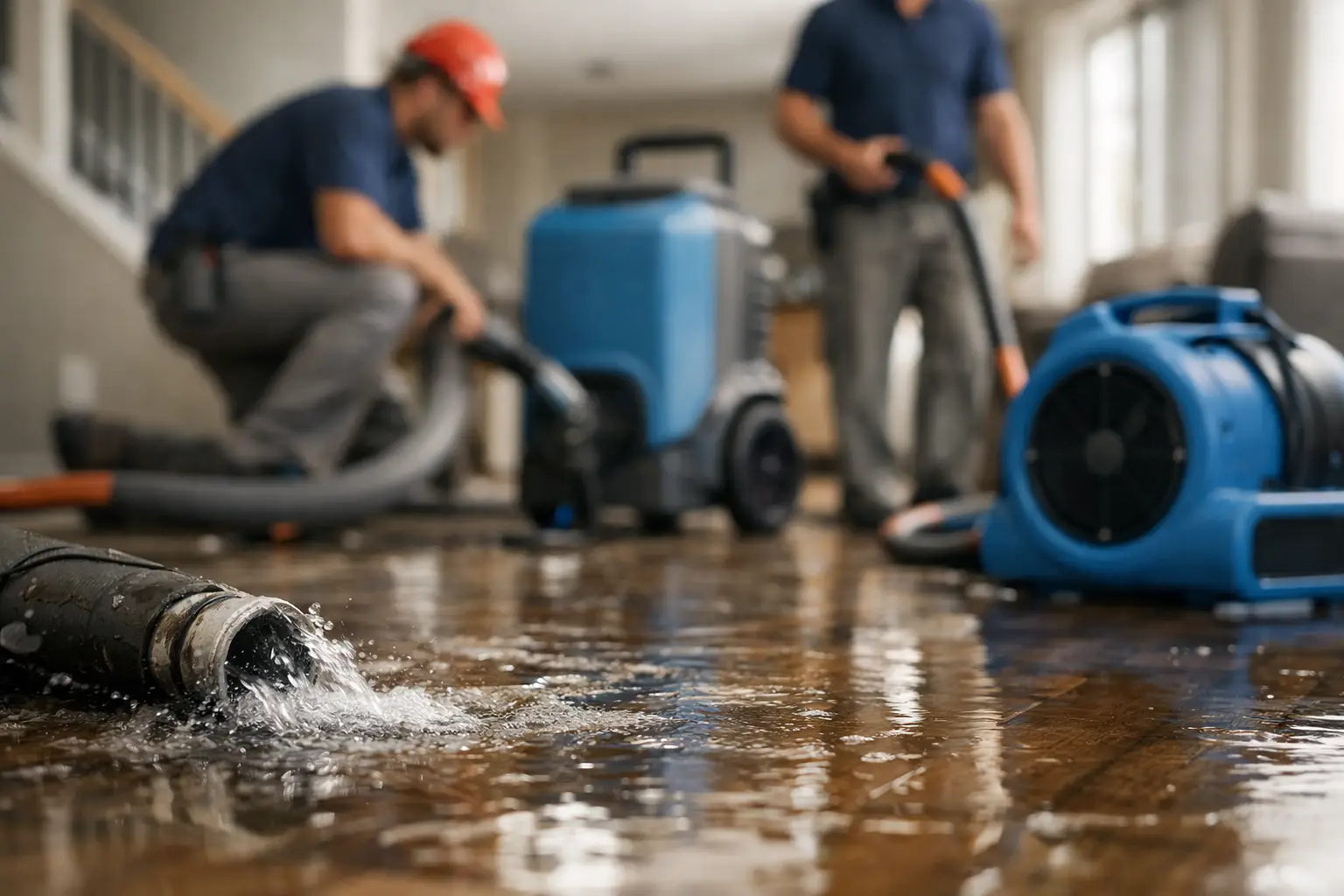
Fire damage restoration Forest Park starts with stabilizing the property, then I price the job by the work it actually needs, not by guesswork. In Forest Park, that often means board up services, fire cleanup, soot removal, smoke odor removal, debris removal, content cleaning, and structural repair after heat, smoke, and water hit the property.
IICRC-Certified · 5-Star Rated · 60-Minute Response · Insurance Billed Directly
Yes. Industrial properties near the airport corridor and Fort Gillem often need heavier debris removal, more detailed soot removal, and stronger attention to odor and equipment contamination than a small residence.
Because the carrier wants to see what was stabilized, what was cleaned, and what truly needed structural repair. That order proves the claim and keeps avoidable rework out of the file.
Absolutely. Smoke can hide in framing, cabinets, vents, and insulation. That is why odor work has to be part of the scope, not an afterthought once repairs are already underway.
I do. Elevated Operations, LLLP uses direct insurance billing, and I stay involved from the first inspection through the repair phase so the scope matches the documented loss.
I start with emergency stabilization, then I assess fire, smoke, and water damage, document the loss, and build the cleanup and repair plan. In Forest Park, that usually means board up services, debris removal, soot removal, smoke odor removal, content cleaning, and structural repair where the fire or suppression water reached the building.
Forest Park has a hard-working mix of airport-related property, industrial spaces, and older post-war homes, so no two fire losses look the same. Near Fort Gillem, I see more commercial shell damage and soot movement through open spaces. In post-war neighborhoods, smoke can track deep into smaller framed houses and duct chases.
The price depends on what actually burned, how far smoke traveled, whether water soaked the structure, and whether materials can be cleaned or must be removed. IICRC-certified technicians handle the fire cleanup process, and I keep the scope practical so you are not paying for work you do not need.
And I do not treat every loss like a total rebuild. Some jobs need focused fire cleanup and content cleaning. Others need structural repair, odor work, and detailed soot removal before any finish work starts. The right answer comes from the inspection, not from a guess on the phone.
Cost rises or falls based on the extent of the damage, the amount of debris removal needed, how stubborn the smoke odor is, and whether repairs reach framing, drywall, insulation, or roofing. In Forest Park, industrial soot or attic smoke in post-war homes can make the scope much larger.
A small kitchen fire in a post-war ranch is one kind of job. A warehouse loss near the airport corridor is another. The first may lean toward smoke odor removal and content cleaning, while the second may involve heavy debris removal, board up services, and structural repair before the building is safe to use again.
Insurance also affects the out-of-pocket picture. Direct insurance billing keeps the claim paperwork moving, and deductible assistance up to $1,000 can reduce pressure where allowed. I do not invent numbers on a fire loss because every claim has its own scope, carrier review, and documented loss history.
The cleanest way to think about pricing is this, the more surfaces the fire touched, the more steps it takes to return the property. Soot hides in cabinets, vents, and wall cavities. Smoke odor lingers in insulation and framing. Water from suppression adds its own drying and repair work.
Most fire claims are built around the covered loss, which may include emergency stabilization, fire cleanup, smoke damage, water damage from suppression, and covered repairs to damaged materials. Insurance generally reviews the cause, the scope, and the documentation before approving payment for the work that applies to the policy.
I handle direct insurance billing, so the claim and the restoration work stay connected instead of running on separate tracks. That matters in Forest Park, where older houses and commercial buildings can have layered damage that is easy to miss without a careful photo record and a written scope.
Insurance companies usually want proof of what was damaged, what was cleaned, what had to be removed, and what needs structural repair. That is why I document soot removal, board up services, content cleaning, and any hidden fire cleanup work before reconstruction starts.
Coverage can also depend on how quickly the loss was reported and how well the property was protected after the fire. If a building sits open near Fort Gillem or along an industrial corridor, board up services and debris removal help prevent extra damage that could complicate a claim.
The claim starts when I document the damage and send the right paperwork to the carrier, then the adjuster reviews the scope and approves covered work. The deductible is the policyholder’s share, and I offer deductible assistance up to $1,000 where it applies to the job.
I keep the process plain. You report the loss, I inspect, document, and bill the carrier directly for covered work. That usually includes emergency fire cleanup, smoke odor removal, debris removal, and the repairs that the policy recognizes. The deductible comes off the top of the claim according to the policy terms.
In Forest Park, claims can get complicated when industrial soot, airborne smoke, or water from suppression reaches multiple rooms or units. That is why I do not rush the paperwork. Good documentation protects the scope. Bad documentation creates delays, and delays are expensive in any restoration job.
If the building is exposed, board up services come first. If contents can be saved, I separate them for content cleaning. If materials are too damaged, they are removed and recorded. That order matters because the claim should reflect what was salvaged, what was cleaned, and what truly had to go.
A lot can often be saved if the materials were not structurally burned and if cleanup starts quickly. I look at framing, drywall, cabinets, contents, and finishes case by case, then decide whether cleaning, smoke odor removal, or removal makes more sense than replacement.
The answer depends on heat exposure, soot type, and how long the building sat before restoration began. In Forest Park, post-war homes may have smaller rooms that trap smoke, but that also means some contents can be isolated for cleaning if the damage is not deep into the material.
Not everything needs to be torn out. Some surfaces respond well to soot removal and smoke odor removal. Some contents can go to content cleaning. Other materials, especially charred structural members or heavily contaminated insulation, need removal because cleaning would not solve the problem.
IICRC-certified technicians evaluate what is salvageable before anyone starts ripping things apart. That protects the claim and the budget. It also prevents the common mistake of replacing items that could have been cleaned, especially in homes and businesses with mixed fire, smoke, and water damage.
Yes, smoke damage should be addressed before repairs, because soot and odor can get sealed into new materials if the source contamination stays in place. In Forest Park, I usually handle fire cleanup and smoke odor removal first, then move to structural repair and finish work.
If you patch drywall over soot, you trap the problem. If you paint over odor, it returns. That is why I sequence the work carefully. The building gets cleaned, dried, and deodorized first, then repaired. That order matters in both industrial buildings and post-war houses.
Smoke can move through ductwork, ceiling cavities, and framing gaps. Near the airport corridor and Fort Gillem, I also see more complex airflow patterns in commercial spaces. That makes soot removal more than a surface wipe, because the contamination can show up in places the owner never expected.
The cost of doing it in the wrong order is usually higher than doing it right the first time. Cleaning before repairs avoids rework, shortens the claim back-and-forth, and gives the insurer a clear path from damage to restoration. I do not shortcut that process.
I photograph the fire cleanup scope, smoke damage, debris removal, and any structural repair needs before demolition starts, so the claim reflects the real condition of the Forest Park property.
I bill the carrier directly for covered work, which keeps the paperwork moving and helps reduce confusion between restoration, adjuster review, and repairs.
Your deductible is the policyholder share, and I offer deductible assistance up to $1,000 where it applies to the job and the claim structure.
Content cleaning can lower replacement pressure, while charred materials and contaminated insulation may need removal if cleaning will not bring them back.
Smoke odor removal should come before finish repairs so the smell does not get trapped inside new drywall, paint, or flooring.
From emergency mitigation to full reconstruction, handled in-house so you are never managing a chain of subcontractors mid-crisis.
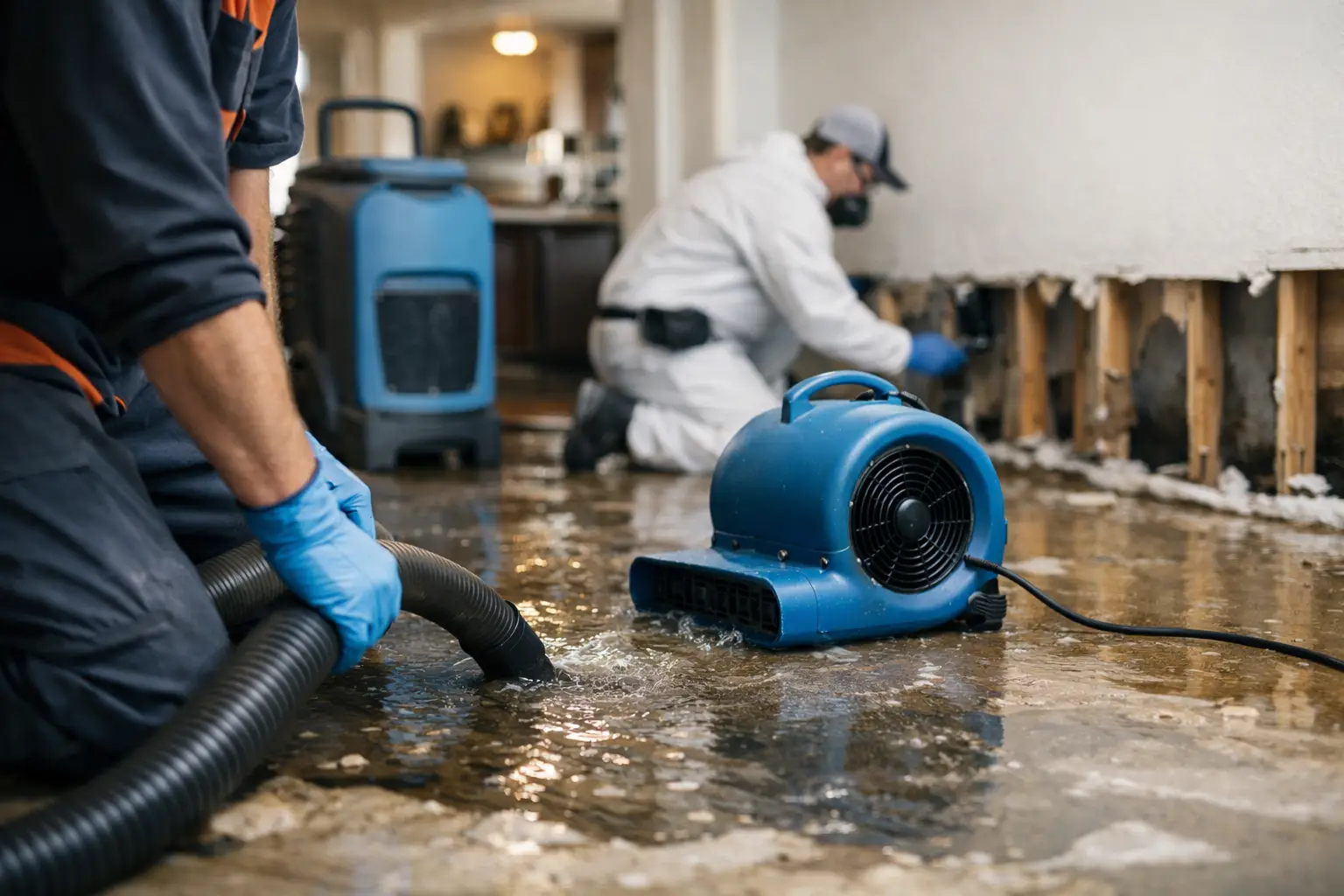 Water Damage
Extraction, structural drying, and moisture mapping after floods, leaks, and burst pipes.
Get help now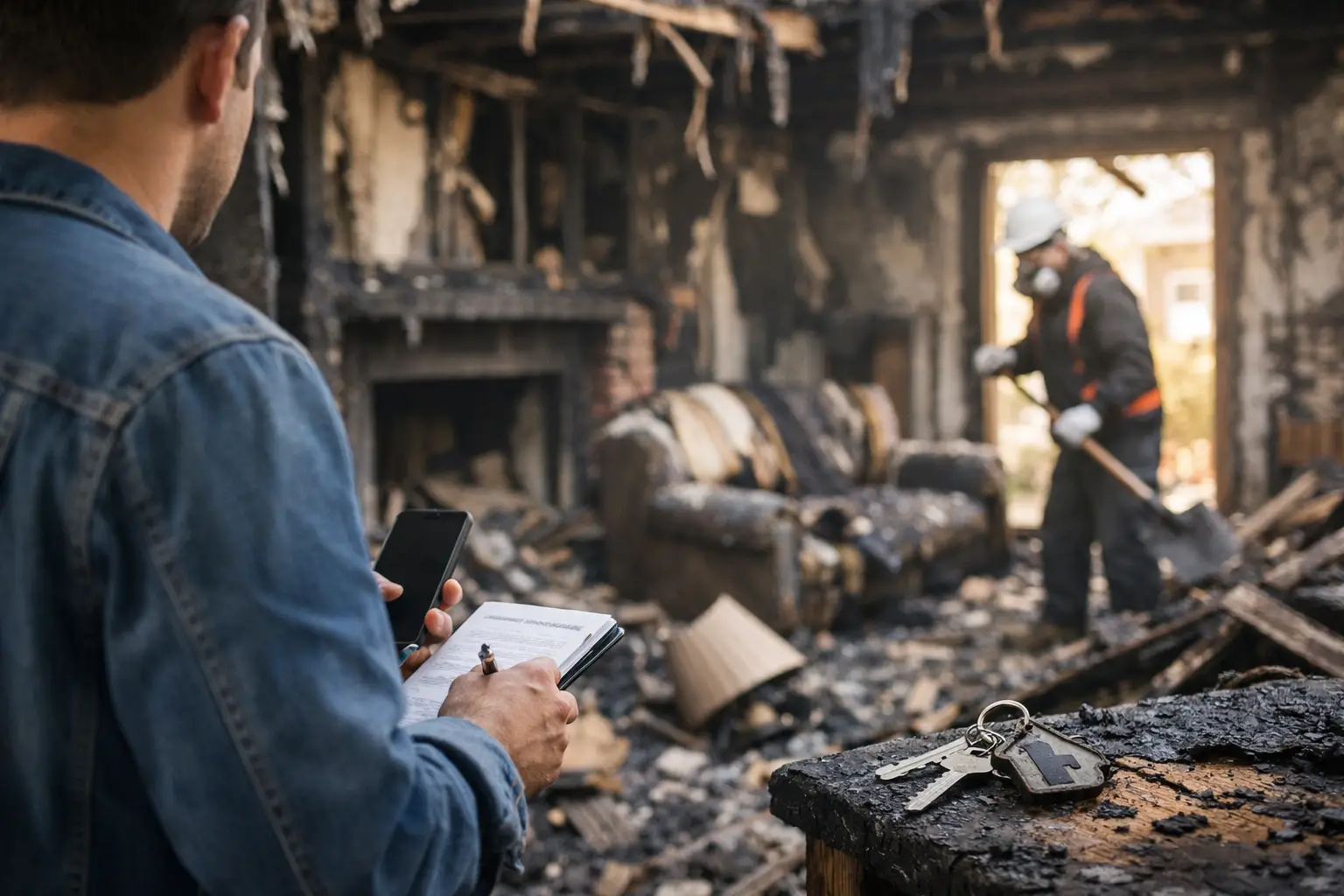 Fire & Smoke
Soot removal, odor deodorization, and content cleaning after fire and smoke damage.
Learn more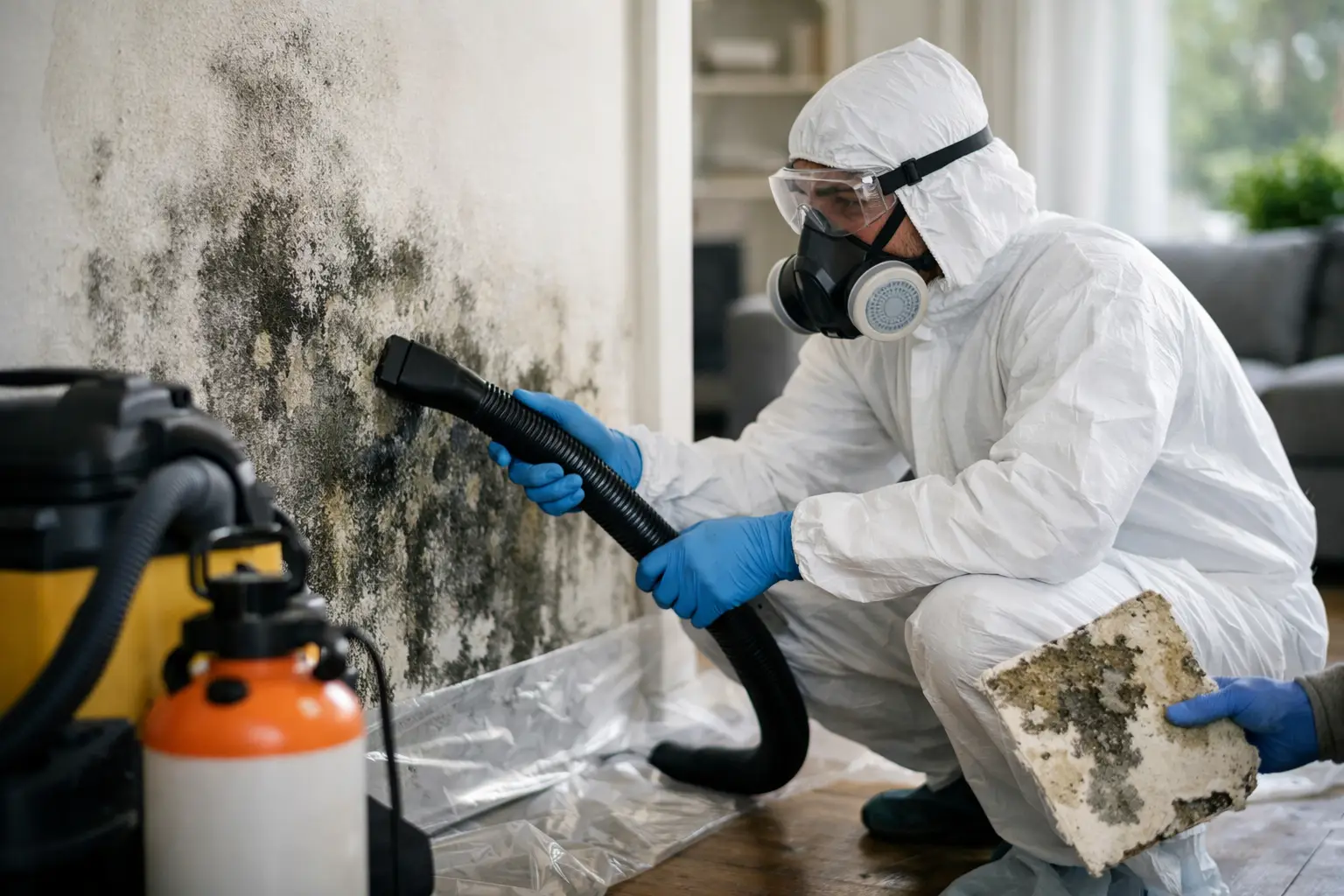 Mold
MoldContainment, removal, and moisture control that stops mold from coming back.
Learn more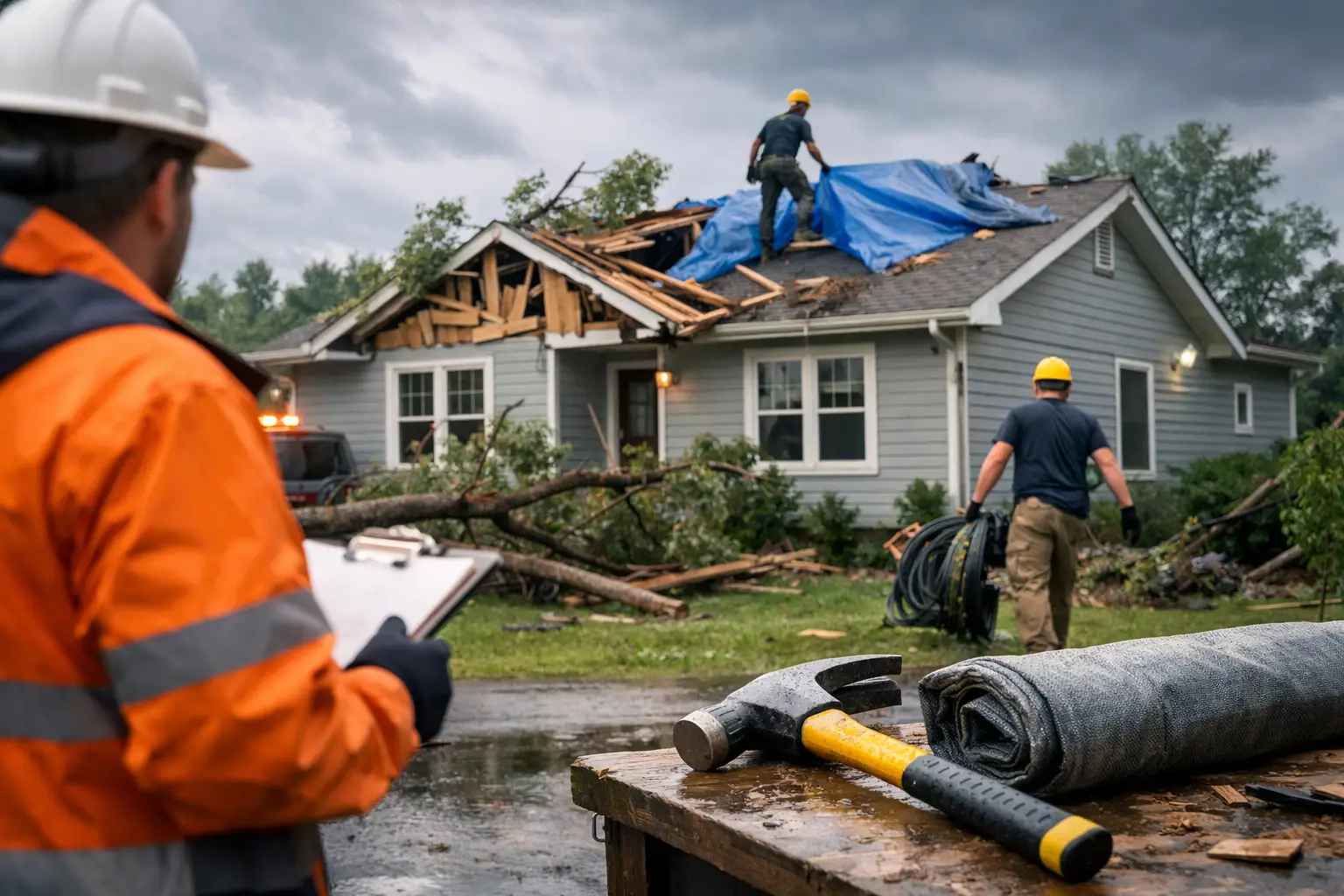 Storm
StormEmergency board-up, roof tarping, and full recovery after wind, hail, and storms.
Learn more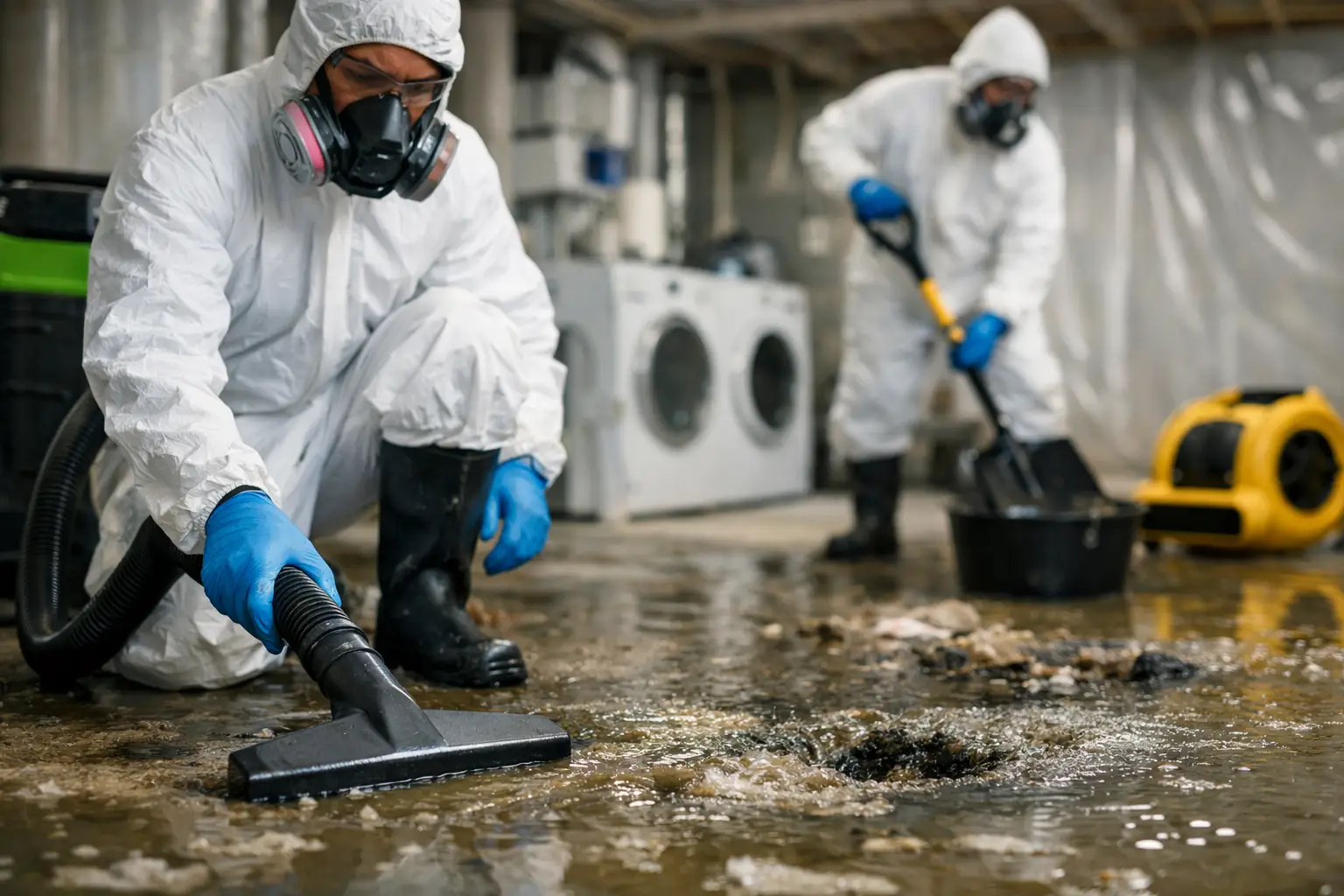 Sewage
Safe biohazard cleanup and sanitizing after sewage backups and overflows.
Learn more Reconstruction
Full rebuild by a licensed general contractor, so your property comes back whole.
Learn moreElevated Operations is an IICRC-certified, licensed general contractor based in Mableton that handles the entire recovery in-house, so after one loss you are never coordinating a cleanup crew, a mold crew, and a contractor separately. One team, one point of contact, from the first pump-out to the final coat of paint.
People call when the property feels like a disaster. They leave reviews because Chris and the crew made it right. These are real, verified Google reviews.
It depends on the size of the fire, the amount of soot removal needed, whether water from suppression soaked the structure, and how much structural repair is required. Near Fort Gillem, I often see a wider cleanup footprint in industrial or mixed-use properties, so the scope can grow fast. I quote the work based on the actual damage, not a fixed number.
Often, yes, if the board up services are part of protecting the property from further damage after a covered fire loss. Insurance usually wants emergency stabilization documented right away. I photograph the openings, note why the property needed protection, and send the information through direct insurance billing so the carrier can review it with the rest of the claim.
The price is driven by how deeply smoke entered the home, which rooms were affected, and whether odor reached insulation, cabinets, or ductwork. Post-war homes in Forest Park can hold smoke in smaller cavities and older finishes. If the odor is surface-level, the scope is smaller. If it is embedded, the work becomes more involved.
Yes, if the contents were damaged by smoke, soot, or light heat and can still be restored. I separate salvageable items for content cleaning so the carrier can see what was recovered versus what was lost. That helps keep the claim accurate and can reduce unnecessary replacement when the items do not need to be thrown out.
It keeps the billing tied to the actual restoration scope, so you are not juggling separate invoices while the adjuster is reviewing the loss. I send the covered work through the carrier process, which helps with fire cleanup, debris removal, and repairs. It also keeps communication cleaner when the job includes multiple phases.
Then I document the damaged framing, sheathing, drywall, or other affected materials and coordinate the repair scope after the cleanup phase. Structural repair should not start until soot, odor, and moisture issues are handled. That sequence matters in airport corridor properties and in older homes where hidden damage can spread beyond the visible burn area.
Usually the deductible is part of the claim settlement, not a separate surprise charge for the whole job. The policyholder still owes that share, but I also offer deductible assistance up to $1,000 where it applies. The exact handling depends on the policy and the carrier’s claim process, so I review it with you before work moves forward.
Call as soon as the property is safe enough to enter, because fire cleanup gets harder when soot sets, odors spread, and water sits in place. I offer 24/7 emergency response with a 60-minute emergency response, which helps with board up services, documentation, and the first restoration steps. Fast action helps the claim and the property.
Elevated Operations dispatches IICRC-certified crews across Metro Atlanta from our Mableton base, with a 60-minute emergency response day or night. Choose your city:
Call now for an immediate response, or request your free inspection and get a certified crew on-site within the hour across Atlanta and nearby areas.