24/7 Emergency Restoration · Serving Metro AtlantaEmergency? (770) 404-6895
crawl space mold removal Smyrna is usually priced by access, moisture source, cleanup scope, and whether the crawl space needs dehumidification or encapsulation after fungal growth is removed. In Smyrna, I see the difference between a 60s ranch crawl space and a Battery townhome setup every week, and insurance often turns on cause, documentation, and deductible handling.
IICRC-Certified · 5-Star Rated · 60-Minute Response · Insurance Billed Directly
I do, through Elevated Operations, LLLP. My crew is IICRC-certified, and I work from a Mableton base into Smyrna with the kind of claim documentation insurers expect.
Access, moisture source, cleanup scope, and whether the crawl space needs dehumidification, encapsulation, or wood treatment. Older ranch homes and tighter townhomes do not cost the same to fix.
Not automatically. If the claim is covered, I offer deductible assistance up to $1,000, which can help with the out-of-pocket side while the insurer processes the loss.
I provide 60-minute emergency response 24/7 for active losses. When moisture is still spreading, speed matters because mold starts in 24 to 48 hours.
Crawl space mold removal in Smyrna is priced by what I have to clean, dry, and protect, not by a simple square-foot guess. Tight access, standing moisture, wood treatment, crawl space cleanup, and whether a vapor barrier or dehumidification is needed all change the scope and the insurance file.
A 60s or 70s slab ranch in Smyrna usually has a different crawl space layout than a newer Battery-area townhome, and that matters. Low access, old framing, or long-term moisture control issues can add labor before I even start fungal growth removal.
I look at the source first. If the mold is tied to a plumbing leak, humid air, or poor drainage, the cost picture changes because the fix is not just cleaning. Crawl space mold remediation often includes drying, wood treatment, and a plan to keep moisture from coming back.
I do not quote by guesswork. IICRC-certified technicians inspect the damage, document conditions for direct insurance billing when it applies, and explain the crawl space mold removal scope in plain words. That keeps the claim cleaner and helps the homeowner understand what they are paying for and why.
Mold in a crawl space usually starts with moisture, then time. In Smyrna, I see humid air, plumbing leaks, wet soil, drainage problems, and forgotten ventilation issues turn a crawl space into a place where fungal growth starts fast and keeps spreading if nobody controls the source.
The old ranch homes around Smyrna often have crawl spaces that were built long before today’s moisture control habits. A wet vapor barrier, missing barrier, or damp framing can push the cost up because the problem is bigger than surface cleaning.
Battery-area townhomes can have a different pattern. Shared construction, tighter building envelopes, and limited access can make crawl space cleanup more technical, especially when the issue is trapped humidity rather than visible water. That changes both the work and the insurance conversation.
Mold starts in 24 to 48 hours when moisture sits in place, so a slow leak or repeated dampness becomes expensive fast. I treat that as a loss-prevention problem, not just a stain problem, because the bill grows when the source stays active.
I remove crawl space mold by finding the moisture source, drying the area, cleaning affected materials, and using wood treatment where needed. The exact price depends on whether the crawl space needs dehumidification, crawl space cleanup, or a full crawl space mold remediation plan with added protection.
First comes inspection and documentation. I want to know what is wet, what is stained, and what can be salvaged. In some Smyrna homes, especially older ranches, access is tight enough that the labor time goes up before any fungal growth removal begins.
Then I focus on moisture control. If the crawl space needs drying, dehumidification, or a vapor barrier to stop future humidity, that affects the cost and the insurance scope. If the source is ignored, mold returns and the claim becomes harder to justify.
After cleanup, I look at protection. Encapsulation is not automatic, but some crawl spaces need it after mold if the conditions support repeat growth. IICRC-certified technicians handle the work, and I back completed jobs with a 12-month warranty.
Not every crawl space needs encapsulation after mold, but many Smyrna homes benefit from it when the moisture problem is chronic. I decide that based on the crawl space layout, the age of the home, the amount of humidity, and whether a vapor barrier alone will control the space.
In a 60s or 70s slab ranch, I often see open soil, worn materials, and repeated dampness that make encapsulation worth discussing. The cost is higher than simple cleanup, but so is the cost of doing the same mold job twice.
In a Battery townhome setting, the answer can be different. Access constraints and building design matter, and sometimes the practical fix is targeted crawl space mold remediation plus moisture control rather than a full encapsulation package. I do not oversell work that is not needed.
Insurance usually looks harder at the cause than the finish. If a claim is accepted, encapsulation may be part of the scope when it is necessary to stop repeat damage, but it is not guaranteed. I document the reason and let the carrier decide from facts.
Yes, crawl space mold can affect indoor air quality when spores, odors, and moisture migrate upward into the living space. In Smyrna, that shows up differently in a low ranch than in a tighter townhome, and the cost to fix it depends on how far the problem has traveled.
Air quality issues are one reason I take crawl space mold removal seriously. If the crawl space is damp and connected to the home through ductwork, gaps, or pressure differences, the contamination can move inside. That changes the cleanup scope and the urgency of moisture control.
The older ranch homes often have more paths for air movement, so odors and spores can be noticed sooner. A Battery townhome may feel tighter, but trapped moisture still creates problems if the crawl space is not sealed and managed correctly.
When indoor air quality is part of the claim, I document the crawl space conditions carefully. That helps the adjuster see why crawl space cleanup, dehumidification, or wood treatment belongs in the file instead of treating the issue as a cosmetic stain.
Insurance coverage depends on what caused the mold, not just the mold itself. If a covered water event starts the damage, the carrier may consider crawl space mold remediation, cleanup, and related drying. If the moisture came from neglect or long-term humidity, coverage is often limited or denied.
I see the best claim outcomes when the homeowner reports the issue early and has clear proof of the cause. Direct insurance billing helps reduce friction, but it does not create coverage by itself. The carrier still decides based on policy terms and documented loss.
Deductibles matter. I offer deductible assistance up to $1,000, which can help when a covered claim moves forward, but I never promise that every loss will qualify. The first job is to document the damage and explain what I found in the crawl space.
A 60s or 70s ranch with a history of leaks may need a different claim strategy than a Battery townhome with a sudden plumbing issue. IICRC-certified technicians and a licensed general contractor on my side help me present the facts clearly to the insurer.
Cost rises when the problem is not just visible mold but active moisture. I inspect for leaks, drainage problems, missing vapor barrier protection, and humidity that keeps the crawl space wet.
Insurance responds better to photos, moisture notes, and a clear scope. I use that documentation for direct insurance billing when the loss fits policy terms.
Crawl space mold remediation, dehumidification, wood treatment, and encapsulation are different line items in practice. Some homes need all of them, some need only a few.
If the claim is covered, deductible assistance up to $1,000 can help with the out-of-pocket side. It does not change policy coverage, and I say that plainly.
My company, Elevated Operations, LLLP, has been in restoration since 2007. I back completed work with a 12-month warranty and send IICRC-certified technicians on the job.
From emergency mitigation to full reconstruction, handled in-house so you are never managing a chain of subcontractors mid-crisis.
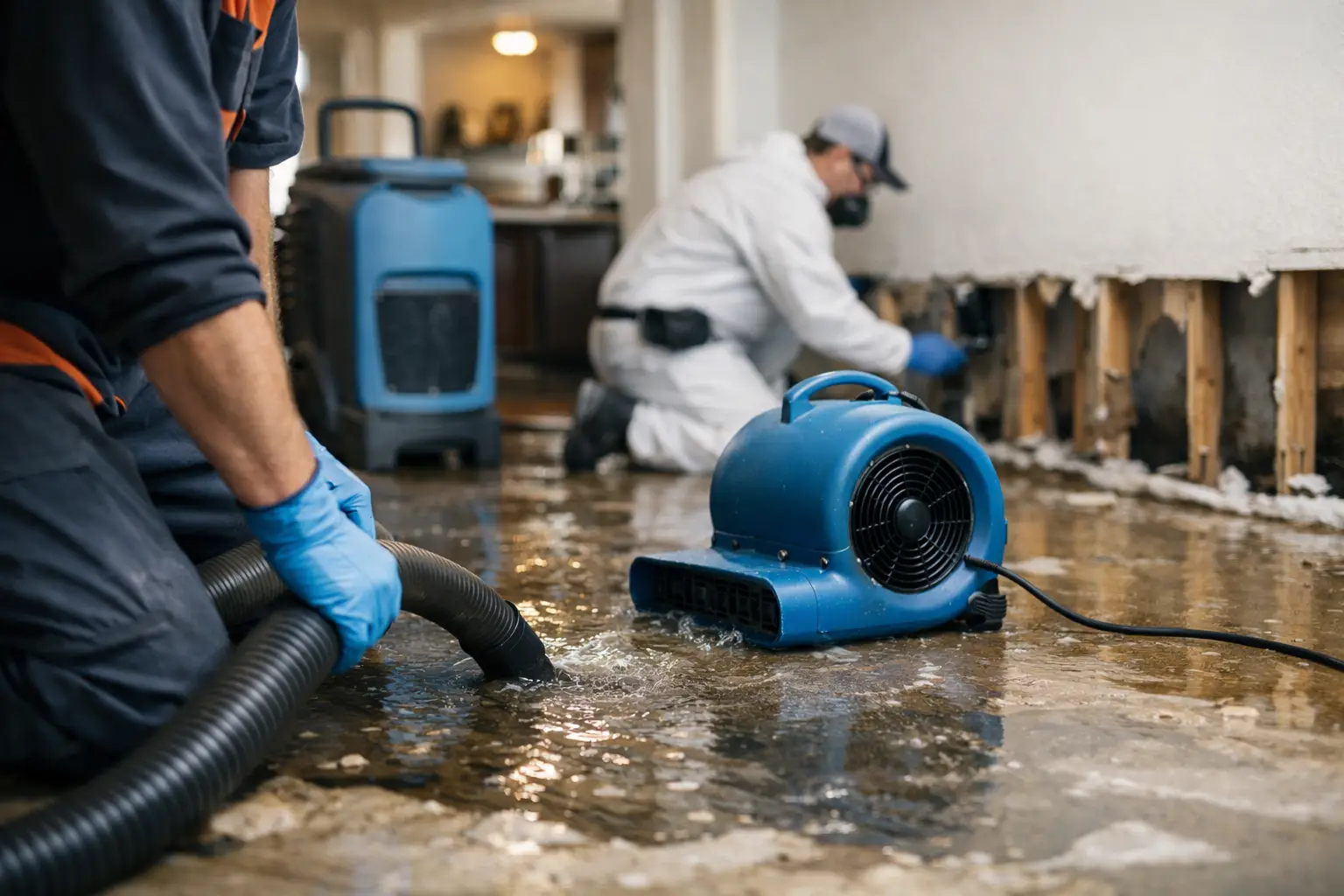 Water Damage
Extraction, structural drying, and moisture mapping after floods, leaks, and burst pipes.
Get help now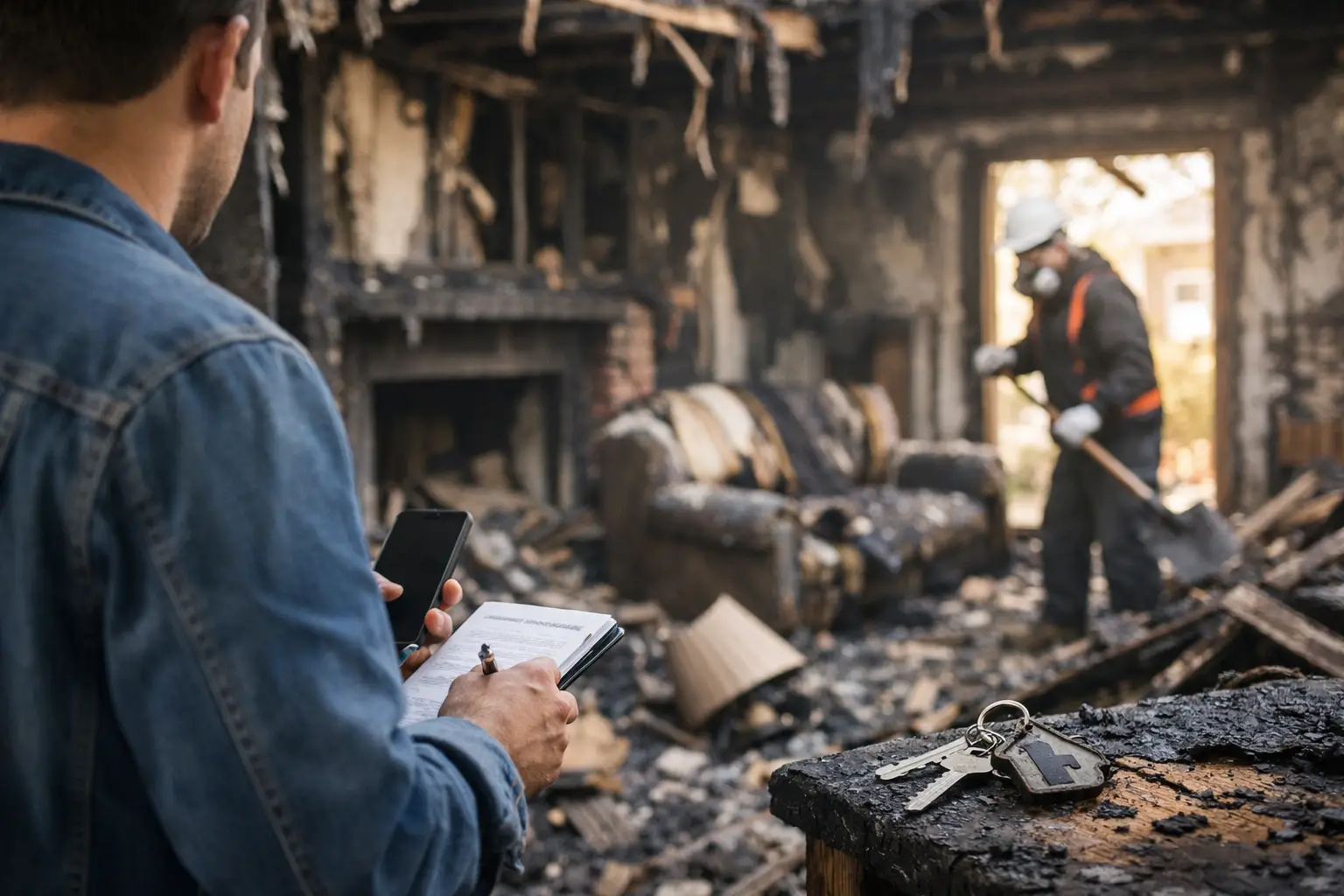 Fire & Smoke
Soot removal, odor deodorization, and content cleaning after fire and smoke damage.
Learn more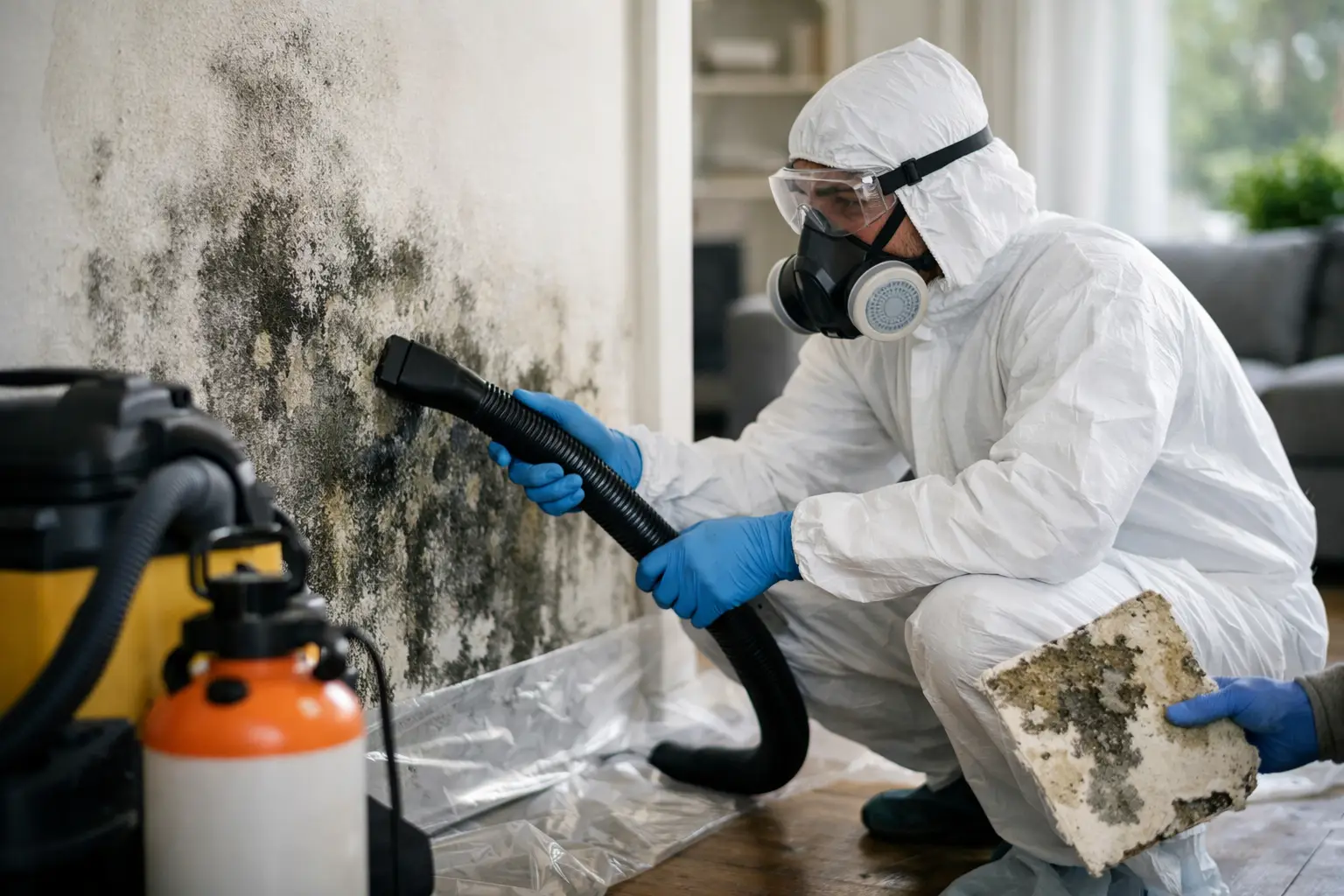 Mold
MoldContainment, removal, and moisture control that stops mold from coming back.
Learn more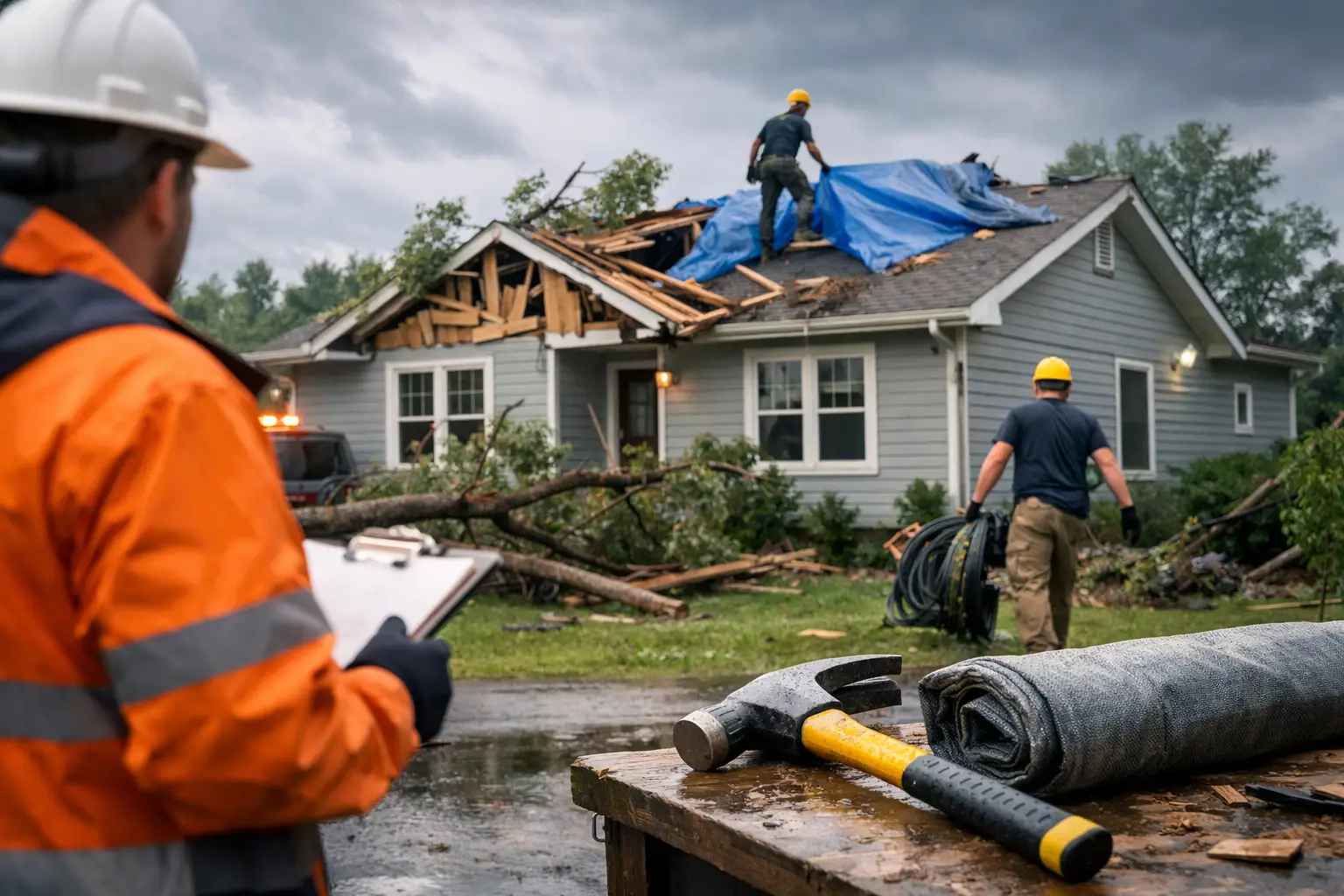 Storm
StormEmergency board-up, roof tarping, and full recovery after wind, hail, and storms.
Learn more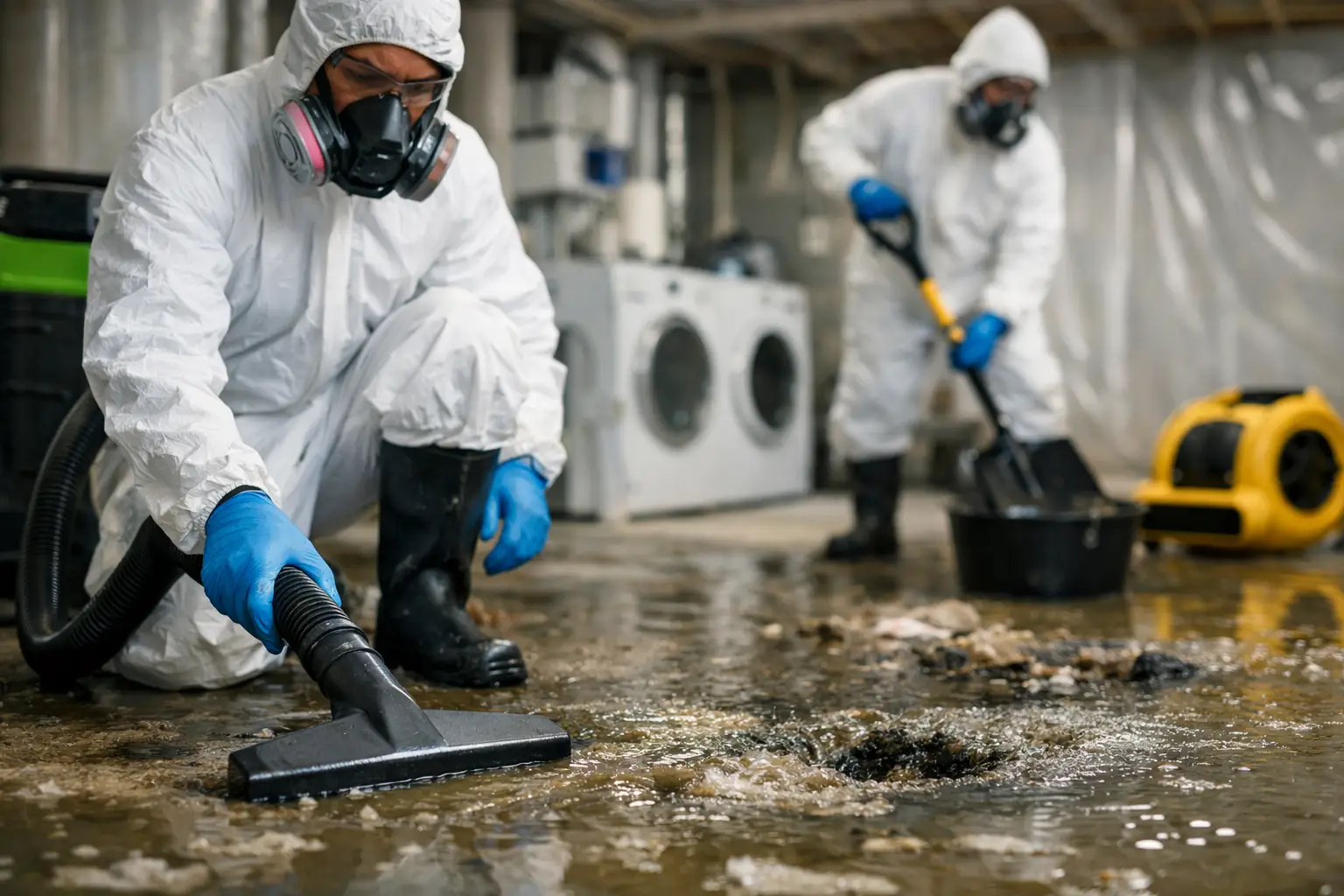 Sewage
Safe biohazard cleanup and sanitizing after sewage backups and overflows.
Learn more Reconstruction
Full rebuild by a licensed general contractor, so your property comes back whole.
Learn moreElevated Operations is an IICRC-certified, licensed general contractor based in Mableton that handles the entire recovery in-house, so after one loss you are never coordinating a cleanup crew, a mold crew, and a contractor separately. One team, one point of contact, from the first pump-out to the final coat of paint.
People call when the property feels like a disaster. They leave reviews because Chris and the crew made it right. These are real, verified Google reviews.
The cost usually differs because the scope differs. A 60s ranch often has older framing, lower access, and more moisture history, while a Battery townhome can bring tighter access and a different building layout. I price the job by inspection, cleaning scope, drying needs, and whether protection work like encapsulation or a vapor barrier is required.
Sometimes, yes, if the leak is a covered event and the mold is part of the resulting damage. Insurance usually focuses on cause, timing, and whether the homeowner acted quickly. I document the crawl space conditions, use direct insurance billing when it applies, and keep the claim tied to facts instead of assumptions.
That is harder for insurance. Long-term humidity, poor ventilation, and neglected moisture control often fall outside normal coverage or get limited. I still inspect, document, and explain the scope, but I never tell a homeowner to expect payment when the policy terms may point the other way.
I recommend it when the crawl space keeps getting wet or humid enough to support repeat growth. In older Smyrna ranch homes, that is common. In some Battery townhomes, the better fix may be targeted moisture control instead. I decide after inspecting the crawl space, not before.
Yes. Odors, spores, and moisture can move into the living space through gaps, ducts, or pressure differences. That is why I treat crawl space mold removal as both a cleanup job and an indoor air concern. The cost depends on how far the issue has spread and what protection is needed afterward.
If the claim is covered, deductible assistance up to $1,000 can help reduce the homeowner’s out-of-pocket burden. It does not replace the deductible or guarantee coverage. I explain it clearly during the claim process so homeowners know what it can and cannot do.
I inspect access, moisture sources, wood condition, and visible growth, then explain whether cleanup, wood treatment, dehumidification, or a vapor barrier is part of the path forward. The goal is to give a real scope, not a vague alarm. That is especially important in older ranch homes and tighter townhomes.
Yes. I provide direct insurance billing when it fits the claim and document the damage in a way adjusters can use. I am a licensed general contractor, and my team has been in restoration since 2007, so I know how to keep the file organized and the work defensible.
Elevated Operations dispatches IICRC-certified crews across Metro Atlanta from our Mableton base, with a 60-minute emergency response day or night. Choose your city:
Call now for an immediate response, or request your free inspection and get a certified crew on-site within the hour across Atlanta and nearby areas.