24/7 Emergency Restoration · Serving Metro AtlantaEmergency? (770) 404-6895
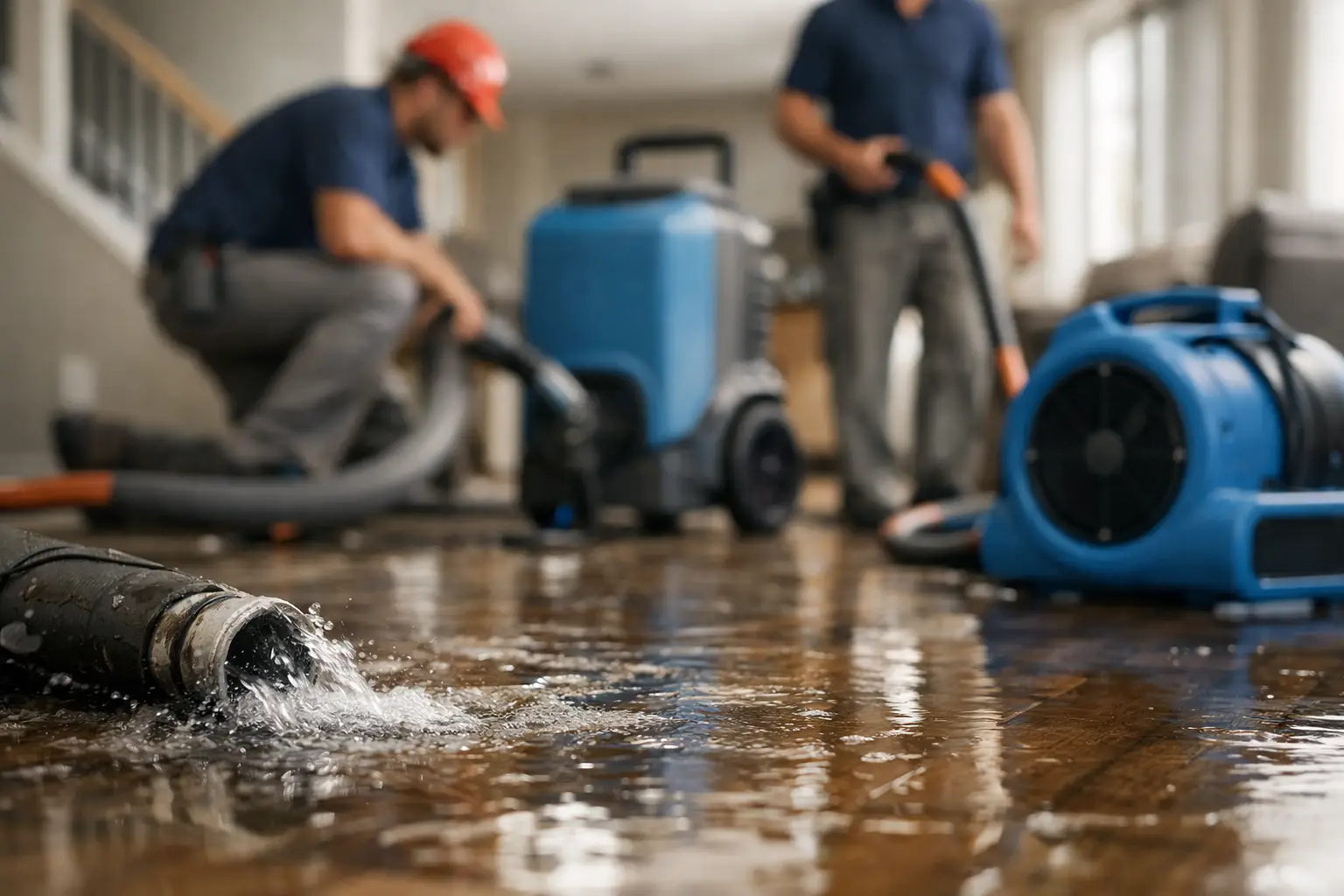
Water extraction and drying Powder Springs is the process I use to remove standing water, dry wet materials, and stop hidden moisture from turning a small leak into a bigger repair. In west Cobb, rural lots and fewer storm drains can leave water sitting longer, so fast action matters.
IICRC-Certified · 5-Star Rated · 60-Minute Response · Insurance Billed Directly
No. Extraction removes standing water, drying removes moisture trapped inside materials. Both are necessary.
West Cobb drainage can be slower, so water can sit longer in crawl spaces, carpet, and wall cavities.
It removes water vapor from the air so wet materials can keep releasing moisture without re-wetting the room.
I do. I am Chris Kwangwari, and my team uses IICRC-certified methods backed by a licensed general contractor.
Water extraction and drying is the removal of standing water, followed by controlled drying of walls, floors, and contents so hidden moisture does not stay behind. In Powder Springs, I see this most after storm runoff, supply line breaks, appliance leaks, and roof issues on homes with slower drainage.
The first step is water removal. That can mean pumping, vacuuming, or wet carpet extraction, depending on what got wet and how much water entered the structure. On west Cobb properties, water often settles in low spots, crawl spaces, and along slab edges before anyone sees the full spread.
Then the drying process begins. I use air movers and dehumidification to pull moisture out of materials in a controlled way. That matters because surface water is only part of the problem. Water moves into padding, trim, subflooring, insulation, and framing where it can keep damaging the structure.
I teach homeowners to think of extraction and drying as two different jobs. One removes the water you can see. The other removes the moisture you cannot see. If a home near Powder Springs Park or along the more rural edges of town stays damp, damage keeps growing even when the floor looks dry.
Powder Springs sees water damage from the same basics as anywhere else, but west Cobb rural layouts and fewer storm drains can make runoff and pooling worse. Heavy rain, clogged gutters, appliance failures, and plumbing leaks all create water intrusion that needs quick water extraction and drying.
In neighborhoods with larger lots, water may travel farther before it finds a place to drain. That slows the natural drying of yards, crawl spaces, and foundations. When stormwater has nowhere easy to go, it can back up toward thresholds, garage slabs, or lower rooms.
I also see water damage after roof leaks and burst supply lines. A slow leak behind a wall is just as serious as a flooded room if it goes unnoticed. The material may stay wet for days, and in some cases mold can start in 24 to 48 hours if conditions are right.
Powder Springs homes vary a lot in age and construction. Some have crawl spaces, some sit on slab foundations, and many have mixed additions or finished lower areas. That variety changes how water travels. It also changes how I plan the extraction and drying work.
The work starts with stopping the source, then removing standing water, then drying the building in stages while I monitor moisture. IICRC-certified technicians use air movers, dehumidification, and moisture monitoring to dry materials safely. That process is more controlled than just running fans and hoping for the best.
I begin with a visual inspection and moisture check to find where the water went. That includes floors, baseboards, subfloors, and hidden areas near plumbing runs. In Powder Springs homes, I pay close attention to crawl spaces and corners where water can linger after a storm or leak.
After that, I set equipment based on the material and the amount of moisture present. Wet carpet extraction may save flooring that would otherwise need replacement. Hard surfaces dry differently than insulation or wood framing, so the setup has to match the structure, not a generic plan.
The last part is monitoring. Drying is not guesswork. I check readings as the work progresses to make sure the materials are actually releasing moisture. If one area dries slower, I adjust the air movers or dehumidification instead of leaving the space under-treated.
Professional water extraction uses pumps, vacuums, air movers, dehumidifiers, and moisture meters, with the exact setup chosen for the materials affected. The point is to remove visible water quickly and then manage humidity so hidden water in carpet, wood, drywall, and framing can dry evenly.
For standing water, extraction equipment does the heavy lifting. For wet carpet extraction, I use tools meant to pull water from fibers and padding. That matters because carpet can feel dry on top while the pad beneath stays soaked. If the pad stays wet, the smell and damage stay too.
Air movers create airflow across damp surfaces so moisture evaporates at a controlled pace. Dehumidification then pulls that vapor out of the air. In a humid Georgia climate, that pairing matters a lot. Fans alone just move damp air around. They do not finish the job.
Moisture meters and thermal tools help show what the eye misses. I use moisture monitoring to compare affected materials against dry areas nearby. That tells me whether the drying process is working and whether a wall cavity, base plate, or crawl-space section still needs attention.
Structural drying is important because building materials can hold moisture long after the surface looks fine. If framing, subflooring, drywall, or insulation stays damp, the home can keep deteriorating, odors can develop, and mold can become a concern. Drying the structure prevents hidden damage from spreading.
A lot of homeowners think the problem ends when the puddle is gone. It does not. Wood swells, drywall softens, insulation traps moisture, and metal fasteners can corrode. In west Cobb homes with crawl spaces or lower-level rooms, that hidden moisture can stay trapped where air movement is poor.
Structural drying protects the pieces that hold the house together. That means framing, subflooring, trim, and sometimes cabinets or built-ins. If those materials dry too slowly, they can warp, separate, or support microbial growth. Drying them correctly saves the structure from secondary repairs.
I explain this to Powder Springs homeowners because the local layout matters. Rural spacing, shaded lots, and fewer storm drains can all leave a building wet longer after heavy rain. Structural drying gives the home a controlled path back to normal instead of leaving it to chance.
Drying time depends on what got wet, how much water entered, and how fast extraction starts. Small surface events may dry quickly, while wet carpet, insulation, or framing takes longer. The answer is not a fixed clock. Moisture monitoring tells me when the building is actually dry.
A quick mop-up is not the same as a finished drying process. If water reached carpet pad, wall cavities, or a crawl space, the timeline changes. Materials dry at different rates, especially in Powder Springs where humidity and slower runoff can extend the time moisture stays in the structure.
I do not guess at dry time. I watch the readings. Moisture monitoring tells me whether the materials are still changing or whether they have stabilized. That is the real test. A room can feel comfortable and still hold moisture inside the wall or under the floor.
Speed matters at the start, but control matters through the end. If the space is pushed too hard, some materials can dry unevenly. If it is not dried enough, hidden water remains. The right answer is careful extraction, correct equipment, and ongoing checks until the structure is dry.
Standing water is obvious. Moisture inside carpet pad, baseplates, drywall, and crawl spaces is what causes the bigger trouble later.
I use moisture monitoring to track progress. If materials are still wet, the work is not done, even if the room looks better.
Air movers help moisture evaporate. Dehumidification removes that moisture from the air. One without the other is incomplete.
West Cobb rural areas and fewer storm drains can leave water sitting longer around homes, which can slow the start of drying.
The sooner water is removed, the less chance there is for swelling, odors, and microbial growth to spread through the structure.
From emergency mitigation to full reconstruction, handled in-house so you are never managing a chain of subcontractors mid-crisis.
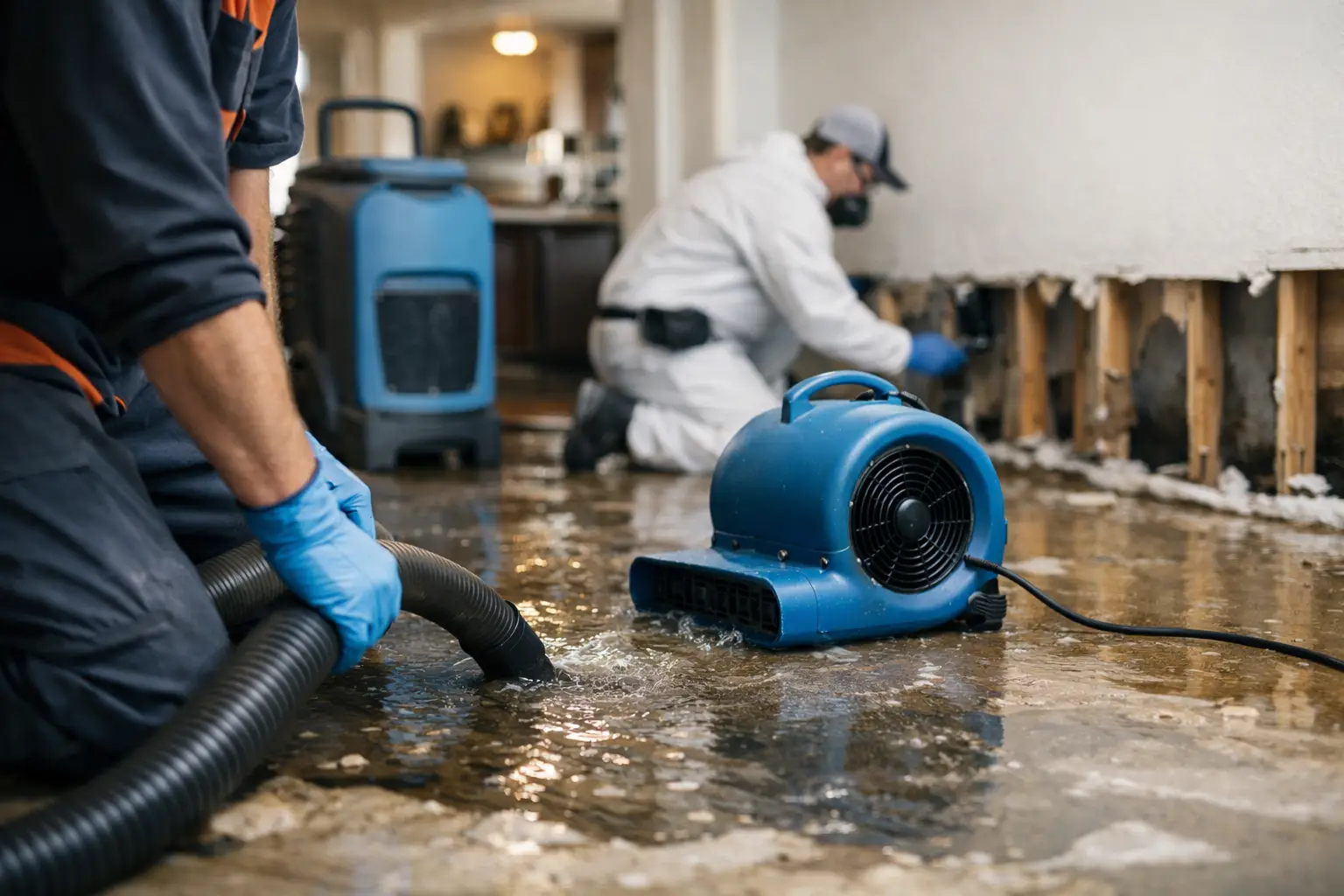 Water Damage
Extraction, structural drying, and moisture mapping after floods, leaks, and burst pipes.
Get help now Fire & Smoke
Soot removal, odor deodorization, and content cleaning after fire and smoke damage.
Learn more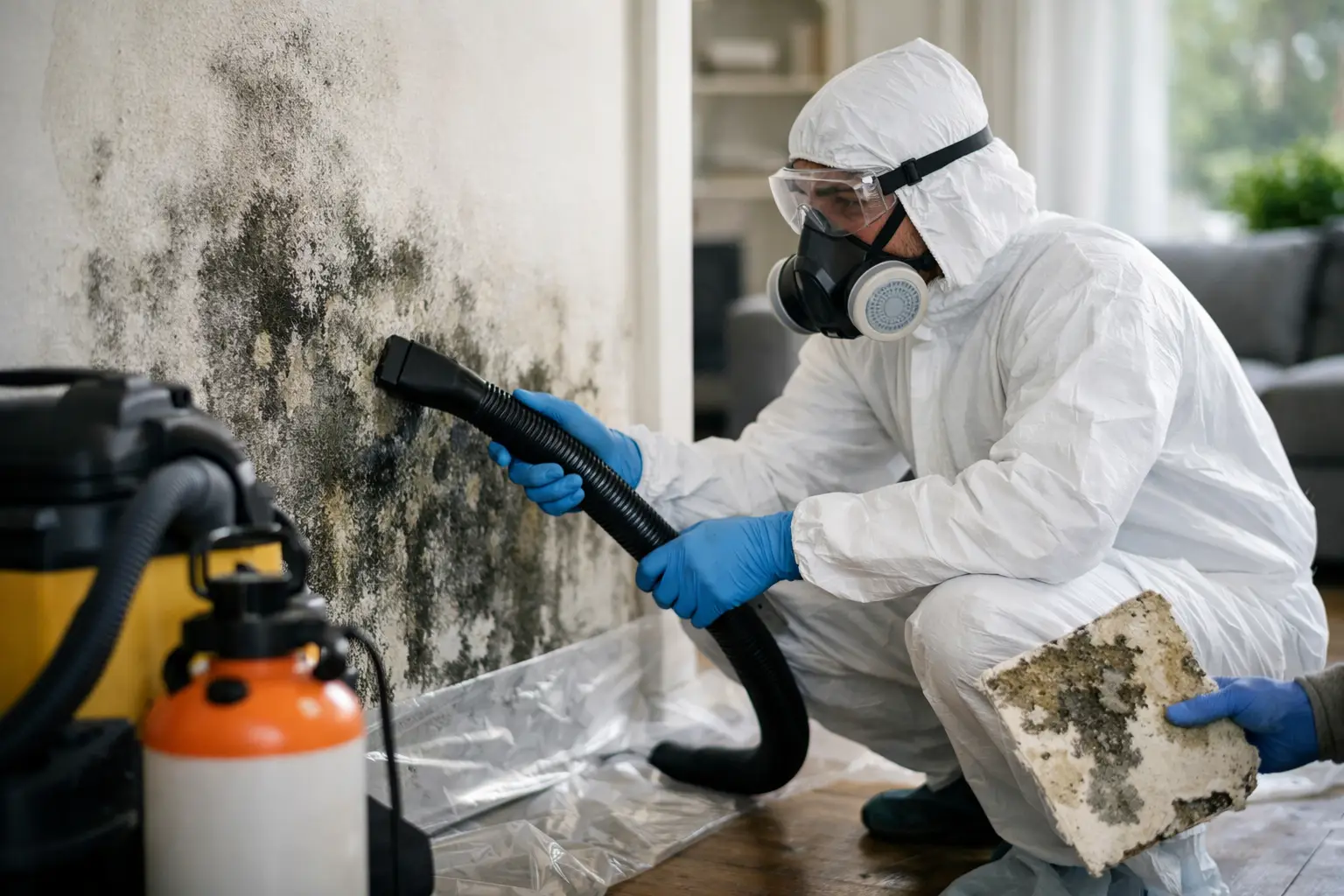 Mold
MoldContainment, removal, and moisture control that stops mold from coming back.
Learn more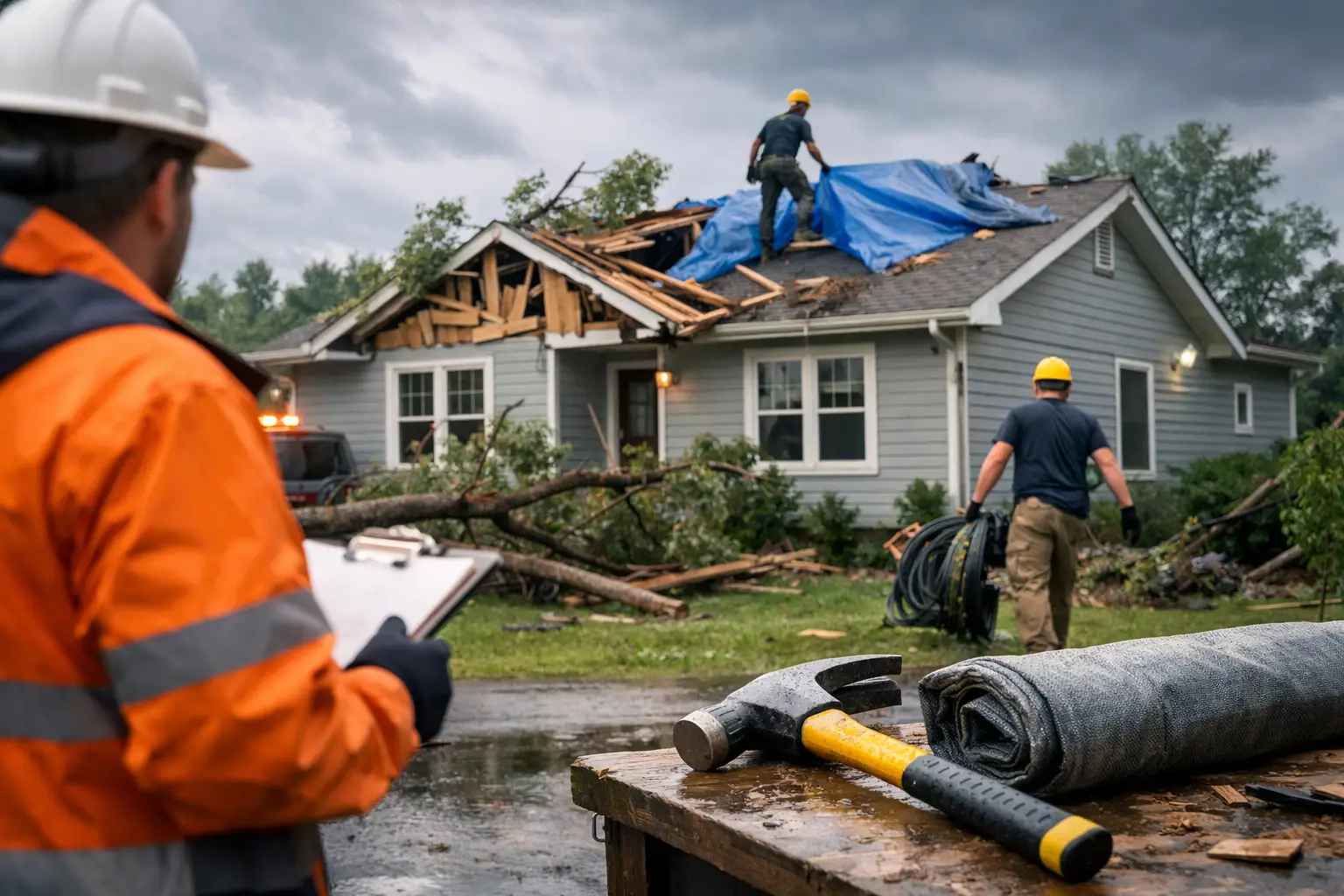 Storm
StormEmergency board-up, roof tarping, and full recovery after wind, hail, and storms.
Learn more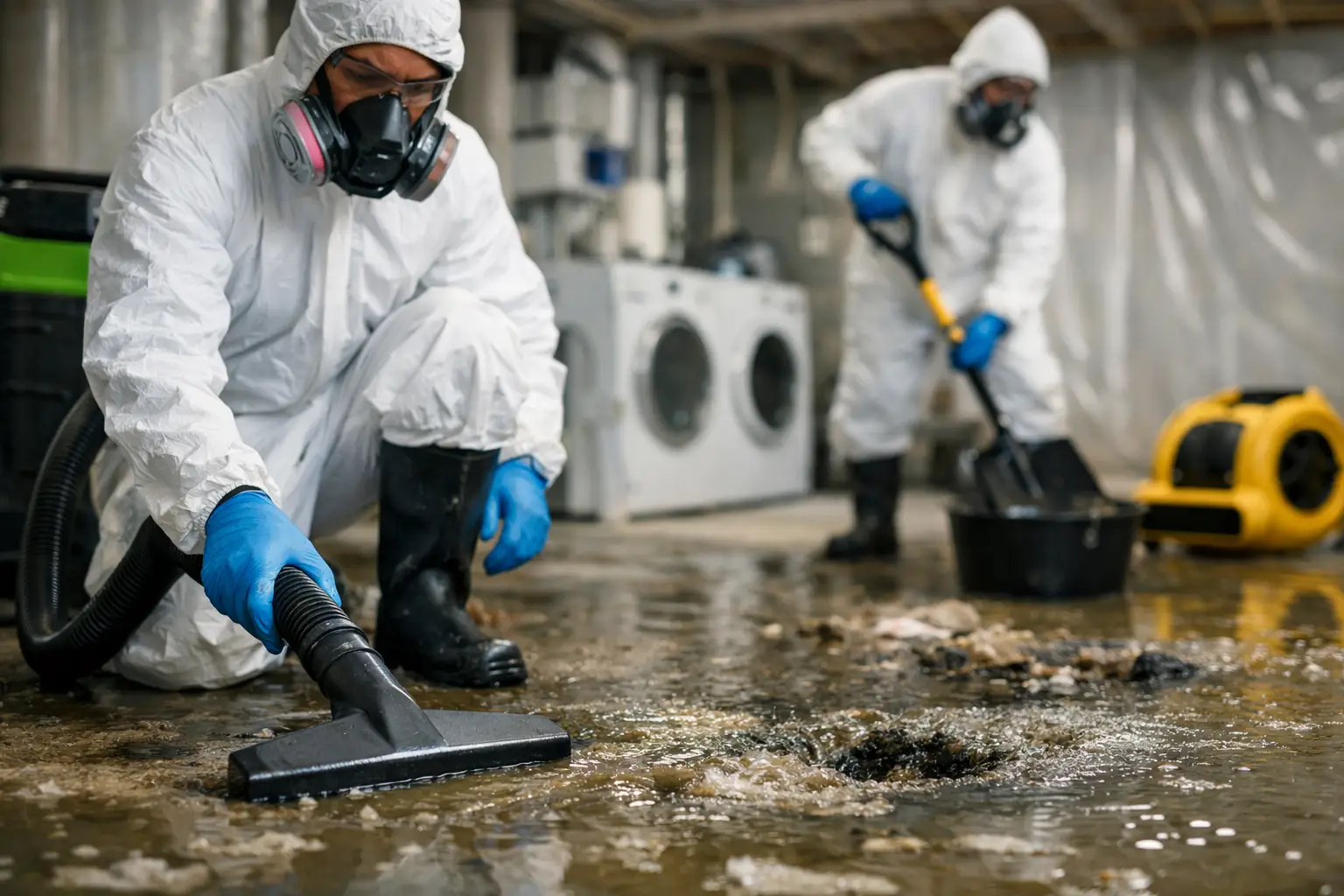 Sewage
Safe biohazard cleanup and sanitizing after sewage backups and overflows.
Learn more Reconstruction
Full rebuild by a licensed general contractor, so your property comes back whole.
Learn moreElevated Operations is an IICRC-certified, licensed general contractor based in Mableton that handles the entire recovery in-house, so after one loss you are never coordinating a cleanup crew, a mold crew, and a contractor separately. One team, one point of contact, from the first pump-out to the final coat of paint.
People call when the property feels like a disaster. They leave reviews because Chris and the crew made it right. These are real, verified Google reviews.
Crawl spaces need special attention because they trap humidity and slow airflow. I look for the source, remove standing water, and use drying equipment that fits the space. In Powder Springs, rural lots and slower drainage can leave crawl spaces wet longer, so monitoring matters just as much as extraction.
If carpet feels squishy, has a damp smell, or water reached the pad, wet carpet extraction is usually needed. Surface drying alone is not enough. In west Cobb homes, especially after storm runoff or a supply line break, carpet can hide moisture that keeps traveling under the floor.
I use extraction tools, air movers, dehumidification, and moisture meters, with the setup based on the material and where the water spread. The equipment is selected to remove water first, then dry the structure in a controlled way. That is better than relying on household fans alone.
Moisture monitoring shows whether the structure is actually drying or just feeling dry on the surface. That matters in Powder Springs because humidity, shaded lots, and slower runoff can keep materials wet longer. I track readings so I know when drywall, framing, or flooring has reached a safe dryness level.
There is no fixed answer. Drying depends on the material, how much water entered, and how quickly extraction begins. A small leak dries differently than a crawl-space or carpet event. In Powder Springs, fewer storm drains and rural drainage patterns can also slow the process.
Water removal gets rid of visible water. Structural drying removes moisture that has soaked into the building materials. In Powder Springs, that difference matters because the water can move into subfloors, insulation, and framing even after the floor is no longer flooded.
Yes. When damp materials stay wet, mold can start in 24 to 48 hours. That is why I push fast extraction and controlled drying. In west Cobb homes, the combination of humidity and slower drainage can make it even more important to start right away.
Yes. I offer direct insurance billing, and I can help with deductible assistance up to $1,000 when the claim and job qualify. That keeps the process simpler for homeowners while the structural drying and water removal work moves forward.
Elevated Operations dispatches IICRC-certified crews across Metro Atlanta from our Mableton base, with a 60-minute emergency response day or night. Choose your city:
Call now for an immediate response, or request your free inspection and get a certified crew on-site within the hour across Atlanta and nearby areas.