24/7 Emergency Restoration · Serving Metro AtlantaEmergency? (770) 404-6895
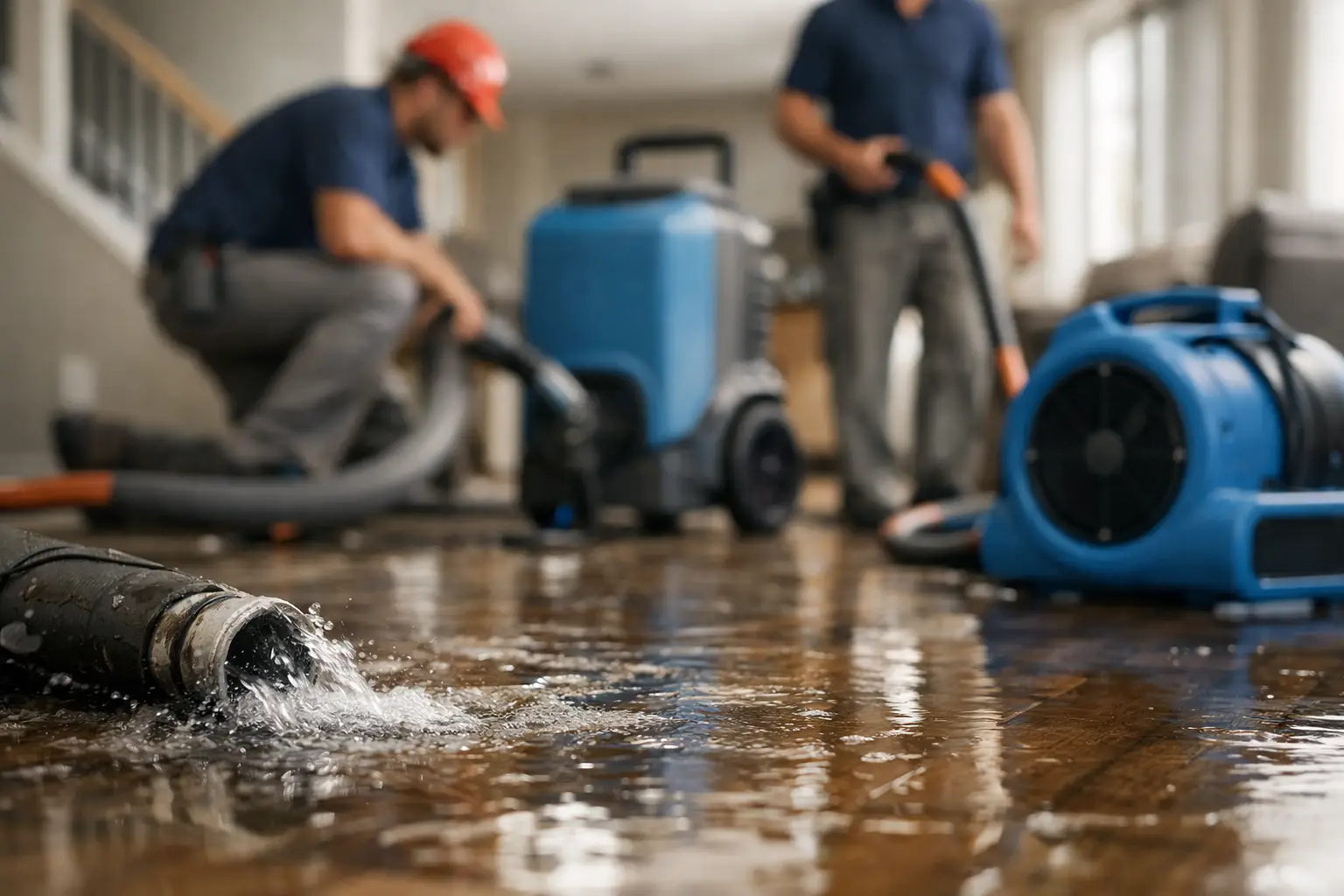
A disaster reconstruction contractor in Riverdale helps you choose between repair, replacement, or full rebuild after water, fire, or structural damage. I look at the real condition of the home, especially around Clayton neighborhoods near the airport and older subdivisions, then I push for the fix that fits the damage, not the loudest option.
IICRC-Certified · 5-Star Rated · 60-Minute Response · Insurance Billed Directly
I can handle both when the job calls for it, from emergency response to reconstruction, so you do not bounce between crews.
I compare the source, the materials, and what is hidden behind the wall, then I choose the right rebuild path.
I look at structure first. If it is sound, repair. If it failed, replace. If the loss spread, rebuild the affected area.
Call (770) 404-6895. I answer fast, inspect the damage, and give a straight read on what actually needs to be done.
A disaster reconstruction contractor handles the rebuild after the mess is cleaned up, from framing repair and drywall installation to flooring replacement, roof repair, structural repairs, and full rebuild work. In Riverdale, that matters when older subdivision homes near the airport need more than patchwork.
I separate cleanup from reconstruction because they are not the same job. Cleanup removes water, soot, debris, and damaged material. Reconstruction puts the structure back together, and sometimes that means property reconstruction from studs out after a major loss.
Riverdale homes in Clayton often show mixed damage. One room may only need drywall installation and flooring replacement, while another needs framing repair because the damage traveled into hidden cavities. I do not guess from the surface. I open it up and check the structure.
And that is where a licensed general contractor matters. I am owner Chris Kwangwari, and my company, Elevated Operations, LLLP, has been in restoration since 2007. I keep the rebuild organized, use IICRC-certified technicians, and give direct insurance billing when the claim allows it.
You need reconstruction when the damaged material cannot be safely repaired, when the structure is compromised, or when the loss has reached more than one system at once. In Riverdale, that often shows up in older homes with wet drywall, warped subfloors, damaged framing, or repeated leaks.
If the problem is only cosmetic, repair may be enough. But if water has soaked into the wall cavity, if mold has started, or if fire and smoke have hit insulation and framing, reconstruction becomes the honest answer. That is not me upselling. That is me respecting the building.
Clayton homes near the airport can take on wear from age, traffic vibration, and old materials that have already lived a full life. In those houses, a small leak can uncover bigger issues fast. Sometimes the right move is selective structural repairs. Sometimes it is a full rebuild of one area.
Mold starts in 24 to 48 hours after moisture exposure, so timing matters. If the drywall is soft, the subfloor is swollen, or the odor is hanging around after drying, I stop treating it like a simple repair and start treating it like property reconstruction.
Restore when the material is sound, dry, and structurally intact. Replace when the material is swollen, burned, contaminated, or weakened. In Riverdale, older subdivision homes often benefit from selective replacement because hidden damage spreads faster in walls, floors, and trim than people expect.
Restoration makes sense when the damage is limited and the material still has strength. A cabinet face may be cleanable. A few studs may be salvageable. But once mold has taken hold, or once water has bent the flooring system, replacement is usually the safer call.
I see this comparison all the time in Riverdale. One side of the room may only need roof repair above it and drywall installation below it. The other side may need framing repair because the leak followed the wall line. Same storm, different outcome.
Replacement is not failure. It is certainty. When the material has lost its integrity, I would rather replace it than leave a hidden weak point behind the paint. That is how I keep the rebuild honest and reduce repeat damage later.
Yes, one contractor can handle both when the company is set up for restoration and reconstruction, not just one side of the job. That saves handoff problems, especially in Riverdale where claims often involve water damage, mold concerns, and structural repairs in the same loss.
I keep the process under one roof because the work connects. Cleanup tells me what the structure needs. Reconstruction depends on what cleanup reveals. If those tasks are split badly, the homeowner ends up repeating inspections, repeating calls, and waiting on different crews to agree.
Direct insurance billing helps too. It keeps the claim moving without the homeowner trying to juggle paperwork while a wall is open. I also offer deductible assistance up to $1,000, and I use that carefully, because the job still has to be built the right way.
In older Riverdale subdivisions, I often find a combination of issues, not just one. Water at the base of a wall, mold behind trim, and flooring replacement across a hallway can all be part of the same reconstruction plan. One team can handle that cleanly when the team is qualified.
Water damage is the source, mold is often the consequence. Water can sometimes be dried and repaired before major demolition, but mold changes the equation because contaminated materials may need removal. In Riverdale, quick action matters most in humid, closed-up homes and older wall assemblies.
If I catch water damage early, I may be able to save more material through controlled drying and targeted reconstruction. But if the moisture sat, the comparison changes. Mold spreads into porous materials and can force removal of drywall, insulation, trim, and sometimes flooring replacement.
That is why I look at cause and condition together. A wet ceiling from a roof issue is not the same as recurring seepage behind an old shower wall. Roof repair may solve one, while the other may need a broader tear-out and rebuild of the affected section.
Riverdale’s older housing stock makes this comparison important. Materials installed decades ago do not always respond like new ones. I would rather be direct, cut out the damaged sections, and rebuild the space correctly than chase a problem that keeps returning after every patch.
Choose repair when damage is localized, replacement when a component has failed, and a full rebuild when the structure or multiple systems are compromised. In Riverdale, the deciding factor is usually what is hidden in the walls, subfloor, or framing after the loss.
A patch can be right. So can a teardown. The mistake is choosing before the structure has been inspected. I use the same comparison on every job: if the material is still sound, keep it. If it is weak, contaminated, or warped, replace it. If the damage crosses rooms, rebuild the affected area.
This is where older subdivisions near the airport need a hard look. Many houses were built before today’s moisture control expectations, so what looks like a minor wall issue can become framing repair, drywall installation, and flooring replacement once the finish materials come off.
My verdict is simple: repair for contained damage, replace for failed materials, rebuild for loss that reaches the structure. That rule keeps Riverdale projects honest and keeps homeowners from paying twice for the same problem.
| Typical Trigger | Water Damage Restoration | Mold Remediation |
|---|---|---|
| Water reached one room after a roof leak | Dry the area, then use roof repair and limited drywall installation if framing is still straight in a Riverdale ranch near an older subdivision street. | If the leak sat and odor started, cut back damaged materials and plan for drywall replacement and possible framing repair before closing the wall. |
| A bathroom pipe burst in an older home | Remove wet flooring, dry the subfloor, and keep replacement focused if the structure stayed solid and the loss was caught fast. | If moisture reached the cavity and sat in place, mold risk rises fast, so the safer path is demolition, cleanup, and property reconstruction. |
| Storm damage hit near the airport corridor | If the issue is limited to shingles or flashing, roof repair may protect the interior without major rebuild work. | If water followed the storm into walls and stayed there, hidden mold can force a bigger tear-out, full rebuild in the affected section, and direct insurance billing support. |
From emergency mitigation to full reconstruction, handled in-house so you are never managing a chain of subcontractors mid-crisis.
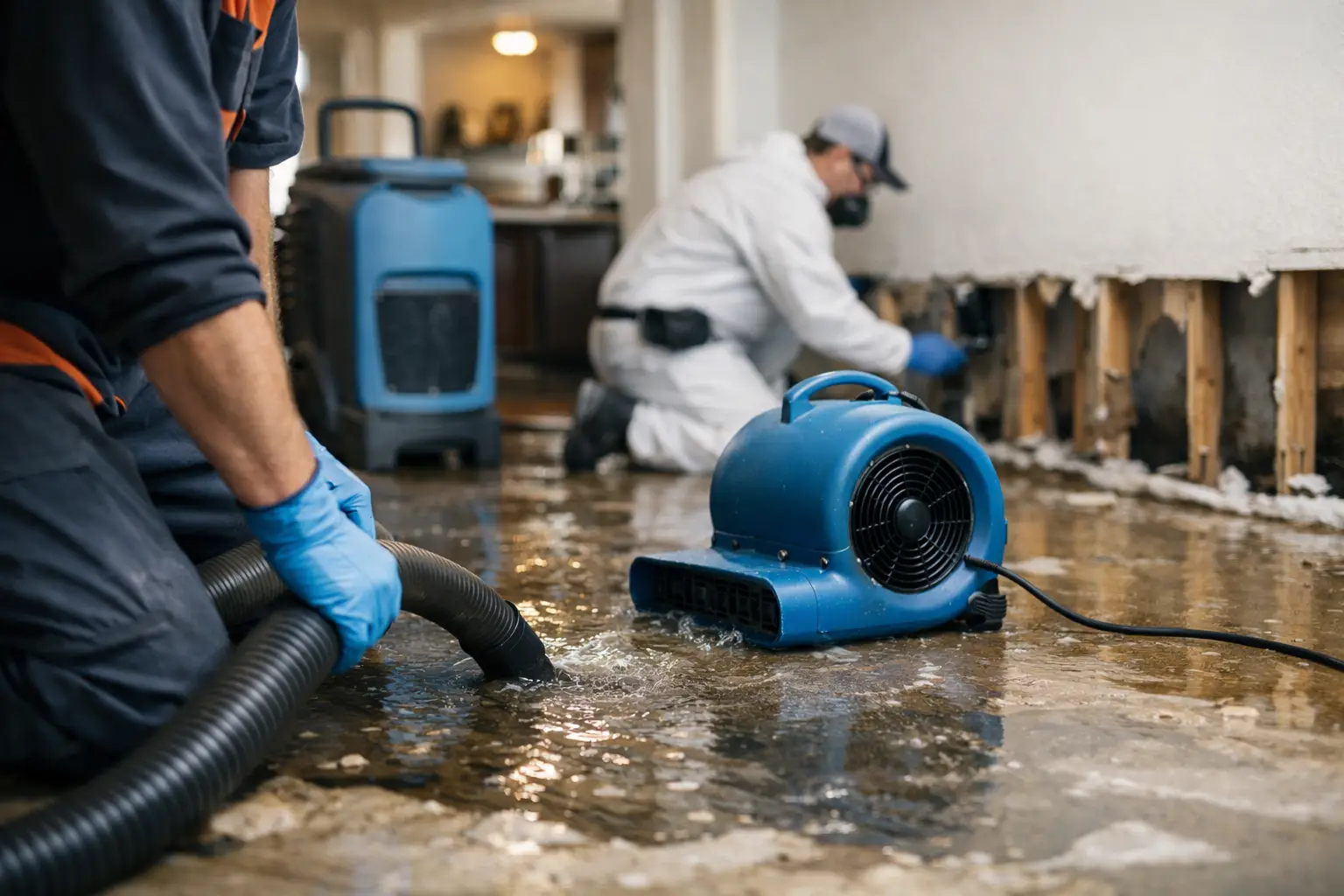 Water Damage
Extraction, structural drying, and moisture mapping after floods, leaks, and burst pipes.
Get help now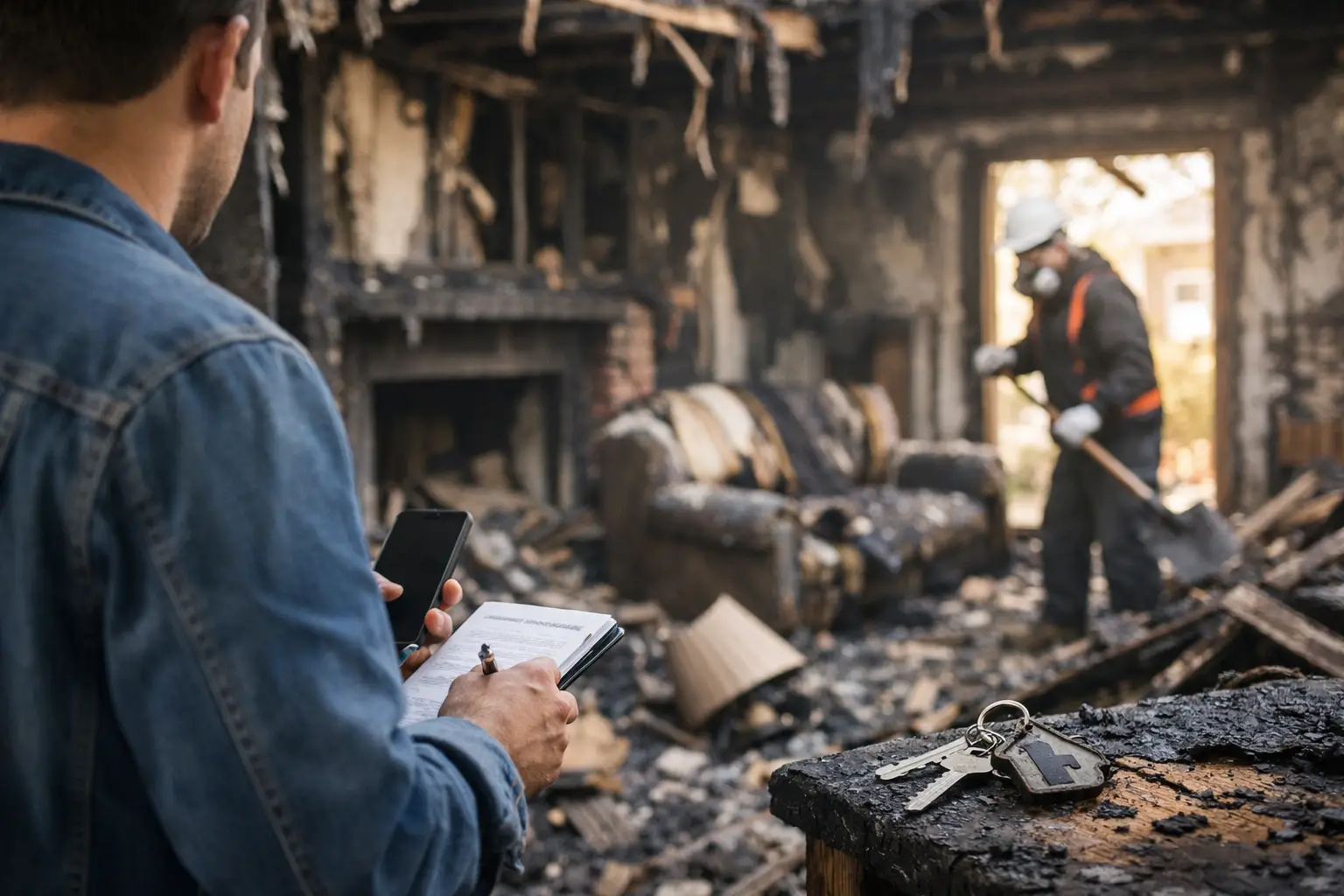 Fire & Smoke
Soot removal, odor deodorization, and content cleaning after fire and smoke damage.
Learn more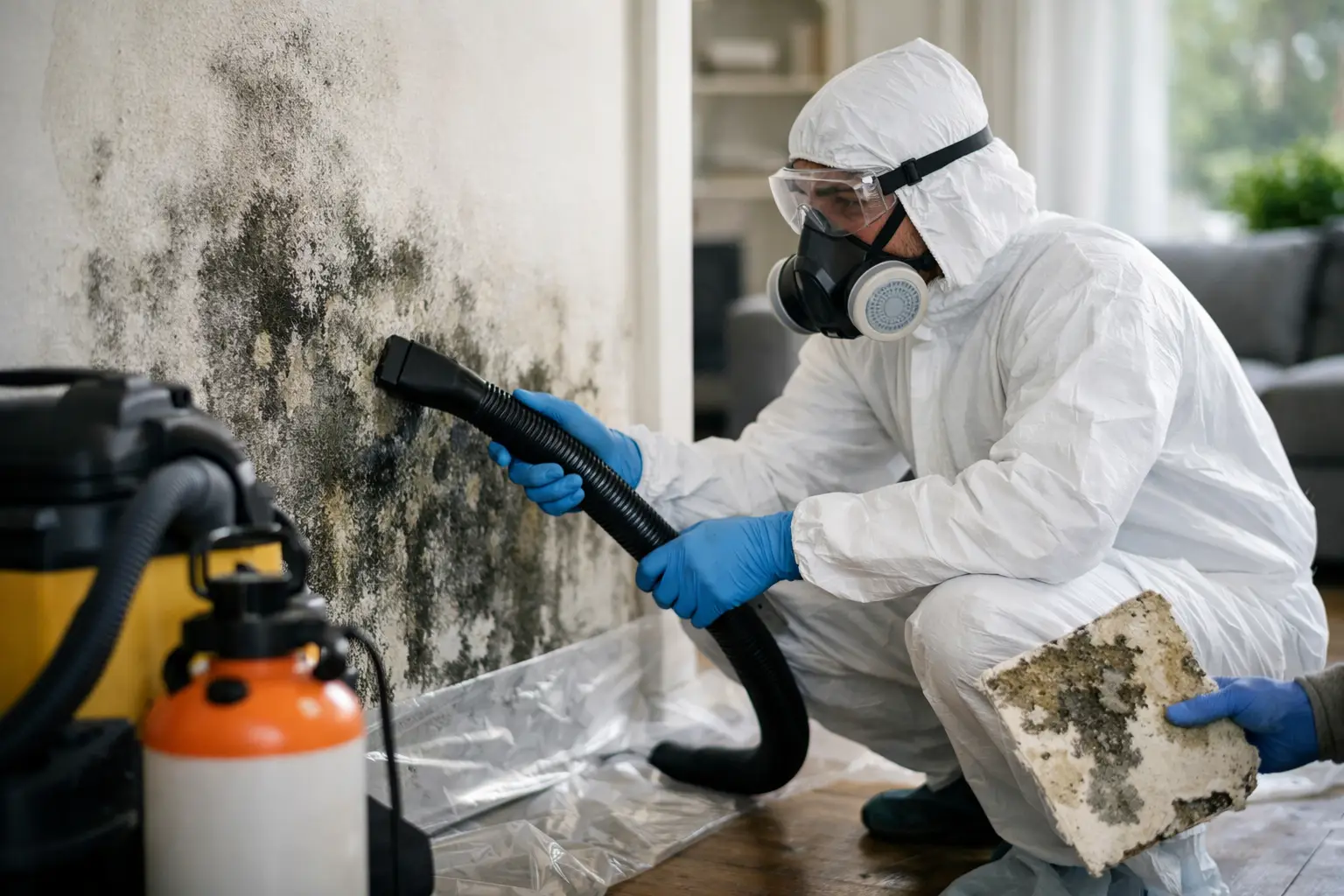 Mold
MoldContainment, removal, and moisture control that stops mold from coming back.
Learn more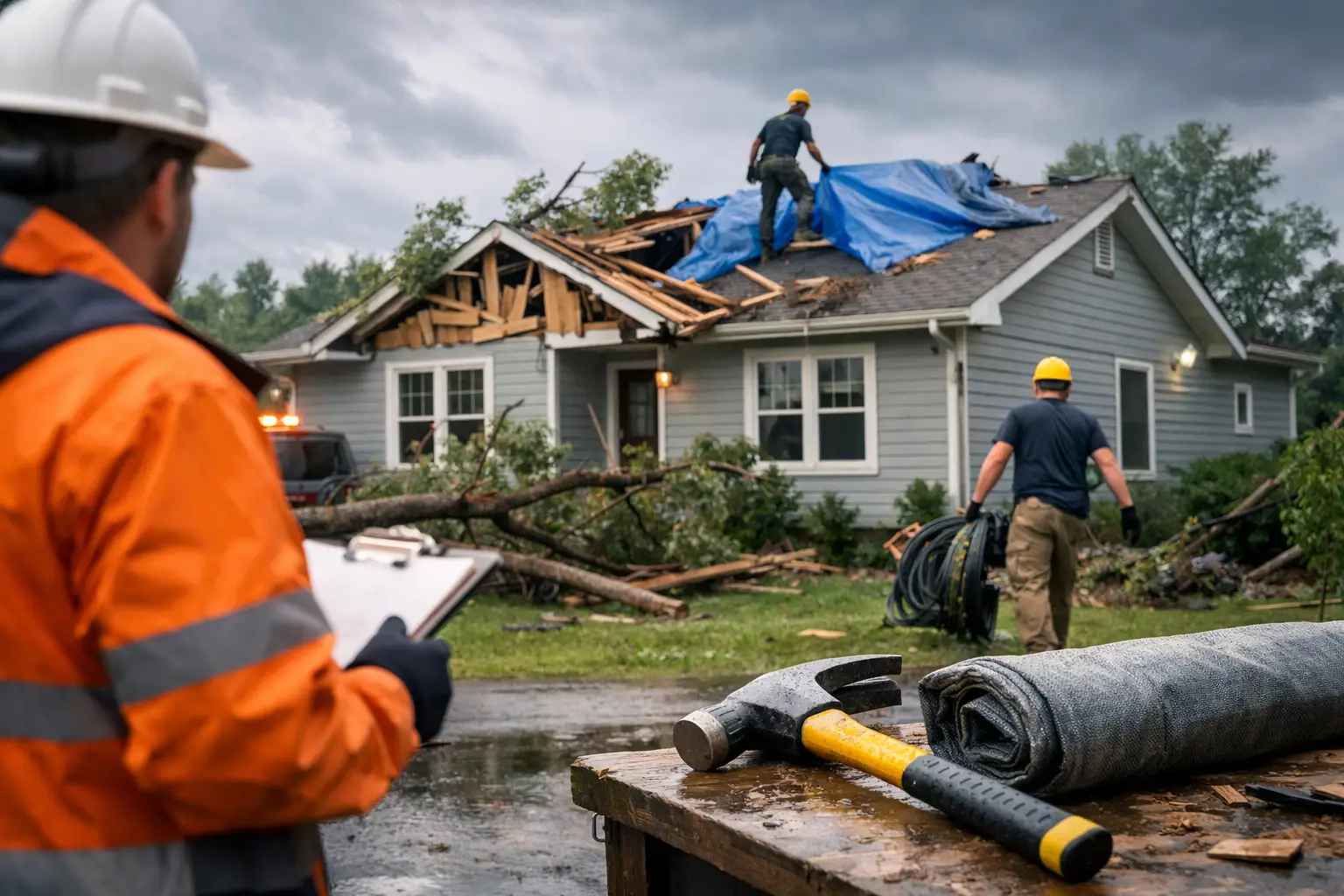 Storm
StormEmergency board-up, roof tarping, and full recovery after wind, hail, and storms.
Learn more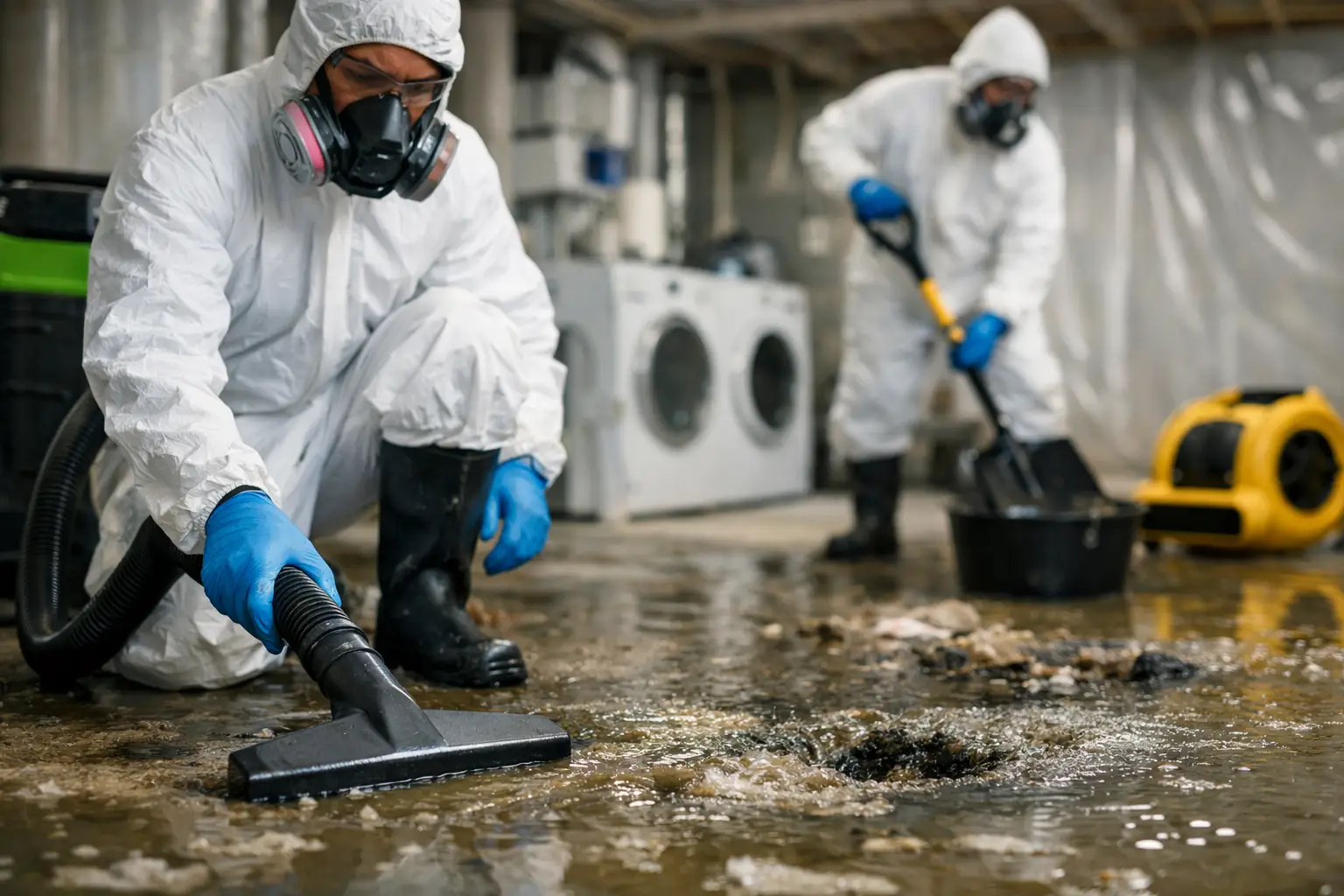 Sewage
Safe biohazard cleanup and sanitizing after sewage backups and overflows.
Learn more Reconstruction
Full rebuild by a licensed general contractor, so your property comes back whole.
Learn moreElevated Operations is an IICRC-certified, licensed general contractor based in Mableton that handles the entire recovery in-house, so after one loss you are never coordinating a cleanup crew, a mold crew, and a contractor separately. One team, one point of contact, from the first pump-out to the final coat of paint.
People call when the property feels like a disaster. They leave reviews because Chris and the crew made it right. These are real, verified Google reviews.
Older Clayton homes often show damage in layers, finish materials, subfloor, then framing. Near the airport, I also see exterior wear and aging systems that make leaks harder to ignore. The comparison is simple: newer materials may dry and stay, older assemblies often need more removal before rebuilding starts.
Stop the water source if you can do it safely, then document the damage and call me. The first real decision is whether the area needs drying and repair or demolition and rebuild. In Riverdale, I usually check walls, flooring, and framing before any cosmetic work starts.
Yes. Roof repair fits when the roof system is the only failure and the interior stayed dry. A full rebuild fits when water made it through the roof, into ceilings or walls, and damaged drywall, insulation, or framing. I choose the smaller job only when the structure truly allows it.
Mold usually means the materials held moisture too long, which changes the project from drying to removal. In bathrooms and laundry rooms, I often have to compare simple surface repair with cutting out drywall, trim, and sometimes flooring replacement. If the odor or staining is active, I lean toward replacement.
It often means opening a damaged room, removing unsalvageable materials, and rebuilding the space in order: framing repair, insulation, drywall installation, then finishes. Older homes can hide damaged parts behind good-looking paint, so I inspect carefully before I promise a light repair.
Sometimes yes, because one room can still contain hidden structural damage. If the room has wet framing, warped floors, or recurring moisture, I treat it as more than a cosmetic fix. If the loss is contained and the structure is sound, a smaller repair may be enough.
I use direct insurance billing when the claim supports it, which keeps the process moving without making you carry the whole admin load. I also explain what needs repair, what needs replacement, and what should be rebuilt so the scope matches the actual damage instead of just the visible surfaces.
I am a licensed general contractor, in restoration since 2007, and my crew uses IICRC-certified methods. A patch job hides the problem. I identify whether the fix is repair, replacement, or full rebuild, then I stand behind it with a 12-month warranty.
Elevated Operations dispatches IICRC-certified crews across Metro Atlanta from our Mableton base, with a 60-minute emergency response day or night. Choose your city:
Call now for an immediate response, or request your free inspection and get a certified crew on-site within the hour across Atlanta and nearby areas.




