24/7 Emergency Restoration · Serving Metro AtlantaEmergency? (770) 404-6895
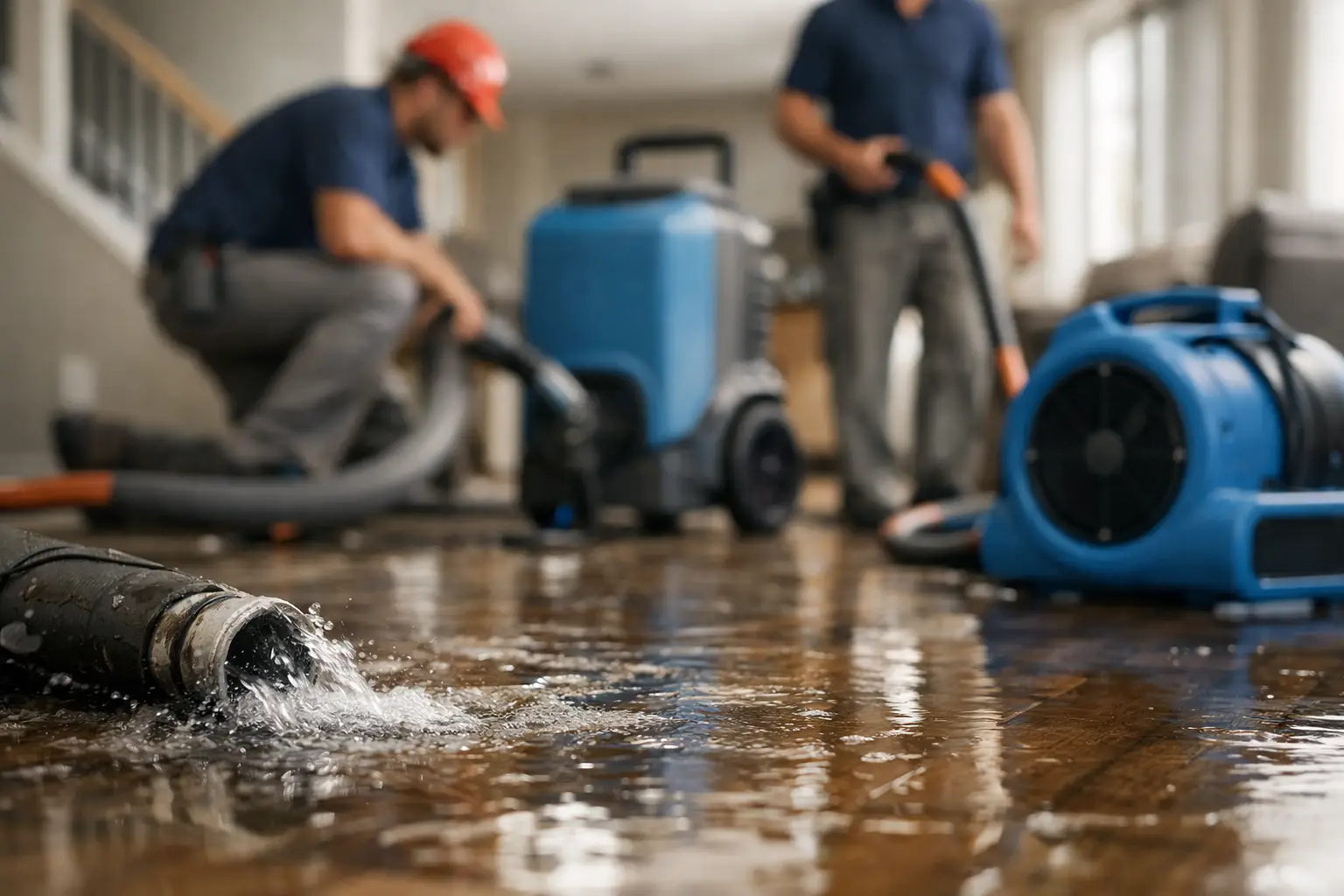
Water extraction and drying Rex starts with fast water removal, then the right drying process for older homes in unincorporated Clayton. I’m Chris Kwangwari with Elevated Operations, LLLP, and I use IICRC-certified technicians, direct insurance billing, and moisture monitoring to stop damage before it spreads. Call us day or night.
IICRC-Certified · 5-Star Rated · 60-Minute Response · Insurance Billed Directly
No. Water moves fast in older homes, and the damage gets more expensive the longer it sits. I offer 24/7 emergency response for that reason.
Yes. I handle water removal, wet carpet extraction, air movers, dehumidification, and moisture monitoring as one process.
Yes. I provide direct insurance billing and document the job from start to finish so the claim file stays organized.
Because water damage often affects more than one surface. I can assess the structure, not just dry the room and hope for the best.
Start with safety, then stop the source, then call me for water extraction and drying in Rex. In older homes across unincorporated Clayton, speed matters because wet carpet extraction, moisture monitoring, and structural drying need to begin before hidden damage moves into walls and floors.
First, shut off the water if you can do it safely. Next, stay out of rooms with sagging ceilings, wet outlets, or slippery floors. Rex homes often have older framing, and that means water can track fast through trim, subfloors, and wall cavities.
Then document the damage with clear photos before anyone starts moving furniture. I use direct insurance billing, so good records matter. Keep damaged items in place if they are not a hazard, because moving everything too early can spread moisture into cleaner areas.
Call us at once. We offer 24/7 emergency response and a 60-minute emergency response window. I send IICRC-certified technicians who know how to start water removal, set air movers, and begin moisture monitoring without wasting time.
Water extraction and drying in Rex works in stages, water removal first, then targeted drying, then repeated moisture monitoring. I do not guess. I inspect the affected areas, remove standing water, set air movers and dehumidification equipment, and keep checking the structure until readings show the home is drying properly.
The first pass is water extraction. That may include wet carpet extraction, removal of standing water, and careful protection of contents. In older Clayton County homes, I pay close attention to baseboards, closets, and low spots where water hides after the visible puddle is gone.
Next comes the drying process. Air movers push air across damp surfaces, while dehumidification pulls moisture out of the air. That combination helps walls, floors, and framing dry together instead of trapping moisture in one layer while the surface looks fine.
Then I verify it. Moisture monitoring tells me whether the structure is actually drying or just looking dry. That matters in Rex, where older homes can hold moisture in materials you do not see until staining, swelling, or musty odors show up later.
I use the tools that fit the loss, not a one-size setup. For water extraction and drying in Rex, that usually means pumps or extractors for water removal, wet carpet extraction tools, air movers, dehumidification equipment, and moisture monitoring devices to track progress in older homes.
Extraction tools handle the first problem: standing water and saturated flooring. In carpeted rooms, wet carpet extraction helps remove water from the pad and surface fibers before the materials start breaking down. That is a big deal in Rex, where many older homes still have flooring assemblies that can trap moisture.
Air movers are for surface drying and airflow control. I place them so they support structural drying instead of blowing moisture into the wrong rooms. Dehumidification keeps the indoor air from staying heavy with water vapor, which speeds the drying process and protects finishes.
I also use moisture monitoring because equipment alone does not tell the whole story. A room can feel dry and still hold water inside the subfloor or wall base. I check it, document it, and adjust the setup until the numbers make sense.
Structural drying matters because older Rex homes in unincorporated Clayton can hide moisture in framing, subfloors, and wall cavities. If that moisture stays, it can lead to warped materials, stains, odors, and avoidable repairs. I dry the structure, not just the surface you can see.
Older homes do not dry evenly. A carpet may look mostly fine while the pad, tack strip, or wood beneath it stays wet. That hidden moisture is where damage compounds. Structural drying addresses the whole assembly, not just the visible floor covering.
Rex has a lot of homes where walls, trim, and flooring materials were installed decades ago. Those materials can hold moisture longer than people expect. If you skip structural drying, you are gambling on invisible dampness not causing later problems.
IICRC-certified technicians know how to set up drying to protect the structure, not just chase appearances. That means checking behind baseboards, around cabinets, and near transitions where water likes to travel in older Clayton County houses.
Drying time after water damage in Rex depends on how much water entered the home, what materials were affected, and how quickly extraction started. I will not guess. I track the drying process with moisture monitoring so the home is dried based on evidence, not hope.
What matters most is the starting point. Fast water removal usually shortens the job because less moisture gets absorbed into flooring, trim, and drywall. If the loss sits longer, especially in older homes, the materials can absorb more water and require more aggressive structural drying.
The building itself also changes the timeline. Rex homes in unincorporated Clayton often have older materials that behave differently from newer construction. A newer laminate floor and an older hardwood floor do not dry the same way, so I adjust the plan based on the house.
The correct answer is always the one the moisture readings give me. I keep dehumidification and air movers in place until the data shows the space is drying properly. That is how I prevent repeat callbacks and the kind of hidden dampness that turns into bigger repairs.
Yes, I handle direct insurance billing for water extraction and drying in Rex, and I can help with deductible assistance up to $1,000. I document the loss, the equipment setup, and the drying progress so the claim file is cleaner and easier to process.
Insurance work goes smoother when the facts are organized early. I photograph the damage, record the affected areas, and keep the drying process documented. That helps show why water removal, dehumidification, and structural drying were needed instead of just surface cleanup.
In older Clayton County homes, claims often involve flooring, trim, and hidden materials that were not obviously damaged at first. Good documentation matters because water spreads in ways that people miss during the first hour. I build the paper trail while the work is still happening.
I have been in restoration since 2007, and I know how adjusters look at loss files. I keep the job professional, detailed, and consistent. No drama. Just the facts, the readings, and the repair path.
Stop the source first. If the leak is active and you can reach the shutoff without danger, do it. If not, leave it alone and call for emergency response.
Avoid wet outlets, sagging ceilings, and slick floors. Older Rex homes can hide damage under the surface, so do not assume a room is safe just because the puddle looks small.
Document every room before cleanup starts. Capture floors, baseboards, furniture, and visible water lines. That helps with direct insurance billing and claim support.
Pick up dry, portable items first. Do not drag saturated furniture across the house. That can spread water and make the drying process harder.
Get IICRC-certified help on site fast. I use air movers, dehumidification, moisture monitoring, and the right extraction method for the material and the layout.
From emergency mitigation to full reconstruction, handled in-house so you are never managing a chain of subcontractors mid-crisis.
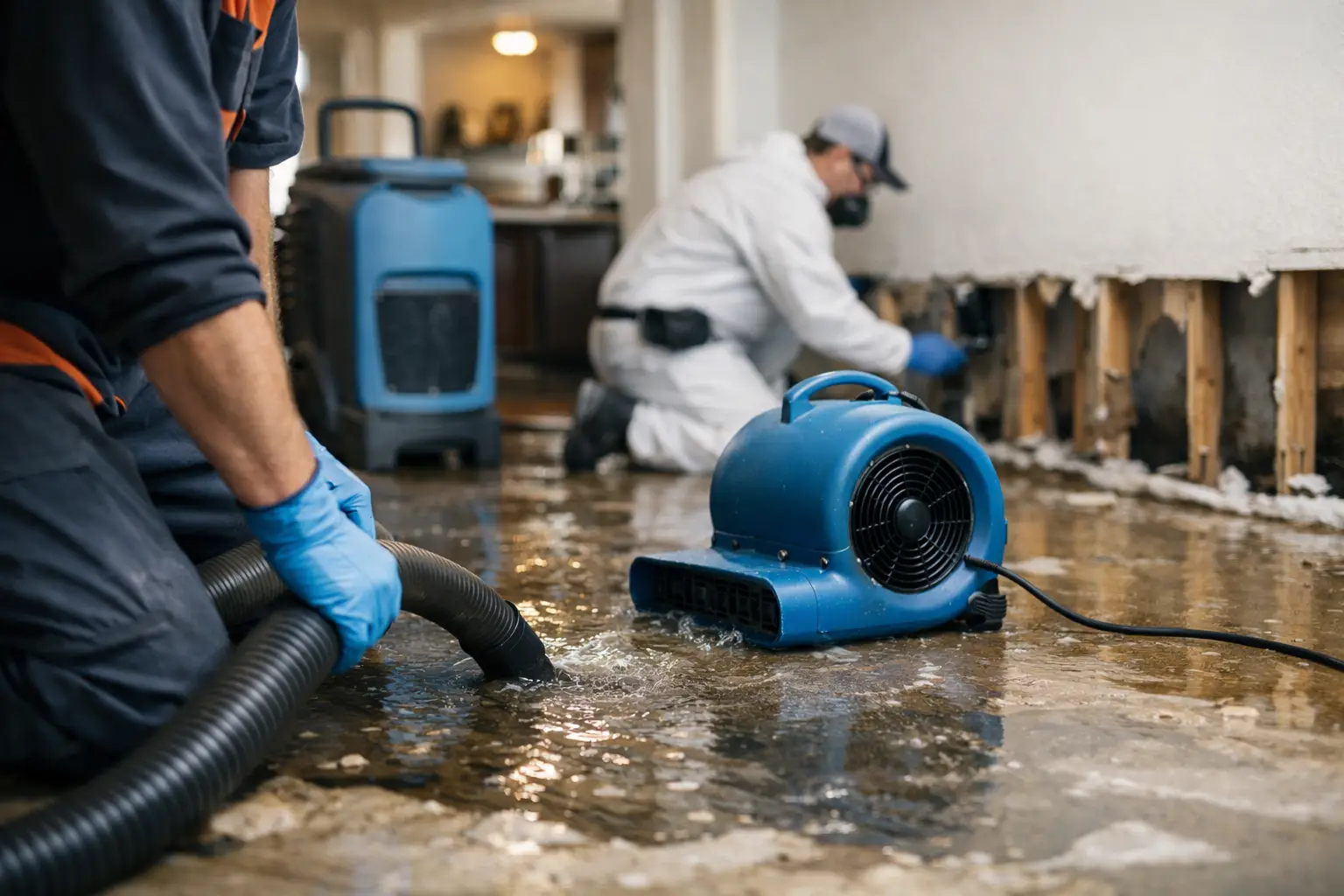 Water Damage
Extraction, structural drying, and moisture mapping after floods, leaks, and burst pipes.
Get help now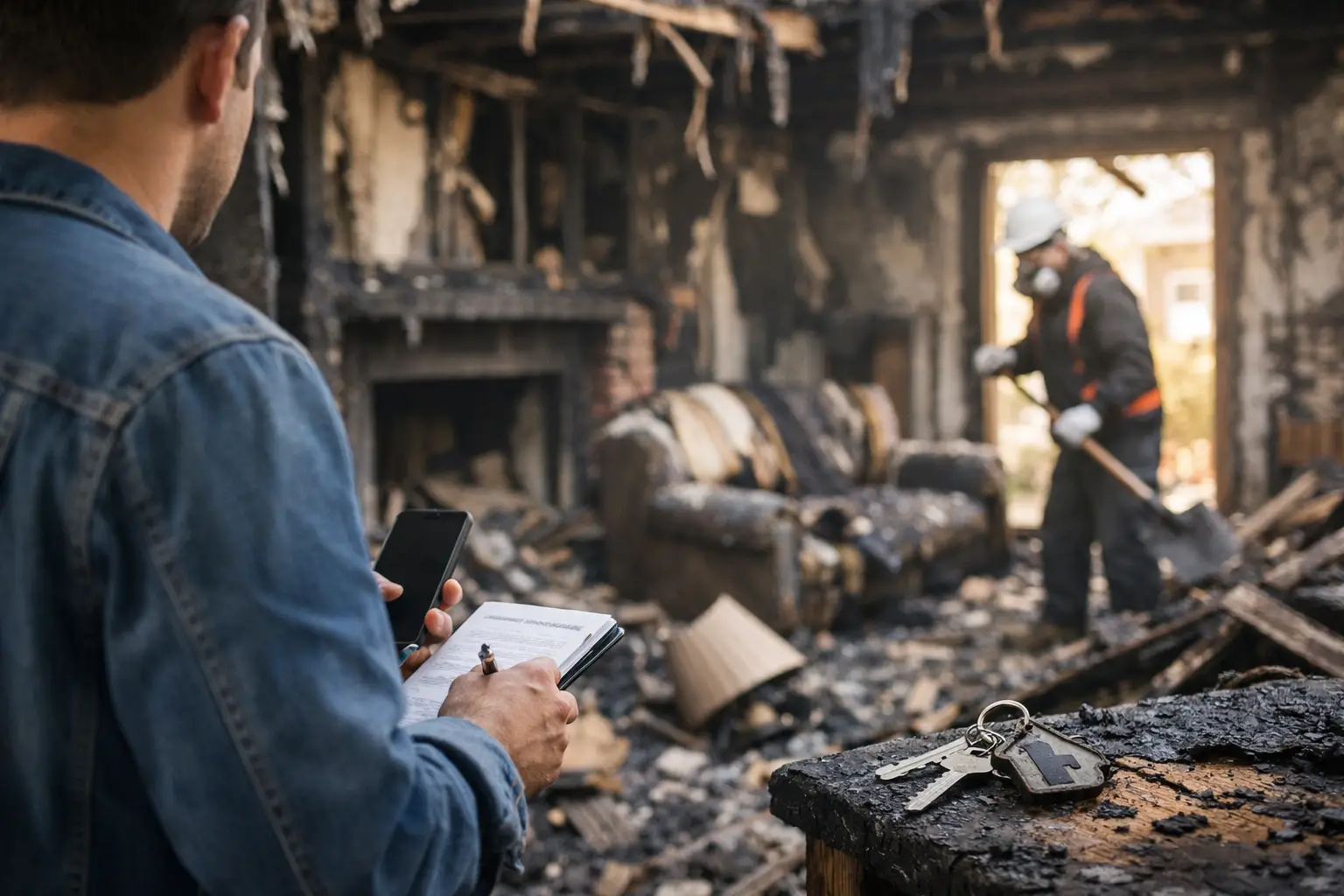 Fire & Smoke
Soot removal, odor deodorization, and content cleaning after fire and smoke damage.
Learn more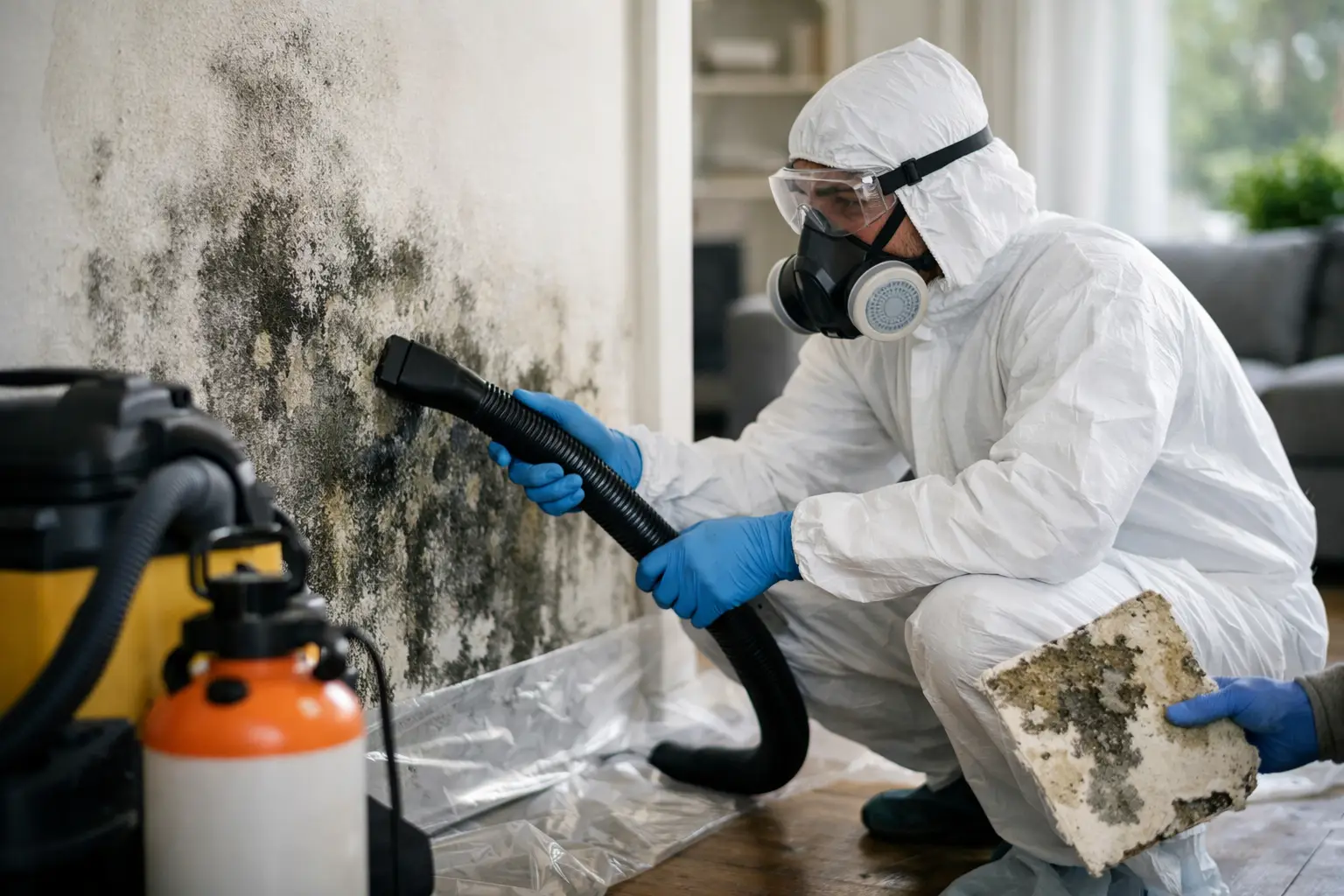 Mold
MoldContainment, removal, and moisture control that stops mold from coming back.
Learn more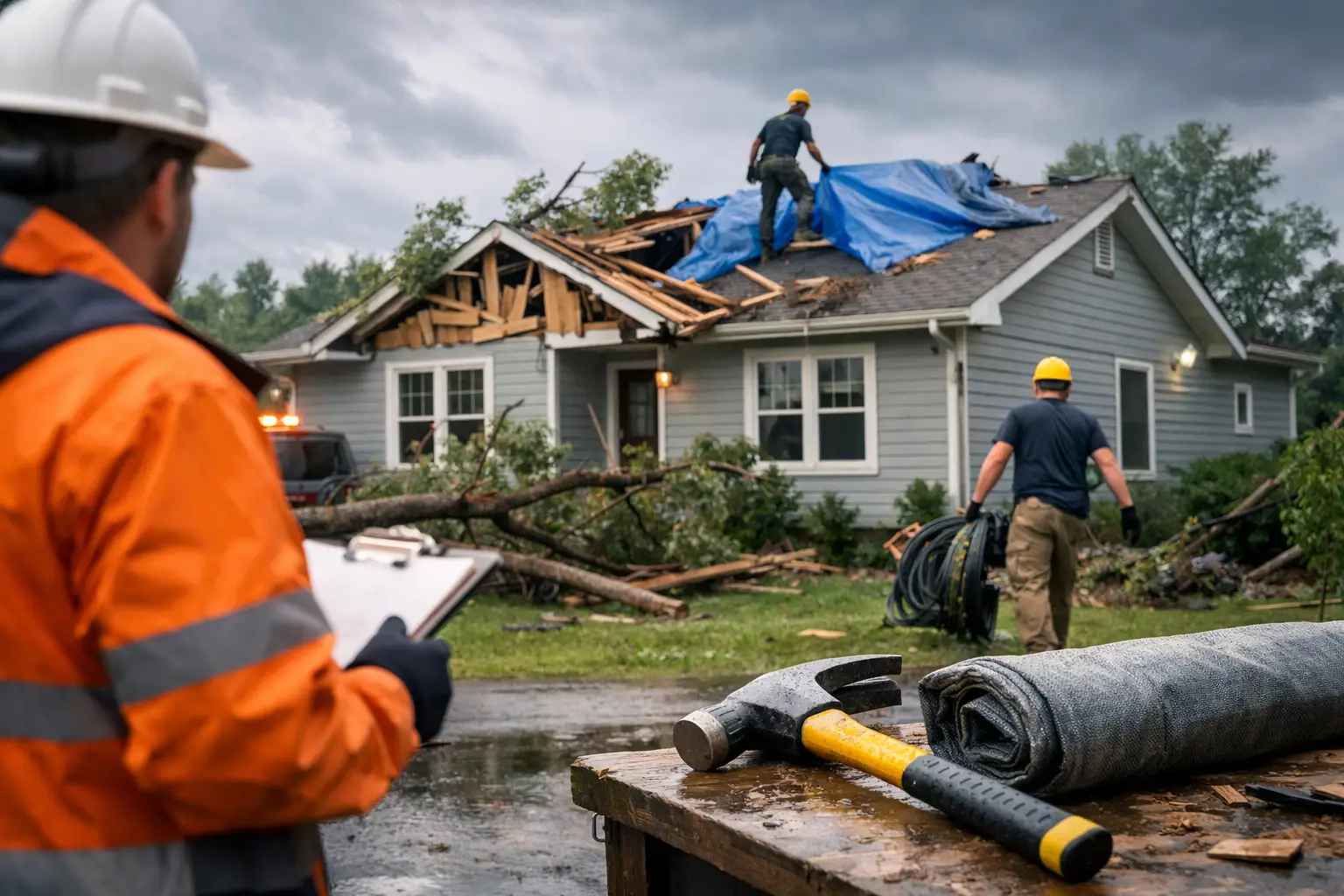 Storm
StormEmergency board-up, roof tarping, and full recovery after wind, hail, and storms.
Learn more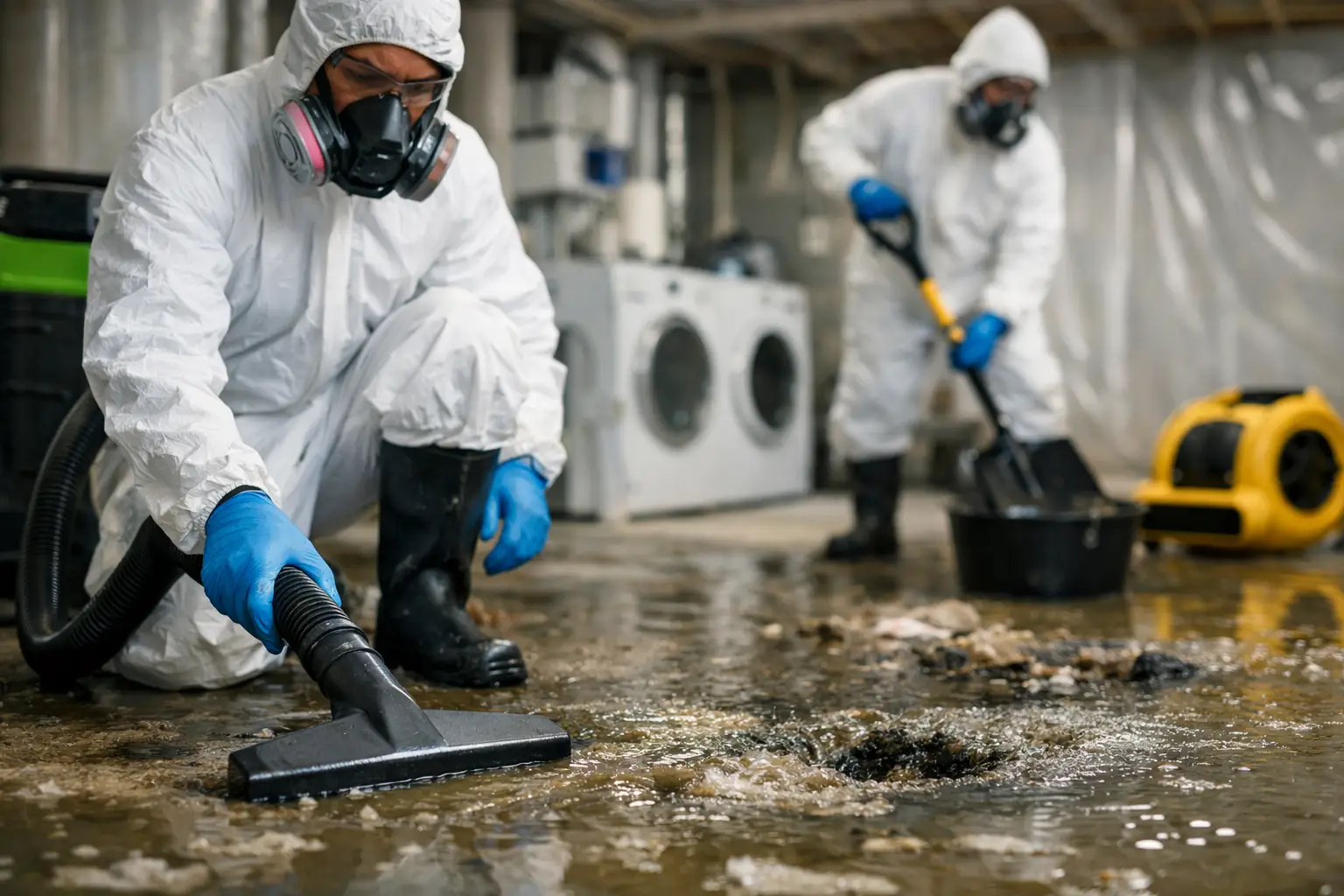 Sewage
Safe biohazard cleanup and sanitizing after sewage backups and overflows.
Learn more Reconstruction
Full rebuild by a licensed general contractor, so your property comes back whole.
Learn moreElevated Operations is an IICRC-certified, licensed general contractor based in Mableton that handles the entire recovery in-house, so after one loss you are never coordinating a cleanup crew, a mold crew, and a contractor separately. One team, one point of contact, from the first pump-out to the final coat of paint.
People call when the property feels like a disaster. They leave reviews because Chris and the crew made it right. These are real, verified Google reviews.
Yes. Older homes in unincorporated Clayton need careful water extraction and drying because moisture can hide in framing, crawl areas, and wall bases. I inspect those spots first, then set the right drying plan. That is how I keep a small loss from turning into a bigger repair problem later.
I arrive with a plan. First I inspect the damage, confirm the source if it is still active, and start water removal. Then I place air movers and dehumidification equipment where they will do the most good. I also begin moisture monitoring right away, because visible dryness is not the same as actual dryness.
Yes, and I am careful with it. Wet carpet extraction needs to protect the pad, tack strip, and subfloor underneath, especially in older Rex homes where materials can be fragile. I decide whether salvage is possible based on the condition of the materials and the moisture readings, not on guesswork.
Because moving air alone is not enough. Dehumidification pulls moisture out of the indoor air so the structure can keep releasing water instead of cycling it around the room. In older Clayton County homes, that is critical for walls, trim, and flooring that hold moisture longer than people expect.
I verify it with moisture monitoring, not just by touch or smell. A room can feel dry while hidden materials are still wet. I keep checking the affected areas until the readings show the structure is drying the way it should. That is the difference between real drying and a quick surface clean.
Yes. I offer 24/7 emergency response with a 60-minute emergency response window. Water damage does not wait for business hours, and older homes in Rex can get worse fast. I prefer to get there early, start extraction, and limit how far the water travels.
Yes. I provide direct insurance billing and can also help with deductible assistance up to $1,000. I document the loss carefully so the claim has the details it needs. That includes the extraction steps, the drying setup, and the ongoing moisture checks.
I do restoration, not just cleanup. Basic cleanup dries what you can see and moves on. IICRC-certified technicians, structural drying, moisture monitoring, and the right equipment matter because older Rex homes hide water in places that surface cleaning will miss. I want the home stable, not just dry-looking.
Elevated Operations dispatches IICRC-certified crews across Metro Atlanta from our Mableton base, with a 60-minute emergency response day or night. Choose your city:
Call now for an immediate response, or request your free inspection and get a certified crew on-site within the hour across Atlanta and nearby areas.