24/7 Emergency Restoration · Serving Metro AtlantaEmergency? (770) 404-6895
Reconstruction Atlanta is not just patchwork, and I say that as the owner of Elevated Operations, LLLP. In Atlanta, especially in intown bungalows and creek basements, reconstruction starts when damage goes past cosmetic repair and the structure, finishes, or layout need real rebuilding.
IICRC-Certified · 5-Star Rated · 60-Minute Response · Insurance Billed Directly
Yes. Once the area is stabilized and documented, I rebuild the damaged space with the proper repair scope.
Yes. I look at the full damage path, then handle the reconstruction work that the basement actually needs.
Yes. I offer direct insurance billing, which keeps the rebuild process cleaner for homeowners.
That can still be reconstruction if the framing, drywall, or flooring was affected. Small area, real repair.
Reconstruction after property damage is the rebuilding work that comes after the emergency is under control. It covers structural repair, framing repair, drywall repair, flooring repair, and finish replacement when damage has gone beyond simple cleanup or a quick patch.
Myth: reconstruction just means painting over a damaged room. Fact: if the damage reached framing, subfloor, walls, or built-ins, I treat it as property reconstruction, not a cosmetic fix. In Atlanta, that comes up often in older intown bungalows with worn assemblies that show every leak.
Myth: if the house still stands, reconstruction is unnecessary. Fact: standing is not the same as sound. Creek basements in Atlanta can hold moisture against lower walls and floors long after the visible water is gone, and that is where real repair work starts.
I have been in restoration since 2007, and I have seen the same mistake many times. Homeowners want a fast finish. I want the structure correct first, then the room put back the right way, with IICRC-certified technicians on the restoration side and a licensed general contractor handling the rebuild.
Reconstruction is needed when damage has moved beyond drying or cleanup and the home needs rebuilding to function safely again. That usually means damage repair to walls, floors, framing, or finishes after water, fire, or impact damage in places like an intown bungalow or a creek basement.
Myth: you only need reconstruction after a total loss. Fact: a kitchen corner, hallway, or basement room can need full rebuild work even when the rest of the house looks fine. Atlanta homes are full of mixed-age materials, so one damaged section can demand a careful, targeted reset.
Myth: a little drywall damage is never a big deal. Fact: drywall repair may be minor, or it may be the visible end of a larger problem behind the wall. If I open a cavity and find compromised framing, I stop pretending it is just cosmetic work.
In Atlanta, the layout matters. Intown bungalows often have compact rooms, original trim, and older framing details, so matching the repaired area takes judgment. Creek basements bring a different problem, because the lower level can collect repeated moisture and make reconstruction necessary sooner than people expect.
Yes, reconstruction can follow water or fire damage cleanup once the affected areas are safe, dry, and documented. Cleanup removes the mess. Reconstruction puts the home back together with roof repair, drywall repair, flooring repair, and structural repair where the damage demanded it.
Myth: cleanup and reconstruction are the same service. Fact: they are different phases. I handle the rebuild after the damage is stabilized, and I bill insurance directly when the claim calls for it, so the homeowner is not stuck trying to manage every trade on their own.
Myth: once smoke is gone, the room is finished. Fact: fire damage cleanup can leave behind hidden issues in framing, subflooring, and finishes. Water damage cleanup can do the same in basement walls, ceilings, and trim. Reconstruction is what closes that gap.
I am careful about sequence. If the damage came from a roof leak in an Atlanta bungalow or a basement seep in a creek-backed lot, the cause has to be addressed before the rebuild makes sense. Otherwise the new work becomes the next thing to fail.
Property reconstruction takes as long as the scope requires, because a small drywall repair is not the same as full structural repair. The right answer depends on what was damaged, what the insurance claim covers, and how much framing, flooring, or finish work must be rebuilt.
Myth: every reconstruction job has a standard clock. Fact: it does not. A damaged ceiling in an intown bungalow may be straightforward, while a creek basement with water intrusion, floor damage, and wall removal can turn into a broader rebuild with multiple trades.
Myth: speed matters more than order. Fact: if the substrate is not right, the finish will not last. I would rather slow the project enough to do the rebuild properly than rush drywall, trim, and flooring repair that fails again when the next storm hits.
Our team offers 60-minute emergency response 24/7, and that matters early. The sooner we secure the site, document the loss, and start the restoration process, the sooner reconstruction can move from damage control to the actual work of putting the home back together.
No, many reconstruction projects are structural or functional, not cosmetic. Cosmetic work changes appearance. Reconstruction can include framing repair, structural repair, roof repair, and rebuilding damaged rooms so the home works safely, especially in older Atlanta houses with layered repairs and hidden defects.
Myth: if you can cover it, you can ignore it. Fact: cover-up is not reconstruction. Atlanta’s older housing stock, especially intown bungalows, often hides old patchwork behind plaster, siding, and trim. Once water or fire exposes those weak points, I have to treat them as real construction issues.
Myth: flooring repair is always just a surface fix. Fact: if the subfloor is damaged or swollen, the finish material is the last thing I worry about. The same is true for drywall repair when the wall cavity has been compromised by moisture or heat.
I have been the one explaining this to homeowners after they hoped for a quick cosmetic pass. And I get it, because nobody wants a bigger project. But a proper rebuild prevents repeat claims, repeat disruption, and repeat damage in the same part of the house.
Homeowners should expect inspection, scope definition, insurance coordination, and a rebuild plan that fits the damaged area. In Atlanta, that often means working around older materials, matching existing finishes, and fixing the part of the home that actually failed, not just the part you can see.
Myth: reconstruction is a one-call fix. Fact: it moves in stages. I assess the loss, document the damage, talk through the insurance scope, and then rebuild the affected area with the right sequence. That is how property reconstruction stays controlled instead of chaotic.
Myth: the builder should guess at the hidden damage. Fact: I do not guess. If I find compromised framing, hidden moisture, or damage behind a wall finish, I adjust the scope before the rebuild continues. That is the difference between real structural repair and a cosmetic bandage.
Atlanta homes have personality, and they also have surprises. Original details in intown bungalows and repeated dampness in creek basements can turn a simple repair into a more layered project. I plan for that, because pretending otherwise wastes time and money.
Fact: a single room, basement wall, or ceiling section can need full rebuild work when the damage reaches framing, flooring, or structural components.
Fact: cleanup removes debris and stabilizes the loss, while reconstruction restores the house with the actual repair and finish work.
Fact: intown bungalows and creek basements often hide old materials, prior repairs, and moisture issues that make correct reconstruction more important, not less.
From emergency mitigation to full reconstruction, handled in-house so you are never managing a chain of subcontractors mid-crisis.
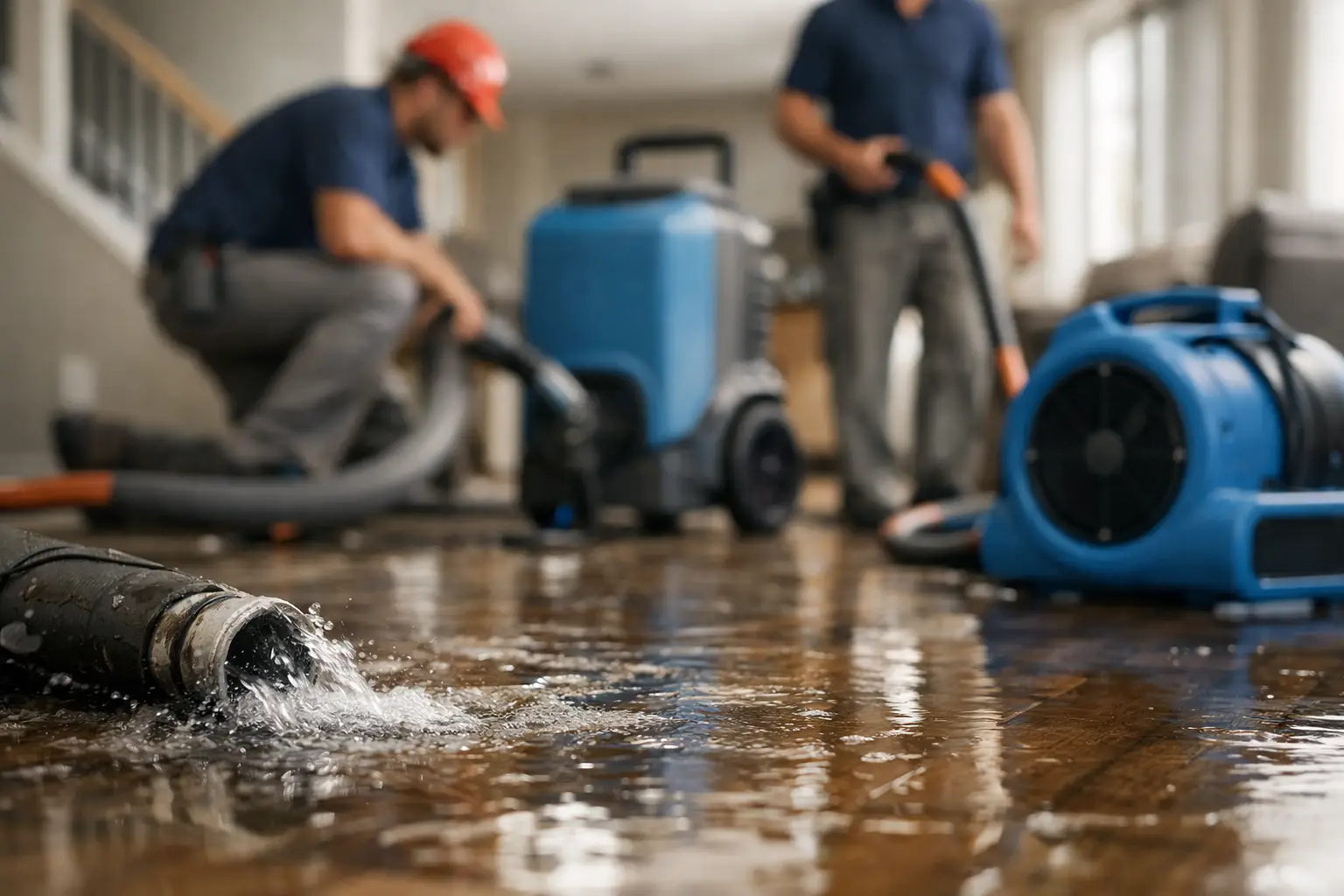
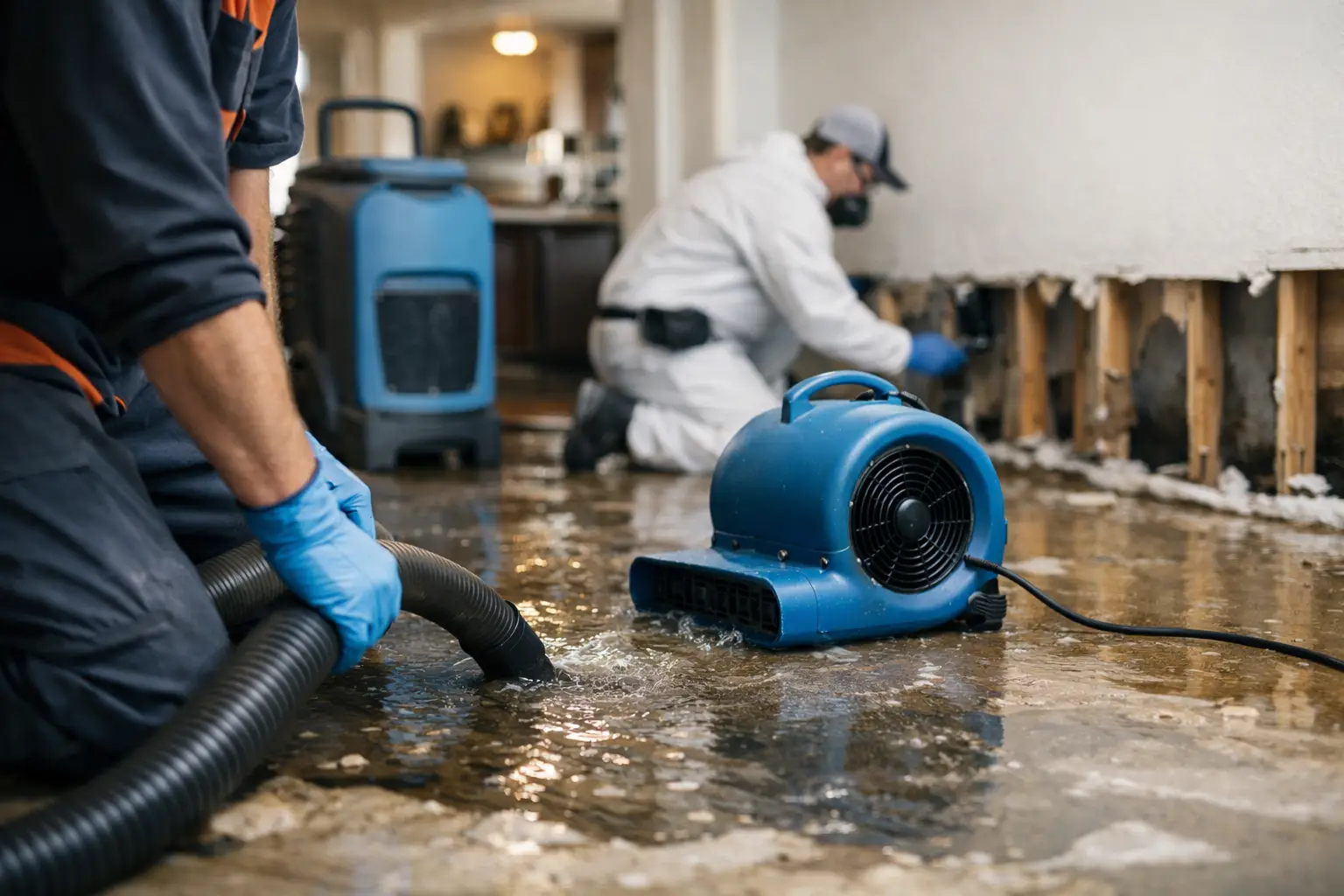 Water Damage
Extraction, structural drying, and moisture mapping after floods, leaks, and burst pipes.
Get help now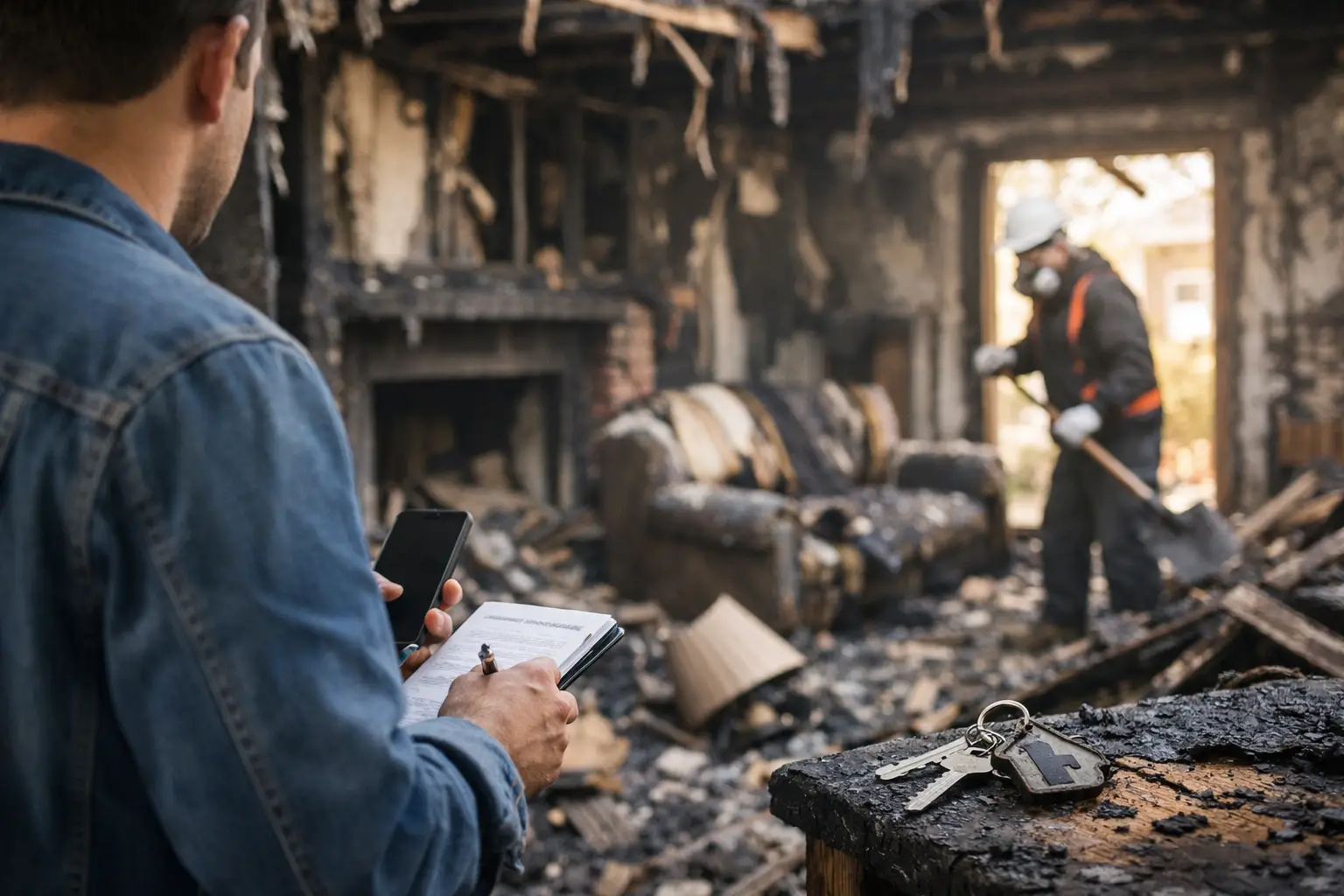 Fire & Smoke
Soot removal, odor deodorization, and content cleaning after fire and smoke damage.
Learn more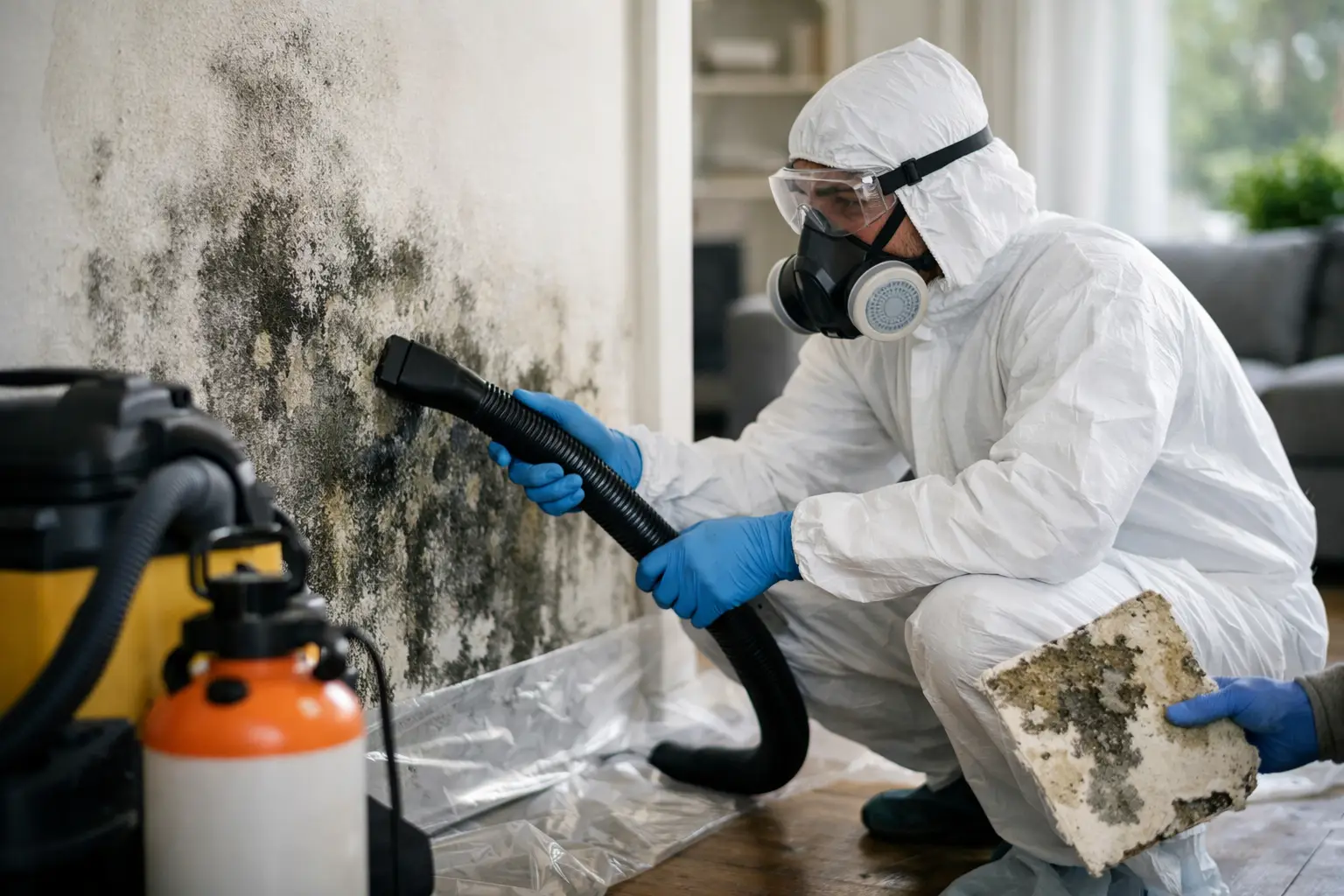 Mold
MoldContainment, removal, and moisture control that stops mold from coming back.
Learn more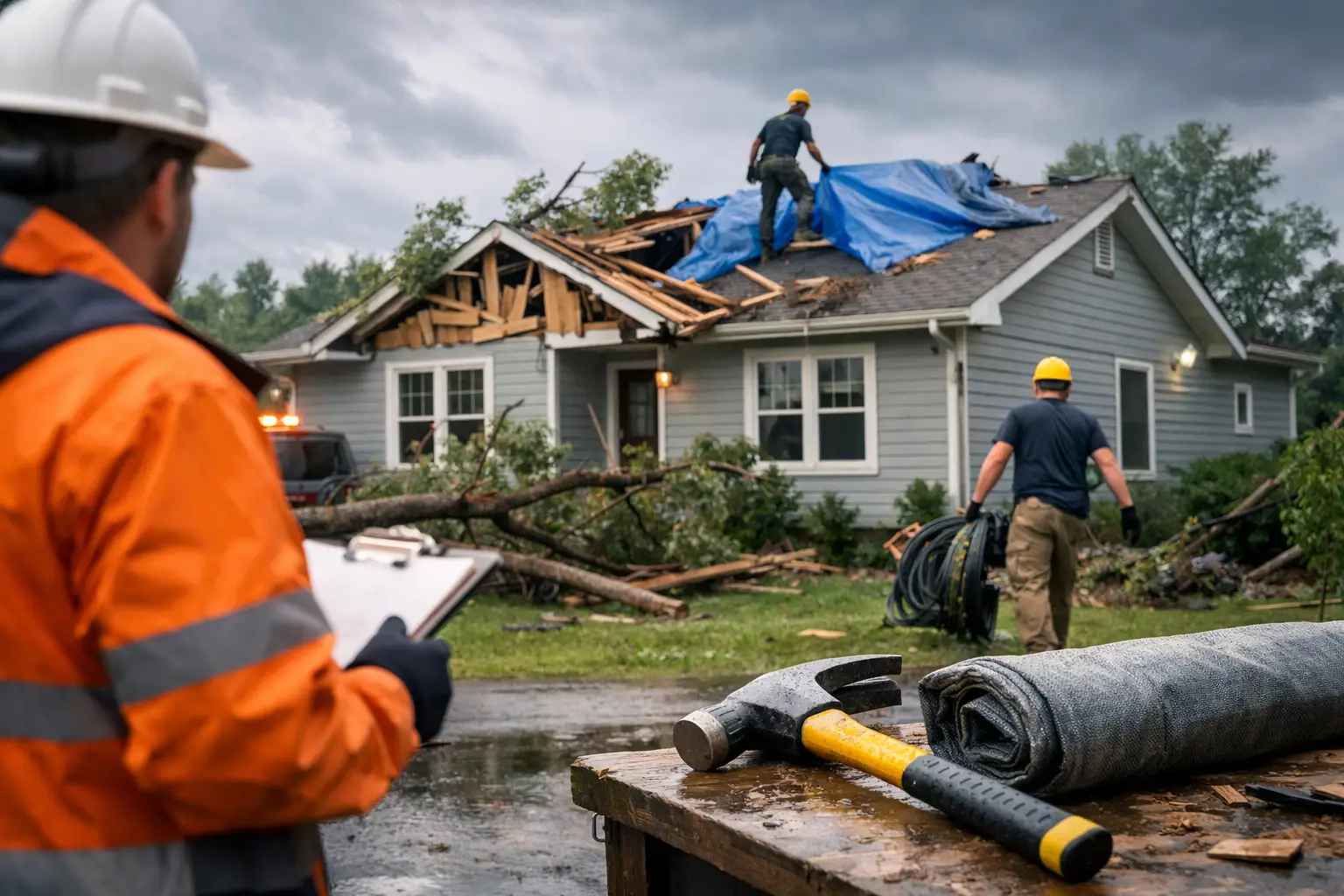 Storm
StormEmergency board-up, roof tarping, and full recovery after wind, hail, and storms.
Learn more Sewage
Safe biohazard cleanup and sanitizing after sewage backups and overflows.
Learn more Reconstruction
Full rebuild by a licensed general contractor, so your property comes back whole.
Learn moreElevated Operations is an IICRC-certified, licensed general contractor based in Mableton that handles the entire recovery in-house, so after one loss you are never coordinating a cleanup crew, a mold crew, and a contractor separately. One team, one point of contact, from the first pump-out to the final coat of paint.
People call when the property feels like a disaster. They leave reviews because Chris and the crew made it right. These are real, verified Google reviews.
Intown bungalows often have older framing, older trim profiles, and tighter room layouts, so water damage can turn a small visible issue into a broader rebuild. I look for what was actually affected, not just what looks stained. If the wall cavity, subfloor, or adjacent finishes are compromised, reconstruction becomes the correct path.
Creek basements are exposed to repeated moisture risk, so the visible damage is often only part of the problem. Drywall repair may be needed, but I also check framing, flooring, insulation, and hidden cavities for damage repair. If those areas are affected, the job is reconstruction, not a surface patch.
Roof repair addresses the entry point, while reconstruction restores the interior or structural areas that got damaged after the leak or storm intrusion. If ceilings, walls, or floors were affected, the roof fix alone is not enough. I handle the rebuild once the source is corrected and the damaged materials are identified.
The line is crossed when the damage is no longer just cosmetic. If framing repair, flooring repair, or structural repair is needed, I call it reconstruction. That usually happens when water, fire, or impact has gone behind the finish surfaces and affected the materials that hold the room together.
Yes, and it often should. Fire damage cleanup clears soot, odor, and debris, but it does not rebuild compromised drywall, subflooring, trim, or framing. In older Atlanta bungalows, hidden heat damage can show up in more places than homeowners expect, so I inspect carefully before the rebuild starts.
Yes. I offer direct insurance billing, and that matters when the job has both cleanup and reconstruction phases. It keeps the process cleaner for the homeowner and helps move the claim forward without making you manage every invoice and trade detail on your own.
I back our work with a 12-month warranty. That applies after the rebuild is complete and gives homeowners a clear point of contact if something related to our reconstruction needs attention. I want the repaired area to hold up, not just look right on day one.
We can provide deductible assistance up to $1,000 on qualifying jobs. I explain it plainly during the claim and rebuild conversation, because homeowners dealing with property reconstruction are already under enough pressure. The goal is to make the process more manageable without cutting corners on the actual work.
Elevated Operations dispatches IICRC-certified crews across Metro Atlanta from our Mableton base, with a 60-minute emergency response day or night. Choose your city:
Call now for an immediate response, or request your free inspection and get a certified crew on-site within the hour across Atlanta and nearby areas.