24/7 Emergency Restoration · Serving Metro AtlantaEmergency? (770) 404-6895
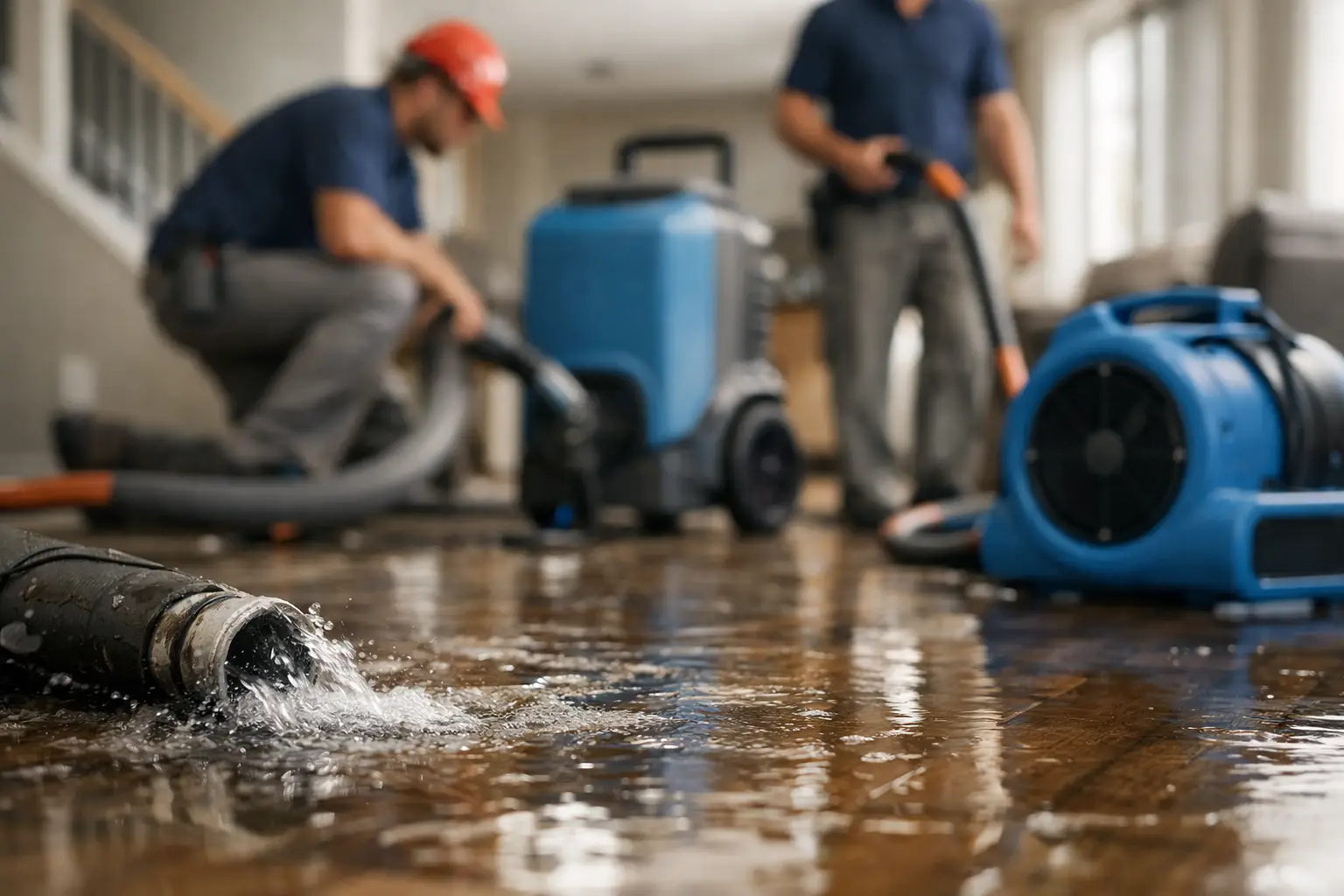
Mold removal services in Union City are not just about wiping surfaces, they are about finding moisture, stopping spread, and fixing the conditions that let mold grow. In south Fulton I-85 subdivisions, I look at the source, the affected materials, and the air quality before I call the job done.
IICRC-Certified · 5-Star Rated · 60-Minute Response · Insurance Billed Directly
Yes. A musty room often means moisture is active somewhere nearby, and inspection tells you whether the problem is surface-level or hidden inside the structure.
I do. Cleanup without repair leaves the job half-finished, so I treat mold damage repair as part of the full restoration process.
Fast. Mold can start in 24 to 48 hours after water exposure, so delayed drying gives growth a head start.
Then moisture control becomes the priority. Crawlspace mold usually points to ventilation or humidity issues, and cleanup has to address both the growth and the condition beneath the home.
Mold removal services are a process for finding, containing, cleaning, and repairing mold-affected materials so the problem does not keep spreading. In Union City, IICRC-certified technicians use mold inspection, containment, HEPA vacuuming, air scrubbing, and mold damage repair when the structure calls for it.
Mold removal is not one action, and it is not just mold cleanup. It starts with identifying where moisture entered, what materials were affected, and whether the growth is on a visible surface or deeper in porous building materials. That distinction matters in south Fulton I-85 subdivisions where leaks can hide behind walls.
A proper job often includes mold remediation steps that control spread while work is underway. That means sealing the work area, filtering the air, and removing materials that cannot be cleaned safely. I do not treat mold like a stain, because mold is a moisture problem first and a surface issue second.
The goal is simple. Stop the source. Remove contamination. Restore the space. In Union City, that can mean drywall near a window leak, insulation after a roof issue, or crawlspace materials affected by long-term humidity. If the moisture stays, the mold comes back.
Mold shows up when moisture stays long enough for growth to start, and Union City has plenty of ways water can linger in homes and townhomes. Around south Fulton I-85 subdivisions, the common triggers are plumbing leaks, roof leaks, crawlspace moisture, poor ventilation, and past water damage that never dried correctly.
Mold starts in 24 to 48 hours after the right moisture event, so a small leak can become a much bigger restoration problem quickly. That is why I ask about recent storms, AC issues, dishwasher leaks, and toilet overflows. The timeline tells me where to look and how far the damage may have traveled.
The housing stock matters too. In neighborhoods near the I-85 corridor, I often see homes with tight interiors, attached garages, and rooms that stay closed up. When airflow is limited, condensation and humidity can settle into corners, closets, and wall cavities, especially if the HVAC system is struggling.
Crawlspaces and basements are not the only concern. A bathroom fan that does not vent well, a slow sink leak, or a window that lets water wick into the sill can create mold growth just as easily. In Union City, the problem is often not dramatic, just persistent.
You may need mold removal services if you smell a musty odor, see discoloration, or had a water event and the area stayed damp. In Union City, I also look at hidden signs like peeling paint, warped trim, soft drywall, and recurring allergy symptoms in a room near the moisture source.
A visible spot is only one clue. Sometimes the bigger warning is what the room feels like, stale, damp, or different from the rest of the house. That is when a mold inspection makes sense. I use the evidence in front of me, then trace it back to the water path.
If the damage is in a closet, behind a vanity, under flooring, or near an exterior wall, do not assume the surface is the whole story. Mold can grow behind finishes and show up later at the edges. In south Fulton I-85 subdivisions, I see that pattern often after small leaks stay hidden.
I also pay attention to the material itself. Non-porous surfaces can often be cleaned. Porous materials like drywall, carpet pad, and insulation may need removal if contamination is established. That is why guessing is expensive. The wrong call leaves mold in place, and the smell returns.
Mold removal services usually include inspection, containment, removal of affected materials, HEPA vacuuming, air scrubbing, cleaning of salvageable surfaces, and mold damage repair where needed. In Union City, I also document the work for direct insurance billing when the claim applies.
The first step is a real inspection, not a glance from the hallway. I identify the moisture source, the spread, and the materials involved. Then I decide what can be cleaned and what has to come out. That judgment is the difference between a temporary fix and a lasting repair.
Containment keeps spores and dust from traveling into the rest of the home. Air scrubbing helps capture airborne particles during the work, and HEPA vacuuming is used to clean surfaces after demolition or cleaning. Those steps matter in occupied homes, especially when the job is inside a bedroom or near a main living area.
Once the affected area is clean and dry, repairs begin. That may include replacing drywall, trim, or other damaged materials and restoring the area to pre-loss condition. I have been in restoration since 2007, and I do not stop at cleanup if the structure still needs to be put back together.
Mold removal services should remove the growth and address the moisture source, but they are not the same thing. If the leak, humidity, or drainage problem stays in place, mold can return. In Union City, the source is often a plumbing issue, ventilation problem, or crawlspace moisture.
This is where many jobs fail. People clean the visible mold and never fix the water problem. I do not work that way. If the source is not corrected, mold remediation is only a pause, not a solution. You need both the cleanup and the moisture control.
Source control can be simple or involved. It might be a failed supply line, a bath fan that does not move air, or a saturated material hidden in a wall cavity. In south Fulton I-85 subdivisions, I often trace problems back to small leaks that stayed active long enough to soak framing.
The point is not just to remove what you can see. It is to stop the conditions that let mold keep growing. When that is done correctly, the home dries out, the odor clears, and the repair work has a chance to last.
Professional mold remediation follows a sequence: inspect, contain, remove, clean, dry, and repair. In Union City, I use that process to limit spread, protect the rest of the property, and make sure the home is dry before reconstruction starts.
Step one is assessment. I look at where the water came from, how far it traveled, and whether the growth is active. Step two is containment, because disturbing mold without control can spread debris into clean rooms. That is basic restoration discipline, not extra caution.
Then comes removal and cleaning. Damaged porous materials are taken out, salvageable areas are cleaned, and the work zone is treated with HEPA vacuuming and air scrubbing as needed. If the job includes only surface growth, the approach is different than if framing or insulation is affected.
The last step is drying and repair. I verify the area is ready before rebuilding begins, because covering damp material is how mold damage repair turns into repeat work. That is why I stay focused on the whole structure, not just the part people can see.
If water keeps entering a home, mold keeps getting a chance to grow. In Union City, the source may be a leak, poor ventilation, or crawlspace humidity, and cleanup fails if that moisture path is ignored.
Mold often spreads behind drywall, under flooring, or around window frames. A small spot in a south Fulton I-85 subdivision can hide a larger problem inside the wall cavity.
A good job does not send dust and spores through every room. Containment, air scrubbing, and HEPA vacuuming help keep the work area controlled while the affected materials are removed.
If materials stay damp, mold can return. Professional mold remediation should end with a dry structure and repairs that do not trap moisture behind new finishes.
Direct insurance billing can reduce back-and-forth during a claim, and deductible assistance up to $1,000 may help on qualifying jobs. I keep the process organized so the restoration work and documentation match.
From emergency mitigation to full reconstruction, handled in-house so you are never managing a chain of subcontractors mid-crisis.
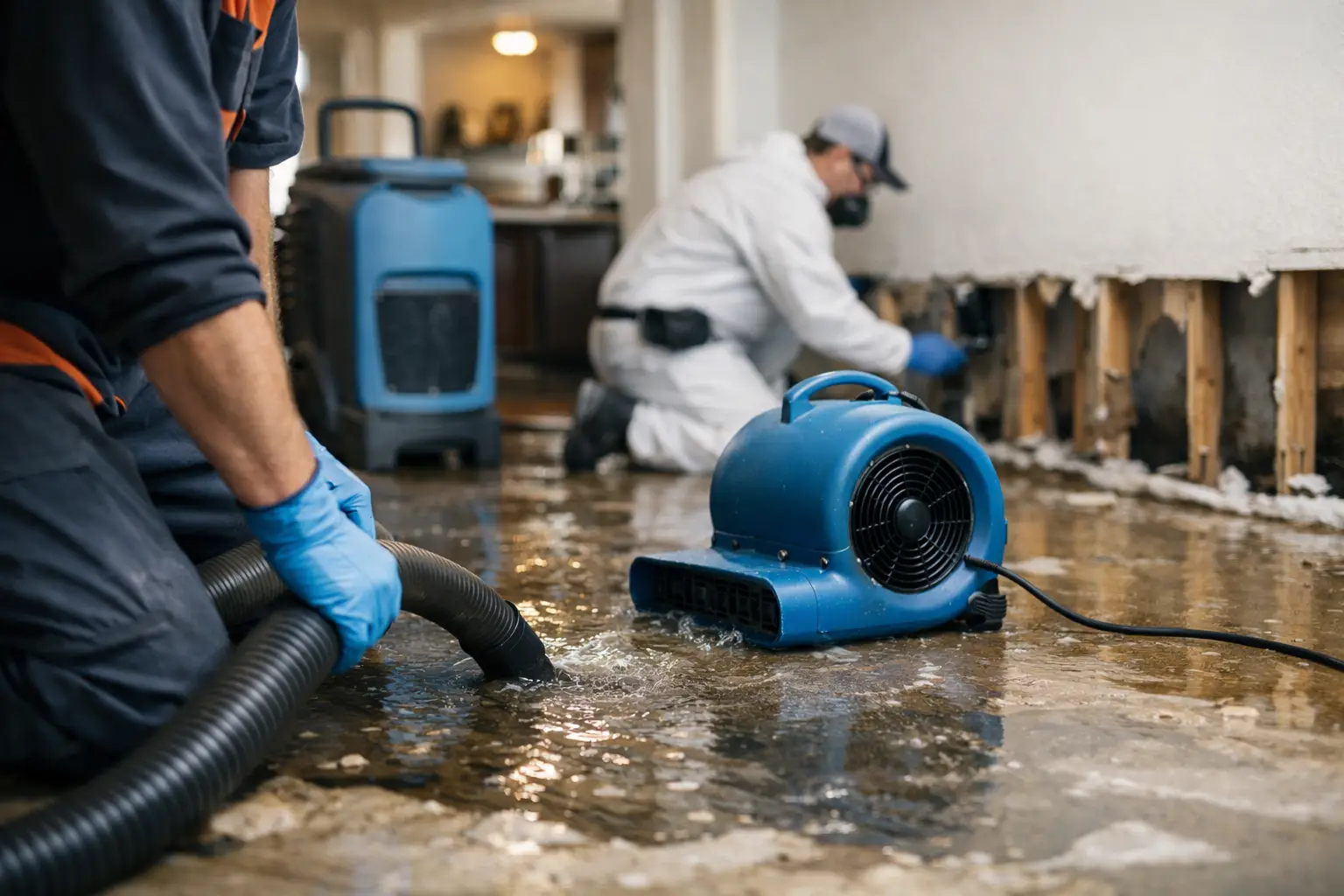 Water Damage
Extraction, structural drying, and moisture mapping after floods, leaks, and burst pipes.
Get help now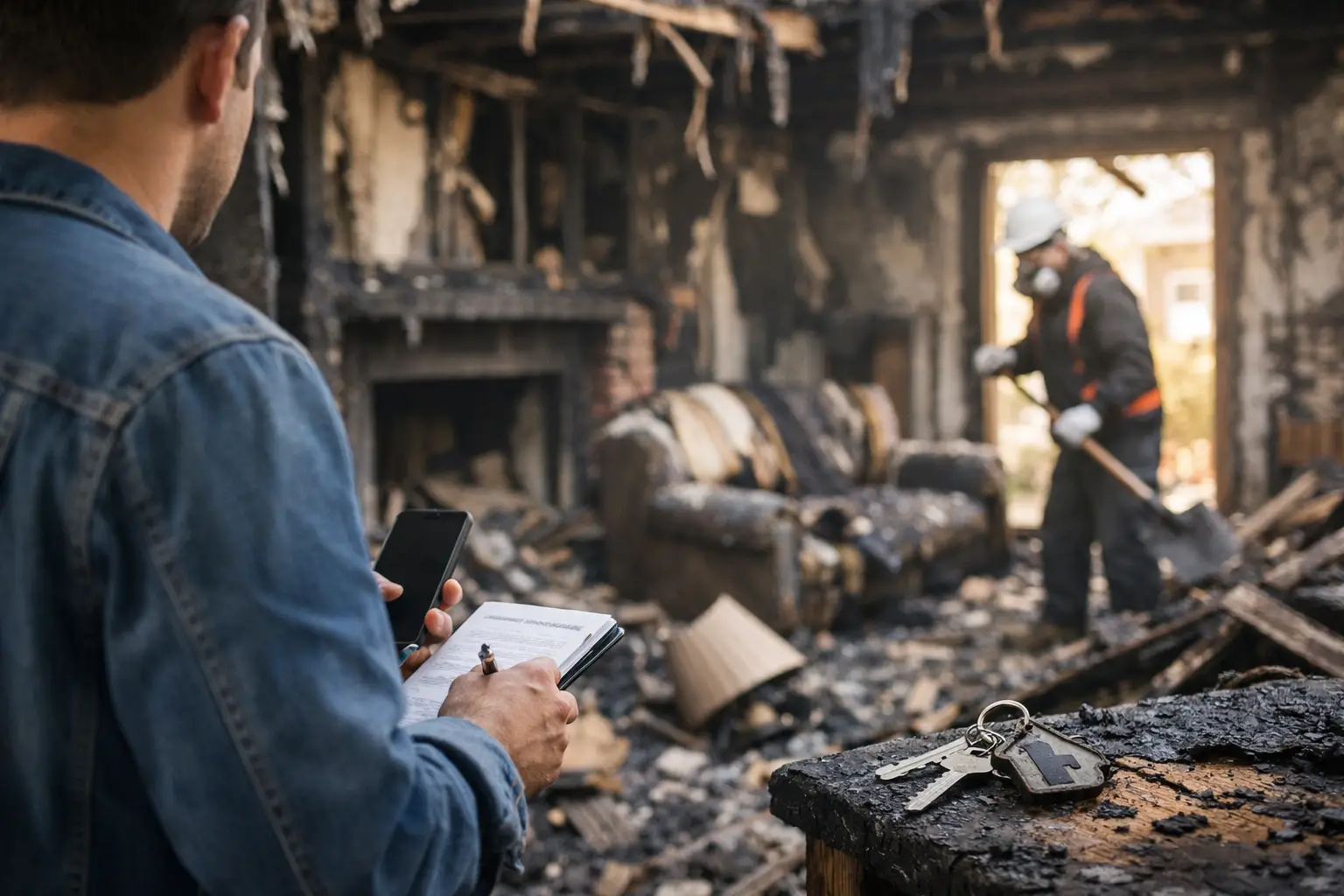 Fire & Smoke
Soot removal, odor deodorization, and content cleaning after fire and smoke damage.
Learn more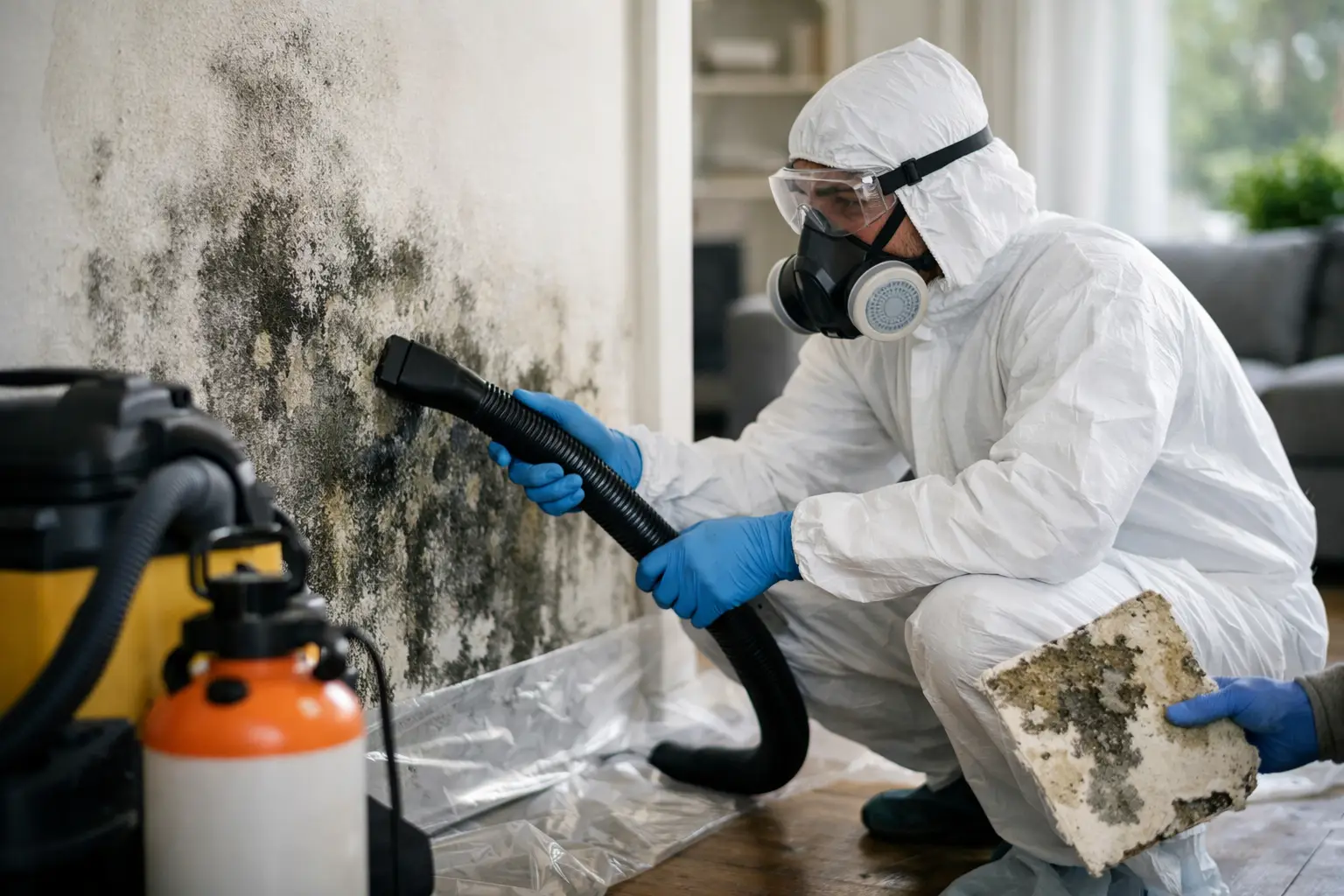 Mold
MoldContainment, removal, and moisture control that stops mold from coming back.
Learn more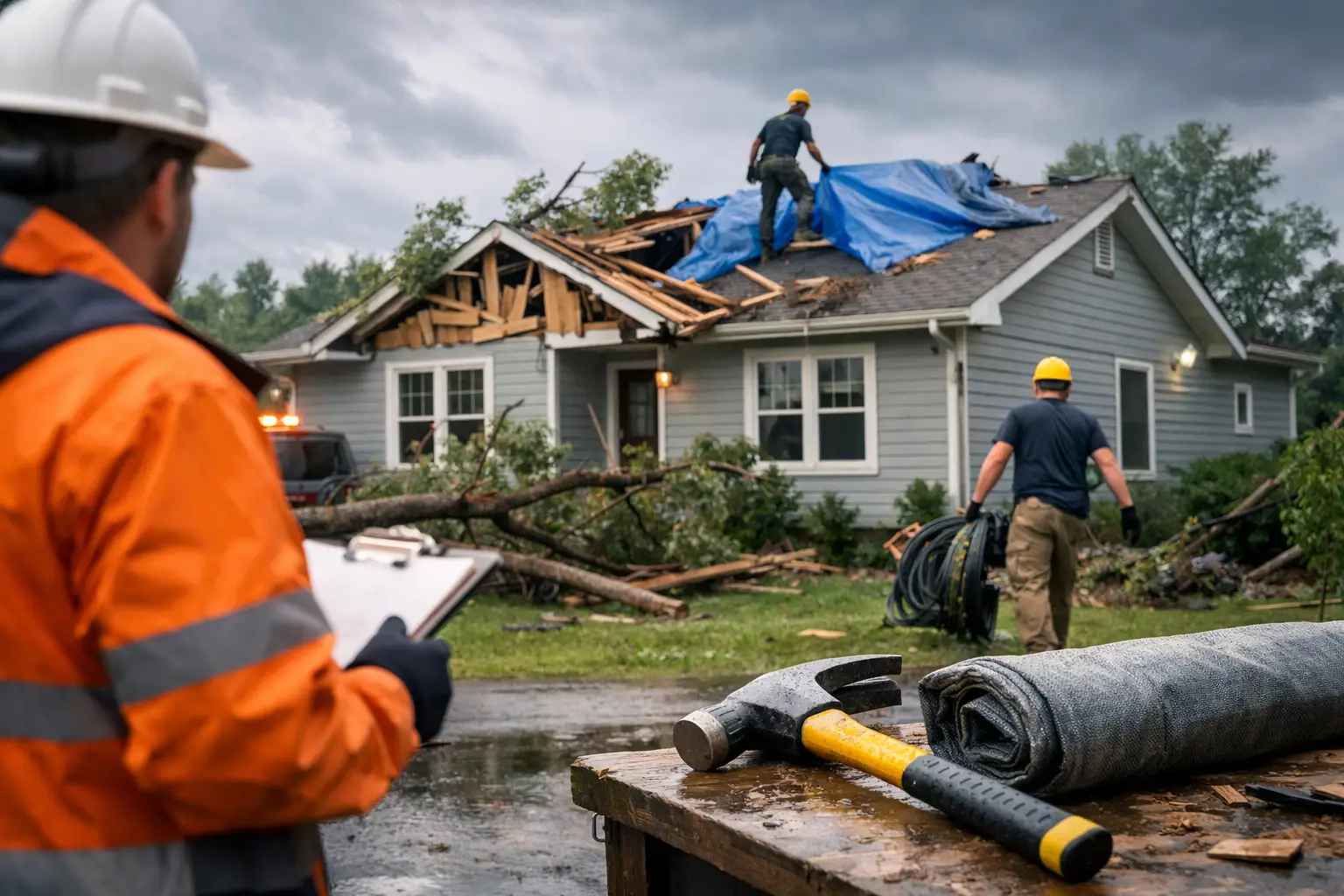 Storm
StormEmergency board-up, roof tarping, and full recovery after wind, hail, and storms.
Learn more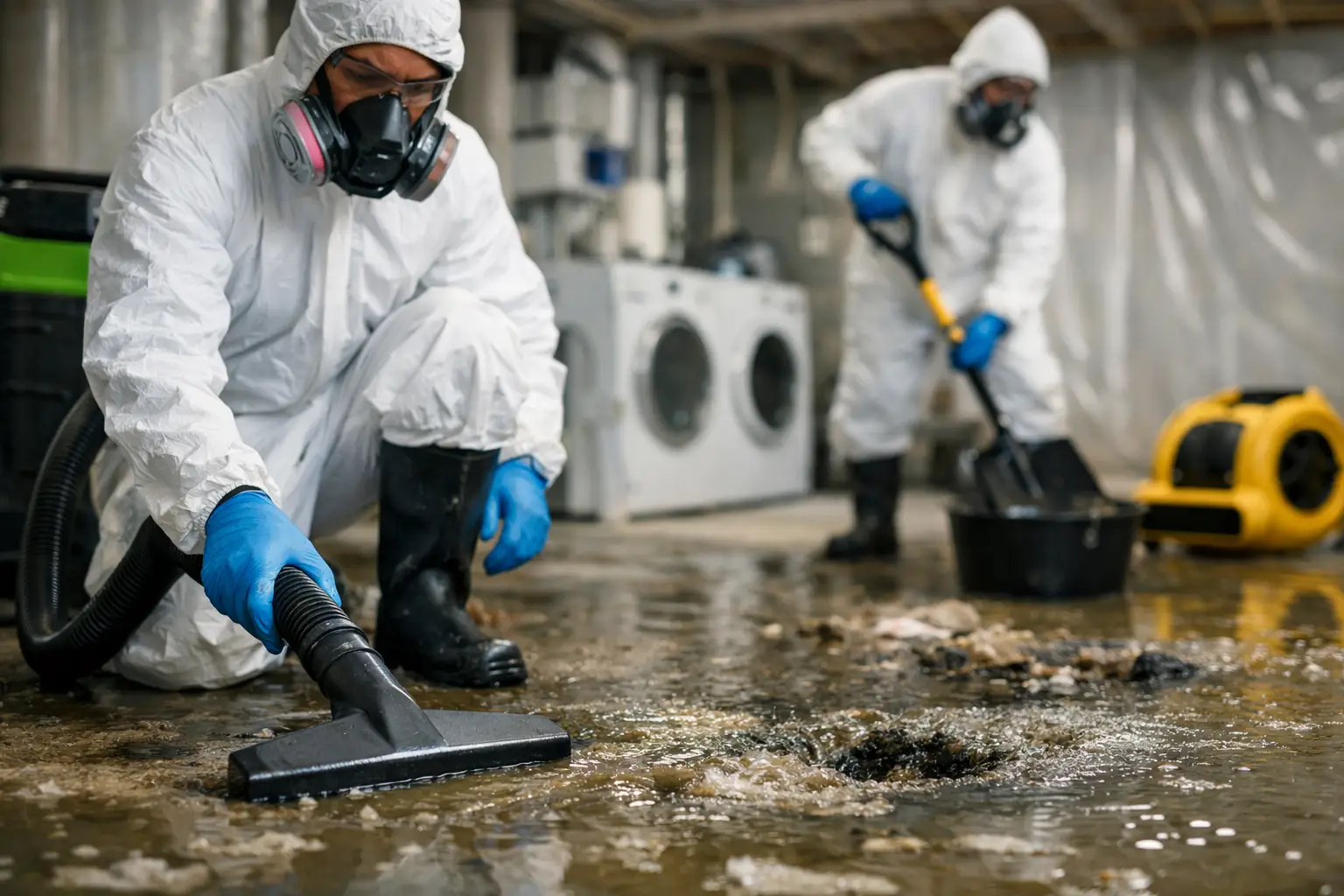 Sewage
Safe biohazard cleanup and sanitizing after sewage backups and overflows.
Learn more Reconstruction
Full rebuild by a licensed general contractor, so your property comes back whole.
Learn moreElevated Operations is an IICRC-certified, licensed general contractor based in Mableton that handles the entire recovery in-house, so after one loss you are never coordinating a cleanup crew, a mold crew, and a contractor separately. One team, one point of contact, from the first pump-out to the final coat of paint.
People call when the property feels like a disaster. They leave reviews because Chris and the crew made it right. These are real, verified Google reviews.
In a Union City townhouse, I start by locating the moisture source, because shared walls and compact layouts can hide spread fast. Then I set containment, remove affected materials, clean salvageable surfaces, and verify the area is dry before repairs. Townhomes near the I-85 corridor often have limited ventilation, so airflow and moisture control matter as much as the visible cleanup.
Yes, mold can return if the moisture source is still active or if damp materials were left in place. That is common when a leak was patched but the wall cavity never dried, or when humidity stays high in a closed room. Good mold remediation addresses both the growth and the condition that caused it.
A mold inspection should identify where the moisture came from, what materials were affected, and how far the problem may have traveled. I look beyond the stain, because the important issue is often inside the wall, under flooring, or around trim. In Union City, that step is critical in homes where past water damage may have been covered up.
No, not always. Non-porous surfaces can sometimes be cleaned without demolition, but porous materials like drywall, insulation, and carpet pad may need removal if contamination has taken hold. I decide based on the material, the amount of growth, and whether the item can be cleaned safely without leaving active contamination behind.
The subdivision itself does not cause mold, but the home conditions around it can. Tight interiors, limited airflow, crawlspace humidity, or a leak that goes unnoticed all give mold time to grow. Once moisture sits long enough, the growth can spread from a small area into a bigger restoration issue.
After cleanup, the affected area should be dry, cleaned, and ready for mold damage repair if reconstruction is needed. That can include replacing drywall, trim, or other finishes. The key is that the source has been handled first. If the home is rebuilt over moisture, the same problem can return.
Air scrubbing helps capture airborne particles while the work is happening, especially when materials are being removed. It is one part of a controlled process that also includes containment and HEPA vacuuming. In a lived-in Union City home, that matters because the goal is to keep the affected area isolated from clean rooms.
If the mold resulted from a covered water loss, a claim may apply, and I handle direct insurance billing to keep the process simpler. I am a licensed general contractor and owner Chris Kwangwari runs Elevated Operations, LLLP from Mableton. We have been in restoration since 2007, and I document the work so the claim file stays organized.
Elevated Operations dispatches IICRC-certified crews across Metro Atlanta from our Mableton base, with a 60-minute emergency response day or night. Choose your city:
Call now for an immediate response, or request your free inspection and get a certified crew on-site within the hour across Atlanta and nearby areas.