24/7 Emergency Restoration · Serving Metro AtlantaEmergency? (770) 404-6895
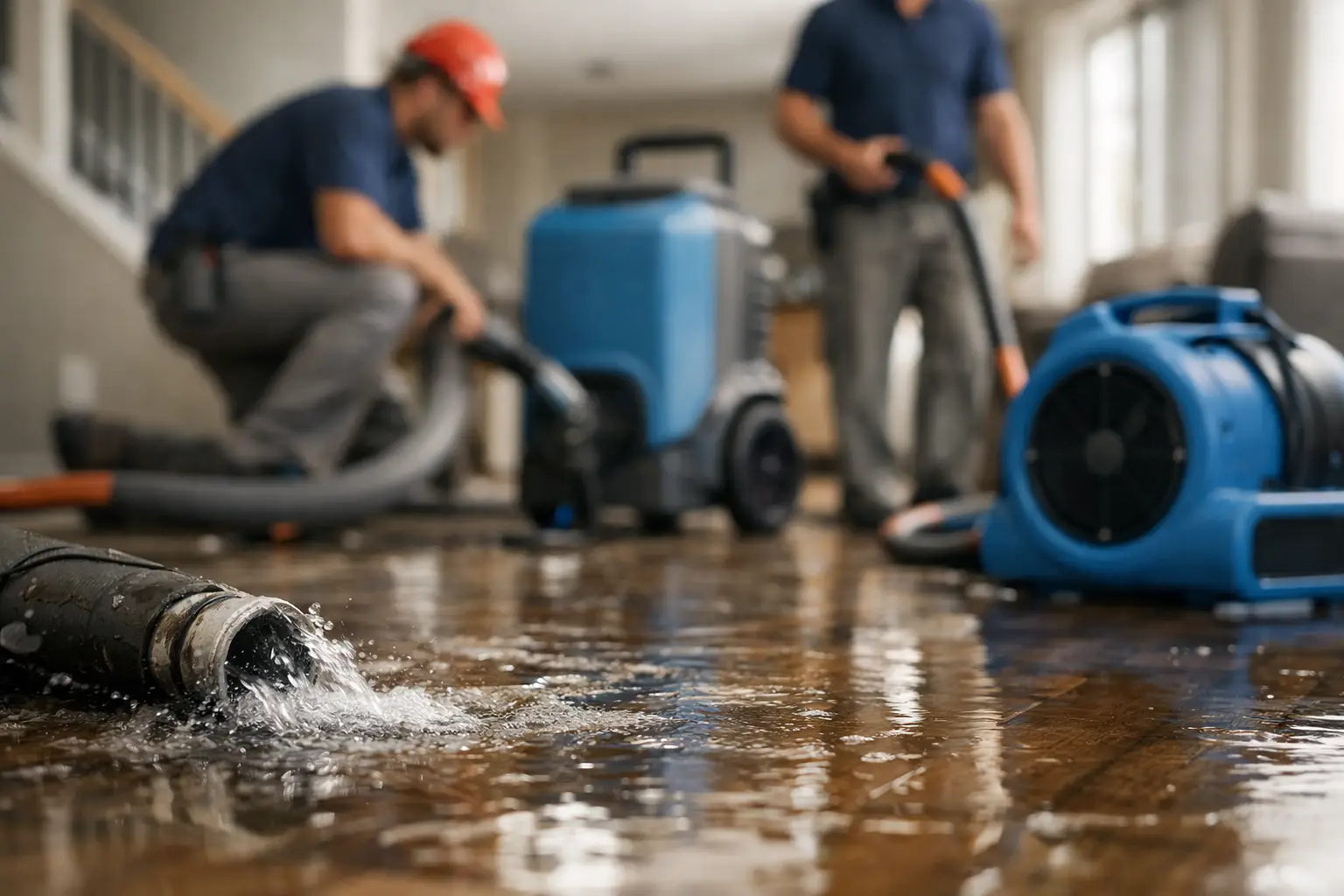
Water mitigation services in Vinings start with one decision, stop the water fast or let it spread into trim, drywall, and subfloors. I handle the comparison the right way, because condos near the Chattahoochee and upscale Cobb homes need different calls on drying, restoration, replacement, and mold risk.
IICRC-Certified · 5-Star Rated · 60-Minute Response · Insurance Billed Directly
Yes. Condos need fast control, moisture mapping, and careful communication because water can affect more than one unit. I treat those losses with the same urgency as a house.
Yes, 24/7. I respond fast because standing water gets worse quickly, especially in tight condo layouts and finished homes near the Chattahoochee.
Yes. I offer direct insurance billing and I help with the deductible up to $1,000 when eligible. That keeps the claim process cleaner for owners.
I am the owner, Chris Kwangwari, and I have been in restoration since 2007. My team is IICRC-certified, licensed as a general contractor, and I stand behind the work with a 12-month warranty.
Water mitigation services in Vinings include water extraction, dehumidification, containment, structural drying, and moisture control, then a clear decision on what can be saved. In condos and single-family homes near the Chattahoochee, the goal is to stop spread fast and prevent hidden damage.
I start by finding where the water moved, not just where it showed up. In Vinings, that matters in stacked condos, split-level homes, and finished basements where water can track under flooring or behind baseboards before anyone notices it.
Then I use drying equipment, targeted water extraction, and dehumidification to bring the structure back under control. That is loss mitigation, plain and simple, because every hour of wet materials raises the chance of repairs becoming replacements.
The comparison is simple. If the wet material can be dried and saved, I push restoration. If the material is swollen, delaminated, or contaminated, I recommend removal. I do not blur those lines, especially in higher-end Cobb properties where bad judgment gets expensive.
Restore when the material still has strength, shape, and clean drying potential. Replace when the water has caused swelling, warping, breakdown, or contamination. In Vinings, I often see condo flooring and trim that can be saved, while saturated drywall or particle board usually needs removal.
Restoration makes sense when the material responds to structural drying and moisture control. That is common with solid framing, some wood trim, and surface areas that were caught early. In an upscale Cobb home near the Chattahoochee, preserving original finishes can matter as much as the repair itself.
Replacement wins when the material is not going to recover cleanly. Swollen cabinet bases, buckled flooring, and softened drywall do not improve with wishful thinking. In condos, I also watch for hidden spread into shared assemblies, because that changes the scope fast.
I take a side every time. Save what can be saved, replace what cannot. That keeps the project honest, limits waste, and avoids the expensive mistake of paying twice, once for failed drying and again for a later rebuild.
DIY can handle a small, visible spill if the source is stopped immediately and the affected area is tiny. But for Vinings condos, ceilings, hidden leaks, or anything near electrical, I recommend a pro because proper water extraction, containment, and drying equipment change the outcome.
DIY looks cheaper until the moisture stays trapped. Fans from the hardware store do not equal structural drying, and a wet wall cavity does not care that you mopped the floor. In Vinings, that mistake is common in condos where water moves through assemblies you cannot see.
A pro brings IICRC-certified technicians, direct insurance billing, and the judgment to separate surface wetness from hidden saturation. That matters when the issue sits above or below another unit, because you need documented loss mitigation, not guesses.
If the water came from a supply line, a toilet, or an appliance and spread beyond a quick wipe-up, I say call me. And if the source is still active, DIY is the wrong play. Stop the flow first, then let a mitigation crew decide what stays and what goes.
Water mitigation should start immediately after the source is stopped, because delay lets water spread, soak deeper, and create bigger repairs. In Vinings condos and homes near the Chattahoochee, fast action matters even more when water reaches flooring, wall cavities, or shared building assemblies.
I do not wait for the ceiling to stain or the floor to buckle. Once water enters a structure, the clock starts on damage spread, odor, and material breakdown. Quick response helps preserve more of the original home and lowers the chance of a bigger reconstruction job.
That is especially true in Vinings, where condos and higher-end homes often have layered finishes and tight assemblies. Water can hide in baseboards, under cabinets, and behind drywall while the visible surface looks manageable. By the time it feels serious, the hidden area may already be worse.
I offer 60-minute emergency response 24/7, because water does not keep office hours. If you are in Cobb County and the leak is active or the room is wet, I want to be on it fast, with the right plan and the right equipment.
During water mitigation, I inspect the source, map the spread, remove standing water, set containment when needed, and begin structural drying. In Vinings condos near the Chattahoochee, I also watch for moisture moving into adjoining units, walls, and shared building materials.
First I look for the source and the path. Then I decide what must be protected, what must be removed, and what can dry in place. That order matters in condo buildings because one unit's leak can become another unit's headache if the spread is not controlled quickly.
Containment may be part of the setup when water has reached multiple areas or when drying needs to stay isolated. I use moisture control and drying equipment to pull the structure back toward normal conditions, not just dry the top layer and call it done.
Vinings properties often mix newer finishes with older details, so I do not force a one-size-fits-all approach. I compare the condition of each material, then give the owner a direct call on restoration versus removal. That is the job, and I stick to it.
No. Water mitigation stops the damage and dries the structure. Water restoration rebuilds or repairs the parts that could not be saved. In Vinings, mitigation comes first, and restoration follows only after I know what the water actually did to the condo or home.
Mitigation is the emergency phase. Restoration is the repair phase. People mix them up all the time, but they are not interchangeable. If you skip mitigation and jump straight to replacement, you may miss materials that could have been saved with proper drying and moisture control.
In an upscale Cobb home near the Chattahoochee, that distinction can protect custom trim, hardwood, and cabinetry. In a Vinings condo, it can also determine whether a shared wall or ceiling needs limited drying or a larger rebuild. The right label matters because the scope changes with it.
I have been in restoration since 2007, and I tell owners the same thing every time. First, stop the water and dry the structure. Then, if damage remains, restoration begins. Call the wrong stage by the wrong name and you risk the wrong repair plan.
| Typical Trigger | Water Damage Restoration | Mold Remediation |
|---|---|---|
| Wet carpet in a Vinings condo after an appliance leak | Water extraction, dehumidification, and structural drying often save the carpet pad and adjacent trim if started quickly. | If the carpet stays wet and hidden under furniture, mold risk rises, especially in tight condo layouts. |
| Buckled wood floor in an upscale Cobb home near the Chattahoochee | Drying may stabilize some boards and protect nearby framing if the source was caught early. | If the floor stayed wet overnight or more, subfloor contamination and mold growth become a real concern. |
| Ceiling stain below a leaking bathroom | Mitigation can dry the cavity, protect the room below, and limit demolition when the leak is recent. | If the ceiling has been wet for long, hidden mold can form behind paint, drywall, and insulation. |
From emergency mitigation to full reconstruction, handled in-house so you are never managing a chain of subcontractors mid-crisis.
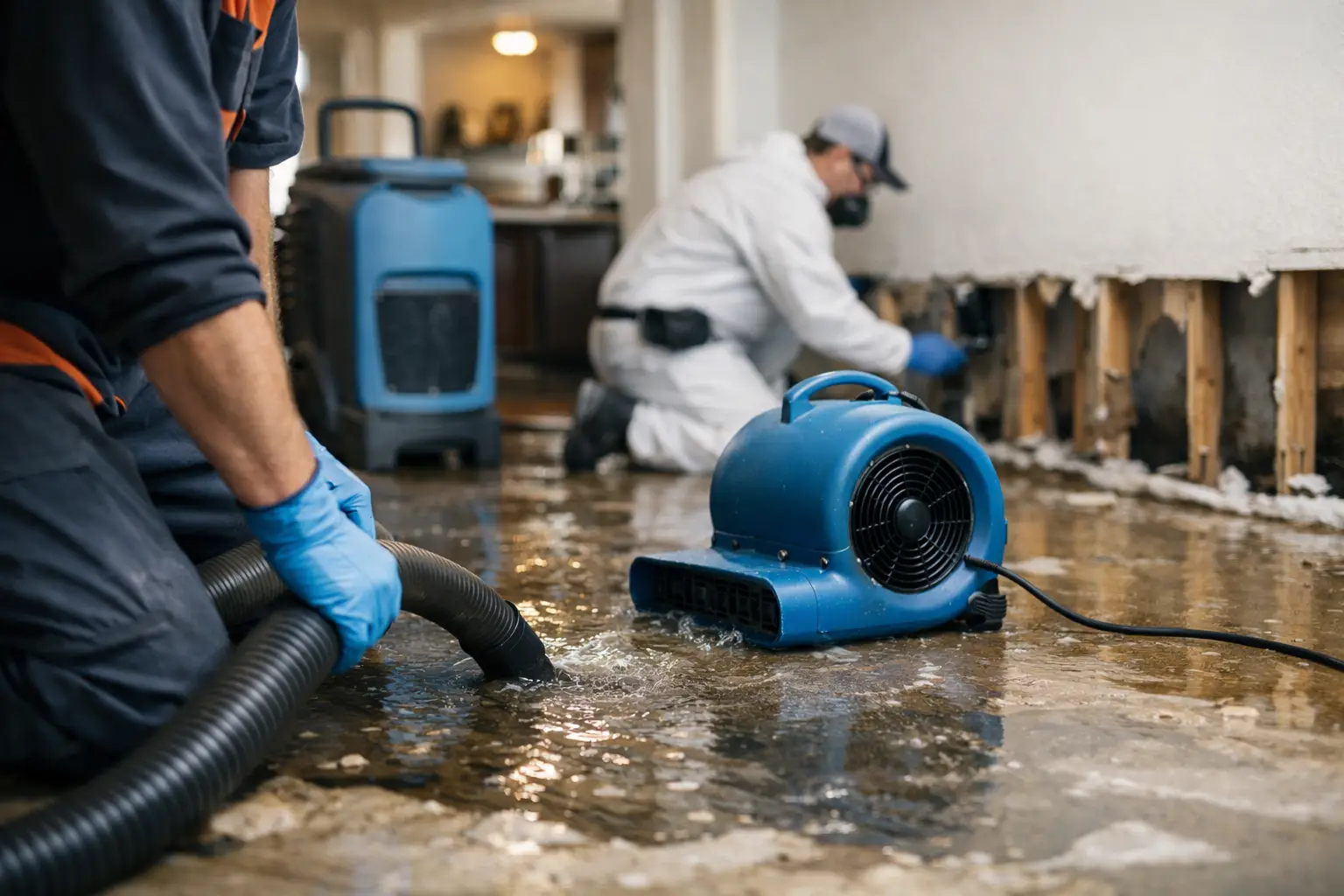 Water Damage
Extraction, structural drying, and moisture mapping after floods, leaks, and burst pipes.
Get help now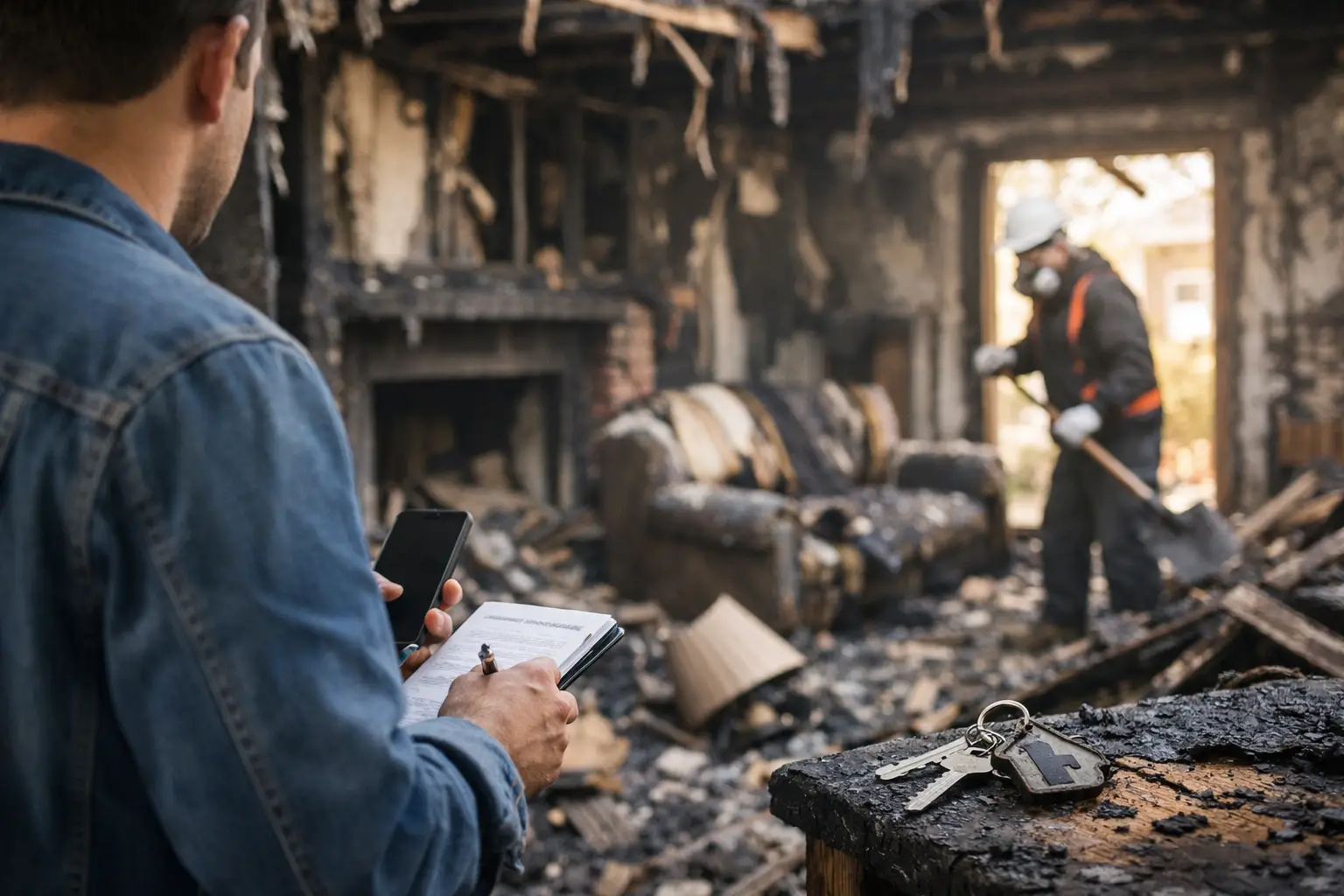 Fire & Smoke
Soot removal, odor deodorization, and content cleaning after fire and smoke damage.
Learn more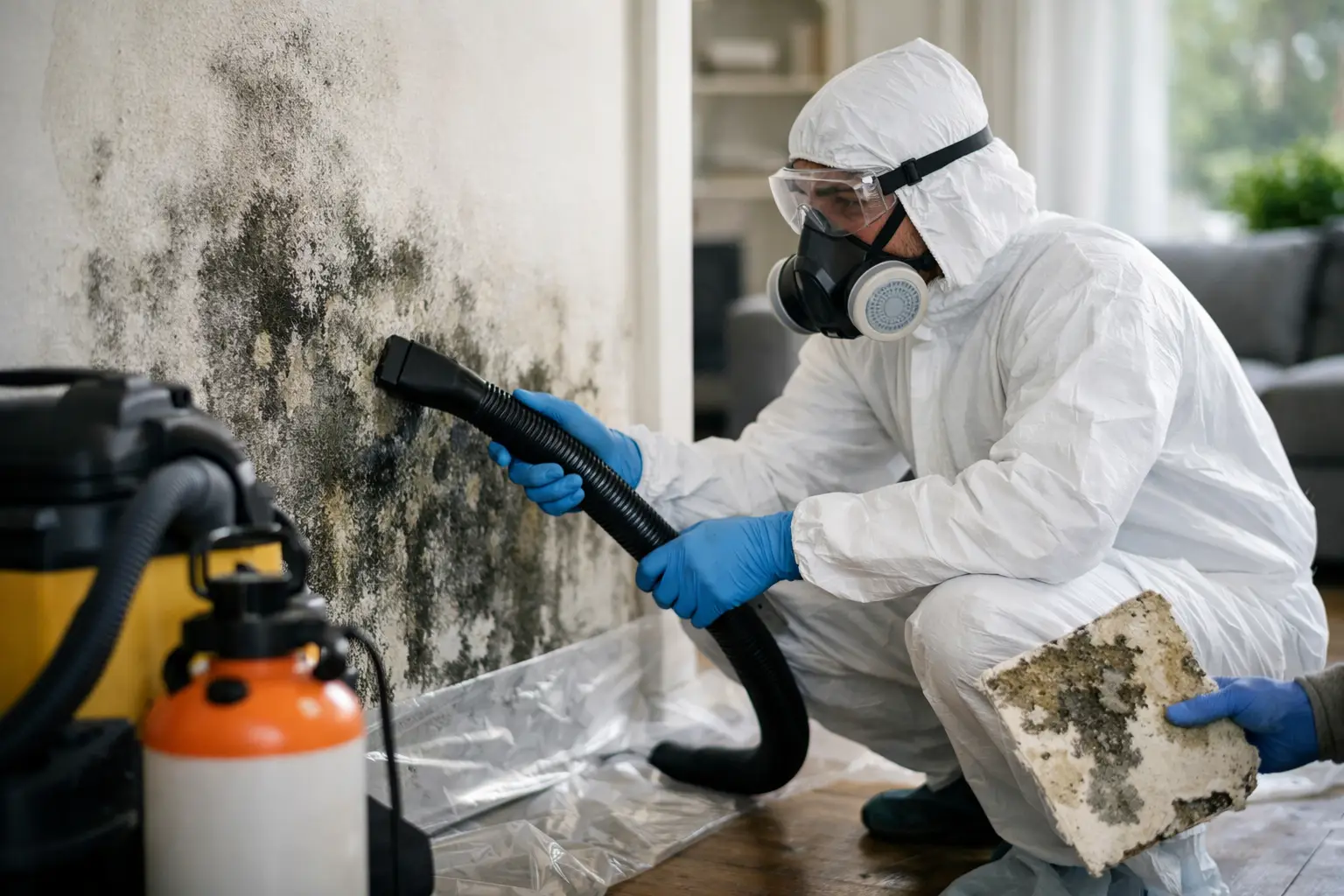 Mold
MoldContainment, removal, and moisture control that stops mold from coming back.
Learn more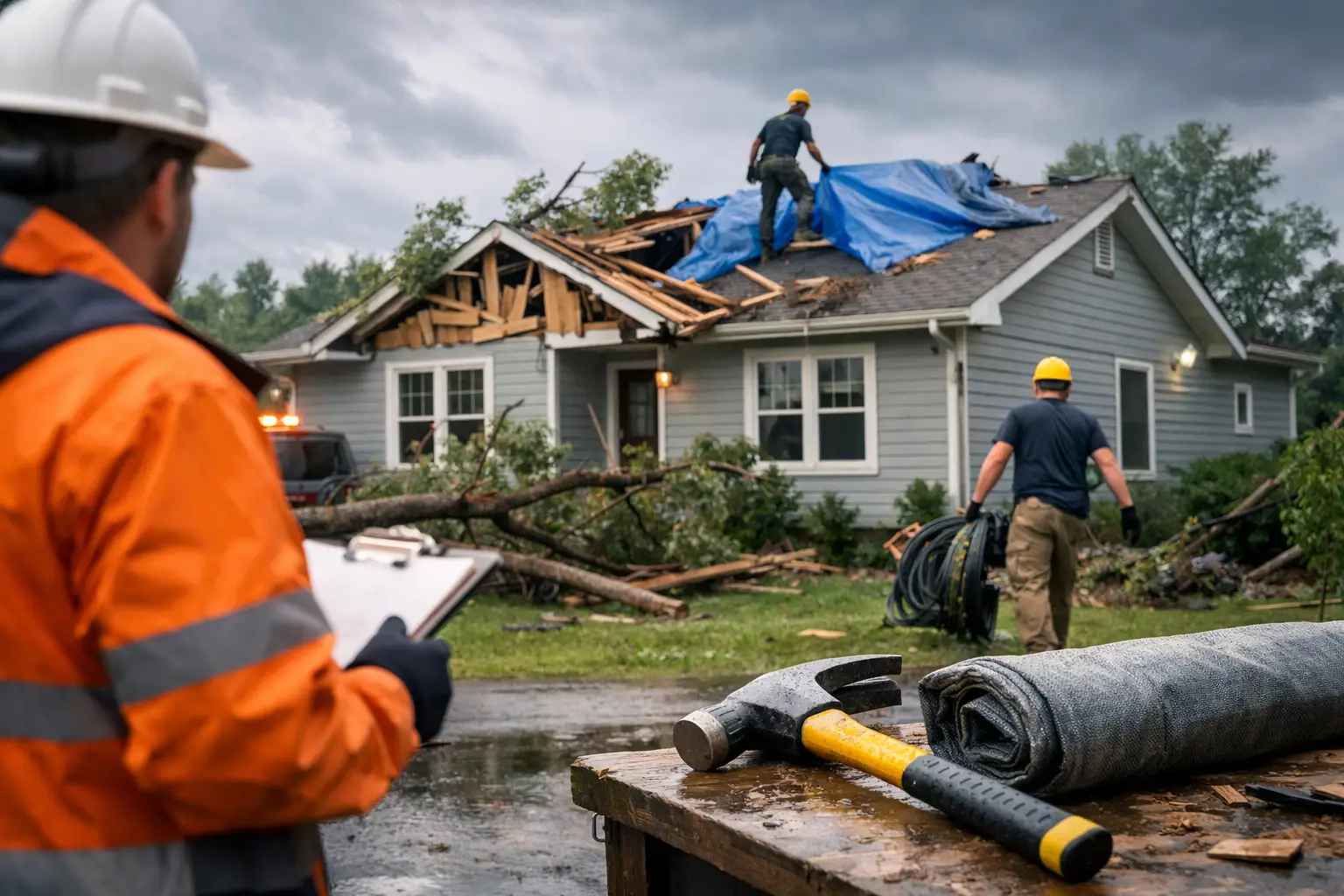 Storm
StormEmergency board-up, roof tarping, and full recovery after wind, hail, and storms.
Learn more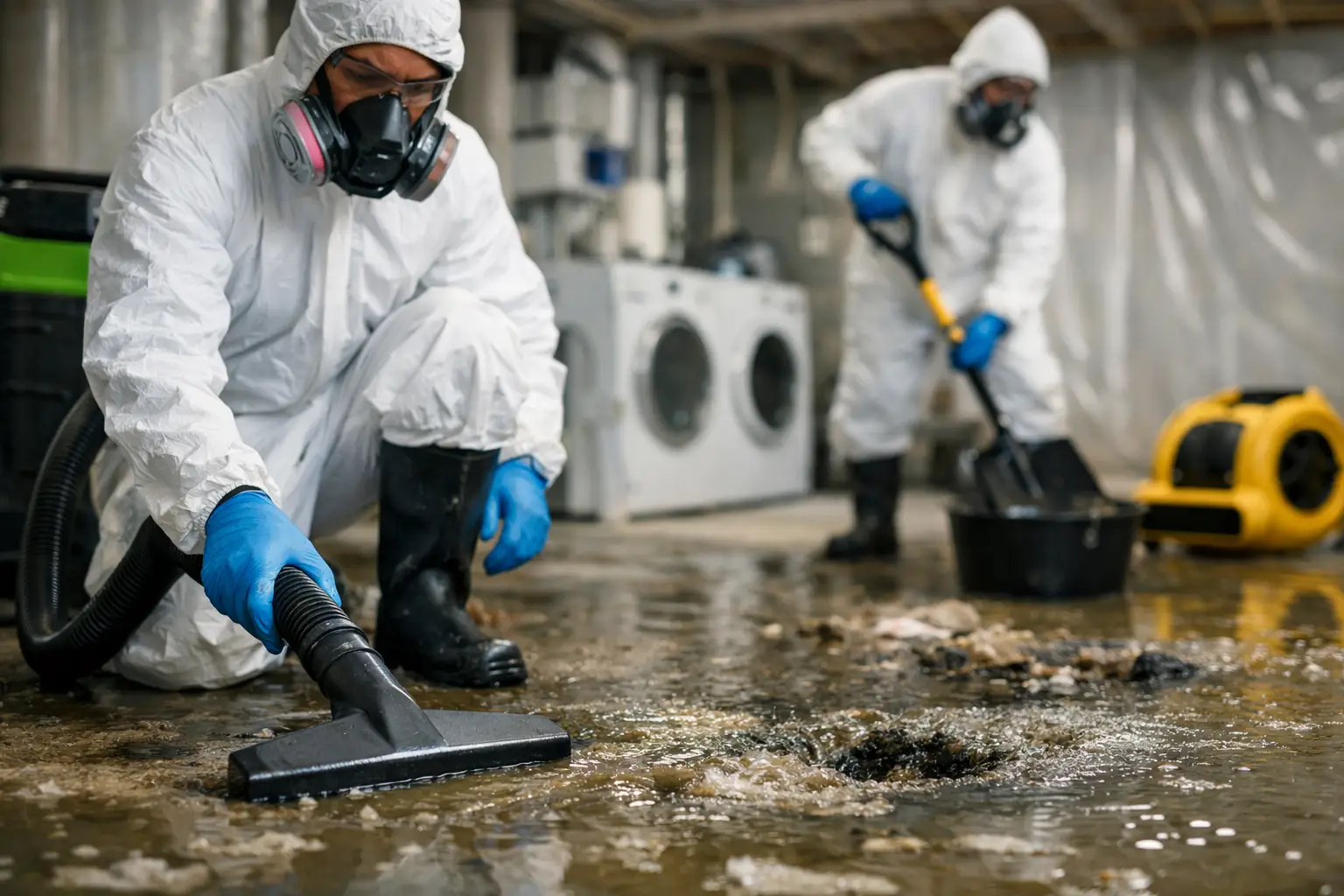 Sewage
Safe biohazard cleanup and sanitizing after sewage backups and overflows.
Learn more Reconstruction
Full rebuild by a licensed general contractor, so your property comes back whole.
Learn moreElevated Operations is an IICRC-certified, licensed general contractor based in Mableton that handles the entire recovery in-house, so after one loss you are never coordinating a cleanup crew, a mold crew, and a contractor separately. One team, one point of contact, from the first pump-out to the final coat of paint.
People call when the property feels like a disaster. They leave reviews because Chris and the crew made it right. These are real, verified Google reviews.
I start with source control, then inspect the affected unit, nearby walls, and any shared assemblies. In Vinings condos, that matters because water can track vertically and sideways before anyone sees it. I use containment when needed, document the spread, and choose drying or removal based on what the materials can still recover from.
Compare the material condition first. If it is solid, clean, and responsive to drying, restoration usually makes sense. If it is swollen, warped, or contaminated, replacement is the safer call. In Vinings, I often preserve trim and framing while replacing saturated drywall or particle board that will not recover.
I look at the type of flooring, how long it stayed wet, and whether the subfloor is intact. Solid materials with early drying can sometimes be saved, but cupped, delaminated, or swollen flooring usually cannot. In Vinings homes and condos, the hidden subfloor often drives the final decision.
I open access where needed, measure moisture, and use water extraction, drying equipment, and dehumidification to dry the concealed space. If the cabinet base or toe kick has broken down, I recommend removal. In Vinings kitchens, that choice often comes down to how far the moisture traveled.
Yes, fast mitigation lowers the mold risk by removing water and drying the structure before growth starts. Mold can begin in 24 to 48 hours, so timing matters. In Vinings, where condos and tightly finished homes trap moisture easily, quick response is not optional, it is the difference between cleanup and a bigger problem.
Stop the source if you can do it safely, then call for emergency mitigation. Do not keep testing wet materials or run fans without a plan. In a Vinings condo, hidden moisture can move into the wall system fast, so the first hour should focus on control, not guesswork.
Direct insurance billing keeps the process simpler once the loss is documented. I handle the paperwork with the carrier so the owner can focus on the property. In Vinings, where damage often involves detailed finishes or condo assemblies, that matters because the claim needs clear records from the start.
Choose mold work when the wet area has been left too long, smells musty, shows visible growth, or keeps reading wet after drying attempts. More drying will not fix material that has already been colonized. In Vinings homes and condos, I compare the condition carefully and call the mold problem when the facts point there.
Elevated Operations dispatches IICRC-certified crews across Metro Atlanta from our Mableton base, with a 60-minute emergency response day or night. Choose your city:
Call now for an immediate response, or request your free inspection and get a certified crew on-site within the hour across Atlanta and nearby areas.