24/7 Emergency Restoration · Serving Metro AtlantaEmergency? (770) 404-6895
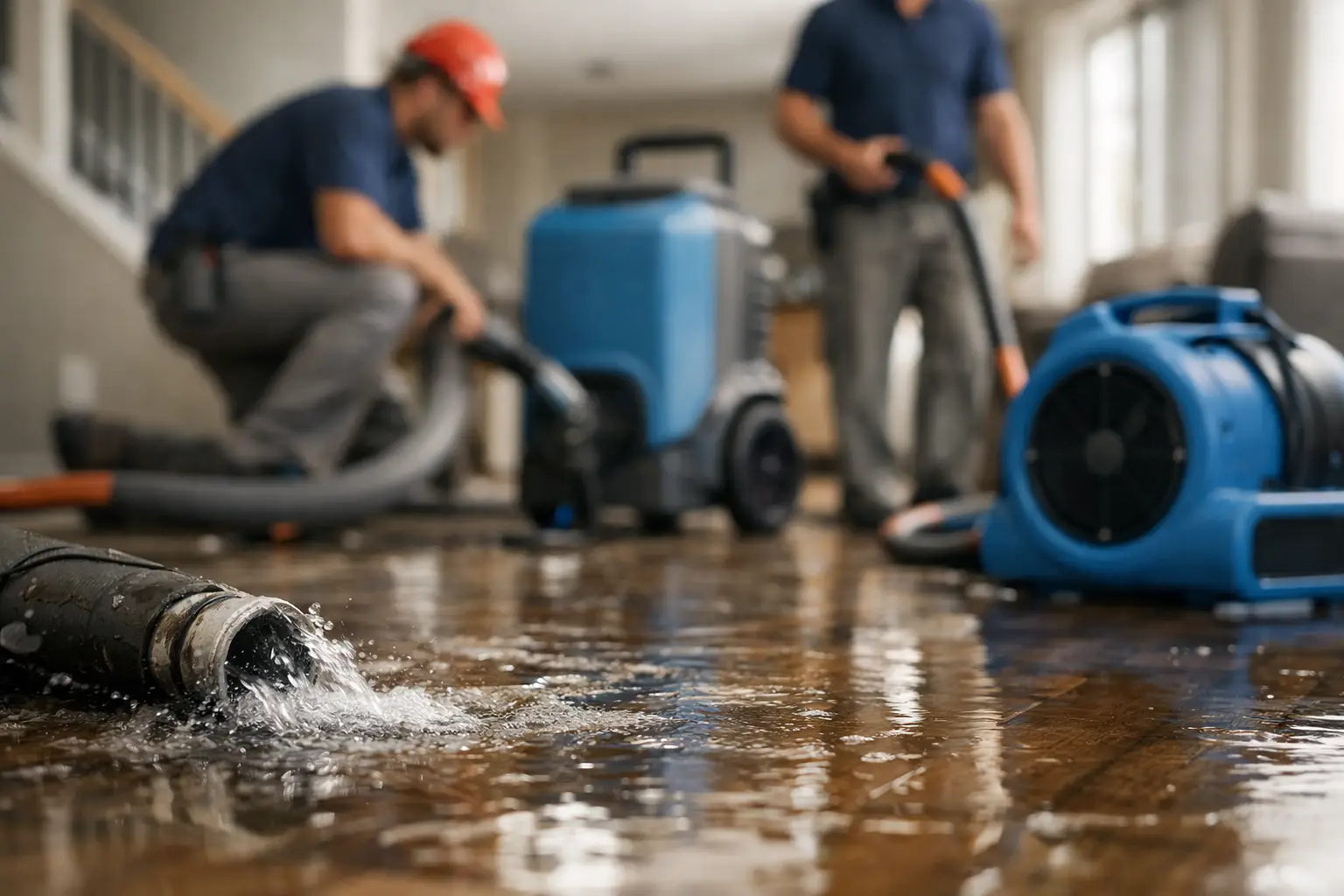
Crawl space mold removal in Rex starts with one question: is this a water problem, a mold problem, or both? In unincorporated Clayton County, I look at older homes, damp crawl spaces, and the source before I touch anything. I own Elevated Operations, LLLP, and I handle the comparison cleanly, then I fix the right thing.
IICRC-Certified · 5-Star Rated · 60-Minute Response · Insurance Billed Directly
I handle it with fast moisture control, cleanup, and a clear comparison of repair versus replacement.
I look at the moisture source first, then tell you if encapsulation is worth it or too much.
I separate the source from the growth so you do not pay for the wrong fix.
I offer direct insurance billing, and I document the work with a licensed general contractor on the job.
Mold in a Rex crawl space usually starts with moisture intrusion, poor ventilation, or wet wood, and water damage often shows up first. I separate the two by checking active leaks, ground moisture, and fungal growth, because older Clayton County homes often have both problems at once.
Unincorporated Clayton has a lot of older homes that were not built with modern moisture control in mind. That matters. If the crawl space has standing water, staining, or swollen framing, I treat it as water damage first, then assess whether fungal growth removal is needed.
Water damage and mold are not the same job. Water damage is the source, mold is the result. If I stop at cleanup without fixing the moisture, the problem returns. That is why dehumidification, crawl space cleanup, and sometimes wood treatment belong in the same plan.
In Rex, I also watch for exterior drainage issues and ground moisture under the house. A wet crawl space can look minor from the yard and still feed mold underneath. The right call is based on what is active now, not what looks bad on the surface.
I remove crawl space mold in Rex by finding the moisture source, cleaning affected materials, drying the space, and then deciding whether repairs or replacement make more sense. Crawl space mold remediation is not just spraying something and walking away, especially in older Clayton County homes.
The order matters. First I identify where moisture is entering, then I clean the crawl space, then I dry it out. If the framing is still wet, or the ground is still feeding humidity, no product can finish the job by itself.
Sometimes wood treatment is part of the plan, but only after the structure is dry enough to hold up. If boards are simply stained, restoration is usually the smarter choice. If materials are too far gone, replacement is the better comparison.
And I do not pretend every crawl space needs the same fix. Some Rex homes need dehumidification and a vapor barrier. Others need targeted cleanup and better moisture control. The right answer depends on how much of the space is affected and what caused it.
Restore when the structure is sound and the mold is limited. Replace when rot, collapse, or severe contamination makes the material unreliable. In Rex, older Clayton County homes often land in the middle, so I compare the framing condition, moisture history, and safety before I choose.
Restoration is the better option when I can clean, dry, and stabilize the crawl space without losing structural value. That is common when mold has started on the surface but the joists and subfloor still have strength. Replacement is for damaged material that cannot be trusted anymore.
In an older Rex home, I do not rush to tear out good wood. But I also do not minimize rot or heavy contamination. The wrong choice costs more later. If a beam or section of subfloor is compromised, replacement is not optional.
This is where crawl space mold remediation gets practical. I compare the condition of the material, the moisture source, and the spread of the problem. If the area can be cleaned and protected with moisture control, restoration wins. If not, replacement wins.
You can handle only the lightest visual cleanup yourself, but in Rex I recommend a pro when there is active moisture, hidden growth, or older crawl space framing. DIY often misses the source, and that is the part that keeps mold coming back.
DIY looks cheaper until you have to do it twice. Crawl space mold can hide on joists, behind insulation, and in corners you do not want to crawl through. If the space is damp or the smell is strong, the problem is bigger than surface cleanup.
A pro brings a plan, not just gear. I use IICRC-certified technicians, direct insurance billing when applicable, and I look at the crawl space as a system. That means moisture control, dehumidification, and checking whether encapsulation or a vapor barrier belongs in the fix.
Older Clayton County homes make DIY harder because the framing is often lower, tighter, and more variable. If you are dealing with fungal growth removal, active leaks, or structural questions, call it in. I would rather solve it once than watch you guess at it.
Not always, but often enough that I check for it on every damp crawl space in Rex. Encapsulation makes sense when ground moisture keeps feeding the problem, especially in older Clayton County homes where the crawl space needs a stronger moisture control layer.
Encapsulation is not a cure by itself. It is a strategy for moisture control after the source is handled. If the crawl space has ongoing humidity from the ground, a vapor barrier and dehumidification can make a real difference after mold cleanup.
I compare encapsulation against simpler fixes. If the crawl space only needs targeted cleanup and better drainage, full encapsulation may be more than necessary. But if the space stays damp, the value of sealing out ground moisture goes up fast.
The verdict is simple: use encapsulation when the crawl space keeps getting wet, when mold history is recurring, or when the home needs a more durable control layer. In Rex, that is common in older houses that never had modern crawl space protection.
Yes, crawl space mold can affect indoor air quality because air moves from the crawl space into the house. In Rex, that matters even more in older Clayton County homes where gaps, ductwork, and damp framing can pull musty air upward.
I treat indoor air impact as a real problem, not a scare tactic. If mold is growing under the house, the smell and particles can move inside through penetrations, floor gaps, and mechanical systems. The fix is to stop the moisture and clean the source.
If the crawl space stays damp, the air quality problem follows. That is why dehumidification, crawl space cleanup, and sometimes encapsulation are connected. You are not just removing visible growth, you are cutting off the conditions that let it keep affecting the living space.
When homeowners in Rex tell me the house smells musty, I do not ignore it. Older homes in unincorporated Clayton can carry crawl space odors upstairs for a long time. If the crawl space is the source, you need source control, not just masking.
| Typical Trigger | Water Damage Restoration | Mold Remediation |
|---|---|---|
| A small, isolated mold patch under a Rex home | Dry the area, fix the seepage, and keep the crawl space stable with moisture control | Clean the affected wood, consider targeted crawl space mold remediation, and check for return growth |
| Musty odor in an older Clayton County crawl space | Look for drainage problems, humidity, and standing water before any finish work | Use fungal growth removal, dehumidification, and possibly a vapor barrier if the space keeps loading moisture |
| Wet insulation and stained framing after a storm | Treat as water damage first, dry fast, and assess whether any sections need replacement | If growth is established, combine crawl space cleanup with wood treatment or replacement where the structure is weakened |
From emergency mitigation to full reconstruction, handled in-house so you are never managing a chain of subcontractors mid-crisis.
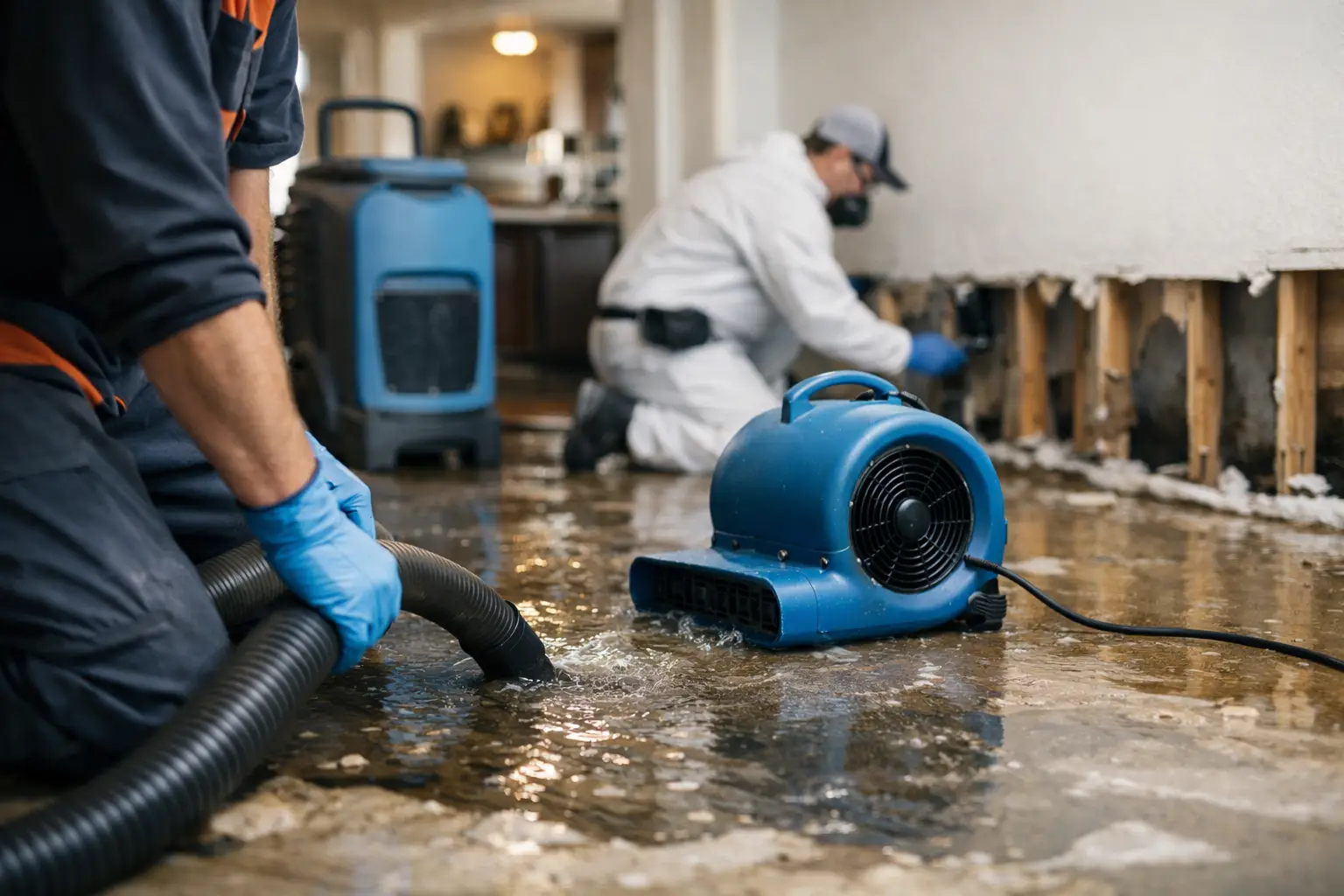 Water Damage
Extraction, structural drying, and moisture mapping after floods, leaks, and burst pipes.
Get help now Fire & Smoke
Soot removal, odor deodorization, and content cleaning after fire and smoke damage.
Learn more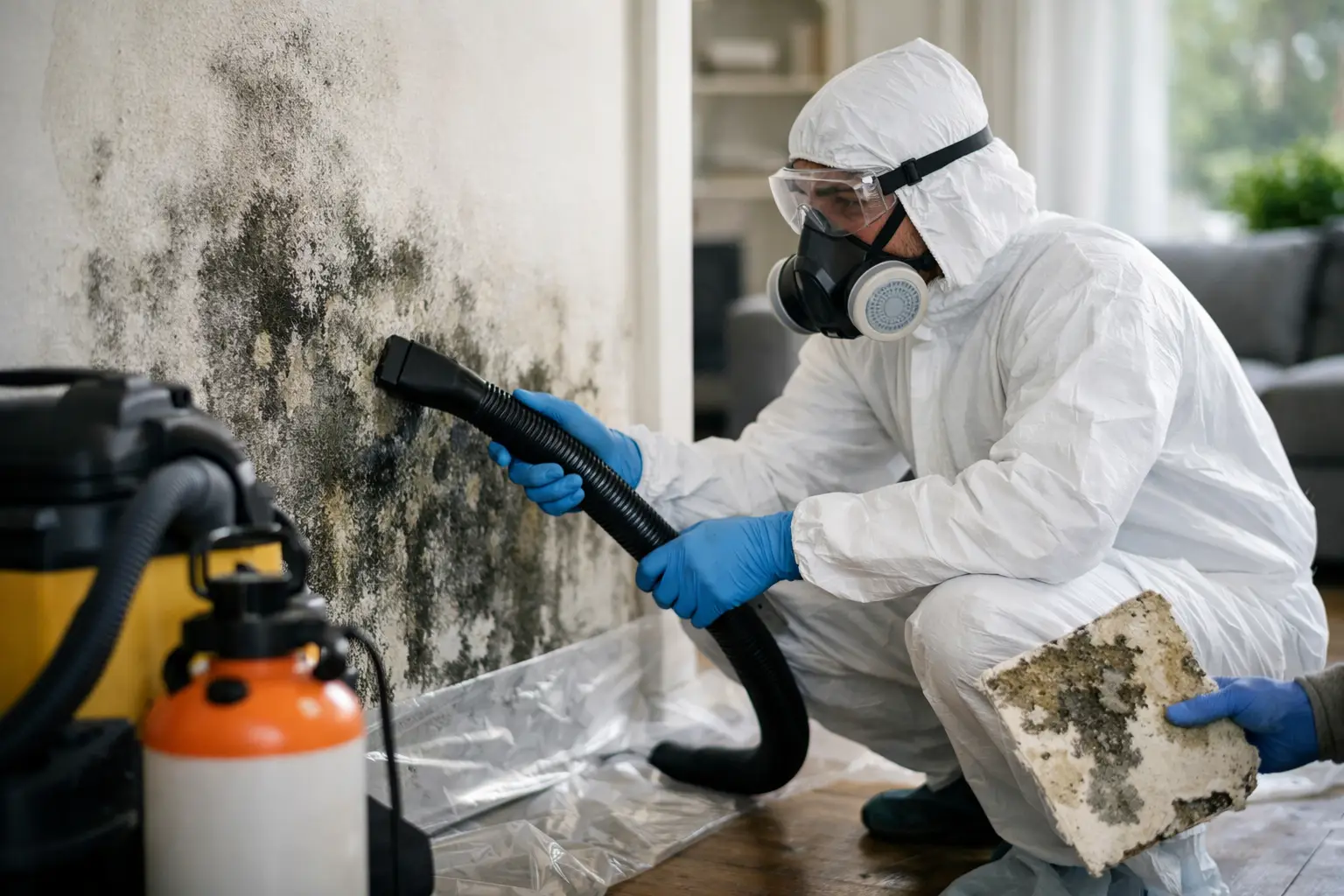 Mold
MoldContainment, removal, and moisture control that stops mold from coming back.
Learn more Storm
StormEmergency board-up, roof tarping, and full recovery after wind, hail, and storms.
Learn more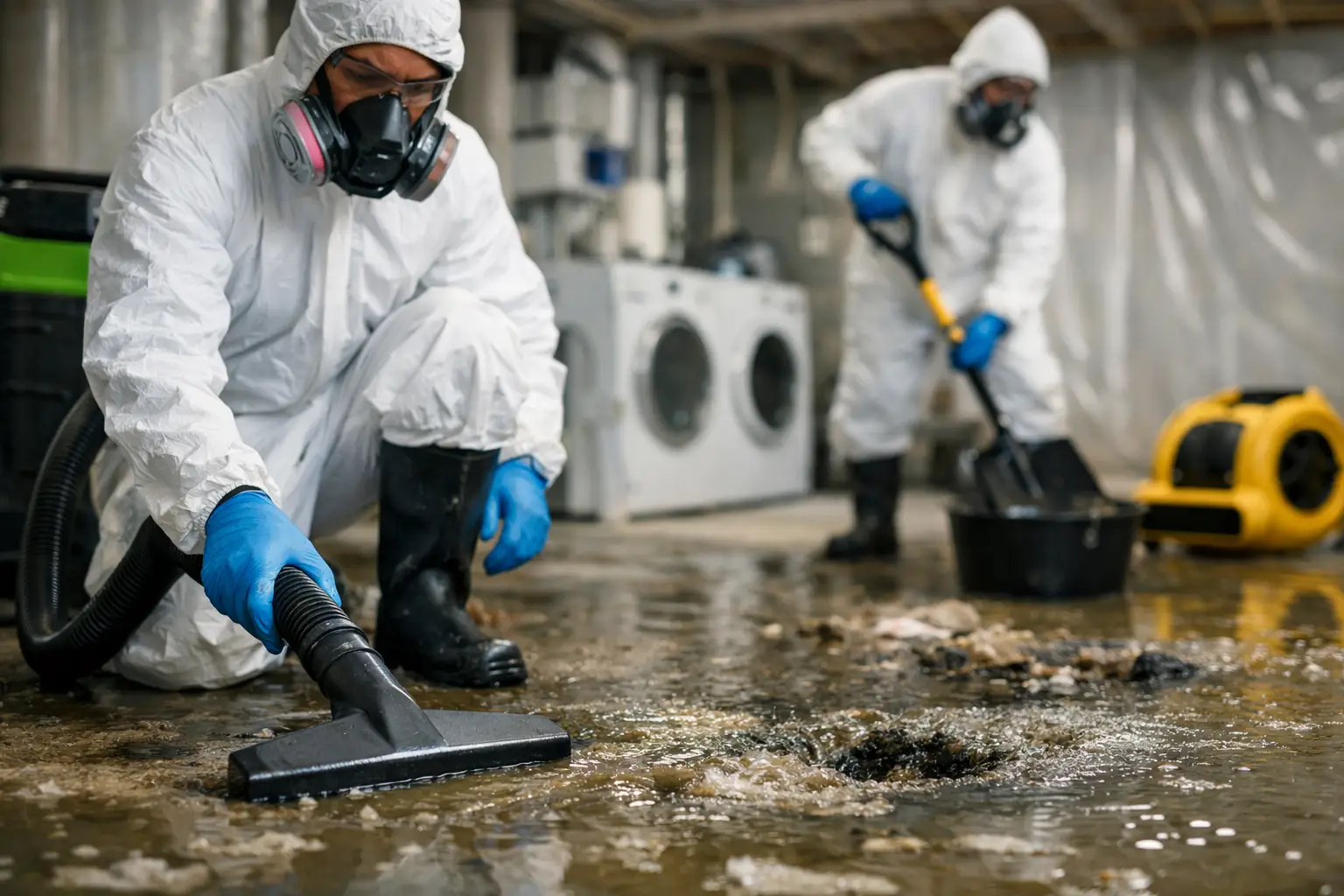 Sewage
Safe biohazard cleanup and sanitizing after sewage backups and overflows.
Learn more Reconstruction
Full rebuild by a licensed general contractor, so your property comes back whole.
Learn moreElevated Operations is an IICRC-certified, licensed general contractor based in Mableton that handles the entire recovery in-house, so after one loss you are never coordinating a cleanup crew, a mold crew, and a contractor separately. One team, one point of contact, from the first pump-out to the final coat of paint.
People call when the property feels like a disaster. They leave reviews because Chris and the crew made it right. These are real, verified Google reviews.
Start with the moisture. If the crawl space has standing water, wet soil, or staining on framing, that is water damage. If you also see discoloration, musty odor, or fuzzy growth, mold is in the mix too. In older Clayton County homes, both often show up together, so I inspect for source first and cleanup second.
Moisture causes it. In Rex, that usually means humidity from the ground, poor drainage, plumbing leaks, or a crawl space that never dries out. Older homes in Clayton County are especially vulnerable because many were built before modern moisture control was standard. If the wood stays damp, mold starts winning fast.
I remove mold by matching the method to the material. Sound framing can often be cleaned and treated, while damaged sections may need replacement. I also dry the space, check for hidden moisture, and look at whether a vapor barrier or dehumidification is needed afterward. Cleanup without source control is wasted effort.
Sometimes yes, sometimes no. If the crawl space keeps pulling moisture from the ground, encapsulation can be the right next step after cleanup. If the problem was isolated and the drainage is corrected, a lighter repair may be enough. I make that call based on the home, not a sales script.
Yes. Air from the crawl space can move up into the house through gaps, penetrations, and ductwork. In older Clayton County homes, that pathway is common enough that mold under the house becomes a whole-home concern. If the crawl space smells musty, I assume the air is part of the story until proven otherwise.
Choose restoration when the wood is still structurally sound and the contamination is limited. Choose replacement when rot, softness, or severe damage makes the material unreliable. In Rex, I often see a mixed case, where some parts can be cleaned and treated while others need to come out.
Only if the issue is truly minor and dry. Once there is active moisture, hidden growth, or older framing, DIY usually misses the source and leaves the problem behind. Crawl spaces are cramped, dirty, and easy to underread. If the odor, staining, or humidity keeps coming back, bring in a pro.
Fast. Mold starts in 24 to 48 hours after moisture gets into the right conditions, so waiting is the expensive choice. In Rex, especially in older homes with limited crawl space access, I would rather inspect early, stop the moisture, and decide whether cleanup or replacement is the smarter path.
Elevated Operations dispatches IICRC-certified crews across Metro Atlanta from our Mableton base, with a 60-minute emergency response day or night. Choose your city:
Call now for an immediate response, or request your free inspection and get a certified crew on-site within the hour across Atlanta and nearby areas.