24/7 Emergency Restoration · Serving Metro AtlantaEmergency? (770) 404-6895
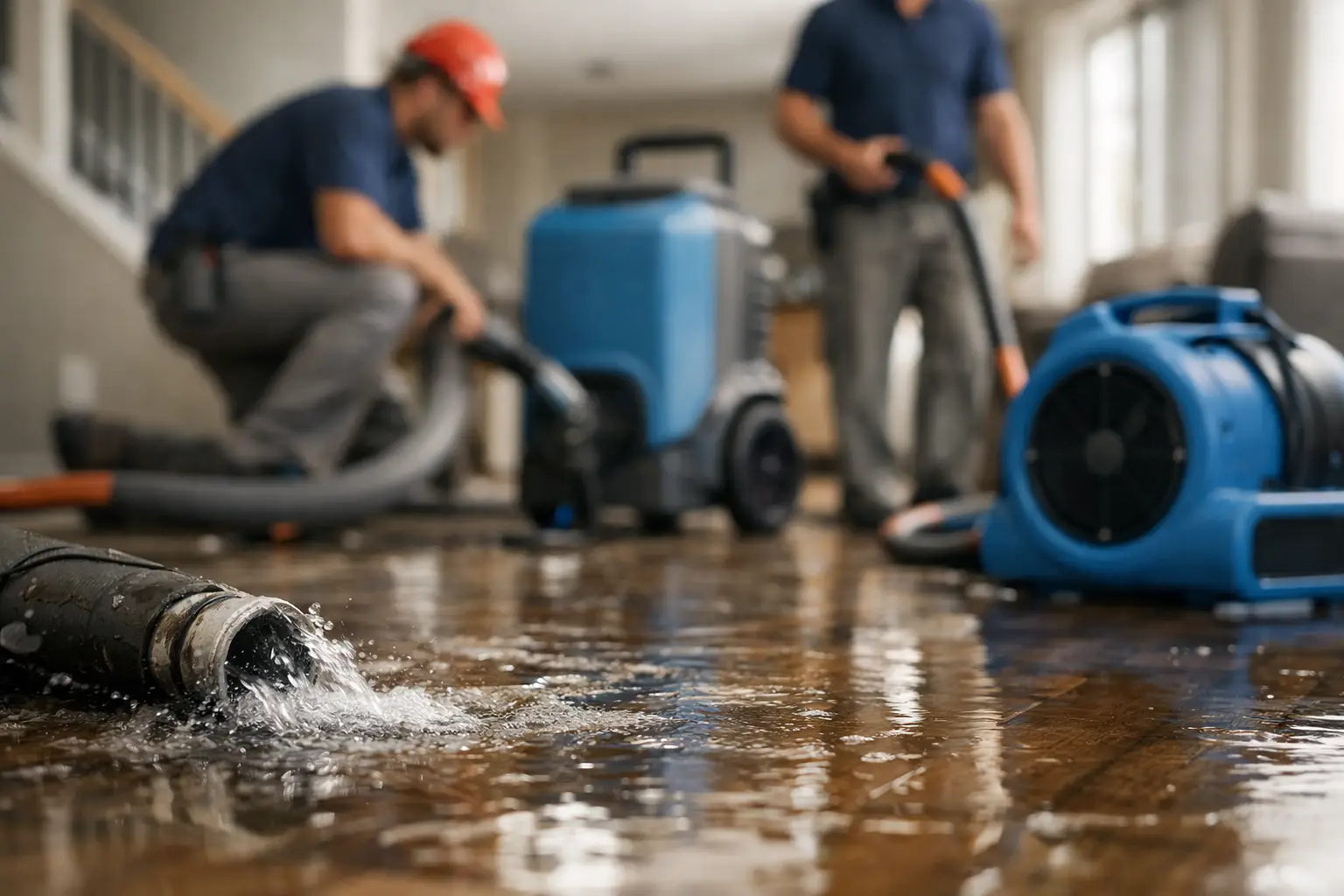
Water mitigation services Dallas cost is shaped by the amount of water, the materials hit, and how fast drying starts. I look at insurance coverage, deductible handling, and claim coordination the same way I do on homes near Pumpkinvine Creek, septic systems, and well-water properties across Paulding County.
IICRC-Certified · 5-Star Rated · 60-Minute Response · Insurance Billed Directly
Yes, I do direct insurance billing and keep the mitigation file organized so the claim can move without unnecessary friction.
Yes, I offer deductible assistance up to $1,000 on qualifying work, and I explain that early so there are no surprises.
I offer 60-minute emergency response 24/7, because water does not wait and neither should mitigation.
I back mitigation work with a 12-month warranty, and I stand behind the process from extraction through drying.
Water mitigation services cost in Dallas is driven by the scope of loss, access to the wet areas, and the amount of water extraction, dehumidification, and structural drying needed. I do not guess at a price before I see the damage, because a small hallway leak and a multi-room loss are not the same job.
In Dallas, the cost question usually starts with where the water went, not just where it showed up. Crawl spaces, slab edges, and wall cavities all change the work. Homes near Pumpkinvine Creek can also have moisture issues that spread farther than the visible stain suggests.
I factor in the equipment and labor needed for loss mitigation, containment, drying equipment, and moisture control. The more materials that hold water, the more steps it takes. Carpet, pad, insulation, and drywall all behave differently, and that changes the service approach.
Well-water and septic properties in Paulding often add another layer of caution. I treat the job as water damage mitigation first, then I build the drying plan around the structure. That is how I keep the scope honest and the insurance paperwork aligned with what actually happened.
Water mitigation services include water extraction, containment when needed, dehumidification, structural drying, and moisture control so the loss stops spreading. I also document the damage, explain what materials can be dried, and separate immediate mitigation from any later repairs. That distinction matters for claims and for cost control.
The first move is removing standing water fast. Then I set drying equipment and monitor what is happening inside the materials, not just on the surface. That is the part homeowners near Dallas often do not see, but it is where a lot of the cost is decided.
Containment comes into play when wet areas could affect clean spaces or create cross-contamination during the work. In older Paulding homes, especially around utility rooms and basements, I use it to keep the project organized and the drying path clear.
Every mitigation job is documented with photos and notes for direct insurance billing. IICRC-certified technicians handle the work, and I back the service with a 12-month warranty. If the loss involves a storm track, a supply line failure, or a hidden leak, the process still follows the same discipline.
Water mitigation should start as soon as possible, because delays let damage spread and materials absorb more moisture. In practice, that means calling immediately for 60-minute emergency response 24/7. In Dallas, especially near Pumpkinvine Creek and in homes with well-water or septic setups, fast action helps keep the job smaller.
I have been in restoration since 2007, and I have seen small losses turn into larger ones because people waited. Water moves into trim, insulation, and framing quickly. Mold starts in 24 to 48 hours, so timing is not a marketing point, it is the whole game.
If you live near lower-lying parts of Dallas or in an older Paulding County home, you cannot assume the water stays where you see it. I prefer to begin water extraction, inspection, and drying equipment placement right away, then adjust the plan as the structure tells me more.
Fast response also helps on the insurance side. A timely mitigation report makes it easier to show what happened, when it happened, and what I did to stop further damage. That is the kind of record adjusters need when they review loss mitigation and mitigation costs.
Insurance usually covers sudden, accidental water damage mitigation when the policy applies and the loss is reported correctly. That can include extraction, drying, and other mitigation work tied to stopping further damage. I bill insurance directly, and I help homeowners understand the claim process without inventing coverage that the policy does not provide.
Most of the confusion comes from the difference between a covered event and an excluded condition. A burst supply line is handled differently than long-term seepage. I do not promise coverage I cannot verify, but I do document the damage so the claim file is clear and complete.
For Dallas homeowners, the cleanest claims usually come from sudden losses that were reported quickly. I photograph the affected areas, note the moisture readings, and keep the file organized for the carrier. That is especially useful when the property sits near drainage areas or has older plumbing.
Direct insurance billing helps reduce the back-and-forth at the worst time. If the carrier accepts the claim, the mitigation work can move forward while the paperwork catches up. And if the loss is outside coverage, you still have a straight answer based on the actual facts of the damage.
Deductibles are the homeowner's share of an approved claim, and they apply according to the policy terms. I offer deductible assistance up to $1,000, which can help with the out-of-pocket side of a covered water mitigation job. I keep that conversation clear so there are no surprises later.
I do not pad a claim to chase a number, because that creates problems for the homeowner and the carrier. Instead, I document the actual water extraction, drying, and loss mitigation needed. That keeps the claim aligned with the work and keeps the deductible conversation honest.
In practical terms, deductible handling becomes part of the planning from day one. If a Dallas homeowner is already dealing with a wet crawl space or a flooded laundry area, the question is not whether the deductible exists. The real question is how the claim is documented and processed.
I am a licensed general contractor, and Elevated Operations, LLLP has been doing this work out of Mableton for homes across Cobb, Fulton, DeKalb, Douglas, Clayton, Henry, and Paulding counties. That means I know how to keep the mitigation side disciplined while the insurance side moves.
No, water mitigation is not the same as water restoration. Mitigation stops the damage from getting worse through extraction, drying, containment, and structural drying. Restoration happens after that, when repairs begin. I separate the two so Dallas homeowners know what they are paying for and what insurance may treat differently.
That split matters on cost. Mitigation is about stabilizing the property. Restoration is about putting things back. If a Dallas house near Pumpkinvine Creek has saturated drywall and wet insulation, the mitigation crew handles the damage control first. The rebuild can come later if it is needed.
People sometimes ask why the bill looks different from a repair quote. Because it should. Drying equipment, moisture control, and monitoring are not the same as replacing finishes. I keep those buckets separate so the insurance file stays readable and the homeowner knows where the money went.
If the loss is small, mitigation may be the only work needed beyond cleanup. If it is larger, restoration follows after the structure is dry. That order is not optional. Skipping it is how you trap moisture and create a second problem nobody wanted.
I price based on what the damage actually touched, including water extraction, containment, dehumidification, and structural drying, not on a guess.
I photograph the loss, note moisture conditions, and keep the claim file organized for direct insurance billing.
I explain your deductible up front and offer deductible assistance up to $1,000 on qualifying work.
I respond 24/7 with a 60-minute emergency response target, because delays make mitigation more expensive and harder to document.
I back the mitigation work with a 12-month warranty, so the job is not just finished, it is finished responsibly.
From emergency mitigation to full reconstruction, handled in-house so you are never managing a chain of subcontractors mid-crisis.
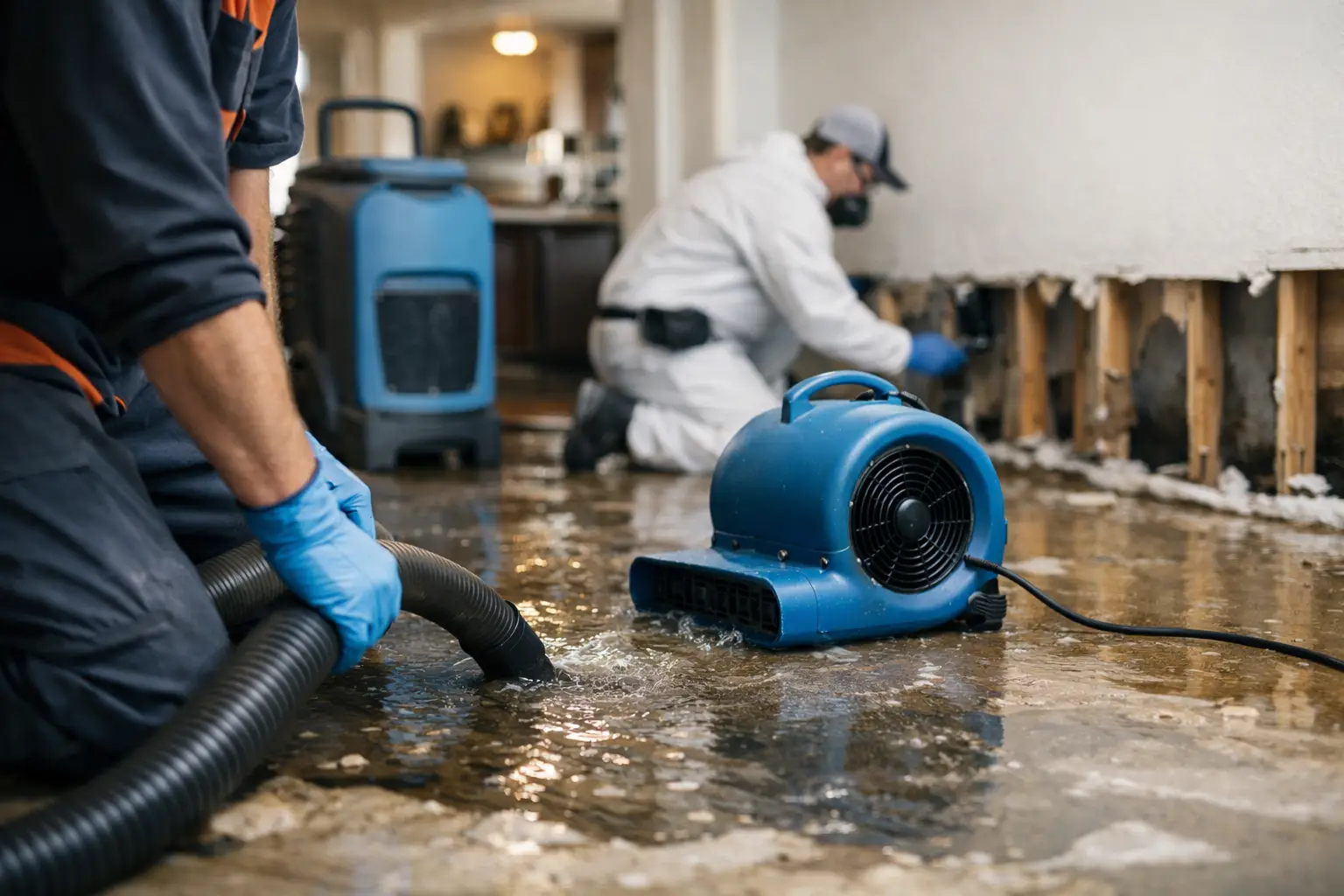 Water Damage
Extraction, structural drying, and moisture mapping after floods, leaks, and burst pipes.
Get help now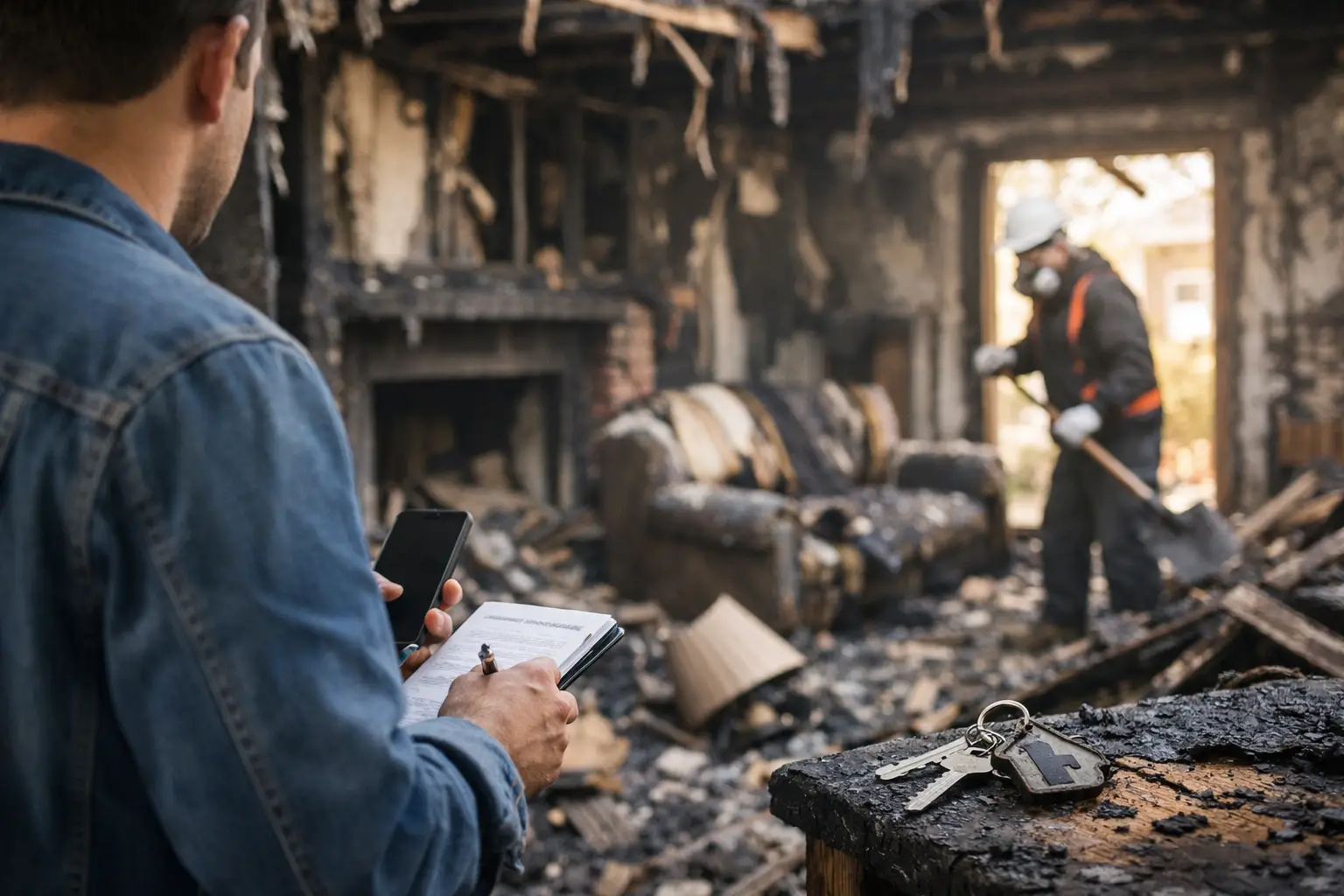 Fire & Smoke
Soot removal, odor deodorization, and content cleaning after fire and smoke damage.
Learn more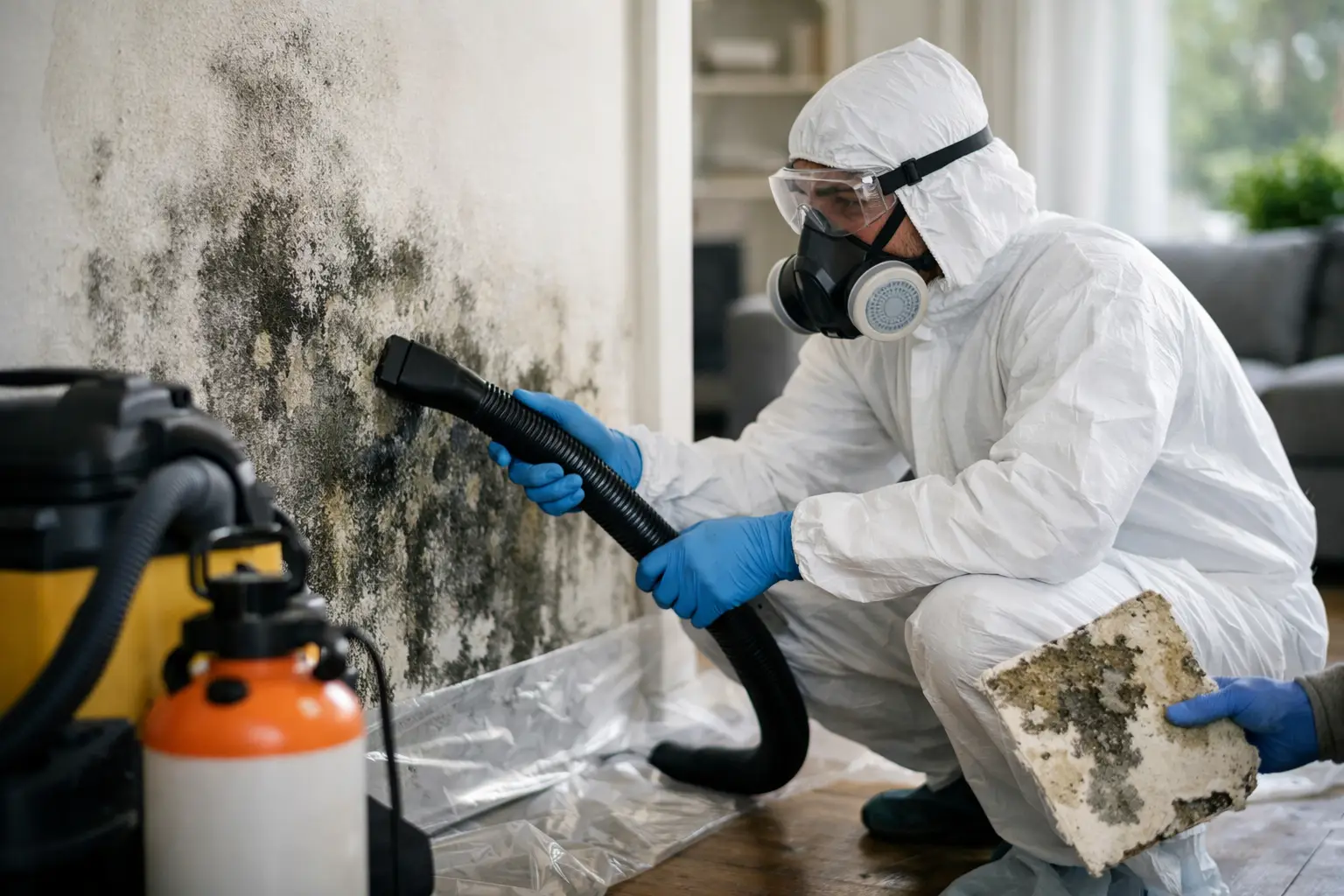 Mold
MoldContainment, removal, and moisture control that stops mold from coming back.
Learn more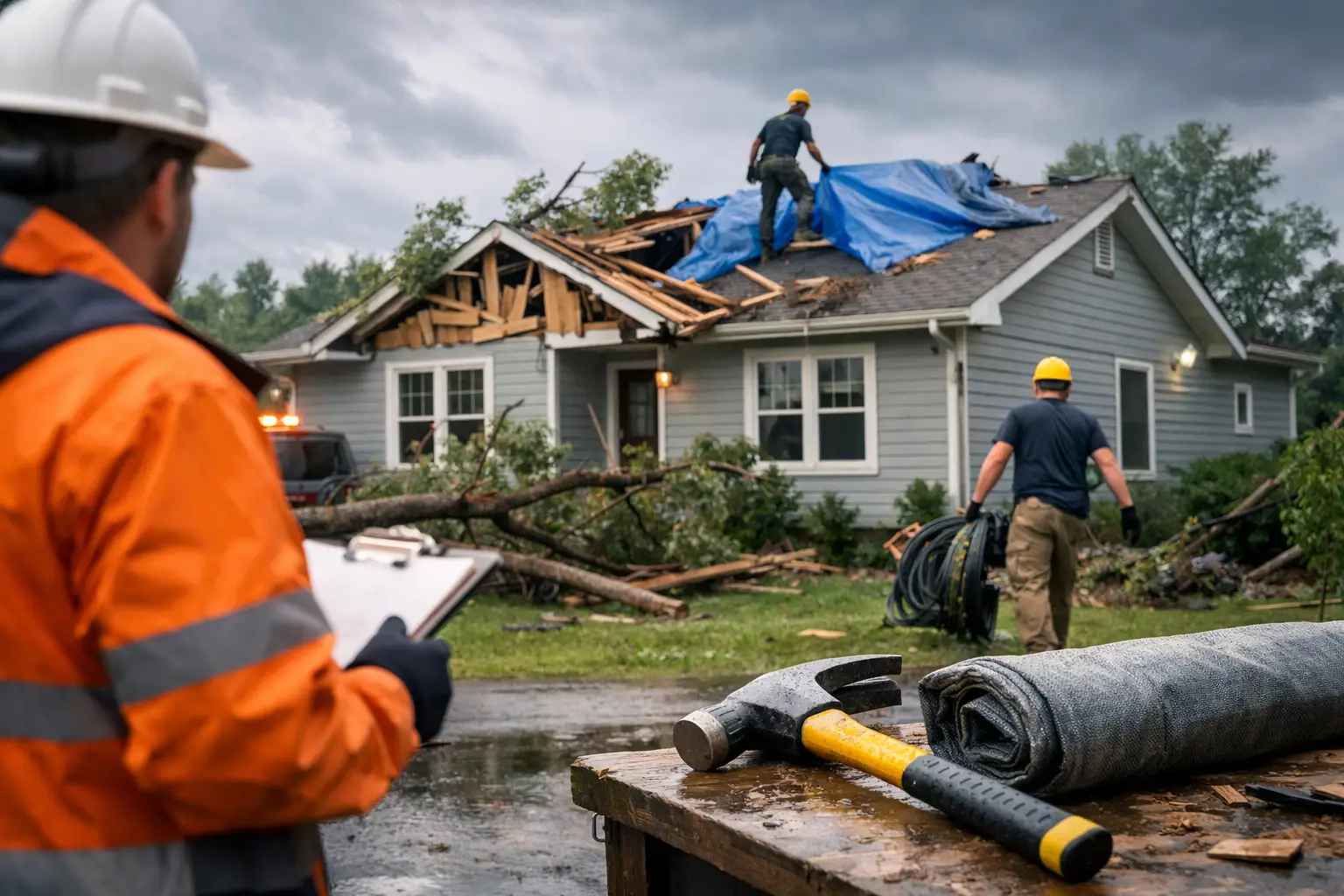 Storm
StormEmergency board-up, roof tarping, and full recovery after wind, hail, and storms.
Learn more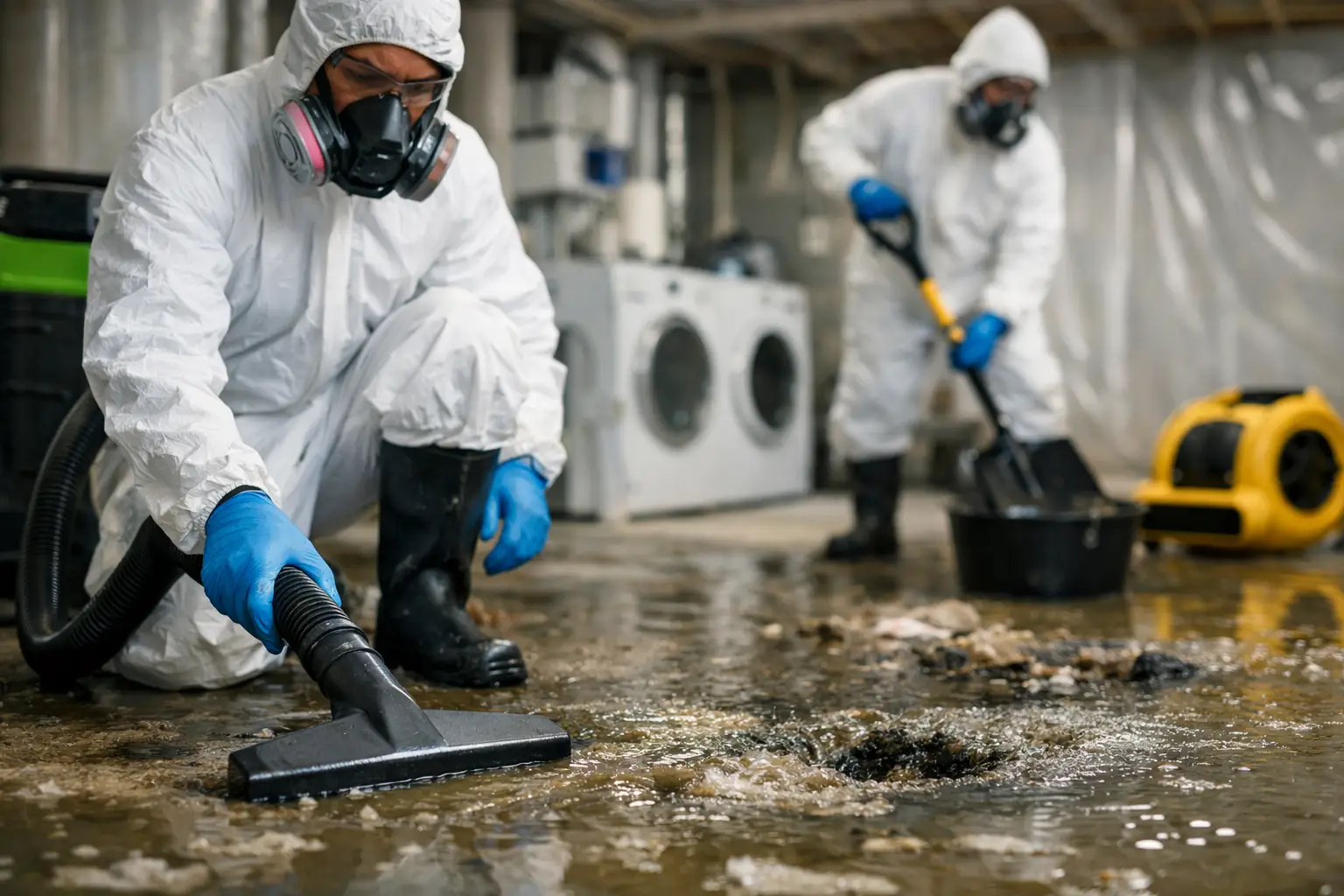 Sewage
Safe biohazard cleanup and sanitizing after sewage backups and overflows.
Learn more Reconstruction
Full rebuild by a licensed general contractor, so your property comes back whole.
Learn moreElevated Operations is an IICRC-certified, licensed general contractor based in Mableton that handles the entire recovery in-house, so after one loss you are never coordinating a cleanup crew, a mold crew, and a contractor separately. One team, one point of contact, from the first pump-out to the final coat of paint.
People call when the property feels like a disaster. They leave reviews because Chris and the crew made it right. These are real, verified Google reviews.
They usually include water extraction, containment if the wet area could spread, drying equipment setup, dehumidification, and moisture control. I also document the loss for the claim file. Near Pumpkinvine Creek, I pay close attention to how water moves through lower areas and around crawl spaces, because visible water is often only part of the problem.
Immediately. That is the honest answer. Water starts moving into materials right away, and mold can begin in 24 to 48 hours. I offer 60-minute emergency response 24/7, because a faster start usually means less damage, less drying time, and a cleaner insurance record for the homeowner.
I inspect the source, stop the spread, remove standing water, and set up structural drying based on the materials involved. In well-water and septic homes, I am careful about access, utility areas, and hidden moisture. The process stays focused on loss mitigation first, then the claim file and any repairs.
No. Mitigation is the emergency work that limits damage, while restoration is the rebuild phase after the structure is dry. Insurance often looks at them differently. I keep those categories separate so the claim is easier to review and the homeowner knows which part is stabilization and which part is repair.
Often it can, if the policy applies and the loss is reported correctly. Sudden and accidental damage is handled differently than long-term seepage. I do direct insurance billing, and I document the mitigation work carefully so the carrier can review the facts without guesswork.
The deductible is the homeowner's share of an approved claim, so it affects what you pay out of pocket. I offer deductible assistance up to $1,000, which can help on qualifying losses. I still keep the estimate tied to the real work needed, not to the deductible amount.
Because moisture can travel farther than it appears, especially in lower areas and older construction. Near Pumpkinvine Creek, I often watch for hidden dampness behind trim, in wall cavities, or under flooring. More affected material means more drying equipment, more monitoring, and a tighter moisture control plan.
Ask who is doing the work, whether they are IICRC-certified, how they handle insurance, and whether they separate mitigation from restoration. I am a licensed general contractor, I bill insurance directly, and I back the work with a 12-month warranty. Those facts matter when a home is wet and time is short.
Elevated Operations dispatches IICRC-certified crews across Metro Atlanta from our Mableton base, with a 60-minute emergency response day or night. Choose your city:
Call now for an immediate response, or request your free inspection and get a certified crew on-site within the hour across Atlanta and nearby areas.