24/7 Emergency Restoration · Serving Metro AtlantaEmergency? (770) 404-6895
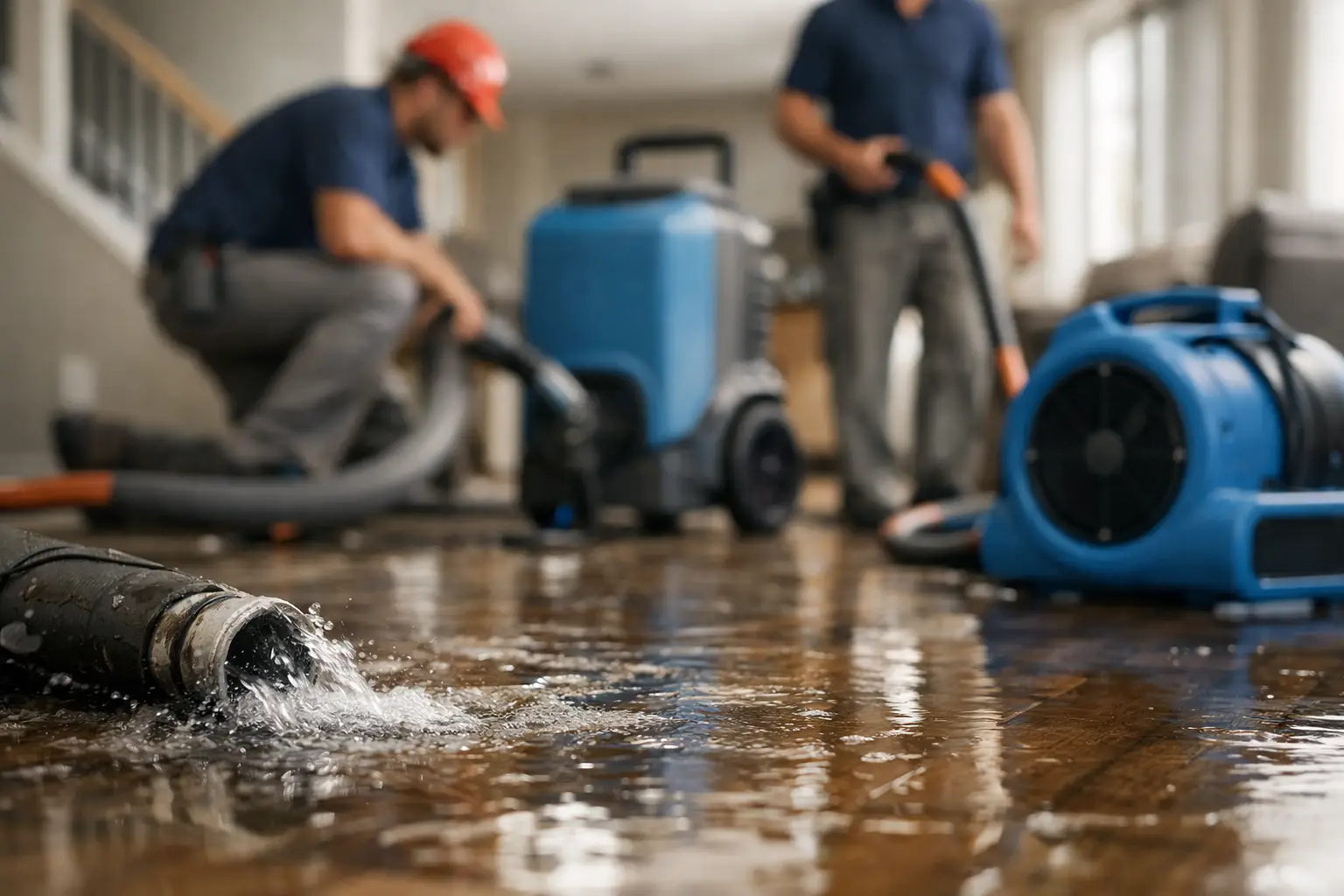
Emergency water removal Marietta means I get moving fast on the water, then I protect what is left. I am Chris Kwangwari, and at Elevated Operations I handle water extraction, water mitigation, and emergency drying for Marietta homes, from historic Square plaster to runoff problems near Kennesaw Mountain.
IICRC-Certified · 5-Star Rated · 60-Minute Response · Insurance Billed Directly
Yes. I respond 24/7, remove the water fast, and start drying before the damage spreads into walls, floors, or plaster.
Yes. I handle runoff-related water cleanup, standing water removal, and the drying work needed to protect the structure.
Yes. I offer direct insurance billing and keep the process organized from the first visit onward.
I do. I am Chris Kwangwari, and I run Elevated Operations, LLLP from Mableton.
It should start immediately. Water does not wait in Marietta, and neither do I. With a 24/7 emergency response and a 60-minute arrival goal, I get on top of standing water removal before plaster swells, hardwood cups, and mold starts forming in 24 to 48 hours.
A lot of Marietta homes have older materials that punish delay. In the historic Square, plaster walls and trim can take on water quickly, and once that happens, staining and cracking can spread faster than people expect. I treat the first hour as the critical window.
Kennesaw Mountain runoff can also send water into lower yards, garages, and crawl spaces after hard rain. That is when pumping water out and water cleanup need to happen before moisture travels under baseboards, into subfloors, or behind finished walls where it becomes harder to dry.
I have been in restoration since 2007, and I do not guess on timing. IICRC-certified technicians, direct insurance billing, and a clear 12-month warranty are part of how I handle the job, but speed comes first. If water is sitting, I want it moving out now.
I use the right mix of water extraction, wet vac extraction, air movement, and emergency drying equipment based on the structure, not a one-size approach. That matters in Marietta because plaster, hardwood, carpet, and crawl spaces each hold water differently after a leak, storm, or overflow.
For a home near the Square, I may start with wet vac extraction on smaller intrusions and move to stronger water extraction methods when the volume is higher. If water is in a basement or low area after heavy rain, pumping water out can come first, then the dry-out plan follows.
Equipment choice changes when the building has older finishes. Historic plaster does not tolerate sloppy drying, and too much heat or the wrong airflow can make damage worse. I set up emergency drying with purpose, because the goal is to remove moisture without tearing up what can still be saved.
I also check where water traveled, not just where it pooled. That means looking under cabinets, behind trim, and into crawl spaces that are common around Marietta homes. The right water mitigation plan depends on that inspection, and I do not skip it just to make the job look fast.
Yes, often I can. Standing water removal from carpet is possible when I get there quickly and the source is handled, but the carpet pad, subfloor, and contamination level decide what stays. Fast emergency water removal gives the best chance to save the carpet and the room below it.
In Marietta, carpet shows up in many ranch homes and finished basement spaces, and it soaks up water fast. If the water is clean and I reach it early, water extraction and wet vac extraction can pull a lot out before it spreads deeper into the padding and tack strips.
But I do not pretend every carpet can be saved. If runoff from Kennesaw Mountain has carried mud, debris, or outside water into the room, flood water removal rules may push us toward a more aggressive cleanup. I look at the source first, then I decide what can stay.
Historic homes near the Square can have mixed flooring transitions, old subfloors, and older base materials that do not dry the same way newer construction does. That is why emergency drying must be monitored closely. I want to save material when possible, but I will not gamble on a hidden moisture problem.
After water extraction, I move straight into water mitigation and emergency drying. That means moisture mapping, targeted airflow, dehumidification, and daily attention to the affected areas so the home gets dry, not just less wet. The goal is to stop secondary damage before it starts.
The first step after pumping water out is to find where moisture is hiding. In Marietta homes, that often means checking plaster walls, trim, subfloors, and crawl space insulation. Water likes to travel, and if I only dry the visible area, the problem can come back later.
I also document what I find for direct insurance billing. That helps keep the process cleaner for the homeowner, especially when the damage started from a sudden leak, appliance failure, or storm-related intrusion. I keep the work practical, because paperwork should not slow down drying.
Once the structure is stable, I explain the next steps plainly. If materials are salvageable, I dry them. If they are not, I say so. I have been doing restoration work since 2007, and the best results come from telling the truth early, not after the damage has spread.
Marietta homes often need a different approach because of older finishes in and around the Square, plus runoff patterns near Kennesaw Mountain. Historic plaster, older framing, and mixed building ages mean water cleanup has to be careful, fast, and specific to the structure.
I see a lot of variation across Marietta, from older homes near the Square to more recent construction farther out in Cobb County. That matters because plaster can crack when it dries unevenly, and wood floors can react badly if emergency drying is rushed without watching moisture levels.
Runoff from higher ground near Kennesaw Mountain can also change how a cleanup starts. Water may come in through a low entry point, a garage, or a crawl space instead of the room where the homeowner first notices it. That is why I inspect the path of travel, not only the puddle.
As a licensed general contractor, I think beyond the water sitting on the floor. I look at how the structure was built, where the water entered, and what needs to be protected next. That is how water mitigation should work, especially in a city with such mixed housing stock.
If it is safe, shut off the source, stay out of standing water near power, and move small items away from the wet area. Then call me. That simple start helps emergency water removal move faster and reduces the chance of more damage while I am on the way.
Homeowners in Marietta do not need to start tearing anything apart. If you are dealing with water cleanup after a supply line break, appliance leak, or storm intrusion, the best move is to protect people first and let me handle the extraction and drying plan.
If water is around historic plaster, do not try to punch holes or peel materials without a reason. That can turn a contained problem into a bigger repair. I have seen small leaks in Square-area homes become much bigger because someone rushed into demolition.
When Kennesaw Mountain runoff or a storm pushes water into a basement or crawl space, the area can be slippery and unstable. I want you out of harm's way, then I want the source contained. After that, I can start the water mitigation work the right way.
Emergency water removal cost in Marietta depends on how much water there is and how far it spread, so every job starts with a free inspection and a written quote. We answer 24/7, extract standing water fast, start structural drying, and bill your insurance directly.
What drives cost is the volume of water and the area affected, so we inspect first and price it in writing.
We pump out standing water and set drying equipment fast to stop secondary damage and mold.
Dispatched from Mableton, our IICRC-certified crew reaches Marietta fast, 24/7, and bills insurance directly.
Yes. I provide 24/7 emergency response, because water damage does not wait for business hours.
Yes. I offer direct insurance billing, and I can help with the deductible up to $1,000 when the job qualifies.
Often, yes. IICRC-certified technicians can dry plaster, hardwood, and carpet with the right plan for the structure.
Yes. I back the work with a 12-month warranty.
I am Chris Kwangwari, owner of Elevated Operations, LLLP, and I have been in restoration since 2007.
From emergency mitigation to full reconstruction, handled in-house so you are never managing a chain of subcontractors mid-crisis.
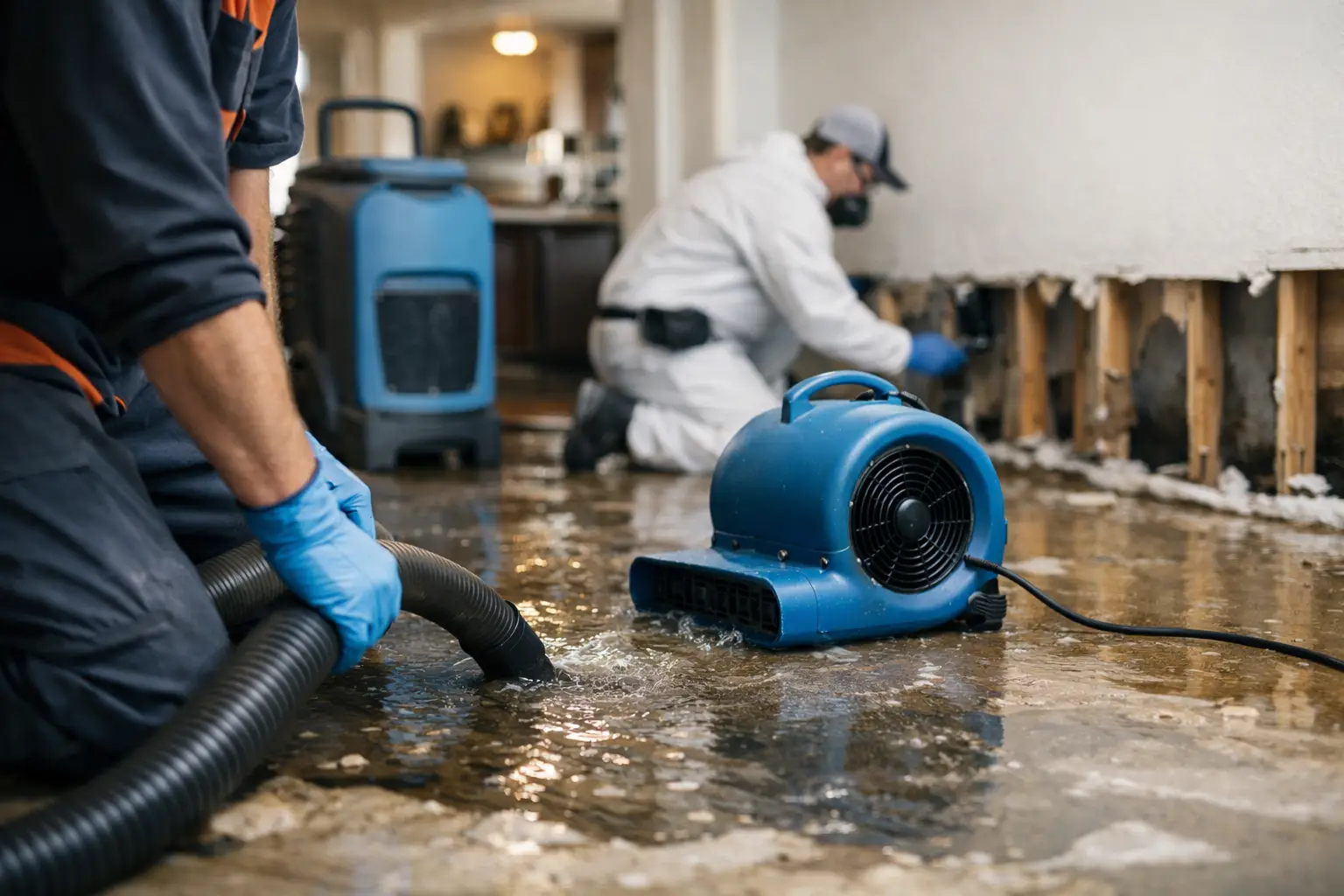 Water Damage
Extraction, structural drying, and moisture mapping after floods, leaks, and burst pipes.
Get help now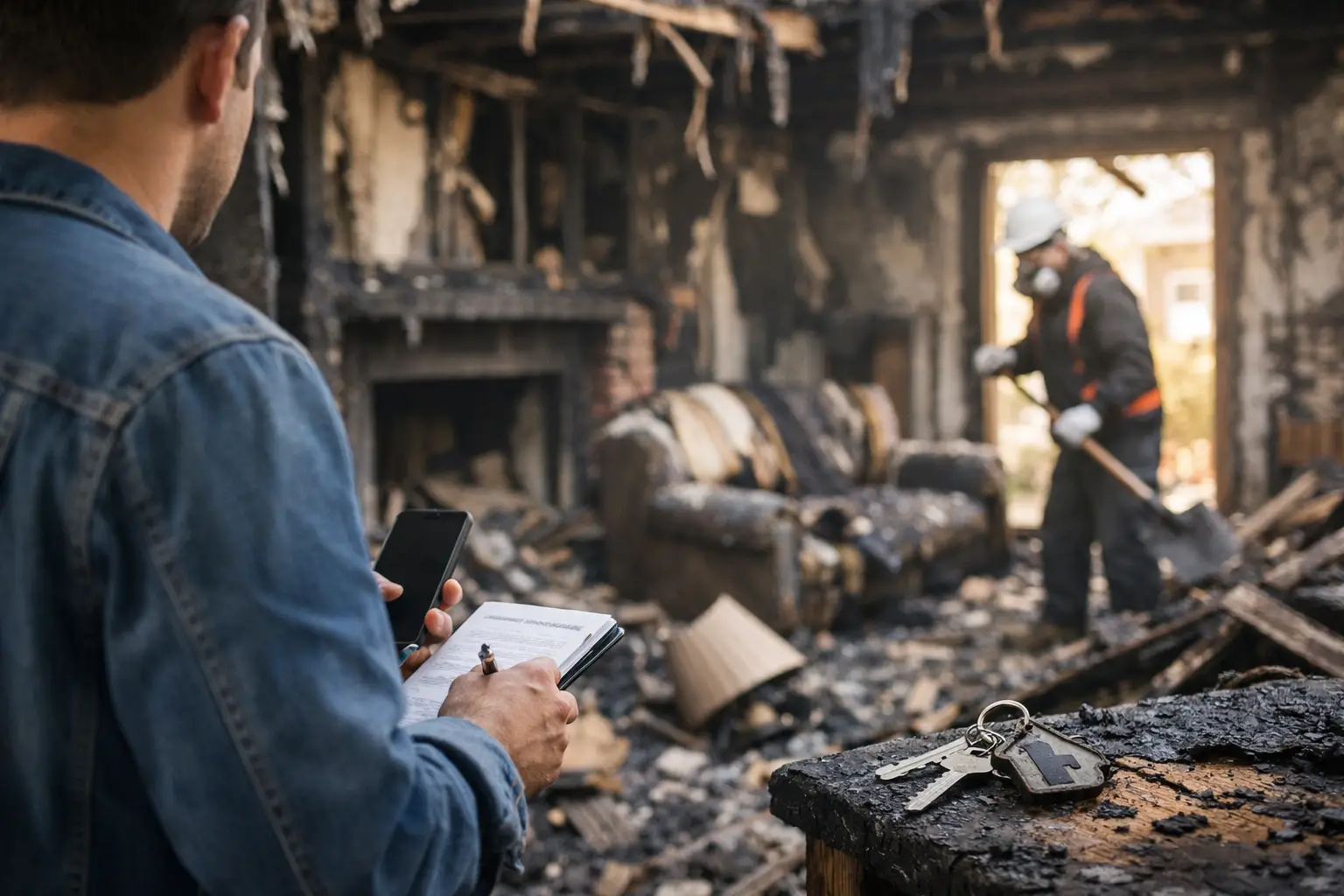 Fire & Smoke
Soot removal, odor deodorization, and content cleaning after fire and smoke damage.
Learn more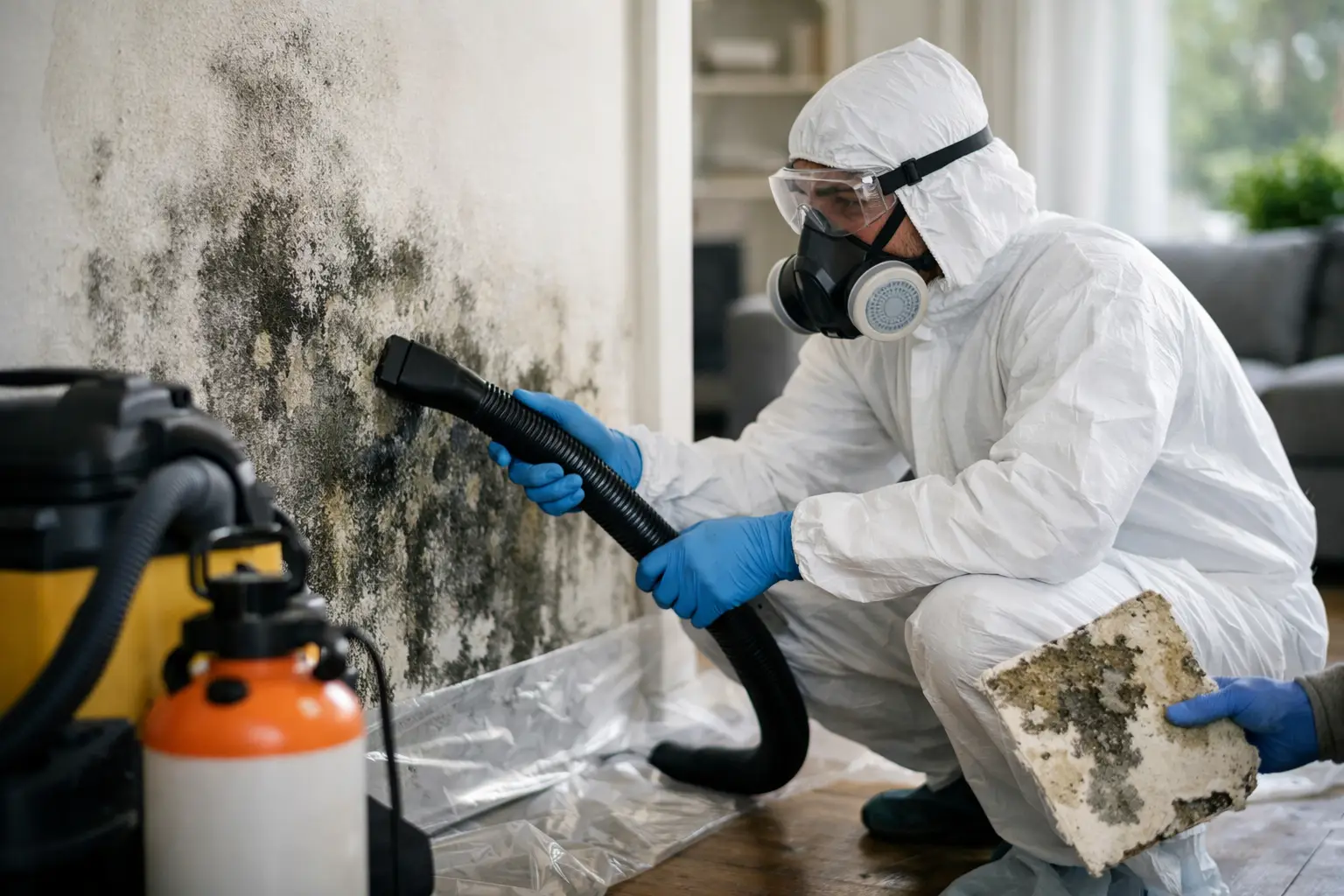 Mold
MoldContainment, removal, and moisture control that stops mold from coming back.
Learn more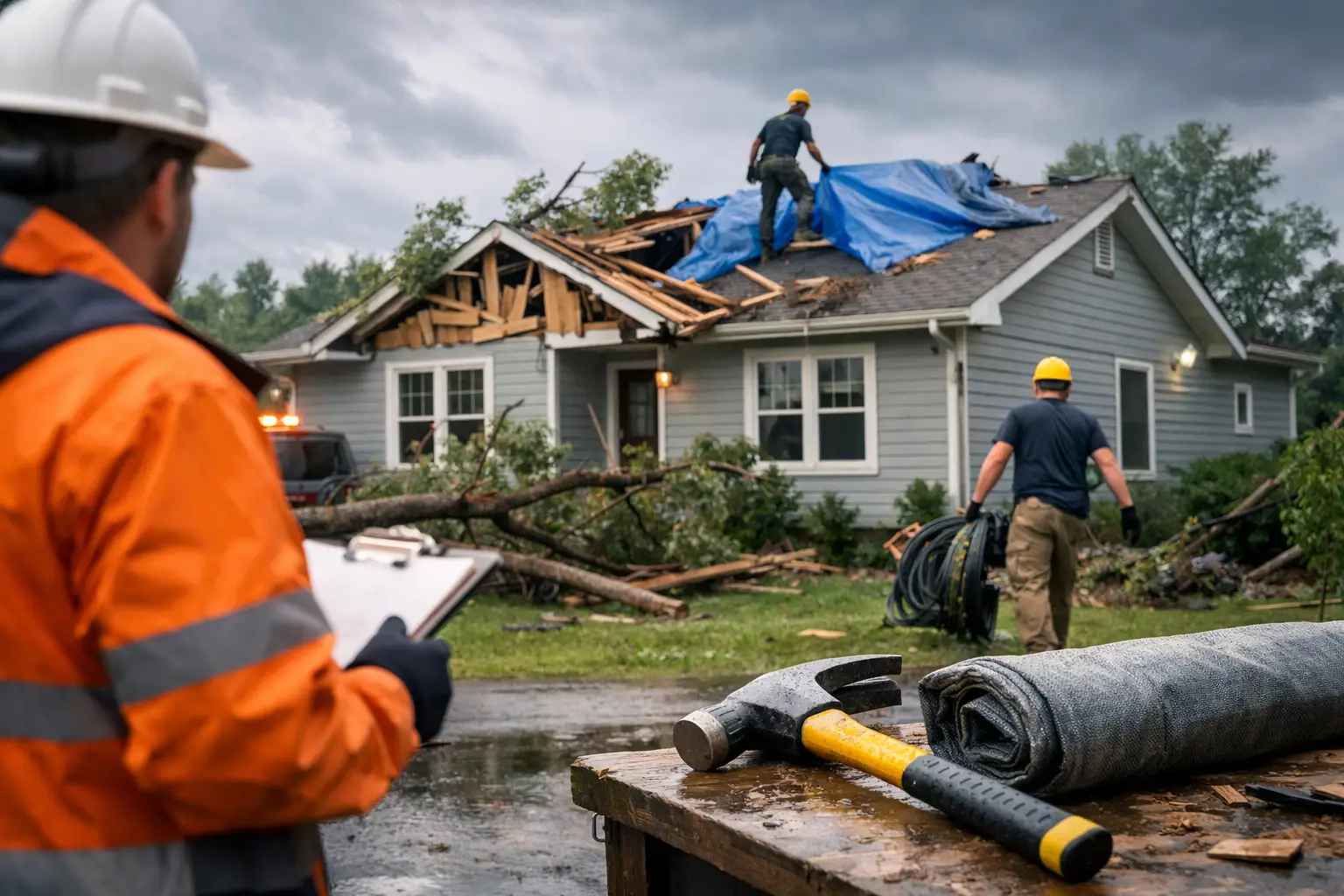 Storm
StormEmergency board-up, roof tarping, and full recovery after wind, hail, and storms.
Learn more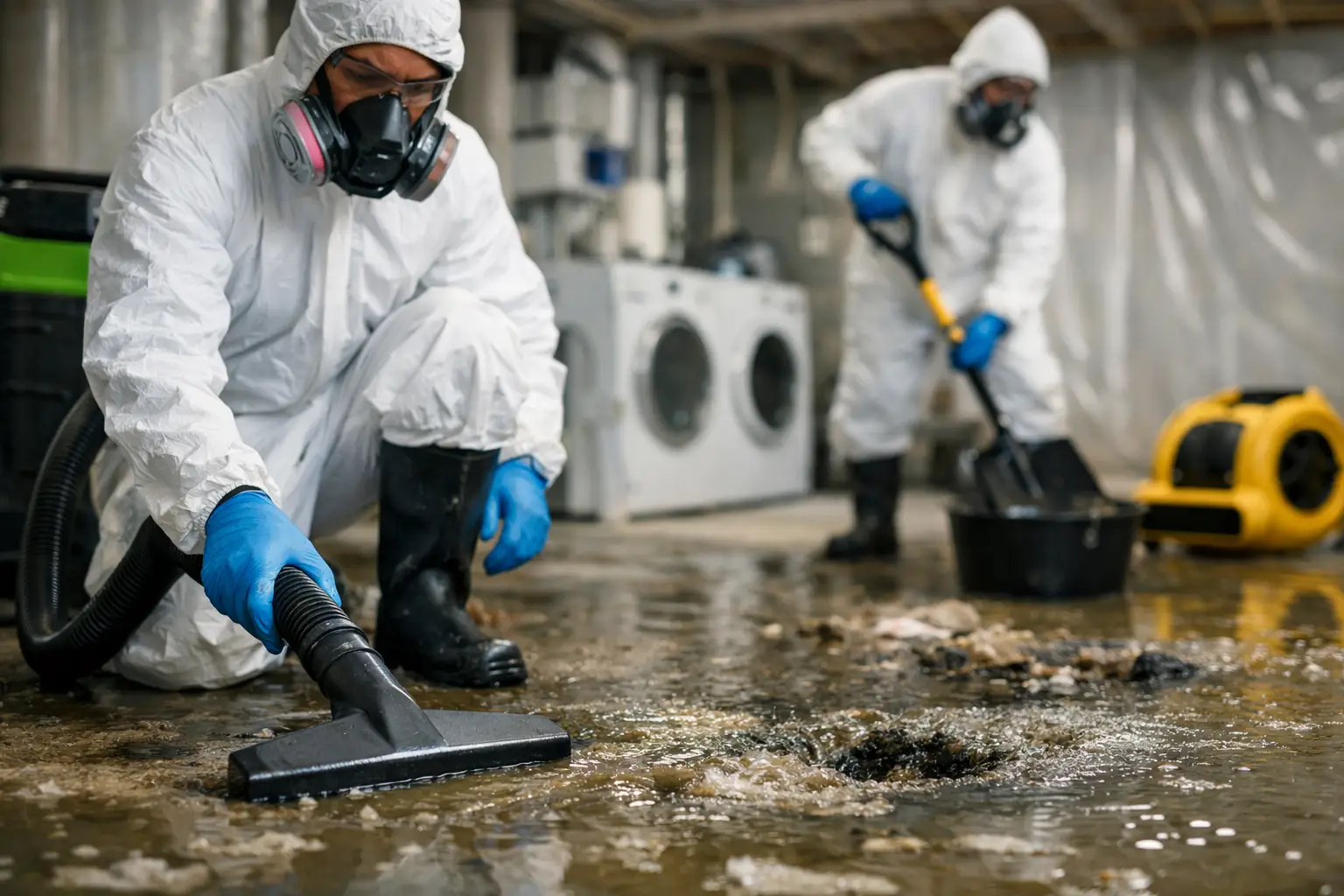 Sewage
Safe biohazard cleanup and sanitizing after sewage backups and overflows.
Learn more Reconstruction
Full rebuild by a licensed general contractor, so your property comes back whole.
Learn moreElevated Operations is an IICRC-certified, licensed general contractor based in Mableton that handles the entire recovery in-house, so after one loss you are never coordinating a cleanup crew, a mold crew, and a contractor separately. One team, one point of contact, from the first pump-out to the final coat of paint.
People call when the property feels like a disaster. They leave reviews because Chris and the crew made it right. These are real, verified Google reviews.
I start with inspection, source control, and fast water extraction, then I focus on the materials most at risk. Historic Square homes often have plaster, old trim, and mixed flooring that need careful emergency drying. I do not treat those houses like new construction, because they are not built the same way and they do not dry the same way.
Then I look at the entry path, not just the puddle. Runoff can keep feeding a crawl space, garage, or low room if the drainage issue is still active. I handle the emergency water removal, then I identify how the water moved so the homeowner is not fighting the same problem twice.
Yes. Standing water removal in basements and crawl spaces is common in Marietta after storms, supply line failures, and overflow issues. I use pumping water out, water extraction, and targeted drying based on the space. Crawl spaces need extra attention because trapped moisture can spread into framing and insulation quickly.
I inspect for hidden moisture, protect salvageable materials, and set up emergency drying with the building in mind. Older Marietta homes often have plaster walls and original trim, so I pay close attention to drying speed and airflow. The right water mitigation plan is about saving structure, not just removing visible water.
I move fast on water cleanup and water extraction to give the carpet a chance. If the water is clean and the padding and subfloor are still in good shape, the carpet may be recoverable. But if contamination or saturation is too deep, I will tell you plainly instead of guessing.
Yes. I offer direct insurance billing and work across Cobb County from my Mableton base. I document the damage, the extraction, and the drying steps so the claim file is clearer. That matters when the loss involves older finishes, crawl spaces, or water that moved farther than the homeowner first saw.
I have been in restoration since 2007. That experience matters in Marietta because no two jobs are the same, especially when a home near the Square has plaster or when runoff from higher ground changes where the water went. I bring a contractor’s eye to every job.
Call anyway. Hidden moisture can stay behind walls, under floors, or in crawl spaces after what looked like a small leak. In Marietta homes, that is a common way water cleanup gets missed the first time. I check the full path of the water and set up emergency drying if the structure still needs it.
Elevated Operations dispatches IICRC-certified crews across Metro Atlanta from our Mableton base, with a 60-minute emergency response day or night. Choose your city:
Call now for an immediate response, or request your free inspection and get a certified crew on-site within the hour across Atlanta and nearby areas.