24/7 Emergency Restoration · Serving Metro AtlantaEmergency? (770) 404-6895
fire damage restoration Smyrna starts with a hard look at the burn, smoke, and water damage, because pricing follows the actual scope, not a guess. In Smyrna, a 60s to 70s slab ranch and a Battery townhome can need very different fire cleanup, board up services, soot removal, and structural repair.
IICRC-Certified · 5-Star Rated · 60-Minute Response · Insurance Billed Directly
Access, layout, finish materials, and smoke migration all change the scope. I price the actual damage, not the ZIP code.
That happens a lot. Smoke can drive the cost more than flame, especially when soot reaches closets, vents, and upstairs rooms.
Yes. I use direct insurance billing, document the loss, and keep the claim tied to the real fire cleanup and repair scope.
I do. My team handles cleanup, and as a licensed general contractor I can manage structural repair when the job needs rebuilding.
I price fire damage restoration in Smyrna by the scope of cleanup, smoke damage, structural repair, and contents work, not by a flat formula. A small kitchen fire in a Battery townhome may be very different from a whole-house issue in a 60s or 70s slab ranch.
The first cost driver is what actually burned, what only smoked, and what got wet during suppression. Fire cleanup can be light surface work, or it can mean debris removal, soot removal, smoke odor removal, and rebuilding damaged materials. I look at the real job first.
Smyrna housing stock matters. A slab ranch from the 60s or 70s often has simpler floor plans and accessible attic or crawl areas, while a Battery townhome can have shared walls, tighter access, and more finished surfaces. That changes labor, materials, and how much containment is needed.
IICRC-certified technicians handle the restoration, and I am a licensed general contractor, so I can separate cleaning from structural repair when the job calls for it. That matters because insurance scopes usually break those pieces out differently, and the invoice should reflect that cleanly.
Insurance often covers fire damage restoration when the loss is sudden and accidental, including fire cleanup, soot removal, smoke odor removal, and necessary repairs. The exact scope depends on the policy, the cause of loss, and what the adjuster approves after inspection.
I work directly with insurance carriers through direct insurance billing, so you are not trying to translate contractor language on your own. The claim usually starts with documentation, then the adjuster reviews what needs to be cleaned, removed, repaired, or replaced.
Coverage commonly looks at damaged building materials, salvageable contents, and emergency work like board up services. If smoke moved through a hallway or upstairs rooms in a Battery townhome, or into attic spaces in a slab ranch, that hidden damage has to be documented early.
Some things are simple, some are not. Insurance may cover repairs to fire-damaged structures, but the carrier still needs proof of the cause and the extent. I keep the process tight, factual, and tied to the actual loss so the claim stays organized.
Claims work best when I document the loss fast, bill the carrier directly, and keep the scope tied to the damage. Deductibles still apply under the policy, and I offer deductible assistance up to $1,000 when the job and claim qualify.
After a fire, speed matters. I offer 60-minute emergency response 24/7, and that helps with immediate stabilization, including board up services if openings are exposed. The faster the site is secured, the better the documentation and the easier it is to keep the claim moving.
The deductible is the homeowner’s responsibility under the policy, but that does not mean the process has to be stressful. I can explain what the carrier is paying for, what falls to the policyholder, and where deductible assistance may apply up to $1,000.
I have been in restoration since 2007, so I have seen claims on everything from compact townhome fires near The Battery to older ranch homes in Smyrna neighborhoods near the tree-lined streets and creek corridors. The claim shape changes, but the paperwork has to stay precise.
Fire damage restoration starts with emergency stabilization, then inspection, debris removal, soot removal, smoke odor removal, and cleanup of salvageable contents. If repairs are needed, structural repair comes after the loss is documented and the affected areas are ready to rebuild.
My team starts with a site check and safety review. If the structure is open or damaged, I move quickly on board up services. After that, we separate what can be cleaned from what has to come out, which is where fire cleanup becomes a real cost issue.
Smoke does not stay where the flame started. It travels into closets, upper floors, vents, and attic space. In a Battery townhome, that can mean narrow runs and shared-wall considerations. In a slab ranch, it can mean broader interior exposure with simpler access but more square footage to treat.
Content cleaning can save a lot when items are not structurally burned. But I do not sugarcoat it. If soot has baked into porous materials or smoke odor has penetrated too deeply, replacement may be the right call, and insurance documentation should reflect that honestly.
What can be saved depends on heat, soot, water, and how fast cleanup begins. Hard surfaces, some contents, and portions of the structure may be salvageable, while badly charred materials or heavily odor-affected items may need removal or replacement.
The saving process is not guesswork. I look at whether the item or surface can be cleaned without leaving smoke odor or residue behind. Content cleaning can help with furniture, decor, and other belongings that were not directly burned but were exposed to soot.
In Smyrna, I often see very different salvage patterns between older slab ranch homes and Battery townhomes. Ranch layouts can leave more room for treatment, while townhomes may concentrate smoke in upstairs rooms, stairwells, and shared interior assemblies.
Some of the best insurance outcomes come from early decisions. If debris removal is delayed, soot can keep moving. If moisture from firefighting sits too long, it can complicate the job. That is why I push fast inspection and clear documentation right away.
Yes, smoke damage should be cleaned before most repairs, because soot and odor can stay trapped under new materials. If you rebuild over contaminated surfaces, the smell and residue can come back. That is true in a slab ranch and in a Battery townhome.
Repairs done too early create problems later. Smoke odor removal and soot removal should happen before finish work, because new drywall, trim, or paint will not fix contamination underneath. Fire cleanup is about removing the source of the odor, not covering it up.
IICRC-certified technicians know how to sequence the work so cleanup supports structural repair instead of fighting it. That sequence matters in older Smyrna homes, especially where attic insulation, wall cavities, or hidden framing picked up smoke from the fire.
Insurance adjusters usually want the job documented in the same order. Clean first, assess next, then rebuild. If the structure needs replacement, I handle that as a licensed general contractor, but only after the soot and odor issues are addressed the right way.
Fire damage restoration takes as long as the damage requires, because cleanup, insurance review, and structural repair all affect timing. Small losses move faster, but smoke migration, hidden soot, and contents decisions can stretch the work in either an older ranch or a townhome.
I do not give fake timelines. A minor fire cleanup can be straightforward, while a larger loss can involve debris removal, content cleaning, odor treatment, and reconstruction sequencing. The actual timeline depends on the amount of damage and what the insurer approves.
Homes near The Battery often have tighter access and more finish materials, which can slow certain parts of the process. Older 60s and 70s slab ranch homes may be easier to work in, but they can also hide smoke in attic spaces, closets, and duct runs.
The best way to keep a fire loss moving is fast stabilization, fast documentation, and fast claim communication. I respond 24/7, and I do not let a project sit idle while soot keeps setting into surfaces.
I price the actual fire cleanup, soot removal, smoke odor removal, debris removal, and any structural repair after I see the damage.
Insurance wants proof of the loss, what was salvaged, and what had to be replaced, so I document the job before work advances.
I bill insurance directly, which keeps the paperwork cleaner and reduces back-and-forth for the homeowner.
Your policy deductible still applies, and I offer deductible assistance up to $1,000 when the job and claim qualify.
Smoke damage should be cleaned before repairs start, because trapped soot and odor can ruin new materials later.
From emergency mitigation to full reconstruction, handled in-house so you are never managing a chain of subcontractors mid-crisis.
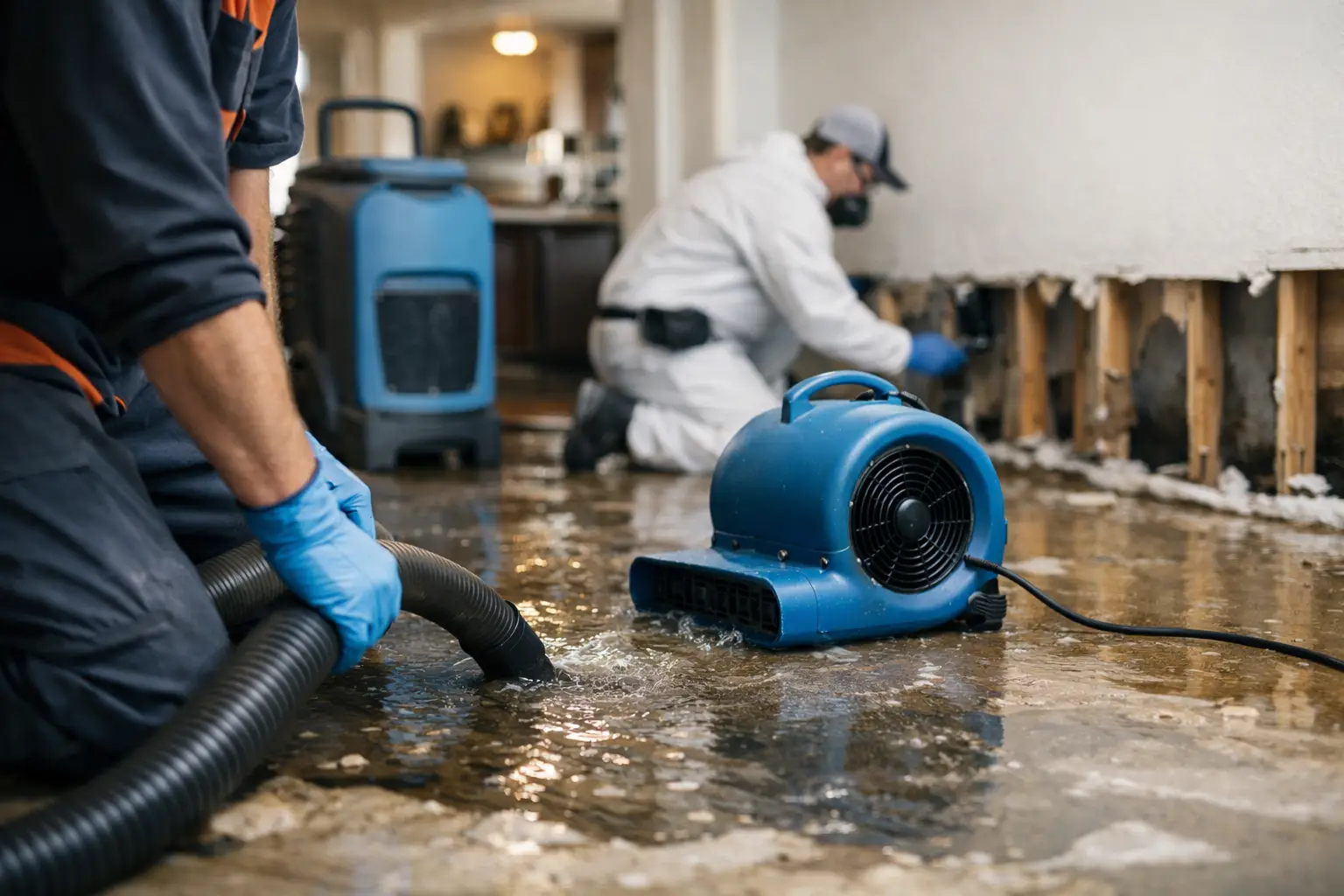 Water Damage
Extraction, structural drying, and moisture mapping after floods, leaks, and burst pipes.
Get help now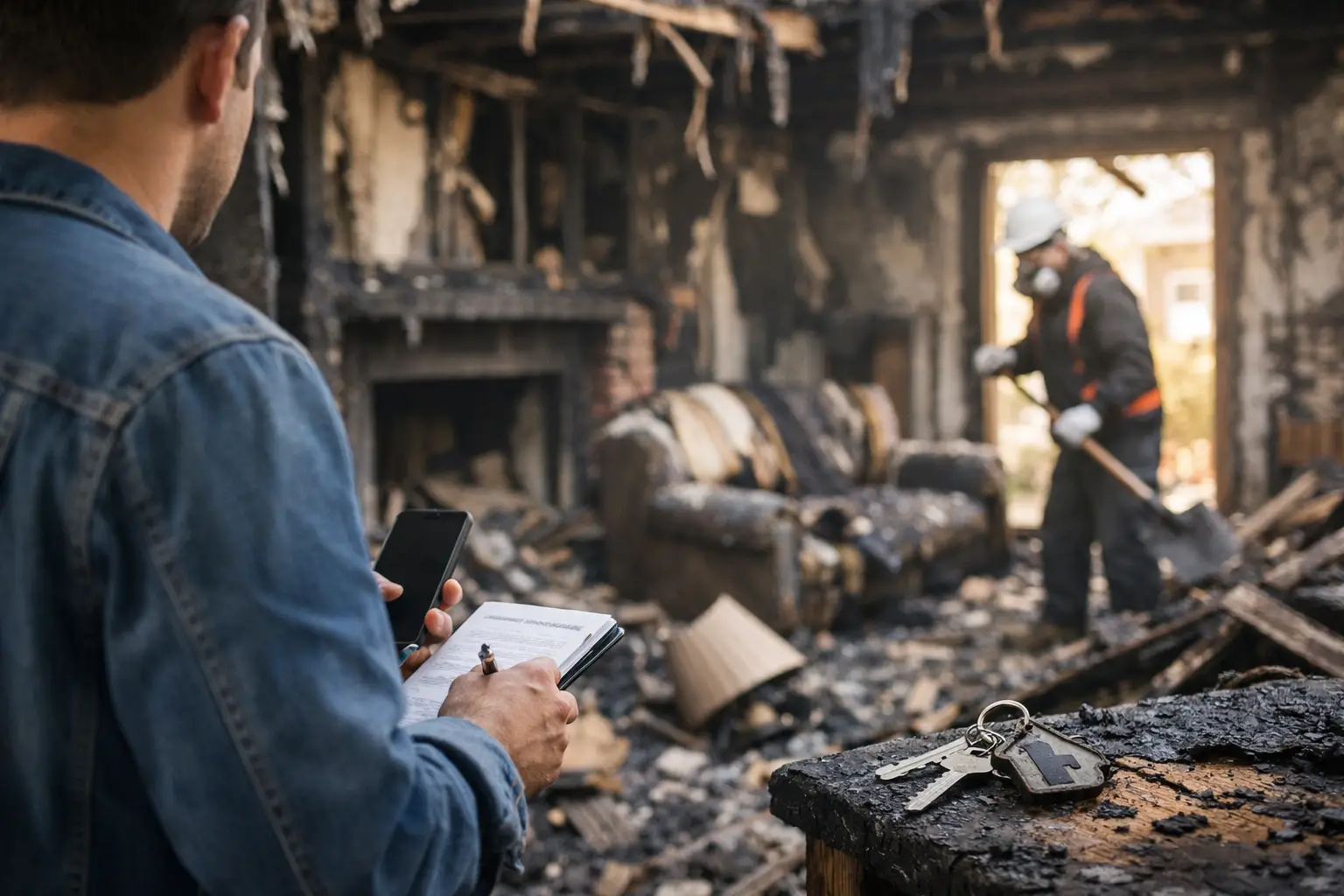 Fire & Smoke
Soot removal, odor deodorization, and content cleaning after fire and smoke damage.
Learn more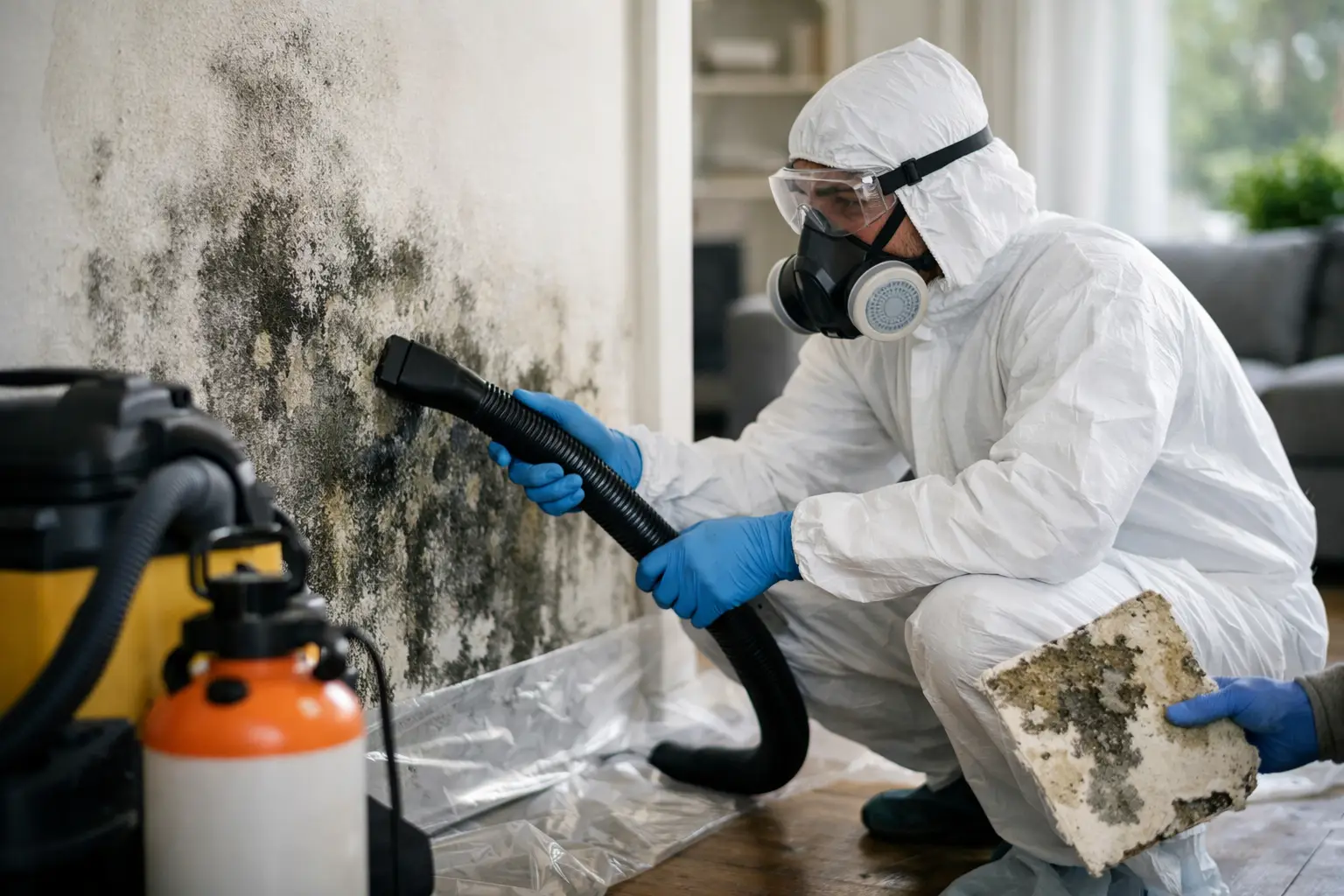 Mold
MoldContainment, removal, and moisture control that stops mold from coming back.
Learn more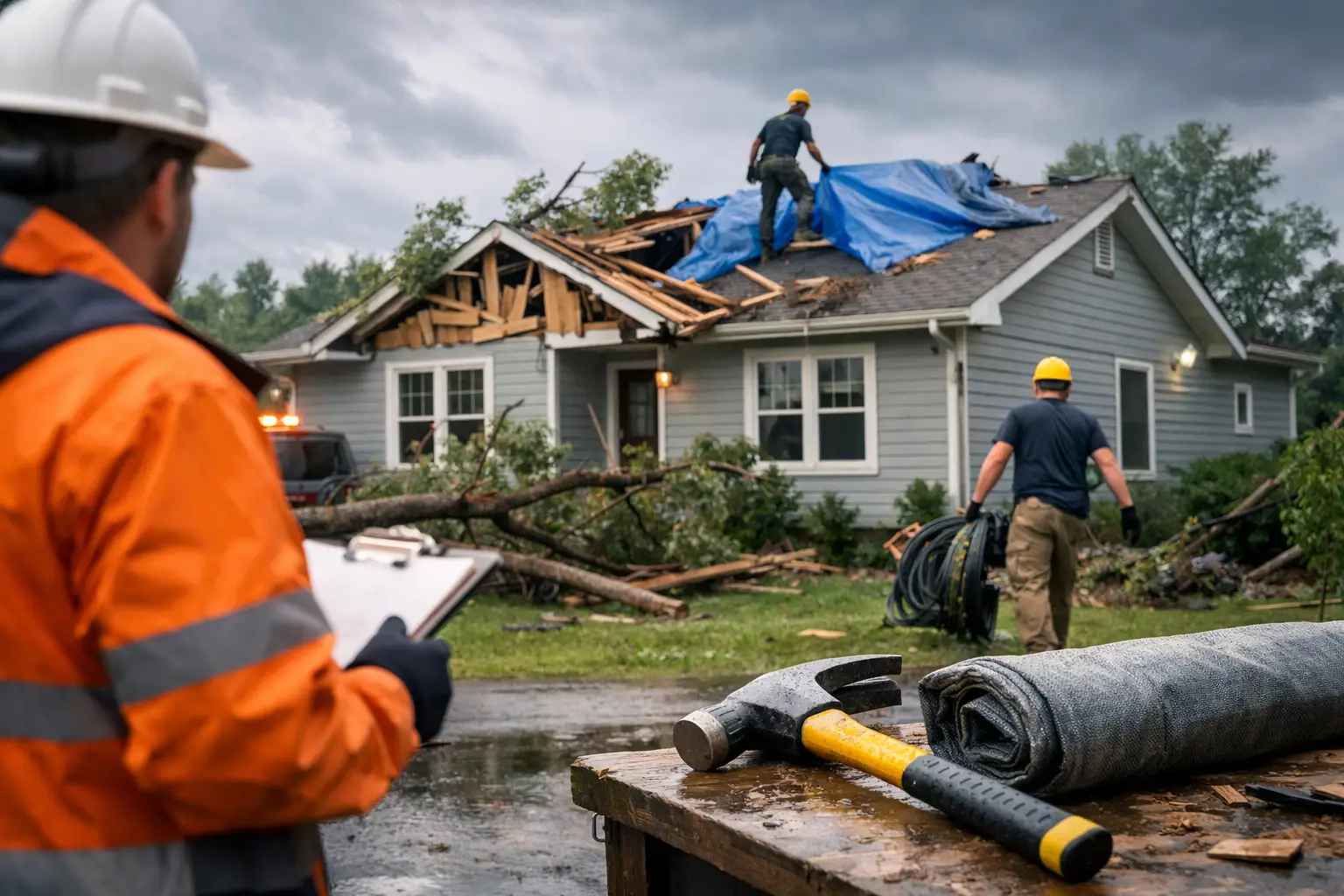 Storm
StormEmergency board-up, roof tarping, and full recovery after wind, hail, and storms.
Learn more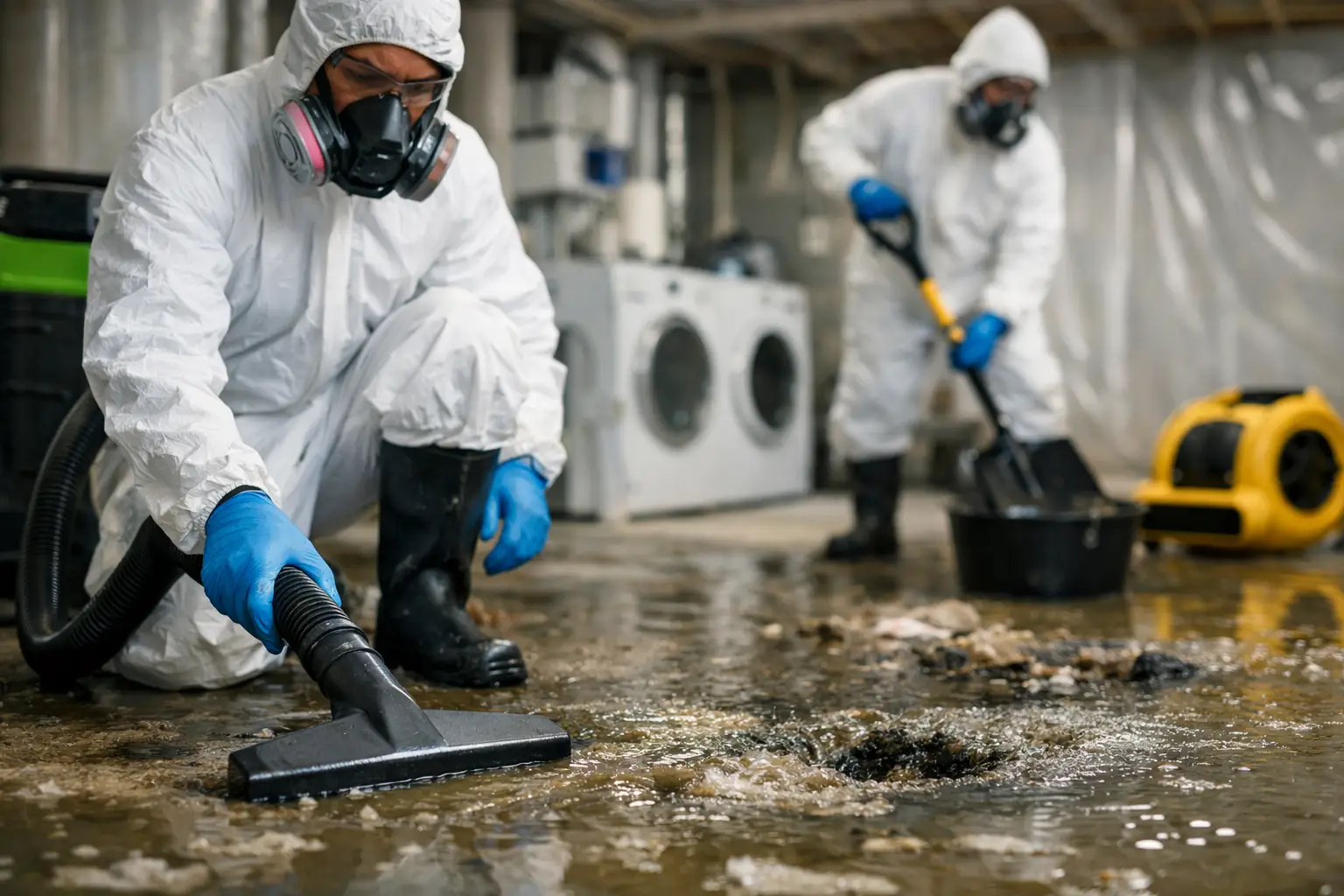 Sewage
Safe biohazard cleanup and sanitizing after sewage backups and overflows.
Learn more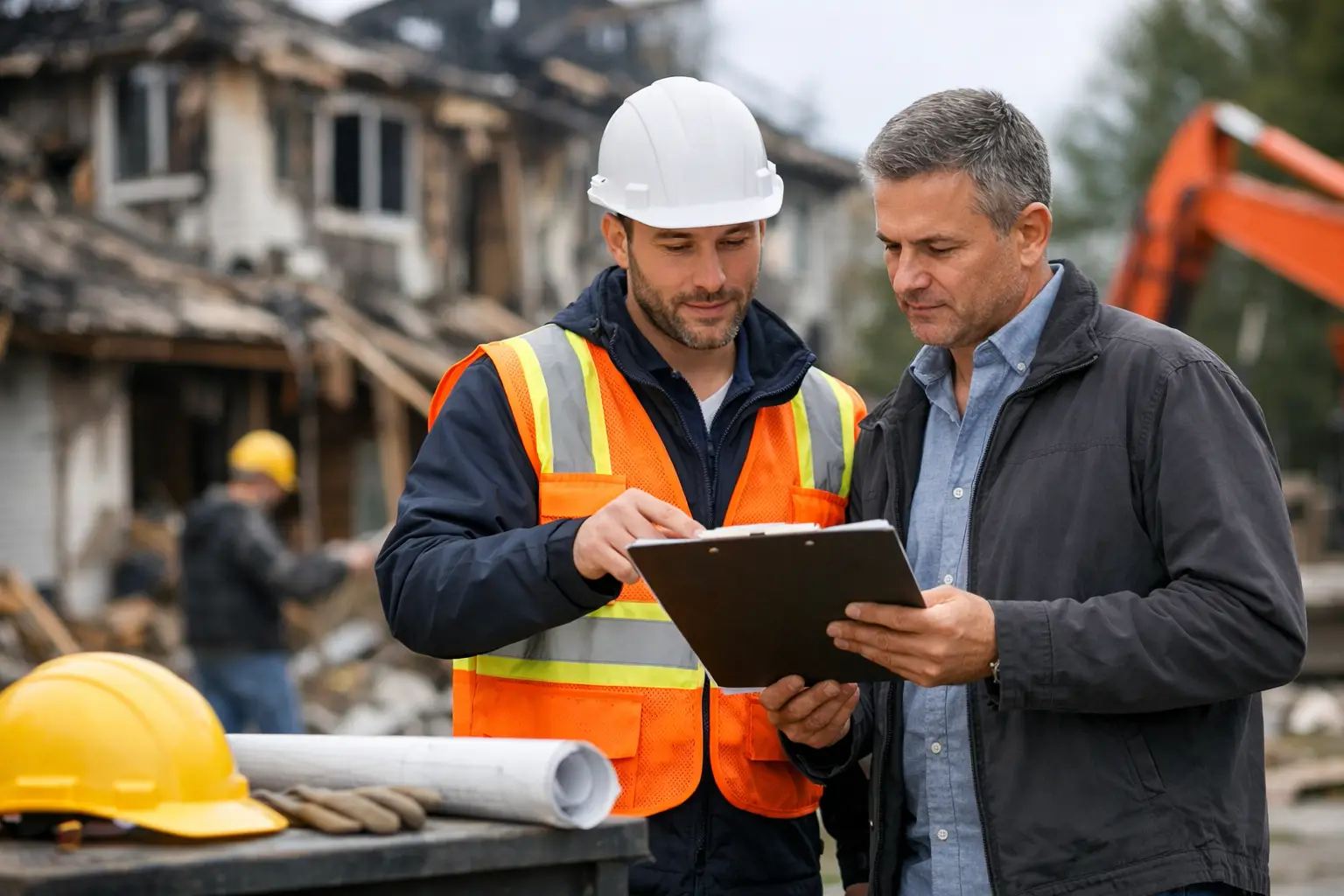 Reconstruction
Full rebuild by a licensed general contractor, so your property comes back whole.
Learn moreElevated Operations is an IICRC-certified, licensed general contractor based in Mableton that handles the entire recovery in-house, so after one loss you are never coordinating a cleanup crew, a mold crew, and a contractor separately. One team, one point of contact, from the first pump-out to the final coat of paint.
People call when the property feels like a disaster. They leave reviews because Chris and the crew made it right. These are real, verified Google reviews.
It can be, but not always. A Battery townhome may have tighter access, shared walls, and more finished surfaces, which can affect labor and containment. A 60s or 70s slab ranch can be easier to access, but larger open areas or attic smoke spread can change the scope fast. I price what the damage actually demands.
Insurance often covers fire cleanup, soot removal, smoke odor removal, debris removal, and necessary repairs to damaged structure, subject to the policy and claim approval. It may also cover emergency board up services and some contents work if the items are salvageable. The carrier decides coverage based on the loss facts and documentation.
I document every affected area, not just the burned room. In an older ranch, smoke can move through hallways, closets, attics, and HVAC pathways. That means the claim may need more than surface cleaning. I work directly with insurance, so the scope matches the actual fire damage and the carrier can review it clearly.
Often yes, if the board up work is part of emergency mitigation after a covered loss. If windows, doors, or other openings are exposed, securing the property protects the structure from weather and trespass. I handle those first steps fast, then document them for the claim so the carrier can review them.
Hard surfaces, some structural materials, and many contents can sometimes be cleaned if the damage is not too deep. Content cleaning can save furniture and belongings, and soot removal can restore surfaces that were not directly burned. But if smoke odor has penetrated too deeply, replacement may be the better call.
No. Emergency mitigation should start right away, especially if the structure is open, wet, or exposed to more damage. I offer 60-minute emergency response 24/7 and can begin stabilization while the claim is moving. Waiting can let soot set, odors spread, and repair costs climb.
The deductible is your policy responsibility, but I offer deductible assistance up to $1,000 when the job and claim qualify. That does not change what the carrier owes under the policy. It simply helps reduce the homeowner’s out-of-pocket burden while the claim is being handled.
It can, if the odor removal is part of restoring the home to its pre-loss condition under the policy. Smoke odor travels fast in townhomes, especially through stairs, shared interior spaces, and finished rooms. I document the affected areas, then work the claim so the carrier can review the scope correctly.
Elevated Operations dispatches IICRC-certified crews across Metro Atlanta from our Mableton base, with a 60-minute emergency response day or night. Choose your city:
Call now for an immediate response, or request your free inspection and get a certified crew on-site within the hour across Atlanta and nearby areas.