24/7 Emergency Restoration · Serving Metro AtlantaEmergency? (770) 404-6895
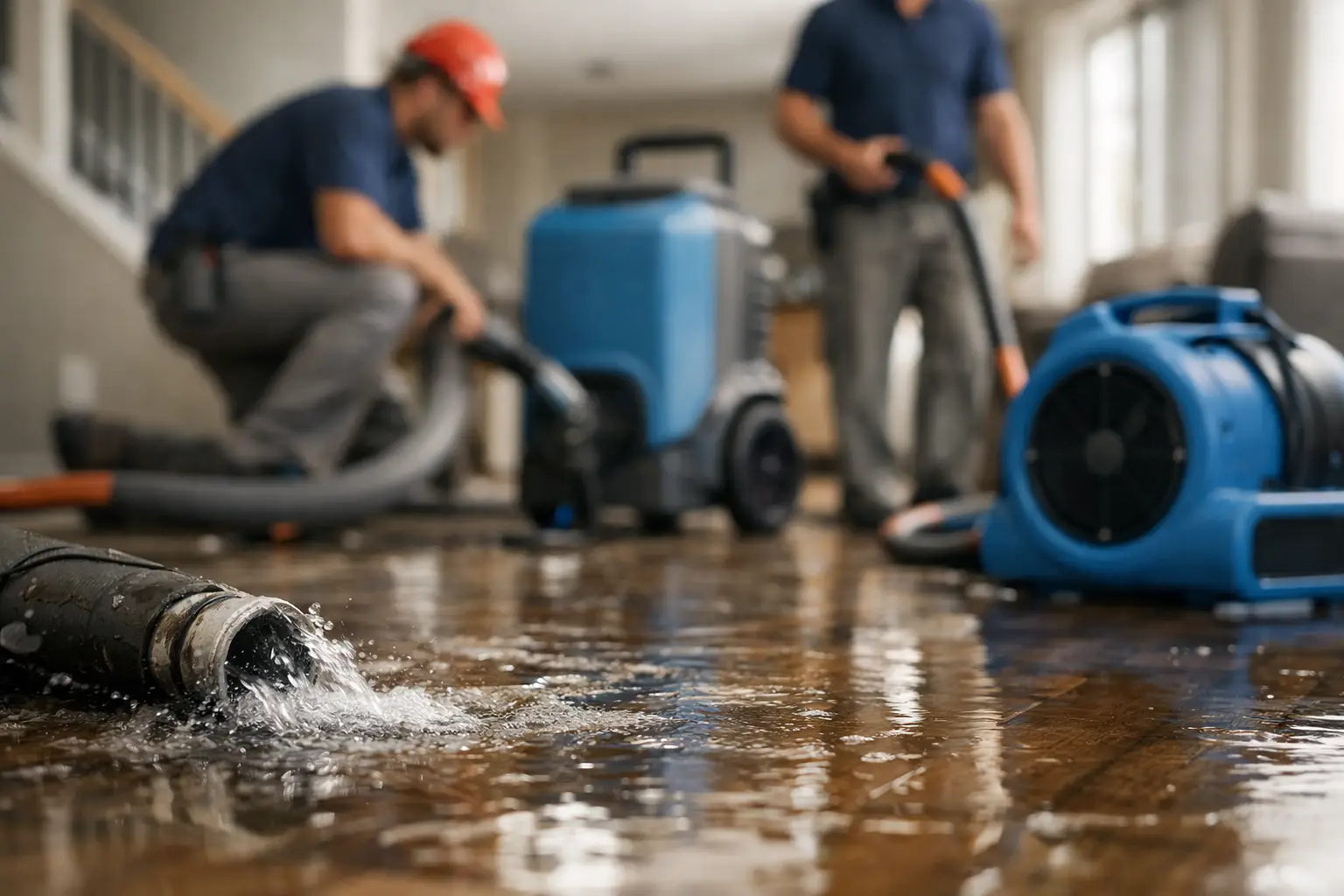
Sewage remediation services in Sandy Springs start with one thing, getting the mess contained before it spreads through flooring, drywall, and air. I’m Chris Kwangwari, and since 2007 I’ve handled sewage cleanup, black water remediation, and odor control for homes near the Chattahoochee riverside, apartment buildings, and older houses across Sandy Springs.
IICRC-Certified · 5-Star Rated · 60-Minute Response · Insurance Billed Directly
I handle fast containment, disinfection, and contamination removal for riverside homes and lower-level spaces that take sewage damage quickly.
If the source is still in the building, the smell stays. I remove the contaminated materials first, then deal with odor control.
If a material absorbed sewage, I usually remove it. Porous materials rarely forgive contamination, and I would rather be blunt than wrong.
I offer direct insurance billing and deductible assistance up to $1,000, so the claim side does not slow the cleanup.
They include emergency containment, sewage cleanup, disinfection, contamination removal, odor control, and documentation for insurance. I send IICRC-certified technicians, and I stay focused on stopping the spread first, then cleaning the structure so the home can be used again safely.
A sewer line failure near the Chattahoochee riverfront can push water under baseboards before anyone sees the source. I start with source control, then we isolate the affected rooms and remove contaminated material that cannot be cleaned. That is the part people underestimate.
In Sandy Springs, I have seen toilet backup cleanup in townhomes, lower levels, and ranch homes with older drains. The work changes by structure, but the sequence does not: contain, remove, sanitize, dry, and document. That keeps the damage from becoming a bigger insurance fight.
And I do not guess on paperwork. Elevated Operations, LLLP offers direct insurance billing, and I back our work with a 12-month warranty. If the damage belongs in the category of biohazard cleanup, I treat it that way from the first visit, not after it has already spread.
Moisture and low-lying areas near the Chattahoochee riverside make sewage damage travel quickly into hidden spaces. When a backup hits a basement, crawlspace, or slab edge, the water can move under finishes and into materials that look fine at first glance.
I have worked homes where the problem started near a finished basement and then moved toward the rear rooms because the grade and drainage carried it that way. Sandy Springs has pockets like that, especially in homes close to the river corridor where water wants to sit, not drain.
That is why black water remediation is not just about wiping surfaces. It is about finding where contamination traveled, especially under carpet, behind trim, and inside wall cavities. When sewage enters those spaces, the air quality changes, and odor control becomes part of the structural job.
But the location alone does not decide the outcome. The building type does. Older homes, stacked condos, and lower-level units each trap moisture differently, and I plan the cleanup around that reality. If I do not map the spread correctly, I am not doing restoration, I am doing cleanup theater.
Yes, if sewage entered living space, remediation is necessary. Even a short backup can leave bacteria, residue, and moisture behind, and that is enough for contamination to keep moving through porous materials and hidden seams long after the visible water is gone.
A lot of people think a toilet backup cleanup ends when the floor looks clear. It does not. Sewage can leave behind contamination that soaks into padding, trim, and the edges of subflooring. If you stop at surface cleaning, the odor usually comes back.
Around Sandy Springs, I see this most in homes with basement rooms and condos where a backup crosses tile into carpet or wood transitions. Those edges matter. IICRC-certified technicians know that if a material cannot be sanitized, it needs to come out instead of being argued with.
And once sewage has touched porous materials, sanitization must be paired with removal. That is the difference between a room that smells better for a day and one that is actually safe to use again. I have been in restoration since 2007, and that lesson has not changed.
Some hard surfaces can be sanitized, but many sewage-damaged materials need removal. The decision depends on porosity, exposure time, and how far the contamination moved. I do not try to save materials that will keep holding waste, moisture, or odor.
I have seen people spray a cleaner on a soaked room and call it done. That is not disinfection. In Sandy Springs, especially in homes near the river or in older construction, I look at what actually absorbed the sewage. Drywall, insulation, and padding often have to go.
Hard, non-porous surfaces can sometimes be cleaned and disinfected, but even then I check the seams, joints, and edges where contamination hides. If the water line climbed a wall or sat long enough, contamination removal becomes the real job, not cosmetic wiping.
The rule is simple. If a material cannot be fully cleaned and dried, it should not stay. I would rather remove one section correctly than leave a hidden source that feeds odor control problems later. That is how we keep the repair honest.
Anything porous or visibly saturated often needs removal, including carpet, pad, drywall, insulation, and affected trim. I also look at cabinets, subflooring edges, and lower wall finishes, because sewage contamination can travel farther than the wet spot shows.
In many Sandy Springs houses, especially older ones with finished basements, the damage hides at the bottom of the wall. By the time I get there, the carpet may look like the main issue, but the padding and drywall behind it have already been affected.
I also pay close attention to cabinets and built-ins near laundry rooms or lower-level baths. If sewage reaches those materials, biohazard cleanup is not just a surface task. It means separating what can be saved from what needs to be discarded so the structure can be cleaned correctly.
And this is where direct insurance billing helps. The homeowner does not need a cleanup lecture while a bathroom or basement is still contaminated. They need someone licensed, insured, and decisive. I am a licensed general contractor, and I handle the process with that standard in mind.
I handle odor control by removing the source, cleaning all affected surfaces, and drying the structure completely. If the odor source stays in the building, the smell stays too, no matter how much fragrance or spray gets used.
Odor control in Sandy Springs is not about covering a smell near the Chattahoochee riverside. It is about eliminating the contamination that created it. Once sewage sits in carpet, subfloor, or wall cavities, the odor keeps leaking back until the hidden material is addressed.
I have worked homes where the smell moved through hallways and upstairs rooms because air returns pulled it through the house. That is why sewage remediation services have to include source tracking, not just visible cleaning. If the source remains, the smell does not negotiate.
After cleanup, I verify the affected area is dry and stabilized before I close a job. That is where our 12-month warranty matters. I stand behind the work because I do not want a homeowner living with a reminder that should have been removed the first time.
In a condo or townhome, we work fast to isolate the unit, protect common areas, and stop contamination from spreading into shared walls or neighboring spaces. The cleanup has to respect the building while still treating the damage as a biohazard issue.
Multi-unit buildings are different. A toilet backup cleanup in a Sandy Springs condo can affect the unit below, shared plumbing chases, or hall finishes, and the work needs coordination. I keep it direct: secure the area, document the damage, and remove contaminated materials as needed.
You often see this in stacked units where the bathroom sits over living space. Moisture does not care about the floor plan. It moves through penetrations and seams, which means disinfection must reach the affected edges, not just the visible floor surface.
And because I offer 60-minute emergency response 24/7, I can get there quickly when a backup starts to threaten neighbors or common areas. That speed matters, but so does judgment. Fast without discipline only spreads the problem.
A lower-level family room near the Chattahoochee river corridor took on sewage after a line backup. I isolated the room, removed contaminated carpet and padding, and handled disinfection at the slab edge so the odor would not keep creeping back.
In an older Sandy Springs ranch, sewage pushed into a hall bath and into the adjacent wall. I treated it as black water remediation, removed soaked drywall and trim, and handled contamination removal before the moisture had time to migrate farther.
A townhome owner called when sewage crossed tile into carpet at a bathroom threshold. We protected the shared spaces, completed biohazard cleanup, and used direct insurance billing so the owner could focus on the claim instead of the mess.
From emergency mitigation to full reconstruction, handled in-house so you are never managing a chain of subcontractors mid-crisis.
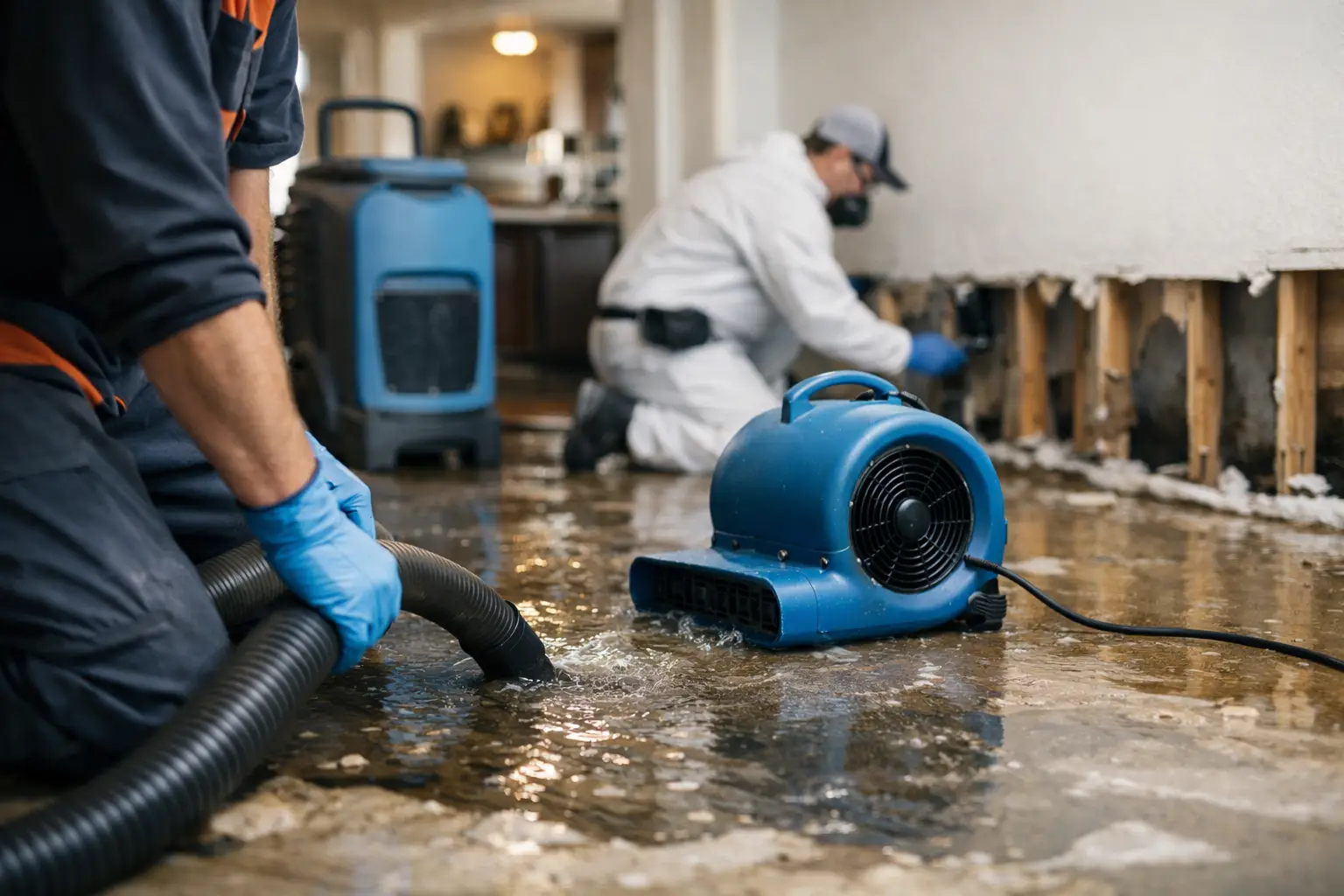 Water Damage
Extraction, structural drying, and moisture mapping after floods, leaks, and burst pipes.
Get help now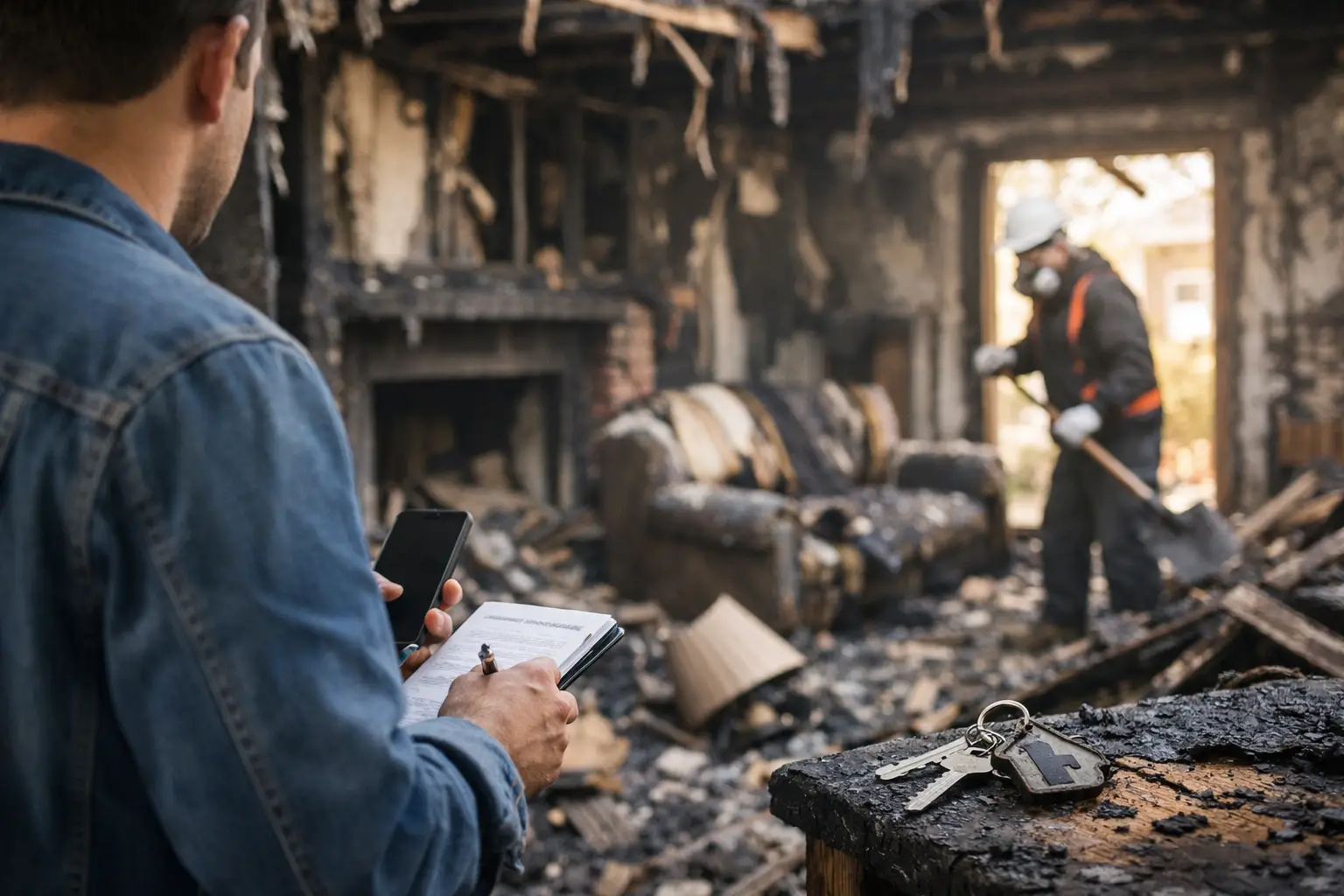 Fire & Smoke
Soot removal, odor deodorization, and content cleaning after fire and smoke damage.
Learn more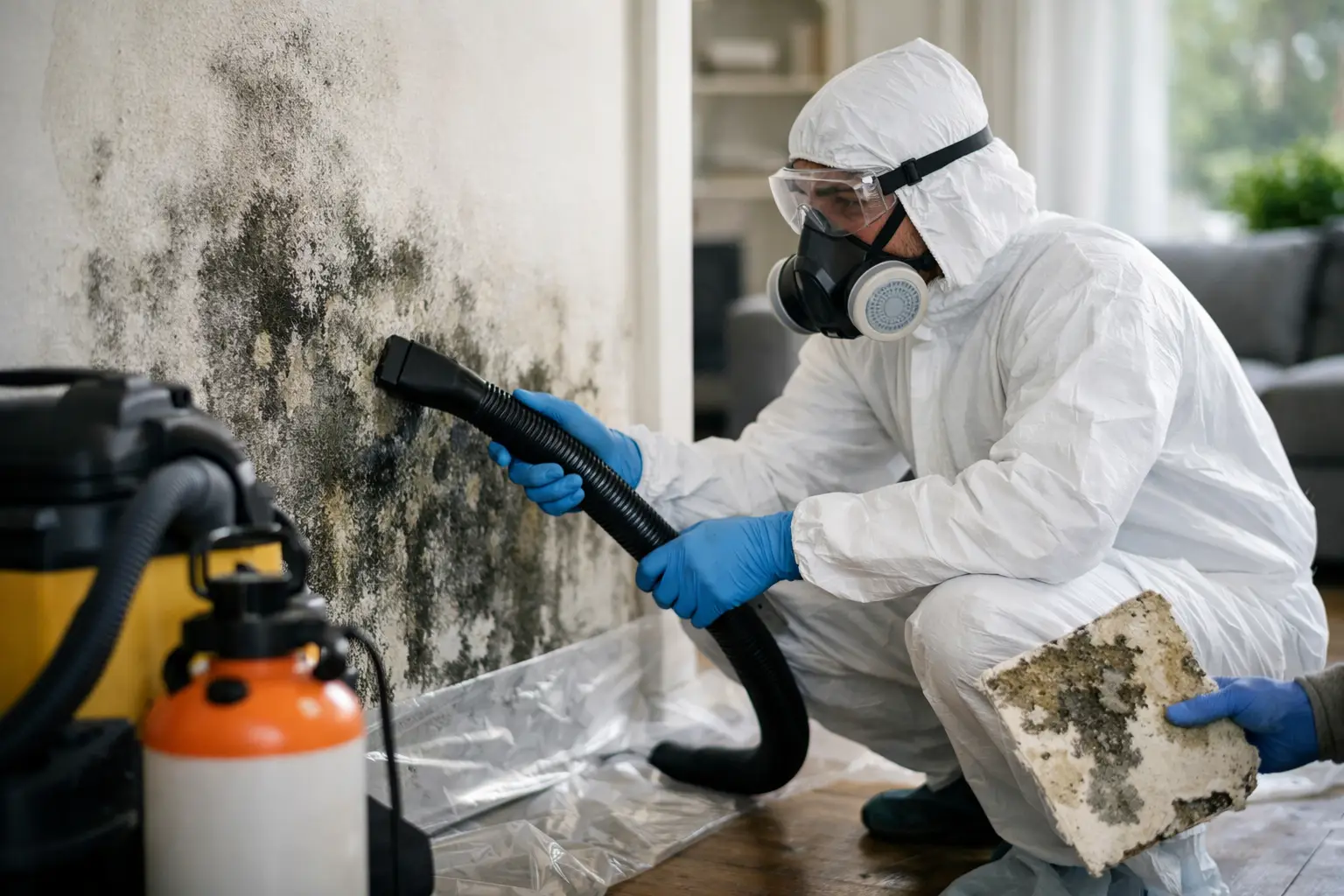 Mold
MoldContainment, removal, and moisture control that stops mold from coming back.
Learn more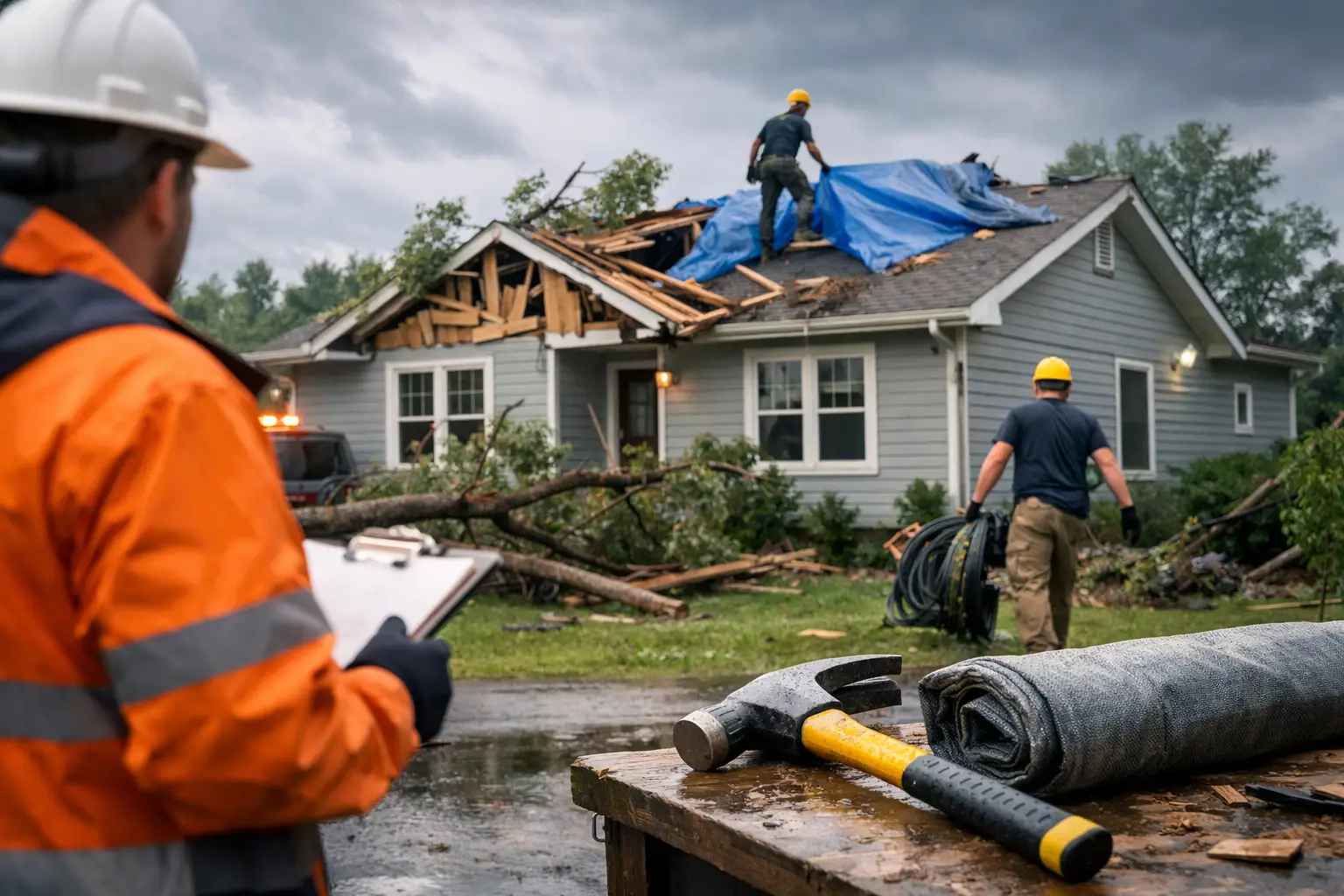 Storm
StormEmergency board-up, roof tarping, and full recovery after wind, hail, and storms.
Learn more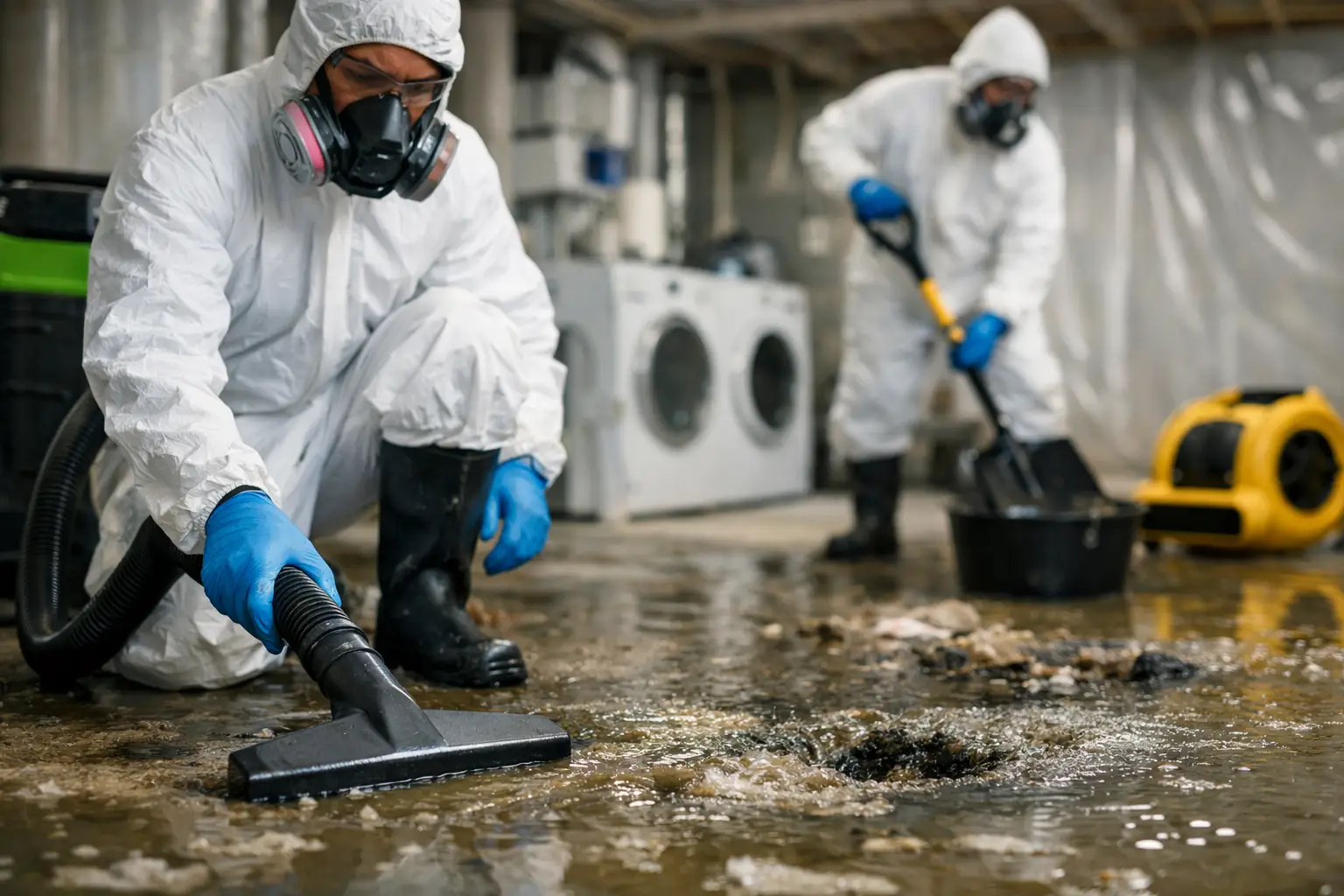 Sewage
Safe biohazard cleanup and sanitizing after sewage backups and overflows.
Learn more Reconstruction
Full rebuild by a licensed general contractor, so your property comes back whole.
Learn moreElevated Operations is an IICRC-certified, licensed general contractor based in Mableton that handles the entire recovery in-house, so after one loss you are never coordinating a cleanup crew, a mold crew, and a contractor separately. One team, one point of contact, from the first pump-out to the final coat of paint.
People call when the property feels like a disaster. They leave reviews because Chris and the crew made it right. These are real, verified Google reviews.
I offer 60-minute emergency response 24/7, and I treat sewage calls like urgent jobs, because they are. Near the Chattahoochee riverside, water and waste can spread into hidden spaces fast, especially in lower-level rooms. I send IICRC-certified technicians to contain the area, start documentation, and begin cleanup before the damage migrates farther.
Yes. I handle sewage cleanup in condos and townhomes across Sandy Springs, including buildings where shared walls and stacked plumbing make the problem bigger than one unit. I focus on isolation, contamination removal, and coordination with the property’s needs. The goal is to protect common areas while cleaning the affected unit as a biohazard cleanup job.
Older Sandy Springs houses often have materials that absorb sewage quickly, especially around baths, basements, and original trim. That means the cleanup has to be more decisive. I look for hidden saturation behind finishes, remove what cannot be sanitized, and handle disinfection with the structure in mind instead of treating it like a simple surface spill.
Sometimes, but not always. Hard, non-porous surfaces can often be cleaned and disinfected, while carpet pad, drywall, insulation, and other porous materials usually need removal. I do not force sanitization onto materials that should come out. That is how I keep odor control and contamination removal from becoming repeat problems.
In most basement sewage jobs, I expect carpet, padding, lower drywall, insulation, and some trim to come out if they were saturated. I also inspect the floor edges and wall bottoms carefully. Sewage cleanup only works when the contaminated material leaves the structure, not when it is left to dry in place.
Yes. A room can look dry and still hold residue, bacteria, or odor in seams, padding, and hidden cavities. That is especially true after toilet backup cleanup in Sandy Springs homes where the spread was fast. I treat visible drying as the start of the job, not the end.
Yes, I do. Elevated Operations, LLLP offers direct insurance billing, which helps when a sewage loss turns into a paperwork problem on top of a cleanup problem. I also provide deductible assistance up to $1,000. My job is to get the home clean and the claim moving without creating extra stress for the owner.
I back our work with a 12-month warranty. That matters after sewage remediation because hidden moisture and odor issues can return if the job was not done right. I want the homeowner to know the cleanup was handled with care, from containment and disinfection through the final check of the affected area.
Elevated Operations dispatches IICRC-certified crews across Metro Atlanta from our Mableton base, with a 60-minute emergency response day or night. Choose your city:
Call now for an immediate response, or request your free inspection and get a certified crew on-site within the hour across Atlanta and nearby areas.