24/7 Emergency Restoration · Serving Metro AtlantaEmergency? (770) 404-6895
As a disaster reconstruction contractor in Kennesaw, I step in after water, fire, or storm damage and carry the job from demolition through rebuild. I’m Chris Kwangwari, owner of Elevated Operations, LLLP, and I handle the hard part, the cleanup handoff, structural repairs, and the finish work that gets homes and rentals moving again.
IICRC-Certified · 5-Star Rated · 60-Minute Response · Insurance Billed Directly
Yes. I handle the reconstruction phase after cleanup, from framing repair to final finishes, so the property gets put back the right way.
I use direct insurance billing and keep the reconstruction scope organized, which helps the claim stay readable and keeps work from stalling.
I do. Student housing and landlord timelines move fast, so I keep communication direct and the rebuild sequence practical.
Then I treat it as property reconstruction, not a quick fix, and I rebuild the damaged areas with the right structure underneath.
I take a damaged Kennesaw property from wrecked to working again, starting after emergency mitigation and ending with reconstruction. That means framing repair, drywall installation, flooring replacement, roof repair coordination, and full rebuild work when the damage is too far gone for patch jobs.
In Kennesaw, that often means a ranch near older streets off Jiles Road or a townhome close to KSU where water traveled fast through shared walls. I look at what failed, what can stay, and what has to be replaced so the structure is sound again.
I am not a handyman with a ladder. I am a licensed general contractor, and I run reconstruction as a real build sequence. If a ceiling collapses from a leak, I do not just hang board and hope. I check framing, hidden moisture, insulation, and the surface finish together.
That matters when the damage reaches the bones of the place. Drywall can be simple. Structural repairs are not. I’ve been in restoration since 2007, and I use IICRC-certified technicians plus direct insurance billing so the file, scope, and rebuild stay aligned from day one.
You need reconstruction when the damage is past dry-out and patching, especially after fire, burst pipes, storm impact, or long water exposure. If materials are swollen, unsafe, mold-prone, or structurally compromised, I move the job into property reconstruction instead of repeated repairs.
Around Kennesaw Mountain, I’ve seen storm damage where tree limbs hit shingles, then rain followed the path into attics and upper walls. In that case, roof repair alone is not the full answer if sheathing, insulation, and interior finishes are already ruined.
On the KSU rental side, landlords and tenants usually feel this fast. A leak in an apartment or duplex can spread through cabinets, baseboards, and subflooring before anyone notices. Once materials start breaking down, flooring replacement and drywall installation become part of the actual fix.
I also look at timing. Mold starts in 24 to 48 hours, so waiting turns a manageable loss into a bigger reconstruction problem. If the damage smells musty, sags, or shifts, I want to inspect it quickly and tell you straight whether repair or rebuild makes sense.
Yes, and that is usually the smarter move when the loss is serious. I coordinate the reconstruction side, and I work from the mitigation point forward so the transition is clean, the insurance file stays organized, and the property does not sit half-finished.
I do not pretend every contractor should do every task. But when cleanup ends and reconstruction begins, one accountable lead makes life easier. You do not want a demo crew pointing at a rebuild crew while the tenant is still calling about a missing kitchen wall.
In Kennesaw, that shows up a lot with student rentals near KSU. A burst line in an upper unit can turn into cabinet removal, subfloor replacement, and drywall repair fast. If I’m handling the reconstruction, I know exactly what was torn out and what has to go back.
That also helps with direct insurance billing. I document the scope, confirm what needs to be rebuilt, and keep the work moving. And if the loss involves a larger structural issue, I can handle the property reconstruction without bouncing you between separate companies.
I handle KSU rental losses with a landlord-first, code-aware approach that keeps the unit safe and get-back-to-rent ready. I focus on quick assessment, direct communication, and the rebuild work that matters most in student housing and shared occupancy settings.
KSU rentals are their own animal. A single leak can affect a kitchen, a bathroom, and a hallway before management even gets a full picture. I’ve seen how fast tenant turnover adds pressure, so I stay practical: stabilize the structure, repair the damage, and keep the file clean.
Landlords want the place rentable again. Tenants want the mess gone. I respect both, but I work from the property owner’s rebuild obligation because that is what actually restores the space. If framing repair or flooring replacement is needed, I say so plainly and get it scoped.
Because I’m based in Mableton and work across Cobb County, I can get into Kennesaw quickly for those emergency calls. My team responds 24/7 with a 60-minute emergency response, and that speed matters when a rental unit is losing water or has open structural damage.
Storm damage near Kennesaw Mountain often turns into a mix of roof repair, interior water damage, and structural repairs when wind or falling limbs open the building envelope. What looks like a small roof issue can become a ceiling, wall, and flooring rebuild.
Around the mountain, the trees are part of the beauty and part of the risk. I have walked properties where a limb hit a roof, the leak ran into an upstairs hall, and the first visible damage was a stain in the morning. That stain was the beginning, not the end.
That is where reconstruction judgment matters. If I only patch the surface, you get a fresh-looking problem. I check the framing, the sheathing, and the inside surfaces together, then decide whether drywall installation, insulation replacement, or a broader full rebuild is the honest answer.
I do not push work you do not need. But I also do not minimize storm damage just because the outside looks manageable. The structure tells the truth. My job is to read it correctly and rebuild the right parts the first time.
I keep reconstruction moving by documenting the damage clearly, billing the carrier directly when appropriate, and building a practical scope that matches what the loss actually requires. That keeps the job from stalling between mitigation, approval, and rebuild.
Insurance jobs drag when nobody owns the whole picture. I do. I’m Chris Kwangwari, owner of Elevated Operations, LLLP, and I stay involved from the first look through the final punch list. That helps on jobs where ceiling collapse, cabinet removal, or structural repairs are all tied together.
Kennesaw owners usually want one answer: what gets fixed, and how soon can you start. I give them that answer without drama. I also offer deductible assistance up to $1,000, which can help with the pressure that follows a big loss.
My work carries a 12-month warranty, because a rebuild should hold up after I leave. And with a 4.9-star Google rating from 73 reviews, people around Metro Atlanta know I take the reconstruction side seriously.
The tenant saw staining late, the cabinet base was soft, and the subfloor had already taken on water. I handled the reconstruction side with drywall installation, flooring replacement, and the cleanup-to-rebuild transition.
A limb opened the roof, rain followed, and the damage moved from attic to hallway ceiling. I focused on roof repair coordination, framing repair, and the interior rebuild so the structure was sound again.
The house had repairs that never fully held. I stripped the failed materials, checked for structural repairs, and rebuilt the affected rooms instead of layering new finish over old failure.
From emergency mitigation to full reconstruction, handled in-house so you are never managing a chain of subcontractors mid-crisis.
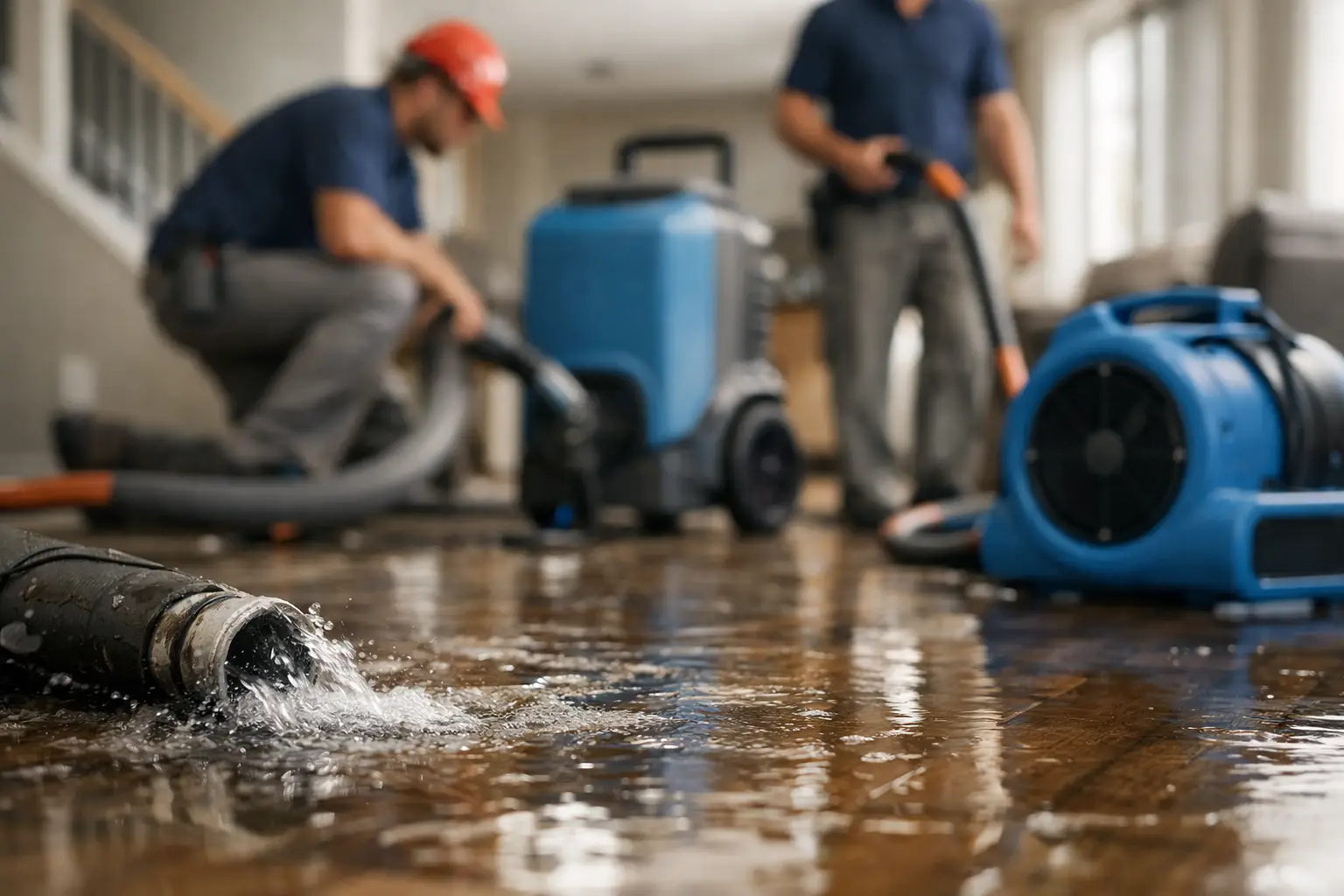
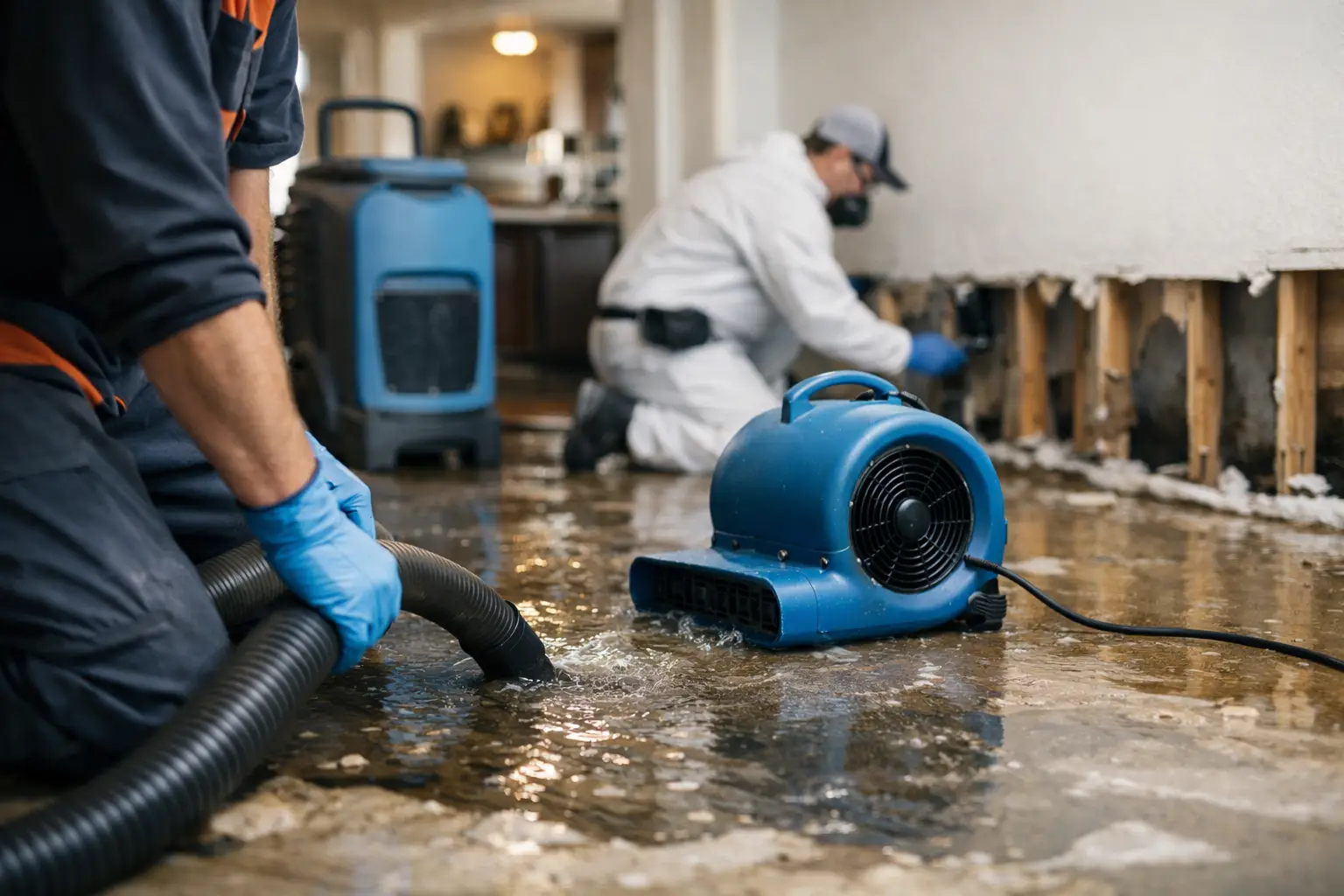 Water Damage
Extraction, structural drying, and moisture mapping after floods, leaks, and burst pipes.
Get help now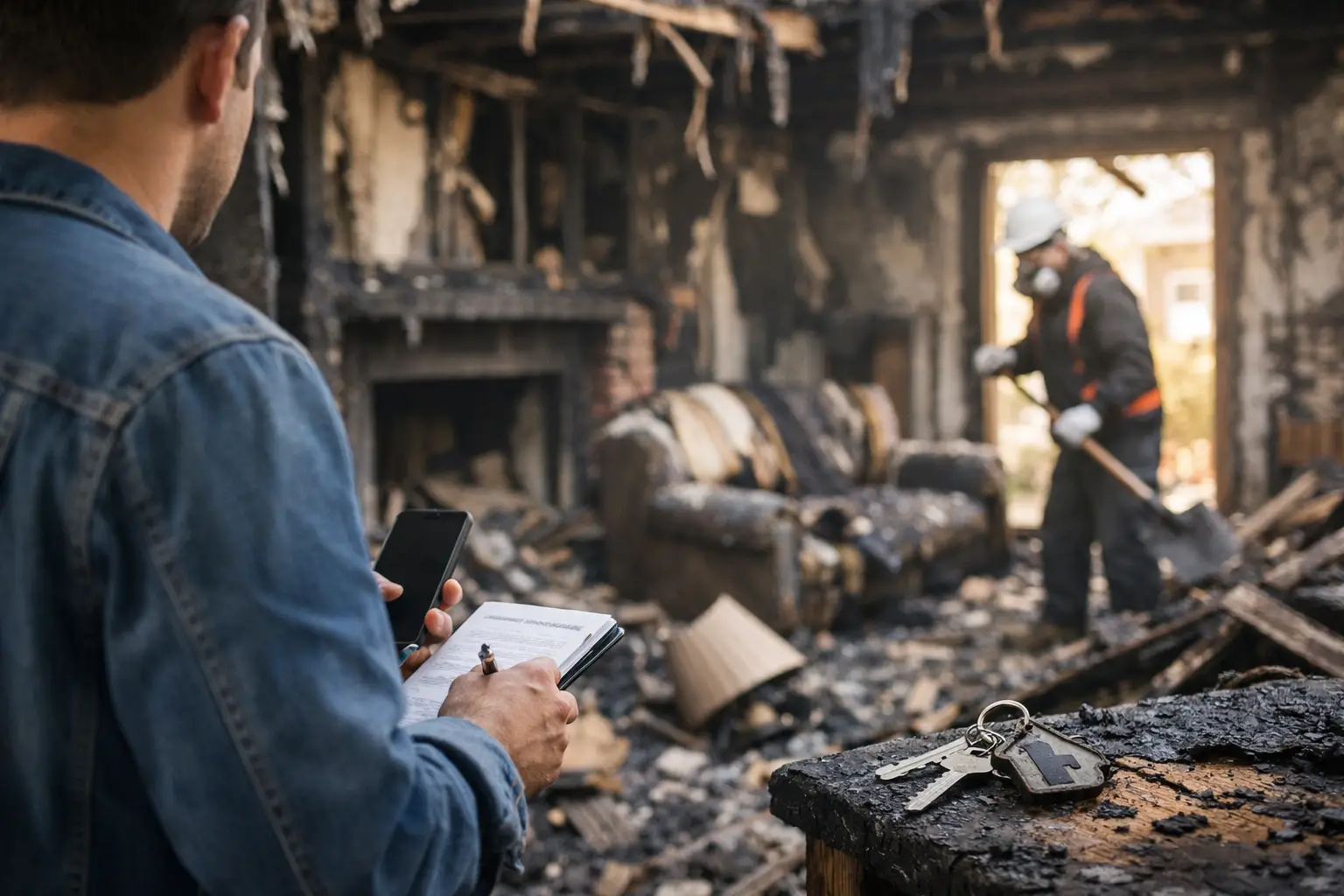 Fire & Smoke
Soot removal, odor deodorization, and content cleaning after fire and smoke damage.
Learn more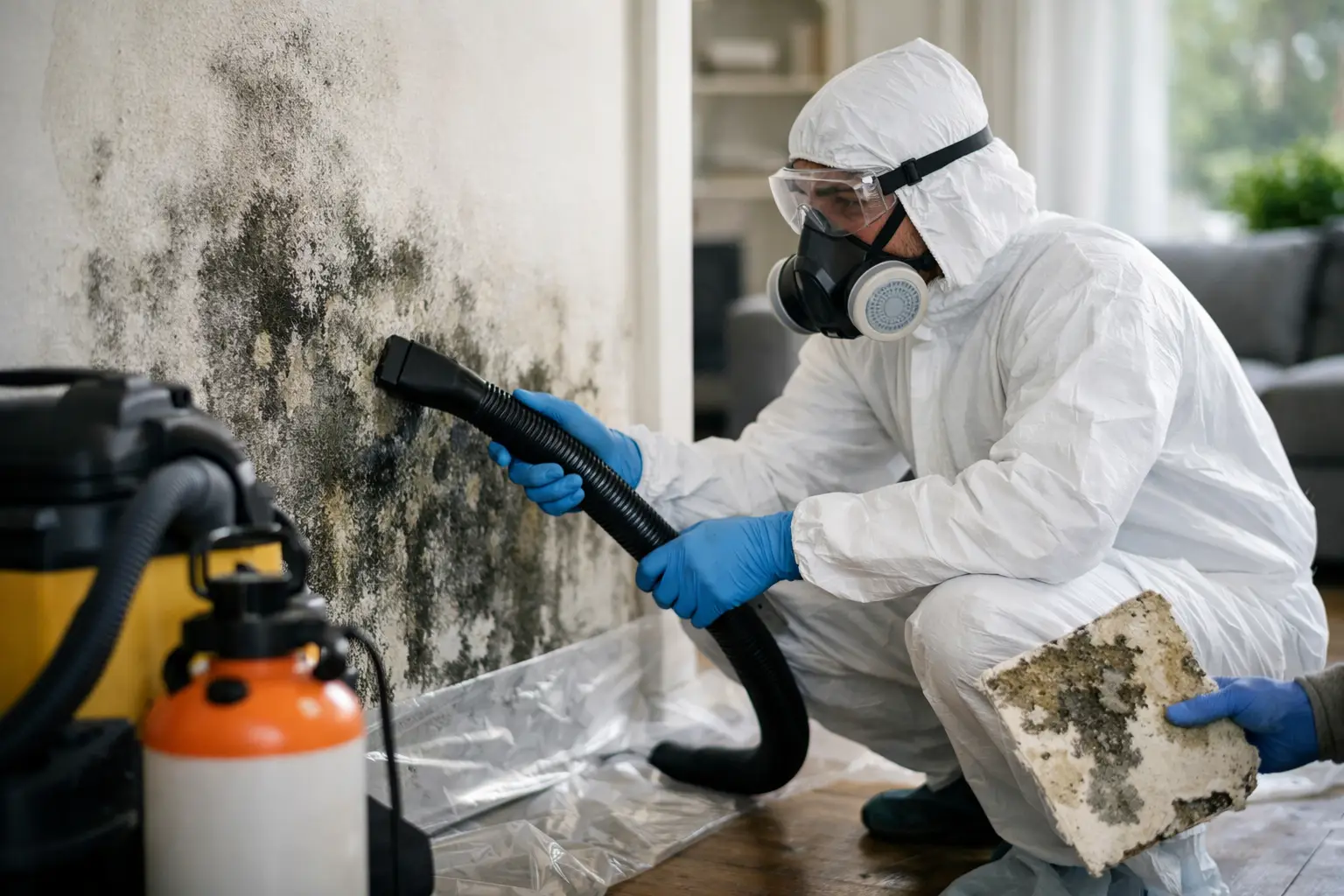 Mold
MoldContainment, removal, and moisture control that stops mold from coming back.
Learn more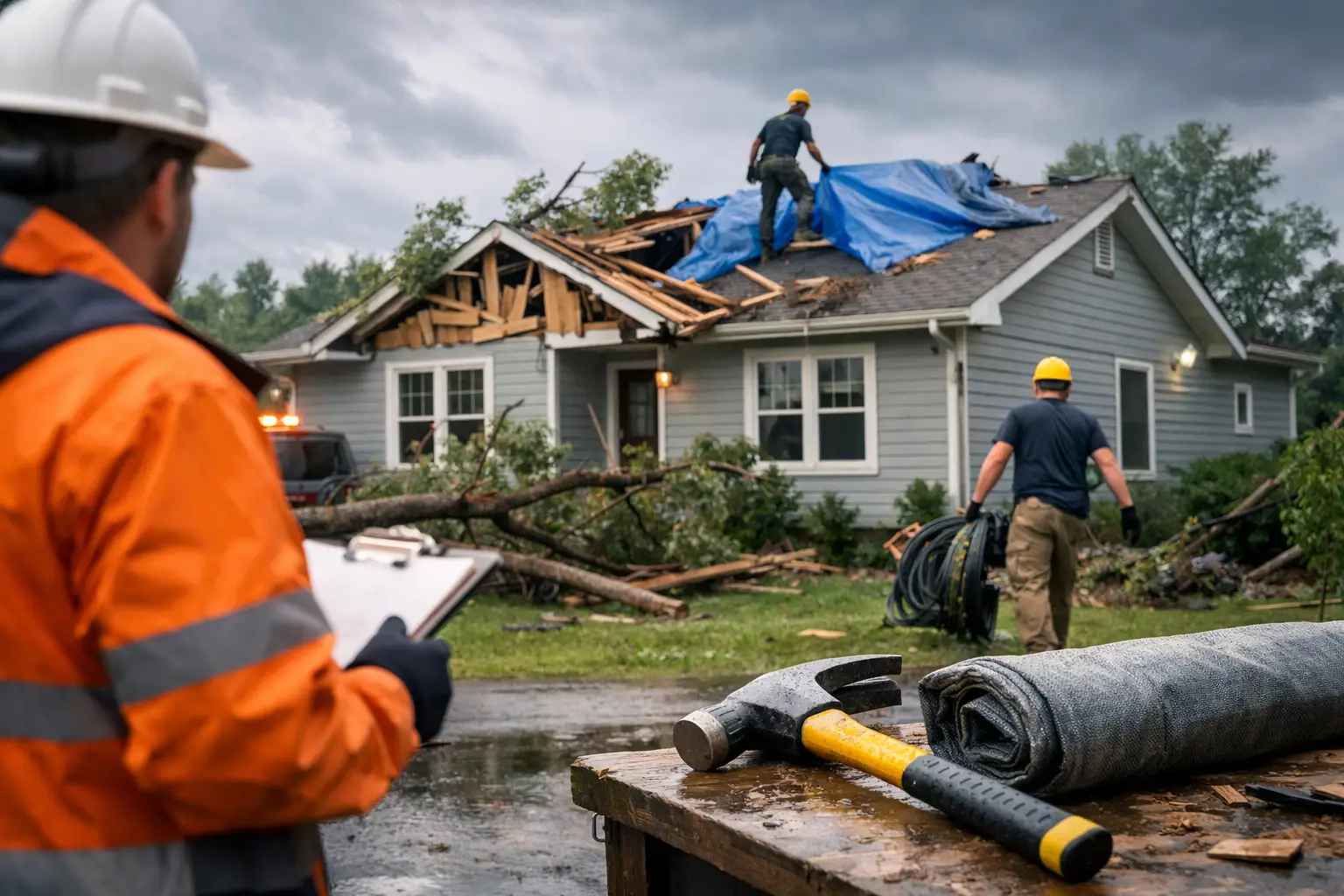 Storm
StormEmergency board-up, roof tarping, and full recovery after wind, hail, and storms.
Learn more Sewage
Safe biohazard cleanup and sanitizing after sewage backups and overflows.
Learn more Reconstruction
Full rebuild by a licensed general contractor, so your property comes back whole.
Learn moreElevated Operations is an IICRC-certified, licensed general contractor based in Mableton that handles the entire recovery in-house, so after one loss you are never coordinating a cleanup crew, a mold crew, and a contractor separately. One team, one point of contact, from the first pump-out to the final coat of paint.
People call when the property feels like a disaster. They leave reviews because Chris and the crew made it right. These are real, verified Google reviews.
If the loss involves framing, subflooring, repeated water intrusion, or a wall or ceiling that has to be rebuilt, you need a disaster reconstruction contractor. A handyman can’t properly handle structural repairs or coordinate a full rebuild after major damage. I work with landlords because rentals need code-aware work, clear documentation, and a fast return to usable condition.
First, make the area safe and stop further damage if you can. Then call for inspection fast, because storm openings let water travel into hidden areas. I check whether the job needs roof repair, interior demolition, or broader property reconstruction. The earlier I see it, the more likely I can keep the rebuild controlled instead of letting it spread.
I speak clearly with the owner, the manager, and whoever needs access, then I document the damage and rebuild scope. Tenant-occupied jobs need order, not chaos. If the issue involves drywall installation, flooring replacement, or structural repairs, I keep the work moving so the unit can get back on track without a trail of confusion.
Yes. That is often the cleanest approach. Once mitigation is done, I can handle the reconstruction side without leaving the property half-open. I coordinate the rebuild so the materials removed during cleanup are replaced correctly, whether that means drywall, flooring, framing repair, or a broader interior reconstruction.
It depends on the scope, and I do not guess at timing when the damage is still being measured. A small room repair is different from a full rebuild. What I can say is that I move quickly, I stay organized, and I keep the reconstruction sequence moving so the job does not sit idle between steps.
No, not exactly. Older homes may need more attention to hidden framing and prior repairs, while townhomes and KSU-area rentals often involve shared-wall concerns and faster tenant turnover. I adjust the reconstruction plan to the structure in front of me, then I build it back the right way.
Yes. I use direct insurance billing, so the process stays cleaner on the reconstruction side. When the damage moves beyond a surface fix, I help document what needs to be restored and what belongs in the rebuild scope. That matters on claims where structural work and finish work are both involved.
Call quickly. Soft drywall, warped trim, or a musty smell can mean the problem is already spreading behind the surface. Around Kennesaw, especially in rentals near KSU or homes near the mountain, I treat those signs seriously because mold starts in 24 to 48 hours and the reconstruction scope can grow fast.
Elevated Operations dispatches IICRC-certified crews across Metro Atlanta from our Mableton base, with a 60-minute emergency response day or night. Choose your city:
Call now for an immediate response, or request your free inspection and get a certified crew on-site within the hour across Atlanta and nearby areas.