24/7 Emergency Restoration · Serving Metro AtlantaEmergency? (770) 404-6895
Mold remediation services Forest Park works best when I match the fix to the building, whether it is a post-war ranch near the old housing stock or a moisture issue tied to industrial edges and drainage. I am Chris Kwangwari, and my crew handles the inspection, removal, cleanup, and direct insurance billing.
IICRC-Certified · 5-Star Rated · 60-Minute Response · Insurance Billed Directly
Yes, 24/7. I can respond in 60 minutes to emergency mold and water calls in Forest Park and the surrounding counties.
I see a lot of post-war homes, crawl spaces, and commercial spaces tied to the airport and industrial side of town.
Yes. I offer direct insurance billing and keep the documentation organized so the claim process stays clear.
Chris Kwangwari owns Elevated Operations, LLLP, and I stand behind the work with a 12-month warranty.
Mold remediation services in Forest Park start with finding the moisture source, then containing the affected area, removing contaminated materials, cleaning what can be saved, and drying the structure. IICRC-certified technicians use mold inspection, air filtration, and hepa vacuuming where needed, then I back the work with a 12-month warranty.
In Forest Park, I usually start with the kind of home I am standing in. A post-war ranch near old subdivisions behaves differently than a newer commercial space with industrial airflow, and I do not treat them the same. The first job is always to find why the mold took hold.
Once I know the source, I set up mold cleanup the right way. That can mean containment, removing damaged drywall, cleaning framing, and using air filtration to pull spores from the work zone. I do not skip steps, because fast-looking work without source control comes back to bite the owner later.
I have been in restoration since 2007, and Forest Park has a lot of mixed building types that demand judgment. Some jobs need careful mold removal. Others need more aggressive mold abatement after water damage. Either way, my team keeps the process direct, documented, and tied to the structure itself.
You need mold remediation in Forest Park when you see visible growth, smell a persistent musty odor, or know water sat long enough for mold to start, which can happen in 24 to 48 hours. I move quickly on leak calls, storm seepage, and humidity issues common in older post-war homes and low areas near creeks.
A lot of Forest Park calls start with a smell before anyone sees the problem. That is common in homes with crawl spaces, older bathrooms, or a basement that stayed damp after a leak. If the odor lingers, I take it seriously, because mold does not need much time to spread.
The airport and industrial side of town also matters. Buildings around those corridors deal with heavy use, more openings, and more chances for water intrusion. A small roof leak, an HVAC drain issue, or condensation near mechanical spaces can turn into mold inspection territory fast, and waiting only raises the cleanup burden.
And then there are the post-war homes. They were built for a different time, with different materials and different expectations around ventilation. When those houses get repeated plumbing leaks or hidden moisture behind walls, mold remediation services become less about spot cleaning and more about making the structure dry and stable again.
I do not promise total elimination, because mold exists outdoors and can return if moisture returns. What I do promise is thorough remediation that removes active growth, cleans contaminated surfaces, and corrects the moisture problem so the structure is no longer supporting the same issue.
That answer matters in Forest Park, where humidity, drainage, and older construction can all work against you. If someone promises to make mold disappear forever, I think they are selling a story, not a restoration plan. The real goal is to remove the growth you have and stop the conditions feeding it.
I see a lot of confusion between mold removal and mold remediation. Removal sounds final. Remediation is the honest word. It means the affected materials are addressed, the area is cleaned, and the source of moisture is corrected. That is how I handle jobs in homes near old housing stock and in commercial spaces closer to the airport.
Some surfaces can be cleaned and kept. Others cannot. When drywall, insulation, or other porous materials have been compromised, mold abatement means taking them out. That is not overkill. It is the practical way to protect the rest of the building, especially when the issue has been left alone too long.
The time depends on the size of the affected area, how much material must be removed, and how much drying is needed after the moisture source is fixed. I do not guess on timing before I inspect, because mold cleanup in a ranch home is not the same as a larger commercial or warehouse space.
A small bathroom leak in a post-war ranch can move quickly once the source is cut off and the affected materials are limited. A hidden leak behind a wall, though, is different. Then I am looking at containment, hepa vacuuming, cleaning, drying, and sometimes coordination with other trades to close the loop correctly.
Forest Park properties near busier corridors and industrial edges can also take more planning because access, occupancy, and airflow all matter. I have learned not to rush the process just to sound fast. If the structure is not dry and clean, the problem is not finished, no matter how good it looks on day one.
What I do give is a straight answer after inspection. My crew responds 24/7, and I can be on a water or mold emergency in 60 minutes. That early response often keeps a mold cleanup from spreading into more rooms, which matters a lot in compact homes and occupied businesses.
Mold inspection starts with the symptom, then the building history, then the moisture path. Near Fort Gillem and the airport corridor, I pay close attention to HVAC areas, utility spaces, and anything exposed to heavier traffic, dust, or repeated condensation that can support mold growth.
Forest Park has a working-city feel in those areas. That changes how I inspect. Around former military land, industrial buildings, and properties influenced by airport activity, I look hard at mechanical rooms, service entrances, and any place where water intrusion can hide behind routine operations.
A proper mold inspection is not just a quick visual check. I want to know where water came in, how long it sat, and what materials soaked it up. That is why I pair inspection with cleanup decisions instead of treating them like separate worlds. The inspection should tell the remediation plan what to do next.
If the space is occupied, I also think about air movement and exposure. Air filtration can matter during active work, especially in tighter buildings. I do not use fancy language for that. I use practical controls that keep the job contained while the work is happening.
Post-war Forest Park homes often need a different approach because they can have older materials, tighter hidden voids, and decades of patchwork repairs. I treat those homes carefully, because mold can run behind finishes long before the damage shows on the surface.
Some of the hardest calls I have taken in Forest Park were in homes that looked ordinary from the street. Inside, the age of the house told the real story. Old bathroom walls, crawl space moisture, and repeated repairs can create a maze where mold cleanup has to be surgical instead of cosmetic.
That is where experience matters. I have been restoring buildings since 2007, and I am a licensed general contractor, so I think beyond the stain on the wall. I ask what the framing is doing, whether the floor assembly needs attention, and whether the repair should be built to last instead of just covered up.
I also know these homes often sit close to places where drainage and grading have changed over the years. If the crawl space has repeated moisture or a slow plumbing leak behind a vanity, mold remediation services need to address the structure, not just the visible growth. Otherwise the same problem returns.
A homeowner called after a musty smell kept coming back in a small hall bath. I found hidden moisture behind the wall, set containment, handled the mold removal, and repaired the source so the room could dry the right way.
A business near heavier traffic had recurring condensation around mechanical areas. I used mold inspection, air filtration, and hepa vacuuming during the work, then cleaned the affected surfaces and documented the job for insurance.
A property owner near low ground saw growth after repeated damp conditions in a storage area. I treated it as mold abatement, removed damaged materials, and gave a direct plan to keep the space from feeding mold again.
From emergency mitigation to full reconstruction, handled in-house so you are never managing a chain of subcontractors mid-crisis.
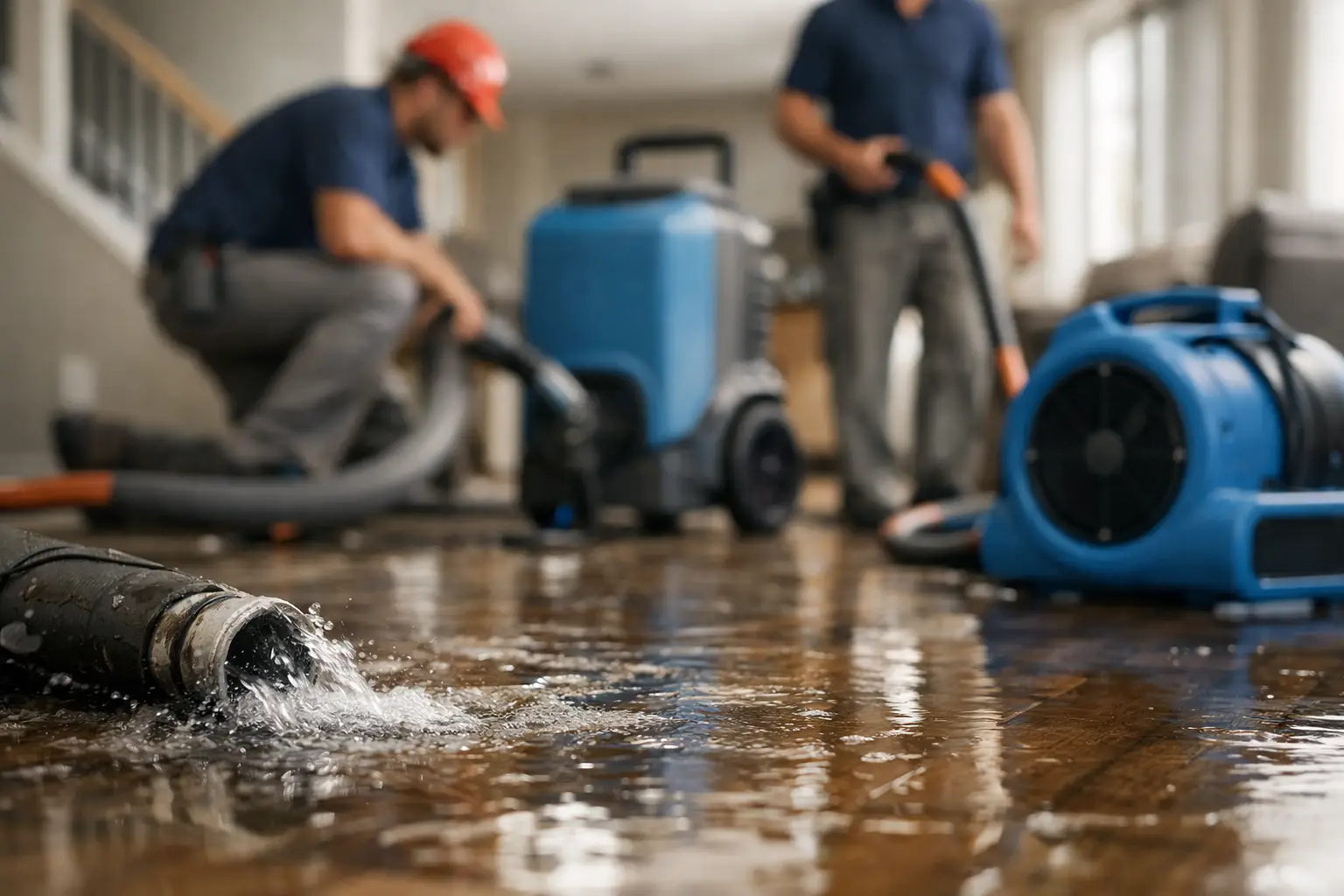
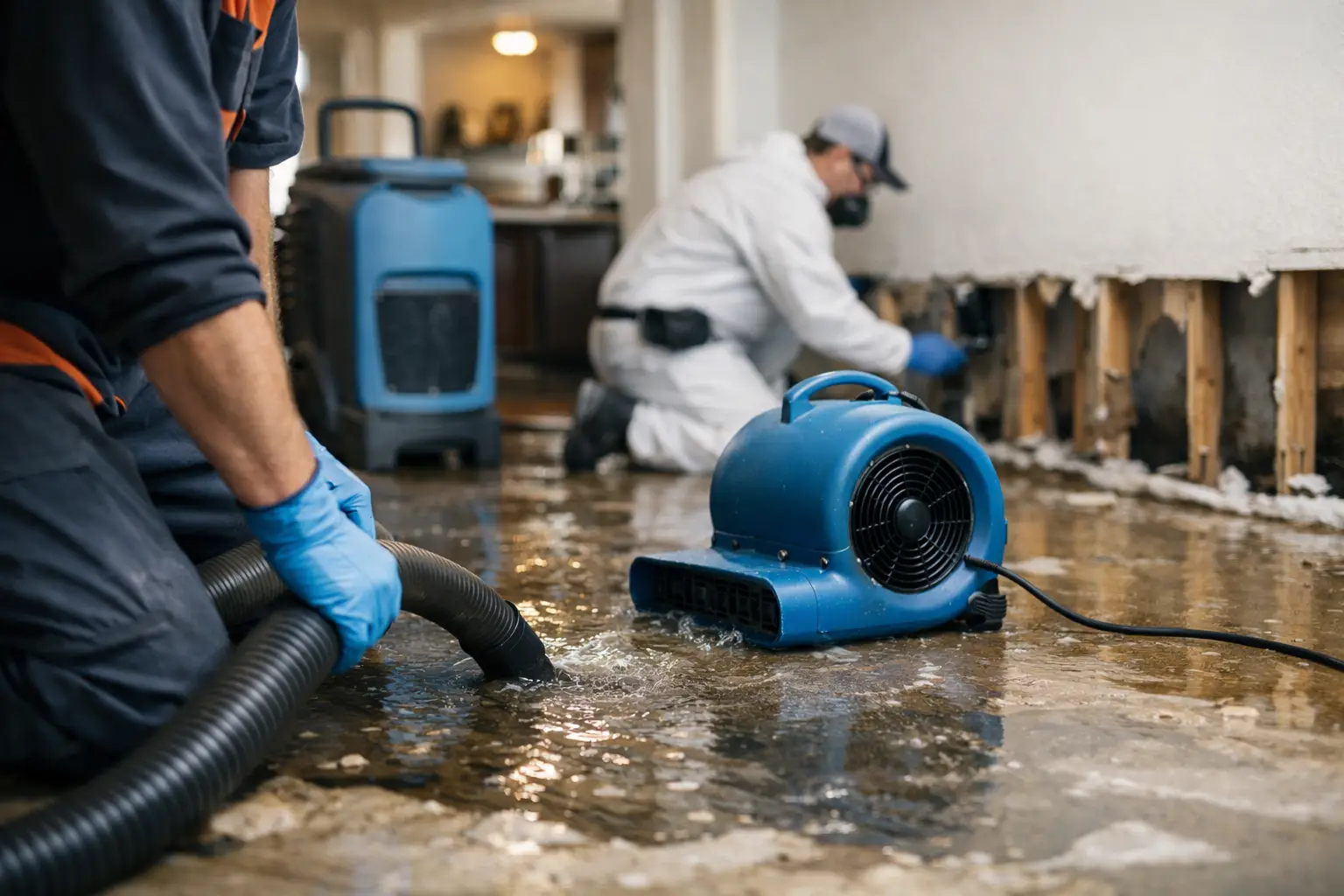 Water Damage
Extraction, structural drying, and moisture mapping after floods, leaks, and burst pipes.
Get help now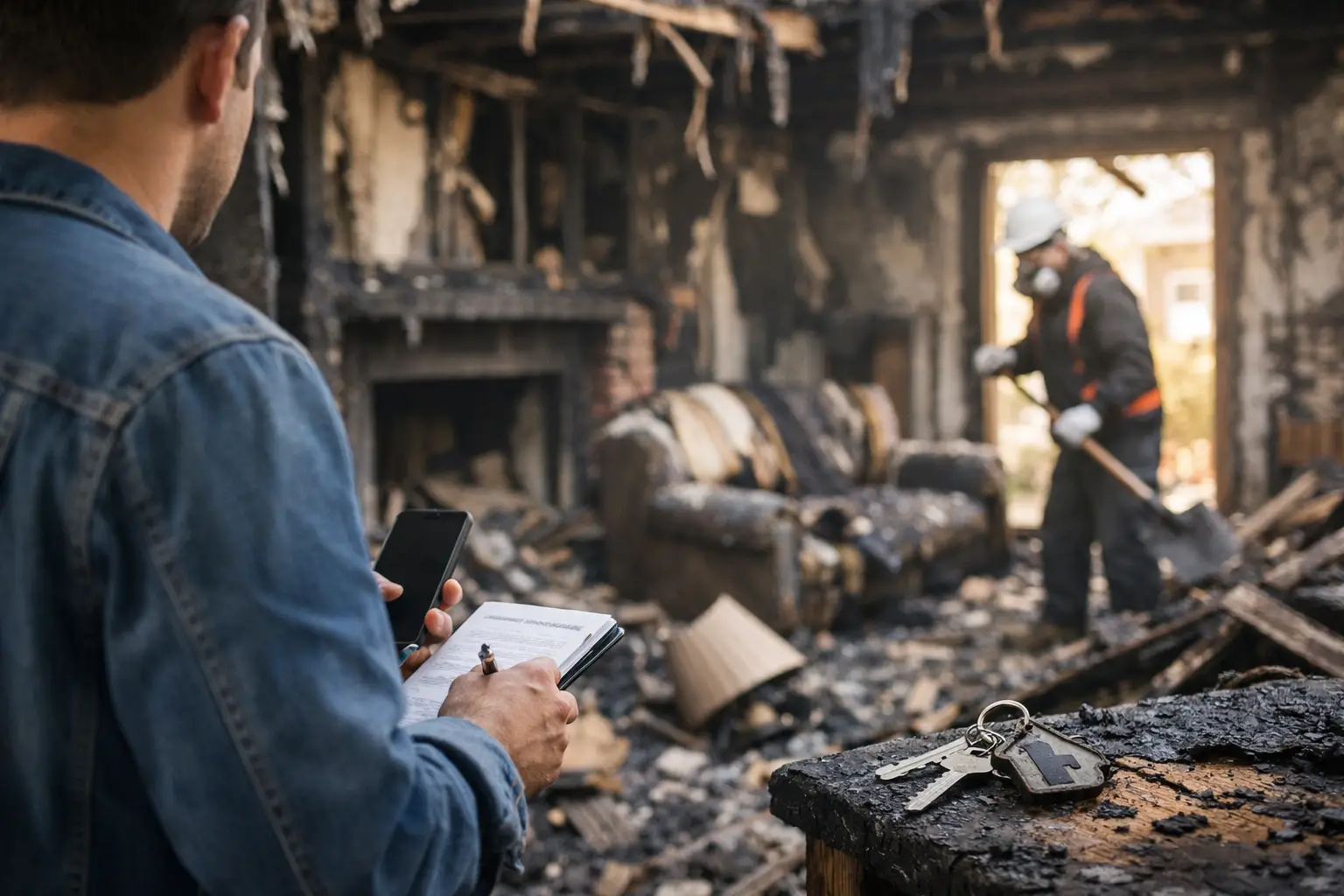 Fire & Smoke
Soot removal, odor deodorization, and content cleaning after fire and smoke damage.
Learn more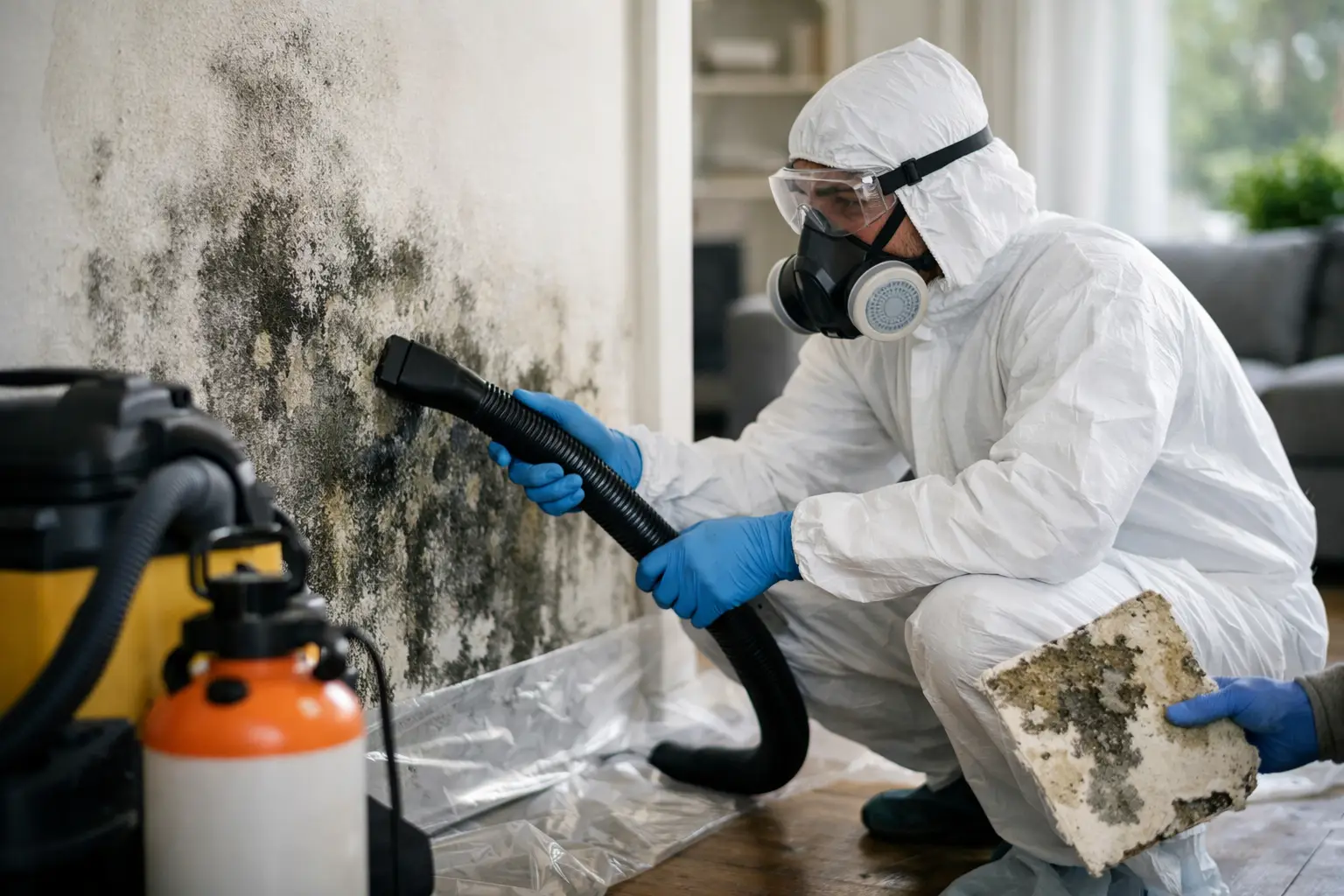 Mold
MoldContainment, removal, and moisture control that stops mold from coming back.
Learn more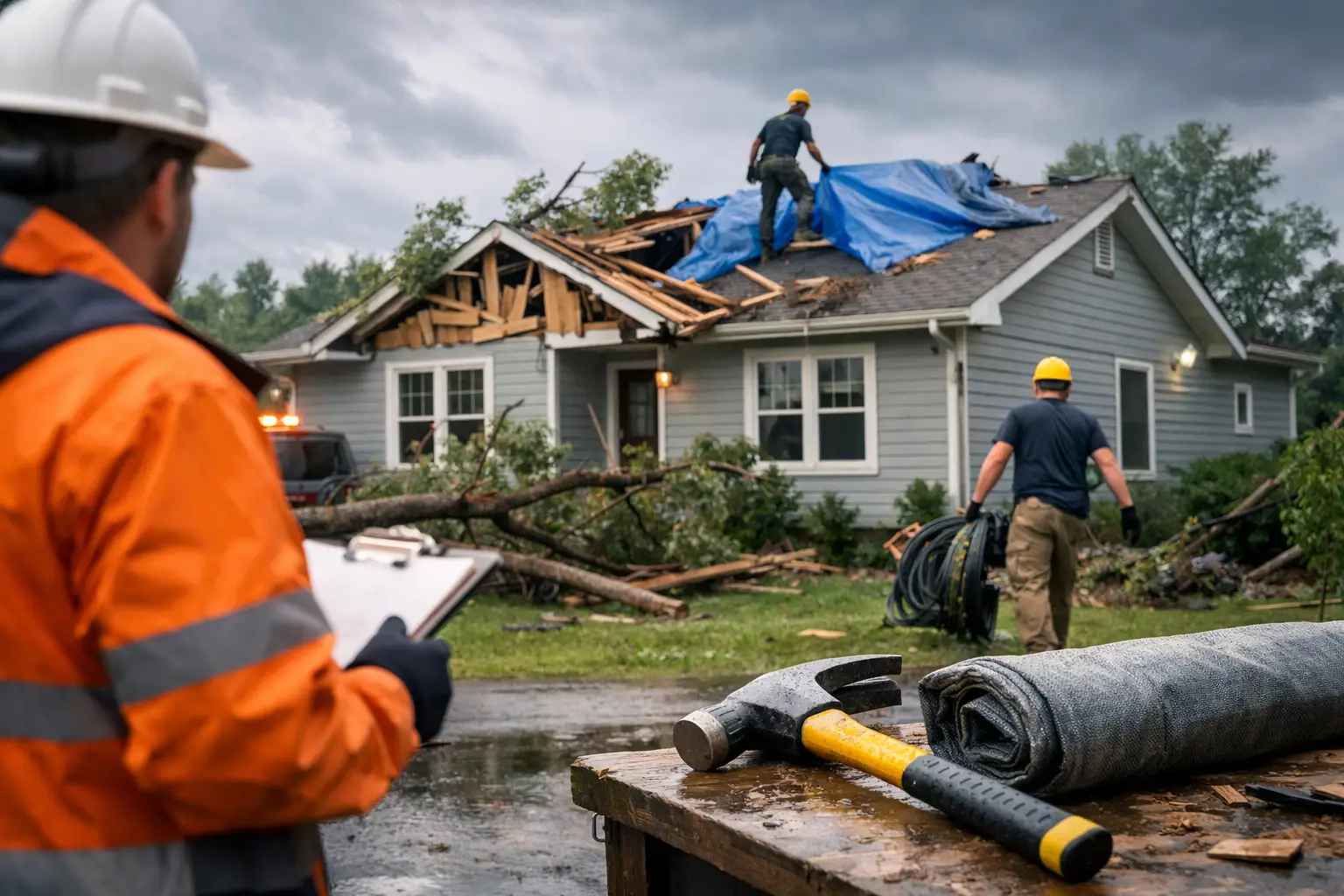 Storm
StormEmergency board-up, roof tarping, and full recovery after wind, hail, and storms.
Learn more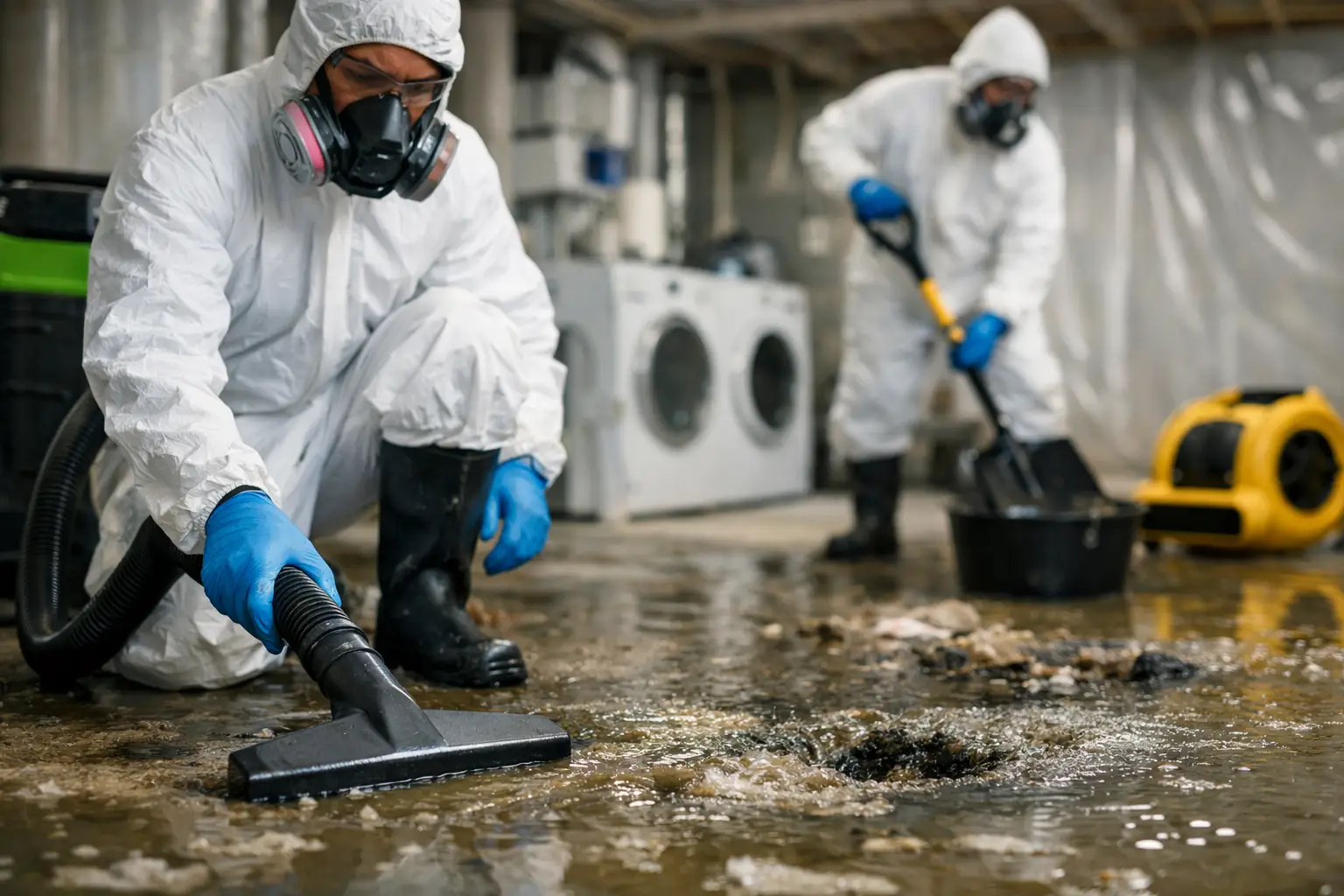 Sewage
Safe biohazard cleanup and sanitizing after sewage backups and overflows.
Learn more Reconstruction
Full rebuild by a licensed general contractor, so your property comes back whole.
Learn moreElevated Operations is an IICRC-certified, licensed general contractor based in Mableton that handles the entire recovery in-house, so after one loss you are never coordinating a cleanup crew, a mold crew, and a contractor separately. One team, one point of contact, from the first pump-out to the final coat of paint.
People call when the property feels like a disaster. They leave reviews because Chris and the crew made it right. These are real, verified Google reviews.
I start by stopping the moisture and finding how far the water traveled, then I contain the affected area, remove damaged materials, and clean what remains. In Forest Park, that often means working in older walls, crawl spaces, or utility areas where leaks hide longer than people expect. The goal is not just cleanup, it is making the space dry enough that mold does not keep spreading.
You need it when you see growth, smell mold, or know a leak or flood sat long enough for growth to start. Near Fort Gillem and similar working areas, I also watch for condensation and repeated moisture around service spaces. If the drywall is soft, the smell returns, or the problem keeps coming back, it is time for remediation, not another patch.
No, not in the absolute sense. Mold exists outdoors, and the real job is to remove active indoor growth, clean the affected area, and fix the moisture source that allowed it to spread. That is the honest answer I give every Forest Park owner. If moisture comes back, mold can come back too, so the building conditions matter as much as the cleanup.
It depends on the amount of damage, the materials involved, and how much drying is needed after the leak is corrected. A small, contained bathroom issue is very different from hidden growth in a wall cavity or crawl space. I inspect first, then I give a clear scope. I do not guess, because the house itself decides the pace.
Yes, and crawl spaces are one of the places I pay closest attention to in Forest Park. Older homes, drainage problems, and humidity can all feed growth below the floor. I inspect for the source, remove affected materials when needed, and use the right cleanup steps so the problem does not keep moving into the living space.
That is a red flag and I treat it that way. I inspect the mechanical area, look for condensation, check for water intrusion, and decide whether air filtration and containment are needed during the work. In a building with heavy use or tight airflow, an HVAC-adjacent mold issue can spread faster than people think.
Yes. I provide direct insurance billing, and I also offer deductible assistance up to $1,000. I keep the paperwork clean because mold jobs often involve water damage histories, photos, and a clear scope of work. When the carrier is involved, I want the process documented well so the owner is not left guessing.
I do not sell a surface wipe-down and call it done. My team uses IICRC-certified technicians, I am a licensed general contractor, and I look at the structure, the moisture source, and the repair path together. That is the difference between a quick mold removal and work that actually protects the building after the cleanup.
Elevated Operations dispatches IICRC-certified crews across Metro Atlanta from our Mableton base, with a 60-minute emergency response day or night. Choose your city:
Call now for an immediate response, or request your free inspection and get a certified crew on-site within the hour across Atlanta and nearby areas.