
How do I handle mold remediation after water damage?
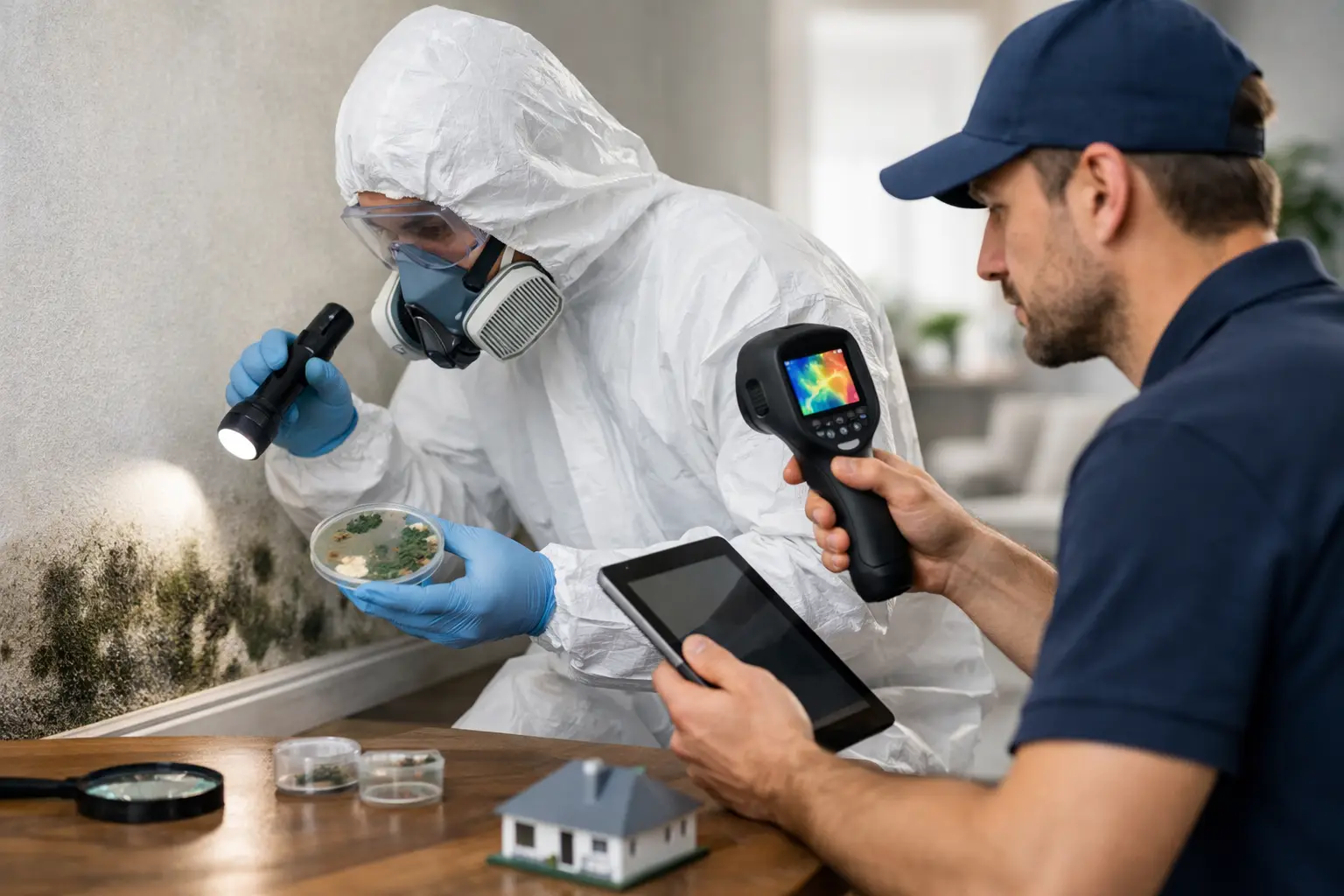
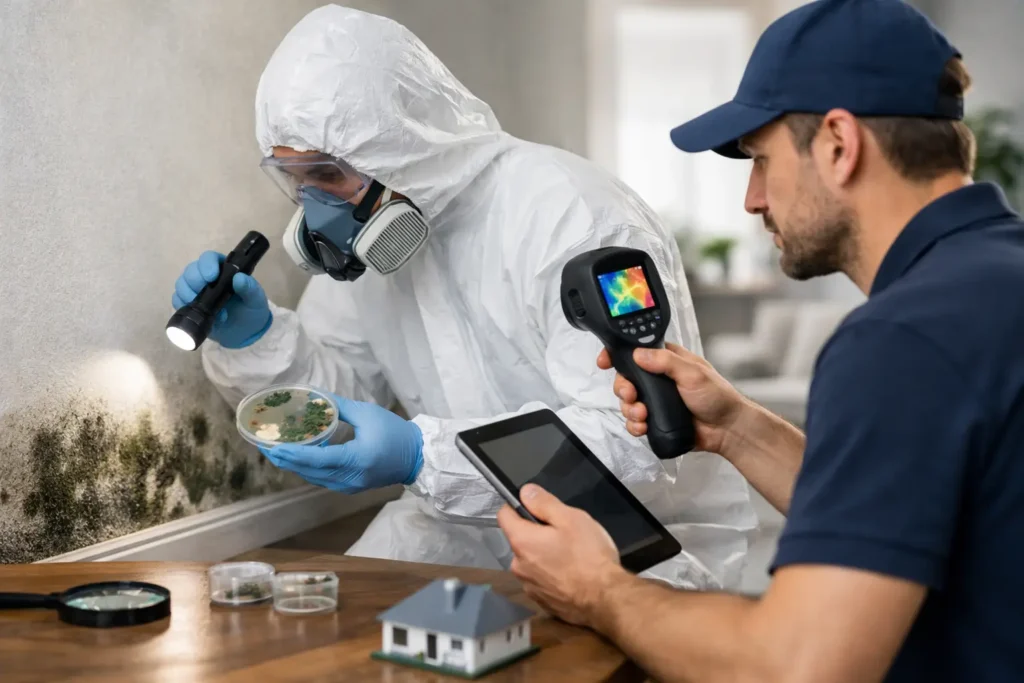
Mold remediation means finding the moisture source, containing the affected area, removing contaminated materials, cleaning salvageable surfaces, and drying everything properly. If the leak or flood is still active, fix that first. Then choose an IICRC-certified team that can handle removal, drying, and reconstruction without dragging the job out.
What does mold remediation mean after a water leak?
It means removing the conditions mold needs to keep growing, not just wiping away what you can see. For mold remediation, the first job is moisture control. If the source of the leak, flood, or sewer backup is still present, any cleanup is temporary.
People hear the phrase and assume it is a surface cleaning task. That is the common mistake. The visible spot is usually the last sign of a much larger moisture problem hidden in drywall, trim, insulation, subflooring, or a crawl space.
In practical terms, remediation of mold starts with locating the wet area, setting containment where needed, and deciding what can be cleaned versus what needs to be removed. That decision is based on what has been affected, not just how the room looks from the doorway.
If you are a homeowner with sudden water damage, the clock is not theoretical. Wet materials do not politely wait for you to finish your week. The longer they stay damp, the more likely you are to face a larger scope of mold remediation removal and follow-on reconstruction.
This is why an IICRC-certified technician matters. The point is not jargon. It is knowing how to evaluate building materials, drying conditions, and contamination pathways so the cleanup plan is based on the structure, not guesswork.
How do you tell if the problem is surface mold or hidden damage?
You do not guess by smell alone. For mold remediation, the question is whether growth is on the surface, inside the material, or both. Hidden damage is the issue that turns a small cleanup into a bigger project.
A spot on paint can be visible while the real problem sits behind it. If drywall is soft, trim is swollen, flooring is cupping, or the room still feels damp, assume the material has been affected deeper than the surface. That is where mold remediation removal becomes more than a wipe-down.
After sudden water damage, check the areas mold loves to use as highways: behind baseboards, under cabinets, around windows, at the bottom edge of drywall, and in crawl spaces. If the water moved, the contamination may have followed it.
This is also why moisture detection matters. A homeowner can see a stain and still miss the wet pocket feeding it. Once the moisture source is corrected, the next step is determining whether the materials can be cleaned or need to come out.
Do not let a quick cosmetic fix fool you. Paint over a stain, and you may win the afternoon while losing the wall. That is not remediation of mold. That is delayed discovery with extra expense attached.
Which materials can be cleaned, and which usually need removal?
The answer depends on whether the material is porous, damaged, and contaminated. In mold remediation and removal, some surfaces can be cleaned, but once porous materials are deeply affected, removal is often the safer path.
Hard, nonporous surfaces are more likely to be cleaned successfully when the contamination is limited. Think sealed surfaces, not soaked building components. Porous materials are a different story because they absorb moisture and can hold growth below the surface.
Drywall, insulation, carpet padding, and some ceiling materials often become removal candidates after water damage. That is not overkill. It is the reality of how materials behave once moisture has been sitting in them long enough to support growth.
The mistake homeowners make is assuming anything that looks salvageable is salvageable. It is a little annoying how often that assumption gets people into trouble. The visible layer is not the whole material, and mold remediation often hinges on what cannot be seen.
A proper plan sorts materials by condition, not hope. That means separating items that can be cleaned from items that need disposal, then preparing the area for reconstruction so the repair is built on a dry, stable substrate.
Elevated Operations provides 24/7 water, fire, mold, storm, and sewage damage restoration across Metro Atlanta.
Get a free quoteWhy drying speed matters more than deodorizing
Because odor control is not moisture control. For mold remediation, the structure has to be dried correctly or the smell comes back, along with the growth that caused it.
A fresh smell from a spray or fogger can make a room seem better for a moment. That does not solve the underlying condition. If the structure is still damp, the biology still has a foothold and the problem can continue behind the scenes.
Drying is one of the most important levers in this whole process. Water moves into materials, into seams, under flooring, and into hidden cavities. If the drying setup is weak or rushed, the job looks finished before it is actually finished.
That is why a restoration company with water extraction and drying capabilities matters. Remediation of mold is not isolated from the water event that caused it. The two are connected, and the cleanup has to respect that connection or the damage keeps cycling.
A homeowner usually wants the room back, the odor gone, and the stress over. Fair. But the practical route is to dry the structure first, verify conditions, and then move into removal or repair. Shortcuts create callbacks, and callbacks are expensive in every sense.
What mold remediation looks like when sewage or floodwater is involved
It gets stricter, not looser. In remediation of mold after sewage backup or contaminated floodwater, the concern is not only growth but also safety and contamination from the water itself.
Once sewage or dirty floodwater has entered the picture, you are no longer dealing with simple dampness. The material can be contaminated, and the cleanup standards change accordingly. That is why homeowners should not treat a sewer backup like a normal spill.
The affected area often needs isolation, removal of unsalvageable materials, thorough cleaning of salvageable surfaces, and careful drying. If the contamination spread into crawl spaces, lower walls, or flooring systems, the scope can expand quickly.
This is where a one-stop restoration and reconstruction team saves time and reduces chaos. Instead of handing off from cleanup to another contractor to another subcontractor, the sequence stays under one roof from emergency response to final build-back.
If you are standing in the middle of that mess, the goal is not to debate terminology. It is to protect the house and the people in it. Mold remediation and removal after contaminated water needs a methodical approach, not a cosmetic one.
What should you expect from a real remediation plan?
A real plan is specific. It explains the affected areas, the moisture source, the removal scope, the drying approach, and what gets repaired after cleanup. For mold remediation, vague is bad and usually expensive later.
You should expect an assessment that looks at the cause of the problem, not just the stain on the wall. If the plan does not address how water got in, where it traveled, and what materials are affected, it is incomplete.
You should also expect clear boundaries. What is being contained? What is being removed? What can be cleaned? What will be dried? What will be reconstructed? Those are the questions that separate a disciplined job from a rushed one.
Documentation matters too, especially when insurance is involved. Homeowners are often trying to manage a loss while also trying to get answers from an adjuster. Direct claim management and organized invoicing can remove a lot of friction from that part of the process.
The best remediation plan is one that reduces the number of unknowns. That is the real service. Not hype. Not dramatic language. Just a clear path from wet, damaged, and possibly contaminated to dry, repaired, and usable again.
When the damage turns from cleanup into a real remediation job
| Situation | What to do | Why |
|---|---|---|
| You can still smell mildew or musty odor after the room looks dry. | Schedule a full assessment for hidden moisture and affected materials. | Odor often means the source is still active inside walls, floors, or cavities. |
| Drywall is swollen, soft, stained, or crumbling near the leak. | Treat it as a removal and drying issue, not a cosmetic repair. | Compromised porous material rarely becomes reliable again with surface cleaning alone. |
| The leak came from a burst pipe, flooding, or sewer backup. | Use a remediation plan that includes extraction, containment, removal, and drying. | Water event type changes the contamination risk and the cleanup scope. |
| You need repairs after the damaged materials come out. | Choose a team that can handle both remediation and reconstruction. | Hand-offs slow the project and increase the chance of mismatched timelines or missed details. |
Doing it yourself vs bringing in Elevated Operations
| Doing it yourself | With Elevated Operations | |
|---|---|---|
| Finding the hidden problem | You can spot the stain and maybe the smell, but hidden moisture in walls, subfloors, or crawl spaces is easy to miss. | We look for the moisture source, affected materials, and the path the water took so the plan is based on the actual damage. |
| Containment and removal | You may start pulling material without a clear boundary, which can spread debris and make the mess worse. | We approach mold remediation and removal with a controlled scope so contaminated areas are addressed methodically. |
| Drying and rebuild | You might dry the room as best you can, but the structure can stay wet where you cannot reach. | We handle water extraction, drying, and licensed reconstruction so the job moves from cleanup to repair without a pile of handoffs. |
| Insurance and coordination | You end up juggling photos, estimates, adjusters, and contractor scheduling on your own. | We manage the restoration process with direct insurance claim support and a single point of coordination. |
Frequently Asked Questions
What is mold remediation in plain English?
It is the process of stopping moisture, containing the affected area, removing damaged materials when needed, cleaning what can be salvaged, and drying the structure so mold does not keep growing. In other words, it fixes the cause, not just the visible spot.
What does remediation of mold mean if I already cleaned the stain?
If you only cleaned the stain, you may have treated the symptom and left the source behind. Remediation of mold means checking for hidden moisture, contaminated materials, and any area that still needs containment, drying, or removal.
How is mold remediation and removal different from regular cleaning?
Regular cleaning focuses on the surface. Mold remediation and removal can include containment, demolition of unsalvageable materials, drying, and preparation for reconstruction. It is a restoration process, not a housekeeping task, because the structure itself may be affected.
How much does mold remediation cost?
It depends on the size of the affected area, what materials need removal, whether water extraction and drying are needed, and whether reconstruction is part of the job. The right move is to book a call for a free quote so the scope can be evaluated properly.
Can Elevated Operations handle the cleanup and repair after mold is found?
Yes. Elevated Operations provides 24/7 restoration in Metro Atlanta for water damage, mold remediation, drying, and reconstruction, so you are not stuck managing multiple vendors after a sudden loss. If you want to move quickly and get a clear path forward, book a call for a free quote.
Get a free, no-obligation restoration estimate
Elevated Operations provides 24/7 water, fire, mold, storm, and sewage damage restoration across Metro Atlanta.
Get a free quoteCall (770) 404-6895Last updated September 18, 2026