24/7 Emergency Restoration · Serving Metro AtlantaEmergency? (770) 404-6895
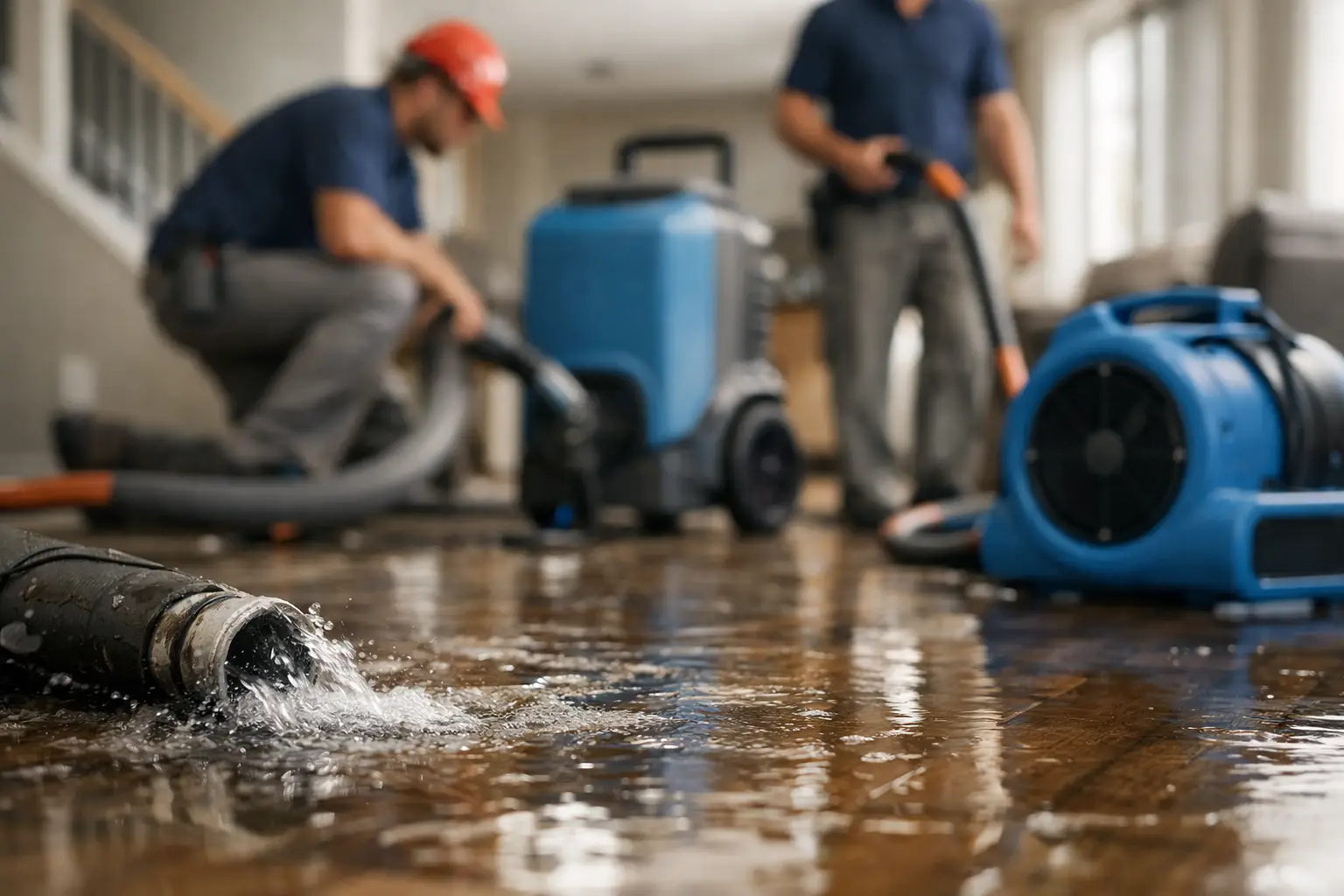
A disaster reconstruction contractor in Marietta should tell you what to restore, what to replace, and what to leave alone. I do that work every day after Kennesaw Mountain runoff, roof leaks, and hidden moisture in historic Square plaster. The right call saves time, limits disruption, and keeps the rebuild moving.
IICRC-Certified · 5-Star Rated · 60-Minute Response · Insurance Billed Directly
I am owner Chris Kwangwari, in restoration since 2007, and my crew is IICRC-certified. I do the rebuild side with a licensed general contractor mindset, not a patch-and-run approach.
Yes. I provide 60-minute emergency response 24/7 across Marietta and the surrounding counties I serve. When damage is active, speed matters, but so does doing the reconstruction correctly.
I back qualifying work with a 12-month warranty. I want the repair to hold up after the claim is closed and the room is back in use.
Yes. I offer deductible assistance up to $1,000 on qualifying work. I keep that conversation direct, because the rebuild should be clear and the paperwork should be clean.
A disaster reconstruction contractor in Marietta handles the rebuild after cleanup, from structural repairs to drywall installation, flooring replacement, and full rebuild work when damage is too far gone. I compare the damaged materials, the hidden moisture, and the home’s structure before I decide what should be restored and what should be replaced.
In the Historic Square, I see older plaster walls that can sometimes be saved if the water hit them briefly and the framing stayed sound. But once plaster crumbles or wicks moisture deep into the wall cavity, replacement is usually the cleaner move.
Near the slopes and runoff paths around Kennesaw Mountain, I look harder at the bottom of walls, subfloor edges, and crawlspace framing. Water travels. It does not stay polite. That is where property reconstruction starts to matter, because the visible stain is often not the whole problem.
I handle the rebuild side, not just the tear-out. That means roof repair coordination, framing repair, structural repairs, and finish work that gets the property back to use without guessing. If the damage is minor, I say restore it. If not, I say replace it.
You need reconstruction after property damage when the damaged material no longer performs, dries poorly, or threatens the structure. If water reached framing, if mold starts in 24 to 48 hours, or if a roof leak keeps returning, I move from cleanup to rebuild planning fast.
I use a simple test: can the material be dried, cleaned, and kept structurally sound, or is it already failing? With historic Square plaster, that line is often obvious once the wall opens. With newer drywall, the failure can be faster and more hidden.
After Kennesaw Mountain runoff pushes water into lower levels, crawlspaces, or garage edges, I often find flooring replacement is smarter than trying to save buckled material. If the subfloor is damaged, the finish surface is not the real issue anymore.
When the damage crosses into framing repair or structural repairs, reconstruction is not optional. That is the point where I stop talking about patching and start talking about making the building safe, dry, and ready for long-term use.
Restore materials when the damage is surface-level and the structure is intact. Replace them when the material has swollen, separated, warped, or stayed wet long enough to lose strength. I lean toward replacement when hidden moisture has already spread behind walls, under floors, or into framing.
Restoration makes sense when the room can be saved without trapping moisture. That can include some drywall installation repairs, trim replacement, or localized finish work after a small leak. It keeps the project narrower and can protect original character in older Marietta homes.
Replacement makes more sense when the damage has crossed a line. Historic plaster that has broken apart, flooring that has cupped across multiple rooms, or framing that has stayed damp too long usually needs to come out. I do not pretend otherwise.
The right choice depends on the material, the water source, and the location. Kennesaw Mountain runoff can affect lower-level spaces differently than a roof leak over a front room near the Square, so I judge each area on its own facts.
Yes, one contractor can handle cleanup and rebuild when that contractor is licensed, organized, and set up for both sides of the job. I coordinate the reconstruction side, work directly with insurance, and keep the rebuild on one chain instead of splitting it between disconnected crews.
That matters in Marietta because water damage and mold issues often overlap. The cleanup crew may dry the space, but the reconstruction contractor has to know what stayed sound, what needs removal, and what must be rebuilt with the right materials.
I see fewer delays when one team understands both the moisture problem and the finish work. A contractor who can handle roof repair coordination, structural repairs, and property reconstruction does not have to guess where the scope ends.
My approach is direct. I inspect, document, and rebuild from the inside out. I am not interested in handing a homeowner three different versions of the same story. I want one plan and one finish line.
Water damage is the event, mold is the consequence. In older Marietta homes, especially around the Historic Square, water can enter plaster, framing, and hidden cavities, and mold can follow quickly if the moisture is not removed and the materials are not opened correctly.
Water damage can look minor on the surface, then spread behind plaster or into subfloor layers. Mold is less about the stain you see and more about what stayed wet long enough to become a problem. That is why I inspect both the visible damage and the concealed areas.
In homes near Kennesaw Mountain runoff paths, lower-wall and crawlspace moisture often creates the biggest surprises. The surface may dry out while the framing below keeps holding water. That is when the rebuild scope changes from cosmetic work to structural repairs.
I treat mold as a timing issue and a material issue. If the wall or floor system cannot be dried and kept clean, I do not force a salvage job. I replace what is compromised and build the area back correctly.
The best choice depends on where the water went and how long it stayed. Roof leaks often mean drywall installation or localized rebuild work. Historic plaster may need selective restoration or full replacement. Flooded floors usually point toward flooring replacement, framing repair, or full rebuild if the structure was hit.
A roof leak in a Marietta bungalow near the Square can stain a ceiling without ruining the whole room. If the framing stayed dry, I may recommend repair instead of replacement. But if the leak ran for a while, the scope changes fast.
Plaster is its own animal. It has character, but once it breaks loose or wicks moisture through the keys, patching can become a false economy. I would rather replace a damaged section cleanly than leave a wall that keeps failing.
Flooded floors near low points and runoff channels often need more than a surface fix. Once moisture reaches the subfloor or framing, flooring replacement alone is not enough. I look at the whole assembly, then choose the rebuild path that actually lasts.
| Typical Trigger | Water Damage Restoration | Mold Remediation |
|---|---|---|
| Water stains on Historic Square plaster after a roof leak | Restore if the plaster is still bonded and the framing stayed dry | Replace if the wall stayed damp and the plaster is starting to fail |
| Runoff near Kennesaw Mountain pushes water into a lower level | Repair flooring and inspect for hidden moisture under the surface | Open the assembly if the subfloor or framing kept moisture for too long |
| A wall cavity or ceiling has repeated leakage | Dry, document, and rebuild the affected area with targeted repairs | Remove compromised materials and complete the property reconstruction properly |
From emergency mitigation to full reconstruction, handled in-house so you are never managing a chain of subcontractors mid-crisis.
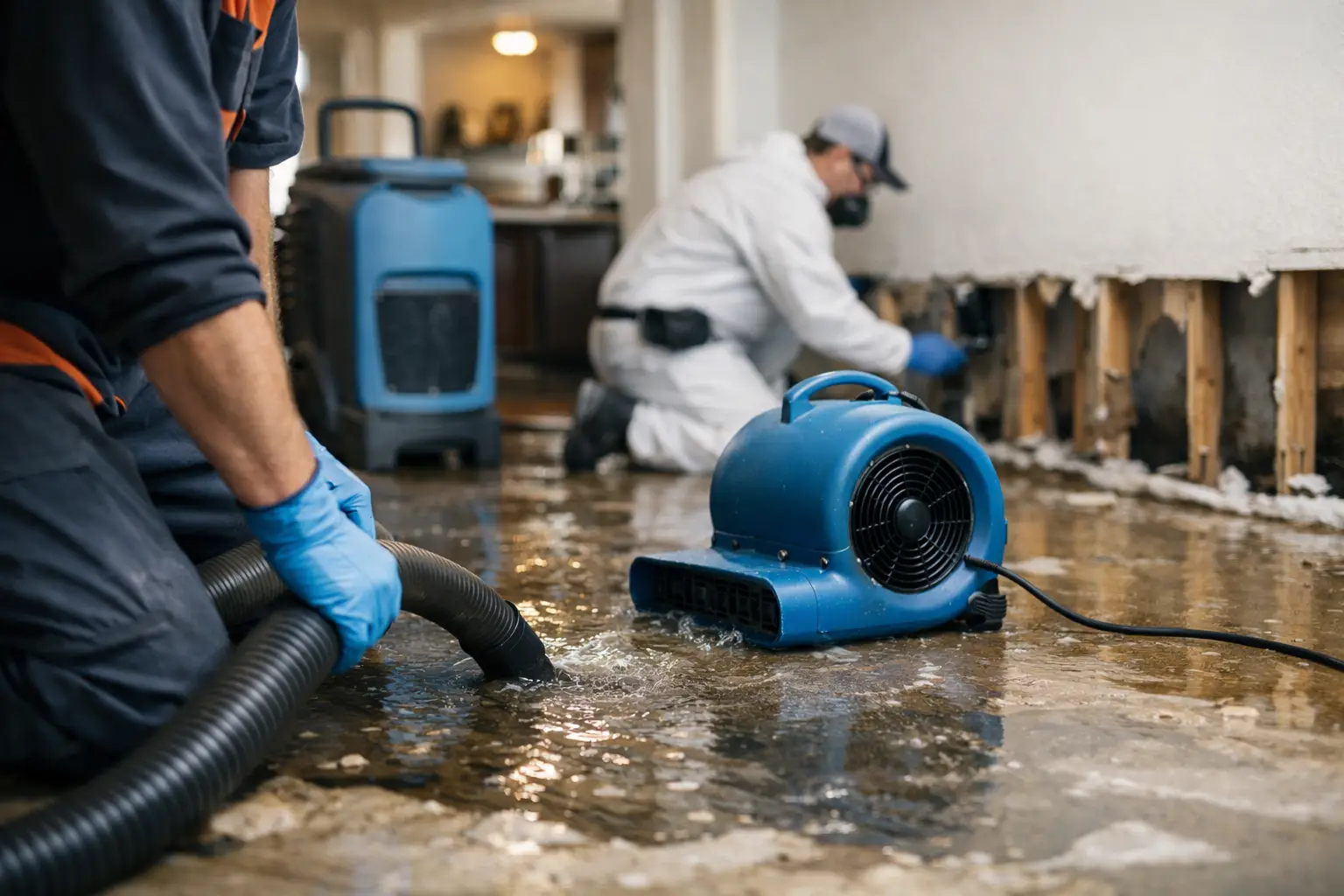 Water Damage
Extraction, structural drying, and moisture mapping after floods, leaks, and burst pipes.
Get help now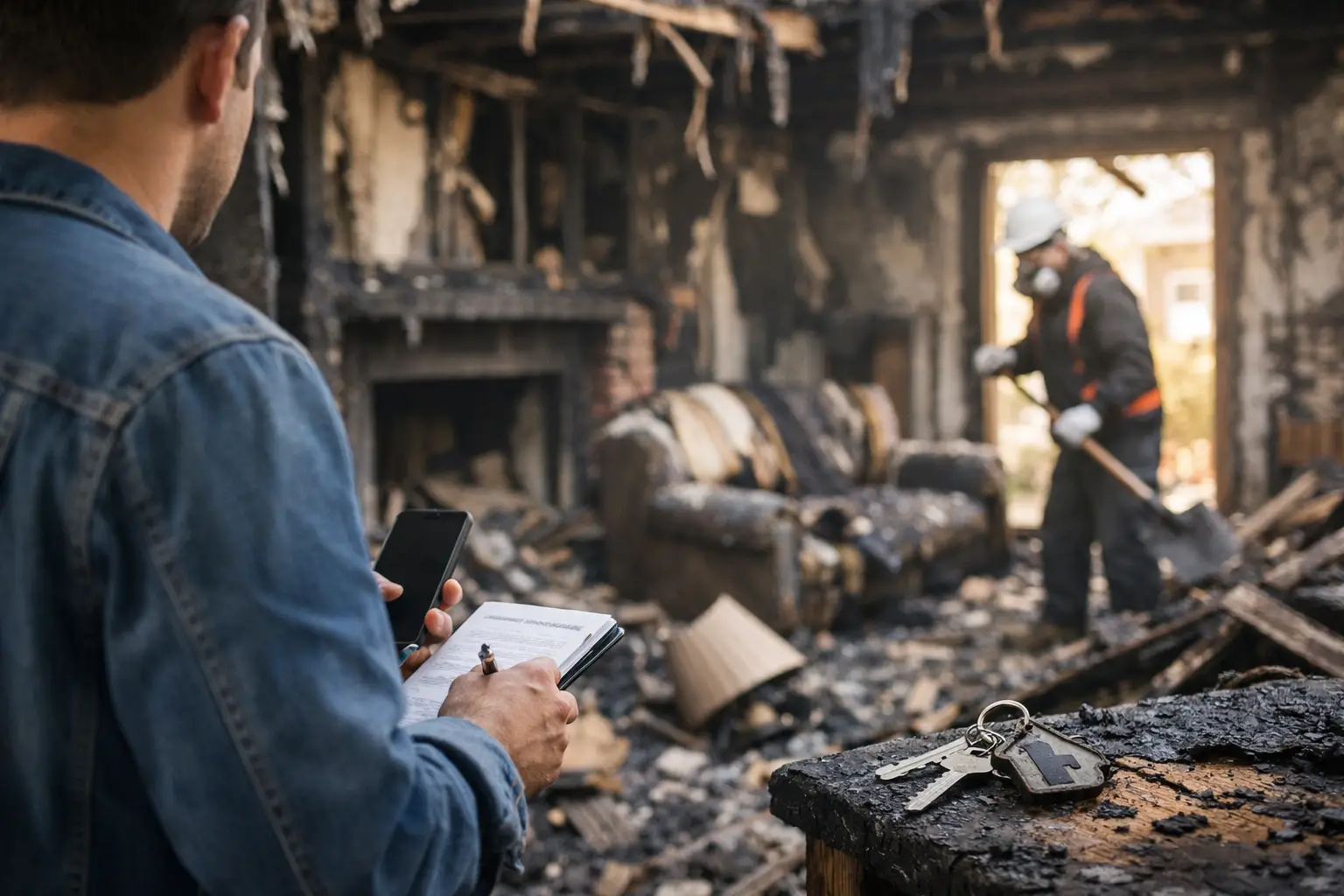 Fire & Smoke
Soot removal, odor deodorization, and content cleaning after fire and smoke damage.
Learn more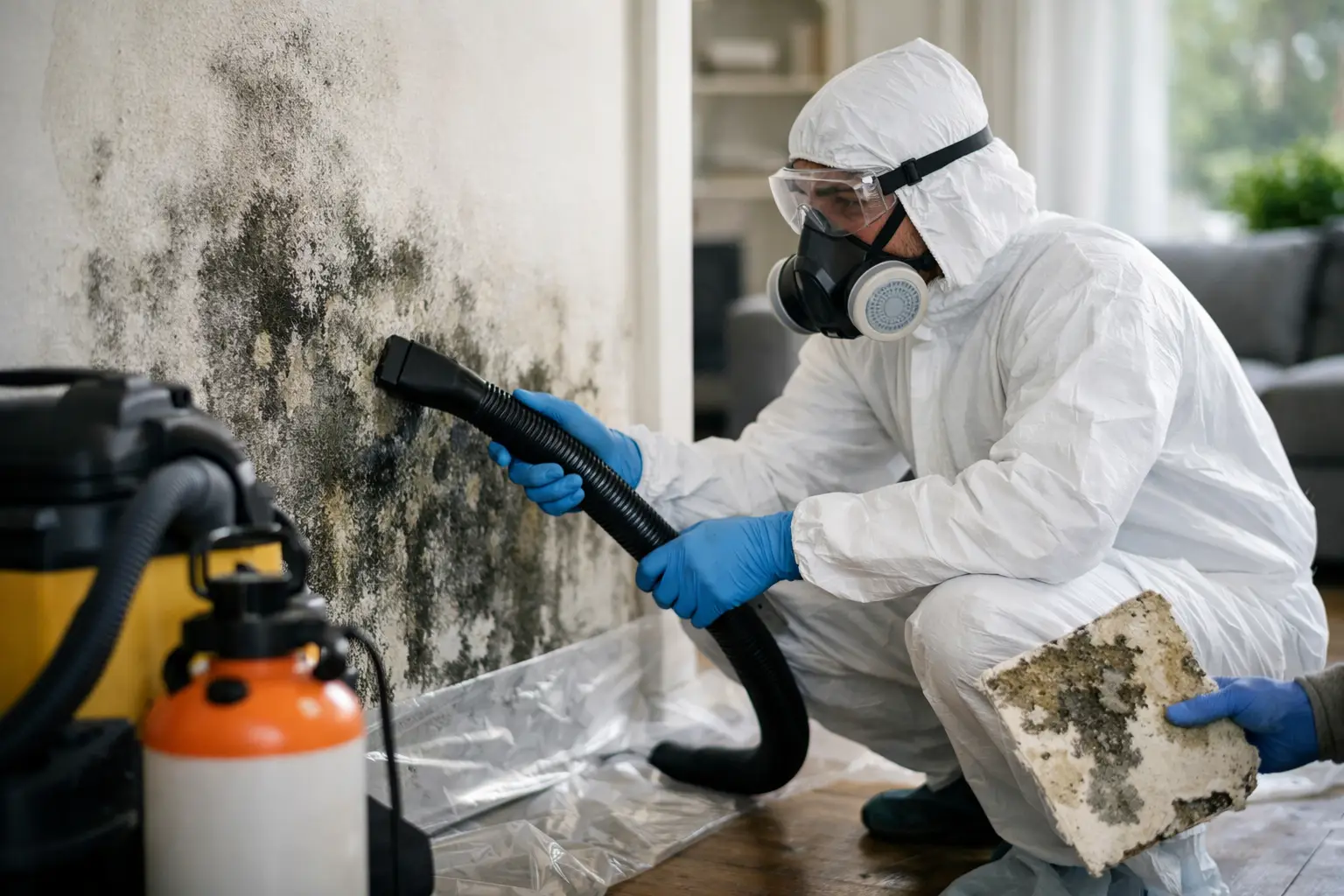 Mold
MoldContainment, removal, and moisture control that stops mold from coming back.
Learn more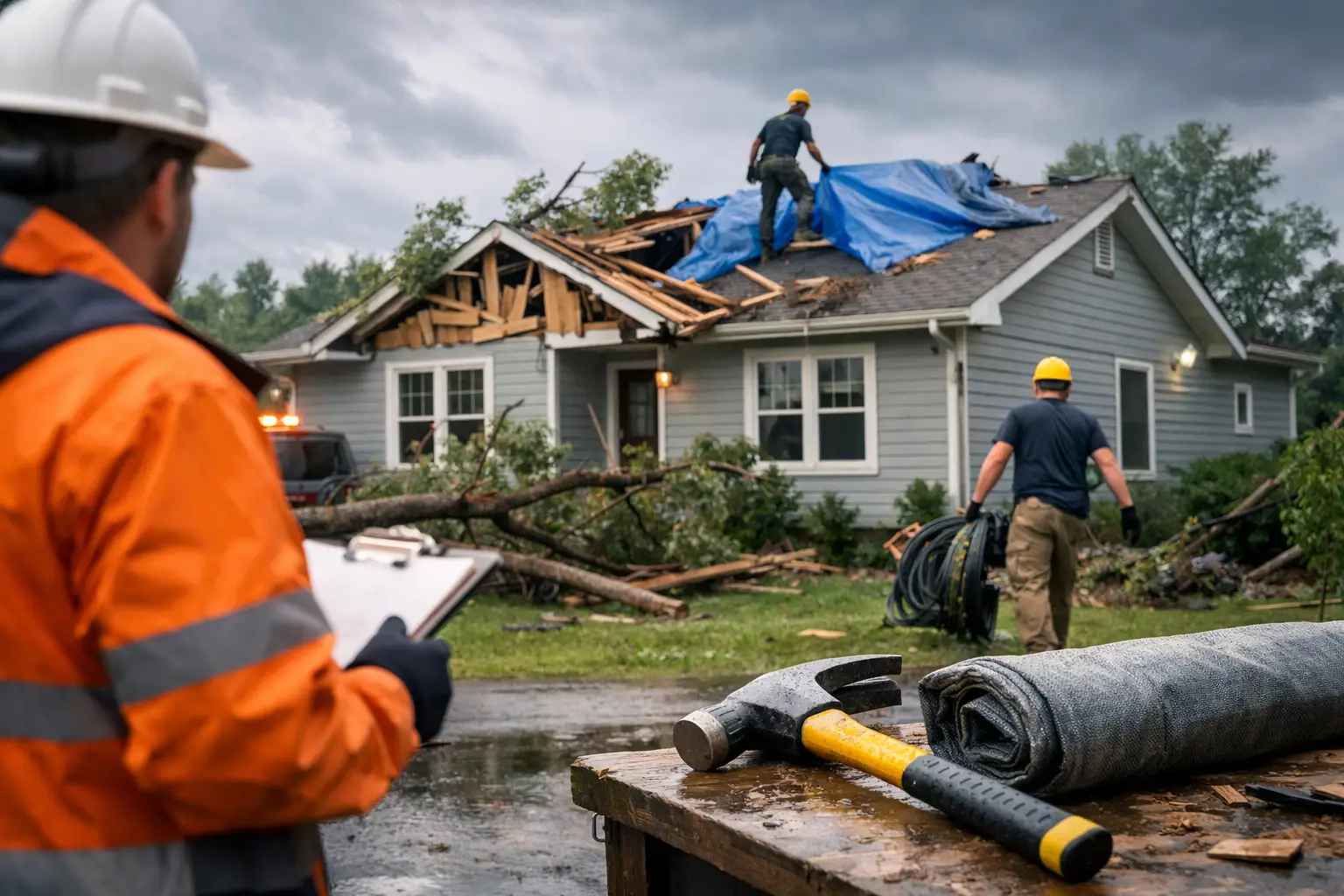 Storm
StormEmergency board-up, roof tarping, and full recovery after wind, hail, and storms.
Learn more Sewage
Safe biohazard cleanup and sanitizing after sewage backups and overflows.
Learn more Reconstruction
Full rebuild by a licensed general contractor, so your property comes back whole.
Learn moreElevated Operations is an IICRC-certified, licensed general contractor based in Mableton that handles the entire recovery in-house, so after one loss you are never coordinating a cleanup crew, a mold crew, and a contractor separately. One team, one point of contact, from the first pump-out to the final coat of paint.
People call when the property feels like a disaster. They leave reviews because Chris and the crew made it right. These are real, verified Google reviews.
I compare how far the moisture traveled, whether the material still has strength, and whether the original finish is worth saving. In the Historic Square, that often means preserving plaster when possible, but replacing it when the wall has lost bond or hidden damage has spread. I do not force a sentimental repair that will fail again.
Call for inspection and document the area before anything gets covered up. Runoff around Kennesaw Mountain can move into lower walls, crawlspaces, and flooring edges fast. I want to see the source, the wet materials, and any framing exposure before I decide whether the rebuild is minor repair or a larger reconstruction.
Yes, if the roof leak caused interior damage, I can manage the reconstruction side and coordinate the rebuild after the source is addressed. The key is not to patch the ceiling before the roof issue is solved. I look at the damaged drywall, insulation paths, and framing so the repair actually holds.
I decide based on the extent of hidden damage. If one wall section is damaged but the framing is sound, drywall installation may be enough. If the water reached multiple layers, warped the floor, or affected structural repairs, a full rebuild is the safer and cleaner choice for the property.
Water damage is the exposure, mold is what can happen when wet materials stay wet. Older Marietta homes, especially around the Square, often hide moisture in plaster and framing. If the area is not opened and dried correctly, mold can follow even after the visible water is gone.
Yes. I offer direct insurance billing, and I document the reconstruction scope so the claim reflects the actual damage. That matters when the job involves structural repairs, flooring replacement, or hidden moisture that changes the work after the first look. I keep the file clear and the scope grounded.
It depends on the scope, materials, and what was damaged behind the walls. I do not guess at timing. A small drywall repair is one thing, while a job involving framing repair, flooring replacement, or property reconstruction is another. I assess the site first, then map the work honestly.
Yes, and that is often the cleaner path. Cleanup removes the contamination source, but the reconstruction contractor has to rebuild damaged framing, flooring, or wall materials correctly. I handle the reconstruction side after cleanup so the crawlspace work connects to a real finish, not a temporary patch.
Elevated Operations dispatches IICRC-certified crews across Metro Atlanta from our Mableton base, with a 60-minute emergency response day or night. Choose your city:
Call now for an immediate response, or request your free inspection and get a certified crew on-site within the hour across Atlanta and nearby areas.