24/7 Emergency Restoration · Serving Metro AtlantaEmergency? (770) 404-6895
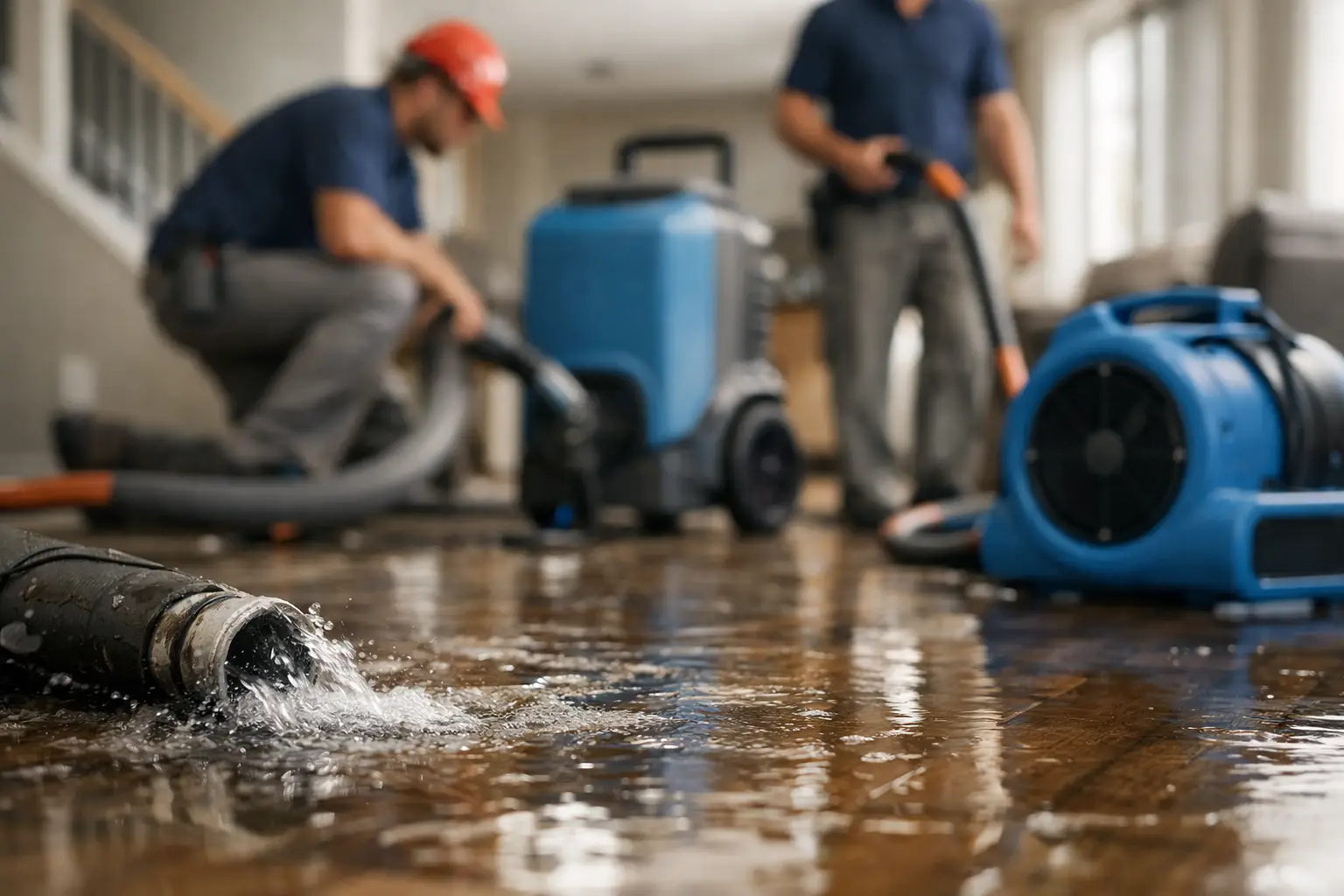
Water damage restoration Marietta starts with fast water extraction, then I check what the moisture is doing to plaster, trim, and subfloors. I’m Chris Kwangwari, and I run Elevated Operations from Mableton with 24/7 emergency response, IICRC-certified technicians, and direct insurance billing for Marietta homes and businesses.
IICRC-Certified · 5-Star Rated · 60-Minute Response · Insurance Billed Directly
Yes. I run Elevated Operations, LLLP from Mableton and serve Marietta across Cobb County.
My technicians are IICRC-certified, which means they follow recognized restoration standards on water cleanup and drying.
Yes. I offer direct insurance billing to keep the process organized after a water loss.
Yes, I back our restoration work with a 12-month warranty.
Start with safety, then stop the water, then call for water damage restoration in Marietta. If the leak is near the historic Square or in a house with older plaster, I want the source found fast because hidden moisture moves behind walls, under flooring, and into framing before you see the damage.
I tell homeowners to look for active dripping, damp baseboards, warped floors, and any wet ceiling line first. In Marietta, older homes around the Square often have plaster that holds moisture differently than modern drywall, so a small stain can hide a bigger problem behind the surface.
If the water is clean and the area is small, the next step is still professional water extraction and water mitigation. The goal is to stop spread, protect materials, and get drying started before mold starts in 24 to 48 hours.
And if the leak came after heavy rain from the Kennesaw Mountain side, I’m thinking about runoff paths, crawl spaces, and low spots. That pattern matters in Marietta because outside water often enters at the same weak point more than once.
Water damage restoration in Marietta usually follows a clear order: inspect, extract, dry, repair, and verify. I start with moisture mapping, then water cleanup, dehumidification, and structural drying, then I move into water damage repair and drywall replacement only when the structure is dry enough to close back up.
My first pass is about seeing what the water touched, not just what you can see from the hallway. I use that information to decide whether the job needs basic floor drying or more aggressive structural drying inside walls, under cabinets, or along the subfloor.
The next step is water extraction, because standing water is always the enemy. After that, the drying plan matters more than speed alone. In Marietta’s humid summers, I use dehumidification to pull moisture out of the air so wet materials can actually release water.
Historic properties near the Square deserve special attention because plaster can crack, swell, and trap moisture behind lath. That means I may need to open select areas for drying and later handle drywall replacement or plaster-adjacent repair with a clean, direct plan.
It depends on how far the water moved, but the process starts immediately and drying can’t be rushed. In Marietta, a small leak may dry faster than a crawl space flood, while plaster walls near the Square or runoff-driven basement issues near Kennesaw Mountain take more monitoring and careful water mitigation.
I don’t guess on dry times. I watch moisture readings, material type, and where the water traveled. A hardwood hall, a tiled kitchen, and a plaster wall each dry differently, so floor drying and structural drying may follow separate timelines on the same property.
Weather matters here. Marietta humidity can slow dehumidification, especially when outdoor moisture keeps feeding the structure. If the water came from storm runoff, I also look at whether exterior grading, gutters, or foundation entry points need attention before closing the job.
The fastest way to stretch a job out is to seal wet material too soon. I’d rather keep equipment in place and verify dry conditions than let hidden moisture cause a second round of water damage repair later.
Often, yes, if the materials dried before they broke down. In Marietta, I can sometimes save walls and floors with quick water extraction, targeted dehumidification, and structural drying, but saturated plaster, swollen trim, or buckled flooring may need selective replacement instead of patchwork repair.
The key question is how long the material stayed wet and what it is made of. Solid hardwood can sometimes be dried and saved, while laminate, insulation, and damaged drywall often tell a different story once moisture gets into the layers.
Around the Square, I see older wall assemblies with plaster and trim that demand a more careful call. If the finish is still stable, I try to preserve it. If it’s brittle, falling apart, or hiding moisture, I’ll recommend opening and repairing the right section.
And with basement or lower-level water from Kennesaw Mountain runoff, floor systems can take on moisture from below. That is where floor drying and moisture verification matter most, because a surface that looks fine can still be wet underneath.
Call for water damage repair when you see stains, smells, swelling, or soft spots, even if the room still looks usable. In Marietta, older plaster near the Square and basement seepage from storm runoff often show up as subtle changes before a major failure, so I take small warnings seriously.
A yellow ceiling mark, a musty smell, peeling paint, or a floor that feels slightly soft all point to trapped moisture. Those are not cosmetic issues. They’re clues that water may have reached insulation, framing, or subfloor layers that need immediate attention.
Watch for doors that stick, baseboards that separate, or hairline cracks appearing near wet plaster. Marietta homes can hide water longer than people expect, especially when the finish materials are older and the damage spreads behind the wall surface.
If you smell dampness after rain but never see standing water, that still counts. I see that a lot when runoff, clogged gutters, or small foundation leaks push water into low areas. Water cleanup should start before the damage grows into drywall replacement or deeper repairs.
Shut off the water if you can do it safely, keep people out of wet areas, and call for help right away. In Marietta, I want the source contained fast so water extraction, water mitigation, and drying can begin before plaster, flooring, or framing take on more moisture.
If the water is near outlets, ceilings, or a breaker area, stay out until it’s safe. I’d rather lose a few minutes than have somebody get hurt. Then move small items, rugs, and furniture legs away from the wet zone if you can do it without spreading water.
Take a few photos for insurance before anything gets moved too far. I use direct insurance billing, and those photos help document the loss. If the damage is around the Square or in an older home with plaster, pictures also help show how far the water spread.
Do not try to dry everything with a fan and call it done. That’s how moisture gets trapped under flooring and behind trim. Proper water cleanup includes moisture checks, dehumidification, and a real drying plan, not just moving air around the room.
A damp smell after rain often means hidden moisture in plaster, cabinets, or crawl spaces. In Marietta, that can happen fast when runoff from Kennesaw Mountain pushes water where it should not go.
If wood floors feel spongy or start to cup, I treat it as an active water damage restoration problem. Floor drying has to start before the subfloor stays wet long enough to fail.
Historic homes near the Square can show cracking, staining, or bulging plaster when water gets behind the finish. That is not normal settling, and it needs inspection before it spreads.
A stain that gets darker after storms points to an active source. That usually means water mitigation is still needed, not just cosmetic water damage repair.
Trim that lifts or separates can mean water moved low along the wall. I often see that before a bigger drywall replacement decision becomes obvious.
From emergency mitigation to full reconstruction, handled in-house so you are never managing a chain of subcontractors mid-crisis.
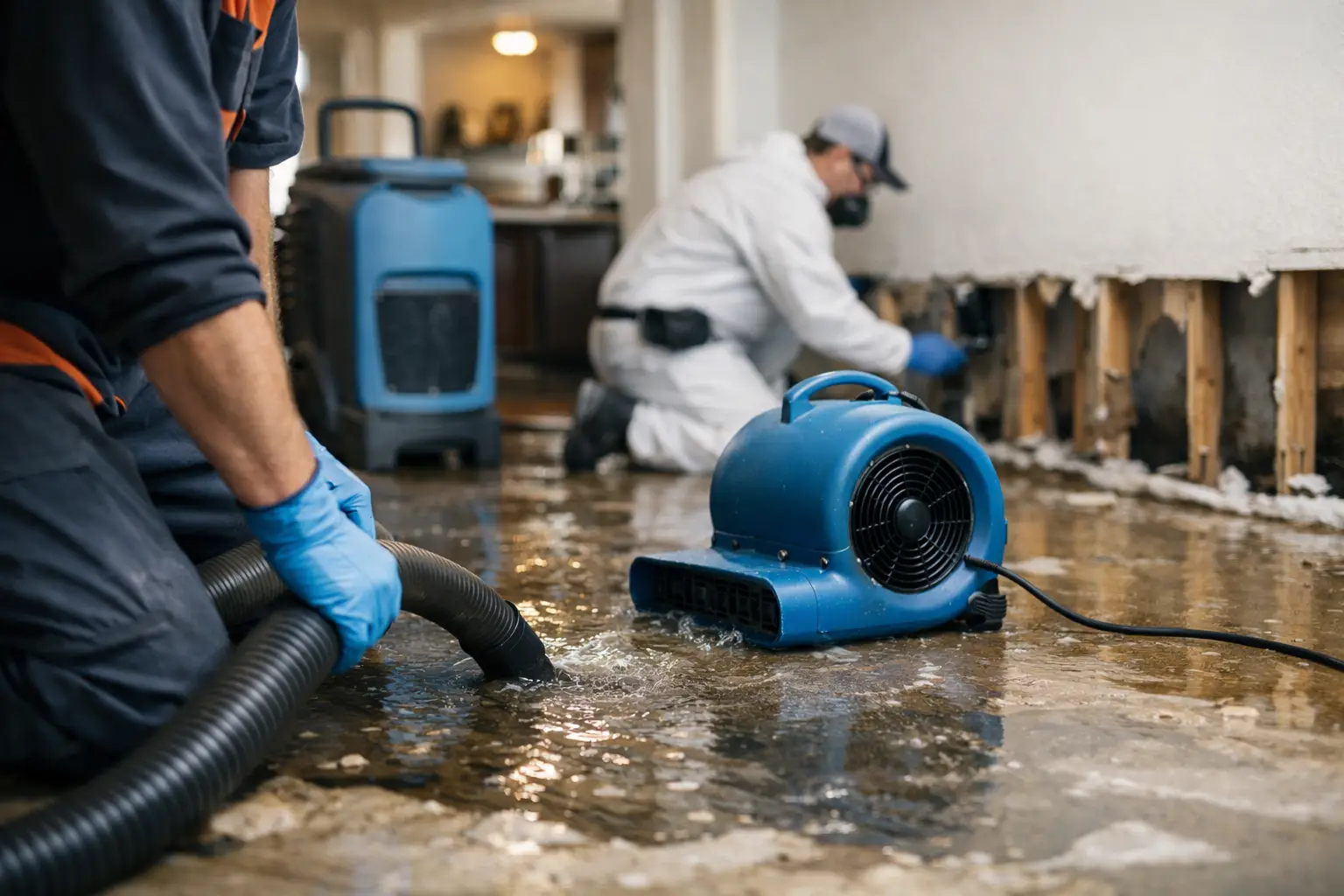 Water Damage
Extraction, structural drying, and moisture mapping after floods, leaks, and burst pipes.
Get help now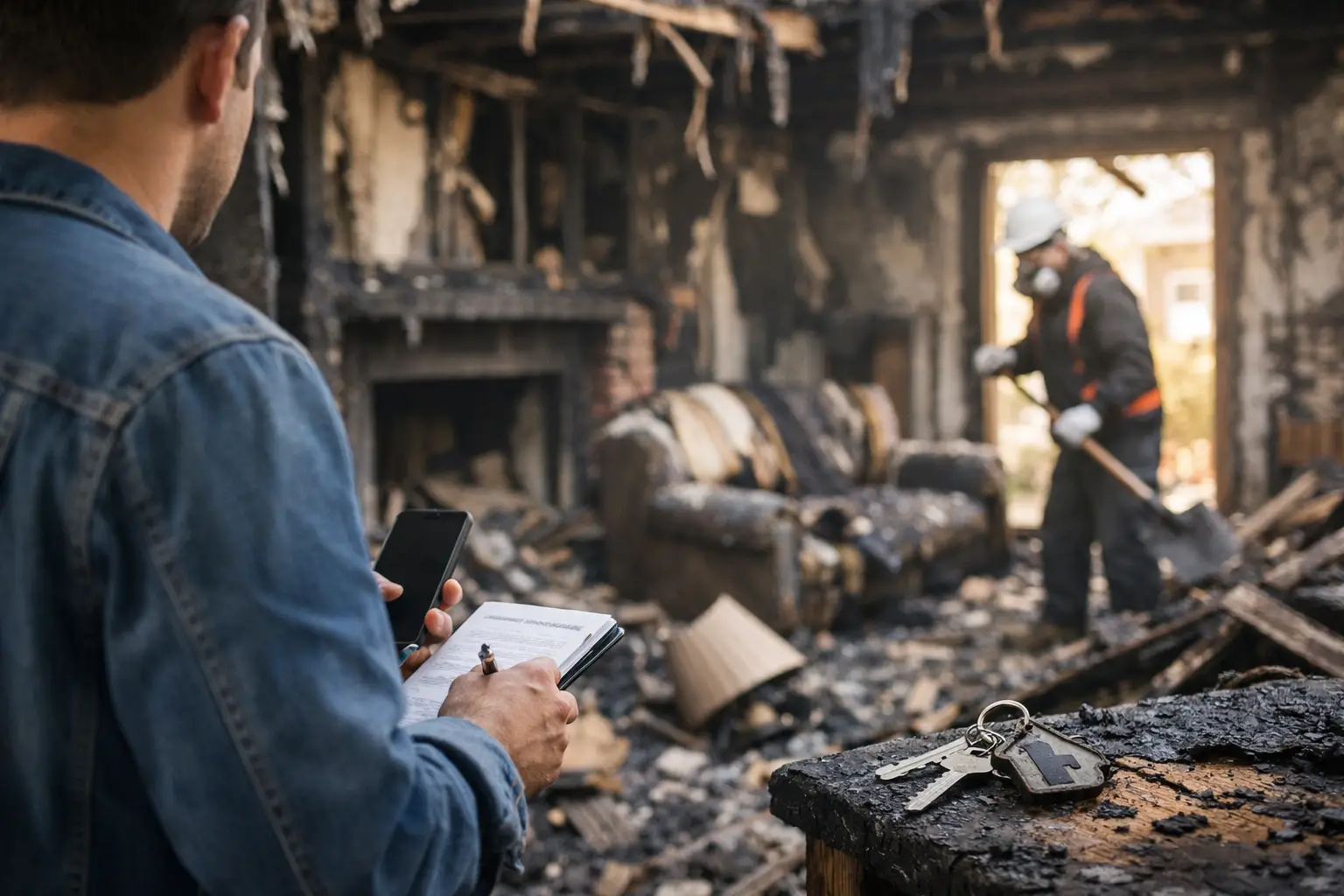 Fire & Smoke
Soot removal, odor deodorization, and content cleaning after fire and smoke damage.
Learn more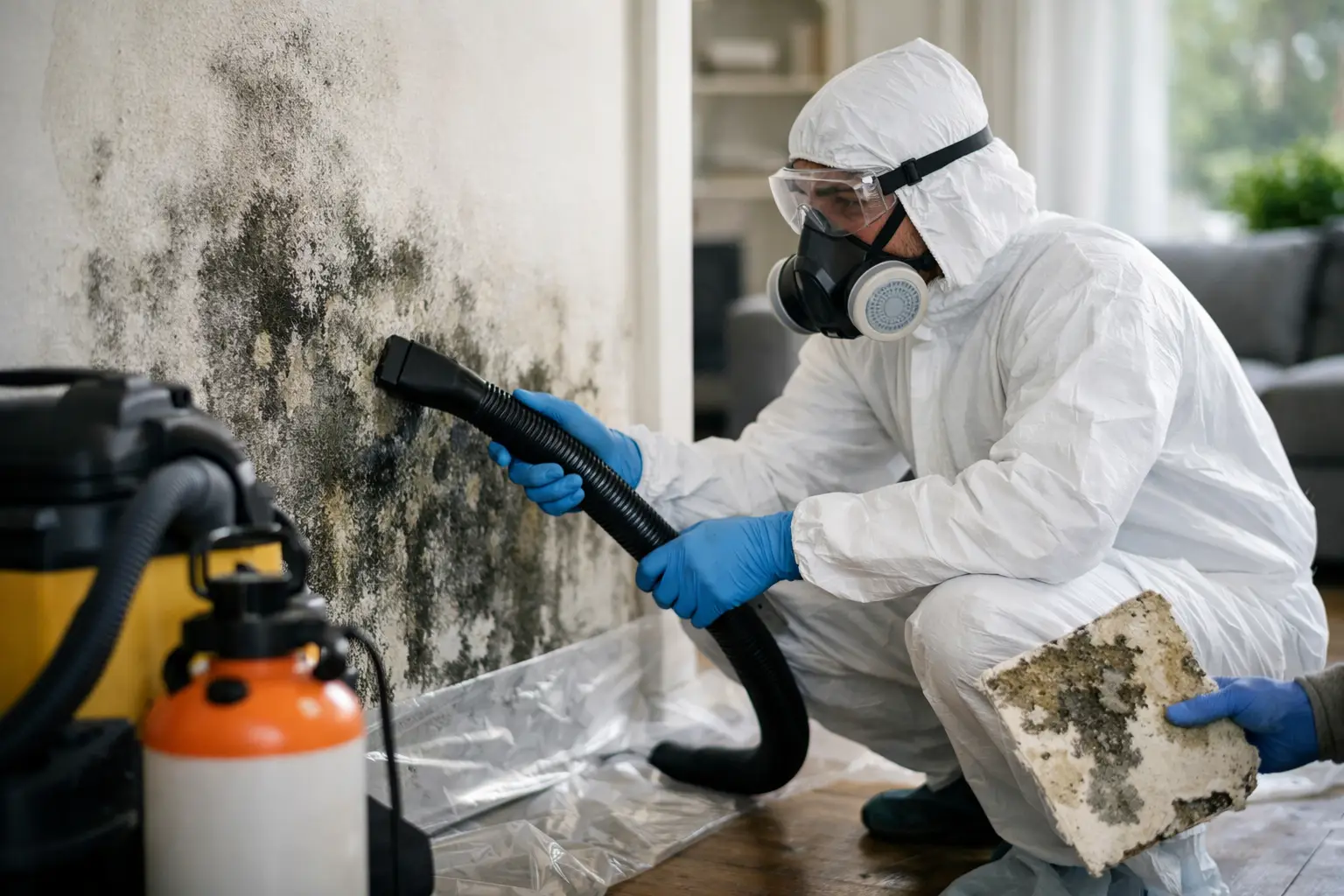 Mold
MoldContainment, removal, and moisture control that stops mold from coming back.
Learn more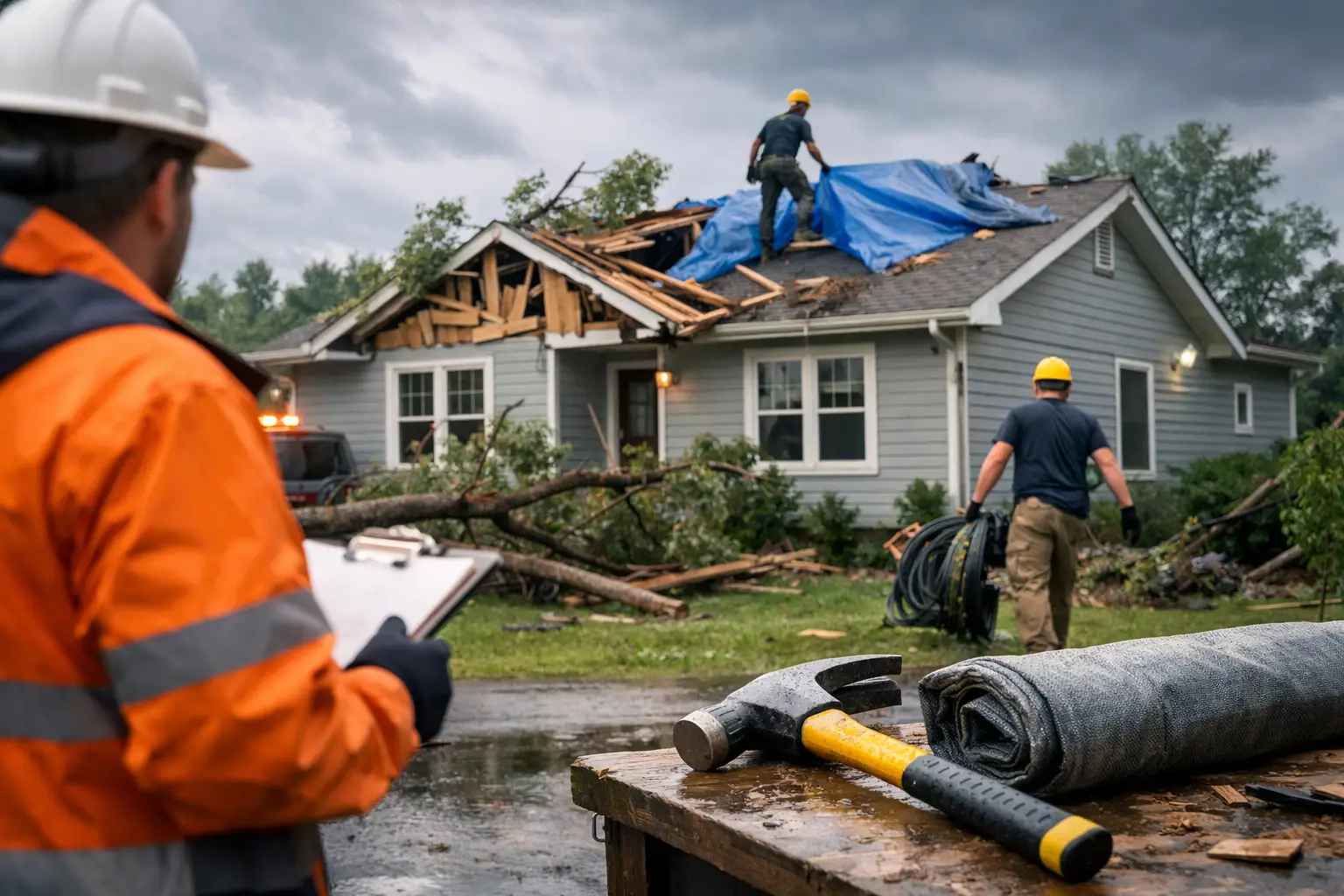 Storm
StormEmergency board-up, roof tarping, and full recovery after wind, hail, and storms.
Learn more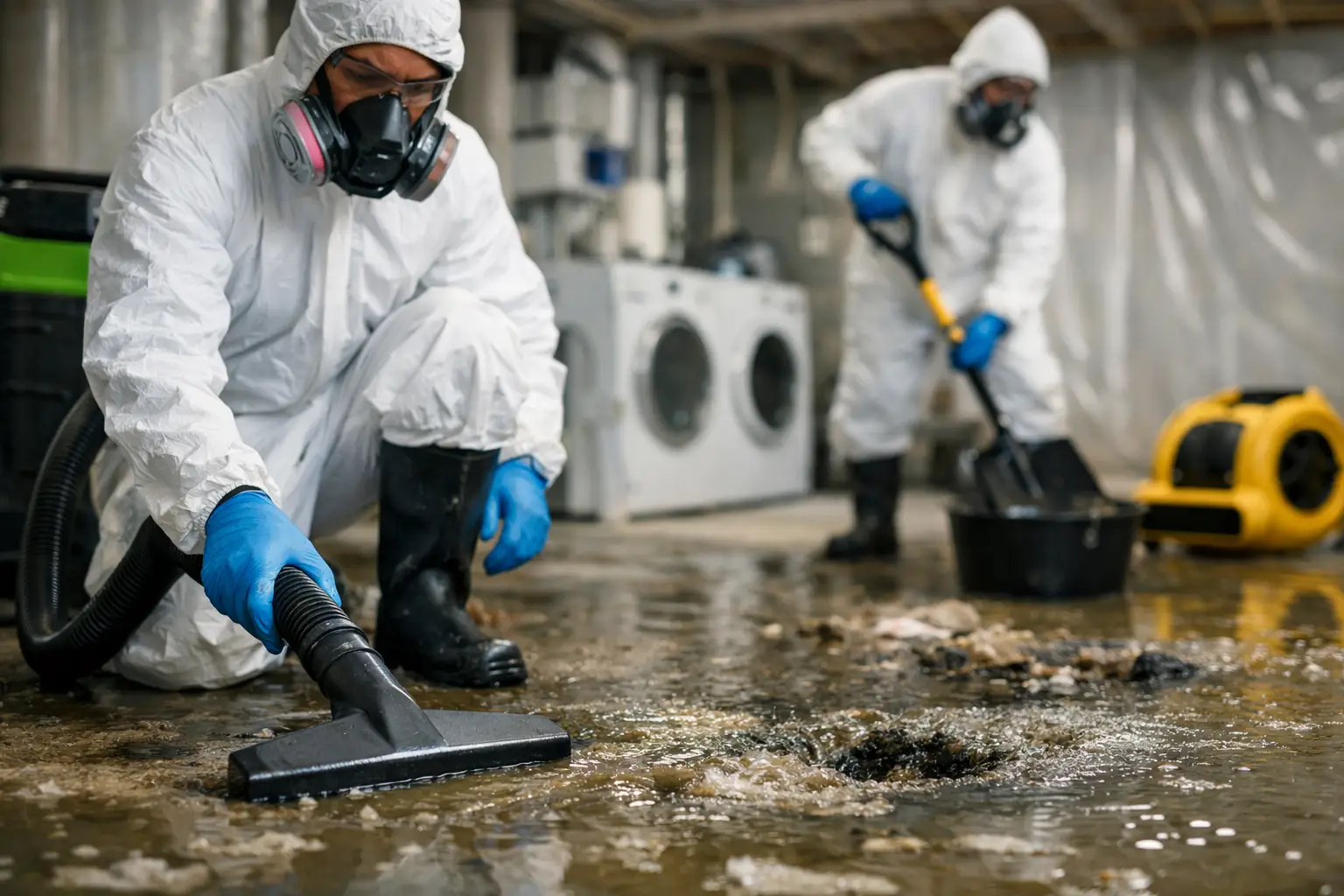 Sewage
Safe biohazard cleanup and sanitizing after sewage backups and overflows.
Learn more Reconstruction
Full rebuild by a licensed general contractor, so your property comes back whole.
Learn moreElevated Operations is an IICRC-certified, licensed general contractor based in Mableton that handles the entire recovery in-house, so after one loss you are never coordinating a cleanup crew, a mold crew, and a contractor separately. One team, one point of contact, from the first pump-out to the final coat of paint.
People call when the property feels like a disaster. They leave reviews because Chris and the crew made it right. These are real, verified Google reviews.
Water damage repair cost in Marietta depends on how much water there is, how long it sat, and what it soaked into, so every job starts with a free inspection and a written quote. As a local water damage restoration company, we answer 24/7, extract and dry fast, and bill your insurance directly.
What drives water damage cost is the water category and the area affected, so we inspect first and price it in writing.
We extract standing water and start structural drying fast to stop mold before it starts, day or night.
Dispatched from Mableton, our IICRC-certified crew reaches Marietta homes fast, 24/7, and bills insurance directly.
I start with moisture mapping, then water extraction, then drying, because historic Square properties often have plaster, trim, and older wall cavities that react differently than newer construction. I want to preserve what can be saved and open only what is necessary. That approach protects the building and keeps the repair focused.
Runoff can push water into basements, crawl spaces, and low entry points after heavy rain. In Marietta, that means the problem may keep coming back unless I trace the path, dry the structure fully, and check exterior conditions that let water in.
Yes, I offer direct insurance billing. I document the loss, communicate the scope, and keep the process organized so you are not stuck managing every detail alone. That is useful on Marietta water damage jobs because proof of moisture, photos, and repair notes matter.
Yes, I provide 24/7 emergency response with a 60-minute emergency response goal. Water does not wait for business hours, and neither do I. The first call matters most when you need water extraction, water mitigation, or fast protection from further damage.
Plaster changes the repair plan. It can hold moisture longer, crack differently, and hide damage behind the finish, especially in older homes near the Square. I inspect carefully to decide whether drying, selective opening, or drywall replacement makes the most sense.
Sometimes yes, sometimes no. It depends on how long the floors stayed wet, what’s underneath them, and whether the boards have cupped or separated. I use floor drying and dehumidification to judge whether the material can be saved before I recommend replacement.
If stains keep spreading, smells linger, or walls sound hollow and damp, moisture may have moved deeper than the surface. I check behind baseboards, around wall cavities, and below flooring because hidden damage is common in Marietta after storms or leaks.
Because restoration often turns into real repair. I am a licensed general contractor, so I can manage the water damage restoration process and the follow-up work that comes after drying. That matters when the job needs structural drying, drywall replacement, or careful rebuild decisions.
Elevated Operations dispatches IICRC-certified crews across Metro Atlanta from our Mableton base, with a 60-minute emergency response day or night. Choose your city:
Call now for an immediate response, or request your free inspection and get a certified crew on-site within the hour across Atlanta and nearby areas.




