24/7 Emergency Restoration · Serving Metro AtlantaEmergency? (770) 404-6895
Sewage remediation services College Park means I stop the spread, remove contaminated material, and handle the cleanup the right way after a backup or overflow. In College Park’s historic district and around the convention hotels, quick action matters because black water contamination moves fast. I’m Chris Kwangwari, and I run Elevated Operations, LLLP.
IICRC-Certified · 5-Star Rated · 60-Minute Response · Insurance Billed Directly
I handle sewage cleanup with careful removal, sanitization, and disinfection so salvageable materials can stay when they should.
I compare the damage side by side and tell you what can be saved, what should be removed, and why.
I move fast, control odor, and focus on contamination removal so the room can be returned safely.
I bring the right cleanup process, direct insurance billing, and a clear call on sewage versus mold risk.
They include containment, sewage cleanup, contamination removal, sanitization, disinfection, and odor control, then repair guidance based on what the water touched. In College Park, I pay special attention to older buildings in the National Register historic district and high-traffic hotel properties where hidden damage spreads fast.
I start by making the site safe and keeping people out of the affected area. Then I identify what was hit, from flooring and baseboards to drywall and contents, because sewage does not stay where it started. It soaks, wicks, and leaves bacteria behind.
That is where black water remediation is different from simple water cleanup. A toilet backup cleanup in a hotel near the convention corridor is a different job than a slow overflow in a historic home, but both demand direct handling of the contaminated materials.
My crew is IICRC-certified, and I have been in restoration since 2007. I use direct insurance billing, offer deductible assistance up to $1,000, and back the work with a 12-month warranty when the job calls for remediation and repair under one roof.
Restore when the structure can be cleaned and safely dried, replace when porous materials are too contaminated to save. In College Park, that decision often comes down to what was soaked, how long it sat, and whether the property is an older historic structure or a hotel room with finished surfaces.
I take a hard line on this: sewage-affected porous materials are not a guessing game. Carpet pad, swollen drywall, insulation, and some cabinetry usually need removal if contamination traveled through them. Surfaces that can be cleaned and disinfected may be saved.
Replacement costs more upfront, but it is often the correct call when contamination removal is incomplete or when odor control keeps failing. In a convention hotel, that matters for guest turnover. In a historic district property, that matters for preserving what can actually be preserved.
The right answer is not restoration or replacement in the abstract, it is both, applied where each belongs. I inspect the loss, explain the options plainly, and move fast with a 60-minute emergency response 24/7 when sewage is still active.
Yes, if sewage backed up into living or working space, remediation is the correct move because contamination does not stop at what you can see. In College Park, that includes rental units, older homes near the historic district, and hotel suites where guests and staff need a safe space again.
A backup is not just dirty water. It is contamination that can affect floors, walls, trim, and the air, which is why sanitization and disinfection are not optional. People sometimes mop and stop there. That is the wrong move.
If the backup involved black water remediation conditions, you need more than surface cleaning. You need removal of affected materials, biohazard cleanup where necessary, and a check for hidden spread under appliances, cabinets, or along wall edges.
I also look at the building type. College Park has a mix of older housing and hospitality properties around major travel corridors. Those settings can hide damage differently, and I adjust the cleanup plan to the property, not to a script.
Sometimes, yes, but only after contaminated materials are removed and the remaining surfaces are cleaned correctly. In College Park’s historic district, sanitization works on salvageable hard surfaces, while soft or porous materials often need replacement because they keep contamination and odor trapped inside.
I do not pretend every surface can be saved. Sanitization is real, but it has limits. Wood trim, tile, sealed counters, and some fixtures can often be disinfected if they were not heavily saturated. Drywall, carpet, and insulation are a different story.
Older College Park buildings demand extra caution because finishes and framing can hold moisture in odd places. That matters when the property sits near the historic district, where the construction may be older and the layout may hide seepage behind walls or under floors.
If you are trying to decide between salvage and teardown, I look at contamination, odor control, and structural condition together. That is how I separate a cleanable loss from one that needs full removal before repairs begin.
Remove anything porous that sewage reached and anything that cannot be fully cleaned and disinfected. That often includes carpet, pad, drywall, insulation, affected trim, and damaged contents. In College Park hotels and older homes, hidden contamination behind baseboards or under flooring is a common problem.
I remove based on exposure, not assumptions. If the material absorbed waste water, the risk stays in the material. That is why contamination removal comes before cosmetic repair. Otherwise, the smell returns and the health issue is still there.
In a hotel near the convention area, that can mean faster teardown and replacement to get rooms back into service safely. In a historic district home, it can mean careful selective removal so the building keeps its character where salvage is possible.
The rule is simple. If I cannot clean it, disinfect it, and verify it is safe to keep, it comes out. That saves time later and keeps the next phase of restoration from failing on top of hidden contamination.
Use a pro when sewage has entered living space, touched porous materials, or spread beyond a small surface spill. DIY may look cheaper, but it often misses hidden contamination, weak odor control, and unsafe disposal. In College Park, that risk is not worth taking.
I have seen people try to clean sewage with household products and a mop. That does not equal disinfection. It also does not handle biohazard cleanup, hidden seepage, or the materials that need to be removed instead of wiped down.
A pro brings the right process, the right equipment, and the right call on what stays and what goes. That is especially important in College Park properties that serve visitors or tenants, because one bad cleanup can become a repeat problem fast.
My team uses direct insurance billing and keeps the process straightforward. I am a licensed general contractor, and that matters when the job is not just cleanup but the full path back to a safe, repaired space.
| Typical Trigger | Water Damage Restoration | Mold Remediation |
|---|---|---|
| Toilet backup in a College Park hotel room near the convention corridor | Choose sewage remediation services when the room needs sewage cleanup, sanitization, and odor control before guests return. | Choose mold work only after drying if moisture lingered and you now see growth behind baseboards or under flooring. |
| Overflow in a historic district home with older finishes | Choose restoration when hard surfaces can be disinfected and selective removal protects original trim and structure. | Choose mold remediation if damp materials sat long enough for visible growth or a musty spread after cleanup. |
| Repeated backup in a rental or office space | Choose replacement when porous materials keep holding contamination and the same area keeps failing after cleaning. | Choose mold work when the real problem is moisture left behind from prior water damage, not active sewage. |
From emergency mitigation to full reconstruction, handled in-house so you are never managing a chain of subcontractors mid-crisis.
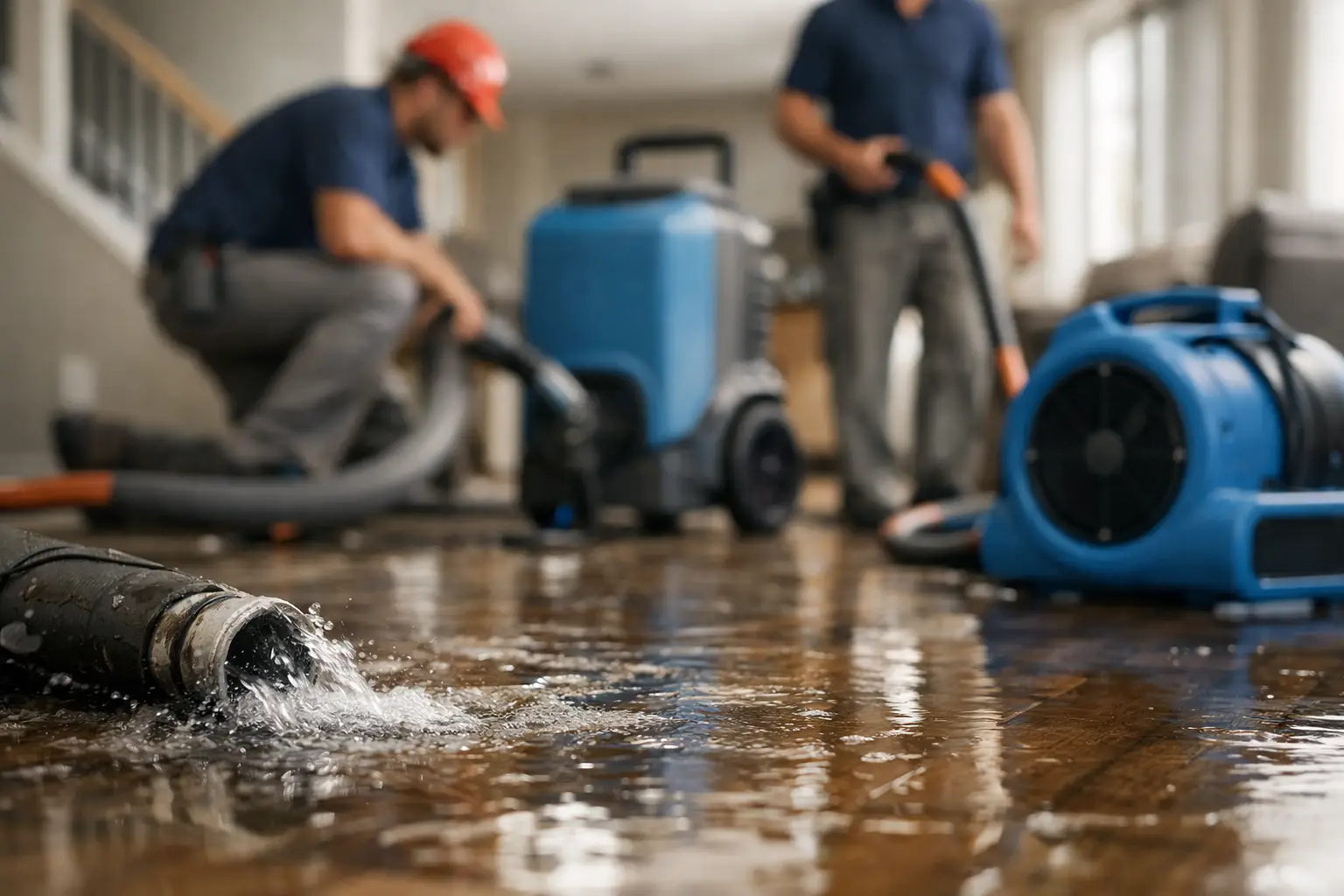
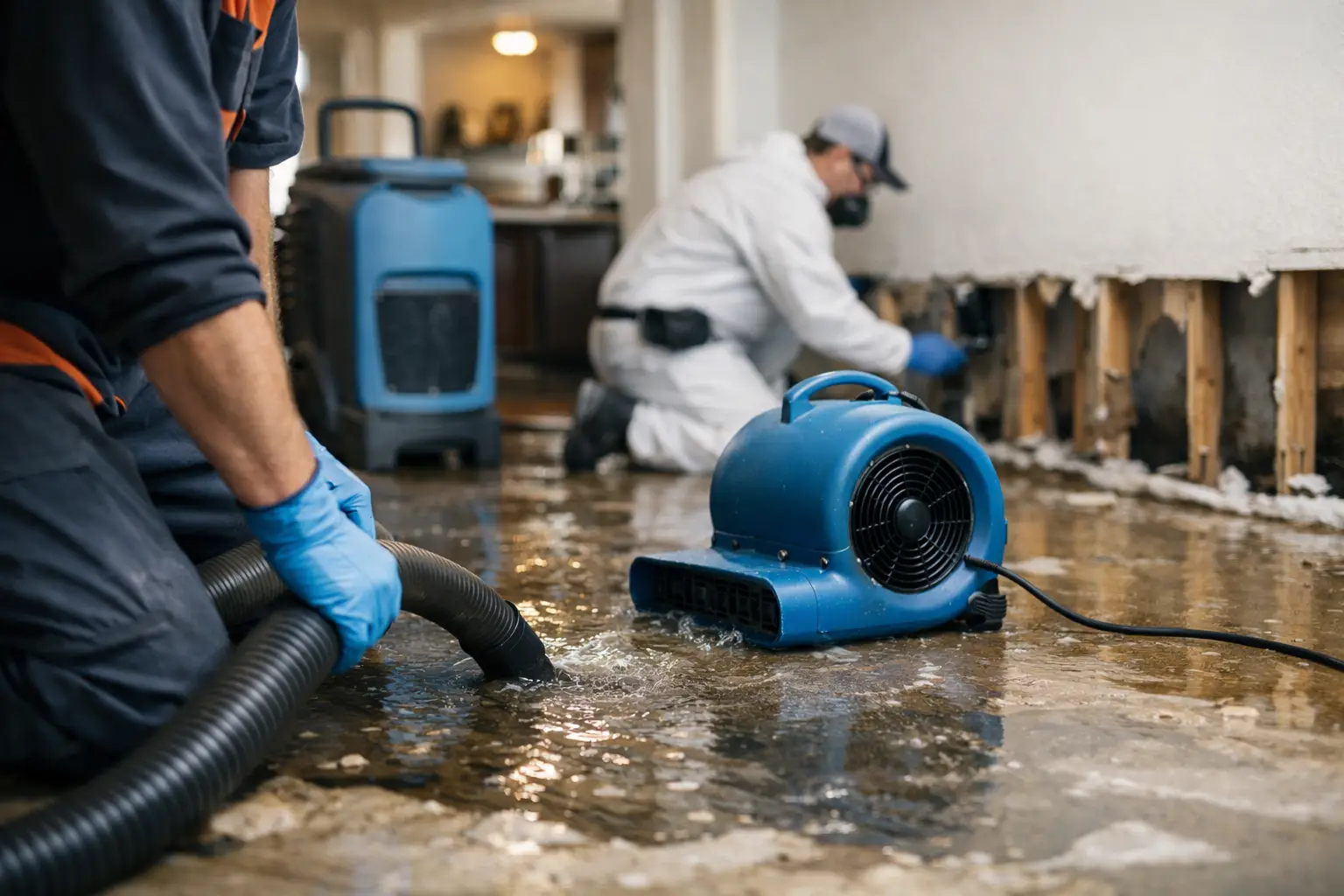 Water Damage
Extraction, structural drying, and moisture mapping after floods, leaks, and burst pipes.
Get help now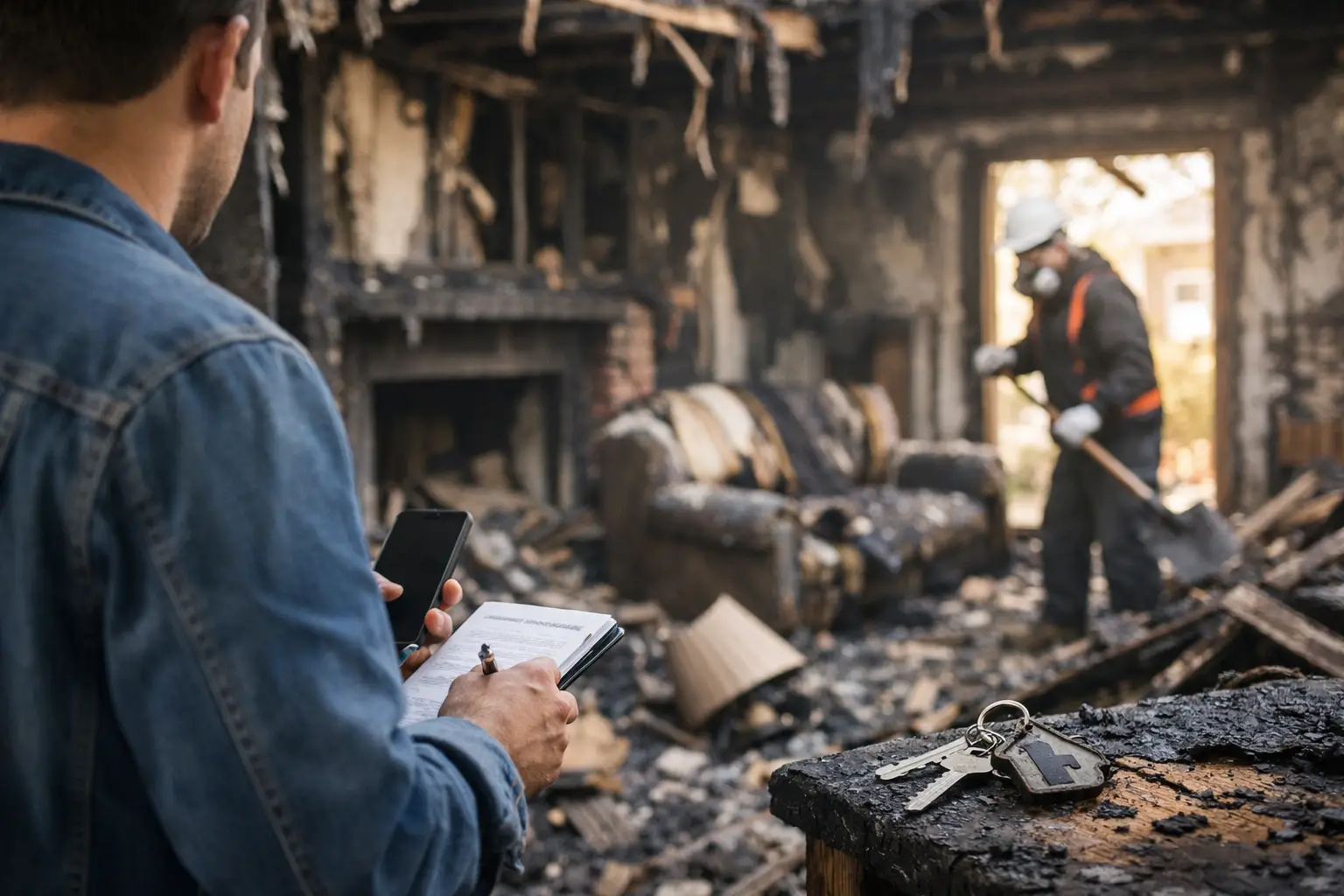 Fire & Smoke
Soot removal, odor deodorization, and content cleaning after fire and smoke damage.
Learn more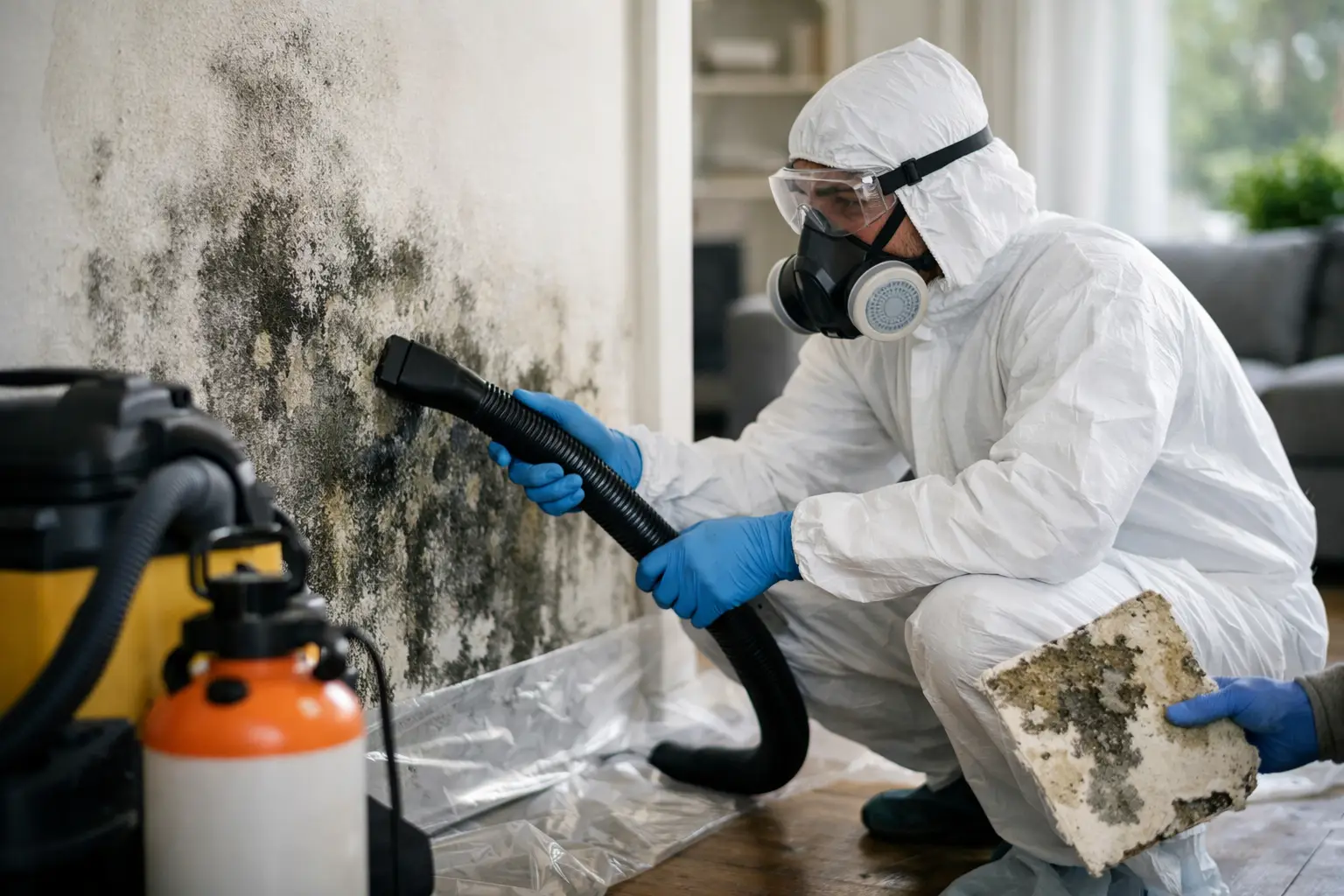 Mold
MoldContainment, removal, and moisture control that stops mold from coming back.
Learn more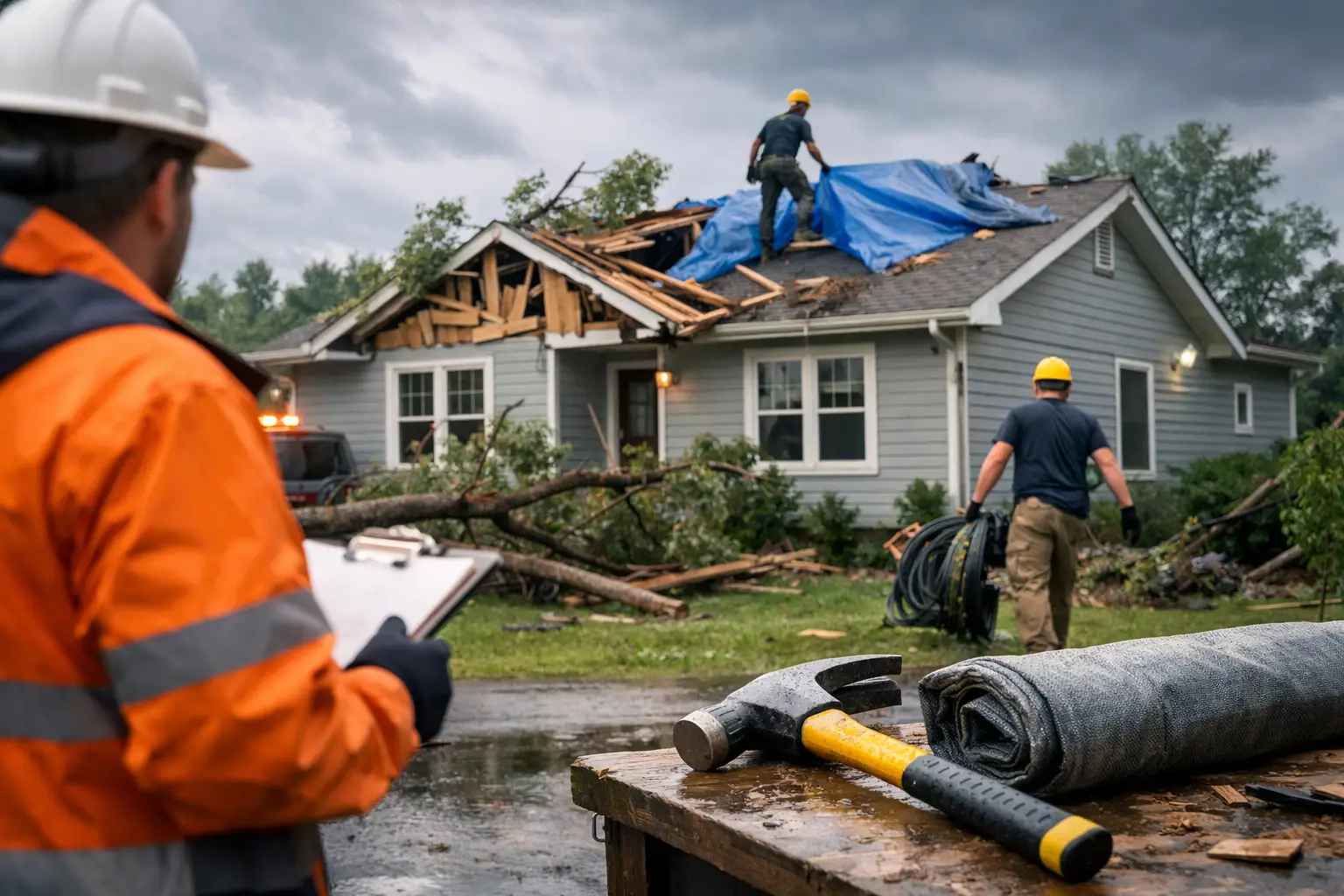 Storm
StormEmergency board-up, roof tarping, and full recovery after wind, hail, and storms.
Learn more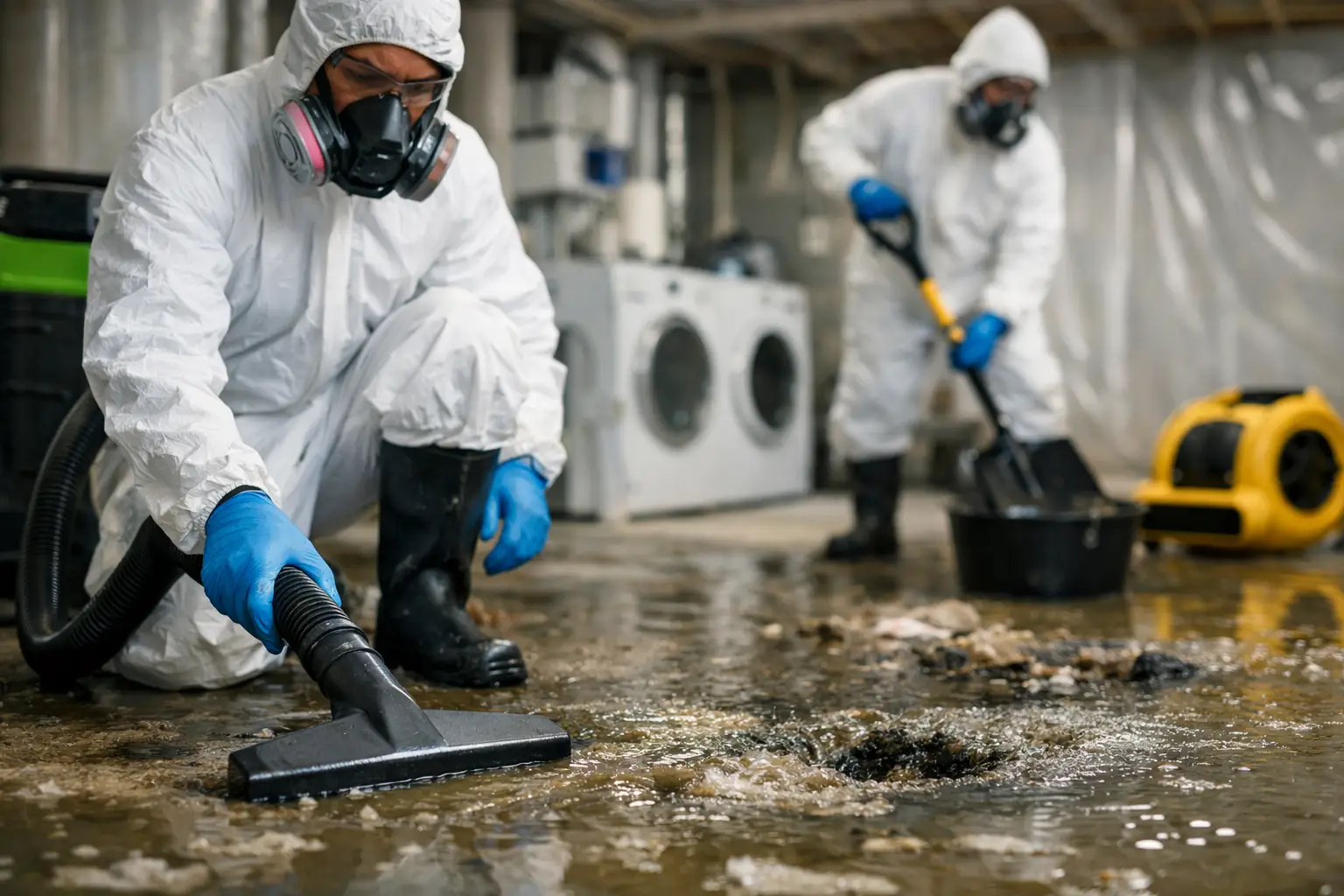 Sewage
Safe biohazard cleanup and sanitizing after sewage backups and overflows.
Learn more Reconstruction
Full rebuild by a licensed general contractor, so your property comes back whole.
Learn moreElevated Operations is an IICRC-certified, licensed general contractor based in Mableton that handles the entire recovery in-house, so after one loss you are never coordinating a cleanup crew, a mold crew, and a contractor separately. One team, one point of contact, from the first pump-out to the final coat of paint.
People call when the property feels like a disaster. They leave reviews because Chris and the crew made it right. These are real, verified Google reviews.
I start with containment, then move into sewage cleanup, contamination removal, and disinfecting the affected area. Near the historic district, I pay close attention to what can be saved versus what must be removed, because older finishes can hide waste in seams and wall cavities. The goal is safe recovery without wasting original materials that can still be preserved.
Hotels have a speed problem and a guest safety problem. Sewage cleanup there has to limit downtime, control odor quickly, and keep contamination from spreading into adjacent rooms or hallways. I treat those losses differently than a single-family home because turnover, public access, and repeated use make hidden contamination a bigger operational issue.
Yes, if wastewater reached floors, trim, or walls. A toilet backup cleanup is not finished when the visible mess is gone, because bacteria and residue can remain in porous materials and joints. In College Park homes, I look closely at baseboards, underlayment, and lower drywall before I say a room is safe to rebuild.
Sometimes, but only on materials that can actually be cleaned and disinfected. Sanitization works best on hard, nonporous surfaces. In older College Park buildings, porous finishes and hidden framing often need removal first. If contamination stayed in the material, I do not call it saved just because it looks better on the surface.
Anything porous that took on sewage usually comes out, including carpet, pad, drywall, and insulation. I also look for hidden contamination under cabinets and along wall edges. In College Park, that matters in both historic homes and hotel spaces, because the wrong material left in place can keep odors and bacteria in the building.
Replacement is better when contamination has gone too deep, odors keep returning, or the material cannot be fully disinfected. Restoration makes sense when the surface can be cleaned and the structure is still sound. I use that standard in College Park because saving the wrong material costs more later than replacing it now.
Sewage cleanup comes first because contamination is immediate. Mold is a second-stage issue if moisture stays behind, and it can start in 24 to 48 hours. In College Park, I separate the two because a wet wall in a historic property or hotel room can shift from sewage damage to mold risk very quickly.
I bring IICRC-certified technicians, 60-minute emergency response 24/7, direct insurance billing, and a 12-month warranty when the work calls for it. I have been in restoration since 2007, I am a licensed general contractor, and I offer deductible assistance up to $1,000. I keep it direct and I handle the full cleanup path.
Elevated Operations dispatches IICRC-certified crews across Metro Atlanta from our Mableton base, with a 60-minute emergency response day or night. Choose your city:
Call now for an immediate response, or request your free inspection and get a certified crew on-site within the hour across Atlanta and nearby areas.