24/7 Emergency Restoration · Serving Metro AtlantaEmergency? (770) 404-6895
Smoke and soot cleanup Dallas starts with the facts, not guesswork. I look at what burned, where soot traveled, whether odor reached ducts or contents, and how insurance will handle the loss. In Paulding County homes with well-water, septic systems, and runs near Pumpkinvine Creek, I keep the process practical and documented.
IICRC-Certified · 5-Star Rated · 60-Minute Response · Insurance Billed Directly
I offer deductible assistance up to $1,000. That helps homeowners manage the insured share while the claim is active and the smoke damage cleanup is underway.
Yes. I use direct insurance billing, which keeps the paperwork organized and helps move the claim forward after the inspection and scope are set.
Humidity can help odor linger in porous materials and hidden spaces. That is why deodorization has to follow proper soot removal and surface cleaning.
Yes. My technicians are IICRC-certified, and I have been in restoration since 2007. I handle smoke and soot cleanup with the documentation insurers expect.
Smoke and soot cleanup pricing is driven by the amount of surface contamination, how far odor spread, whether HVAC cleaning is needed, and how much contents cleaning is involved. I do not price by guess. I price by scope, because light soot on hard surfaces is a different job than heavy smoke damage cleanup across multiple rooms.
In Dallas, I start with where the smoke moved, not just where the fire started. A kitchen event near a well-used hallway is one thing. Smoke drifting through a ranch house off the roadside toward Pumpkinvine Creek is another. That travel path changes the labor, materials, and deodorization plan.
Materials matter. Painted drywall, cabinets, trim, insulation, and porous items all respond differently to surface cleaning and soot removal. Some surfaces clean up well. Others hold residue and odor. If the HVAC system pulled smoke through the house, hvac cleaning becomes part of the scope and the cost picture changes.
I am direct about insurance and billing. Elevated Operations, LLLP uses direct insurance billing, and I am a licensed general contractor with IICRC-certified technicians on the job. I have been in restoration since 2007, and I build the estimate around what the damage actually requires, not around a sales script.
Insurance often covers sudden smoke damage cleanup when the loss is covered under the policy, including labor for soot removal, deodorization, contents cleaning, and related repairs when needed. Coverage depends on policy language, cause of loss, and documentation. I help push the file in the right direction and bill the carrier directly.
Most homeowners want the same answer on day one: will the policy pay for this. The real answer is that it depends on the cause of the smoke, the policy terms, and what the adjuster approves after inspection. I document the loss carefully so the carrier sees the full picture, not just the visible soot.
In Paulding County, many homes have practical layouts, attached garages, and utility areas that can spread smoke farther than people expect. If the odor reached closets, vents, or an attic chase, the claim should reflect that. Insurance may also address contents cleaning when furnishings, clothing, or personal items absorbed smoke.
I use direct insurance billing, so the claim work does not stop the cleanup. That matters. It keeps the process moving and helps reduce back-and-forth when the adjuster needs photos, moisture or contamination notes, or a clearer scope for deodorization and surface cleaning.
Claims usually begin with a loss report, then an adjuster reviews the damage, coverage, and documentation. The deductible is the homeowner’s share. I offer deductible assistance up to $1,000, and I keep the paperwork tight so the insured portion and carrier portion are easier to separate.
I explain deductibles plainly because people in Dallas do not need a lecture. They need to know what they owe and what the carrier may pay. After I inspect the smoke and soot cleanup scope, I prepare the claim materials and communicate with the adjuster so the process does not stall.
If the damage includes smoke odor in HVAC returns, wall cavities, or contents, the insurer may ask for more detail before approving deodorization or replacement. That is normal. The key is honest documentation from the start, with photos, notes, and a scope that matches the actual contamination.
Homes near Pumpkinvine Creek can have humid conditions that make odor cling longer and soot residue feel more stubborn. That does not change the policy, but it does affect the work. And when a claim is involved, the work has to be explained in a way the carrier can follow.
I clean smoke and soot damage by controlling the residue first, then addressing odor, then checking whether ductwork, contents, and hidden spaces need attention. The sequence matters. Start with containment, use the right surface cleaning methods, and follow with deodorization so the problem does not come back later.
The first move is not scrubbing everything in sight. That can smear soot and drive it deeper into surfaces. I start with inspection, containment, and the right tools, often including an air scrubber when airborne residue or odor needs to be controlled during smoke damage cleanup.
Next comes surface cleaning matched to the material. Painted drywall, wood trim, counters, and metal fixtures all need different handling. If smoke reached the system, hvac cleaning may be necessary before the house truly feels clean. That is especially important in Dallas homes where the ductwork carries odor fast.
Contents cleaning is often part of the work. People underestimate how much smoke lands on clothing, soft goods, and stored items in garages or closets. In a county with wells and septic systems, homeowners often keep practical storage spaces. Those spaces collect residue too, and they deserve a real scope.
Dry soot removal methods, careful surface cleaning, and the right cleaning chemistry remove soot from walls and ceilings without smearing it into the finish. I avoid aggressive wiping that pushes residue around. If the coating or drywall is damaged, cleaning alone is not enough and the repair scope has to change.
Ceilings are where rushed work shows immediately. Soot can streak, stain, and embed if somebody uses the wrong cloth or too much liquid. I use a controlled approach that protects the finish and keeps the cleanup from creating new damage. That is the difference between a quick wipe and real restoration.
In Dallas and nearby Paulding communities, I often see homes with textured ceilings, painted trim, and mixed surfaces from different remodels. Each surface reacts differently. Smoke damage cleanup is not one-size-fits-all, and a contractor who treats it that way usually leaves odor behind or causes more visible staining.
If walls and ceilings hold heavy residue, deodorization alone will not solve it. The soot has to come off first. Then I evaluate whether the structure needs sealing, deeper odor removal, or replacement of compromised materials. That sequence protects the home and keeps the claim honest.
Smoke cleanup should start as soon as the scene is safe and the source is controlled. Smoke and soot keep moving, and odor settles into finishes, textiles, and ductwork quickly. Early action protects surfaces, contents, and the claim file, especially in homes near Pumpkinvine Creek where humidity can hold odor longer.
Speed matters because soot is active damage. It keeps staining, corroding, and attaching to surfaces after the fire is out. The faster I can inspect and stabilize the space, the better the chance of limiting extra surface cleaning, contents cleaning, and replacement later.
I offer 60-minute emergency response 24/7, because smoke losses do not wait for business hours. In a real home, a few hours can change how far odor reaches into cabinets, air returns, and upholstered items. That can change the scope and the insurance discussion too.
Dallas homeowners with well-water and septic systems often think about the house as a self-contained system. Smoke does not respect that. It moves through every opening, and if Pumpkinvine Creek humidity is in the mix, odor can cling harder. Starting quickly is the smartest way to keep the loss contained.
Smoke type, soot load, affected materials, odor spread, and HVAC impact all change the work. I build the estimate from the damage I see, not from a shortcut.
Insurance may cover smoke damage cleanup, deodorization, contents cleaning, and related repairs when the loss is covered. I document the claim and bill directly.
The deductible is your share before insurance pays. I offer deductible assistance up to $1,000, which helps keep the claim process practical for homeowners.
If smoke reached returns or supply lines, hvac cleaning can be part of the scope. That can affect both comfort and the final claim file.
I have been in restoration since 2007, my team is IICRC-certified, and I am a licensed general contractor. That matters when the carrier wants clean documentation.
From emergency mitigation to full reconstruction, handled in-house so you are never managing a chain of subcontractors mid-crisis.
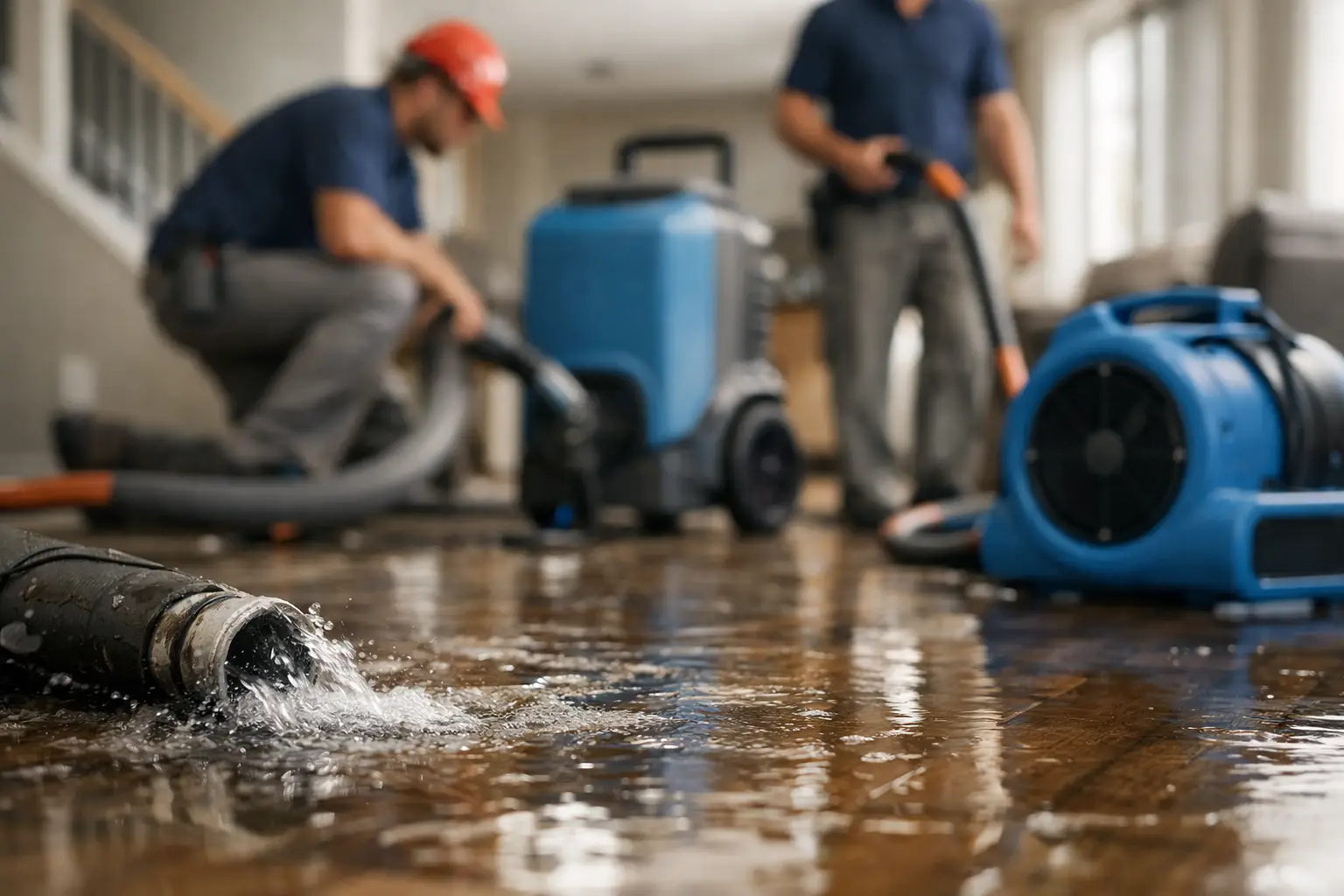
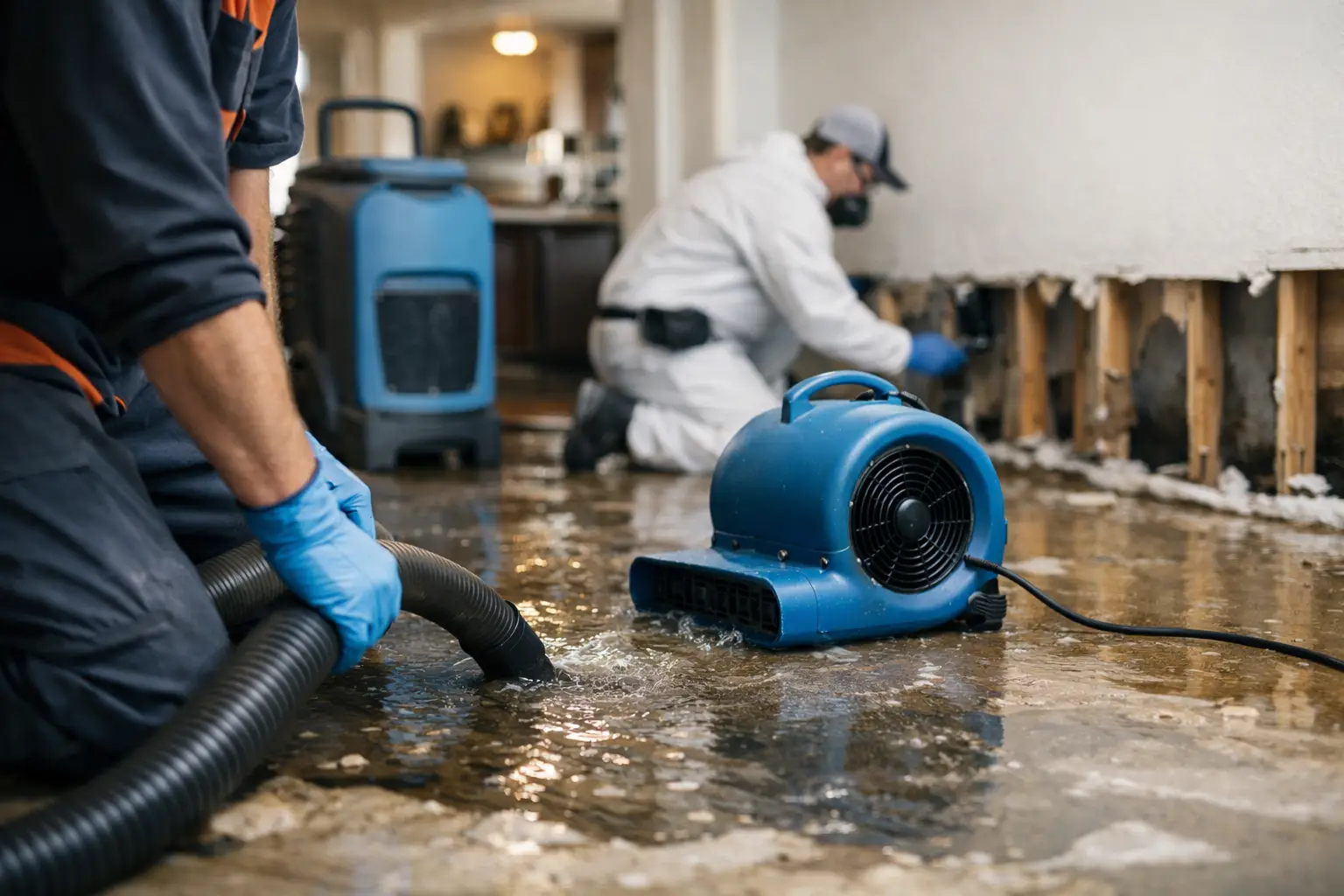 Water Damage
Extraction, structural drying, and moisture mapping after floods, leaks, and burst pipes.
Get help now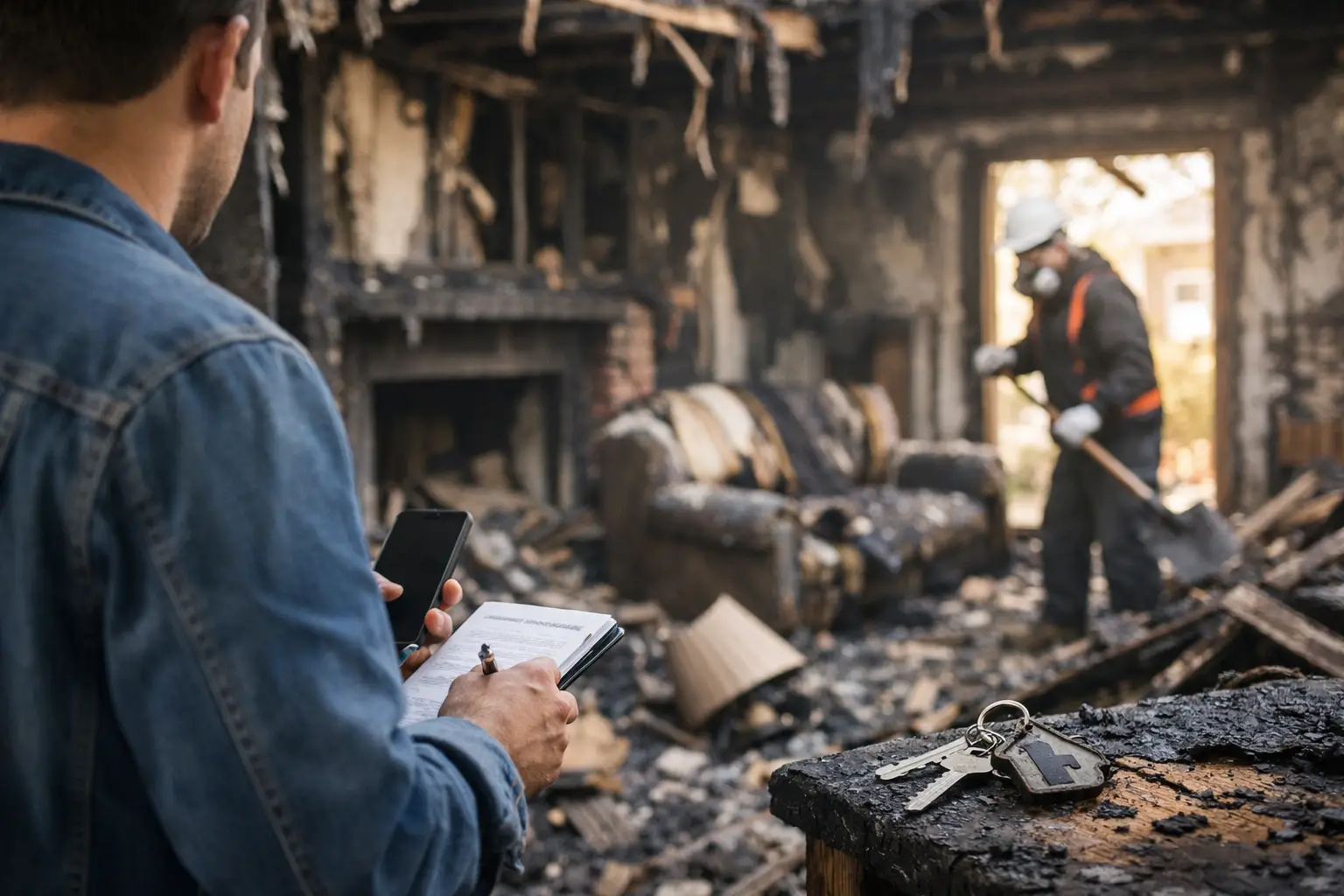 Fire & Smoke
Soot removal, odor deodorization, and content cleaning after fire and smoke damage.
Learn more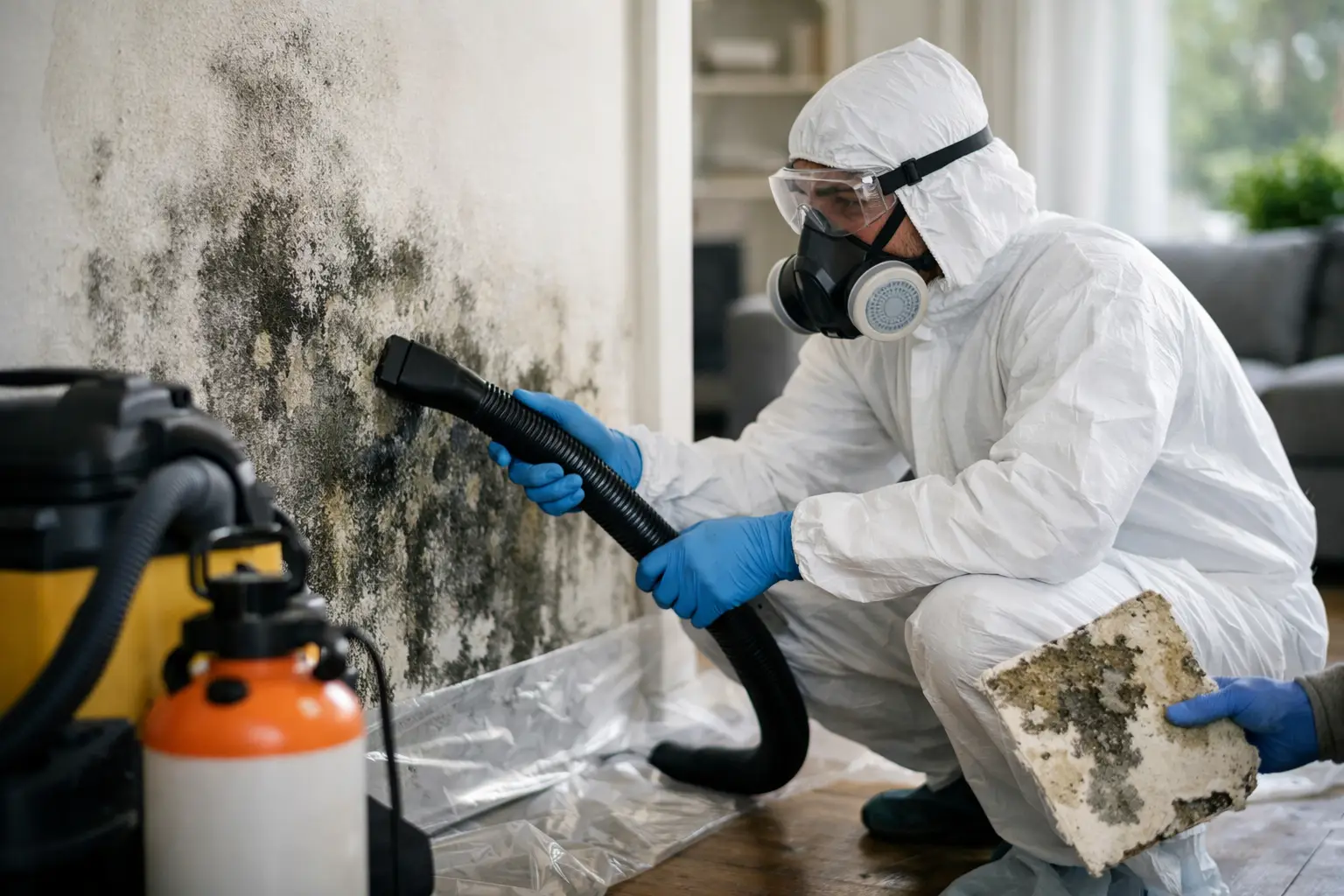 Mold
MoldContainment, removal, and moisture control that stops mold from coming back.
Learn more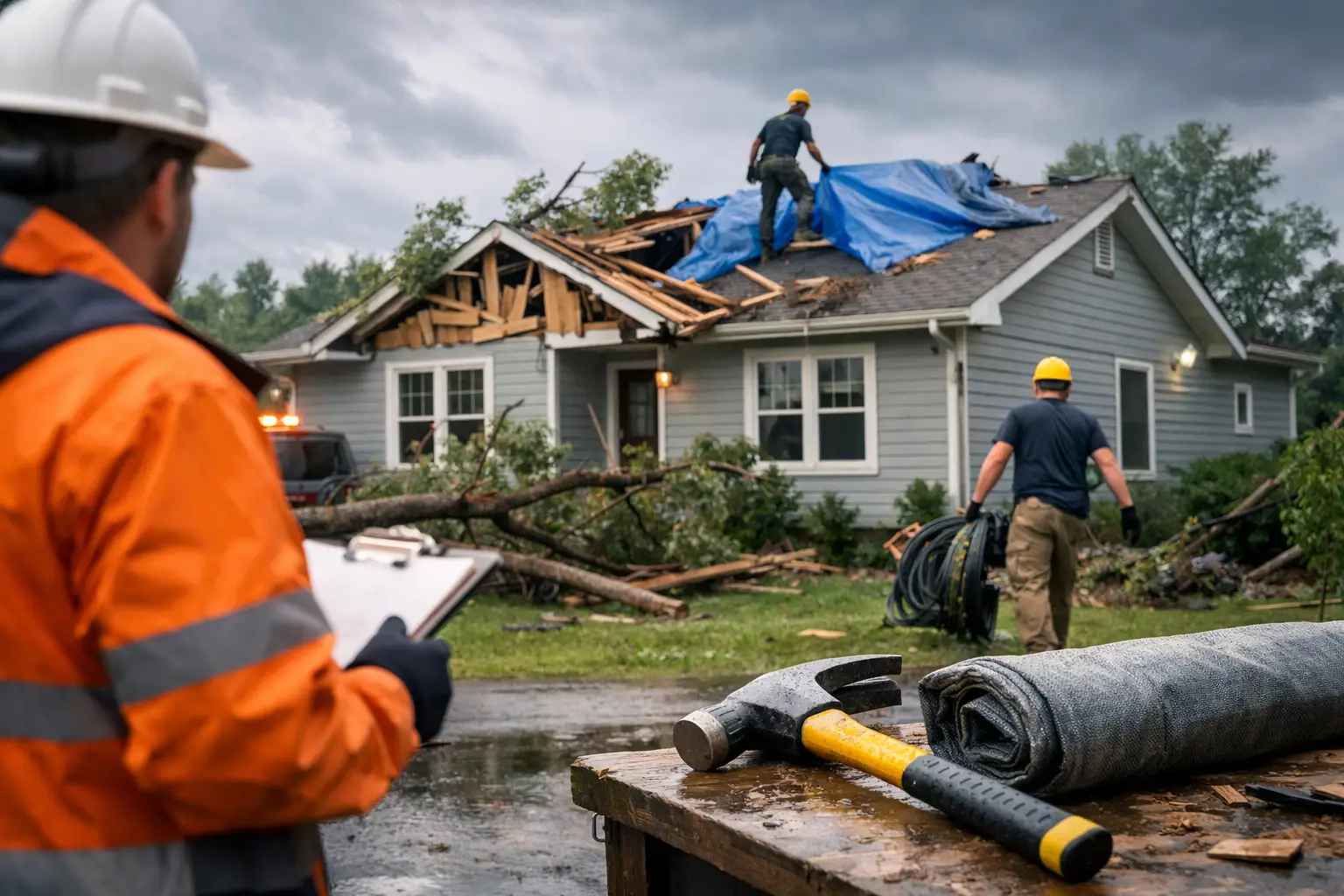 Storm
StormEmergency board-up, roof tarping, and full recovery after wind, hail, and storms.
Learn more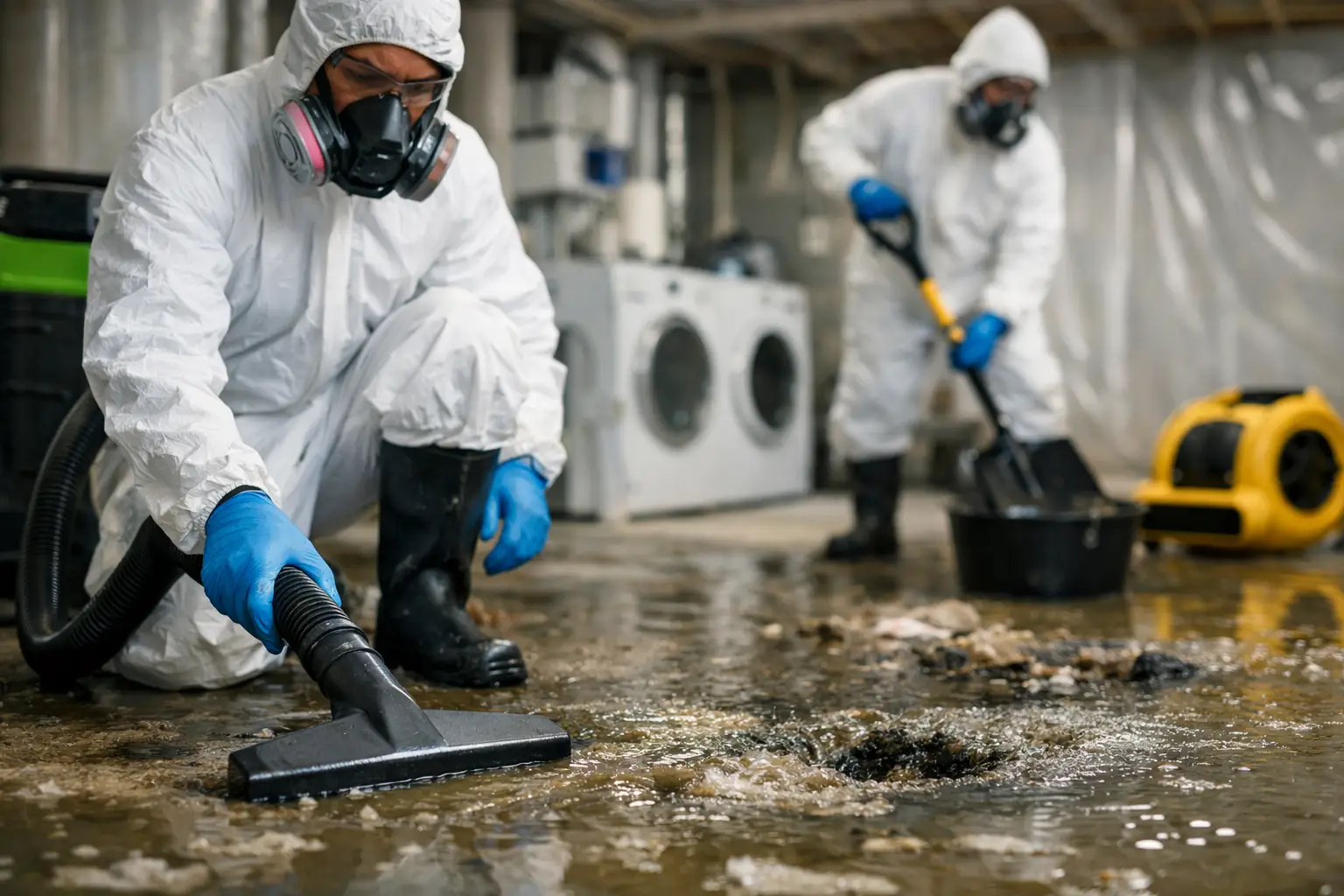 Sewage
Safe biohazard cleanup and sanitizing after sewage backups and overflows.
Learn more Reconstruction
Full rebuild by a licensed general contractor, so your property comes back whole.
Learn moreElevated Operations is an IICRC-certified, licensed general contractor based in Mableton that handles the entire recovery in-house, so after one loss you are never coordinating a cleanup crew, a mold crew, and a contractor separately. One team, one point of contact, from the first pump-out to the final coat of paint.
People call when the property feels like a disaster. They leave reviews because Chris and the crew made it right. These are real, verified Google reviews.
Often yes, if the smoke reached clothing, décor, stored items, or soft goods. Contents cleaning is frequently part of a complete smoke and soot cleanup because residue and odor do not stop at walls. In Dallas homes near well-water and septic systems, owners often store practical items in closets, garages, and laundry areas, which can hold odor longer and need careful handling.
Smoke odor can often be removed when the soot is cleaned correctly, affected materials are treated, and deodorization is handled with the right scope. But I do not promise miracles. If smoke penetrated porous materials, HVAC runs, or hidden cavities, the work has to address every source, not just the visible spots.
The right answer is dry soot removal first, then controlled surface cleaning matched to the finish. Aggressive wiping usually makes streaks worse. In Dallas, I see a lot of mixed ceiling and trim finishes, so I choose methods based on the material and the residue. If the soot is heavy, sealing or repair may be needed too.
I offer 60-minute emergency response 24/7. That matters because smoke damage keeps spreading after the fire is out. The sooner I stabilize the loss, the less chance soot has to bind to surfaces, move through the HVAC system, or soak into contents. Fast action also supports the insurance file.
It may, if the underlying loss is covered and the deodorization is tied to the smoke damage cleanup scope. Carriers often want proof that the odor came from the loss and that the treatment is necessary. I document the problem carefully and communicate with the adjuster so the file stays clear.
Yes, because the source and spread pattern matter. Smoke from a garage can move into living space, closets, attic areas, and the HVAC system. That changes what gets cleaned and what the insurer reviews. In Dallas and across Paulding County, I see this often in homes with practical utility layouts and attached spaces.
Yes. Well-water and septic do not change the smoke cleanup methods, but they do shape how the home is used and where residue tends to hide. I work in Paulding County every day, and I know these homes often have storage, utility, and entry spaces that need careful contents cleaning and deodorization.
Direct insurance billing keeps the claim moving and reduces the burden on the homeowner. Instead of forcing you to manage every invoice and submission, I work with the carrier on the documentation. That is especially useful when the job includes surface cleaning, hvac cleaning, deodorization, and contents cleaning all at once.
Elevated Operations dispatches IICRC-certified crews across Metro Atlanta from our Mableton base, with a 60-minute emergency response day or night. Choose your city:
Call now for an immediate response, or request your free inspection and get a certified crew on-site within the hour across Atlanta and nearby areas.