24/7 Emergency Restoration · Serving Metro AtlantaEmergency? (770) 404-6895
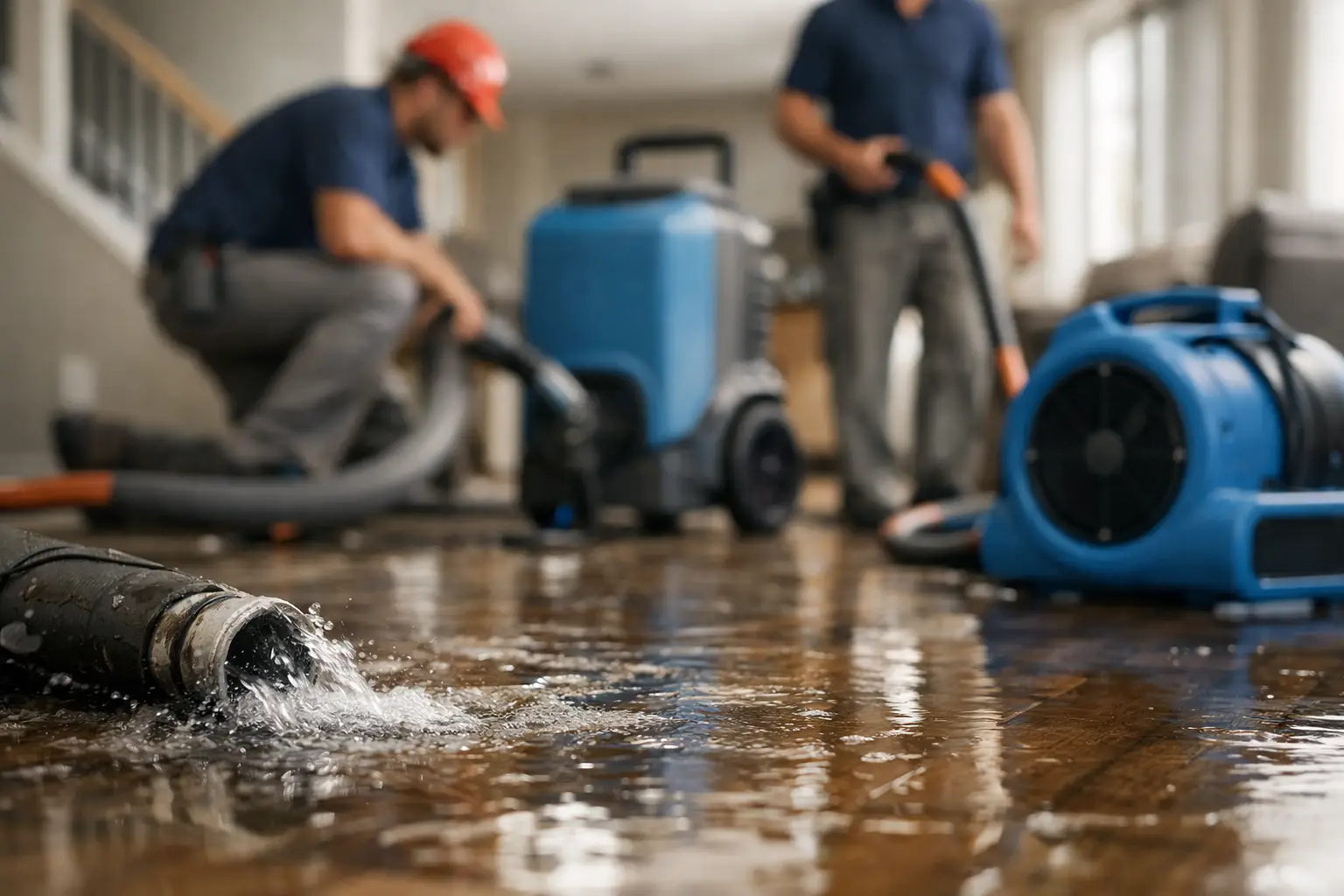
Storm damage restoration Marietta starts with one priority: stop more damage fast. I’m Chris Kwangwari, owner of Elevated Operations, LLLP, and I handle storm calls across Marietta with 24/7 emergency response, IICRC-certified technicians, direct insurance billing, and a 12-month warranty. Historic Square plaster and Kennesaw Mountain runoff change the job, and I plan for both.
IICRC-Certified · 5-Star Rated · 60-Minute Response · Insurance Billed Directly
Yes. I offer 24/7 emergency response, because roof leaks and water intrusion do not wait for business hours.
I treat plaster carefully. It can hold moisture and fail in layers, so drying and repair have to be planned, not rushed.
Yes. Those first steps often prevent a much larger repair, especially after wind or hail opens the roof.
I work from our Mableton base and serve Cobb, Fulton, DeKalb, Douglas, Clayton, Henry, and Paulding counties, including Marietta.
Start with safety, stop active water entry, document what you can, and call for emergency response before cleanup spreads the damage. In Marietta, that means watching for loose shingles, soaked plaster near the Historic Square, and runoff-driven flooding after storms rolling off Kennesaw Mountain.
First, do not walk under sagging ceilings or cut into wet drywall. If power is compromised, stay out. Then photograph the roofline, broken windows, blown fencing, and any debris removal needs before anything gets moved. That record helps with insurance and with direct insurance billing later.
Next, protect the house from more rain. Roof tarping, temporary boarding, and quick source control matter more than cosmetic cleanup on day one. I’ve seen Marietta homes take a second hit when wind damage repair was delayed and water kept tracking through attic framing.
Then call a restoration contractor who understands how Marietta homes behave. Older plaster near the Square can crack, stain, and separate after a short soak, while runoff from the mountain side can push water into crawlspaces, garages, and low corners fast.
It includes emergency protection, inspection, debris removal, drying, damage assessment, and repair planning for the roof, structure, and interior. In Marietta, I also look for hail damage repair needs, hidden wind damage, and water intrusion around older plaster walls and trim.
Storm damage restoration is not one task. It is a sequence. I start by stopping the leak, then checking roofing, attic space, ceilings, and exterior openings. If the storm broke branches or siding, debris removal comes early so the property can be accessed safely.
After that, I look for structural repair needs. That can mean damaged decking, framing, or interior finishes that were hit by wind-driven rain. On homes near the Historic Square, plaster needs careful handling because it can hold moisture and fail in layers.
Hail damage repair is different from wind damage repair, and I treat them differently. Hail can bruise shingles and metal surfaces. Wind can lift, tear, and expose. Around Marietta, runoff and standing water also change the drying plan because not every wet spot came from the roof.
Yes, roof tarping should happen quickly when the roof is open, missing shingles, or leaking after a storm. In Marietta, that first protective step often prevents a small roof issue from turning into ceiling damage, ruined insulation, and plaster repair inside older homes.
I take roof tarping seriously because it buys time. If wind has lifted shingles or limb impact has punched through a section, the house is exposed. Temporary boarding may also be needed for broken windows or garage openings that let rain and wind keep working.
This matters a lot in Marietta because storms can move fast, and Kennesaw Mountain runoff can keep the property wet even after the sky clears. A roof that looks only partly damaged can still funnel water into attic insulation or wall cavities.
Do not wait until morning if water is entering now. Call for 24/7 emergency response. I would rather tarp early, document the damage cleanly, and then decide on the full repair scope than let another storm turn one repair into three.
You fix storm damage by stabilizing the property first, then drying, then repairing the damaged building materials in the right order. That means stopping leaks, removing unsafe debris, checking for hidden moisture, and moving into structural repair only after the source and spread are controlled.
The order matters. A rushed cosmetic fix will fail if the roof deck is still wet or if water intrusion kept traveling behind trim and plaster. I inspect the roof, attic, exterior openings, and the wet rooms together so the repair plan matches the actual damage.
In Marietta, I see older homes near the Historic Square with plaster that needs slow drying and careful patching, not aggressive demo. On the other hand, storm-broken siding, fascia, or framing may need more direct structural repair before the interior can be finished properly.
If hail or wind hit multiple parts of the house, I separate the work into clear stages. First emergency protection, then drying, then repair. That is the cleanest way to control cost, protect the structure, and avoid paying twice for the same mistake.
Yes, storm damage often leads to water intrusion, and the leak path is not always obvious. In Marietta, wind can lift roofing, hail can break surfaces, and Kennesaw Mountain runoff can push moisture toward crawlspaces, garages, and lower walls after the storm ends.
Water intrusion is often delayed. A roof may look intact from the street, but one lifted shingle or cracked flashing can let water in when the next rain comes. That is why I inspect the attic, insulation, and ceiling staining, not just the visible roof surface.
Marietta’s mix of older construction and newer additions creates weak points. Historic Square plaster can wick moisture and show damage later. At the same time, runoff from the mountain side can overload drainage and send water where the house was never designed to take it.
If you see musty odors, bubbling paint, or a soft ceiling, treat it as active damage. The right response is fast drying, controlled demolition if needed, and a repair plan that stops the leak path instead of masking the symptom.
Debris removal means clearing broken branches, roof material, shattered glass, and scattered exterior debris so the property is safe and the repair work can begin. In Marietta, I also check for hidden hazards around porches, driveways, and gutters where storm runoff piles up material.
Debris is more than a cleanup problem. It can block access to the damaged area, hide punctures, and trap water against the house. I clear what is loose and unsafe first, then evaluate what remains attached and whether it affects the roof or structure.
Around Marietta neighborhoods, storm debris often collects in gutters, beside retaining edges, and under tree lines. If the damage came with heavy wind, I also look for nails, torn flashing, or branches that could damage siding or fencing during removal.
Good debris removal supports the rest of the job. It helps with roof tarping, makes temporary boarding possible, and gives a clearer view of hail damage repair or structural repair needs that may have been hidden under the mess.
Stay clear of sagging ceilings, wet outlets, and unstable roof areas. If the storm left loose branches, broken glass, or visible structural movement, do not enter until the property is checked.
Take photos of the roof, gutters, siding, interior stains, plaster cracks, and any debris removal needs. Keep everything in place until the damage is recorded for insurance and repair planning.
Call for roof tarping or temporary boarding if the house is open to the weather. That step matters in Marietta because one more storm can turn a repairable loss into broader water intrusion.
Look for soft drywall, stained plaster, damp insulation, and musty odors. In older Marietta homes, moisture can move behind finished surfaces fast, especially after wind-driven rain or Kennesaw Mountain runoff.
Bring in a licensed general contractor with IICRC-certified technicians, direct insurance billing, and storm experience. I have been in restoration since 2007, and I handle the process from emergency response through repair.
From emergency mitigation to full reconstruction, handled in-house so you are never managing a chain of subcontractors mid-crisis.
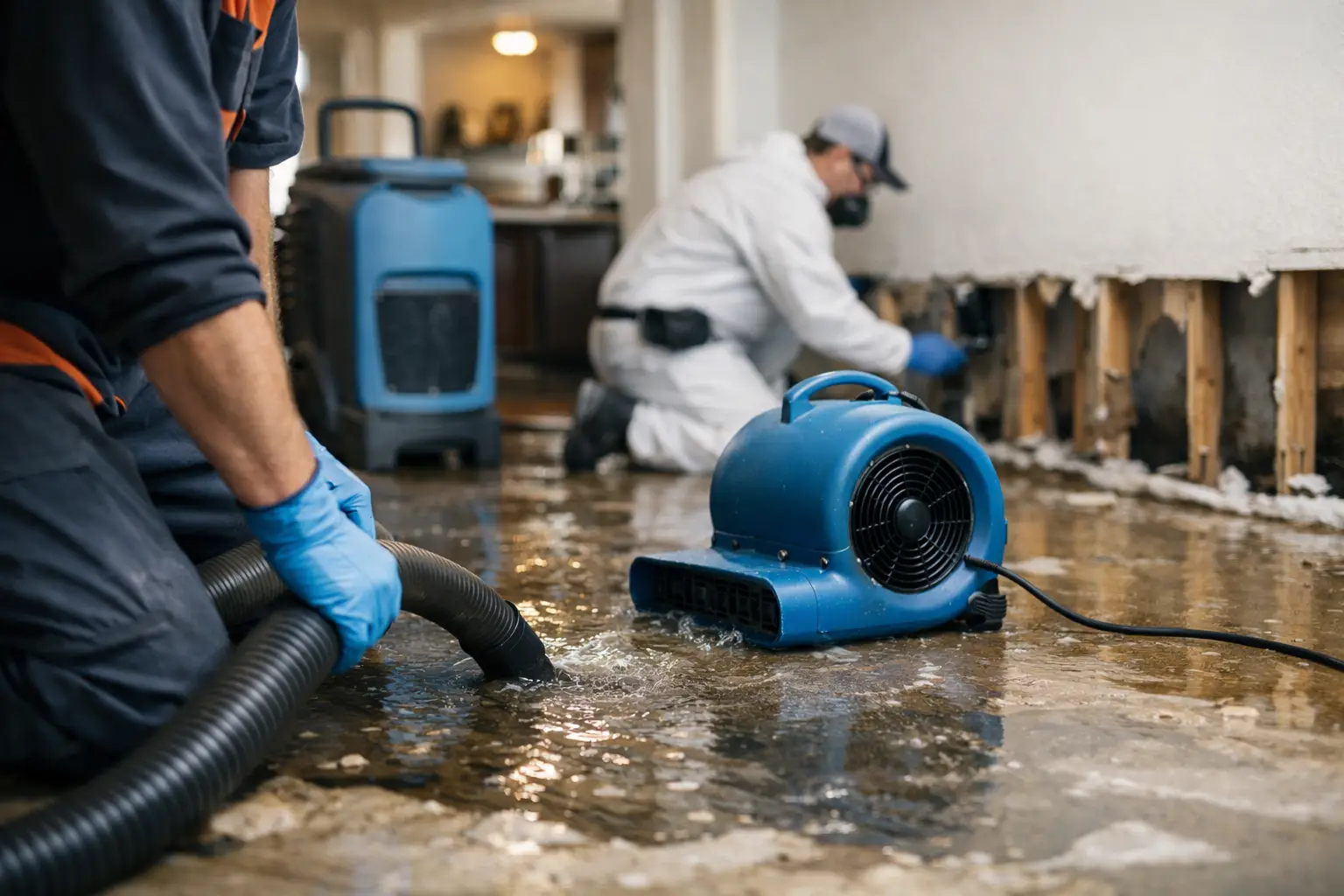 Water Damage
Extraction, structural drying, and moisture mapping after floods, leaks, and burst pipes.
Get help now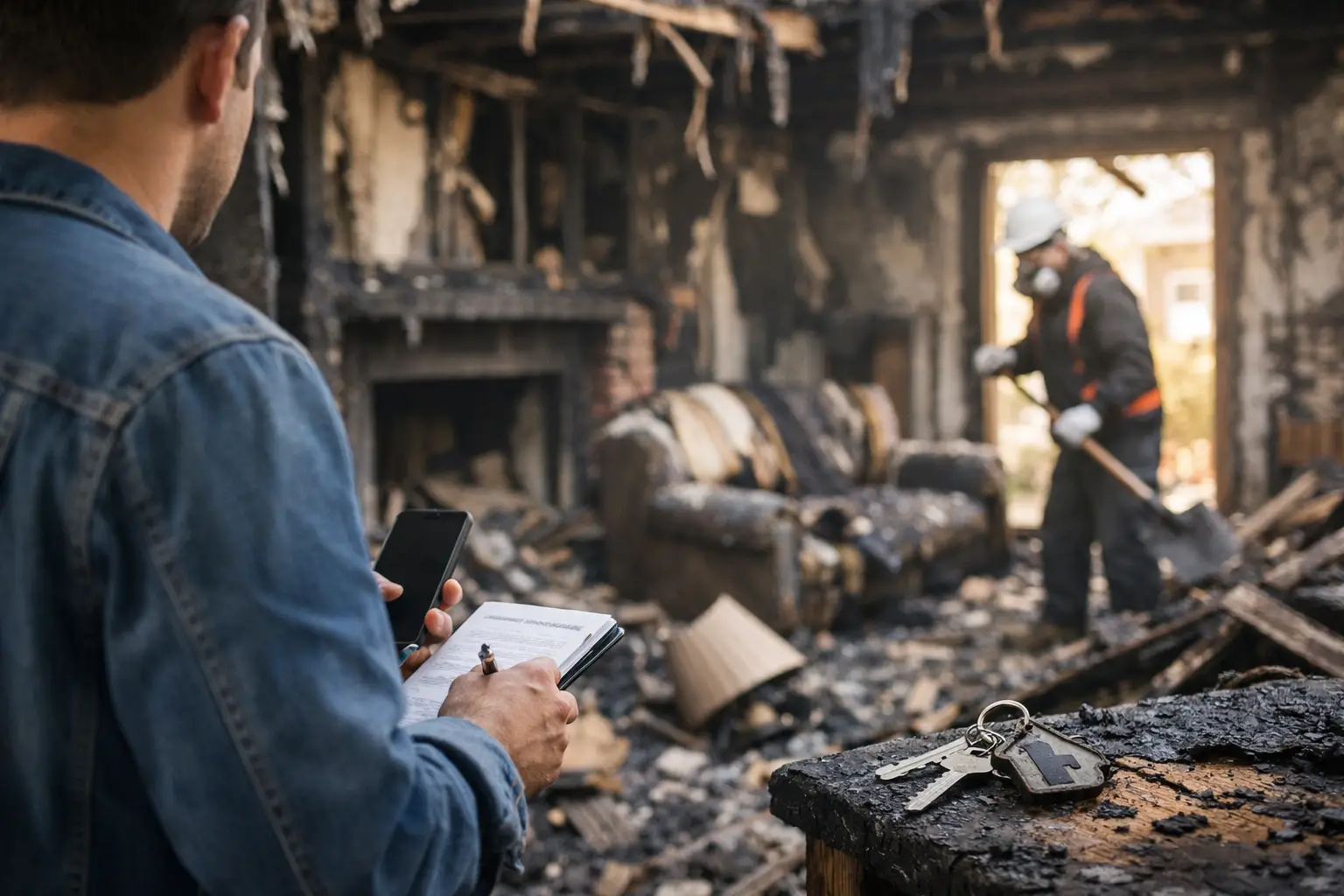 Fire & Smoke
Soot removal, odor deodorization, and content cleaning after fire and smoke damage.
Learn more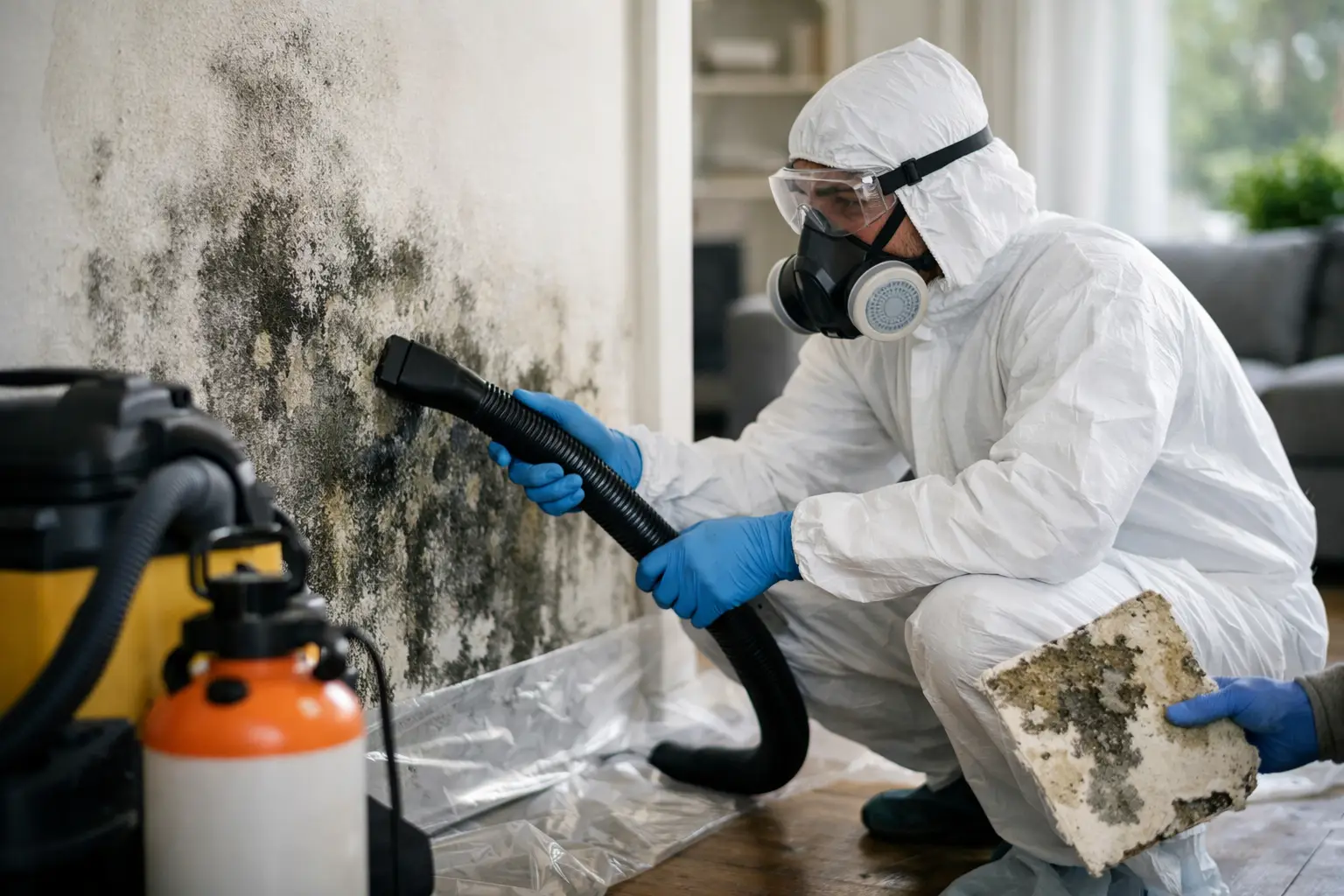 Mold
MoldContainment, removal, and moisture control that stops mold from coming back.
Learn more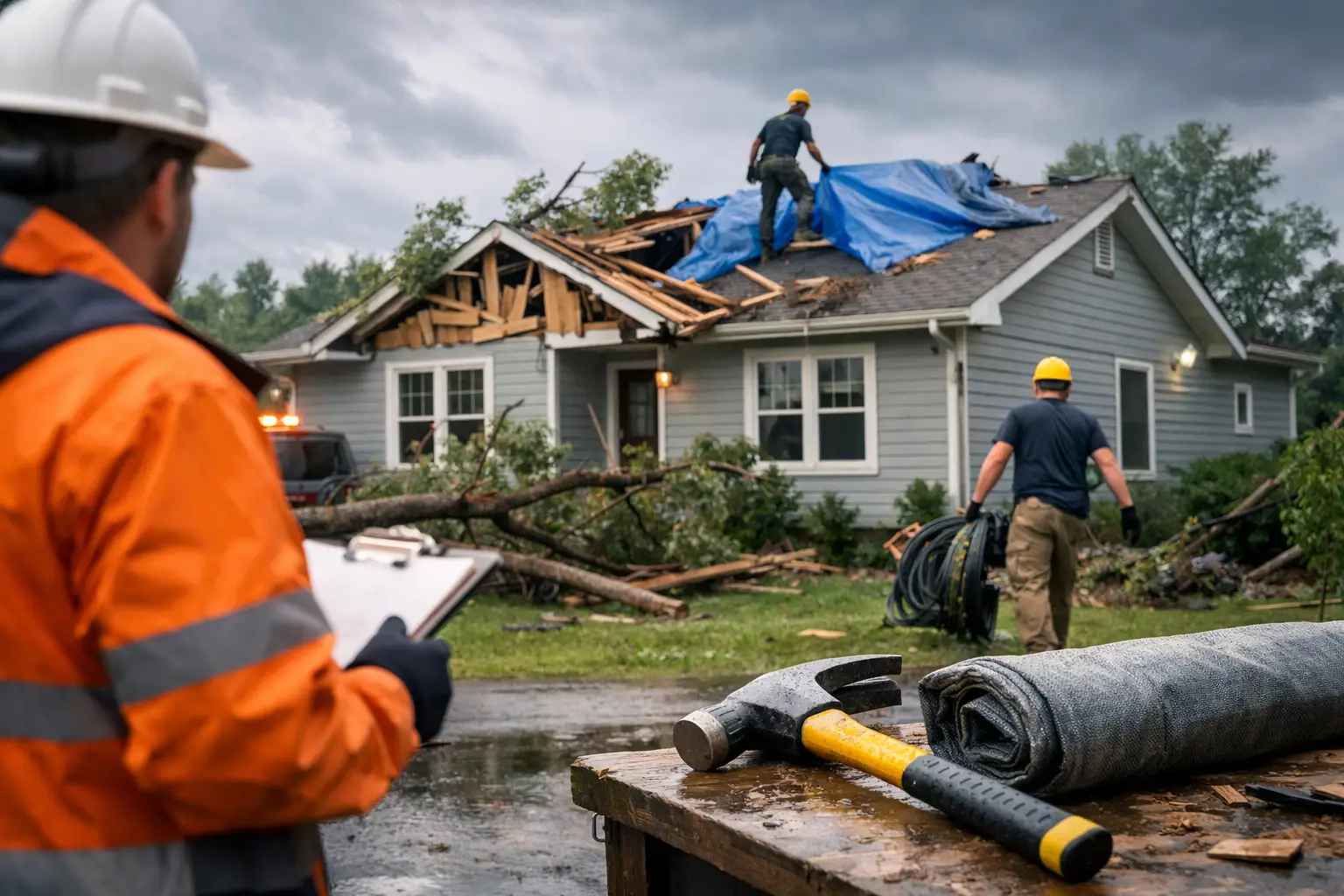 Storm
StormEmergency board-up, roof tarping, and full recovery after wind, hail, and storms.
Learn more Sewage
Safe biohazard cleanup and sanitizing after sewage backups and overflows.
Learn more Reconstruction
Full rebuild by a licensed general contractor, so your property comes back whole.
Learn moreElevated Operations is an IICRC-certified, licensed general contractor based in Mableton that handles the entire recovery in-house, so after one loss you are never coordinating a cleanup crew, a mold crew, and a contractor separately. One team, one point of contact, from the first pump-out to the final coat of paint.
People call when the property feels like a disaster. They leave reviews because Chris and the crew made it right. These are real, verified Google reviews.
Call immediately. I offer 24/7 emergency response, and when a limb opens the roof or loosens shingles, the clock starts on water intrusion. In Marietta, a quick call also helps protect older plaster and framing before more rain or wind reaches the house.
Yes. Older homes near the Historic Square often have plaster, more layered finishes, and details that react badly to moisture. Newer homes may hide water in different ways, but the old houses need a slower, more careful approach to drying, demo, and repair.
Treat it like an active water issue and call right away. I would inspect the water entry point, check for saturation, and plan drying before damage spreads. Runoff can look minor outside and still create serious moisture problems under the house.
Yes. Hail damage repair often starts with an inspection, because the roof may be bruised or weakened before a leak shows up. I look for damaged shingles, metal impact, and other signs that point to a repair need before the next storm exposes it.
Yes. Temporary boarding is one of the first protection steps I use when a window or opening is compromised. It keeps out rain, debris, and animals, and it gives us time to assess the rest of the storm damage without making the loss bigger.
Wind damage repair handles torn roofing, siding, flashing, and other storm-torn exterior materials. Structural repair comes next when the framing, deck, or load-bearing pieces were affected. I separate those scopes so the house gets fixed in the right order.
Yes. I provide direct insurance billing, and I help keep the claim organized with clear photos, damage notes, and repair scope. That matters when the storm hit several parts of the home and the insurer needs a clean record.
I back eligible restoration work with a 12-month warranty. If the job includes repairs from storm damage, I want the homeowner to know the work was completed by a licensed general contractor and by technicians who do this every day.
Elevated Operations dispatches IICRC-certified crews across Metro Atlanta from our Mableton base, with a 60-minute emergency response day or night. Choose your city:
Call now for an immediate response, or request your free inspection and get a certified crew on-site within the hour across Atlanta and nearby areas.