24/7 Emergency Restoration · Serving Metro AtlantaEmergency? (770) 404-6895
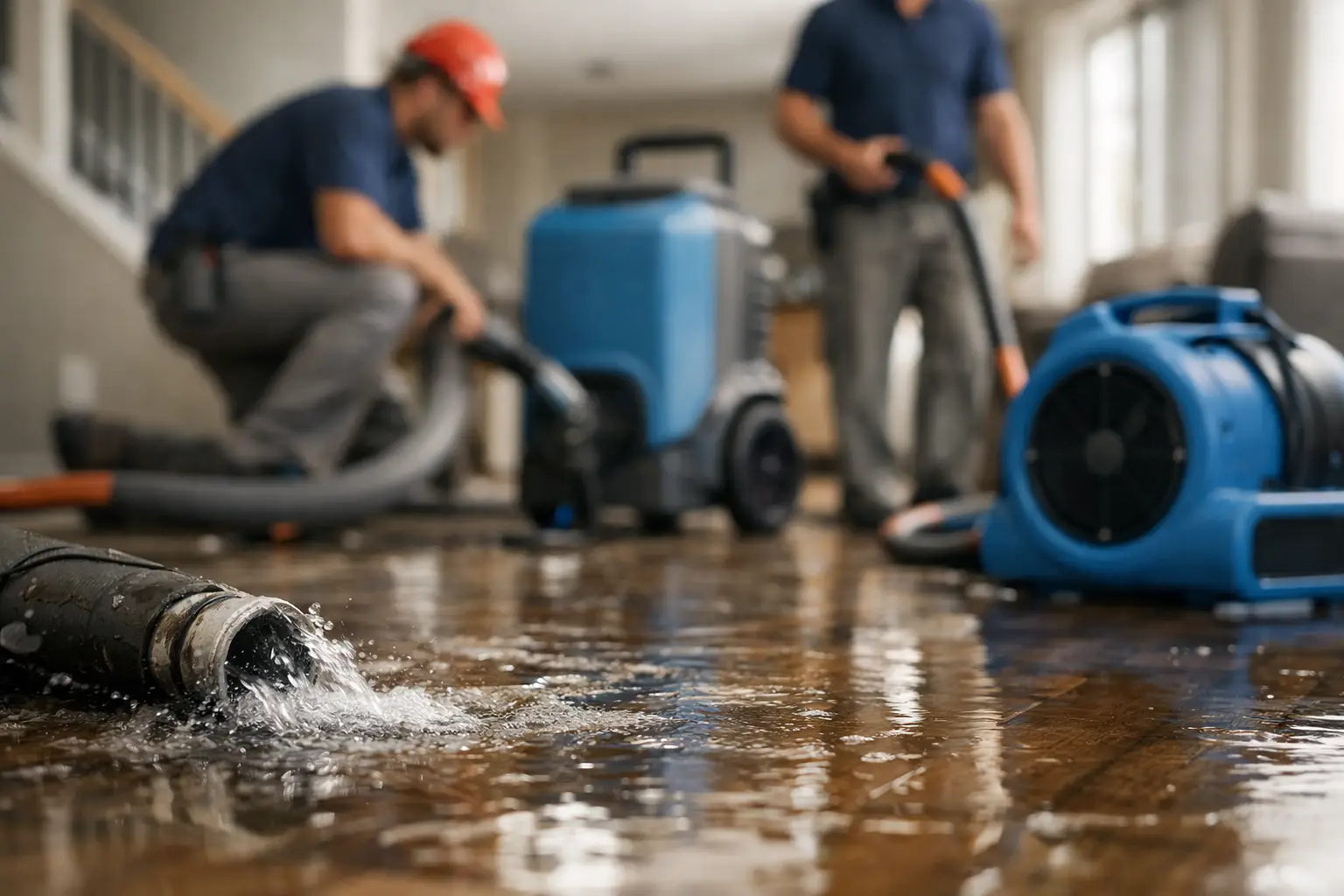
Contents cleaning and restoration Jonesboro matters when furniture, electronics, documents, and keepsakes are hit by smoke, water, or mold near the Flint River corridor and Jonesboro’s historic homes. I compare restoration versus replacement, DIY versus a pro, and water damage versus mold so you know what actually makes sense.
IICRC-Certified · 5-Star Rated · 60-Minute Response · Insurance Billed Directly
Often yes, if the finish and structure are intact. I inspect the piece, clean the soot, and decide whether odor removal will fully solve it.
Then I separate salvageable hard goods from porous items fast. Mold changes the equation, especially on books, textiles, and anything that stayed damp.
Yes. I document the loss, provide direct insurance billing, and manage the contents work so the claim file is cleaner from the start.
Call right away. The sooner I can inspect, the better the chance to save contents before smoke sets, water spreads, or mold starts.
Contents cleaning and restoration in Jonesboro is the process of cleaning, stabilizing, and recovering personal property after fire, smoke, water, or mold damage. I sort what can be saved, what needs pack out services, and what should be replaced, especially in older Jonesboro homes with heart pine and mixed materials.
I treat contents as more than stuff. Furniture cleaning, electronics cleaning, odor removal, and document drying all fall under the same job when a home near the Flint River takes on damage and the owner wants to keep what still has value.
Jonesboro has older housing stock and historic character, so content restoration often means dealing with wood furniture, framed papers, textiles, and family pieces that do not respond well to rushed cleanup or a one-size approach.
IICRC-certified technicians handle the process, and I back the work with direct insurance billing when the claim is covered. I have been in restoration since 2007, and I know when a careful salvage plan beats throwing everything out.
Restore when the item has real value, can be cleaned safely, and the damage is limited to smoke, soot, water, or surface mold. Replace when structural damage, contamination, or warping makes the item unsafe or pointless to save. In Jonesboro, older wood pieces often justify restoration.
The comparison is simple. A solid heart pine dresser from a Jonesboro home can often be cleaned and recovered. Particleboard furniture that swelled after floodwater usually should not be chased with expensive labor, because replacement may be the cleaner call.
I look at material, damage type, and sentimental value. Family papers, wood tables, and certain electronics may qualify for content restoration, while soaked mattresses, delaminated panels, and heavily contaminated porous items usually do not earn a second round.
Near the Flint River, water intrusion can bring mud, silt, and microbial concerns, so I do not guess. I inspect the contents, document the condition, and recommend the path that makes sense for the loss, not the path that sounds hopeful.
You can handle light sorting and surface wiping, but DIY stops making sense fast after smoke, contaminated water, or visible mold. A pro is better when you need pack out services, controlled drying, odor removal, or restoration of items that could be made worse by the wrong cleaning agent.
I have seen homeowners scrub smoke damaged contents with household products and lock the odor in deeper. That mistake is common in Jonesboro, especially when people are trying to save money after a fire and do not realize how fragile soot residues can be.
A pro brings the right process, not just labor. IICRC-certified technicians know how to separate salvageable items, document losses, and manage cleaning steps for personal property restoration without pushing wet books, electronics, or wood finishes past the point of recovery.
DIY may fit dry, lightly soiled items. But if the damage crosses into smoke, floodwater, or mold, the safer answer is to bring in a licensed general contractor with direct insurance billing and a 12-month warranty on the restoration work.
Smoke damaged contents are cleaned by sorting, dry soot removal, detailed cleaning, deodorization, and careful drying where needed. The right method depends on the material. In Jonesboro, I pay close attention to porous furniture, paper items, and wood pieces because smoke odor clings hard to historic interiors.
Smoke cleanup is never just wiping things down. Soot can smear, stain, and embed into fabric, trim, and upholstery, which is why furniture cleaning and odor removal have to be sequenced correctly instead of rushed in a garage with a bucket and a towel.
I separate items that can be treated from those that are too far gone, then decide whether content cleaning or controlled pack out services make more sense. That matters in homes with older wood work, where smoke can settle into pores and joints.
If the loss involves the kind of older Jonesboro home that still has heart pine details, I move carefully. One wrong cleaner can haze the finish, and one hurried pass can turn a recoverable piece into a replacement claim.
Many items can be saved if the damage is limited and the material is recoverable, including solid furniture, some electronics, framed documents, and keepsakes. The best candidates in Jonesboro are usually non-porous or well-built pieces, especially when they were only exposed to smoke, clean water, or light mold.
The strongest candidates are usually solid wood furniture, metal items, sealed decor, and some electronics cleaning cases where moisture never reached sensitive components deeply. Document drying can also save papers if it starts quickly and the pages have not fused or mildewed.
I am less optimistic with porous items after contamination. Mattresses, heavily soaked textiles, and items with strong mold growth usually do not come back clean enough to justify the time or risk, especially after floodwater from low-lying areas near the Flint River.
Content restoration is about choosing winners early. That is why I inspect on site, sort by salvage value, and use the claim file to show why one item gets cleaned while another gets written off.
Water damage calls for content cleaning when items are still salvageable and can be dried quickly. Mold takes over when wet materials stay damp long enough for growth to begin, which can happen in 24 to 48 hours. In Jonesboro, the faster choice is always to dry, sort, and isolate contents early.
Water damage is an urgency problem. Mold is a timing problem. If a box of papers, fabric, or wood items sits in a humid room too long, the job shifts from cleanup to contamination control, and the salvage list gets shorter.
I compare the two side by side for homeowners near Jonesboro’s historic core. Water often means document drying, furniture cleaning, and controlled drying. Mold often means containment, stricter handling, and more items moving from restoration to disposal.
That is why I respond 24/7 with a 60-minute emergency response. When contents are still wet, the window for saving them is open. Once mold starts, the whole project changes, and it changes fast.
| Typical Trigger | Water Damage Restoration | Mold Remediation |
|---|---|---|
| Smoke odor in an old Jonesboro dining room | Restore the oak table, chairs, and framed items with odor removal and furniture cleaning if soot is light and the finish holds. | Replace or isolate porous cushions and any item with active growth, because mold in fabric rarely belongs in a family dining set. |
| Flint River floodwater in a garage or storage room | Use pack out services, document drying, and content cleaning for items that stayed wet but were not contaminated beyond recovery. | If the contents sat damp and growth started, the safest move is to discard porous pieces and treat recoverable hard goods only. |
| Inherited heart pine furniture from a historic Jonesboro home | Restore if the piece is solid, stable, and only surface affected, because older wood often cleans well with the right process. | If mold penetrated joints or backing materials, replacement may be smarter than forcing restoration that leaves hidden contamination behind. |
From emergency mitigation to full reconstruction, handled in-house so you are never managing a chain of subcontractors mid-crisis.
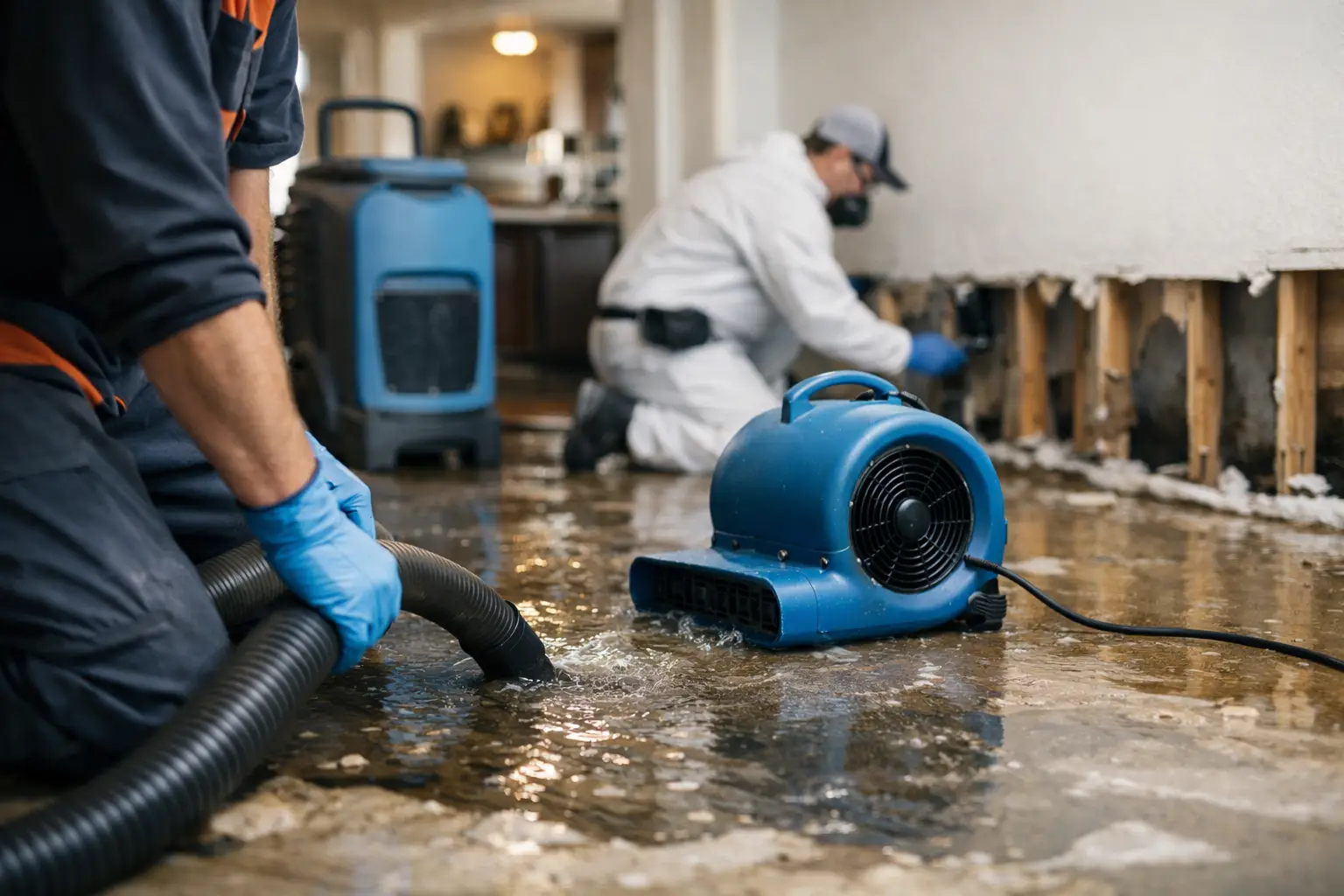 Water Damage
Extraction, structural drying, and moisture mapping after floods, leaks, and burst pipes.
Get help now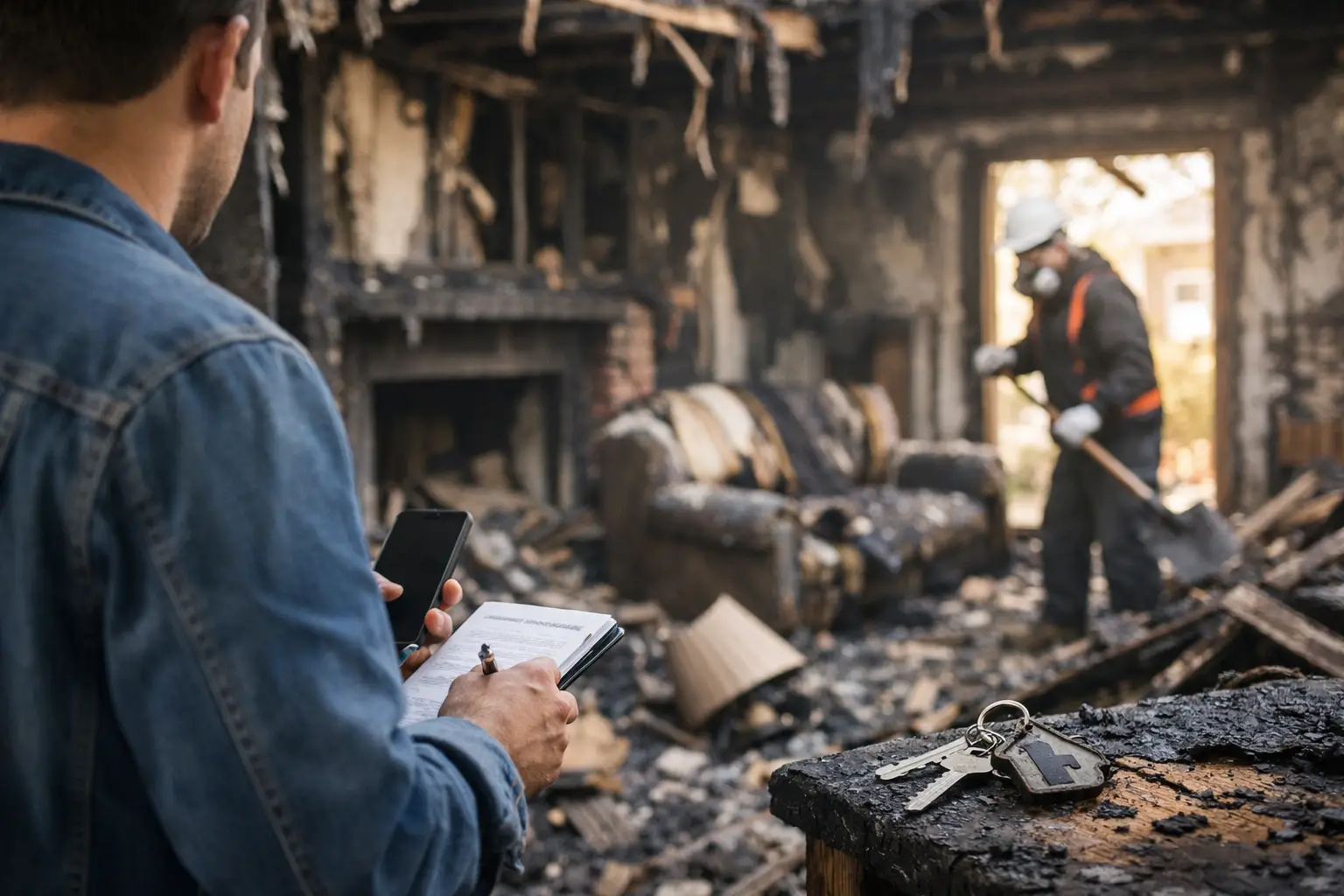 Fire & Smoke
Soot removal, odor deodorization, and content cleaning after fire and smoke damage.
Learn more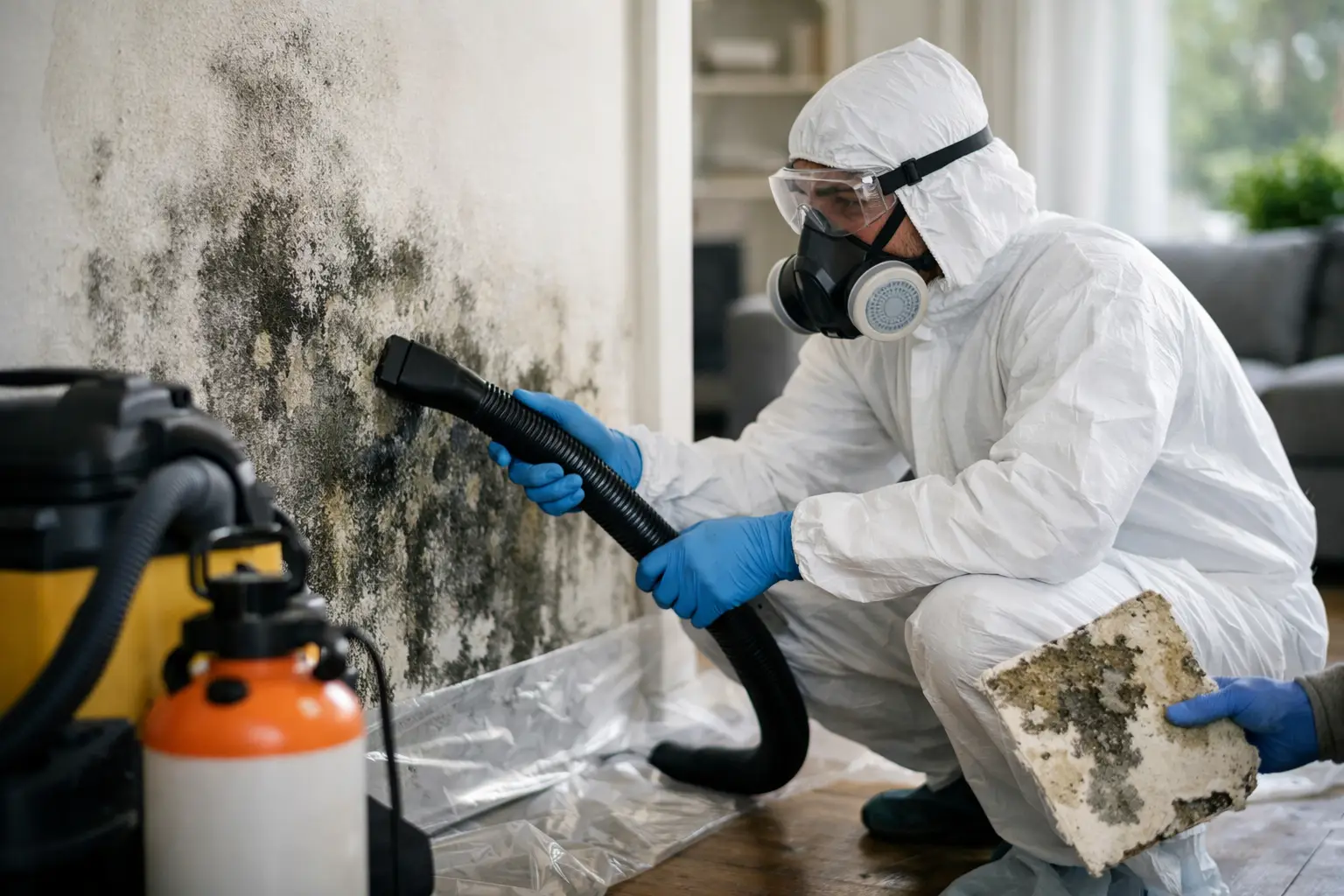 Mold
MoldContainment, removal, and moisture control that stops mold from coming back.
Learn more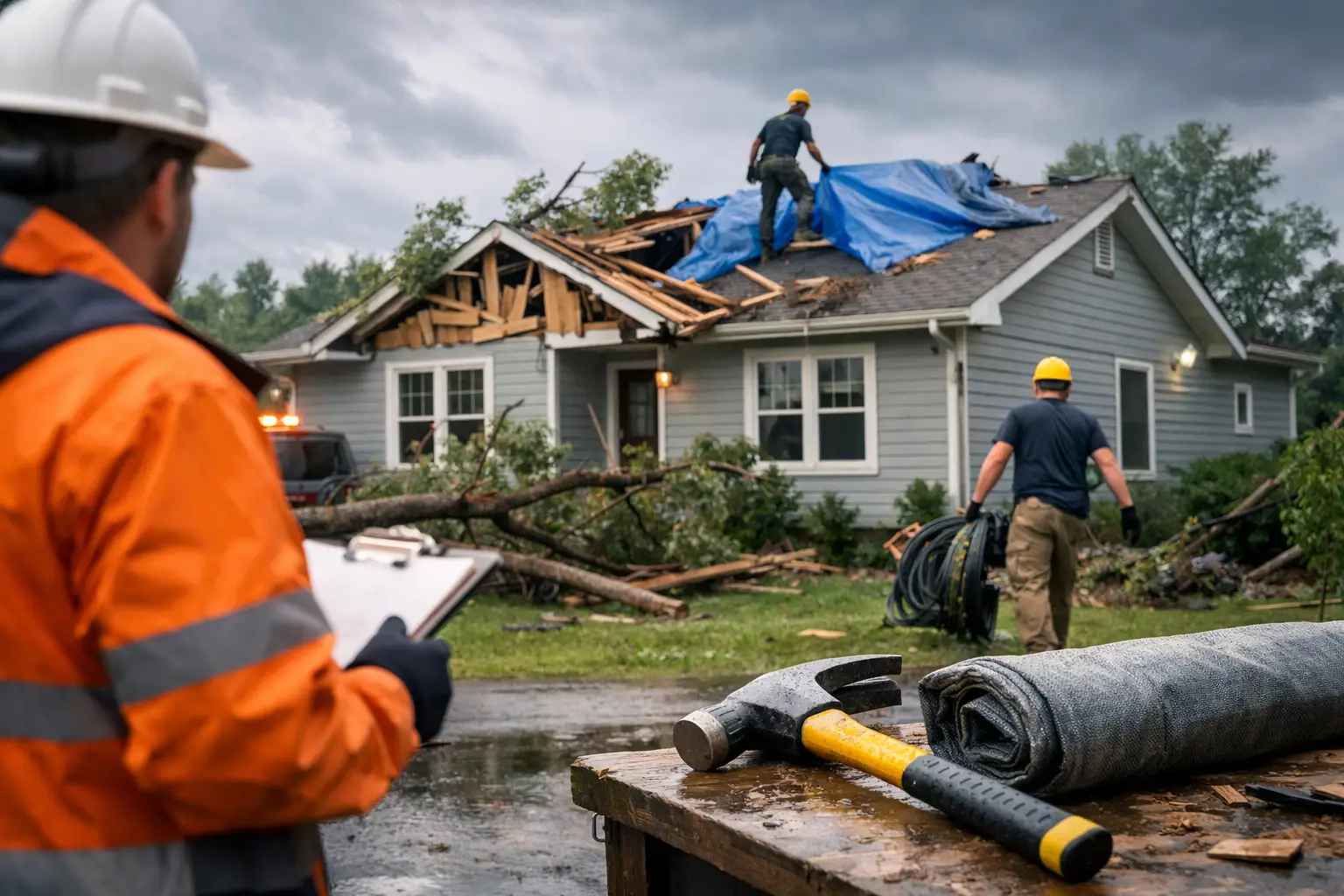 Storm
StormEmergency board-up, roof tarping, and full recovery after wind, hail, and storms.
Learn more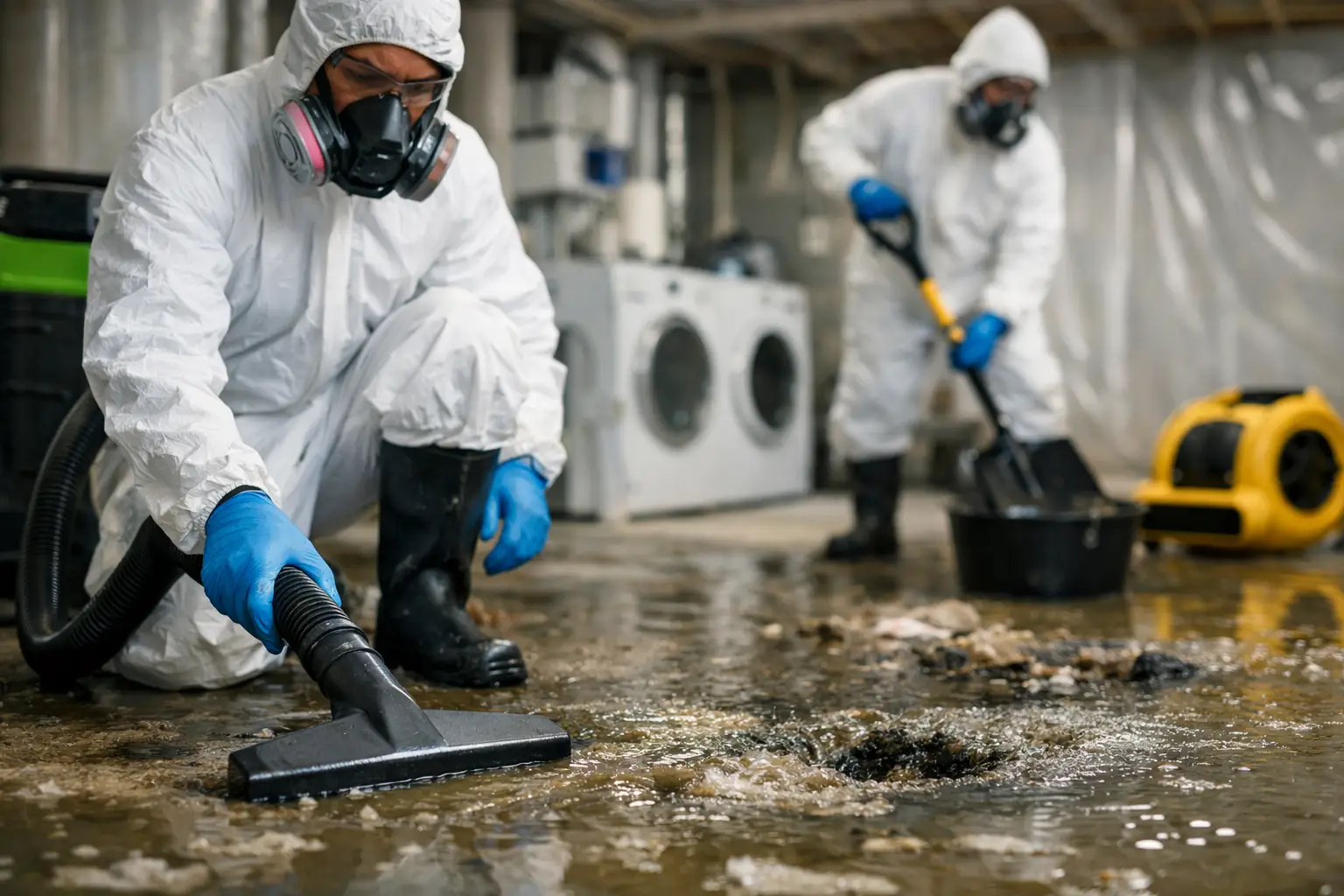 Sewage
Safe biohazard cleanup and sanitizing after sewage backups and overflows.
Learn more Reconstruction
Full rebuild by a licensed general contractor, so your property comes back whole.
Learn moreElevated Operations is an IICRC-certified, licensed general contractor based in Mableton that handles the entire recovery in-house, so after one loss you are never coordinating a cleanup crew, a mold crew, and a contractor separately. One team, one point of contact, from the first pump-out to the final coat of paint.
People call when the property feels like a disaster. They leave reviews because Chris and the crew made it right. These are real, verified Google reviews.
I start with damage type, material, and value, then I sort items into restore, clean, dry, or replace. In Jonesboro, that means paying close attention to older wood furniture, papers, and anything exposed to floodwater. If the item can be cleaned safely and the structure is sound, I usually try to save it. If contamination or warping is deep, I recommend replacement.
It is the process of recovering personal property after smoke and soot exposure, including furniture cleaning, electronics cleaning, odor removal, and sometimes document drying. In Jonesboro, the answer often depends on finish quality and how fast the cleanup begins. I sort each item, document what is salvageable, and avoid making smoke damage worse with the wrong cleaner or a rushed wipe-down.
Yes, many can, but not all should be. Fire-damaged contents may respond well to cleaning and deodorization, while flood-damaged contents depend on how long they stayed wet and whether mold began. In Jonesboro, I see good results with solid furniture and some papers, but soaked porous items and heavily contaminated materials often need replacement instead.
Solid wood furniture, metal decor, framed documents, and some electronics are common save candidates. Historic Jonesboro homes often have heart pine furniture and older wood pieces that hold up well if the damage is mostly surface level. I am much less optimistic about mattresses, insulation-backed items, and anything with active mold or deep flood contamination.
I match the cleaning method to the material and the type of soot. Dry soot comes off differently than greasy fire residue, and antique finishes need a lighter hand. In Jonesboro, that matters because older woodwork and heart pine furniture can haze or stain if the wrong chemical is used. Good smoke cleanup is controlled, not aggressive.
If the damage is minor and the items are dry, you may be able to sort a little yourself. But once smoke, water, or mold is involved, pack out services make more sense because they keep salvageable items organized, documented, and protected. In Jonesboro, that is especially helpful when contents are spread across several rooms in an older home.
Immediately. Wet contents become harder to save as time passes, and mold can start in 24 to 48 hours. That timing matters in Jonesboro, especially during humid weather or after a Flint River related flood event. I would rather inspect early, pull out the salvageable items, and dry them correctly than try to rescue them after growth has already started.
Yes, I provide direct insurance billing when the claim is covered. That helps keep the process moving while I handle the contents side of the loss. In Jonesboro, many homeowners are already dealing with fire, flood, or mold stress, so I keep the paperwork tight and the communication clear. I also offer deductible assistance up to $1,000.
Elevated Operations dispatches IICRC-certified crews across Metro Atlanta from our Mableton base, with a 60-minute emergency response day or night. Choose your city:
Call now for an immediate response, or request your free inspection and get a certified crew on-site within the hour across Atlanta and nearby areas.




