24/7 Emergency Restoration · Serving Metro AtlantaEmergency? (770) 404-6895
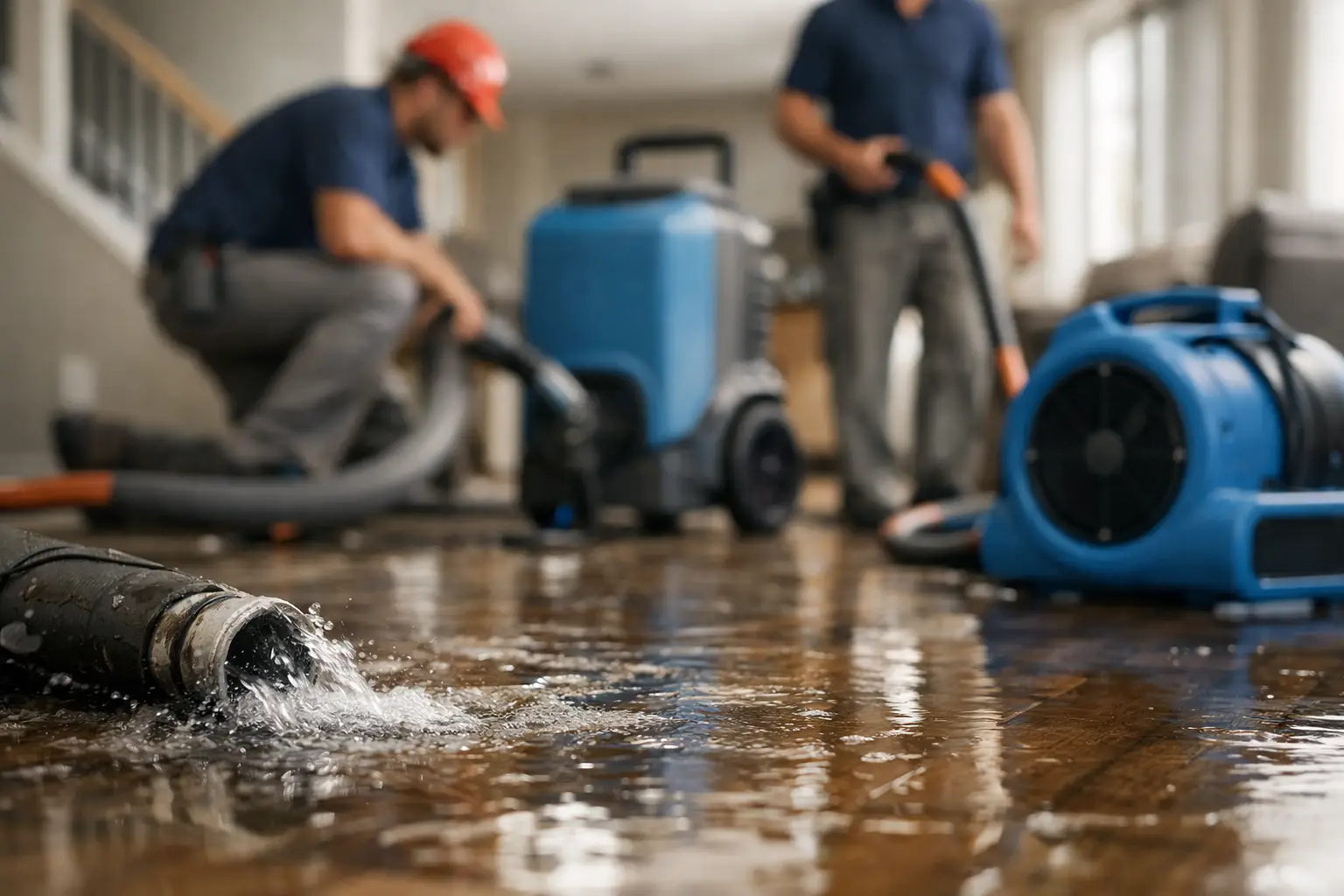
Sewage remediation services in Decatur need speed, not guesswork. I respond with IICRC-certified technicians, direct insurance billing, and a 60-minute emergency response 24/7, because black water moves fast in Decatur homes with Craftsman bungalows, plaster walls, heart-pine floors, and aging cast-iron laterals. Call early, and I move early.
IICRC-Certified · 5-Star Rated · 60-Minute Response · Insurance Billed Directly
Yes. I respond 24/7 with a 60-minute emergency response because sewage does not wait for business hours.
Yes. I offer direct insurance billing and keep the documentation tight so the claim process stays moving.
Older plumbing, cast-iron laterals, plaster, and heart-pine change the cleanup. The damage can hide deeper.
I am Chris Kwangwari, owner of Elevated Operations, LLLP, and I have been in restoration since 2007.
In the first hour, I treat the job like a contamination event, not a cleaning project. We isolate the area, start sewage cleanup, protect unaffected rooms, and begin black water remediation so the damage does not spread into heart-pine floors, plaster walls, and lower trim.
Decatur homes often have tight layouts, older finishes, and crawlspace access that lets sewage travel farther than people expect. I see it move under Craftsman bungalows, behind baseboards, and into low spots fast, especially when cast-iron laterals back up and push waste back inside.
My first move is control. That means stopping foot traffic, identifying the source, and getting into contamination removal before porous materials keep absorbing waste. If the backup touched a hallway, kitchen, or bath, I treat nearby surfaces as part of the affected zone, not as an afterthought.
Speed matters because sewage starts creating odor and microbial risk immediately. I do not wait for the smell to spread through the house. I move to sanitization, disinfection, and documentation right away, then I keep the process clean for the insurance side with direct billing when the claim is active.
Sewage remediation services include sewage cleanup, contamination removal, biohazard cleanup, disinfection, sanitization, and odor control. In Decatur, I also look closely at plaster, heart-pine, crawlspaces, and cast-iron lateral issues so the fix addresses both the visible mess and the source.
I do not reduce this work to mopping and drying. A real response starts with emergency containment, then moves through removal of sewage-impacted materials, cleaning of salvageable surfaces, and deep disinfection where waste contact occurred. If the backup reached a bathroom or laundry room, I treat it as black water remediation from the start.
Older Decatur houses often hide damage in places people cannot see right away. Heart-pine floors can trap liquid between seams. Plaster can wick contamination into wall cavities. That is why I inspect carefully, remove what cannot be cleaned, and keep a close eye on odor control before reopening the room.
I am a licensed general contractor as well as a restoration operator, so I think past the cleanup day. If a toilet backup cleanup turns into floor removal, wall repair, or replacement of damaged trim, I can carry the job through the repair phase without handing you off to someone else.
Yes, sewage remediation is necessary after a backup because sewage is not just dirty water. It is contamination that can spread into floors, walls, and air, especially in Decatur homes with older plumbing and cast-iron laterals. Waiting makes the cleanup larger and the damage harder to control.
A lot of people try to manage a backup themselves for an hour or two, then call when the odor gets worse. That delay can push contamination deeper into heart-pine seams, under cabinets, and into plaster edges. At that point, the work becomes more invasive and more expensive to restore correctly.
The need is bigger than the visible water line. Sewage leaves behind biohazard cleanup issues that cannot be handled with household cleaners alone. Disinfection has to be done the right way, and surfaces that cannot be fully cleaned need removal so the home is not left with hidden contamination.
In Decatur, I pay special attention to the age of the line and the age of the house. Craftsman bungalows and older infill homes can have a lot of character, but they also have materials that absorb waste quickly. That is why I push for immediate response when a backup happens.
Some sewage damage can be sanitized, but porous materials often need removal. I decide based on what was touched, how long it sat, and whether contamination reached heart-pine, plaster, insulation, or subfloor. Sanitization is useful, but it does not rescue every material after black water contact.
This is where fast judgment matters. Smooth, nonporous surfaces can often be cleaned and disinfected. But once sewage gets into seams, soft wood, wall cavities, or damaged flooring, I stop pretending a surface clean is enough. Odor control and contamination removal have to happen together, or the problem lingers.
Decatur’s older houses demand honesty. A plaster wall that looks fine may still hold moisture or residue behind the finish. Heart-pine can look beautiful and still be too compromised underneath. I inspect for that boundary carefully, then choose removal only where the material cannot be trusted to stay clean.
I keep the process practical. If I can preserve a section safely, I do. If not, I remove it and move on. That approach protects the house and keeps the rebuild focused, because the goal is not to salvage everything, it is to return the home to a safe, usable condition.
Cast-iron laterals and older finishes make sewage worse because they can fail suddenly and spread contamination into materials that hold moisture. In Decatur, that means sewage can move from the backup point into heart-pine floors, plaster walls, and hidden cavities faster than people expect.
I see this pattern in older neighborhoods all the time. A line backs up, the toilet overflows, and waste heads for the lowest point in the house. If the home has original materials, the liquid does not stay on the surface. It moves through seams, edges, and gaps where you cannot see it immediately.
That is why I take a direct approach to sewage cleanup in Decatur. I check below-grade areas, vulnerable rooms, and the spaces near the source. If the issue came from a cast-iron lateral failure, the interior cleanup is only part of the story, and the hidden damage needs equal attention.
People care about the home’s character, and I do too. But character cannot come before safety. My job is to protect what can be saved, remove what cannot, and make sure the house is not left with lingering bacteria, odor, or moisture hidden inside materials that should have been cleared out.
Anything porous or structurally compromised after sewage contamination may need removal, including soaked carpet, pad, damaged drywall, insulation, and sometimes flooring or trim. In Decatur, I also evaluate heart-pine, plaster, and subfloor areas that can hide contamination after the visible mess is gone.
Removal decisions are based on the material and the exposure. If sewage soaked into carpet or pad, I do not try to save it. If drywall was contaminated above a certain point or insulation was hit, removal is usually the cleaner path. That is the difference between a real cleanup and a temporary cover-up.
Heart-pine floors and plaster deserve special attention in Decatur. They can be repairable, but they can also trap residue in ways that are not obvious on day one. I inspect the edges, seams, and underside conditions before deciding what stays and what goes. That keeps the rebuild honest.
Once removal is done, I move into sanitization and disinfection so the space can be stabilized for repair. If the damage extended into multiple rooms, I keep the job organized so the affected area stays contained while the rest of the home remains usable when possible.
I respond 24/7 and get a crew moving fast. The goal is containment, safety, and stopping spread. We isolate the backup, begin sewage cleanup, and start deciding what can be sanitized and what has to come out.
The first day is for contamination removal, disinfection, and drying strategy. I document the loss, protect salvageable finishes, and address odor control. In a Decatur home, that may mean opening up damaged areas around plaster, heart-pine, or a wet bath.
This is where the job gets honest. We remove unsalvageable materials, continue black water remediation, and prepare the structure for rebuild. If cast-iron laterals caused the issue, I make sure the source is understood before the interior work moves forward.
After cleanup and stabilization, I can move into repair because I am a licensed general contractor. That matters when sewage damage took out flooring, trim, drywall, or subfloor sections and the home needs a clean handoff back to normal use.
From emergency mitigation to full reconstruction, handled in-house so you are never managing a chain of subcontractors mid-crisis.
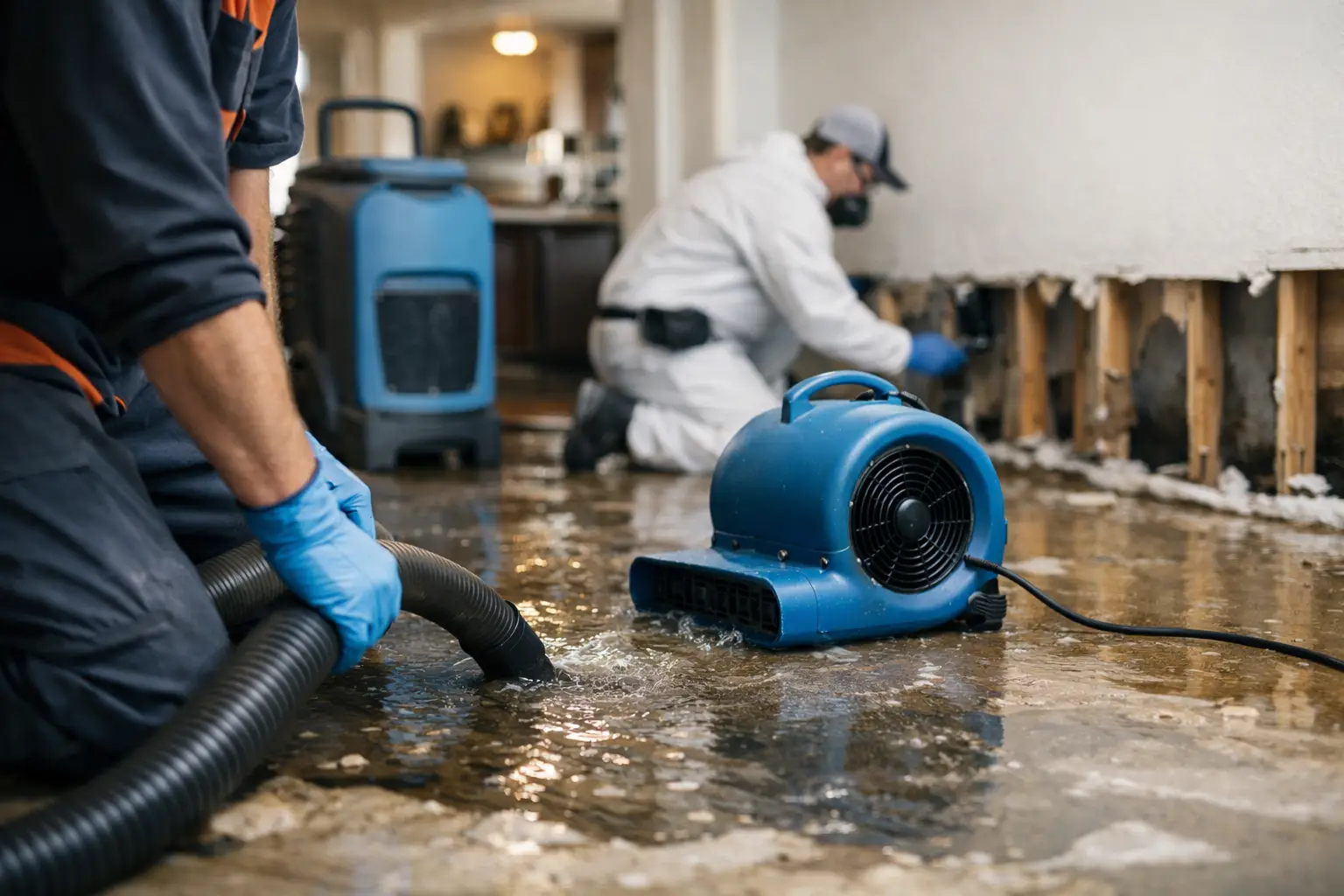 Water Damage
Extraction, structural drying, and moisture mapping after floods, leaks, and burst pipes.
Get help now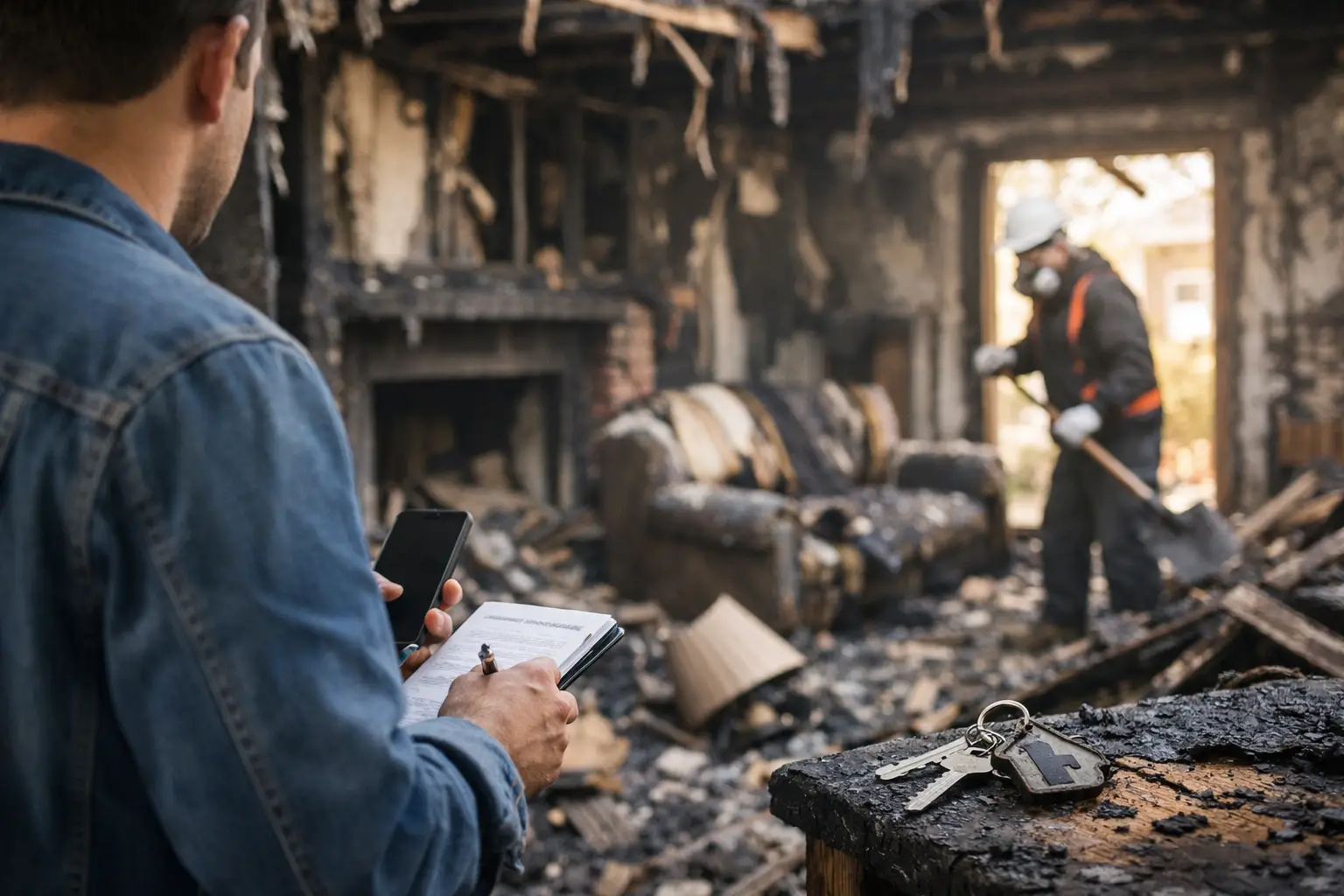 Fire & Smoke
Soot removal, odor deodorization, and content cleaning after fire and smoke damage.
Learn more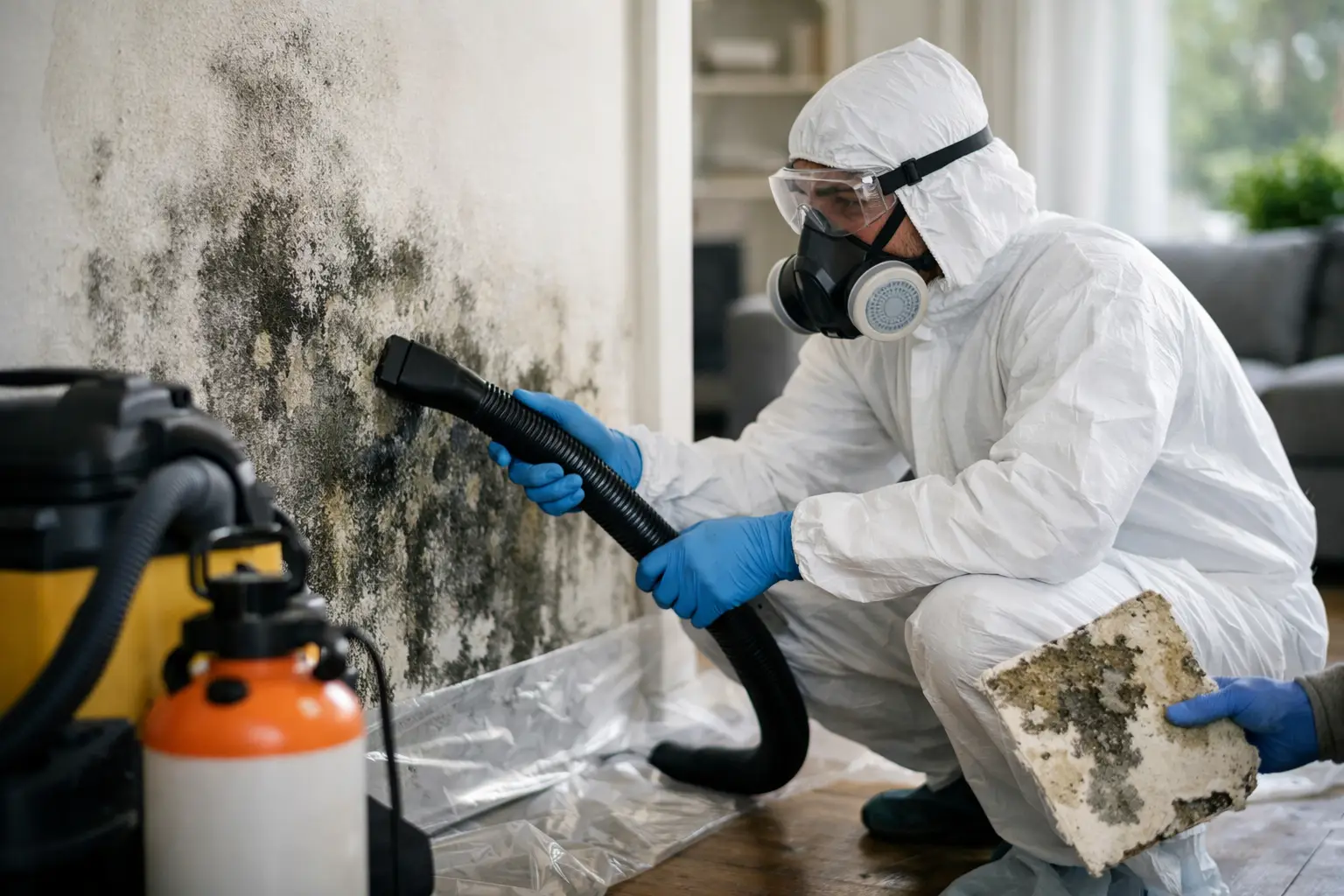 Mold
MoldContainment, removal, and moisture control that stops mold from coming back.
Learn more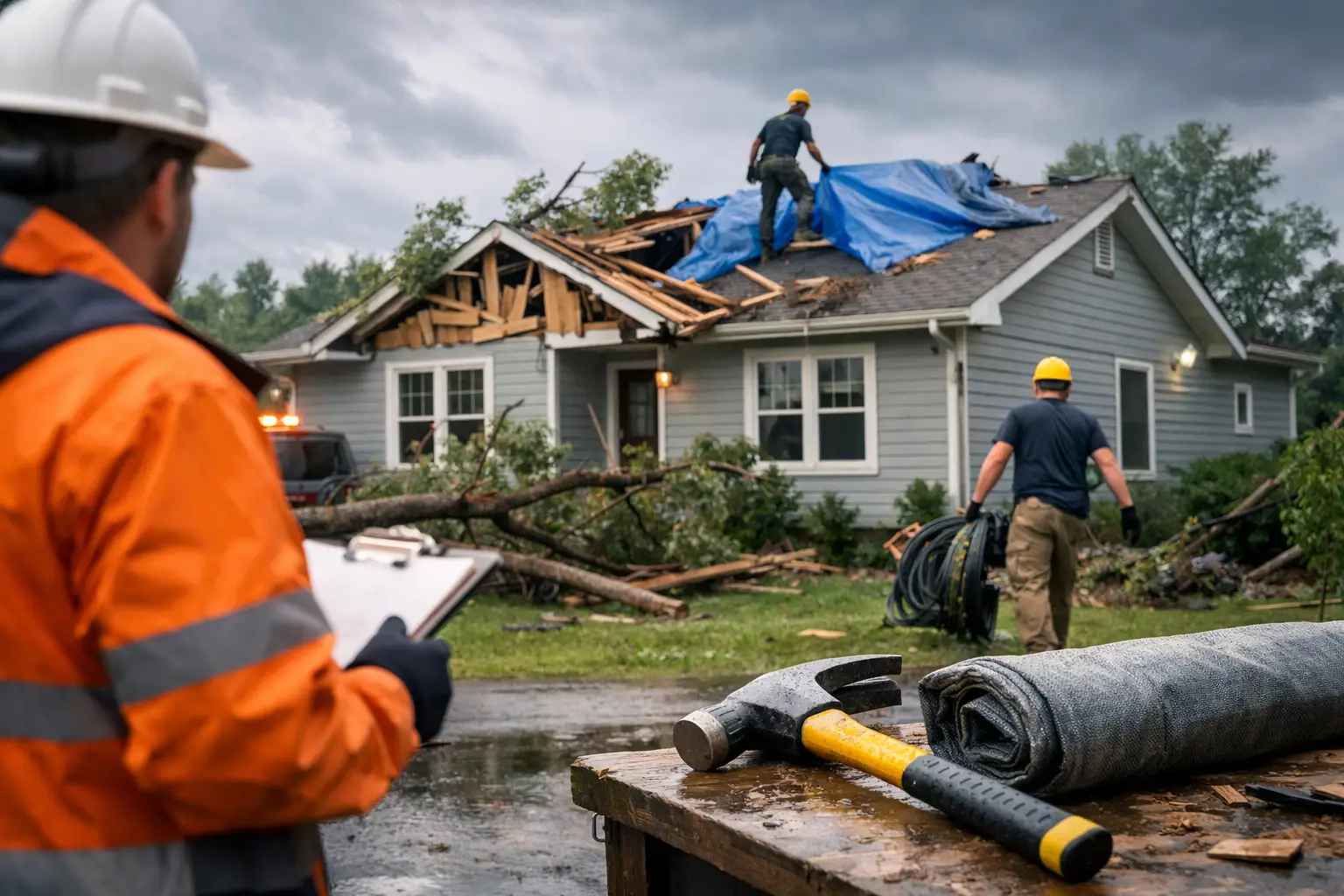 Storm
StormEmergency board-up, roof tarping, and full recovery after wind, hail, and storms.
Learn more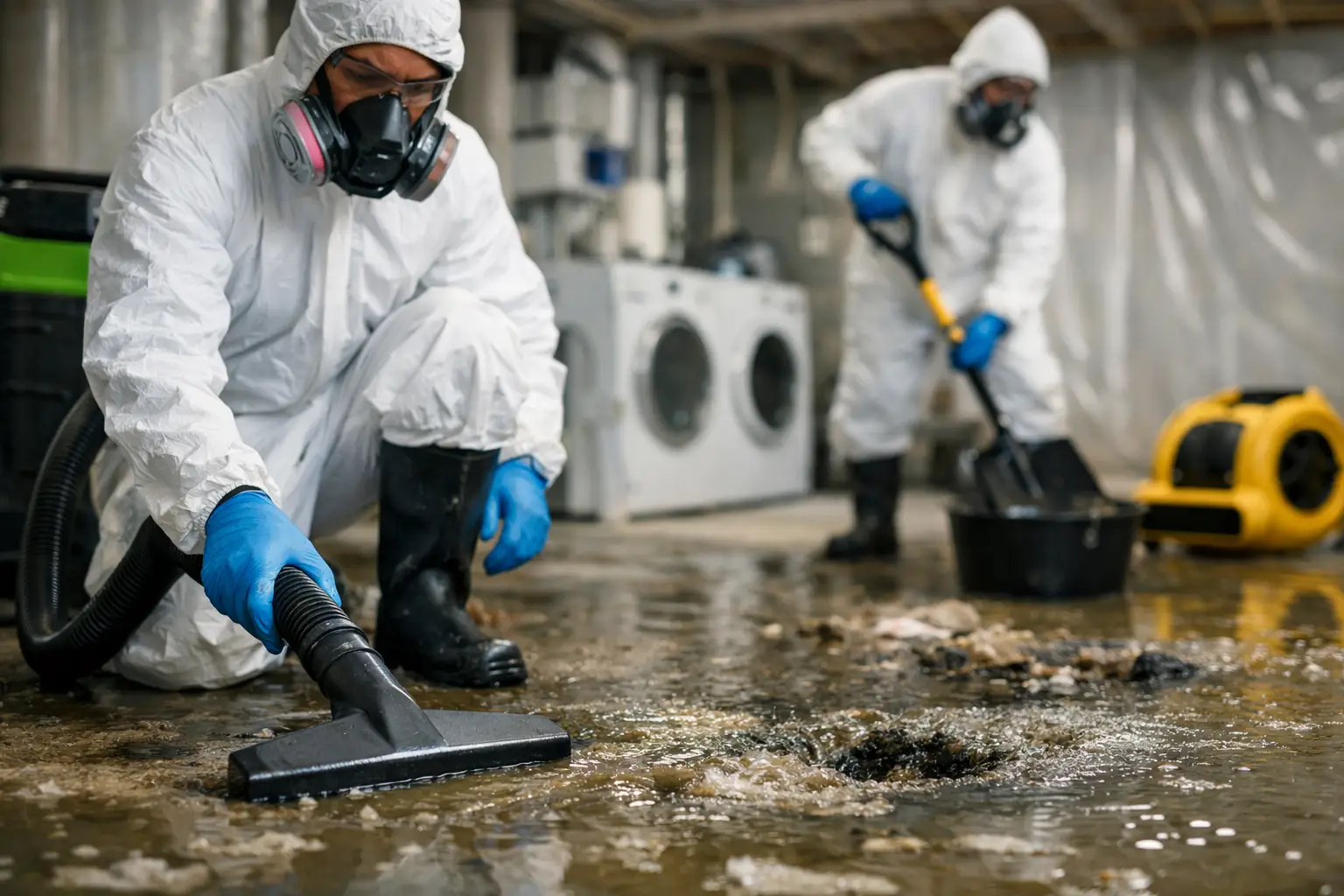 Sewage
Safe biohazard cleanup and sanitizing after sewage backups and overflows.
Learn more Reconstruction
Full rebuild by a licensed general contractor, so your property comes back whole.
Learn moreElevated Operations is an IICRC-certified, licensed general contractor based in Mableton that handles the entire recovery in-house, so after one loss you are never coordinating a cleanup crew, a mold crew, and a contractor separately. One team, one point of contact, from the first pump-out to the final coat of paint.
People call when the property feels like a disaster. They leave reviews because Chris and the crew made it right. These are real, verified Google reviews.
I offer 60-minute emergency response 24/7, so the goal is to start fast and stop spread before it gets into more of the house. In Decatur, that matters when a toilet backup cleanup reaches heart-pine floors, plaster, or baseboards. Early action keeps the job smaller and cleaner.
Yes, they often do. Cast-iron laterals can fail in ways that push contamination back into the home, and older Decatur houses may have materials that absorb waste quickly. I inspect the source, contain the affected area, and treat the cleanup as black water remediation, not just surface cleaning.
Sometimes, but not always. Smooth surfaces can often be sanitized and disinfected, while heart-pine, plaster, insulation, and soaked drywall may need removal. I make that call based on exposure, odor, and whether contamination removal can be done completely and safely.
Keep people and pets out, stop using the affected plumbing if possible, and call right away. Do not try to scrub porous materials or spread the waste around. I handle the sewage cleanup, biohazard cleanup, and disinfection so the contamination does not move deeper into the home.
Absolutely. If odor is present, contamination is often still present too. I address odor control alongside sanitization and disinfection because old houses with plaster and heart-pine can hold smells in seams, cavities, and floor edges long after the visible water is gone.
I inspect the flooring, the subfloor, and nearby wall edges quickly. Heart-pine can sometimes be saved, but only if contamination did not soak too deep. If the material is compromised, I remove it and clean the structure underneath before rebuilding.
Yes, I offer direct insurance billing when the claim is active. That helps keep the process moving while I handle the cleanup, documentation, and repair coordination. If the loss includes sewage contamination, I also help with deductible assistance up to $1,000.
Older layouts, low points, and porous finishes make sewage spread faster than people expect. In Decatur, Craftsman bungalows with plaster and heart-pine can absorb contamination quickly, and a cast-iron lateral issue can keep feeding the backup until the source is controlled.
Elevated Operations dispatches IICRC-certified crews across Metro Atlanta from our Mableton base, with a 60-minute emergency response day or night. Choose your city:
Call now for an immediate response, or request your free inspection and get a certified crew on-site within the hour across Atlanta and nearby areas.