24/7 Emergency Restoration · Serving Metro AtlantaEmergency? (770) 404-6895
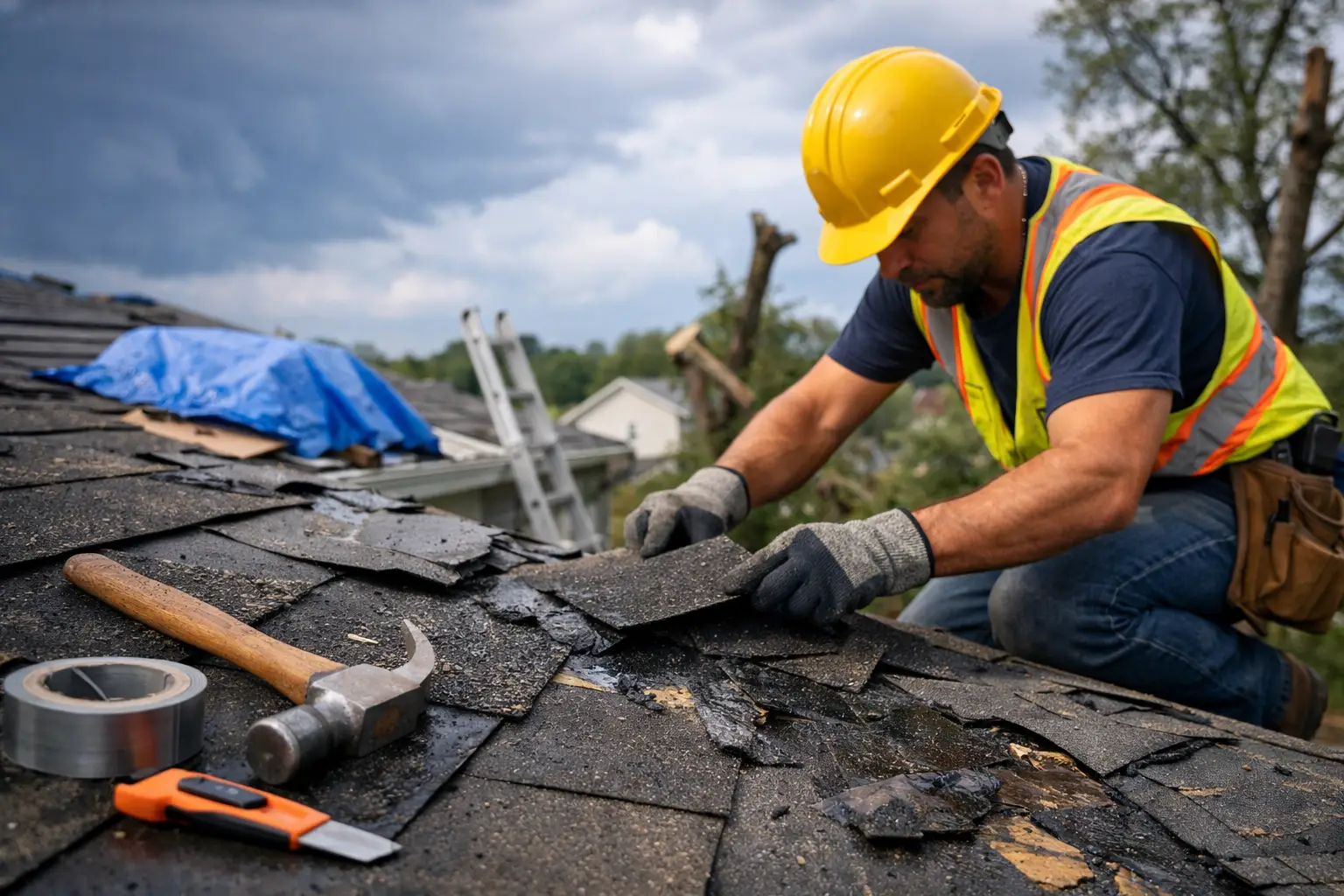
Storm damage restoration in Metro Atlanta means emergency board-up and roof tarping the moment wind, hail, or a downed tree breaches a structure, followed by water extraction, drying, and reconstruction. Elevated Operations, LLLP sends IICRC-certified technicians across Cobb, Fulton, DeKalb, Douglas, Clayton, Henry, and Paulding counties with a 60-minute response guarantee and direct insurance billing.
IICRC-Certified · 5-Star Rated · 60-Minute Response · Insurance Billed Directly
Elevated Operations guarantees a boots-on-the-ground response within 60 minutes across the Metro Atlanta service area, including Cobb, Fulton, DeKalb, Douglas, Clayton, Henry, and Paulding counties, 24 hours a day, every day of the year, with board-up materials and tarps already loaded on the truck.
Yes. Elevated Operations documents the wind, hail, or water damage, works directly with your insurance adjuster, bills the carrier for covered storm losses, and offers deductible assistance up to $1,000 on qualifying claims.
Wind and hail damage is typically covered under the standard wind/hail peril in a Georgia homeowners policy. Flood damage from rising water usually requires separate flood insurance, since most standard policies exclude it.
Usually, if the breach gets covered before the next rain event. A roof or wall left open lets wind-driven rain keep entering, which turns a mitigation job into a much larger water damage and mold remediation project.
Storm damage restoration covers everything from the first sheet of plywood on a broken window to the last shingle on a rebuilt roof. Elevated Operations follows a phased process, emergency mitigation, water extraction and drying where needed, repair, and reconstruction, led by a licensed general contractor so the same crew that stops the damage also rebuilds the structure.
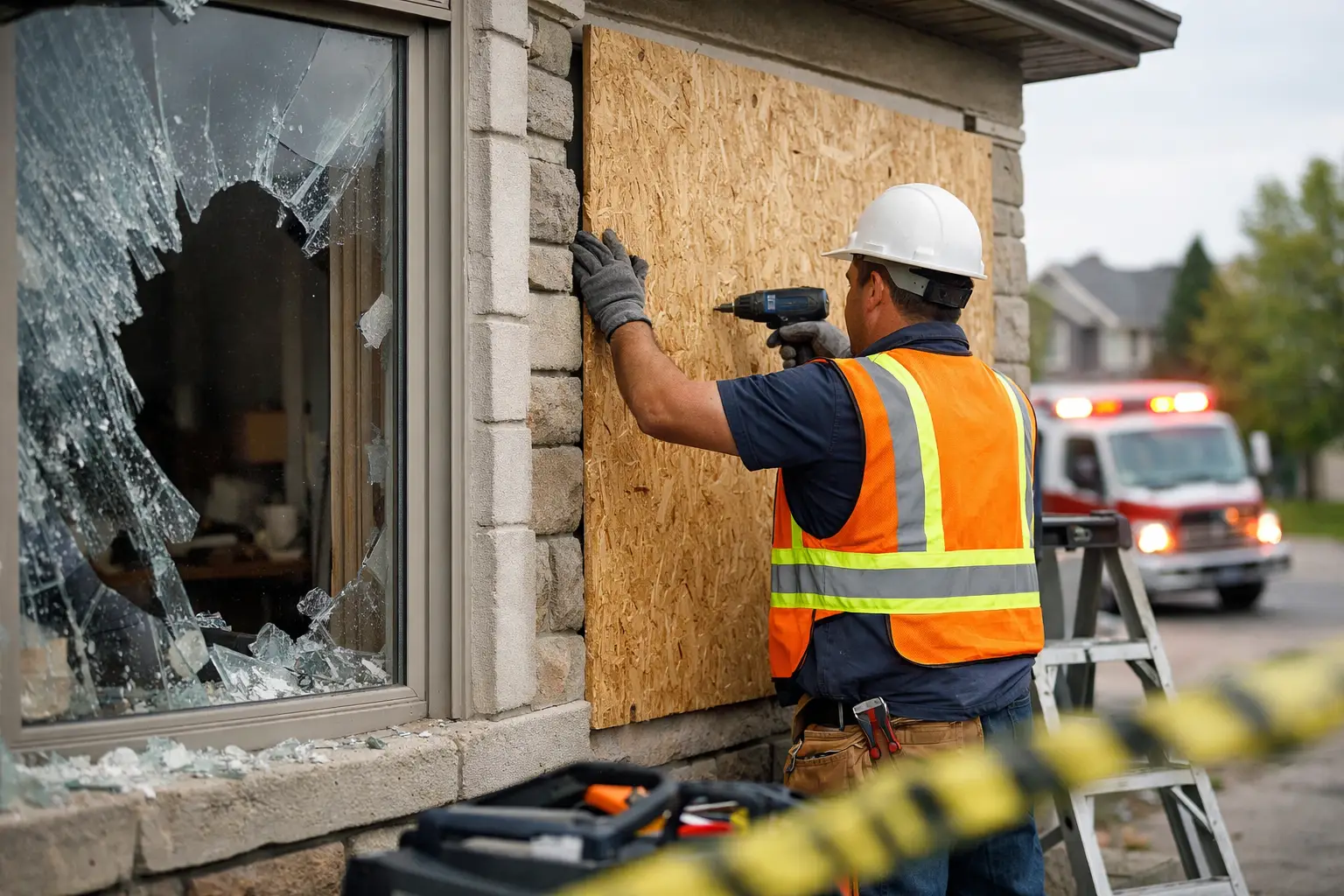
Plywood over broken windows and doors, tarps over roof breaches, done fast enough to stop wind and rain from causing more damage while a permanent repair gets scheduled.
When wind-driven rain or flooding gets inside, extraction and structural drying follow the ANSI/IICRC S500 standard, the same protocol used for any water intrusion.
Roofing, siding, drywall, and structural framing get rebuilt once the structure reads dry, handled in-house by a licensed general contractor instead of handed off to a subcontractor.
Trees down on a roof, hail-damaged shingles, wind-breached siding, and flooded basements or crawl spaces each carry their own containment and safety protocol.
A downed tree through a roofline and a cracked window from hail both start with the same first step, stop the opening from getting bigger, but only one of them usually needs a structural assessment before reconstruction can begin.
The cost of storm damage restoration in Metro Atlanta depends on how much of the structure was breached, whether water got inside before the board-up or tarp went on, and how much of the roof, siding, or interior needs to be rebuilt rather than repaired. Elevated Operations provides a free on-site inspection and a written quote before any work begins, and bills insurance directly on covered claims.
A single broken window costs less to secure than a roof section torn open by a fallen tree limb or straight-line wind.
Storm damage that let rain inside adds extraction and drying to the scope, on top of the board-up or tarp work.
Most Georgia homeowners policies cover sudden wind and hail damage. Elevated Operations bills the carrier directly and assists with the deductible up to $1,000 on qualifying claims.
Emergency mitigation alone, board-up and tarping, costs less than a job that also requires full roofing, siding, or structural reconstruction.
Wind and hail is consistently the leading cause of homeowners insurance claims by frequency in the United States, ahead of water damage and freezing (Insurance Information Institute, “Facts + Statistics: Homeowners and Renters Insurance,” ISO/Verisk data, 2018-2022 dataset). That is one of the reasons Elevated Operations builds every storm damage estimate to match what an insurance adjuster expects to see.
IICRC-certified crews respond within 60 minutes, 24 hours a day, with board-up materials and tarps already loaded. Get a free quote and a written scope of work before any equipment gets set up.
Four situations send most Metro Atlanta storm calls to Elevated Operations. If any of these match what is happening at your property right now, stop and call.
Straight-line thunderstorm winds and falling limbs are two of the most common causes of roof damage in Metro Atlanta. Do not walk the roofline yourself. Elevated Operations tarps the breach and coordinates a structural assessment before anyone climbs up.
A breached roof or broken window lets wind-driven rain inside fast. Emergency board-up and tarping stop the water at the source, then extraction and structural drying follow the ANSI/IICRC S500 standard.
Metro Atlanta's dense clay soil drains slowly, so heavy rainfall from a severe thunderstorm or a weakened tropical system can flood a basement or crawl space fast. Standing water needs pump-out, drying, and sanitizing before mold gets a foothold.
Hail from a severe thunderstorm can crack shingles and dent siding without an obvious leak yet. A roof and exterior inspection documents the damage for your insurance adjuster before the next storm makes it worse.
Not every storm loss needs the same response. Wind and tree impact, hail, wind-driven rain, and flooding from heavy rain each start differently and call for a different first step, even though all four can end in a full reconstruction.
The table below is the framework Elevated Operations technicians use on site to explain, in plain terms, what a homeowner should expect once the truck is on the way.
| Storm Damage Type | Common Cause in Metro Atlanta | Elevated Operations Approach | Reconstruction Likely? |
|---|---|---|---|
| Wind & Tree Impact | Straight-line thunderstorm winds, falling trees or limbs | Emergency board-up, roof tarping, structural assessment | Often, if the roofline or wall framing was breached |
| Hail Damage | Severe thunderstorms producing hail | Roof and exterior inspection, tarping if breached, insurance documentation | Sometimes, roofing or siding replacement is common |
| Wind-Driven Rain / Water Intrusion | Rain forced in through a breached roof, wall, or broken window | Emergency tarping, water extraction, structural drying under ANSI/IICRC S500 | Often, drywall and insulation are typically affected |
| Flooding From Heavy Rain | Heavy rainfall from thunderstorms or weakened tropical systems | Pump-out, extraction, dehumidification, contamination check | Usually, especially in basements and crawl spaces |
A hail-cracked shingle and a wind-driven rain leak both start as roof damage, but only the second one usually means water is already inside the structure by the time the crew arrives.
Metro Atlanta sits in a region that sees severe thunderstorms through spring and summer, along with the weakened remnants of Gulf and Atlantic tropical systems that arrive later in the season still carrying heavy rain and damaging wind. That storm pattern, combined with the metro area's mature tree canopy, across roughly 6.4 million people in seven core counties, changes how storm damage restoration gets handled compared to drier, less wooded regions.
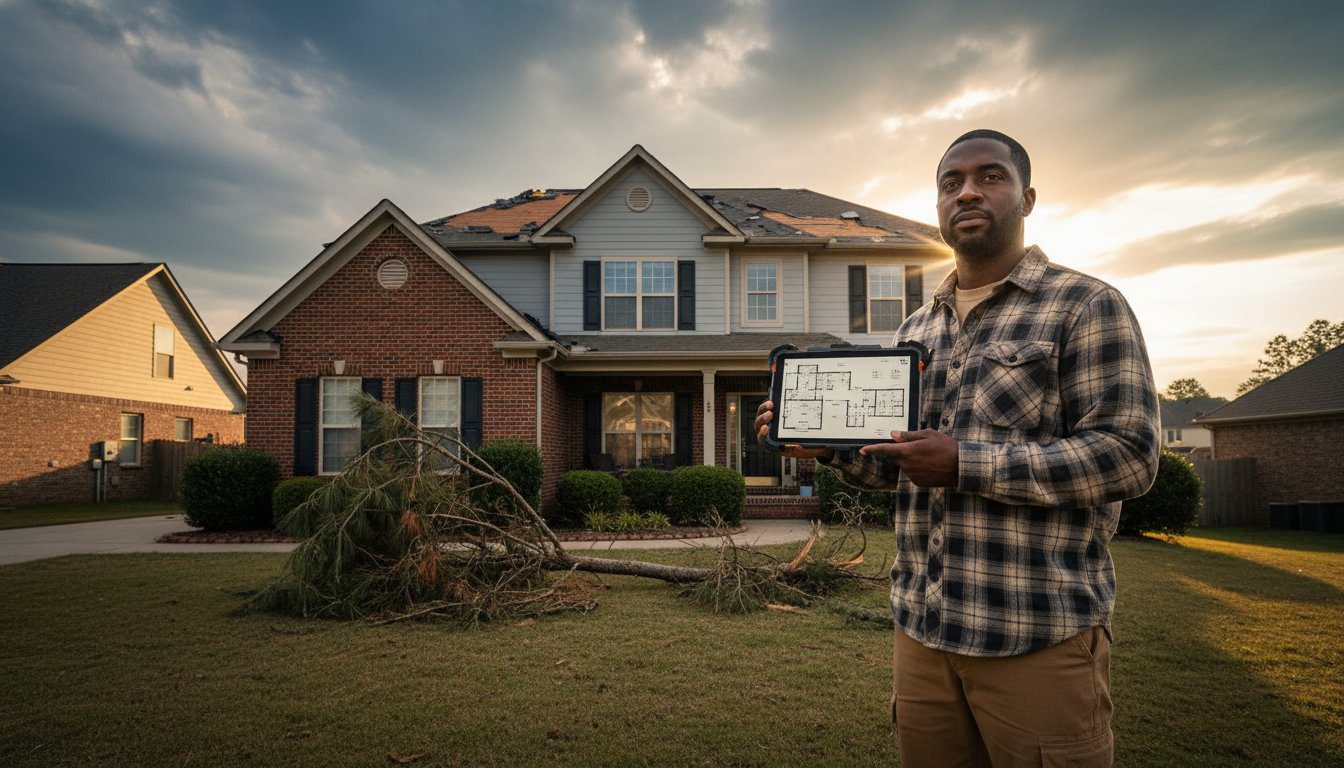
Spring and summer severe thunderstorms bring straight-line wind and hail across Cobb, Fulton, DeKalb, and the rest of Metro Atlanta, often with little warning before a roof or window takes a direct hit.
By the time a Gulf or Atlantic tropical system reaches inland Georgia, it has usually weakened, but the heavy rainfall left behind can still flood a basement or crawl space and drive wind damage across the metro.
Metro Atlanta's dense, mature tree canopy, part of what gives the region its long-standing reputation as a city in a forest, means downed limbs and fallen trees are a leading cause of roof and structural storm damage.
A downed tree and a hail-cracked roof both start the same way for an insurance adjuster, documented damage tied to a specific storm event, which is why Elevated Operations photographs and logs every job before a single tarp goes up.
Storm-chaser contractors follow severe weather into Metro Atlanta, going door to door with lowball verbal quotes, collecting deposits, and disappearing before the roof is finished or the insurance claim is settled. Four checks protect a homeowner from that pattern before a contract gets signed.
Confirm IICRC certification, general contractor license, and liability insurance in writing, not just a verbal claim, before anyone gets on your roof.
A local physical address and a company that existed before the storm matters. A magnetic sign on a rental truck is not a track record.
Get a written scope of work that matches what your insurance adjuster approves. If the numbers do not line up, ask why before signing anything.
A blank assignment of benefits form hands a stranger control of your insurance claim. Read every line before you sign anything.
Elevated Operations responds across Cobb, Fulton, DeKalb, Douglas, Clayton, Henry, and Paulding counties in under 60 minutes, with IICRC-certified technicians, direct insurance billing, deductible assistance up to $1,000, and a 12-month warranty on every completed restoration project. Trusted by hundreds of homes and businesses, 5-star rated on Google.
IICRC-Certified · Direct Insurance Billing · 12-Month Warranty · Serving Cobb, Fulton, DeKalb, Douglas, Clayton, Henry & Paulding CountiesFrom emergency mitigation to full reconstruction, handled in-house so you are never managing a chain of subcontractors mid-crisis.
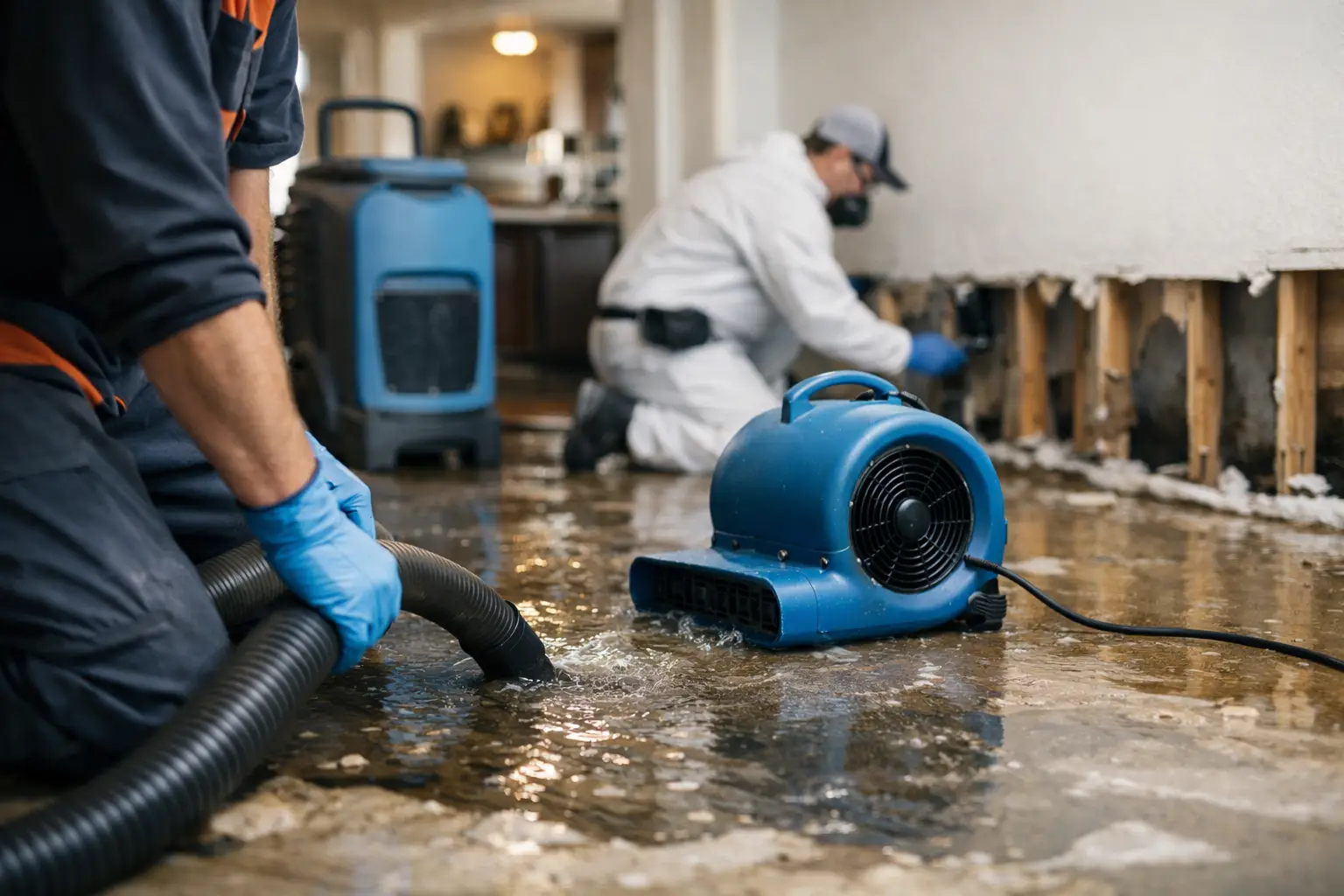 Water Damage
Extraction, structural drying, and moisture mapping after floods, leaks, and burst pipes.
Get help now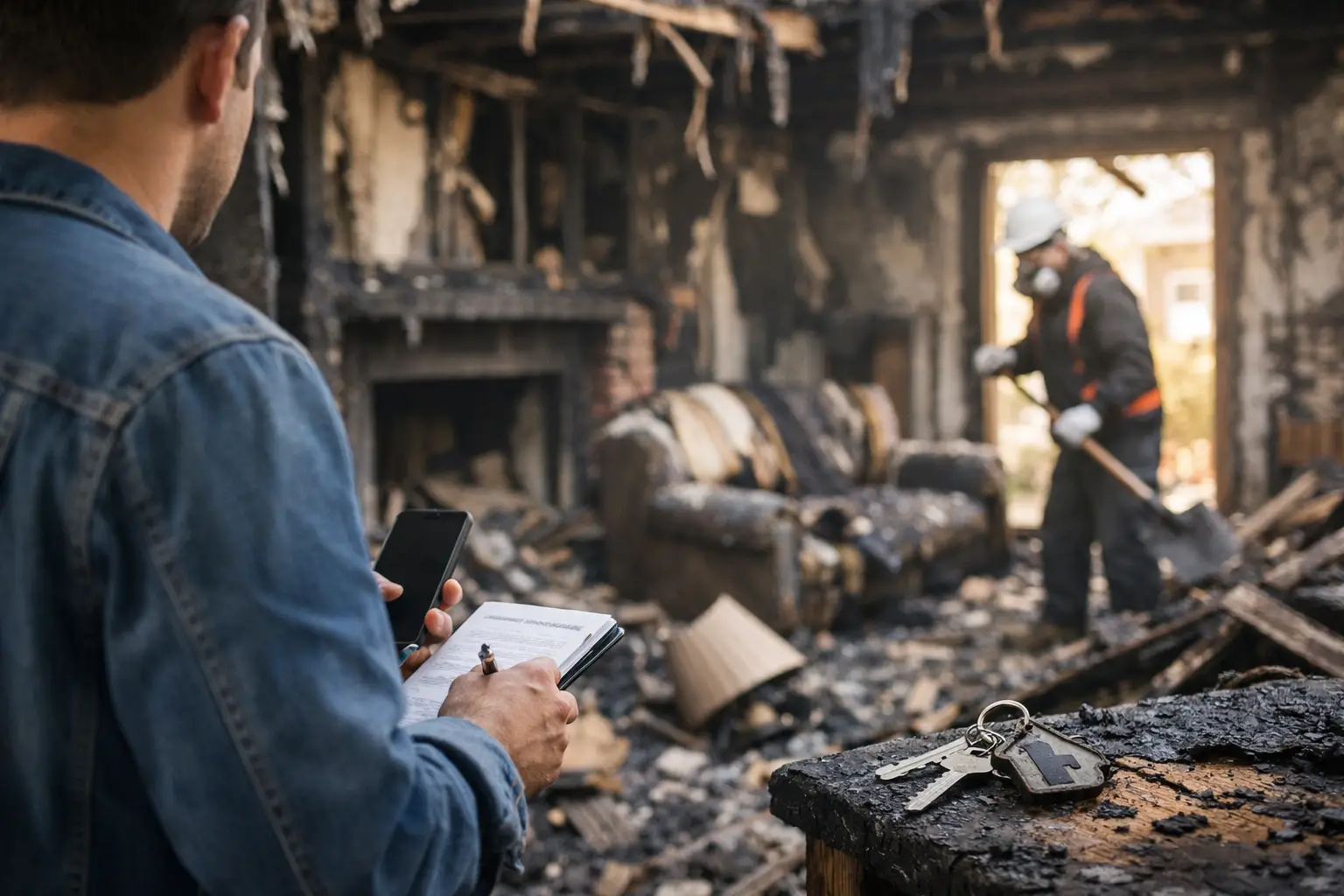 Fire & Smoke
Soot removal, odor deodorization, and content cleaning after fire and smoke damage.
Learn more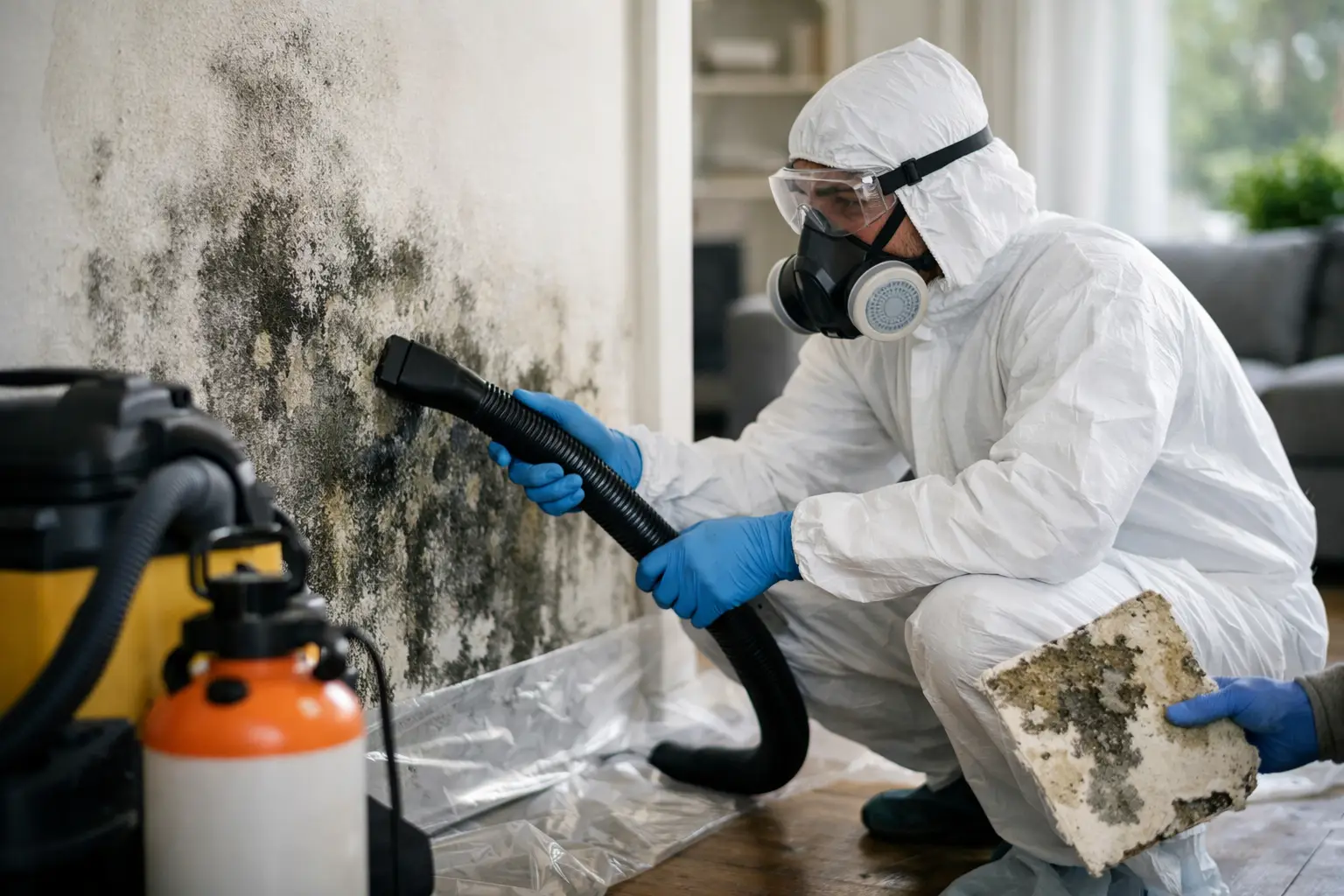 Mold
MoldContainment, removal, and moisture control that stops mold from coming back.
Learn more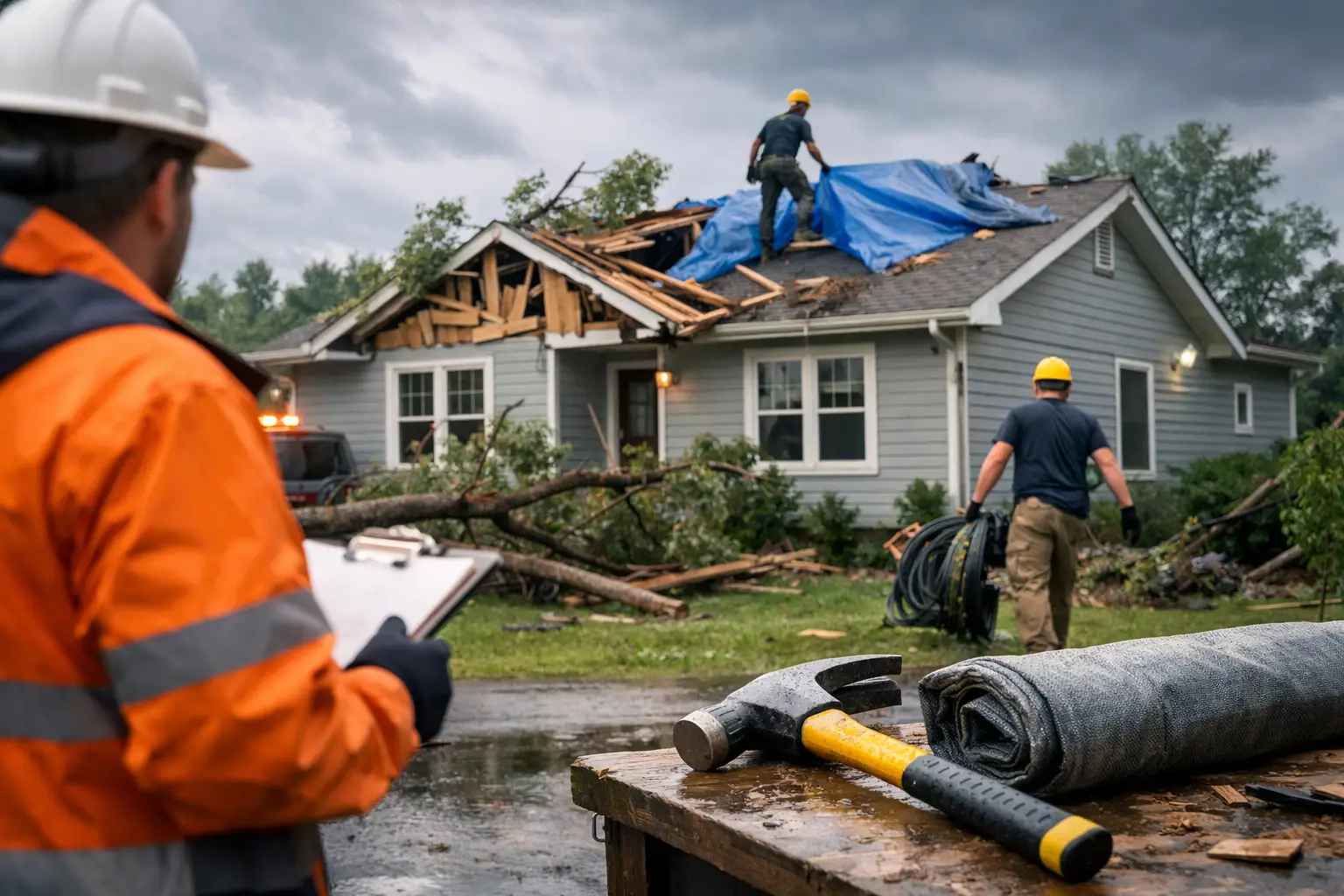 Storm
StormEmergency board-up, roof tarping, and full recovery after wind, hail, and storms.
Learn more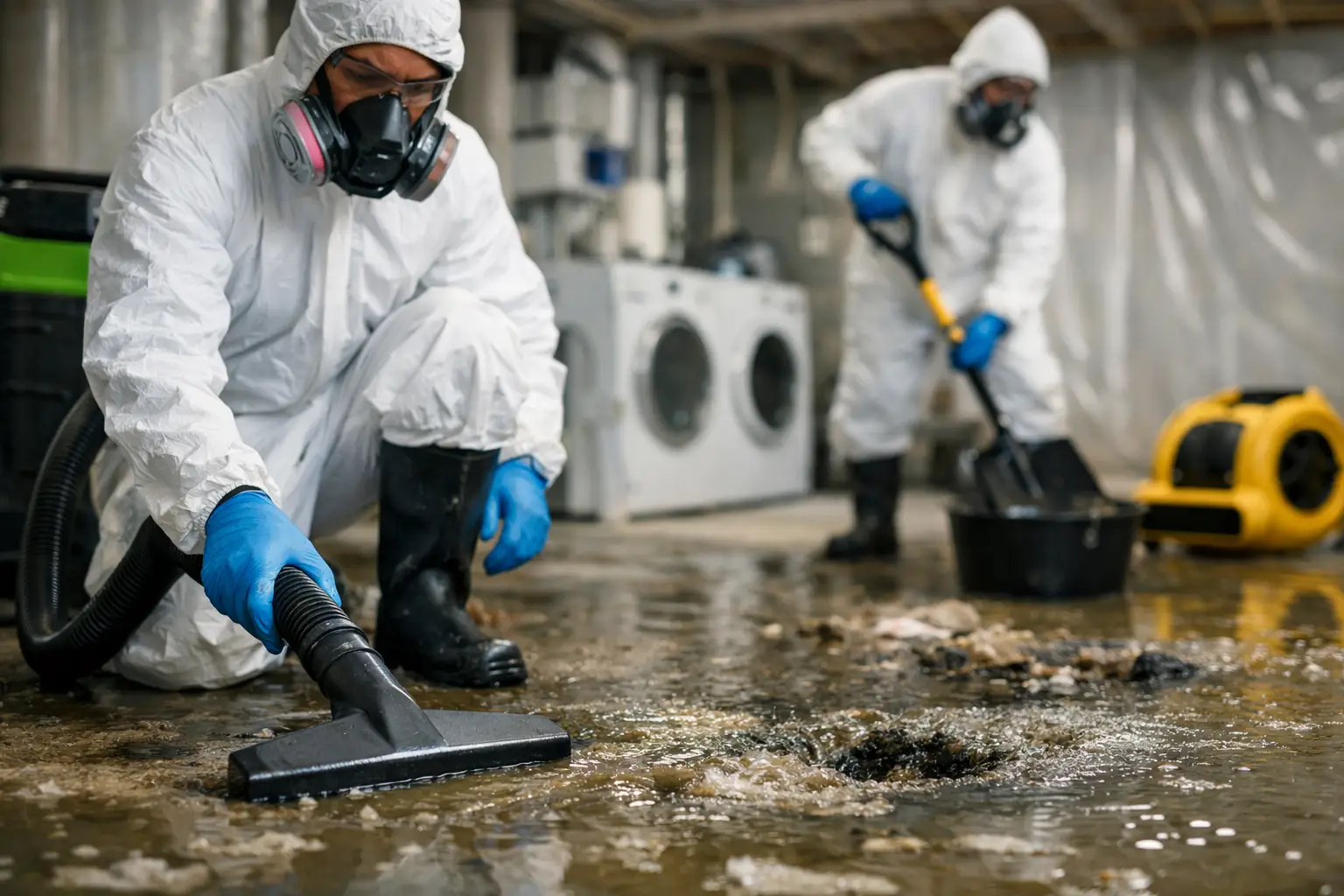 Sewage
Safe biohazard cleanup and sanitizing after sewage backups and overflows.
Learn more Reconstruction
Full rebuild by a licensed general contractor, so your property comes back whole.
Learn moreElevated Operations is an IICRC-certified, licensed general contractor based in Mableton that handles the entire recovery in-house, so after one loss you are never coordinating a cleanup crew, a mold crew, and a contractor separately. One team, one point of contact, from the first pump-out to the final coat of paint.
People call when the property feels like a disaster. They leave reviews because Chris and the crew made it right. These are real, verified Google reviews.
Elevated Operations dispatches IICRC-certified crews across Metro Atlanta from our Mableton base, with a 60-minute emergency response day or night. Choose your city:
Call now for an immediate response, or request your free inspection and get a certified crew on-site within the hour across Atlanta and nearby areas.




