24/7 Emergency Restoration · Serving Metro AtlantaEmergency? (770) 404-6895
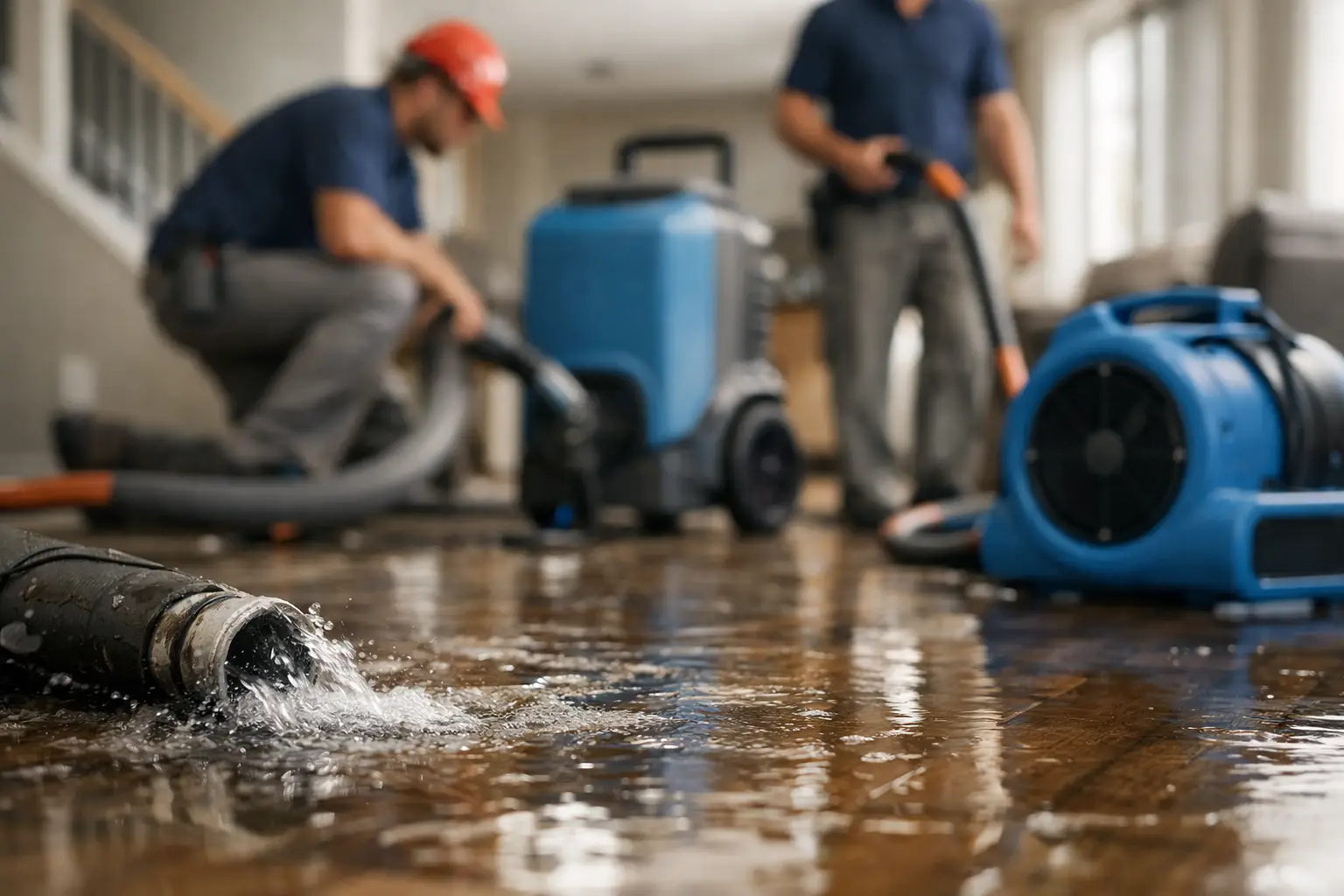
Smoke and soot cleanup Douglasville starts with one rule, stop the damage fast. I send IICRC-certified technicians, use direct insurance billing, and work from a real step-by-step plan for cleanup, odor removal, and contents cleaning in Douglasville homes near I-20 and Dog River reservoir.
IICRC-Certified · 5-Star Rated · 60-Minute Response · Insurance Billed Directly
Yes. My base is in Mableton, and Douglasville is within our service area. That gives me a practical route into neighborhoods near I-20 and the Dog River reservoir area.
Yes. Contents cleaning is part of how I keep smoke from coming back into clean rooms. Salvageable items are handled with the right method for the residue they picked up.
Yes. I offer direct insurance billing and keep the process organized while the cleanup is underway. That matters when you are already dealing with the fire loss.
I stand behind the work with a 12-month warranty. If something was cleaned and treated correctly, I want that to hold up after we leave the job.
Start by stopping the spread, then call us for 24/7 emergency response. I move fast on smoke and soot cleanup Douglasville because soot keeps settling, staining, and spreading into HVAC and porous surfaces. We inspect, secure the site, and build the cleanup plan before anyone scrubs the wrong thing.
In Douglasville, I see the same pattern in builder-grade homes near I-20, soot rides through open plans, hits trim, and hides in cabinet gaps. The first move is not random wiping. It is a controlled smoke damage cleanup with the right sequence.
If the fire was small, people still make the same mistake, they start surface cleaning with whatever they have under the sink. That pushes soot deeper into paint, vinyl, and soft goods. IICRC-certified technicians know when to use dry methods first and when moisture is the wrong choice.
I am based in Mableton, and I know how Douglasville homes are laid out, from newer subdivisions to older streets closer to Dog River reservoir. The structure matters. The airflow matters. So does the order of work, especially when odor is already moving through the house.
We clean smoke and soot damage in a strict order, inspect, contain, dry clean, detail clean, then deodorize. That keeps soot from smearing and prevents odor from locking in. Every job starts with source control, then targeted soot removal from the surfaces that took the hit.
Step one is assessment. I look at the fire source, the smoke path, the HVAC system, and which rooms took the heaviest load. In Douglasville homes with builder-grade finishes, painted drywall, laminate trim, and carpet can all react differently, so the method changes room by room.
Step two is containment and extraction. We use an air scrubber when the job calls for it, and we keep damaged areas from bleeding into clean rooms. Then we begin dry soot removal, because wet wiping too early can drag residue across walls, ceilings, and cabinets.
Step three is detail work. That means surface cleaning, hvac cleaning if smoke traveled through the system, contents cleaning for salvageable items, and deodorization for the hidden odor that hangs on after the visible soot is gone. I do not guess at this part. I follow what the structure needs.
Dry soot removal, careful surface cleaning, and the right cleaning sequence remove soot from walls and ceilings without smearing it. I always start with the least aggressive method first. If you add water too soon, soot can streak into paint, textured ceilings, and trim seams that are hard to fix later.
Walls and ceilings in Douglasville subdivisions near I-20 are often builder-grade, which means the coatings can show every mistake. A rag and a bucket are not a plan. We test the surface, choose dry sponging or other controlled methods, and work from top to bottom.
Ceiling fans, crown lines, and HVAC returns collect soot fast. If a room smells smoky after the wipe-down, the residue is probably still in the air path or in the porous finish. That is why hvac cleaning often becomes part of the smoke damage cleanup, not an optional extra.
I have seen owners on the edges of Dog River reservoir area try to paint over soot. That covers the stain for a minute and traps odor underneath. Proper soot removal is mechanical first, then cleaning, then deodorization. In that order. No shortcuts.
Yes, smoke odor can usually be removed when we clean the source, treat hidden residue, and deodorize the structure correctly. Odor removal is not just spraying fragrance. It means cleaning porous materials, checking HVAC, and treating the spaces where smoke settled after the flames were out.
Smell follows soot. That is the rule I use. If the fire was in a kitchen, laundry room, or garage, smoke odor can move into insulation, closets, return vents, and soft contents. You have to remove the residue first or deodorization becomes a temporary cover-up.
In Douglasville, many homes near I-20 have open layouts that let air move quickly from room to room. That helps smoke spread too. We combine odor removal with contents cleaning and HVAC checks so the smell does not keep coming back after the house is closed up.
I do not promise magic. I promise the right process, and I stand behind it with a 12-month warranty. When the damaged materials are cleaned correctly and the remaining odor sources are treated, the result is usually strong. If something still holds smell, I want to find it.
Smoke cleanup should start as soon as the site is safe, because soot and odor get harder to remove every hour they sit. In practical terms, fast response matters. We offer 60-minute emergency response 24/7, so Douglasville homeowners can stop the spread before damage sets in deeper.
Soot does not wait. It settles into finishes, stains grout lines, and clings to plastics, especially in hot Georgia air. The longer it sits, the more likely it is to stain permanently or travel through the HVAC system into rooms that never burned at all.
If the fire was near the kitchen or garage, I want the cleanup started immediately after the fire department clears the scene. That is how you protect builder-grade cabinets, painted walls, and contents that can still be saved with the right handling.
Douglasville homes close to Dog River reservoir and the I-20 corridor can pull in humidity and airflow that make odor more stubborn. Early smoke damage cleanup is not a luxury. It is how you keep a bad day from becoming a bigger project.
Contents cleaning starts with sorting what can be saved, what needs special handling, and what should not be moved yet. We document, pack out if needed, and clean salvageable items with methods that match the smoke type. That keeps soot from transferring back into the house during restoration.
Family photos, clothing, small appliances, and upholstered items all react differently to smoke. In Douglasville homes, especially the ones with open storage and attached garages, soot can settle on everything nearby. Contents cleaning keeps those items from becoming a second source of odor.
I always look at what touched the smoke and what only sat in the same air. Those are not the same problem. Some items need dry cleaning, some need careful washing, and some need to be isolated so the smell does not move back into clean rooms.
If the damage reaches closets, pantry items, or rooms above the garage, contents work becomes part of the overall smoke and soot cleanup. I treat it that way from the start, because half-cleaned items can keep feeding the odor long after the visible soot is gone.
You call (770) 404-6895 and I dispatch 24/7. I verify the loss, ask about safety, and begin a smoke and soot cleanup plan for your Douglasville property before we arrive.
We inspect smoke paths, soot type, HVAC impact, and salvageable contents. I look closely at builder-grade finishes common in Douglasville homes near I-20, because the wrong cleaner can ruin them fast.
We isolate the damaged area, protect clean rooms, and use an air scrubber when needed. That helps stop soot migration and keeps odor from spreading deeper into the house.
We perform dry soot removal first, then surface cleaning on walls, ceilings, trim, and hard surfaces. If smoke traveled through the system, hvac cleaning becomes part of the job, not an afterthought.
We finish with deodorization and odor removal methods that target the source, not just the smell. Contents cleaning is handled as needed so cleaned items do not bring smoke back into the home.
We use direct insurance billing, provide deductible assistance up to $1,000, and back the work with a 12-month warranty. You get one clear point of contact with owner Chris Kwangwari.
From emergency mitigation to full reconstruction, handled in-house so you are never managing a chain of subcontractors mid-crisis.
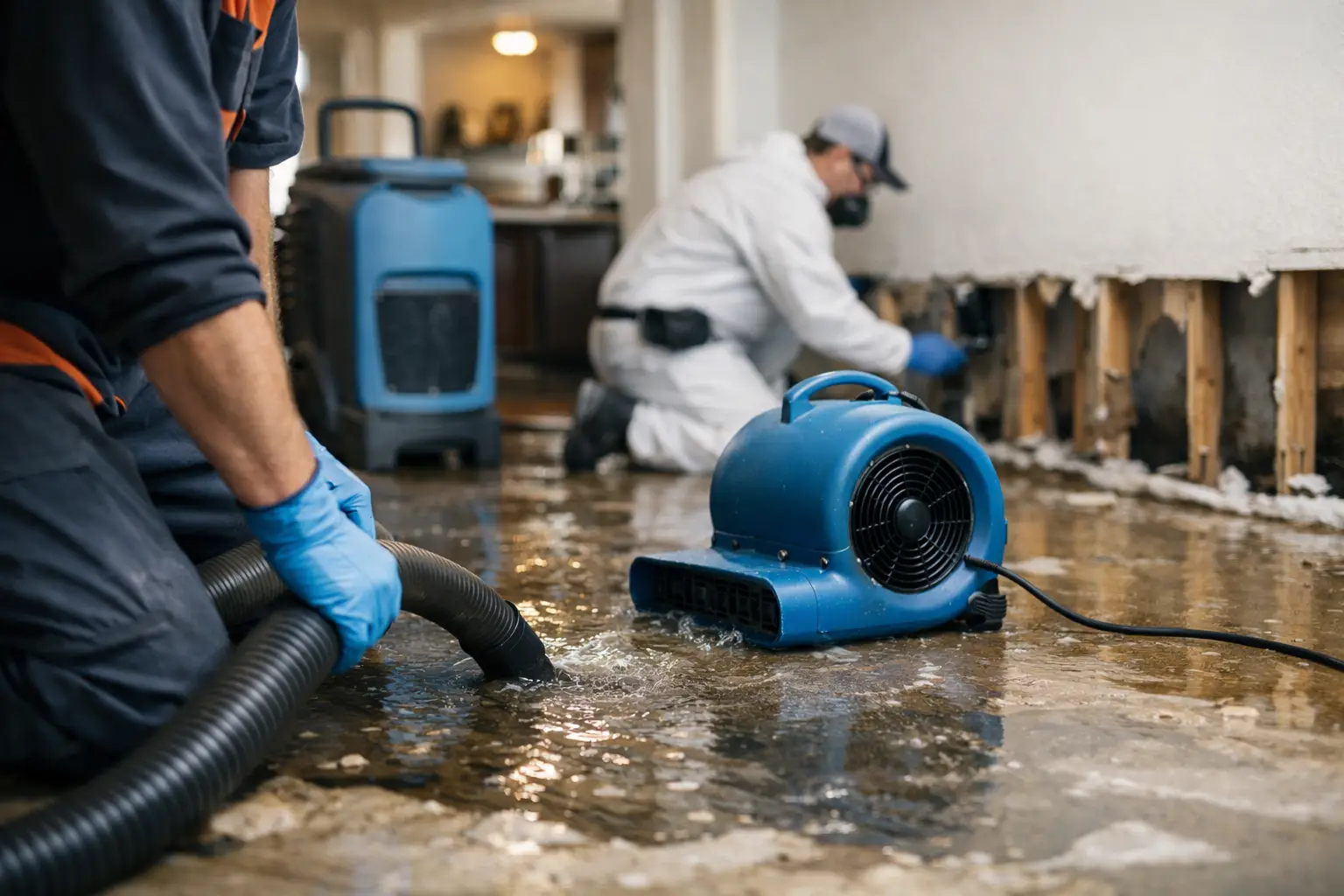 Water Damage
Extraction, structural drying, and moisture mapping after floods, leaks, and burst pipes.
Get help now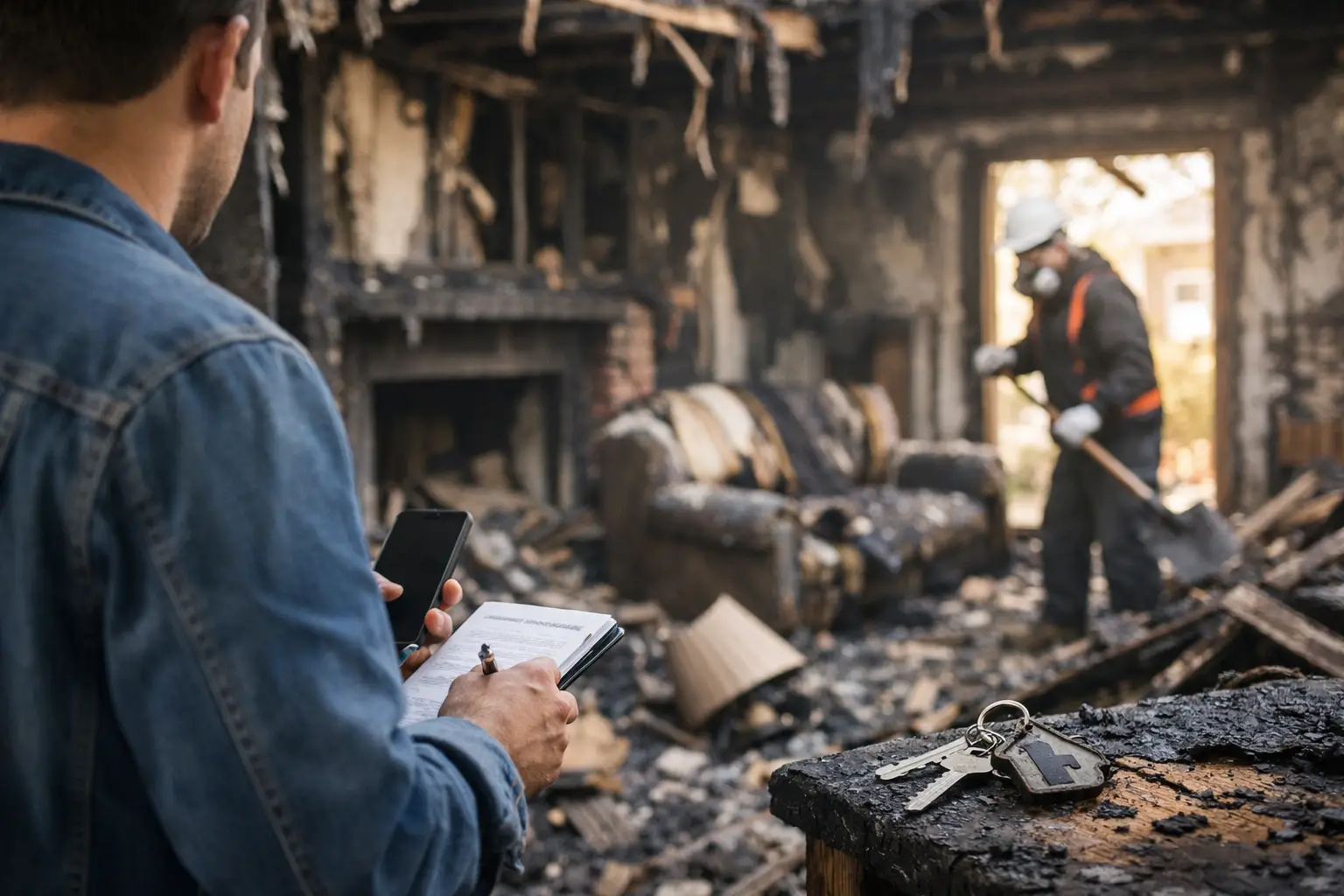 Fire & Smoke
Soot removal, odor deodorization, and content cleaning after fire and smoke damage.
Learn more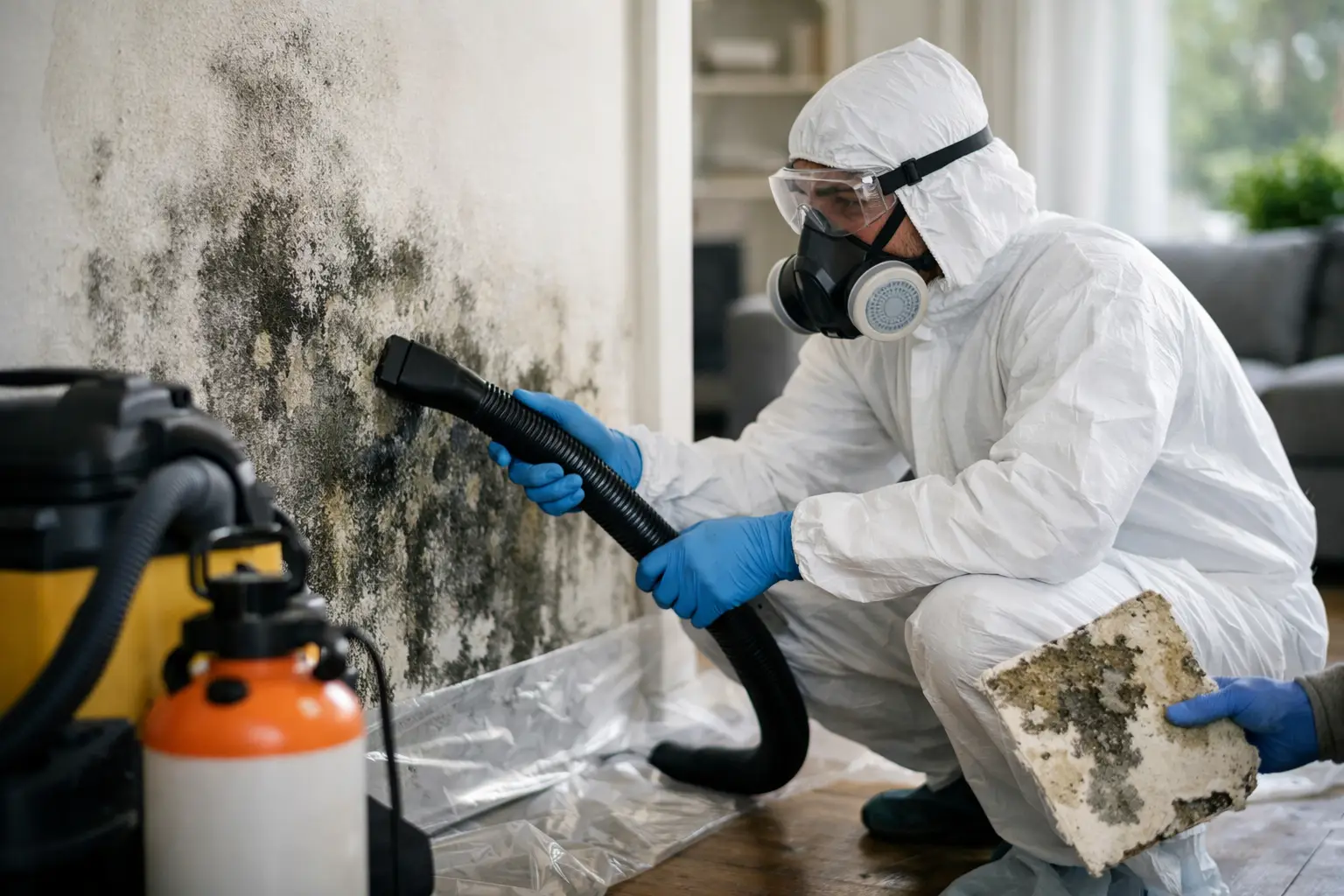 Mold
MoldContainment, removal, and moisture control that stops mold from coming back.
Learn more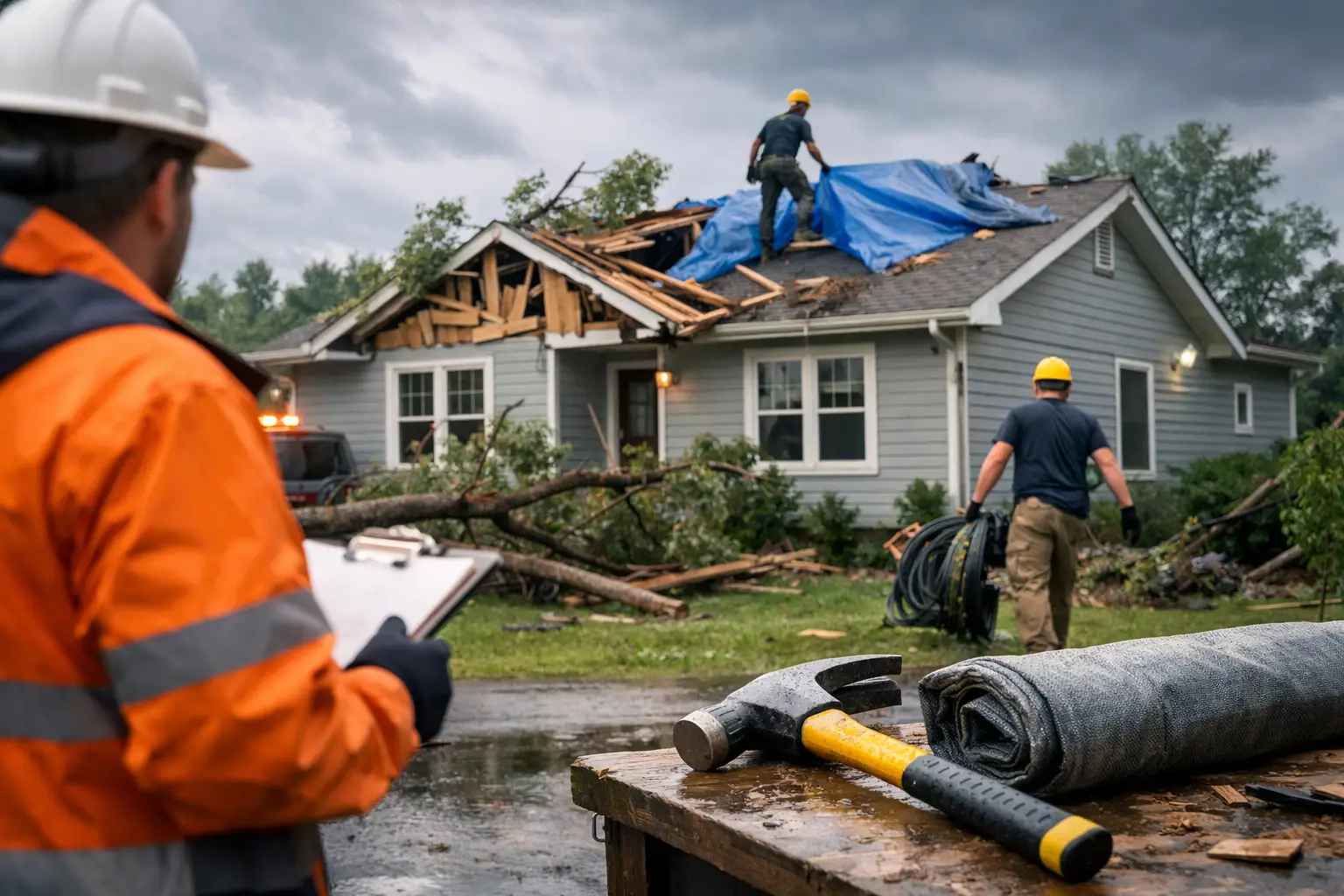 Storm
StormEmergency board-up, roof tarping, and full recovery after wind, hail, and storms.
Learn more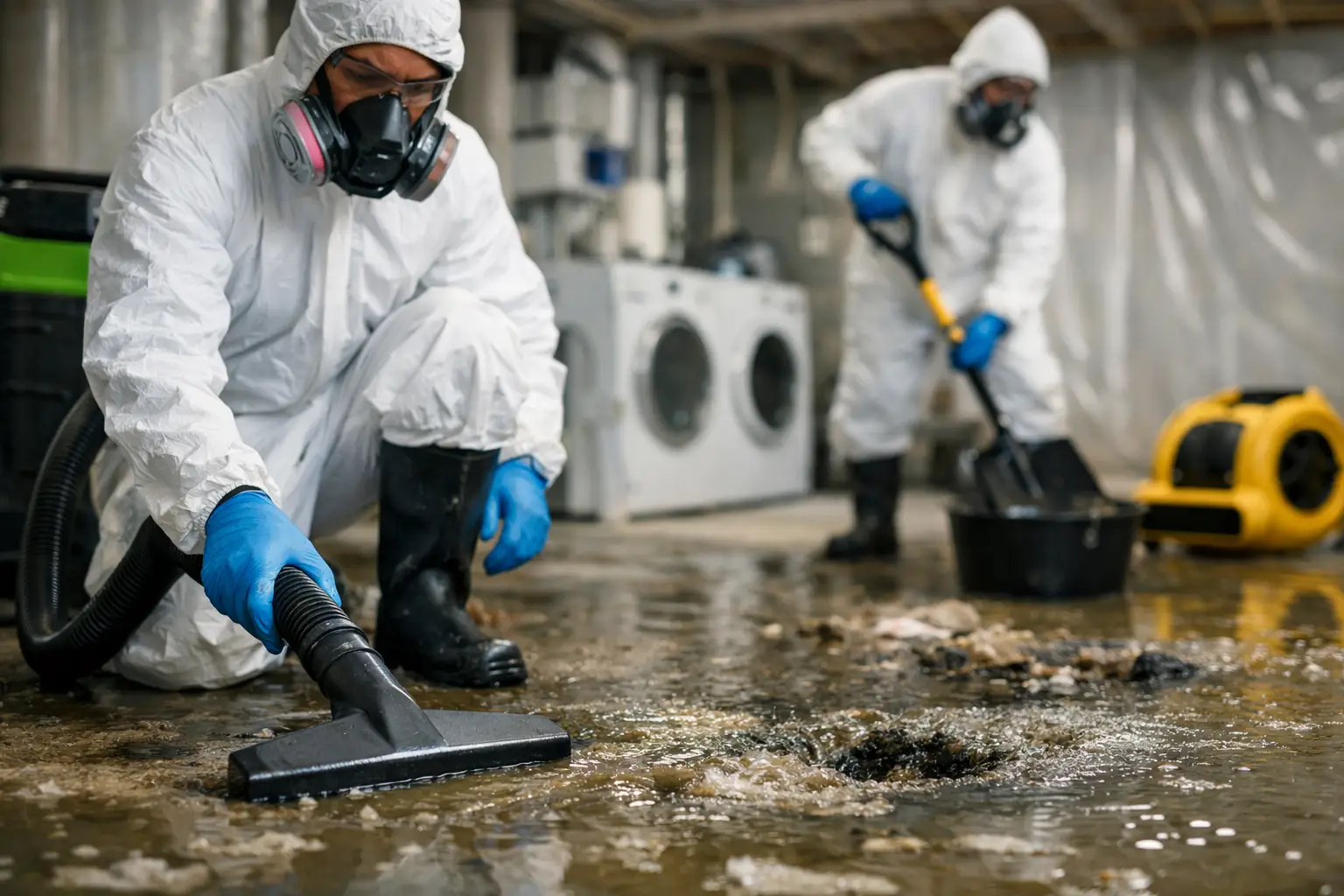 Sewage
Safe biohazard cleanup and sanitizing after sewage backups and overflows.
Learn more Reconstruction
Full rebuild by a licensed general contractor, so your property comes back whole.
Learn moreElevated Operations is an IICRC-certified, licensed general contractor based in Mableton that handles the entire recovery in-house, so after one loss you are never coordinating a cleanup crew, a mold crew, and a contractor separately. One team, one point of contact, from the first pump-out to the final coat of paint.
People call when the property feels like a disaster. They leave reviews because Chris and the crew made it right. These are real, verified Google reviews.
Yes. I handle smoke and soot cleanup in Douglasville, including builder-grade homes near the I-20 corridor where soot can move fast through open layouts. I start with inspection, then containment, then dry cleaning, deodorization, and HVAC checks if smoke traveled through the system. The goal is to stop spread early and clean in the right order.
Get the site safe, then call us before you start wiping. In homes near Dog River reservoir, humidity and airflow can make smoke odor and soot behavior trickier. I want the damaged rooms assessed before anything is touched, because the wrong first move can smear residue into paint, trim, and ceilings.
I start with dry soot removal and test the surface before using any cleaner. Builder-grade paint and ceiling texture common in Douglasville can streak badly if you scrub too hard or too soon. We work top to bottom, use the least aggressive method that works, and follow with deodorization if the odor source remains.
Usually, yes, when the source is cleaned, HVAC is checked, and porous materials are treated correctly. Smoke odor removal is not about perfume. It is about removing residue from surfaces, contents, and air pathways. I back the work with a 12-month warranty, and I do not stop at surface smell.
Dry soot removal, careful surface cleaning, and the right sequence remove soot best. Kitchen fires often leave greasy residue that smears if you use water too early. In Douglasville homes, I also check nearby vents and ceiling returns, because soot can ride the air path and keep falling back onto clean surfaces.
As soon as the scene is safe. I offer 60-minute emergency response 24/7, because soot and odor set quickly and become harder to remove. Fast smoke damage cleanup protects drywall, trim, cabinets, and contents. Waiting usually means deeper staining, stronger odor, and more work for everyone involved.
Yes. I use direct insurance billing, and I help with deductible assistance up to $1,000 when eligible. That keeps the process moving while we clean. I am a licensed general contractor, and Elevated Operations, LLLP has been in restoration since 2007, so I know how to keep paperwork and field work aligned.
I am Chris Kwangwari, owner of Elevated Operations, LLLP, and I run a licensed general contractor operation out of Mableton. My IICRC-certified technicians handle the cleanup, and our team works across Cobb, Fulton, DeKalb, Douglas, Clayton, Henry, and Paulding counties. We keep it direct, professional, and accountable.
Elevated Operations dispatches IICRC-certified crews across Metro Atlanta from our Mableton base, with a 60-minute emergency response day or night. Choose your city:
Call now for an immediate response, or request your free inspection and get a certified crew on-site within the hour across Atlanta and nearby areas.